
The Use of Color in Moche Art: Techniques and Cultural Significance

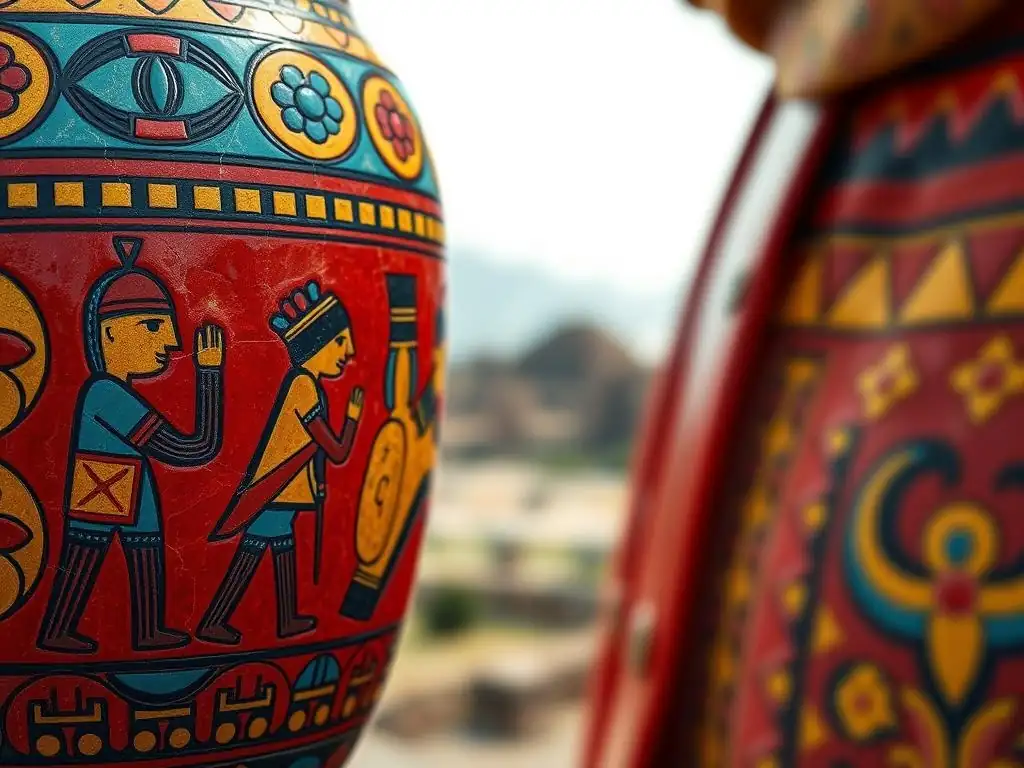
Welcome to Indigenous Civilizations of the Americas, where we invite you to embark on a fascinating journey through the rich tapestry of indigenous cultures that flourished across the continent long before European influences. In our featured article, "The Use of Color in Moche Art: Techniques and Cultural Significance," we delve into the vibrant world of Moche art color techniques, uncovering the remarkable artistry and profound meanings behind the colors that adorned their creations.
Join us as we explore these ancient civilizations, their extraordinary achievements, and the indelible marks they left on history. Your adventure into the depths of Moche culture awaits!
- Introduction to Moche Art Color Techniques
- Historical Context of Moche Art Color Techniques
- Techniques Employed in Moche Art Color Application
- Cultural Significance of Colors in Moche Art
- Comparison of Moche Art Color Techniques with Other Indigenous Cultures
- Conclusion: The Legacy of Moche Art Color Techniques
- References and Further Reading on Moche Art and Color Techniques
-
Frequently Asked Questions
- What are the primary color techniques used in Moche art?
- How did color play a role in Moche cultural significance?
- What materials were used to create natural pigments for Moche art?
- How did Moche art influence other indigenous cultures in the Americas?
- What is the significance of Moche color techniques in contemporary art?
- Final Reflection: The Vibrancy of Moche Art Color Techniques and Their Enduring Legacy
- Unveil the Vibrant World of Moche Art Today!
Introduction to Moche Art Color Techniques
The Moche civilization, flourishing on the northern coast of Peru from approximately 100 to 800 AD, is renowned for its sophisticated art that reflects both their cultural values and societal structures. One of the most striking features of Moche art is its vibrant use of color, which not only enhances the aesthetic quality of their creations but also conveys significant cultural meanings. This article delves deep into the Moche art color techniques, exploring how these methods were employed to create intricate pottery, textiles, and metalwork, and examining the cultural significance embedded within these vibrant hues.
Overview of Moche Civilization and Its Artistic Contributions
The Moche civilization is celebrated for its remarkable achievements in various domains, particularly in art and architecture. Their society was characterized by advanced agricultural practices, impressive engineering feats, and a rich spiritual life, all of which were intricately woven into their artistic expressions.
- Artistic Achievements:
- The Moche are best known for their exquisite pottery, often adorned with detailed figurative scenes that depict daily life, mythology, and ritual practices.
- Metalwork, particularly in gold and silver, showcases their skill in metallurgy, with items ranging from intricate jewelry to ceremonial objects.
- Textiles produced by the Moche were also highly sophisticated, using complex weaving techniques and vibrant dyes.
These artistic contributions not only illustrate the Moche's technical prowess but also provide crucial insights into their social structure, religious beliefs, and interactions with neighboring cultures.
Importance of Color in Moche Art
Color played a pivotal role in Moche art, serving both aesthetic and symbolic purposes. The vibrant palettes used by Moche artisans were a means of communication, imbuing their artworks with deeper meanings.
- Symbolic Use of Color:
- Different colors were often associated with specific deities, natural elements, and social status, reflecting the Moche worldview.
- Bright reds, deep blues, and earthy browns were common, each chosen for their significance and the emotions they conveyed.
- Techniques for Color Application:
- The Moche utilized natural pigments derived from minerals and plants, demonstrating a sophisticated understanding of color theory and material properties.
- Techniques such as slip painting and inlay were employed to enhance the vibrancy and durability of colors in their pottery and textiles.
Understanding the Moche art color techniques not only enriches our appreciation of their artistic legacy but also highlights the intricate relationship between art, culture, and identity in one of the Americas' most fascinating indigenous civilizations.
Historical Context of Moche Art Color Techniques
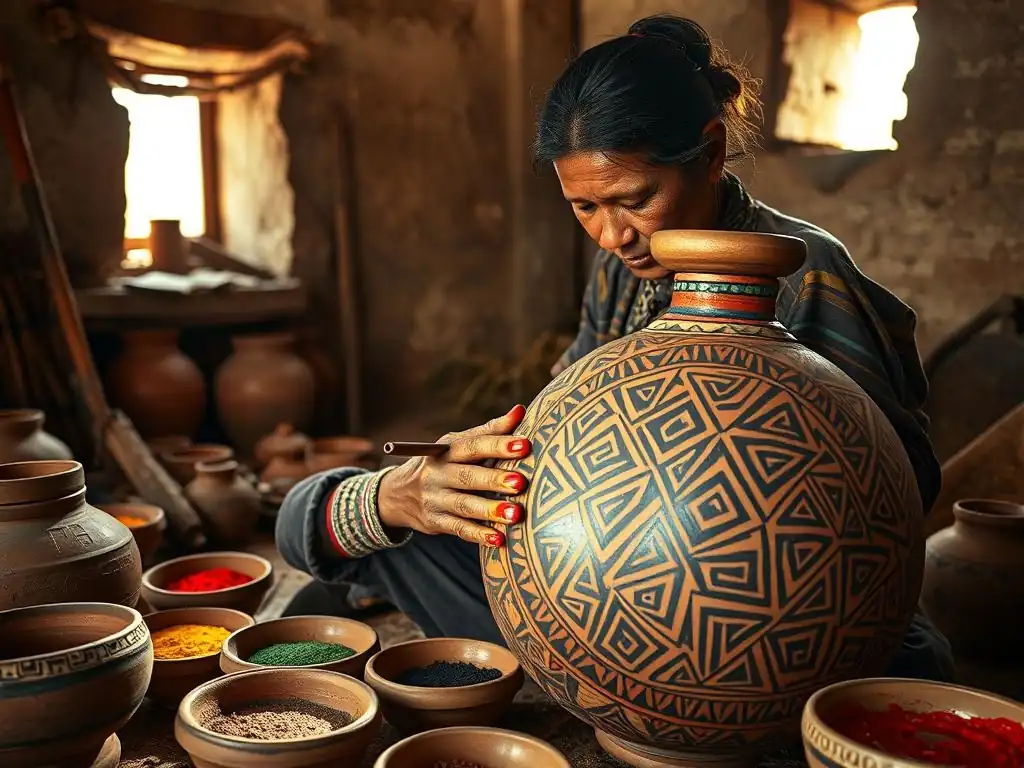
The Moche civilization, which flourished along the northern coast of Peru from approximately 100 to 800 CE, is renowned for its sophisticated art, which prominently features intricate color techniques. Understanding the historical context of Moche art color techniques requires a deep dive into the artistic traditions that preceded them and the environmental factors that shaped their choices in color usage.
Pre-Columbian Artistic Traditions
Moche art is part of a broader continuum of pre-Columbian artistic traditions in the Andes. The Moche people inherited and adapted various techniques from earlier cultures, such as the Chavín and the Nazca. These cultures laid the groundwork for the Moche’s advanced artistic expressions, which included pottery, textiles, and metalwork.
- Ceramic Innovations: The Moche are particularly noted for their ceramics, which showcase a remarkable range of colors and forms. They developed complex molding techniques that allowed them to create detailed and expressive figures. The use of slip—a liquid mixture of clay and water—enabled artists to apply various pigments to pottery, resulting in vibrant colors that were both aesthetic and symbolic.
- Symbolism in Color: Each color in Moche art holds significant meaning, often reflecting social and spiritual beliefs. For instance, red might symbolize life and fertility, while black could represent the underworld. The choice of colors was not arbitrary; it was deeply embedded in the cultural narratives of the Moche people.
- Textile Artistry: Textiles were another area where Moche artisans excelled. They wove brightly colored fabrics using dyes derived from local plants and insects, such as cochineal for red and indigo for blue. These textiles often featured geometric patterns and iconography that conveyed stories about their society and cosmology.
Influence of Environment and Resources on Color Use
The Moche civilization thrived in a unique coastal environment that influenced their artistic choices, particularly in color use. The availability of natural resources played a crucial role in shaping their palette.
- Natural Dyes and Pigments: The Moche utilized a variety of natural resources to create their colors. The coastal geography provided access to a range of minerals and plants. For example:
- Cochineal: This tiny insect, found on cacti, was a source of vibrant red dye.
- Indigo: Derived from the leaves of the indigo plant, this provided deep blue hues.
- Clay and Minerals: Various clays were used to produce different shades, such as ochre for yellow and iron oxides for reds and browns.
- Cultural Exchange: The Moche were part of a larger network of trade and cultural exchange in the Andes. They likely adopted and adapted techniques and color use from neighboring cultures. This exchange enriched their artistic practices and introduced new materials into their color palette.
- Environmental Symbolism: The colors used in Moche art were not only a reflection of available resources but also a representation of their environment. The vibrant colors mirrored the natural beauty of the coastal landscape, from the rich reds of the earth to the deep blues of the ocean, creating a visual language that spoke to their connection with nature.
The exploration of Moche art color techniques reveals a complex interplay of historical traditions, environmental resources, and cultural symbolism. The Moche civilization’s ability to innovate and adapt existing artistic practices while utilizing their local environment contributed to the vibrant and meaningful art that continues to be celebrated today.
Techniques Employed in Moche Art Color Application
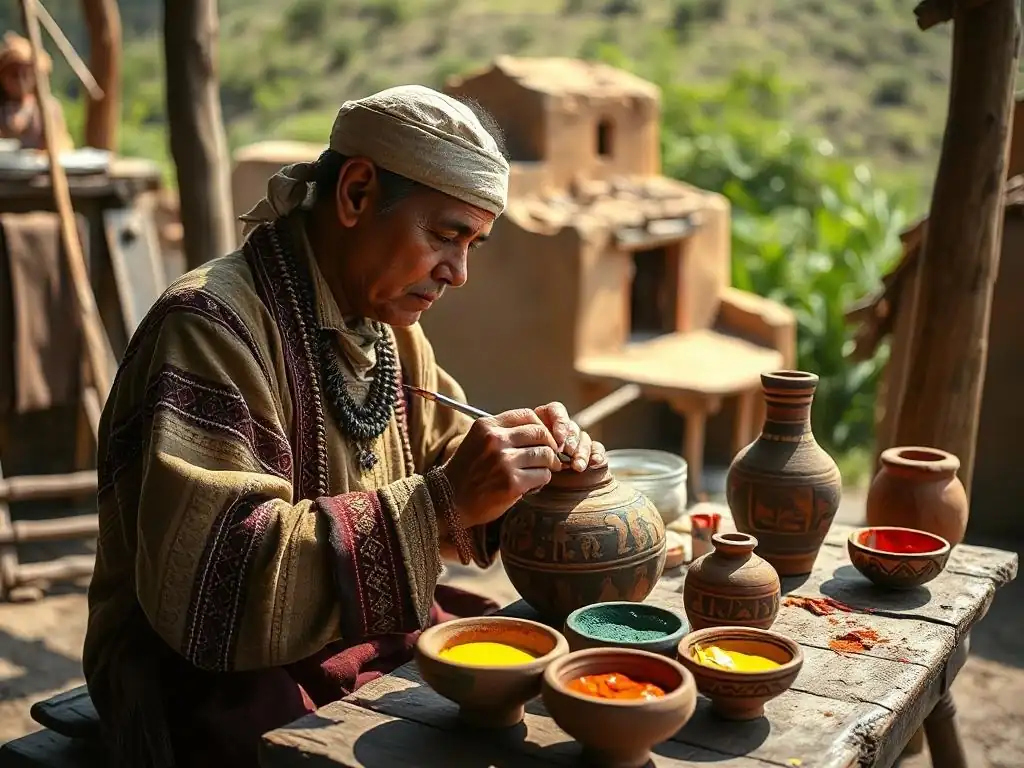
The Moche civilization, renowned for its intricate artistry and complex societal structures, employed a variety of techniques to apply color in their art. These techniques not only demonstrate the Moche people's artistic skills but also reflect their cultural values and beliefs. By examining the methods used in coloring ceramics, textiles, and other art forms, we gain insight into the significance of color in Moche society.
Natural Pigments and Their Sources
The Moche artisans utilized a diverse palette of natural pigments sourced from their environment. These pigments were derived from both mineral and plant materials, which allowed for a wide range of colors in their artworks.
- Mineral Pigments:
- Red ochre: Sourced from iron-rich clays, this pigment provided vibrant reds and earthy tones.
- Yellow ochre: Made from clay rich in iron oxides, it produced bright yellows.
- Black carbon: Obtained from charcoal, this pigment was used to create deep blacks and shades.
- White clays: Various types of kaolin clays were used to achieve whites and lighter tones.
- Plant-Based Pigments:
- Indigo: Extracted from the leaves of the indigo plant, this source provided deep blues, showcasing the Moche's ability to incorporate botanical elements into their art.
- Cochineal: Although primarily associated with later periods, some evidence suggests that similar red dyes from insects could have been used.
The meticulous selection of these pigments reflects not only a technical understanding of their materials but also a deep connection to the land, as Moche artists sought to encapsulate the essence of their surroundings in their artwork.
Methods of Color Application in Moche Ceramics
Moche ceramics are particularly famous for their vibrant colors and intricate designs. The techniques employed in the application of color were advanced for their time and included several methods:
- Slip Painting:
- A technique involving the use of liquid clay (slip) to apply color directly onto the surface of the pottery. The slip could be pigmented with natural dyes, allowing for detailed designs and patterns that adhered well to the clay.
- Engobing:
- This method involved the application of a colored slip to the surface of the pottery before firing. Engobing allowed for a smooth finish and ensured that the colors remained vibrant even after the firing process.
- Burnishing:
- After applying the color, Moche artisans often burnished the surface of the pottery with a smooth tool, creating a shiny finish that enhanced the vibrancy of the colors. This technique also helped to seal the pigments, ensuring their longevity.
- Firing Techniques:
- The Moche employed different firing techniques, such as reducing atmospheres, which altered the color of the glazes and slips. This method allowed for variations in hue and depth, adding complexity to their color schemes.
Through these sophisticated methods, Moche ceramics became canvases that reflected the richness of their cultural identity and artistic expression.
Color Usage in Textiles and Other Art Forms
The use of color in Moche textiles and other art forms further illustrates the civilization's expertise and cultural significance of color. Moche textiles, often made from cotton and wool, displayed a remarkable range of colors and patterns.
- Dyeing Techniques:
- Moche artisans used various dyeing methods, including resist dyeing and tie-dyeing, to create intricate patterns and vibrant colors in textiles. The use of natural dyes from plants and insects allowed for a rich spectrum of shades.
- Symbolic Color Use:
- Colors in Moche textiles often held symbolic meanings. For instance, red might symbolize power or sacrifice, while green could represent fertility and the agricultural cycle. The deliberate choice of colors in textiles often conveyed social status, religious significance, or personal identity.
- Integration with Other Art Forms:
- Color was not only confined to ceramics and textiles but also extended to metalwork, wood carvings, and mural paintings. Each medium showcased unique color applications, enriching the overall artistic landscape of the Moche civilization.
The diverse methods of color application and the significance ascribed to color in Moche art reflect a complex understanding of aesthetics and symbolism, highlighting the civilization's rich cultural heritage. Through their art, the Moche communicated their beliefs, societal values, and intricate relationship with the environment, leaving a lasting legacy in the history of indigenous civilizations in the Americas.
Cultural Significance of Colors in Moche Art
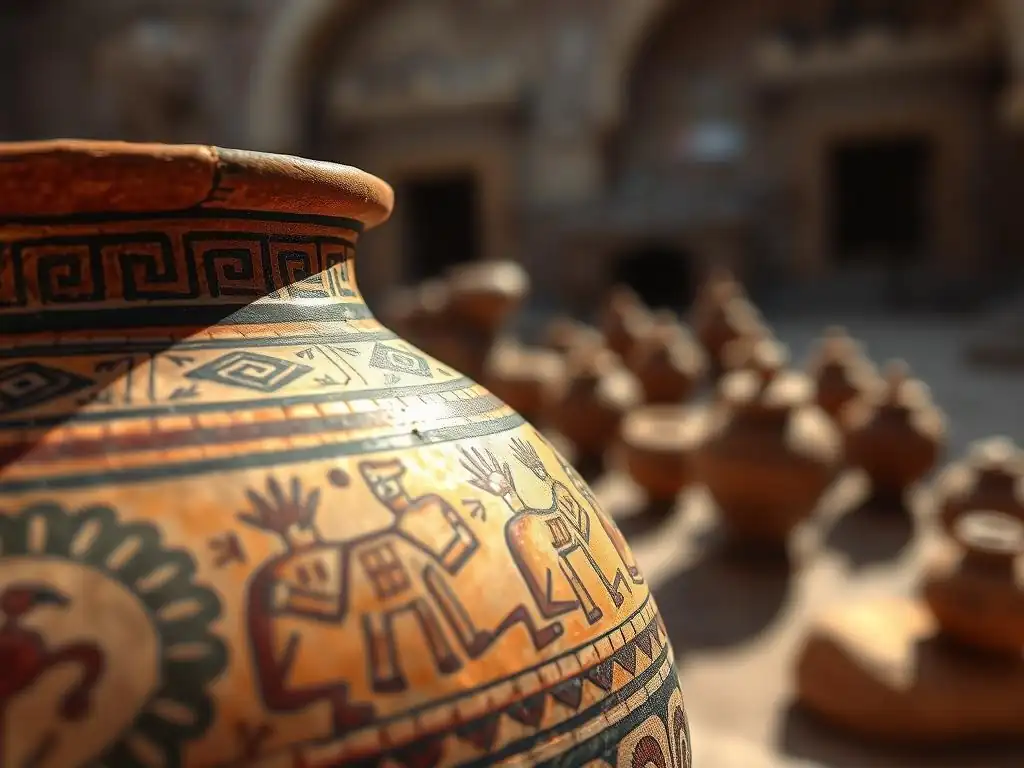
Symbolism of Colors in Moche Society
The Moche civilization, flourishing from approximately 100 to 800 CE in what is now Peru, utilized a sophisticated color palette in their art that was deeply intertwined with their cultural expressions and beliefs. Each color held specific meanings and symbolisms that reflected the values and worldview of the Moche people.
- Red: Often associated with blood, life, and fertility, red was a dominant color in Moche art. It symbolized not only the vitality of the earth but also the importance of ritual sacrifice, which was central to their religious practices.
- Black: This color was frequently linked to the underworld and the ancestors, representing the Moche's connection to their lineage and the spiritual realm. Black pottery, for example, was a significant medium through which the Moche communicated their ancestral reverence.
- White: Symbolizing purity, the color white was often used in ceremonial contexts and indicated a connection to the divine. It was also representative of the moon, which the Moche associated with fertility and agriculture.
- Yellow: Associated with the sun and agricultural abundance, yellow depicted the importance of the sun deity in Moche mythology. The use of yellow in their textiles and pottery often signified prosperity and growth.
This nuanced use of color in Moche art not only served aesthetic purposes but also functioned as a language of symbolism that conveyed complex societal ideas and beliefs.
Role of Color in Religious and Ceremonial Contexts
In Moche culture, color played a pivotal role in religious and ceremonial contexts, acting as a visual representation of their beliefs and rituals. The vibrant hues found in pottery, textiles, and murals were often chosen deliberately to enhance the spiritual significance of ceremonial objects.
- Ceremonial Objects: The use of color in artifacts, such as ceremonial vessels, was essential in rituals. For instance, vessels adorned with red and black motifs were often used in sacrificial rites, emphasizing the duality of life and death.
- Murals and Iconography: The Moche are renowned for their intricate murals, which depicted deities, warriors, and mythological scenes. The choice of color in these murals was significant; vibrant reds and yellows brought figures to life, while darker shades created a somber backdrop that highlighted the spiritual narratives being told.
- Ritual Attire: Colors were also prominent in the clothing worn during ceremonies. High-ranking individuals wore garments with bright colors, particularly reds and yellows, to denote their status and divine favor. This visual distinction enhanced the overall atmosphere of the ceremonies, reinforcing the importance of color in their spiritual practices.
Through these applications, color became a vital part of Moche ceremonial life, intertwining art and spirituality to create meaningful experiences.
Color in Moche art also served as a powerful indicator of social status and identity within their society. The way colors were utilized in personal adornments, textiles, and pottery revealed much about an individual’s position and role in Moche culture.
- Elite vs. Commoners: Bright and varied colors were often reserved for the elite, while more subdued tones were common among lower classes. The availability and use of certain dyes and pigments were restricted by social hierarchy, with the nobility showcasing the most vibrant and complex designs in their clothing and artifacts.
- Regional Variations: Different regions within the Moche civilization may have emphasized unique colors based on local resources. For example, coastal communities might utilize colors derived from marine life, while inland societies might favor earth tones reflective of their agricultural practices.
- Personal Identity: Individual identity was also expressed through color choices in attire and personal items. Specific colors could signify affiliations with particular clans or communities, further enriching the social fabric of Moche society.
This intricate relationship between color and identity underscores the importance of Moche art as a medium for expressing and maintaining social structures, making it a crucial element of their cultural heritage.
Comparison of Moche Art Color Techniques with Other Indigenous Cultures
Similarities with Nazca Art Color Techniques
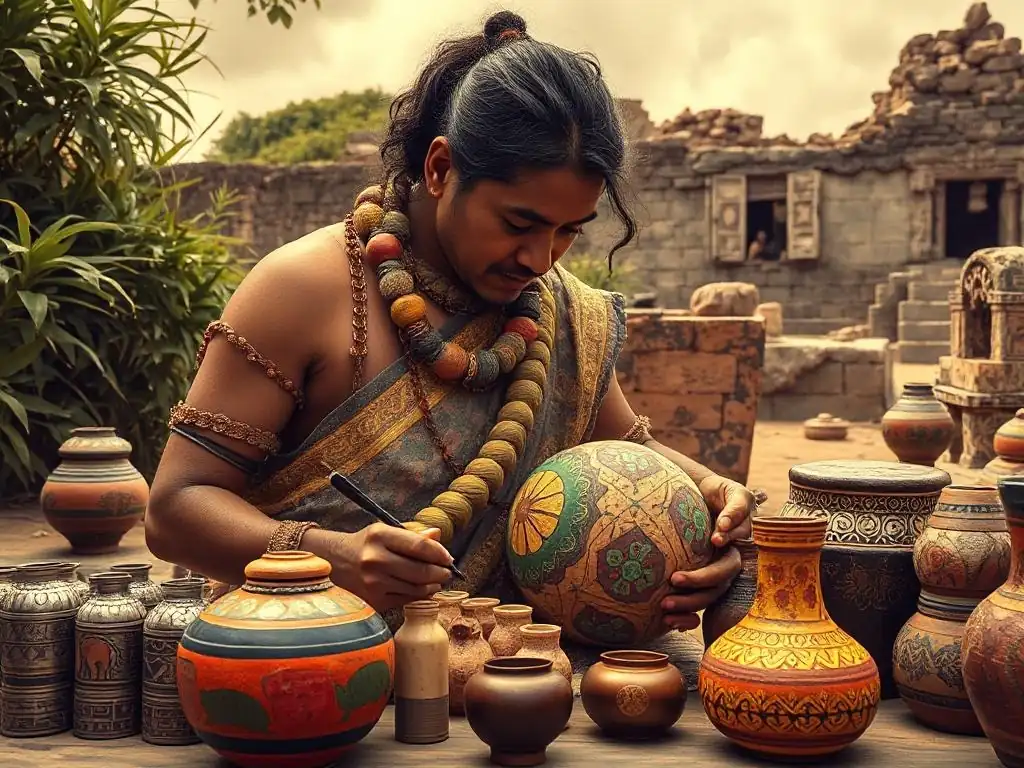
The Moche civilization, known for its intricate pottery and vibrant murals, shares several similarities with the Nazca culture, particularly in their use of color. Both cultures employed a rich palette that included vivid reds, yellows, and blacks, creating striking contrasts that enhanced the visual impact of their art.
- Natural Pigments: Both Moche and Nazca artists relied heavily on natural pigments derived from minerals and plants. For instance:
- Red was often created using iron oxide.
- Yellow pigments were sourced from various plants and minerals.
- Black was typically achieved through carbon black.
- Symbolism of Colors: The use of colors in both cultures was not merely decorative but held significant cultural meaning.
- Red often symbolized life and fertility.
- Black could represent death or the underworld.
- Yellow was frequently associated with the sun and agricultural abundance.
- Techniques: Similar techniques in application and layering of colors were evident in both Moche and Nazca works. Artists from both cultures utilized:
- Slip Painting: A technique where a liquid clay mixture is applied to the surface before firing, allowing for intricate designs.
- Burnishing: This method was used to create a glossy finish on the pottery, enhancing the vibrancy of the colors.
The artistic dialogues between Moche and Nazca reflect shared traditions and techniques, illustrating a broader regional style that celebrated color as a vital component of cultural identity.
Differences from Inca Art Color Techniques
While Moche art color techniques exhibit certain similarities with Nazca, they also starkly contrast with those used by the Inca civilization. The Inca approach to color and technique reflected their own cultural priorities and aesthetic preferences.
- Color Palette: The Inca preferred a more subdued and earthy palette compared to the vibrant colors of Moche art.
- Use of Earth Tones: Inca textiles and pottery often featured browns, greens, and muted reds, emphasizing natural hues over the bright colors favored by the Moche.
- Symbolic Use of Color: The symbolism attributed to colors also differed between these cultures.
- Inca colors often had a more hierarchical significance, where colors like gold and silver were used to denote status and power, particularly in royal and religious contexts.
- Moche art, in contrast, was more egalitarian in its use of color across various societal artifacts, focusing on community and shared cultural expressions.
- Techniques and Mediums: The techniques employed by the Inca also diverged from those of the Moche.
- Weaving: Inca textiles were renowned for their complex patterns and vibrant colors, achieved through sophisticated dyeing techniques.
- Pottery: While Moche pottery was often elaborately painted post-firing, Inca pottery displayed simpler designs, often incised or left undecorated, focusing more on form than on color.
The distinctions in the use of color techniques among these cultures highlight the unique artistic expressions and cultural values of the Moche and Inca civilizations, showcasing the diversity of indigenous artistry in the Americas.
Conclusion: The Legacy of Moche Art Color Techniques
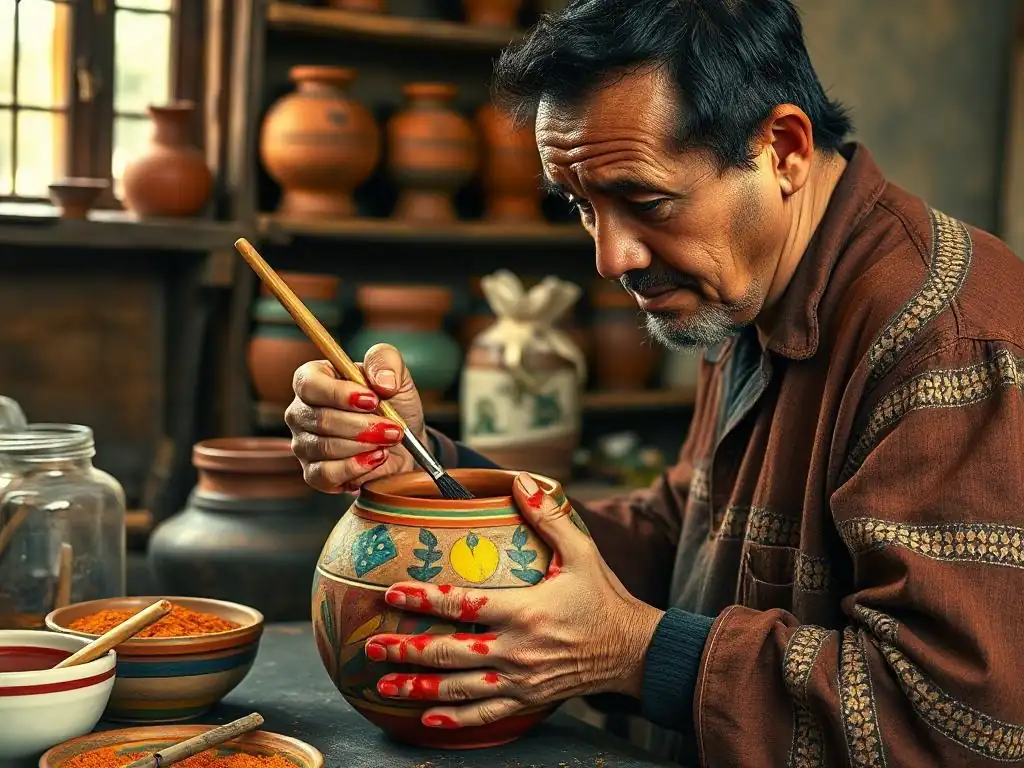
The vibrant and intricate use of color in Moche art not only highlights their artistic prowess but also serves as a testament to their cultural significance. The Moche civilization, flourishing between 100 and 800 AD in what is now Peru, utilized various color techniques that have left a lasting impact on the world of art. Their mastery in manipulating natural pigments and employing innovative methods in pottery and textiles has influenced contemporary indigenous art forms, ensuring that these traditions remain alive and relevant today.
Lasting Impact on Contemporary Indigenous Art
The techniques developed by the Moche artists have resonated through generations, shaping the artistic expressions of various indigenous communities across the Americas. The use of natural pigments, such as ochre, charcoal, and plant-based dyes, established a foundational palette that many contemporary artists still utilize. These colors were not only aesthetically pleasing but also rich in symbolism, conveying deeper meanings connected to nature, spirituality, and social status.
In modern indigenous art, the revival of these traditional color techniques can be seen in various mediums, from ceramics to textiles and mural art. Artists today often draw inspiration from Moche motifs and color schemes, weaving them into their works to honor their heritage while also addressing contemporary themes. This practice contributes to a broader movement of cultural revitalization, where indigenous identities are expressed through traditional art forms and techniques, thus preserving and celebrating their legacies.
Importance of Preserving Moche Art Traditions and Techniques
Preserving the techniques and traditions of Moche art is crucial for several reasons. First, it ensures that the rich cultural history of the Moche civilization is not lost to time. By documenting and teaching these techniques, current and future generations can maintain a connection to their ancestry and cultural roots.
Moreover, the preservation of Moche art techniques fosters a sense of identity and pride among indigenous communities. Engaging with these traditional practices encourages a deeper understanding of their cultural significance and the stories behind the art. It allows artists to explore their heritage while simultaneously innovating within their craft.
Finally, the safeguarding of Moche art traditions contributes to the broader narrative of indigenous resilience in the face of colonialism and globalization. By valuing and promoting these techniques, we can challenge the historical erasure of indigenous cultures and assert their rightful place in the global art discourse.
The legacy of Moche art color techniques is not merely historical; it is a living, evolving part of indigenous identity and expression that continues to inspire and impact the art world today. The appreciation and preservation of these traditions are essential for honoring the past while nurturing the future of indigenous art.
References and Further Reading on Moche Art and Color Techniques
Suggested Books and Articles
-
"Moche Art and Culture in Ancient Peru" by Elizabeth C. Stone
This book dives deep into the artistic practices of the Moche civilization, highlighting the intricate color techniques used in their pottery and sculpture. Stone provides an extensive analysis of how color was not just aesthetic but also held significant cultural meanings.
-
"Color in Ancient Andean Arts" by H. S. B. Nicks
Nicks explores the significance of color across various Andean cultures, including the Moche. The book offers comparative insights that reveal how color usage in Moche art reflects broader themes of identity and cosmology.
-
"The Iconography of Moche Art" by Julio C. Tello
This work focuses on the symbolism embedded in Moche artistic expressions. Tello discusses how color is intertwined with iconography, providing a framework for understanding the cultural narratives depicted in Moche art.
-
"Moche Pottery: The Artistry of Color" by Anne P. Lechuga
Lechuga's book specifically addresses the techniques employed in creating vibrant colors in Moche ceramics. It includes practical descriptions and illustrations of the materials used.
-
"Moche Art: An Ancient Society's Aesthetic and Cultural Identity" by Carmen L. Pizarro
This article examines the relationship between Moche art and cultural identity, emphasizing how color choices reflect societal values and beliefs.
Online Resources for Exploring Moche Civilization
-
The Moche Project
An interactive platform dedicated to the study of Moche culture featuring multimedia presentations, scholarly articles, and access to archaeological findings.
-
Smithsonian National Museum of the American Indian
The museum's website offers a wealth of resources, including virtual exhibitions and educational materials that delve into the significance of color in Moche artifacts.
-
The Getty Research Institute
Provides access to digital archives of Moche art, including high-resolution images and detailed descriptions that highlight the color techniques used.
-
Archaeological Institute of America
This site contains various publications and articles focusing on Moche civilization, including in-depth analyses of their artistic practices and color usage.
-
YouTube: Moche Civilization Documentaries
A collection of documentaries and lectures that visually explore Moche art, providing insights into their color techniques and cultural significance.
By exploring these resources, readers can gain a deeper understanding of Moche art color techniques and their broader implications within the context of indigenous cultures in the Americas.
Frequently Asked Questions
What are the primary color techniques used in Moche art?
The Moche civilization utilized various techniques, including natural pigments and layering methods, to create vibrant colors in their pottery and textiles.
How did color play a role in Moche cultural significance?
Colors in Moche art were often symbolic, representing deities, social status, and rituals, thus reflecting the cultural beliefs and values of the Moche people.
What materials were used to create natural pigments for Moche art?
Moche artisans sourced minerals, plants, and insects to produce natural pigments, which allowed them to achieve a wide range of vibrant colors in their artwork.
How did Moche art influence other indigenous cultures in the Americas?
The techniques and styles of Moche art significantly impacted neighboring cultures, spreading artistic practices and influencing aesthetic standards throughout the region.
What is the significance of Moche color techniques in contemporary art?
Today, Moche color techniques are studied for their innovation and aesthetic value, influencing contemporary artists who seek to connect with indigenous heritage and traditional methods.
Final Reflection: The Vibrancy of Moche Art Color Techniques and Their Enduring Legacy
The exploration of Moche art color techniques reveals not only the aesthetic brilliance of this ancient civilization but also its profound cultural significance that resonates today. The intricate use of color in Moche art serves as a testament to their advanced artistic skills and deep-rooted beliefs, showcasing how art can transcend time and continue to inspire contemporary creators. In a world where visual communication is paramount, understanding the historical context of color use in Moche art enriches our appreciation for cultural heritage and artistic expression.
The impact of Moche art color techniques extends beyond the confines of history, influencing modern artists and cultural practitioners who seek to connect with their roots. The vibrant palettes and symbolic meanings embedded in Moche artworks invite us to reflect on our own relationship with color and culture. As the renowned artist Henri Matisse once said, "> What characterized Matisse's art was the use of color as a means of expression, a sentiment echoed in the Moche's vibrant creations." This ongoing dialogue between past and present highlights the importance of preserving and celebrating cultural narratives through art.
As we conclude this exploration of Moche art color techniques, I invite you to reflect on the colors that shape your own life and the stories they tell. Consider how you can incorporate the lessons learned from Moche artistry into your daily existence, whether through creative expression, cultural appreciation, or simply by being more mindful of the colors that surround you. Let the vibrancy of Moche art inspire you to embrace your own cultural heritage and to recognize the beauty in the diverse tapestry of human expression.
Unveil the Vibrant World of Moche Art Today!
Thank you for diving deep into the intricate use of color in Moche art! You've uncovered the fascinating techniques and rich cultural significance that breathe life into this ancient civilization's creativity. Now, it's time to take that newfound knowledge and put it into action!
Here’s how you can engage further with this vibrant topic:
- Visit a local museum to explore an exhibit featuring Moche artifacts or similar indigenous art.
- Share your thoughts about the colors and techniques you've learned with friends or on social media—let's spread the beauty of Moche art!
- Consider creating your own art piece inspired by Moche techniques. What colors and forms will you choose to express your unique story?
How can exploring the colors used in Moche art influence contemporary artistic expression?