
Moche Murals: A Window into Ancient Beliefs and Social Structure

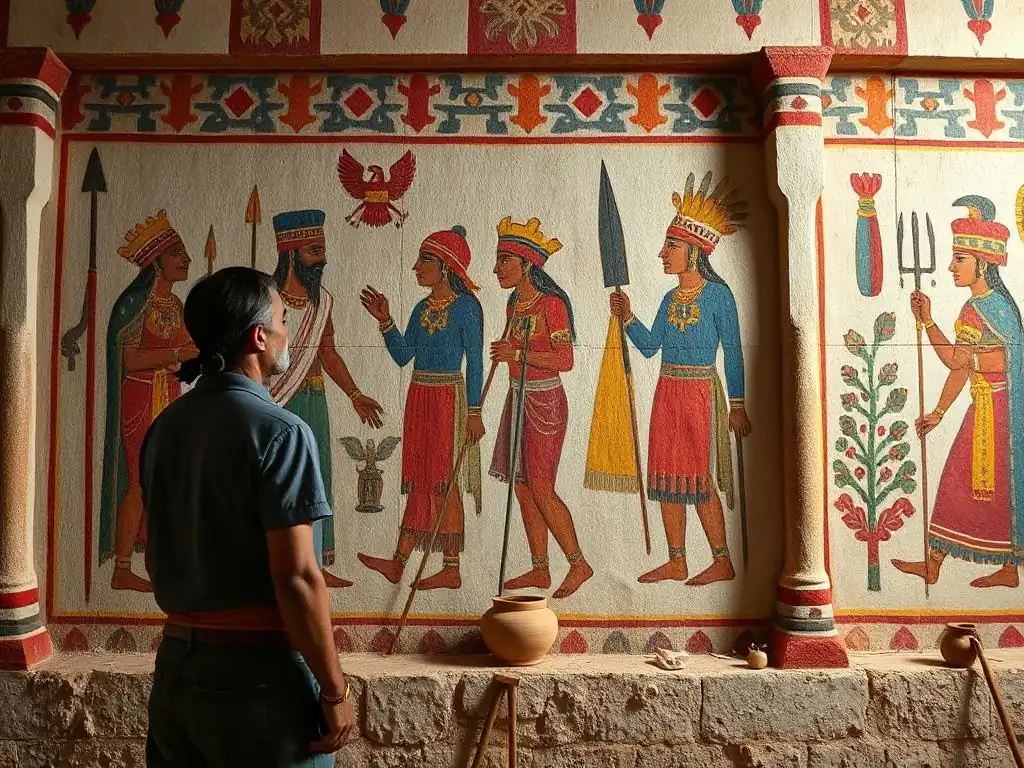
Welcome to Indigenous Civilizations of the Americas, where we invite you to journey through the rich tapestry of cultures that flourished on this land long before European contact. In our featured article, “Moche Murals: A Window into Ancient Beliefs and Social Structure,” we delve into the captivating world of the Moche civilization, revealing how their stunning murals not only depict daily life but also illuminate profound spiritual beliefs and intricate social hierarchies.
Prepare to be intrigued as you uncover the stories behind these vibrant artworks and their significance in understanding the Moche's enduring legacy. Your adventure into the past begins here!
The Moche civilization, a prominent pre-Columbian culture that flourished on the northern coast of Peru from approximately 100 to 800 CE, offers a fascinating glimpse into the complexities of ancient societies. Renowned for their intricate art and sophisticated social structures, the Moche produced stunning murals that not only served as aesthetic expressions but also as vital records of their beliefs and communal life. This article will delve into the rich tapestry of Moche murals, exploring how these artworks illuminate the ancient beliefs and social hierarchies of this remarkable civilization, providing a deeper understanding of their cultural legacy.
Introduction to Moche Civilization
The Moche civilization is celebrated for its remarkable advancements in agriculture, architecture, and metallurgy, alongside a vibrant artistic tradition. Centered around the Moche Valley, this culture is best known for its monumental constructions, such as the Huaca del Sol and Huaca de la Luna, which served both religious and political purposes. The Moche people were skilled artisans, producing intricate pottery, textiles, and metalwork, all of which reflect their complex belief systems and societal organization.
Overview of Moche Society and Culture
Moche society was stratified, consisting of elite rulers, skilled craftsmen, and laborers, each playing a vital role in the community's operation. The elite class, often depicted in Moche art, wielded considerable power, overseeing agricultural production and religious ceremonies. This societal hierarchy is further illustrated through archaeological findings that reveal the wealth and resources allocated to the ruling class, contrasted with the simpler grave goods of commoners.
The Moche were also deeply connected to their environment, which influenced their agricultural practices. They developed sophisticated irrigation systems that allowed them to cultivate a variety of crops, including maize and beans. Their relationship with the landscape is evident in their art, which often incorporates natural elements and reflects seasonal cycles.
Importance of Art in Moche Civilization
Art was not merely decorative in Moche culture; it served as a medium for communication and storytelling. Moche artisans utilized various forms of art to convey messages about their beliefs, social structures, and daily life. The creation of murals, pottery, and sculptures played a crucial role in religious rituals, reinforcing the connection between the spiritual and physical worlds.
Moche art is characterized by its vivid imagery and intricate designs, often depicting deities, animals, and scenes of human activities. This artistic expression was integral to Moche identity, fostering a sense of community and continuity among its people.
The Significance of Moche Murals
Moche murals are particularly noteworthy for their ability to encapsulate the cultural, spiritual, and social dynamics of the Moche civilization. These vibrant artworks adorned ceremonial structures and tombs, offering insights into the values and beliefs that shaped Moche life.
Definition and Characteristics of Moche Murals
Moche murals are large-scale paintings that typically depict scenes of ritual, warfare, and daily activities. Created using natural pigments, these murals display a striking color palette and intricate detailing. The scenes often feature anthropomorphic figures, mythical creatures, and symbolic motifs that convey deeper meanings.
The murals not only served an aesthetic purpose but also functioned as a narrative device, telling stories of gods, mythology, and historical events. Their placement in significant locations, such as temples and palaces, underscores their importance in Moche society and their role in ritualistic practices.
Moche Murals as a Reflection of Ancient Beliefs
Through the lens of Moche murals, we gain valuable insights into the spiritual and cosmological beliefs of the Moche people. The imagery often reflects their understanding of life, death, and the afterlife, with many murals illustrating ceremonies intended to honor deities and ancestors. These artworks provide a glimpse into how the Moche understood their place in the universe, the significance of their rituals, and their reverence for the natural world.
Moche murals serve as a vital window into the ancient beliefs and social structures of the Moche civilization. By examining these artworks, we can appreciate the rich cultural heritage of the Moche and the profound impact of their artistic expressions on our understanding of pre-Columbian societies.
Themes and Motifs in Moche Murals
Moche murals are a vibrant testament to the complex beliefs, social structures, and artistic expressions of the Moche civilization. The themes and motifs depicted in these artworks provide significant insights into their worldview, spirituality, and societal organization. Predominantly found in ceremonial sites and tombs, Moche murals often showcase a rich tapestry of imagery that intertwines daily life with the supernatural. Common motifs include agricultural scenes, ritualistic practices, and representations of deities, all of which serve to illustrate the Moche's deep connection to their environment and spiritual beliefs.
Additionally, the vibrant colors and intricate details in the murals reflect not only the artistic skill of the Moche people but also their cultural values. The themes often emphasize the importance of fertility, warfare, and the duality of life and death, which were crucial in shaping their understanding of existence. Through these visual narratives, the Moche civilization communicates its history, mythology, and social norms, allowing modern scholars to glean insights into their ancient society.
Depictions of Deities and Spirituality
The Moche murals are rich with depictions of various deities that played a pivotal role in their spiritual life. Central to their belief system was the worship of powerful deities associated with nature and agriculture, such as the Moon Goddess and the Sun God. These figures are often portrayed in dynamic poses, highlighting their importance in Moche mythology. The murals frequently depict rituals that were performed to honor these deities, showcasing the Moche's reverence for the supernatural and their reliance on divine powers for fertility, harvests, and protection.
Moreover, the emphasis on deities in Moche art reflects a broader understanding of spirituality, where the natural world is interwoven with the supernatural. The representation of these divine figures often includes intricate iconography, such as elaborate headdresses and ceremonial regalia, which symbolize their power and significance. These depictions serve not only as artistic expressions but also as crucial elements in the Moche’s religious practices, reinforcing the importance of maintaining a harmonious relationship with their gods.
Symbols and Their Meanings in Moche Art
Symbolism in Moche murals is profound and multifaceted, with each symbol carrying deep cultural significance. For instance, the use of animals, such as llamas and eagles, often symbolizes strength, endurance, and connection to the earth. The stylized representations of these creatures are not merely decorative but serve to convey the Moche's beliefs about the natural world and its inhabitants.
Additionally, geometric patterns and motifs found in Moche art often represent concepts such as duality and balance, reflecting the Moche's understanding of the universe's interconnectedness. The recurring use of specific colors also holds symbolic meaning; for example, red may symbolize life or blood, while black could denote death or the underworld. Through these symbols, Moche murals communicate complex ideas about existence, morality, and the cosmos, illustrating the sophistication of their cultural expressions.
Moche Murals and the Afterlife Beliefs
Beliefs about the afterlife are a significant theme in Moche murals, reflecting their understanding of life and death. The depictions of funerary rituals and the presence of tomb murals indicate a deep reverence for ancestors and the belief in an afterlife. Moche art often illustrates scenes of the deceased being accompanied by deities or engaging in activities reminiscent of their earthly lives, suggesting that the afterlife was viewed as a continuation of existence rather than an end.
Additionally, the portrayal of offerings and rituals performed for the dead emphasizes the Moche's belief in the importance of these practices for ensuring a favorable journey into the afterlife. The intricate details in these murals provide insights into how the Moche civilization honored their ancestors, reflecting a cultural continuity that underscores the significance of ancestral worship in their society.
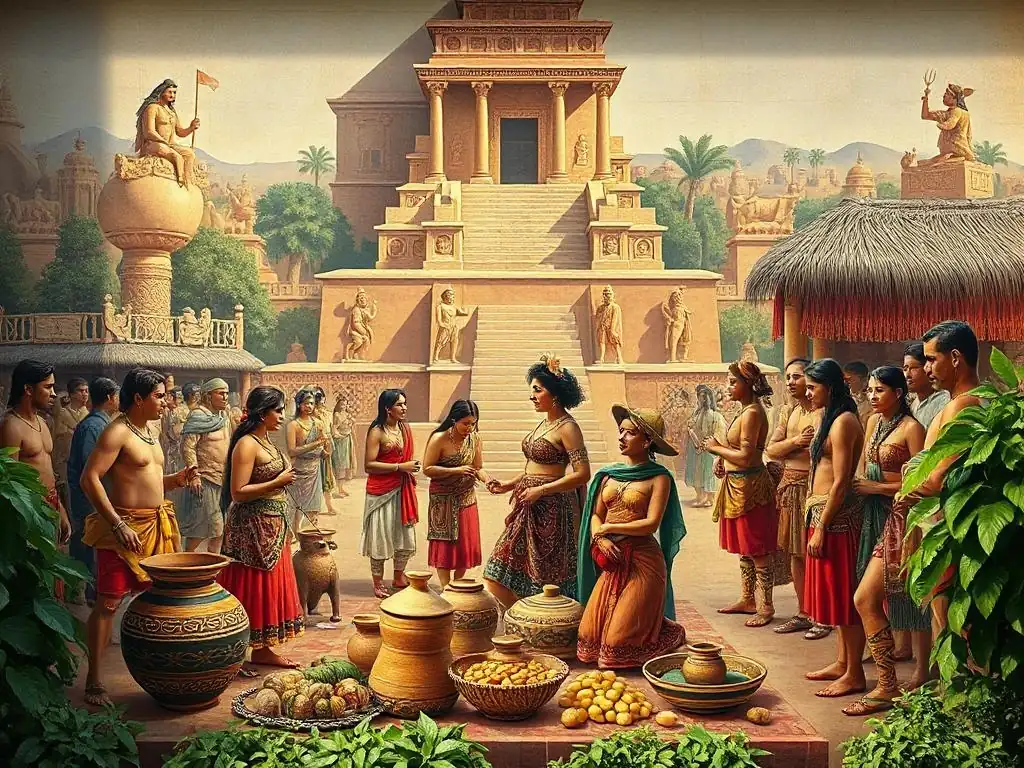
Moche murals serve as a critical lens through which to understand the social structure of the Moche civilization. The visual narratives depicted in these artworks reveal intricate details about the hierarchy, roles, and relationships among different social classes. Through the careful analysis of these murals, scholars have gained valuable insights into the organization of Moche society and the values that underpinned it.
Hierarchical Representation in Moche Art
The representation of hierarchy is vividly illustrated in Moche murals, where the positioning and depiction of figures often indicate their social status. Higher-ranking individuals, such as priests or rulers, are typically portrayed larger and in more elaborate attire, emphasizing their elevated position within the societal hierarchy. This visual distinction not only communicates power dynamics but also reinforces the societal norms that governed Moche life.
Moreover, the murals frequently portray scenes of ceremonies and rituals where leaders are central figures, highlighting their role as intermediaries between the divine and the people. This hierarchical representation is crucial for understanding how authority was perceived and maintained within the Moche civilization, as well as how these values were expressed through artistic means.
Roles of Different Social Classes in Moche Society
The depiction of various social classes in Moche murals provides insight into the distinct roles and responsibilities within their society. Artworks often illustrate farmers, artisans, and warriors, each engaging in activities that reflect their societal contributions. For example, murals depicting agricultural scenes showcase the importance of farming in sustaining the community, while representations of warriors highlight the significance of warfare and defense.
This artistic portrayal of diverse roles underscores the interconnectedness of different social classes in Moche society, where each class played a vital role in maintaining the overall stability and prosperity of the civilization. By analyzing these depictions, researchers can better understand the complexities of social dynamics and the importance of collaboration among various societal groups.
Gender Roles Illustrated in Moche Murals
Moche murals also provide valuable insights into gender roles within their society. The representations of men and women in various contexts reveal the expectations and responsibilities assigned to each gender. For instance, women are often depicted in domestic settings, engaged in activities such as weaving or preparing food, which highlights their roles within the household. Conversely, men are frequently shown in more public or ceremonial roles, indicating their involvement in warfare or governance.
However, it is essential to recognize that the depiction of gender roles in Moche art may not fully encapsulate the lived experiences of individuals. The murals reflect societal ideals and norms, which may have varied in practice. The diversity of representations in Moche art suggests a more complex understanding of gender, where roles could overlap, and individuals might have held positions that transcended traditional boundaries. This nuanced portrayal enriches our understanding of Moche society and the dynamics of gender within it.
Techniques and Materials Used in Moche Murals
The Moche civilization, flourishing in northern Peru from approximately 100 to 800 CE, is renowned for its remarkable artistic expression, particularly in the form of murals. These stunning artworks were created using a variety of techniques and materials that showcased the Moche's advanced understanding of art and culture. The murals were typically painted on adobe walls, utilizing a combination of natural pigments derived from minerals, plants, and other organic materials to achieve vibrant colors that have remarkably endured the test of time.
In terms of techniques, the Moche employed a method known as "fresco," which involved applying pigments to wet plaster, allowing the colors to bond with the surface as it dried. This technique not only enhanced the durability of the murals but also provided a unique depth to the colors. Additionally, the Moche artists often used a layering technique, applying multiple coats of paint to create intricate designs and textures, which contributed to the three-dimensional effects seen in many of their murals.
Traditional Methods of Creating Murals
The creation of Moche murals involved a collaborative effort among skilled artisans, who were trained in specific techniques passed down through generations. Before painting, the artists would prepare the wall surface, ensuring it was smooth and clean to facilitate adhesion. The use of scaffolding was common, allowing the artists to reach higher sections of the wall without compromising their work.
Once the surface was ready, artists would sketch preliminary designs, often inspired by religious themes, daily life, and the natural world. The application of pigments was a meticulous process that required precision and an understanding of color blending. Artists often used brushes made from animal hair or plant fibers, which allowed for fine detail work in their designs.
The Moche also incorporated symbolic elements into their murals, such as figures of deities, animals, and human forms, each carrying significant meaning within their belief system. This symbolism not only reflected the Moche's worldview but also served to communicate social hierarchies and cultural narratives.
Natural Pigments and Their Significance
Natural pigments played a crucial role in the Moche murals, with colors derived from diverse sources, including minerals like ochre for reds and yellows, charcoal for blacks, and plant extracts for greens and blues. The careful selection of these materials was not merely an aesthetic choice; each pigment held symbolic significance and was often associated with specific deities or cultural beliefs.
For example, the vibrant reds and yellows were frequently linked to the sun and fertility, representing life and growth, while darker colors might symbolize the underworld or ancestral spirits. This connection between color and meaning is a testament to the Moche's deep spiritual beliefs and their desire to convey complex ideas through visual art. The durability of these pigments has allowed many murals to retain their vivid colors for centuries, providing invaluable insights into Moche culture and spirituality.
The Legacy of Moche Murals in Contemporary Understanding
The legacy of Moche murals extends far beyond their physical remnants; they continue to influence contemporary understandings of ancient cultures and their artistic expressions. These murals serve not only as historical documents but also as a means of connecting modern audiences to the beliefs and daily lives of the Moche people.
Influence on Modern Perceptions of Ancient Cultures
Today, Moche murals are viewed as vital pieces of cultural heritage that offer profound insights into the social structures, religious beliefs, and artistic achievements of pre-Columbian societies. Scholars, historians, and art enthusiasts alike recognize the importance of these artworks in shaping modern perceptions of the Moche civilization.
By studying these murals, researchers can glean information about the Moche's societal organization, their interactions with the environment, and their complex belief systems. The exploration of themes such as ritual, agriculture, and warfare depicted in the murals allows for a richer understanding of how the Moche navigated their world and the values they held dear.
Preservation and Study of Moche Murals Today
Efforts to preserve Moche murals are ongoing, as many sites face threats from environmental factors, urban development, and tourism. Archaeologists and conservators are dedicated to safeguarding these artworks, employing modern techniques to stabilize and restore murals to ensure their longevity for future generations.
In addition to preservation efforts, the study of Moche murals has evolved with advancements in technology. Non-invasive imaging techniques, such as infrared reflectography and multispectral analysis, enable researchers to investigate the underlying layers and original pigments without damaging the murals. This modern approach not only enhances our understanding of Moche artistic methods but also provides a template for the preservation of other ancient artworks globally.
Through these combined efforts, the Moche murals continue to be a source of inspiration and knowledge, bridging the past with contemporary society and enriching our appreciation of ancient civilizations.
Conclusion: The Enduring Impact of Moche Murals on Ancient Beliefs
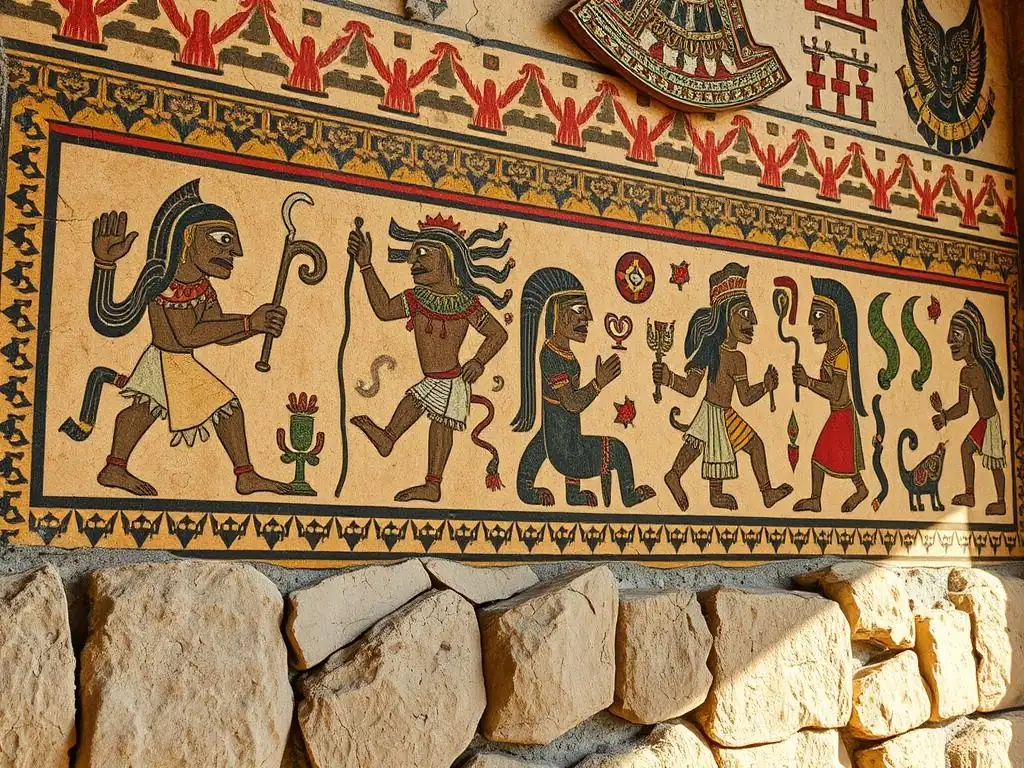
The Moche murals stand as a testament to the rich tapestry of ancient beliefs and social structures that characterized the Moche civilization. These vibrant artworks provide an invaluable window into the spiritual and daily lives of the Moche people, illustrating their intricate connection with the natural world, their deities, and their societal hierarchies. The depiction of ceremonial practices, mythological narratives, and the dualities of life and death within these murals underscores the significance of ritual and tradition, which were central to Moche identity.
Moreover, the enduring impact of Moche murals extends beyond historical appreciation. They serve as a powerful reminder of the cultural heritage of indigenous peoples in the Americas, encouraging contemporary audiences to engage with and respect these ancient narratives. The murals encapsulate not just artistic expression, but the philosophical and spiritual frameworks that governed Moche life, fostering a deeper understanding of their societal structures.
Summary of Key Insights on Moche Murals and Ancient Beliefs
In examining Moche murals, several key insights emerge regarding the intersection of art and ancient beliefs:
- Symbolism and Spirituality: The murals are rich in symbolism, depicting gods, animals, and human figures that represent the Moche's spiritual beliefs. These images illustrate the importance of ritualistic practices and the reverence for nature.
- Social Hierarchy and Roles: The artwork often reflects the social hierarchy of Moche society, showcasing elite figures alongside commoners, which highlights the complexities of their social structure. This visual representation serves to reinforce the roles and responsibilities within their community.
- Cultural Narratives: Through these murals, we gain insight into the narratives that shaped Moche culture, including themes of fertility, warfare, and the afterlife, revealing how these elements were integral to their identity and worldview.
- Technological and Artistic Achievement: The sophistication of mural techniques showcases the high level of artistic skill and innovation within the Moche civilization, emphasizing their cultural and technological advancements.
These insights not only enhance our understanding of Moche beliefs but also contribute to the broader narrative of indigenous cultures in the Americas.
Reflection on the Importance of Understanding Indigenous Art
Understanding indigenous art, such as the Moche murals, is crucial for several reasons:
- Cultural Preservation: Indigenous art forms are vital in preserving the histories, languages, and traditions of native peoples. Engaging with these artworks helps maintain cultural legacies that might otherwise be forgotten.
- Educational Value: Studying Moche murals provides contemporary audiences with valuable lessons about the interconnectedness of art, culture, and belief systems. This fosters an appreciation for diversity and promotes cultural sensitivity.
- Challenging Stereotypes: Indigenous art challenges prevailing stereotypes and misconceptions about native peoples. By delving into the complexity of Moche society through their murals, we can dismantle simplistic views and recognize the depth of their cultural contributions.
- Inspiration for Modern Art: Indigenous art continues to inspire modern artists and movements. Understanding its foundations can lead to a richer dialogue between past and present artistic expressions.
The Moche murals not only reflect the ancient beliefs of the Moche civilization but also hold enduring significance for contemporary society. They remind us of the importance of recognizing and valuing the rich heritage of indigenous cultures across the Americas.
- Introduction to Moche Civilization
- The Significance of Moche Murals
- Themes and Motifs in Moche Murals
- Social Structure Revealed Through Moche Murals
- Techniques and Materials Used in Moche Murals
- The Legacy of Moche Murals in Contemporary Understanding
- Conclusion: The Enduring Impact of Moche Murals on Ancient Beliefs
- Summary of Key Insights on Moche Murals and Ancient Beliefs
- Reflection on the Importance of Understanding Indigenous Art
Frequently Asked Questions
What are Moche murals?
Moche murals are vibrant wall paintings created by the Moche civilization in ancient Peru. They depict mythological scenes, daily life, and ritual practices, reflecting their complex social structures and beliefs.
How do Moche murals relate to their ancient beliefs?
Moche murals serve as a visual representation of their spiritual beliefs and cosmology. They often illustrate deities, rituals, and mythical narratives, providing insight into how they viewed the world and their place within it.
The murals reveal a hierarchical society, showcasing the roles of elites, warriors, and laborers. They often highlight the importance of leadership and ceremonial practices within Moche culture, reflecting their social organization.
How did Moche murals influence other cultures?
Moche murals influenced subsequent Andean civilizations through their artistry and thematic content. The techniques and styles seen in these murals can be observed in later artworks, showcasing the enduring impact of Moche culture.
What can we learn from Moche murals today?
Moche murals offer valuable insights into the daily life, belief systems, and social dynamics of the Moche civilization. They are crucial for understanding the rich history of indigenous cultures in the Americas before European contact.
The exploration of Moche murals and ancient beliefs reveals a profound connection between art and the cultural identity of a civilization. Today, as we navigate a world increasingly driven by technology and globalization, the significance of these ancient artworks resonates more than ever. They serve as a reminder of the rich tapestry of human expression and the enduring quest for meaning that transcends time. The Moche murals invite us to reflect on how art can encapsulate the values, beliefs, and social hierarchies of a society, urging us to appreciate the narratives that shape our own cultural landscapes.
The impact of Moche murals extends beyond their historical context; they continue to influence contemporary discussions about identity and heritage. These vibrant depictions not only tell the story of the Moche civilization but also challenge us to consider our own beliefs and social structures. As we engage with these ancient artworks, we are reminded of the words of the renowned art historian, John Onians: Art is a reflection of the society that creates it, and through it, we can understand the values and beliefs that define us.
This ongoing dialogue between past and present encourages us to examine how our own artistic expressions can reflect our collective identity and aspirations.
As we conclude this exploration of Moche murals, I invite you to take a moment to reflect on the role of art in your life. How do the beliefs and values of your own culture manifest in the art you encounter? Consider how you can engage with these themes in your daily life, whether through creating, appreciating, or discussing art. Let the legacy of the Moche civilization inspire you to seek deeper connections with your own cultural heritage and to recognize the power of art as a vehicle for understanding and expressing the complexities of human existence.
Unveil the Rich History of the Moche Murals!
Thank you for taking the time to explore the fascinating world of Moche murals with us! By delving into their vibrant artwork, you’ve gained insights into the beliefs and social structures of an incredible ancient civilization. Now, it’s time to take action and deepen your connection to this rich heritage.
Here are some ways you can engage further:
- Visit a local museum or exhibition showcasing Moche artifacts to experience their culture firsthand.
- Share this article with friends or on social media to help spread awareness about the importance of Moche murals.
- Consider joining a community group dedicated to indigenous history—your involvement can help preserve and promote these vital narratives!
What aspect of Moche culture intrigues you the most, and how do you plan to explore it further?