
From Smallpox to Syphilis: The Deadly Legacy of European Contact

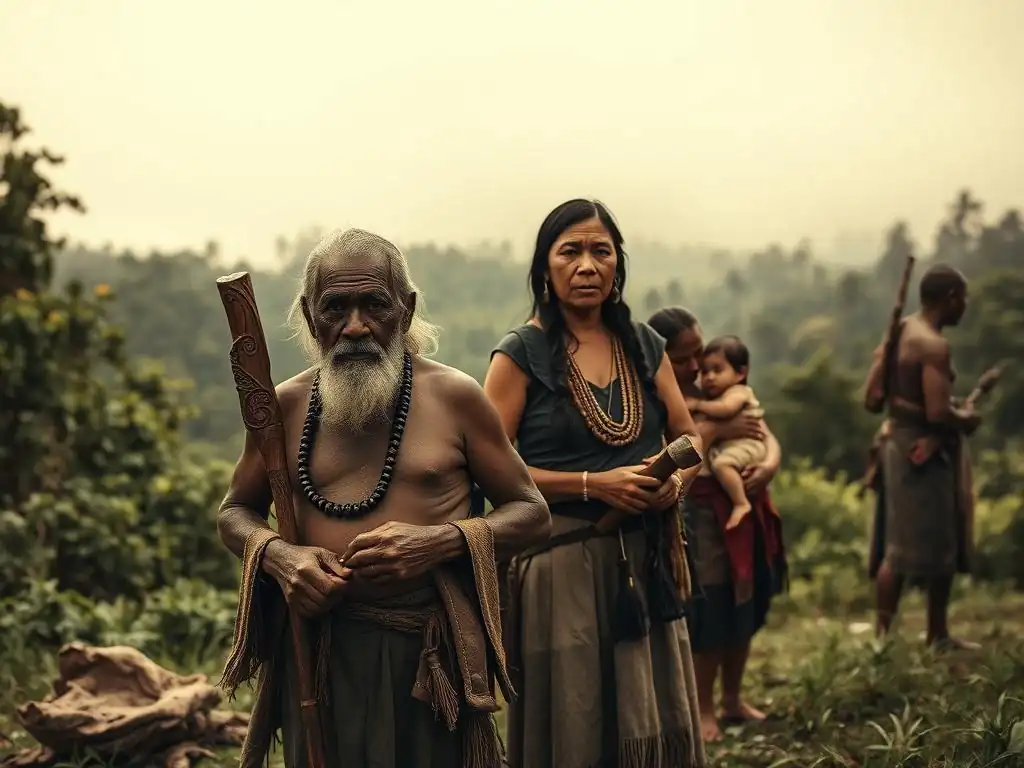
Welcome to Indigenous Civilizations of the Americas, where we invite you to journey through the rich tapestry of cultures that flourished long before European contact. Our exploration reveals not only the remarkable achievements and societal structures of these vibrant communities but also the profound transformations they underwent following European arrival.
In our featured article, “From Smallpox to Syphilis: The Deadly Legacy of European Contact,” we delve into the impact of European contact on indigenous cultures, examining the complex interplay of consequences that reshaped lives and legacies. Prepare to uncover the stories that history often overlooks and discover how these encounters continue to resonate today.
- Introduction to the Impact of European Contact on Indigenous Cultures
- The Arrival of European Diseases in the Americas
- Consequences of European Diseases on Indigenous Societies
- Case Studies of Specific Diseases and Their Impact
- Indigenous Responses to European Diseases
- Lasting Legacy of European Diseases on Indigenous Cultures
- Conclusion: The Enduring Impact of European Contact on Indigenous Cultures
-
Frequently Asked Questions
- What were the main diseases introduced by Europeans to indigenous populations?
- How did European colonization affect indigenous societies?
- What long-term impacts did European contact have on indigenous cultures?
- How did indigenous cultures respond to European contact?
- What is the significance of understanding the impact of European contact on indigenous cultures today?
- Final Reflection: The Enduring Impact of European Contact on Indigenous Cultures
- Unveil the Impact: Take Action for Understanding and Change!
Introduction to the Impact of European Contact on Indigenous Cultures
The arrival of Europeans in the Americas marked a pivotal moment in history, one that forever altered the landscape of indigenous cultures. The impact of European contact on indigenous cultures was profound, multifaceted, and often devastating. Among the most significant consequences were the introduction of diseases, which decimated populations and disrupted social structures.
This article delves into the deadly legacy of this contact, focusing on how diseases such as smallpox and syphilis reshaped the course of indigenous societies. By examining the historical context and the far-reaching effects of these diseases, we can gain a deeper understanding of the resilience and transformation of indigenous cultures in the face of overwhelming challenges.
Overview of European Contact with Indigenous Peoples
The encounters between European explorers and indigenous peoples began in the late 15th century, initiating a complex and often tragic relationship. Early voyages, such as those by Christopher Columbus in 1492, opened the floodgates for subsequent exploration and colonization. These interactions varied widely, from initial curiosity and trade to violent conquest and subjugation. As European powers sought to expand their territories and exploit resources, they brought with them not only goods and technology but also a host of unfamiliar pathogens.
The introduction of diseases such as smallpox, measles, and influenza had catastrophic effects on indigenous populations, who had no prior exposure or immunity. Estimates suggest that in some areas, mortality rates reached as high as 90% within a few generations. The demographic collapse fundamentally altered the social fabric of many cultures, leading to the loss of knowledge, traditions, and entire communities.
Significance of Studying Diseases in Colonial Context
Understanding the impact of European contact on indigenous cultures requires a nuanced examination of the role diseases played during this tumultuous period. The study of these diseases within the colonial context illuminates several critical aspects:
- Cultural Disruption: The death toll from diseases not only reduced populations but also dismantled social structures and cultural practices that had been established for centuries.
- Resistance and Adaptation: Indigenous groups faced with such a drastic decline were compelled to adapt to new realities, leading to changes in governance, alliances, and social organization.
- Long-term Consequences: The ramifications of these diseases extended beyond the immediate loss of life, influencing future generations and shaping the ongoing relationship between indigenous peoples and European settlers.
By investigating these themes, we can better appreciate the resilience of indigenous cultures in the face of adversity and the lasting legacy of European contact that continues to influence the Americas today.
The Arrival of European Diseases in the Americas
Introduction of Smallpox: A Catalyst for Change
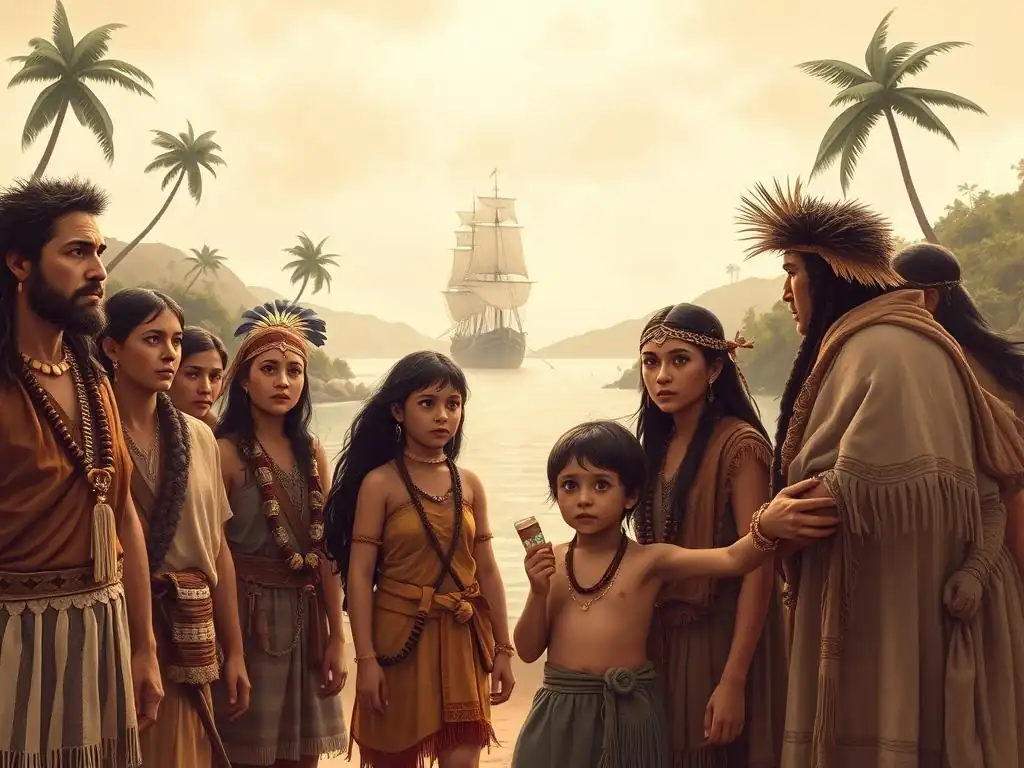
The introduction of smallpox into the Americas marked a pivotal moment in the history of indigenous cultures. Smallpox, caused by the variola virus, had devastating effects on populations that had no prior exposure or immunity. European explorers and colonizers brought the disease with them, often unknowingly, during their expeditions. The first recorded outbreak occurred in the early 16th century, leading to catastrophic mortality rates among indigenous peoples.
- Impact on Population: It is estimated that smallpox killed up to 90% of some indigenous populations. This drastic decline in population not only led to loss of life but also disrupted social structures, economies, and cultural practices. Tribes that once thrived faced significant challenges in maintaining their traditional ways of life.
- Social and Cultural Consequences: The death toll from smallpox resulted in a loss of knowledge and cultural heritage, as elders and leaders who held critical roles in society succumbed to the disease. The disintegration of social cohesion made it difficult for communities to resist European encroachment and facilitated the colonization process.
Other Notable Diseases: Measles, Influenza, and Syphilis
While smallpox was the most notorious, several other diseases also played a significant role in the decline of indigenous populations.
- Measles:
- This highly contagious viral disease spread rapidly among native groups, leading to severe outbreaks. Measles had a particularly high mortality rate among children, further exacerbating population decline.
- Influenza:
- Similar to measles, influenza epidemics swept through indigenous communities, often resulting in high mortality rates. The lack of immunity made these populations vulnerable, and the illness spread quickly due to the interconnectedness of tribes.
- Syphilis:
- Introduced to the Americas through European contact, syphilis became endemic in some areas. While its impact was less immediately devastating than smallpox or measles, it nonetheless contributed to health crises among indigenous populations.
The convergence of these diseases created a perfect storm, leading to demographic changes that reshaped the landscape of the Americas. The combination of high mortality rates and the inability to recover from such losses made it difficult for indigenous cultures to sustain themselves.
Transmission Mechanisms: How Diseases Spread Among Indigenous Populations
Understanding the transmission mechanisms of these diseases is essential to grasp their impact on indigenous cultures. The spread of diseases occurred through various vectors:
- Person-to-Person Contact: Many diseases, including smallpox and measles, spread directly through respiratory droplets. As European settlers came into contact with indigenous peoples, the close quarters and lack of immunity allowed for rapid transmission.
- Trade and Travel: Indigenous trading networks facilitated the movement of people and goods, inadvertently allowing diseases to spread across vast distances. As tribes interacted with one another and with European settlers, they unwittingly exchanged pathogens.
- Environmental Factors: The introduction of new animals and changes in land use by Europeans also played a role in disease transmission. For instance, domesticated animals brought by Europeans served as reservoirs for diseases that were unfamiliar to indigenous populations.
The intricate web of transmission methods highlights the vulnerability of indigenous cultures during the period of European contact. The compounded effects of these diseases not only decimated populations but also led to significant shifts in power dynamics, ultimately altering the course of history in the Americas.
The impact of European contact on indigenous cultures, particularly through the lens of disease, underscores a tragic chapter in human history. The legacy of these diseases continues to resonate today, reminding us of the profound consequences of these encounters.
Consequences of European Diseases on Indigenous Societies
Demographic Catastrophe: Population Decline and Its Effects
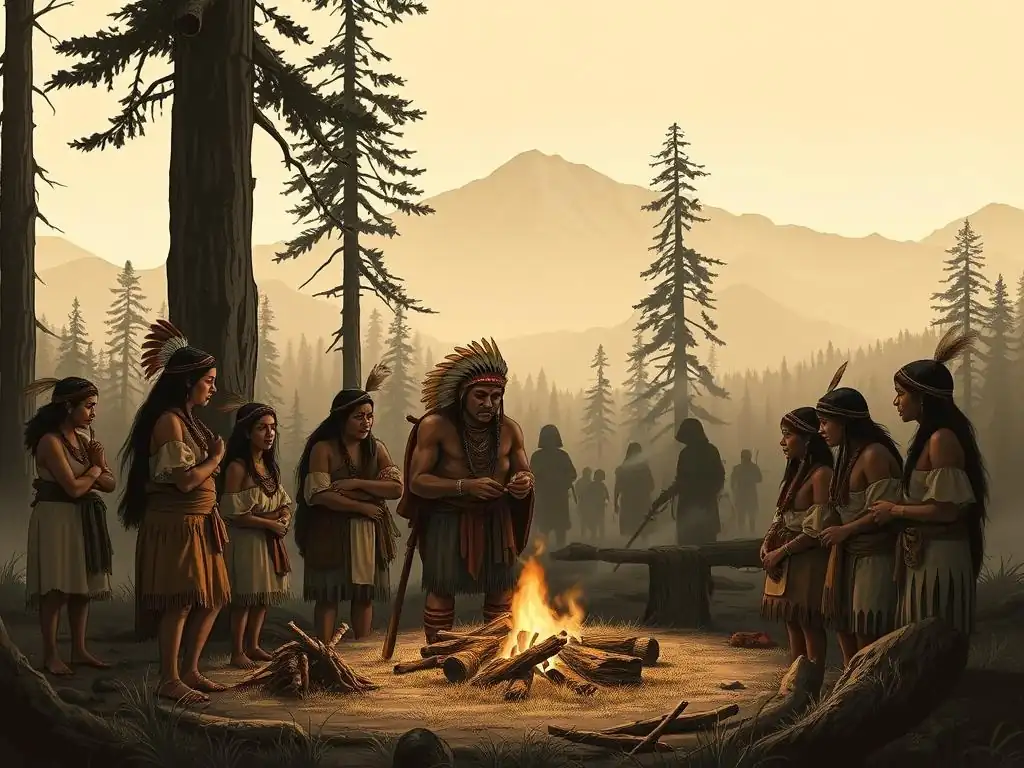
The arrival of Europeans in the Americas marked the beginning of a catastrophic decline in indigenous populations due to the introduction of foreign diseases. Smallpox, measles, and influenza were among the most devastating pathogens that decimated communities unaccustomed to such illnesses. Estimates suggest that up to 90% of the indigenous population in some areas perished within a few decades of European contact.
This demographic catastrophe had profound effects on indigenous societies:
- Vacuum of Leadership: With the death of elders and leaders, many tribes lost their traditional governance structures, leading to instability and fragmentation.
- Economic Disruption: The workforce shrank dramatically, which hindered agricultural production and disrupted trade networks. Many communities faced famine as a result.
- Increased Vulnerability: Surviving groups became more vulnerable to external pressures, including colonization and violence, as their numbers dwindled and their social cohesion weakened.
The loss of life due to diseases created a ripple effect, destabilizing entire regions and altering the balance of power among indigenous peoples.
The impact of European diseases extended beyond mere numbers; it deeply affected the social fabric of indigenous cultures. The loss of family members often resulted in:
- Disintegration of Family Units: Many families were devastated by illness, which left children orphaned and unable to care for themselves. This led to a loss of kinship ties and community bonds, as traditional family structures were altered or destroyed.
- Shifts in Gender Roles: As men and women succumbed to disease, the roles within families and communities shifted. Women often took on additional responsibilities, leading to changes in social dynamics and power structures that had been in place for generations.
- Fragmentation of Communities: The death of entire families and clans led to the abandonment of villages and the migration of survivors to other areas. This fragmentation hindered collective memory and the transmission of cultural knowledge and practices.
These disruptions fundamentally altered how indigenous peoples interacted with each other and with the land, leading to long-term changes in their social organization.
Cultural Impacts: Loss of Traditions and Knowledge
The consequences of the introduction of European diseases also included significant cultural impacts that transformed indigenous societies permanently. The decline in population and the breakdown of social structures contributed to:
- Erosion of Oral Histories: With the passing of elders, who were often the keepers of oral traditions and histories, the transmission of cultural knowledge became increasingly difficult. Important stories, rituals, and practices were lost.
- Decline of Traditional Practices: Many indigenous peoples were unable to maintain their cultural practices, including agricultural techniques, spiritual ceremonies, and artistic expressions, due to the loss of community members who were skilled in these areas.
- Adaptation and Syncretism: In some cases, the surviving populations adapted to their new realities by incorporating elements of European culture into their own. This syncretism, while a form of resilience, also led to the dilution of traditional indigenous identities.
Overall, the impact of European contact on indigenous cultures was not just a matter of population decline; it fundamentally altered the very essence of these societies, resulting in the loss of rich traditions and knowledge that had been cultivated over millennia.
Case Studies of Specific Diseases and Their Impact
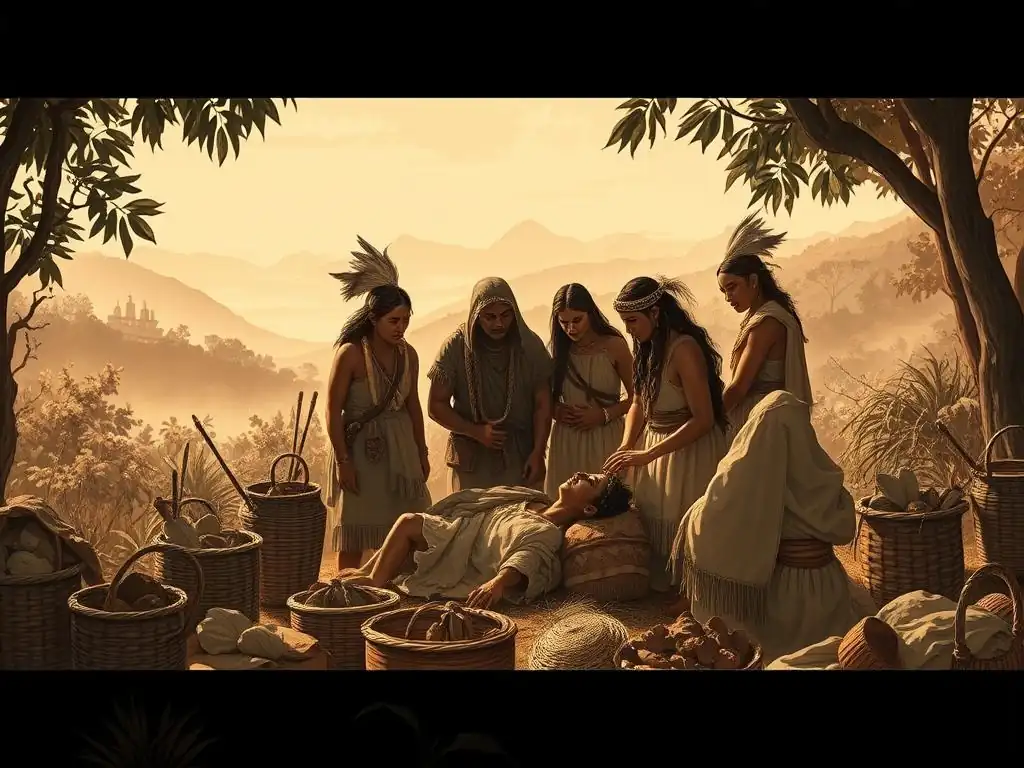
This section delves into specific diseases introduced by Europeans that had profound effects on indigenous cultures in the Americas. By examining the case studies of smallpox and syphilis, we can better understand the transformative impact of these diseases on indigenous societies, their populations, and their cultural fabric.
Smallpox: The Deadliest Legacy
The Initial Outbreak and Its Immediate Effects
Smallpox was introduced to the Americas in the early 16th century, with the first major outbreak occurring shortly after European contact. This highly contagious virus wreaked havoc on indigenous populations, who had no prior exposure or immunity to such diseases. The immediate effects were catastrophic:
- High Mortality Rates: Estimates suggest that smallpox killed up to 90% of affected populations in some regions. Entire communities were decimated, leading to a dramatic decline in numbers.
- Disruption of Social Structures: As individuals succumbed to the disease, social structures crumbled. Elders, who held knowledge and leadership roles, were often among the first to die, resulting in a loss of cultural continuity and wisdom.
- Psychological Impact: The sudden and brutal nature of the outbreak left survivors in a state of shock and despair. Many communities viewed the epidemic as a punishment or a sign of anger from their deities, leading to crises of faith and identity.
Long-term Consequences on Indigenous Communities
The ramifications of smallpox extended far beyond the immediate loss of life. The long-term consequences reshaped indigenous cultures in several critical ways:
- Population Decline: The staggering loss of life resulted in significant demographic shifts. Many tribes faced near extinction, altering the balance of power among indigenous groups.
- Cultural Disintegration: With the erosion of community leadership and the decimation of populations, many cultural practices, languages, and traditions began to fade. The loss of oral history and cultural transmission had lasting effects on identity.
- Facilitation of Colonial Expansion: The weakening of indigenous populations made it easier for European colonizers to assert control over territories, leading to further encroachments on land and resources.
Syphilis: A Different Kind of Epidemic
Introduction and Spread among Indigenous Peoples
Syphilis emerged as another significant disease following European contact, but its trajectory was markedly different from that of smallpox. Documented cases began to appear in the late 15th century, with European explorers and settlers bringing the disease to the Americas. The spread among indigenous peoples unfolded in complex ways:
- Mode of Transmission: Syphilis was primarily transmitted through sexual contact, which facilitated its rapid spread among communities, particularly following European colonization and the influx of new social dynamics.
- Misunderstanding of the Disease: Indigenous cultures had different understandings of disease and health. The arrival of syphilis, often misinterpreted through existing frameworks, led to confusion and misinformation about its causes and treatments.
Societal Repercussions and Cultural Stigma
The impact of syphilis extended beyond health, influencing the societal and cultural landscape of indigenous communities:
- Stigmatization of Affected Individuals: As syphilis spread, those infected often faced isolation and stigma. The disease was associated with moral failings and promiscuity, leading to shame and ostracization within communities.
- Disruption of Relationships: The social fabric of communities was strained as families and relationships were affected by the disease. Trust was eroded, and traditional practices surrounding courtship and marriage were disrupted.
- Cultural Adaptations: In response to the crisis, some communities adapted their cultural practices to address the changing realities brought about by syphilis, which included new understandings of health and sexuality.
Both smallpox and syphilis illustrate how the impact of European contact on indigenous cultures was multifaceted, leading to immediate devastation and long-lasting changes that reshaped societies across the Americas.
Indigenous Responses to European Diseases
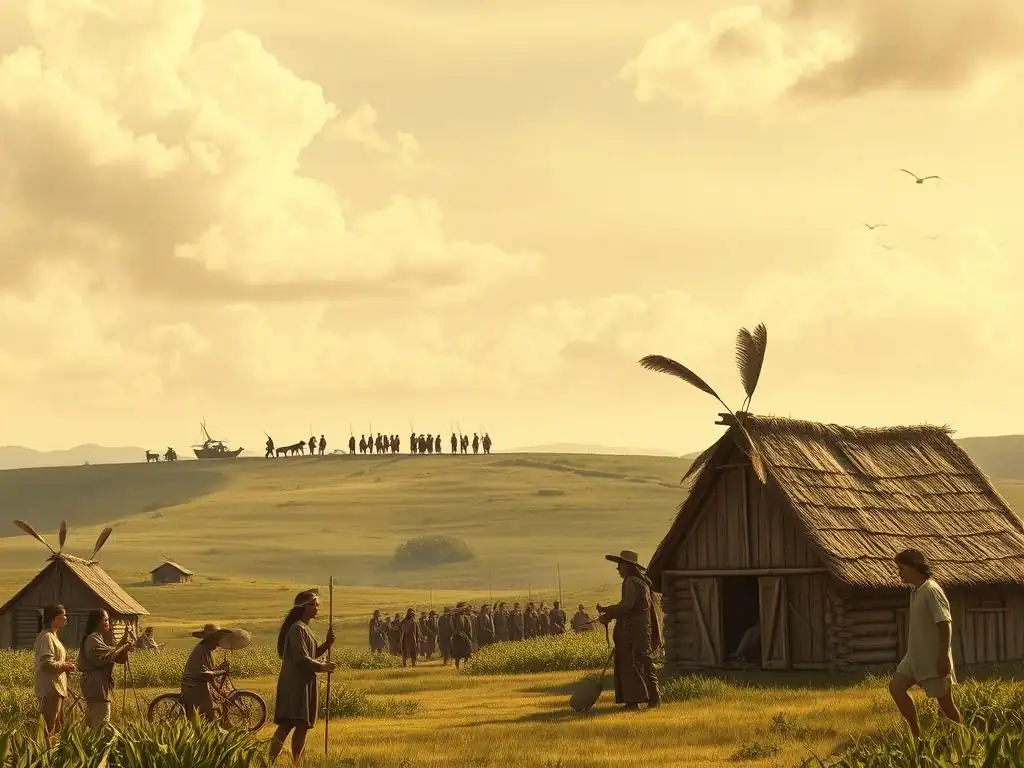
Adaptation Strategies Employed by Indigenous Cultures
Indigenous cultures across the Americas exhibited remarkable adaptability in response to the devastating impact of European diseases. Faced with epidemics that decimated populations, many communities developed various strategies to cope and survive. These strategies included:
- Cultural Resilience: Indigenous peoples preserved and adapted their cultural practices, rituals, and traditions, which provided a sense of identity and continuity in the face of loss. This cultural resilience helped communities to maintain social cohesion despite the changes brought by disease.
- Migration and Relocation: Some groups chose to migrate to less affected areas in search of resources and a healthier environment. This movement often involved establishing new settlements that allowed for better access to food and trade opportunities.
- Alliances and Cooperation: In certain instances, indigenous groups formed alliances with one another or even with European settlers to share resources and knowledge. This cooperation was crucial for mutual survival, especially in regions heavily impacted by disease.
- Adaptation of Agricultural Practices: Many indigenous communities adapted their agricultural techniques to enhance food production and combat food shortages caused by population declines. This included diversifying crops and improving irrigation methods to ensure a stable food supply.
Resilience and Resistance in the Face of Catastrophe
The impact of European diseases was catastrophic, yet many indigenous cultures demonstrated incredible resilience. This resilience manifested in various forms:
- Community Solidarity: During epidemics, communities often came together to support one another. This solidarity involved sharing food, caring for the sick, and preserving collective memory through storytelling and oral traditions.
- Political Resistance: Some indigenous groups actively resisted European encroachment and exploitation, which was exacerbated by the effects of disease. Leaders emerged who organized their people to defend their territories and rights, highlighting a determination to maintain autonomy.
- Social Adaptation: As populations diminished, social structures were often reconfigured. Some communities elected new leaders or altered kinship ties, allowing for a reestablishment of governance that could respond effectively to the changing circumstances.
- Cultural Revitalization: In the aftermath of epidemics, there was a revival of cultural practices and beliefs, as communities sought to reconnect with their heritage. This resurgence often included the revitalization of language, art, and spiritual practices, which served as a means of healing and identity affirmation.
The Role of Traditional Medicine in Coping with New Diseases
Traditional medicine played a pivotal role in how indigenous cultures responded to the influx of European diseases. The knowledge and practices surrounding traditional healing were vital for coping with the health crises that ensued:
- Use of Indigenous Herbal Remedies: Indigenous healers utilized a vast knowledge of local flora to create remedies that addressed symptoms of diseases introduced by Europeans. This included the use of plants known for their anti-inflammatory and antiviral properties, which were essential in the absence of European medical interventions.
- Integration of New Knowledge: While traditional medicine was rooted in indigenous practices, some communities began to integrate European medical knowledge. This syncretism allowed for a broader understanding of health and illness, providing additional tools for coping with new diseases.
- Healing Rituals and Spiritual Practices: Many indigenous cultures incorporated spiritual dimensions into their healing practices. Rituals aimed at restoring balance and harmony within the community were crucial not only for physical healing but also for emotional and spiritual well-being during times of crisis.
- Community Health Practices: Indigenous societies often emphasized communal health initiatives, such as the establishment of healing circles or gatherings where knowledge was shared, and collective healing occurred. This communal approach fostered a sense of unity and purpose in addressing the challenges posed by disease.
The responses of indigenous cultures to European diseases reveal a complex interplay of adaptation, resilience, and traditional knowledge. These strategies not only highlight the enduring strength of these cultures but also underscore the importance of understanding their historical context in the face of European contact.
Lasting Legacy of European Diseases on Indigenous Cultures
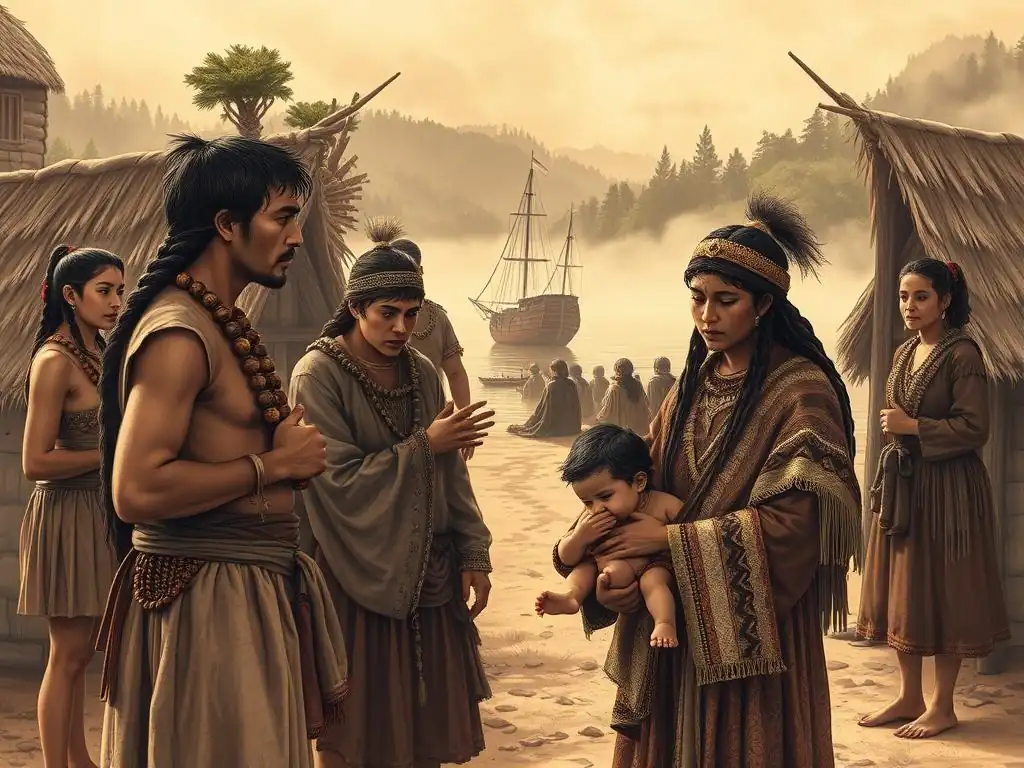
The arrival of Europeans in the Americas brought with it a catastrophic wave of infectious diseases that devastated indigenous populations. Diseases such as smallpox, measles, and influenza were introduced to a population that had no prior exposure or immunity, resulting in significant mortality and social upheaval. The impact of these diseases extended far beyond immediate health crises; they reshaped the very fabric of indigenous societies and left a lasting legacy that continues to resonate through generations.
Historical Perspectives: How Diseases Shaped Indigenous Futures
The historical context of European diseases reveals a grim narrative of loss and transformation. When Europeans first made contact with indigenous peoples, they inadvertently introduced pathogens that would wreak havoc on populations. For instance, smallpox alone is estimated to have killed up to 90% of certain indigenous groups in the Americas.
- Demographic Collapse:
- The dramatic decline in population created a vacuum in social structures. Traditional roles and practices were disrupted, leading to cultural disintegration.
- Many tribes faced existential crises as they lost not only their kin but also their leaders and knowledge bearers.
- Social Reorganization:
- With fewer individuals to uphold cultural practices, many communities were forced to adapt or abandon their traditions.
- New alliances emerged as surviving groups combined resources for survival, often adopting new practices influenced by European settlers.
- Economic Shifts:
- The economy of many indigenous societies was deeply tied to their population structure. The drastic decrease in numbers led to changes in trade networks and subsistence strategies.
- Some communities shifted from traditional agriculture to labor for European settlers, altering their economic landscapes irreversibly.
The historical legacy of disease thus not only decimated populations but also set the stage for profound transformations in indigenous identities and lifestyles.
Contemporary Relevance: Understanding Modern Indigenous Health Issues
The impact of European diseases is not just a relic of the past; it has contemporary implications for indigenous health. Many indigenous communities today continue to grapple with health disparities rooted in historical trauma.
- Health Disparities:
- Indigenous peoples often experience higher rates of chronic diseases such as diabetes and heart disease, partly due to the socio-economic conditions exacerbated by historical injustices.
- Access to Healthcare:
- Limited access to quality healthcare services remains a significant barrier. Many indigenous communities are located in remote areas, making it difficult to obtain necessary medical care.
- Cultural Approaches to Health:
- Modern health initiatives increasingly recognize the importance of integrating traditional healing practices with contemporary medicine to address the unique needs of indigenous populations.
Understanding these contemporary health issues requires acknowledging the historical context of European contact and the diseases that shaped indigenous futures. Through this lens, we can better appreciate the ongoing challenges faced by these communities.
Reflection on the Broader Impact of European Contact
The broader impact of European contact encompasses not only the spread of disease but also the intricate interplay of cultural exchange, resistance, and adaptation. While the initial contact resulted in devastating epidemics, it also catalyzed significant changes within indigenous societies.
- Cultural Syncretism:
- Many indigenous groups adopted and adapted European elements, leading to hybrid cultural practices that still exist today. This syncretism is evident in art, religion, and social structures.
- Political Resistance and Resilience:
- The struggle against disease and colonization led to the emergence of resilience among indigenous communities. Many groups formed coalitions to resist European encroachment, which fostered a sense of unity and purpose.
- Legacy of Colonization:
- The lasting consequences of disease and colonization are reflected in current discussions about rights, reparations, and cultural preservation. Indigenous movements today often draw upon historical narratives to advocate for recognition and justice.
The impact of European contact on indigenous cultures is a multifaceted topic that encompasses a legacy of disease, resilience, and transformation. Understanding this legacy is crucial for addressing the ongoing challenges faced by indigenous communities and recognizing their enduring contributions to the cultural tapestry of the Americas.
Conclusion: The Enduring Impact of European Contact on Indigenous Cultures
Summary of Key Points
The impact of European contact on indigenous cultures in the Americas was profound and multifaceted, transforming societies in ways that are still being understood today. Key points to consider include:
- Demographic Catastrophe: The introduction of European diseases such as smallpox, measles, and typhus led to catastrophic declines in indigenous populations, with estimates suggesting that up to 90% of some communities perished within a few generations. This demographic shift disrupted social structures and cultural practices.
- Cultural Disruption: The arrival of Europeans not only brought diseases but also resulted in significant cultural changes. Traditional practices, languages, and spiritual beliefs were often undermined or forcibly altered due to colonization efforts.
- Economic Transformation: European contact initiated new trade dynamics, with indigenous groups often coerced into participating in European-driven economies. This shift had lasting effects on traditional livelihoods and economic systems.
- Resistance and Resilience: Despite the devastating impacts, many indigenous cultures demonstrated remarkable resilience. They adapted to changing circumstances, often blending traditional practices with new influences from European settlers.
- Legacy of Displacement: The consequences of European contact are still evident today, with many indigenous communities grappling with the effects of historical injustices, land dispossession, and ongoing socio-economic challenges.
Call to Acknowledge and Address Historical Injustices
Recognizing the impact of European contact on indigenous cultures is essential not only for understanding historical narratives but also for fostering reconciliation and healing. Acknowledgment of these injustices includes:
- Educational Initiatives: Incorporating indigenous perspectives into educational curricula helps shed light on the true history of colonization and its enduring consequences.
- Cultural Revitalization: Supporting the revival of indigenous languages, traditions, and practices is crucial for empowering communities and preserving their cultural heritage.
- Policy Changes: Governments and institutions must address historical grievances through policy reforms that promote equity, land rights, and resource management for indigenous peoples.
- Community Engagement: Encouraging dialogue between indigenous communities and the wider society can foster mutual understanding and respect, paving the way for collaborative efforts to address past injustices.
The legacy of European contact is a complex tapestry of loss, adaptation, and resilience. By acknowledging this history and its ongoing impacts, we can work towards a more equitable future that honors the rich heritage of indigenous cultures across the Americas.
Frequently Asked Questions
What were the main diseases introduced by Europeans to indigenous populations?
European contact brought devastating diseases like smallpox, measles, and influenza to which indigenous people had no immunity, leading to significant population declines.
How did European colonization affect indigenous societies?
European colonization disrupted traditional societies, leading to loss of land, changes in governance, and often resulted in violent conflicts that altered social structures.
What long-term impacts did European contact have on indigenous cultures?
The cultural legacy of European contact includes forced assimilation, loss of languages, and the introduction of new technologies and trade items, which reshaped indigenous ways of life.
How did indigenous cultures respond to European contact?
Many indigenous groups engaged in resistance or adaptation strategies, incorporating new tools and trade goods while also striving to preserve their cultural identities amidst colonization pressures.
What is the significance of understanding the impact of European contact on indigenous cultures today?
Recognizing the impact of European contact helps in understanding the historical injustices faced by indigenous peoples and informs current discussions about cultural preservation and sovereignty.
Final Reflection: The Enduring Impact of European Contact on Indigenous Cultures
The legacy of European contact is not merely a chapter in history; it is a profound narrative that continues to shape the lives of indigenous cultures today. The devastating effects of diseases like smallpox and syphilis serve as a stark reminder of the consequences of colonization, which altered the course of entire civilizations. The stories of resilience and loss echo through generations, highlighting the urgent need to acknowledge and address these historical injustices in our contemporary world.
The impact of European contact on indigenous cultures has reverberated through time, influencing social structures, cultural practices, and community identities. The ongoing struggles of indigenous peoples to reclaim their history and assert their rights are testaments to the resilience of these cultures. As we reflect on this legacy, we are reminded of the words of historian David Stannard: The history of the Americas is a history of genocide, and the consequences of that genocide are still with us today.
This observation compels us to confront the realities of our shared past and recognize the enduring scars left by colonization.
As we look to the future, let us take this opportunity to reflect on our roles in fostering understanding and healing. Consider how you can contribute to the recognition of indigenous rights and support the revitalization of their cultures. By engaging with this history and advocating for justice, we can help create a more equitable world that honors the rich heritage of indigenous peoples. Together, we can ensure that the lessons of the past inform our actions today, paving the way for a more inclusive and respectful future.
Unveil the Impact: Take Action for Understanding and Change!
Thank you for dedicating your time to explore the profound legacy of European contact on Indigenous civilizations. Your engagement with this topic is a vital step toward recognizing the historical implications and fostering awareness for the future. Now, let's take impactful actions that can help honor this history and promote education.
- Dive deeper: Research local Indigenous communities and learn about their history and culture.
- Share your insights: Discuss your findings with friends and family to spread awareness about the changes brought by European contact.
- Get involved: Volunteer with or support Indigenous-led initiatives focused on preservation, education, or cultural revitalization efforts.
In what ways can you contribute to preserving the legacy and stories of Indigenous cultures in your community?