
Cultural Revitalization: Indigenous Responses to Longterm Colonial Impact

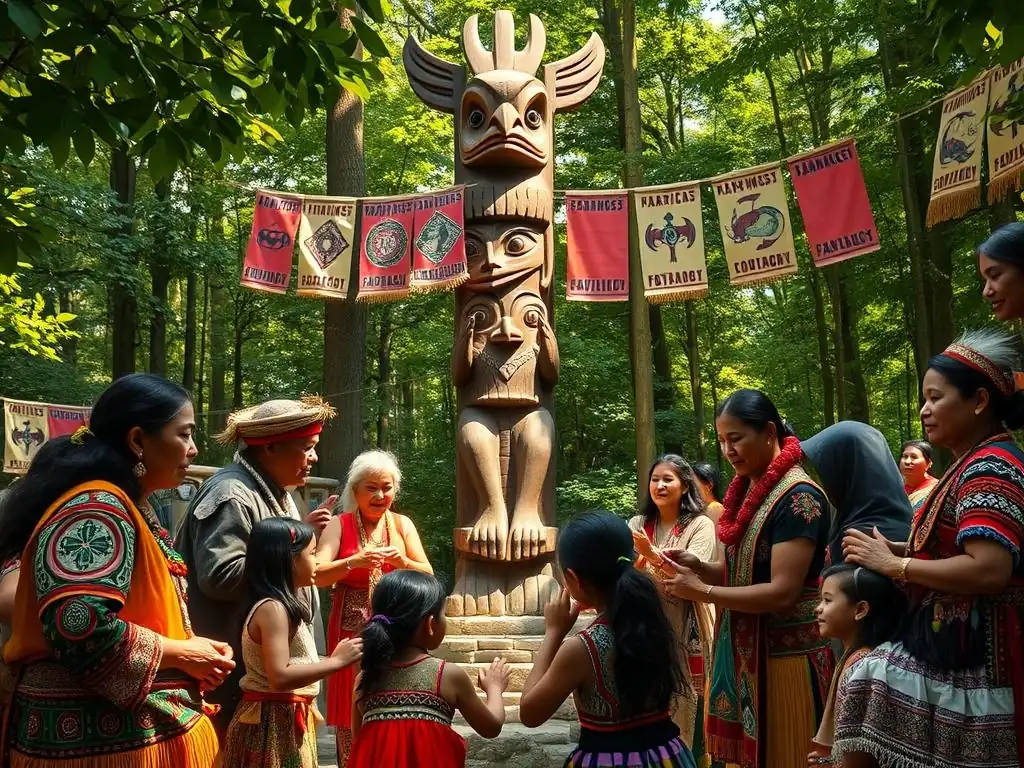
Welcome to Indigenous Civilizations of the Americas, where we embark on a fascinating journey through the rich tapestry of indigenous cultures that flourished across the Americas long before European colonization. Here, we delve into the powerful indigenous cultural revitalization efforts that have emerged as profound responses to centuries of colonial impact. Discover the resilience and creativity of these communities as they reclaim their heritage and reinvigorate their traditions. Join us as we explore the depths of their achievements and the enduring legacies that continue to shape our world today. Your adventure into this vibrant history begins now!
- Indigenous Cultural Revitalization Efforts: Overview
- Long-term Effects of Colonialism on Indigenous Cultures
- Indigenous Responses to Long-term Colonial Impact
- Case Studies of Successful Indigenous Cultural Revitalization Efforts
- Challenges Faced in Indigenous Cultural Revitalization
- The Role of Indigenous Youth in Cultural Revitalization
- Conclusion: The Future of Indigenous Cultural Revitalization Efforts
- Frequently Asked Questions
- Final Reflection: Embracing Indigenous Cultural Revitalization Efforts
- Unleash the Power of Cultural Revitalization!
Indigenous Cultural Revitalization Efforts: Overview
Indigenous cultural revitalization efforts represent a critical movement among Indigenous communities across the Americas, aimed at reclaiming, preserving, and revitalizing their unique cultural identities in the face of historical colonial impacts. This comprehensive exploration sheds light on the diverse strategies employed by Indigenous peoples to restore their traditions, languages, and practices that have been undermined through centuries of colonization.
By highlighting these efforts, we not only acknowledge the resilience of Indigenous cultures but also enhance our understanding of their ongoing contributions to broader societal narratives. This article delves into the definition, significance, and historical context of these revitalization efforts, providing a nuanced perspective on their importance in contemporary Indigenous life.
Definition of Indigenous Cultural Revitalization
Indigenous cultural revitalization refers to the processes and initiatives undertaken by Indigenous communities to restore and strengthen their cultural practices, languages, and traditions that have been disrupted or diminished due to colonial influences. These efforts often encompass a wide range of activities, including:
- Language Revitalization: Programs aimed at teaching and promoting Indigenous languages.
- Cultural Education: Initiatives to educate younger generations about traditional practices, stories, and knowledge systems.
- Artistic Expressions: Reviving traditional art forms, music, and dance as a means of cultural expression and identity.
- Community Engagement: Involving community members in cultural events, ceremonies, and gatherings to foster a sense of belonging and continuity.
Through these efforts, Indigenous peoples strive to reclaim their narratives and reinforce their cultural identities, ensuring that their heritage is not only preserved but also celebrated.
Importance of Cultural Revitalization for Indigenous Communities
The importance of cultural revitalization for Indigenous communities cannot be overstated. It serves as a powerful tool for healing, empowerment, and identity reconstruction. Here are some key reasons why these efforts are vital:
- Healing Historical Trauma: Engaging in cultural practices provides a pathway to healing from the historical traumas inflicted by colonization, fostering resilience and emotional well-being.
- Strengthening Identity: Revitalization efforts help individuals reconnect with their cultural roots, enhancing their sense of identity and belonging within their communities.
- Promoting Language Preservation: Language is a cornerstone of culture; revitalizing Indigenous languages contributes to the survival of unique worldviews and traditional knowledge.
- Fostering Intergenerational Knowledge Transfer: By educating younger generations about their heritage, communities ensure that cultural practices are passed down, maintaining continuity and resilience.
Overall, cultural revitalization plays an essential role in the social, emotional, and political empowerment of Indigenous peoples, enabling them to reclaim their narratives in a contemporary context.
Historical Context of Colonial Impact on Indigenous Cultures
To fully understand the significance of Indigenous cultural revitalization efforts, it is crucial to examine the historical context of colonial impact on Indigenous cultures. The arrival of European colonizers in the Americas marked a profound disruption to Indigenous ways of life, leading to:
- Displacement and Land Loss: Colonization resulted in the widespread dispossession of Indigenous lands, disrupting traditional lifestyles and economies.
- Cultural Suppression: Many Indigenous practices, languages, and belief systems were actively suppressed through policies aimed at assimilation, including residential schools and forced conversions to Christianity.
- Population Decline: European diseases, violence, and forced migrations led to significant population declines, further threatening the survival of Indigenous cultures.
- Loss of Traditional Knowledge: The disruption of community structures and cultural practices resulted in the erosion of traditional knowledge systems.
These long-term effects have left a lasting legacy on Indigenous communities, necessitating dedicated revitalization efforts to reclaim and restore their cultural heritage in a post-colonial world. Understanding this historical context is essential to appreciate the depth and urgency of contemporary Indigenous cultural revitalization initiatives.
Long-term Effects of Colonialism on Indigenous Cultures
Displacement and Loss of Language
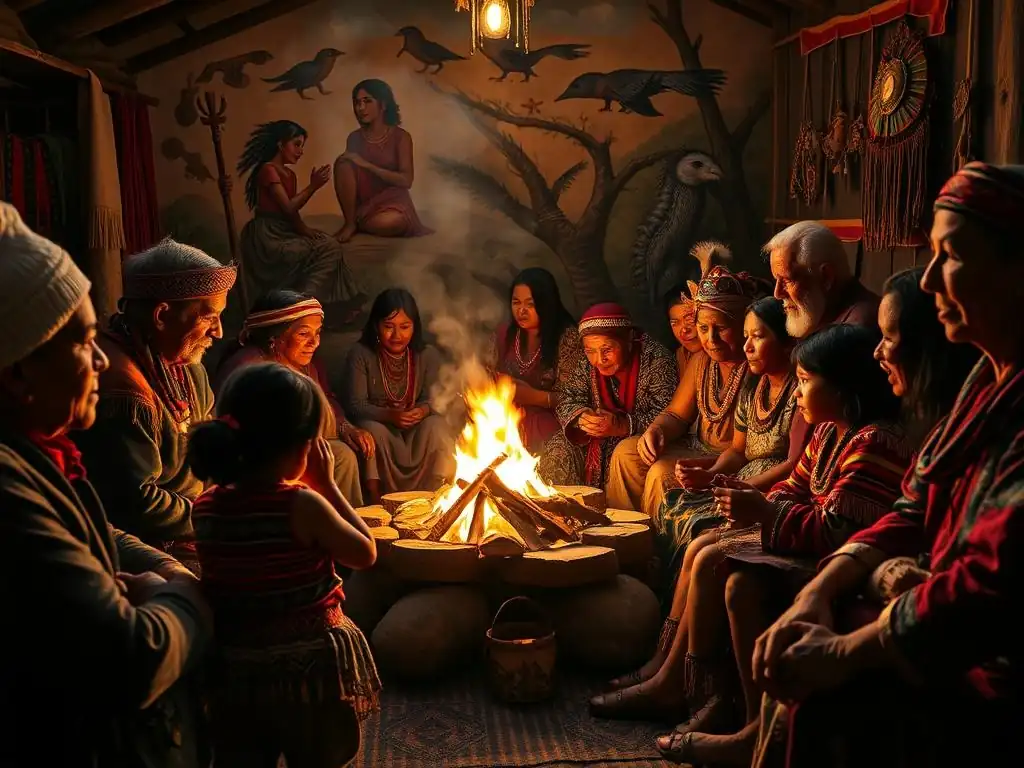
The displacement of Indigenous peoples caused by colonial expansion has profoundly affected their cultures, particularly in the realm of language. Language is not merely a means of communication; it is a vessel of cultural identity, history, and tradition. As colonial powers imposed their languages—such as English, Spanish, and Portuguese—many Indigenous languages faced decline.
- Statistics on Language Loss: According to linguistic studies, approximately 90% of Indigenous languages in the Americas are at risk of extinction. This loss not only diminishes the diversity of human expression but also erases the knowledge embedded in these languages, including traditional ecological knowledge and cultural narratives.
- Community Resilience: Despite these challenges, many Indigenous communities have initiated revitalization efforts aimed at preserving and revitalizing their languages. Programs such as language immersion schools, community classes, and the use of technology (like apps and online courses) are being utilized to teach younger generations their ancestral languages.
“Language is the blood of the soul into which thoughts run and out of which they grow.” – Oliver Wendell Holmes, Jr.
Erosion of Traditional Practices and Beliefs
Colonialism has led to a significant erosion of traditional practices and beliefs among Indigenous communities. The imposition of foreign governance, religion, and cultural norms often marginalized Indigenous customs, leading to a loss of identity and continuity.
- Religious Suppression: Many Indigenous spiritual practices were outlawed or demonized. For example, the introduction of Christianity often involved the destruction of sacred sites and the criminalization of traditional ceremonies. This has resulted in a disconnection from ancestral spiritual practices for many communities.
- Cultural Practices: Traditional practices such as hunting, gathering, and agricultural methods have also been disrupted. For instance, the introduction of European agricultural techniques often disregarded Indigenous knowledge systems that were more sustainable and adapted to local ecosystems.
- Modern Revitalization: In response, Indigenous groups are increasingly reclaiming their cultural practices. Events like powwows, cultural festivals, and traditional crafts workshops serve not only to reinforce community bonds but also to educate younger generations about their heritage.
The psychological and social impacts of colonialism on Indigenous communities are profound and multifaceted. Generational trauma, stemming from the historical injustices faced by Indigenous peoples, manifests in various ways, affecting mental health and community cohesion.
- Intergenerational Trauma: The effects of displacement, cultural genocide, and systemic racism contribute to a legacy of trauma that can be transmitted across generations. This may result in higher rates of mental health issues, substance abuse, and social dislocation within Indigenous populations.
- Social Disruption: Colonialism has not only disrupted cultural practices but also the social fabric of Indigenous communities. Traditional governance structures and family systems have been undermined, leading to weakened social bonds and increased vulnerability to external societal issues.
- Healing and Resilience: Many Indigenous communities are actively engaging in healing practices that acknowledge historical trauma while fostering resilience. Initiatives focusing on mental health support, cultural education, and community empowerment are crucial components of these efforts.
The long-term effects of colonialism on Indigenous cultures are complex and interwoven. Understanding these impacts is essential for recognizing the ongoing efforts of Indigenous communities to revitalize their cultures, languages, and social structures in the face of historical adversities. The Indigenous cultural revitalization efforts serve not only as acts of resistance but as critical pathways toward healing and reclamation of identity.
Indigenous Responses to Long-term Colonial Impact
Revitalization of Indigenous Languages
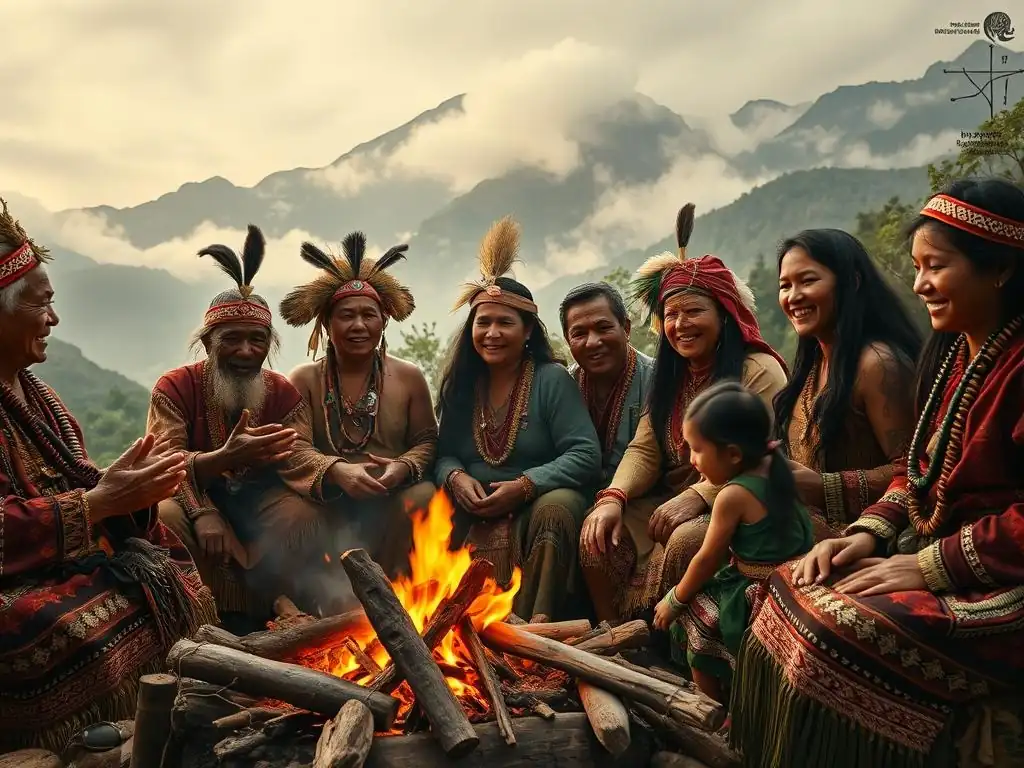
Indigenous cultural revitalization efforts play a crucial role in addressing the long-term impacts of colonialism, particularly in the realm of language preservation. Many Indigenous languages faced extinction as a result of European colonization, which imposed dominant languages and cultures, often labeling Indigenous tongues as inferior. However, various initiatives have emerged to revitalize these languages, thereby strengthening cultural identity and community cohesion.
Language Immersion Programs
Language immersion programs are designed to immerse students fully in an Indigenous language environment, fostering fluency and cultural understanding. These programs often take place in schools, where curricula are developed entirely in the Indigenous language.
- Key Features:
- Curriculum Development: Courses are tailored to include not only language instruction but also cultural teachings, ensuring that students learn the language in context.
- Teacher Training: Educators are often Indigenous speakers who are trained in both language instruction and cultural pedagogy.
- Age Range: Programs can cater to various age groups, from early childhood to adult learners, promoting lifelong learning.
These programs have shown success in increasing fluency rates among younger generations, allowing them to communicate in their ancestral languages and pass them on to future generations.
Community Language Classes
Community language classes offer another avenue for revitalizing Indigenous languages. These classes are typically organized by community groups or cultural centers and are accessible to all age groups.
- Structure:
- Flexible Scheduling: Classes are often scheduled in the evenings or weekends to accommodate community members' work and family commitments.
- Diverse Formats: They can include conversational practice, grammar lessons, and cultural storytelling sessions, fostering a deeper connection to the language.
- Intergenerational Learning: Many classes encourage participation from both elders and youth, facilitating knowledge transfer and cultural exchange.
These initiatives help create a supportive environment for language learners, fostering a sense of community and shared identity among participants.
Restoration of Traditional Practices
Restoration of traditional practices is essential for Indigenous cultural revitalization efforts, allowing communities to reconnect with their heritage and assert their identities. This restoration often encompasses various aspects of cultural life, including ceremonies, arts, and crafts.
Ceremonial Revivals
Ceremonial revivals are significant in reinstating traditional practices that may have been suppressed or lost due to colonial impacts. These ceremonies serve not only as cultural expressions but also as vital components of community cohesion and spiritual connection.
- Types of Ceremonies:
- Rituals: These may include seasonal celebrations, healing rituals, or rites of passage that are integral to cultural identity.
- Community Involvement: Ceremonies often involve extensive community participation, strengthening social bonds and collective memory.
- Cultural Education: Events often serve as educational opportunities, teaching younger generations about the meanings and significance of their traditions.
Such revivals help reaffirm the cultural identity of Indigenous peoples and reinforce their resilience against the impacts of colonialism.
Traditional Arts and Crafts
The revival of traditional arts and crafts is another vital aspect of Indigenous cultural revitalization efforts. These practices not only serve as a means of artistic expression but also as a way to pass down knowledge and skills from one generation to the next.
- Craftsmanship:
- Material Use: Many artists utilize traditional materials and techniques that have been passed down through generations, which reflects their cultural heritage.
- Workshops and Training: Community workshops provide training in traditional crafts, ensuring that skills are kept alive and revitalized.
- Cultural Significance: Artworks often carry deep cultural meanings, connecting the creator to their ancestors and community history.
Through these efforts, Indigenous communities can reclaim their narratives and assert their cultural presence in modern society, contributing to a broader understanding and appreciation of their diverse histories and contributions.
Reclaiming Indigenous Knowledge Systems
Reclaiming Indigenous knowledge systems is a vital aspect of cultural revitalization efforts within Indigenous communities across the Americas. These knowledge systems encompass a wide array of practices, beliefs, languages, and traditions that have been passed down through generations. The historical impact of colonization has led to significant erosion of these systems; however, contemporary movements aim to recover and revitalize this invaluable cultural heritage.
Indigenous knowledge systems are unique to each community, encompassing traditional practices in areas such as agriculture, medicine, and spirituality. By revitalizing these systems, Indigenous peoples not only restore their cultural identity but also enhance their resilience in the face of ongoing environmental and social challenges. This reclamation often involves the integration of ancient practices with contemporary issues, such as climate change, promoting sustainable practices that respect both cultural heritage and ecological balance.
Additionally, the revitalization of Indigenous languages plays a crucial role in reclaiming knowledge systems. Language is a repository of culture, history, and worldview, and efforts to promote language learning and use within communities are essential for preserving traditional knowledge. Programs aimed at teaching Indigenous languages to younger generations foster a stronger sense of identity and belonging, allowing for a fuller understanding of cultural practices and wisdom.
Integration of Traditional Ecological Knowledge
Traditional Ecological Knowledge (TEK) represents a sophisticated body of understanding that Indigenous communities have developed over millennia through their interactions with the environment. This knowledge encompasses a holistic view of ecosystems, recognizing the interconnectedness of species, habitats, and human activity. The integration of TEK into contemporary environmental management practices is a central theme of cultural revitalization efforts.
By incorporating TEK into modern conservation strategies, Indigenous communities are not only reclaiming their rights to manage their ancestral lands but also contributing to biodiversity conservation. For instance, practices such as controlled burns, which have been used by Indigenous peoples for centuries, are being recognized for their effectiveness in promoting healthy ecosystems and preventing wildfires. This integration not only validates Indigenous knowledge but also enhances ecological outcomes.
Moreover, collaborative research initiatives that bring together Indigenous knowledge holders and scientific communities are increasingly common. These partnerships facilitate the exchange of knowledge and foster mutual respect, leading to more effective environmental stewardship. Through these collaborations, Indigenous voices are amplified in decision-making processes, ensuring that their perspectives are included in discussions about resource management and environmental policies.
Educational Initiatives Focused on Indigenous History
Educational initiatives focused on Indigenous history play a crucial role in cultural revitalization efforts by fostering awareness and understanding of Indigenous identities, experiences, and contributions. These programs aim to correct historical narratives that have often marginalized or misrepresented Indigenous peoples, providing a platform for them to share their stories and perspectives.
Curricula that incorporate Indigenous history and perspectives help to educate both Indigenous and non-Indigenous students about the rich and diverse cultures that existed prior to European colonization. Such initiatives often emphasize the importance of Indigenous languages, traditions, and innovations, promoting a deeper appreciation for the resilience and adaptability of Indigenous communities.
Furthermore, community-driven educational programs that involve Elders and knowledge keepers are vital for transmitting traditional knowledge to younger generations. These programs not only educate youth about their heritage but also empower them to take an active role in cultural preservation. Workshops, storytelling sessions, and cultural events serve as platforms for sharing knowledge and fostering intergenerational connections.
As educational institutions increasingly recognize the importance of incorporating Indigenous perspectives, there is a growing movement towards establishing Indigenous-led schools and educational programs. These initiatives prioritize culturally relevant teaching methods and content, ensuring that Indigenous students see themselves reflected in their education and are equipped with the knowledge and skills to succeed in a rapidly changing world.
Case Studies of Successful Indigenous Cultural Revitalization Efforts
Case Study 1: Māori Language Revitalization in New Zealand
Background and Context
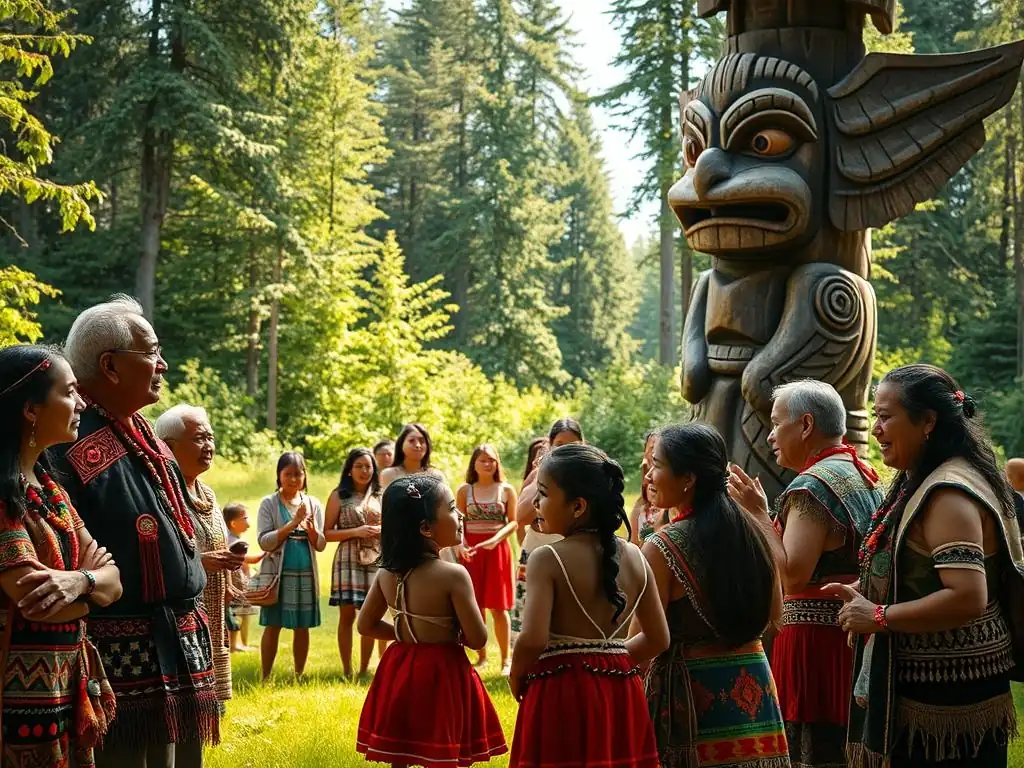
The Māori language, or Te Reo Māori, faced significant decline during the 20th century due to British colonization, which marginalized the language and culture of the Māori people. By the 1980s, it was estimated that only about 20% of Māori spoke their language fluently. Recognizing the critical need for revitalization, the Māori community mobilized to reclaim their linguistic heritage and cultural identity.
Strategies Implemented
To combat the decline of Te Reo Māori, various strategies were deployed, including:
- Kohanga Reo: Established in the early 1980s, these "language nests" aimed to immerse preschool children in the Māori language. Parents and caregivers were encouraged to speak only Māori, fostering a natural language acquisition environment.
- Kura Kaupapa Māori: These Māori language immersion schools provide education entirely in Te Reo Māori, ensuring that students not only learn the language but also the cultural practices inherent to Māori identity.
- Media and Technology: The introduction of Māori programming on television and radio, as well as the development of digital resources, has helped promote the language among younger generations. Initiatives like the Māori language week and social media campaigns have also contributed to increased visibility.
Results and Impact
The revitalization efforts have yielded significant results:
- Increased Fluency: Recent surveys indicate that the percentage of Māori speakers has increased to over 30%, with a growing number of young people expressing pride in their linguistic heritage.
- Cultural Pride: The resurgence of the Māori language has fostered a renewed sense of identity and cultural pride among Māori communities, leading to broader social and political activism.
- Legislative Support: The recognition of Te Reo Māori as an official language of New Zealand has led to legal protections and funding for language revitalization initiatives.
Case Study 2: First Nations Cultural Revitalization in Canada
Background and Context
In Canada, First Nations cultures faced profound disruption due to colonization, residential schools, and systemic discrimination. Many Indigenous languages and cultural practices were at risk of extinction. The late 20th century saw a resurgence of interest among Indigenous communities to reclaim and revitalize their cultures and languages, leading to various grassroots movements.
Strategies Implemented
First Nations across Canada have implemented diverse strategies for cultural revitalization, including:
- Language Revitalization Programs: Many communities have developed language programs that involve teaching Indigenous languages in schools and community centers, often utilizing immersion techniques similar to those of the Māori language nests.
- Cultural Festivals and Gatherings: Events like powwows and cultural festivals have become vital for sharing traditional practices, arts, and storytelling, reinforcing community bonds and cultural pride.
- Collaboration with Universities: Partnerships with academic institutions have facilitated research and documentation of Indigenous languages, providing resources for language learning and teaching.
Results and Impact
The impact of these revitalization efforts has been profound:
- Language Growth: There has been a notable increase in the number of speakers of Indigenous languages, with various communities reporting a resurgence in intergenerational language transmission.
- Cultural Identity: The revitalization of cultural practices has led to stronger community identities, enhancing resilience against the ongoing effects of colonialism.
- Policy Changes: Increased awareness of Indigenous issues has led to governmental support for Indigenous language and culture initiatives, contributing to a shift in national policies regarding Indigenous rights and recognition.
These case studies exemplify the diverse and effective Indigenous cultural revitalization efforts that have emerged in response to the long-term impacts of colonialism. Through strategic initiatives and community engagement, Indigenous peoples continue to reclaim their languages and cultural practices, fostering resilience and pride in their identities.
Challenges Faced in Indigenous Cultural Revitalization
External Challenges from Societal Structures
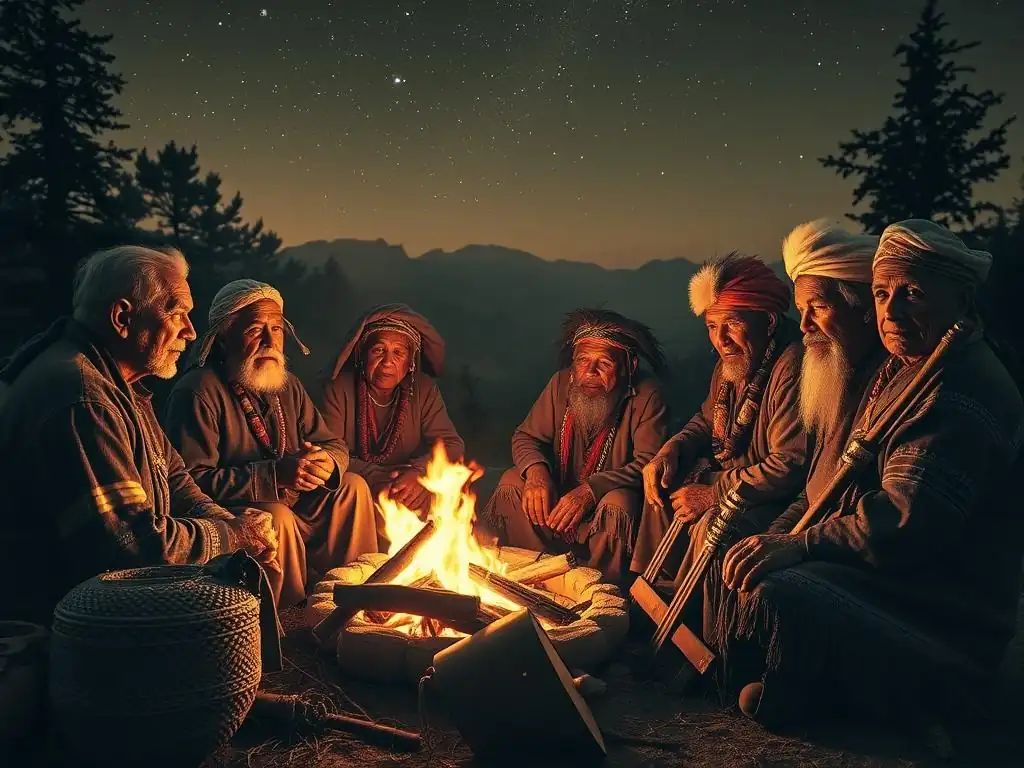
Indigenous cultural revitalization efforts are often met with external challenges deeply rooted in societal structures established during and after European colonization. These challenges manifest in various forms, undermining the autonomy and identity of Indigenous communities.
-
Systemic Discrimination
Indigenous peoples frequently face systemic discrimination, which can hinder their ability to access resources necessary for cultural revitalization. This includes:
- Limited funding for cultural programs
- Barriers to education that prioritize Eurocentric narratives over Indigenous knowledge
- Lack of representation in governmental and societal institutions
-
Legal Barriers
Legal frameworks established during colonization often do not recognize the rights of Indigenous peoples to their cultural heritage. For instance:
- Land rights disputes can impact the ability of communities to practice traditional cultural ceremonies.
- Intellectual property laws may not protect Indigenous knowledge and art, leading to appropriation and misrepresentation.
-
Economic Marginalization
Many Indigenous communities experience economic hardships that limit their capacity to engage in cultural revitalization. Low employment rates and inadequate access to markets can lead to:
- Dependence on government aid, which may not support cultural initiatives
- Difficulty in investing in cultural education and revitalization programs
Internal Challenges within Indigenous Communities
While external factors pose significant hurdles, internal challenges within Indigenous communities also play a crucial role in shaping the effectiveness of cultural revitalization efforts.
-
Generational Trauma
The historical impacts of colonization, including displacement and forced assimilation, have led to generational trauma that affects community cohesion and cultural transmission. This trauma can manifest as:
- Mental health issues that hinder engagement with cultural practices
- Disconnection from traditional languages and customs among younger generations
-
Diverse Perspectives and Goals
Within Indigenous communities, there may be a diversity of perspectives on what cultural revitalization should entail. This can lead to:
- Conflicts over priorities, such as language preservation versus traditional arts
- Fragmentation in community efforts due to differing opinions on the importance of certain practices
-
Resource Allocation Issues
Limited resources can create competition among community members for funding and support, impacting collaborative efforts. This includes:
- Challenges in organizing cultural events or educational programs
- Difficulty in maintaining cultural sites and artifacts due to financial constraints
Overcoming Barriers: Strategies for Success
Despite these challenges, Indigenous communities have developed innovative strategies to overcome barriers to cultural revitalization. By leveraging both internal strengths and external partnerships, they have made significant strides in preserving and promoting their cultures.
-
Community-Led Initiatives
Empowering local leaders and community members to take charge of revitalization efforts fosters a sense of ownership and accountability. Successful examples include:
- Organizing grassroots cultural festivals that celebrate traditional practices
- Creating mentorship programs pairing elders with youth to transfer knowledge and skills
-
Collaborative Partnerships
Building partnerships with educational institutions, non-profits, and governmental organizations can provide additional resources and support for revitalization efforts. This may involve:
- Securing funding for cultural programs through grants
- Collaborating on research projects that document and preserve Indigenous knowledge
-
Cultural Education and Awareness
Implementing educational programs within and outside the community can raise awareness about Indigenous cultures and histories. This includes:
- Integrating Indigenous perspectives into school curricula
- Hosting workshops and cultural exchanges that invite broader community engagement
By addressing both external and internal challenges through these strategies, Indigenous cultural revitalization efforts can flourish, ensuring the preservation and celebration of rich cultural heritages for future generations.
The Role of Indigenous Youth in Cultural Revitalization
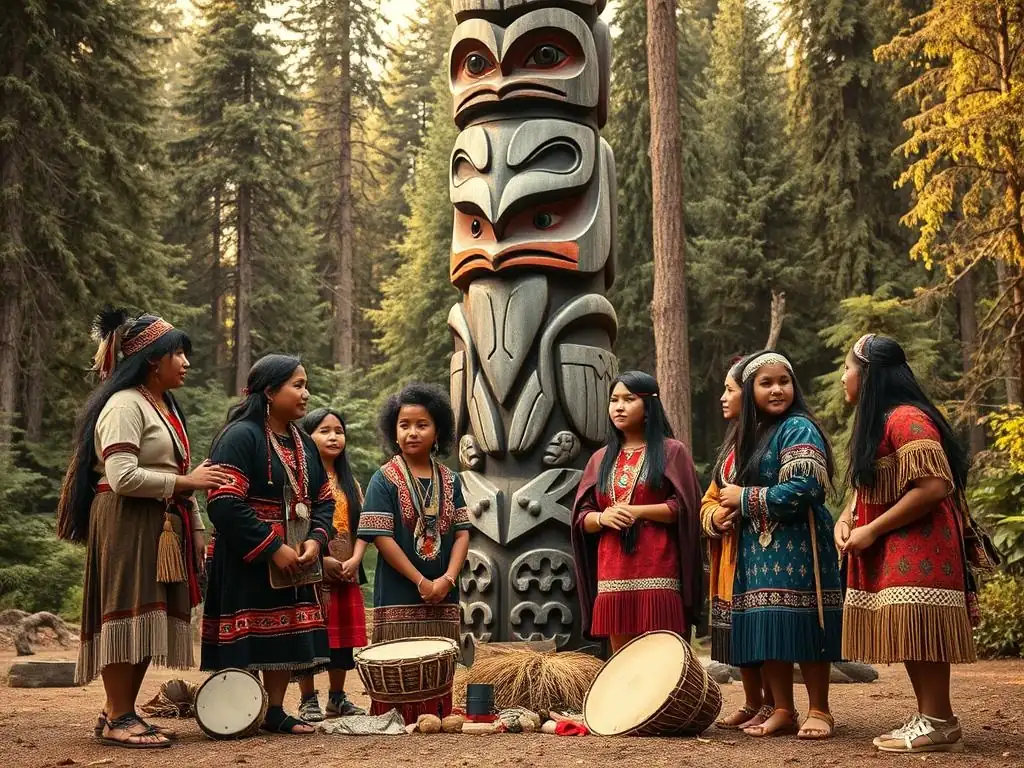
Indigenous youth play a pivotal role in the revitalization of their cultures, acting as bridges between traditional practices and contemporary society. As the bearers of cultural knowledge and innovative ideas, they are instrumental in facilitating the resurgence of Indigenous cultural identities that have been impacted by centuries of colonialism. Their engagement not only helps preserve the rich heritage of their communities but also empowers them to assert their identities in a rapidly changing world.
Engaging Indigenous Youth in Cultural Practices
Engagement in cultural practices is crucial for Indigenous youth, as it fosters a deep connection to their heritage. Various initiatives have been developed to encourage participation in traditional arts, languages, and ceremonies. For example:
- Language Revitalization Programs: Many communities have established language immersion schools and workshops, enabling youth to learn their ancestral languages. This not only aids in the preservation of the language but also strengthens cultural pride.
- Traditional Arts and Crafts Workshops: By participating in workshops that teach traditional crafts such as weaving, pottery, or beadwork, youth can explore their creativity while connecting to their cultural roots.
- Cultural Festivals and Ceremonies: Events like powwows and seasonal festivals offer platforms for youth to learn and showcase traditional dances, songs, and storytelling—key components of their cultural identity.
These activities not only foster a sense of belonging but also encourage youth to take leadership roles within their communities, ensuring that cultural practices are passed on to future generations.
Education and Empowerment Initiatives
Education plays a critical role in the empowerment of Indigenous youth, particularly in combating the effects of historical trauma and marginalization. Several innovative educational initiatives have emerged to support this effort:
- Culturally Relevant Curriculum: Schools are beginning to adopt curricula that reflect Indigenous perspectives, histories, and contributions. This approach helps youth to see themselves and their cultures represented in their education, fostering greater engagement.
- Scholarship Programs: Many organizations offer scholarships specifically for Indigenous students pursuing higher education. By removing financial barriers, these programs encourage youth to attain degrees that can benefit their communities.
- Mentorship Programs: Connecting youth with Indigenous elders and leaders helps facilitate knowledge transfer and builds a network of support. Mentorship can empower young people to pursue their cultural interests and career aspirations.
These educational initiatives are crucial for building resilience among Indigenous youth, equipping them with the skills and confidence necessary to navigate both their cultural heritage and the broader society.
Youth-led Movements for Cultural Preservation
In recent years, Indigenous youth have spearheaded various movements aimed at cultural preservation and revitalization. These youth-led initiatives are characterized by their innovative approaches and strong community engagement:
- Social Media Campaigns: Platforms like Instagram and TikTok have become powerful tools for youth to share cultural stories, language lessons, and traditional practices, reaching a global audience and raising awareness about Indigenous issues.
- Environmental Activism: Many Indigenous youth are leading movements to protect sacred lands and natural resources. They often link environmental stewardship to cultural identity, emphasizing the importance of preserving both the land and their heritage.
- Advocacy for Policy Change: Youth are increasingly involved in advocacy efforts to push for policies that support Indigenous rights and cultural preservation. By organizing protests and campaigns, they bring attention to the ongoing effects of colonialism.
These movements highlight the dynamic role of Indigenous youth in shaping the future of their cultures. By taking action, they not only reclaim their identities but also inspire others within their communities to engage in cultural revitalization efforts.
Through these various avenues, Indigenous youth are not just passive recipients of cultural knowledge; they are active participants and leaders in the revitalization of their cultures, ensuring that Indigenous identities continue to thrive in the face of colonial legacies.
Conclusion: The Future of Indigenous Cultural Revitalization Efforts
The journey of Indigenous cultural revitalization efforts is not just a response to historical injustices but a powerful assertion of identity, autonomy, and resilience. As we look to the future, it becomes evident that sustaining these efforts requires a multifaceted approach that embraces both tradition and innovation. The ongoing engagement within Indigenous communities, coupled with external support, plays a vital role in shaping the trajectory of cultural revitalization.
Sustaining Momentum for Cultural Revitalization
To ensure the sustained momentum of Indigenous cultural revitalization efforts, several key strategies can be implemented:
- Community Engagement: Active participation of community members is crucial. Empowering younger generations through education about their heritage fosters a sense of pride and responsibility.
- Workshops and Programs: Initiatives such as language classes, traditional crafts, and storytelling sessions can create a vibrant cultural atmosphere.
- Cultural Events: Hosting festivals and gatherings that celebrate indigenous traditions helps to keep cultures alive and relevant.
- Integration of Technology: Utilizing modern technology can enhance cultural preservation efforts.
- Digital Archives: Creating online repositories to share oral histories, songs, and art can make cultural resources accessible to a wider audience.
- Social Media Campaigns: Leveraging platforms to promote cultural narratives can engage younger audiences and raise awareness on a global scale.
- Policy Advocacy: Engaging with governmental and non-governmental organizations for policy support is essential.
- Legal Protections: Advocating for the recognition of Indigenous rights can help safeguard cultural practices and land.
- Funding Opportunities: Securing grants and financial support for cultural programs is critical for long-term sustainability.
The Role of Allies and Supporters
Allies play a significant role in supporting Indigenous cultural revitalization efforts. Their involvement can take many forms:
- Awareness and Education: Allies can educate themselves and others about Indigenous histories and cultural practices, amplifying Indigenous voices within broader society.
- Support for Initiatives: Providing logistical, financial, or moral support for community-led projects can enhance their impact.
- Collaborative Projects: Partnerships between Indigenous groups and non-Indigenous organizations can foster mutual respect and understanding.
Examples of Successful Collaborations
| Collaboration Type | Description | Impact |
|---|---|---|
| Cultural Exchanges | Programs that allow for sharing of traditions between groups. | Enhanced cross-cultural understanding. |
| Environmental Stewardship | Joint efforts to preserve traditional lands and practices. | Strengthened ties to land and sustainability. |
| Artistic Collaborations | Projects that showcase Indigenous artistry alongside contemporary works. | Broader appreciation of Indigenous aesthetics. |
Vision for Future Indigenous Cultural Resilience
Looking ahead, the vision for Indigenous cultural resilience encompasses several key components:
- Intergenerational Knowledge Transfer: Emphasizing the importance of passing down cultural knowledge to ensure that traditions continue to thrive among future generations.
- Adaptation and Innovation: Balancing the preservation of traditional practices with the incorporation of contemporary elements that resonate with modern society.
- Global Solidarity: Building networks with Indigenous peoples worldwide to share challenges and successes, fostering a sense of unity and shared purpose.
The future of Indigenous cultural revitalization efforts is bright, fueled by resilience, creativity, and a commitment to cultural heritage. By sustaining momentum, fostering allyship, and envisioning a resilient future, Indigenous communities can continue to thrive and enrich the cultural tapestry of the Americas.
Frequently Asked Questions
What are indigenous cultural revitalization efforts?
Indigenous cultural revitalization efforts refer to initiatives aimed at restoring and preserving indigenous languages, traditions, and practices that have been affected by colonization and assimilative policies.
Why are cultural revitalization efforts important?
These efforts are crucial for empowering communities, enhancing cultural identity, and promoting social cohesion among indigenous peoples, allowing them to reclaim their heritage and strengthen their societies.
How do indigenous communities implement these efforts?
Communities often engage in language programs, traditional arts workshops, and ceremonial events to pass down knowledge and practices to younger generations, ensuring that their cultural heritage is not lost.
What impact do these efforts have on indigenous societies?
Cultural revitalization can lead to increased self-esteem, improved community health, and a stronger sense of belonging among indigenous people, contributing to the overall resilience of their societies.
Are there successful examples of cultural revitalization?
Yes, many indigenous groups have seen success through initiatives like the revival of native languages, the establishment of cultural centers, and the celebration of traditional festivals, showcasing the vibrancy and diversity of their cultures.
Final Reflection: Embracing Indigenous Cultural Revitalization Efforts
The journey of Indigenous cultural revitalization efforts is not just a response to historical injustices but a powerful assertion of identity and resilience in the face of ongoing colonial impacts. Today, as we witness a resurgence of Indigenous voices and traditions, it becomes increasingly clear that these efforts are essential not only for the preservation of unique cultures but also for the healing of communities that have long been marginalized. The revitalization of Indigenous cultures serves as a beacon of hope, illuminating pathways toward a more inclusive and equitable society.
Cultural revitalization is reshaping the social landscape, fostering a renewed sense of pride and belonging among Indigenous peoples. The ongoing efforts to reclaim languages, traditions, and practices are not merely acts of preservation; they are transformative movements that inspire solidarity and understanding across diverse communities. As we engage with these revitalization efforts, we are reminded of the words of Indigenous activist Winona LaDuke: The future will be Indigenous or it will not be at all.
This statement encapsulates the urgency and importance of supporting Indigenous cultural initiatives, which are vital for the survival of not just Indigenous identities but for the rich tapestry of global culture.
As we reflect on the significance of Indigenous cultural revitalization efforts, I invite you to consider your role in this movement. How can you support these initiatives in your community? Whether through education, advocacy, or simply by amplifying Indigenous voices, each of us has the power to contribute to a more equitable future.
Let us take this opportunity to learn from Indigenous wisdom, celebrate their cultures, and actively participate in the ongoing journey of healing and revitalization. Together, we can foster a world that honors and respects the rich heritage of Indigenous peoples, ensuring that their stories and traditions continue to thrive for generations to come.
Unleash the Power of Cultural Revitalization!
Thank you for taking the time to explore the profound insights on indigenous cultural revitalization and the powerful responses to the long-term impacts of colonialism. Your engagement today adds to the collective understanding of these vital movements. Now, let's take these insights further and transform them into action!
- Join a local initiative focused on preserving indigenous culture—volunteer your time or resources.
- Participate in cultural workshops or events that celebrate indigenous traditions and teachings.
- Share this article with friends, family, or through social media to amplify the voices of indigenous communities and inspire revitalization efforts.
How can you contribute to a greater understanding and appreciation of indigenous cultures in your community today?