
The Revival of Ancestral Sounds: Indigenous Artists Reshaping the Music Scene

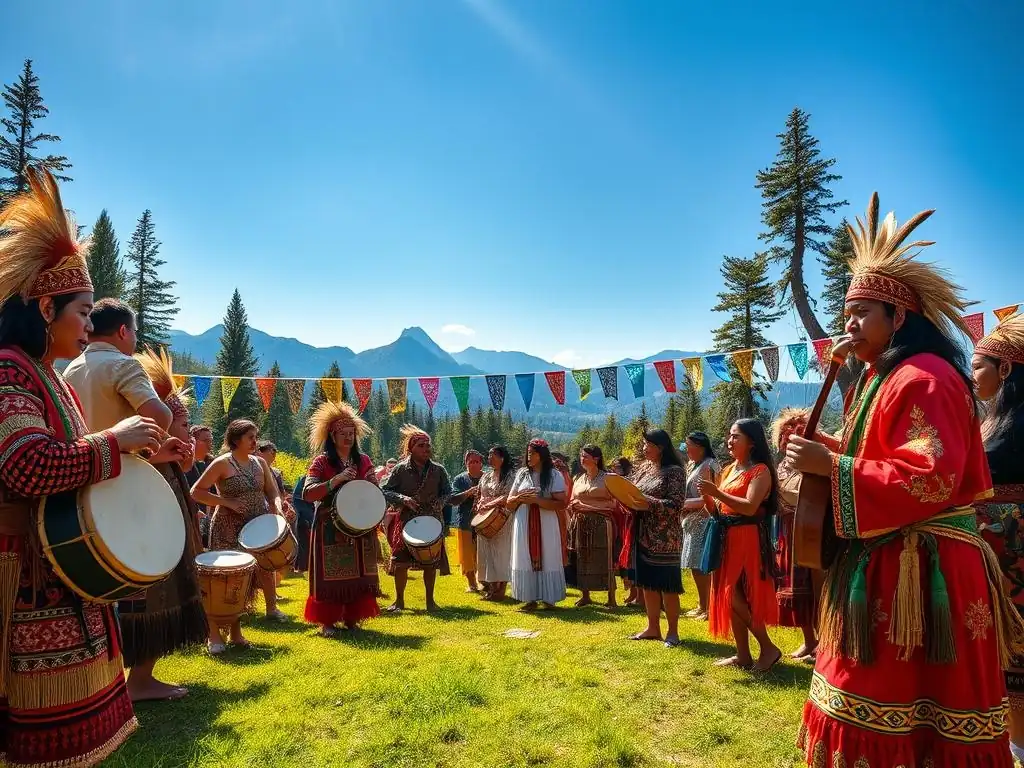
Welcome to Indigenous Civilizations of the Americas, where we invite you to journey through the rich tapestry of indigenous cultures that flourished across the continent long before European contact. In our featured article, "The Revival of Ancestral Sounds: Indigenous Artists Reshaping the Music Scene," we delve into the fascinating resurgence of indigenous music and its profound influence on contemporary culture.
Discover how these vibrant traditions are not only echoing the past but also reshaping the modern music landscape. Join us as we uncover the stories, rhythms, and voices that celebrate a heritage rich in diversity and creativity—your exploration starts here!
Introduction to Indigenous Music Revival in the Americas
The revival of indigenous music in the Americas represents a powerful movement that not only celebrates ancestral musical traditions but also serves as a poignant reminder of the rich cultural heritage that existed long before European colonization. This resurgence, often referred to as the indigenous music revival in the Americas, encompasses a wide array of sounds, styles, and practices that reflect the diverse identities of indigenous peoples across the continent.
As contemporary artists draw inspiration from historical musical forms, they are reshaping modern music scenes while fostering a deeper understanding of their cultural roots. This article delves into the significance of this revival, exploring its cultural context, current landscape, and the key factors driving its momentum.
Understanding Ancestral Sounds and Their Significance
Ancestral sounds are more than mere melodies; they embody the stories, traditions, and identities of indigenous communities. These sounds often incorporate natural elements, such as the wind, water, and animal calls, creating a profound connection between the music and the environment. Traditional instruments, such as the Native American flute, the Andean panpipes, and the Brazilian berimbau, serve as conduits for cultural expression and historical memory.
Through the revival of these sounds, contemporary artists not only honor their heritage but also engage younger generations, fostering a sense of pride and cultural continuity. This revival is essential in reclaiming narratives that have been marginalized or suppressed, allowing indigenous voices to resonate in today's music landscape.
The Cultural Context of Indigenous Music in Pre-Colonial Times
Before the arrival of European settlers, indigenous music played a pivotal role in the social and spiritual lives of many communities across the Americas. Music was interwoven with rituals, ceremonies, and storytelling, serving as a medium for communication and a means to connect with the spiritual world.
- Types of Music: Indigenous music varied widely among different tribes and regions, with each community developing unique styles that reflected their environments and experiences. For instance:
- The Plains tribes utilized drum circles for communal gatherings.
- The coastal tribes of the Pacific Northwest incorporated whale songs into their rituals.
- In the Andes, music was crucial in agricultural ceremonies, celebrating the cycles of planting and harvest.
The significance of music in these cultures cannot be overstated; it was a vital tool for cultural preservation and community cohesion.
The Current Landscape of Indigenous Music Revival
The contemporary landscape of indigenous music is vibrant and dynamic, characterized by a blend of traditional elements and modern influences. Artists are increasingly gaining recognition on national and international stages, showcasing the richness of their cultural heritage. Festivals celebrating indigenous music, such as the Gathering of Nations in New Mexico and the Festival de Música Indígena in Brazil, have become platforms for artists to share their ancestral sounds with broader audiences.
Key Factors Driving the Indigenous Music Revival Movement
Several factors contribute to the momentum of the indigenous music revival movement:
- Cultural Resurgence: A growing awareness and appreciation for indigenous cultures have sparked interest in their music.
- Education and Preservation Efforts: Initiatives aimed at teaching traditional music to younger generations help ensure that these sounds are not lost.
- Collaboration with Non-Indigenous Artists: Collaborations between indigenous and non-indigenous musicians foster cross-cultural dialogue and broaden audiences.
These elements work in synergy, creating a fertile ground for the flourishing of indigenous music in the modern era.
Role of Technology in Reshaping Indigenous Music
Technology plays a crucial role in the indigenous music revival, offering new avenues for artists to create, share, and promote their work. Digital platforms provide access to a global audience, allowing indigenous musicians to reach listeners far beyond their local communities. Additionally, advancements in recording technology enable artists to blend traditional sounds with contemporary genres, resulting in innovative musical fusions.
- Social Media: Platforms like Instagram and TikTok have become valuable tools for indigenous artists to showcase their talents and connect with fans.
- Streaming Services: Access to music streaming platforms allows listeners to discover and support indigenous artists, increasing their visibility in the global music scene.
The revival of ancestral sounds is not merely a nostalgic return to the past; it is a vibrant movement that empowers indigenous artists to reshape the music landscape, celebrate their heritage, and engage with contemporary societal issues. As this movement continues to grow, it promises to enrich the cultural tapestry of the Americas and reassert the importance of indigenous voices in the realm of music.
Prominent Indigenous Artists Leading the Revival
The resurgence of interest in indigenous music across the Americas is spearheaded by numerous talented artists who blend traditional sounds with contemporary influences. These musicians not only honor their cultural heritage but also innovate, creating new genres that resonate with both indigenous and non-indigenous audiences. From folk traditions to electronic music, artists are reclaiming their narratives and redefining what indigenous music means today. This revival is not just a musical movement but a broader cultural renaissance that highlights the richness of indigenous identities and stories.
Spotlight on Joane H. K. H. McKenzie: Innovating with Tradition
Joane H. K. H. McKenzie stands out as a prominent figure in the indigenous music revival. As a member of the Anishinaabe community, she incorporates traditional storytelling and instruments into her compositions, creating a unique sound that is both modern and deeply rooted in her heritage. McKenzie utilizes her platform to educate listeners about Anishinaabe culture, often blending languages in her lyrics to keep her community's traditions alive. Her innovative approach has garnered attention at music festivals and cultural events, inspiring younger generations to embrace their indigenous identity through music.
A Tribe Called Red and the Fusion of Modern and Ancestral Sounds
A Tribe Called Red is a groundbreaking Canadian electronic music group that exemplifies the fusion of modern beats with ancestral sounds. By incorporating traditional powwow music with electronic dance music (EDM), they create a vibrant sound that appeals to a diverse audience. Their tracks often feature samples from indigenous music, layered with contemporary rhythms and bass drops.
This innovative blend not only showcases indigenous culture but also serves as a platform for social commentary on issues facing indigenous communities. Their work has not only revitalized interest in traditional sounds but has also paved the way for a new wave of artists exploring similar fusions.
Collective Efforts: Indigenous Music Collaborations and Festivals
The revival of indigenous music has been bolstered by collaborations among artists and the establishment of festivals that celebrate this rich cultural heritage. Events like the Indigenous Music Awards and The Gathering of Nations provide platforms for artists to showcase their talents, connect with audiences, and celebrate their cultural identity. These festivals often feature a variety of genres, highlighting the diversity within indigenous music. Collaborative projects among musicians from different backgrounds and regions have also emerged, further enriching the landscape of indigenous music and fostering a sense of community among artists and audiences alike.
The Impact of Indigenous Music on Contemporary Pop Culture
Indigenous music is making significant inroads into contemporary pop culture, influencing various aspects of the music industry and beyond. As artists share their stories and sounds, they challenge stereotypes and bring greater awareness to indigenous issues. The incorporation of indigenous elements into mainstream music not only elevates these artists but also educates audiences about the richness of indigenous cultures.
Influence of Indigenous Music on Mainstream Genres
Indigenous music has increasingly influenced mainstream genres, from pop and hip-hop to rock and electronic music. Artists like Buffy Sainte-Marie and Tanya Tagaq have paved the way for indigenous voices in these spaces, blending traditional sounds with contemporary styles. This cross-pollination has enriched the music landscape, allowing for a greater appreciation of indigenous contributions and narratives. The rise of indigenous artists in mainstream platforms signifies a shift towards inclusivity and recognition of the diverse influences that shape modern music.
Indigenous Sounds in Film and Television
The incorporation of indigenous music in film and television has played a crucial role in bringing indigenous stories to a broader audience. Soundtracks featuring indigenous artists and traditional sounds enhance storytelling, providing authenticity and depth to the narratives. Films like "Rhymes for Young Ghouls" and series such as "Reservation Dogs" integrate indigenous music to reflect cultural realities and experiences. This visibility not only supports indigenous artists but also fosters greater understanding and appreciation of indigenous cultures within popular media.
The Role of Social Media in Promoting Indigenous Music
Social media platforms have become vital tools for promoting indigenous music and connecting artists with their audiences. Platforms like Instagram, TikTok, and YouTube allow musicians to share their work, engage with fans, and build communities around their music. Social media campaigns often highlight indigenous issues and celebrate cultural heritage, making it easier for artists to reach global audiences. This digital landscape facilitates the spread of indigenous music beyond traditional boundaries, encouraging collaboration and innovation while preserving cultural roots.
Challenges Faced by Indigenous Musicians Today
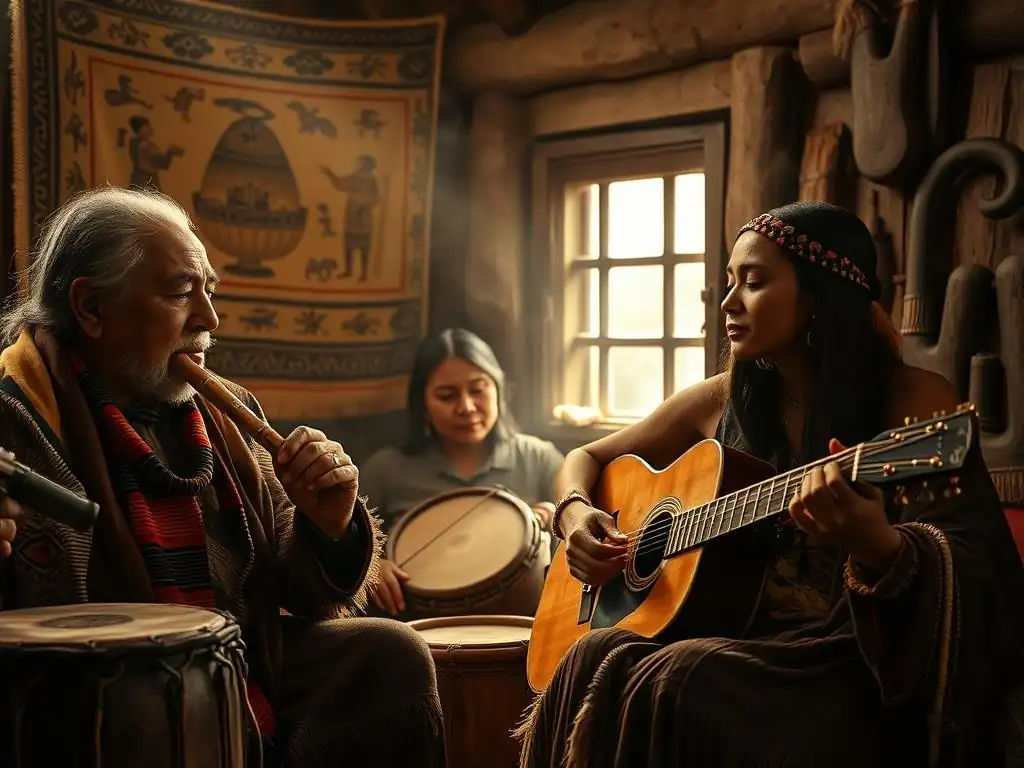
Indigenous musicians in the Americas encounter a myriad of challenges that impact their ability to create, share, and thrive within the music industry. One of the most significant obstacles is the struggle against cultural appropriation, where non-Indigenous artists often adopt elements of Indigenous music and culture without proper acknowledgment or respect. This not only dilutes the authenticity of Indigenous sounds but can also lead to misrepresentation and exploitation of Indigenous heritage.
Another challenge is the fight for recognition and representation within a predominantly Western music industry. Many Indigenous artists face barriers in accessing platforms that can amplify their work, leading to a lack of visibility and support for their unique contributions to contemporary music. Additionally, economic challenges persist, as many Indigenous musicians lack resources for professional development, marketing, and touring, which are essential for building a sustainable career in music.
Moreover, the impact of historical trauma, stemming from colonization and systemic oppression, can influence artists' creative expressions and the themes they explore in their music. The need to balance tradition with modernity poses a complex dilemma, as artists strive to honor their roots while also appealing to broader audiences. These challenges highlight the resilience and dedication of Indigenous musicians as they navigate a landscape that often marginalizes their voices.
Navigating Cultural Appropriation in the Music Industry
Cultural appropriation remains a contentious issue within the music industry, particularly for Indigenous musicians whose cultural expressions are often appropriated by mainstream artists. This phenomenon involves the adoption of elements from a culture, often without understanding or respecting its significance, which can lead to harmful stereotypes and a commodification of sacred traditions.
Indigenous artists are increasingly vocal about the need for ethical collaboration and respect when it comes to sharing their cultural heritage. They advocate for the use of Indigenous sounds, instruments, and themes in music to be approached with sensitivity and acknowledgment of their origins. The importance of consent and collaboration is emphasized, as artists seek partnerships that honor Indigenous voices and promote cultural education.
Furthermore, many Indigenous musicians are reclaiming their narratives by incorporating traditional sounds and storytelling into contemporary music, thus asserting their cultural identity. By doing so, they challenge the dominant narratives in the music industry and aim to educate audiences about the significance of their cultural expressions. This navigation is not only vital for preserving their heritage but also for fostering a more inclusive and respectful music scene.
The Fight for Recognition and Representation in Music
The fight for recognition and representation in the music industry is a critical issue for Indigenous musicians. Historically, Indigenous artists have faced significant barriers to entry in mainstream music, often being sidelined or overlooked in award shows, playlists, and music festivals. This lack of visibility contributes to a broader societal misunderstanding of Indigenous cultures and their contributions to the arts.
Efforts to increase representation are gaining momentum, with Indigenous artists forming collectives and networks to support one another and amplify their voices. Initiatives such as Indigenous music awards and dedicated platforms for Indigenous music are emerging, offering spaces for artists to showcase their work and connect with audiences who appreciate their cultural narratives.
Moreover, the rise of digital platforms has provided Indigenous musicians with new avenues to reach listeners directly. Social media and streaming services allow them to share their music without relying solely on traditional industry gatekeepers. However, while these platforms offer opportunities, they also present challenges, as Indigenous artists must navigate the complexities of marketing their music in a crowded digital landscape.
Future of Indigenous Music in the Americas
The future of Indigenous music in the Americas appears promising, with a growing movement that celebrates and revitalizes traditional sounds while integrating contemporary influences. As awareness of cultural appropriation increases, many listeners are seeking authentic Indigenous music, leading to a renewed interest in the heritage and stories embedded within these art forms. This trend signals a shift towards greater appreciation for the depth and diversity of Indigenous musical traditions.
Trends to Watch in the Indigenous Music Scene
Several trends are emerging within the Indigenous music scene that indicate a vibrant future. One significant trend is the fusion of traditional instruments and sounds with modern genres such as hip-hop, rock, and electronic music. Artists like A Tribe Called Red and Tanya Tagaq exemplify this blending of styles, creating music that resonates with both Indigenous and non-Indigenous audiences.
Additionally, there is a growing emphasis on storytelling and cultural education within Indigenous music. Artists are using their platforms to share personal and communal narratives, helping to bridge gaps in understanding and fostering cross-cultural dialogue. Collaborations between Indigenous and non-Indigenous artists are also becoming more common, promoting cultural exchange and mutual respect.
Finally, the utilization of technology is transforming how Indigenous musicians create and distribute their music. From home recording setups to social media promotion, artists are leveraging digital tools to connect with larger audiences and maintain artistic control over their work. This empowerment through technology is a critical factor in shaping the future landscape of Indigenous music.
The Importance of Cultural Preservation through Music
Cultural preservation through music is essential for Indigenous communities, serving as a means of maintaining and transmitting traditions, languages, and histories. Music acts as a living archive, encapsulating the values, beliefs, and experiences of Indigenous peoples. For many artists, creating music is not just an artistic endeavor; it is a way to honor ancestral knowledge and ensure that future generations remain connected to their heritage.
Moreover, music plays a vital role in community cohesion, providing a sense of identity and belonging. Indigenous musicians often perform at cultural events, ceremonies, and gatherings, reinforcing social bonds and celebrating shared histories. Through their art, they inspire pride in cultural identity and resilience against assimilation pressures.
As Indigenous artists continue to innovate and adapt, they remain committed to cultural preservation, using their music as a powerful tool for education and advocacy. By telling their stories and sharing their soundscapes, they contribute to a growing awareness and appreciation of Indigenous cultures, reinforcing the importance of their survival in an ever-changing world.
Conclusion: The Lasting Impact of Indigenous Music Revival
The revival of indigenous music in the Americas is not merely a nostalgic return to the past; it represents a powerful movement that bridges generations and fosters cultural pride. As indigenous artists breathe new life into traditional sounds, they simultaneously create contemporary interpretations that resonate with both indigenous and non-indigenous audiences. This resurgence has led to a richer musical landscape, where diverse sounds and stories come together to reflect the complexities of modern indigenous identities.
The impact of this revival extends beyond entertainment. It serves as a tool for education, allowing listeners to engage with the histories, struggles, and triumphs of indigenous peoples. By incorporating traditional elements into modern genres, artists like A Tribe Called Red or Pura Fé are not only preserving their cultural heritage but also challenging stereotypes and misconceptions about indigenous cultures. Their music often includes themes of resistance, resilience, and community, further emphasizing the importance of indigenous voices in the broader cultural narrative.
Moreover, the indigenous music revival has sparked interest in related art forms, such as dance, storytelling, and visual arts, creating a holistic cultural movement. This interconnectedness reinforces the idea that music is a vital part of a larger cultural ecosystem, contributing to the ongoing survival and flourishing of indigenous traditions in a rapidly changing world.
Celebrating Diversity and Resilience in Indigenous Cultures
Indigenous music is a tapestry woven from the diverse threads of various cultures, languages, and histories across the Americas. This diversity is celebrated through various musical styles, instruments, and rhythms that reflect the unique experiences of each community. From the haunting melodies of the Inuit throat singers to the vibrant beats of the Afro-Indigenous communities in Brazil, each form of music tells a story of resilience and adaptation.
The resilience of indigenous cultures is particularly evident in how these communities have embraced modernization while maintaining their musical traditions. Artists are innovatively blending traditional sounds with contemporary genres like hip-hop, rock, and electronic music, creating a distinct fusion that resonates with younger generations. This blend not only attracts new audiences but also fosters a sense of pride among indigenous youth, encouraging them to explore their cultural roots.
Celebrating this diversity also involves recognizing and respecting the numerous languages spoken by indigenous peoples. Many artists incorporate native languages into their lyrics, which serves to honor their heritage and promote linguistic preservation. This linguistic revival is crucial, as language is closely tied to cultural identity and community cohesion.
Call to Action: Supporting Indigenous Artists and Their Music
As the indigenous music revival continues to gain momentum, it is essential for listeners, fans, and supporters to actively engage with and support indigenous artists. There are several ways to contribute to this vibrant cultural movement:
- Attend Performances: Whenever possible, attend live performances by indigenous artists. These events not only provide financial support but also create a space for cultural exchange and community building.
- Purchase Music and Merchandise: Buying music directly from artists' websites or at concerts ensures that a larger portion of the revenue goes to them. This also helps sustain their artistic endeavors.
- Share and Promote: Utilize social media platforms to share indigenous music, artists, and their stories. By amplifying their voices, you help raise awareness and encourage others to explore these rich cultural contributions.
- Educate Others: Engage in conversations about indigenous music and its significance. Educating friends and family about the cultural importance of indigenous sounds helps foster a broader understanding and appreciation of these traditions.
- Support Indigenous Organizations: Contribute to or volunteer with organizations that promote indigenous arts and culture. These organizations often provide resources, funding, and platforms for indigenous artists to thrive.
By actively participating in the indigenous music revival, we not only celebrate the richness of these cultures but also contribute to their resilience and sustainability in an ever-evolving world.
- Introduction to Indigenous Music Revival in the Americas
- The Current Landscape of Indigenous Music Revival
- Prominent Indigenous Artists Leading the Revival
- The Impact of Indigenous Music on Contemporary Pop Culture
- Challenges Faced by Indigenous Musicians Today
- Future of Indigenous Music in the Americas
- Conclusion: The Lasting Impact of Indigenous Music Revival
- What is the significance of indigenous music in the Americas?
- How are contemporary artists contributing to the indigenous music revival?
- What impact does the revival of ancestral sounds have on indigenous communities?
- Are there any prominent events celebrating indigenous music today?
- How can individuals support the indigenous music revival?
Frequently Asked Questions
What is the significance of indigenous music in the Americas?
Indigenous music plays a vital role in preserving cultural heritage and identity, reflecting the spiritual and historical narratives of various communities.
How are contemporary artists contributing to the indigenous music revival?
Contemporary artists are blending traditional sounds with modern genres, creating a dynamic fusion that resonates with both younger generations and a broader audience.
What impact does the revival of ancestral sounds have on indigenous communities?
The revival fosters a sense of pride and community, allowing indigenous people to reconnect with their heritage and share their stories through music.
Are there any prominent events celebrating indigenous music today?
Yes, various festivals and events, such as the Pow Wow and Indigenous Music Awards, showcase indigenous talent and promote cultural exchange.
How can individuals support the indigenous music revival?
Individuals can support this movement by purchasing music from indigenous artists, attending performances, and promoting awareness of the significance of these cultural expressions.
Final Reflection: Embracing the Indigenous Music Revival in the Americas
The revival of ancestral sounds is not just a nostalgic journey into the past; it is a powerful movement that resonates deeply with contemporary society. Today, as we witness the resurgence of indigenous music, we are reminded of the profound connection between culture, identity, and artistic expression. This revival serves as a vital reminder of the richness of indigenous heritage and its ability to inspire and unite diverse communities across the Americas.
Cultural landscapes are continually shaped by the voices of those who dare to reclaim their narratives. Indigenous artists are not only preserving their musical traditions but are also innovating and integrating these sounds into the broader music scene, influencing genres and pushing boundaries. As one artist poignantly stated, Our music is a bridge between the past and the future, a way to honor our ancestors while speaking to the world today.
This ongoing influence highlights the importance of indigenous music in fostering understanding and respect for diverse cultures, reminding us that these sounds are not relics but living expressions of identity.
As we reflect on the significance of this indigenous music revival, I invite you to explore how these ancestral sounds can enrich your own life. Consider how you can support and engage with indigenous artists and their work, whether through listening, sharing, or participating in cultural events.
By embracing this revival, we not only celebrate the resilience of indigenous cultures but also contribute to a more inclusive and harmonious future, where all voices are heard and valued. Let us carry this inspiration forward, allowing the rhythms of the past to guide us in shaping a more vibrant and interconnected world.
Uncover the Power of Ancestral Sounds!
Thank you for taking the time to explore the rich tapestry of Indigenous music in our article! Your interest in how ancestral sounds are shaping the contemporary music scene highlights the importance of cultural heritage. Now, let's honor this revival through action!
- Join a local Indigenous music event or concert to experience ancestral sounds live and support artists in your community.
- Share your favorite Indigenous tracks on social media to encourage your friends and family to discover the beauty of these sounds.
- Dive deeper by exploring curated playlists featuring Indigenous artists, and take the opportunity to learn about their unique backgrounds and musical journeys.
What new artists or sounds will you explore today that resonate with your spirit?