
The Role of Cenotes in Mayan Urban Development: A Fresh Water Oasis

Welcome to Indigenous Civilizations of the Americas, where we invite you to embark on a journey through time to discover the rich tapestry of cultures that flourished across the continent long before European influence. In our featured article, you'll delve into the captivating world of cenotes and their pivotal role in Mayan urban development. What secrets do these freshwater oases hold, and how did they shape the lives of the Mayan people?
As you explore this fascinating topic, prepare to uncover the profound connections between natural resources and the thriving societies that once called this land home. Join us as we illuminate the legacies of indigenous civilizations and their lasting impact on the Americas.
Introduction to Cenotes in Mayan Civilization
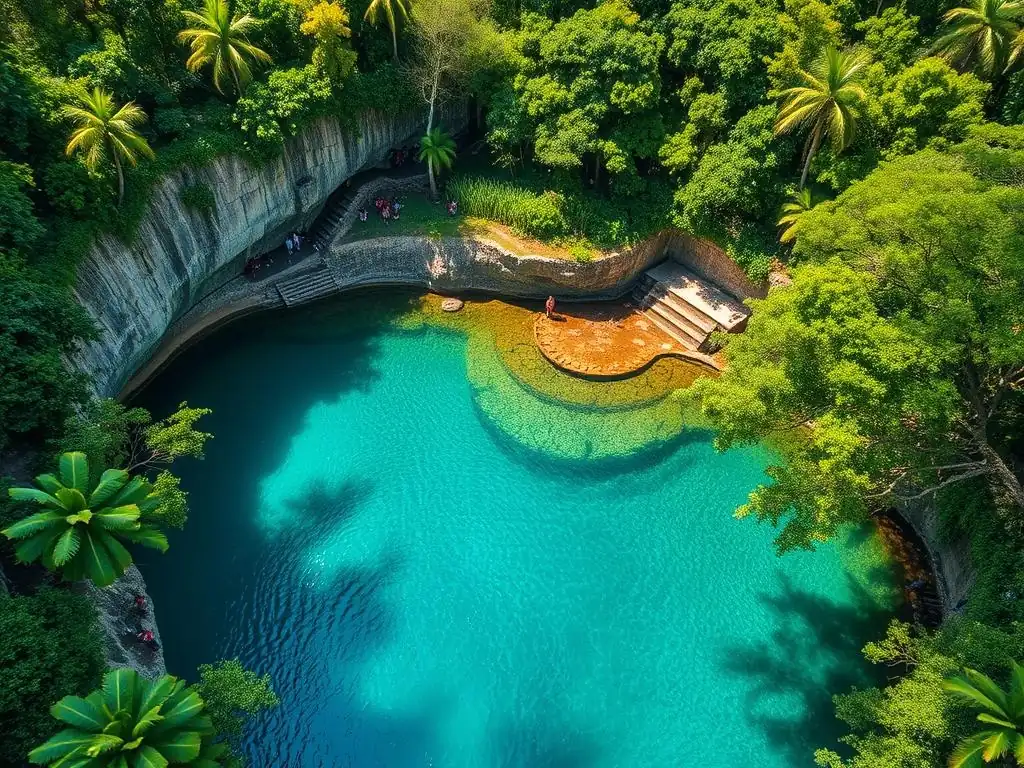
Cenotes, the natural sinkholes filled with fresh water, played a pivotal role in the development of Mayan civilization. These unique geological formations served not only as essential water sources but also as crucial elements that shaped urban planning and societal structures in the ancient Mayan cities. Revered for their beauty and significance, cenotes were often considered sacred spaces, facilitating both daily life and spiritual practices. Understanding the role of cenotes in Mayan urban development offers valuable insights into how these civilizations thrived in the diverse ecosystems of Mesoamerica, particularly in the arid regions of the Yucatán Peninsula.
Definition and Significance of Cenotes
Cenotes are natural wells or sinkholes formed when limestone bedrock collapses, exposing the groundwater underneath. In the context of Mayan civilization, cenotes were vital for several reasons:
- Water Supply: They provided a reliable source of fresh water in a predominantly limestone landscape where surface water was scarce.
- Cultural Importance: Many cenotes were regarded as sacred, often associated with various deities and used for rituals and offerings.
- Ecological Role: Cenotes supported diverse ecosystems, attracting various flora and fauna, and consequently, influencing the surrounding agricultural practices.
The Importance of Fresh Water Sources in Mesoamerica
In Mesoamerica, fresh water was a critical resource for the sustenance of urban populations. The reliance on cenotes can be understood through the following points:
- Agricultural Development: Access to fresh water allowed the Mayans to develop advanced agricultural techniques, such as terracing and irrigation, essential for sustaining their growing populations.
- Urban Planning: Cities like Chichén Itzá and Tulum were strategically located near cenotes, integrating these natural resources into their urban layouts.
- Trade and Economy: Cenotes facilitated trade routes and economic exchange, as communities often congregated around these water sources, fostering interaction and commerce.
The Geological Formation of Cenotes
How Cenotes are Created
The formation of cenotes is a fascinating geological process that involves several steps:
- Dissolution of Limestone: Rainwater, slightly acidic due to dissolved carbon dioxide, seeps into the ground, gradually dissolving the limestone bedrock.
- Collapse of Caverns: Over time, the water erodes the limestone, creating underground caverns. Eventually, the roof of these caverns may collapse, resulting in a sinkhole.
- Water Accumulation: Once the sinkhole forms, it fills with groundwater, creating a cenote.
This natural process not only produces stunning natural landscapes but also creates vital water reservoirs that were crucial for the survival of ancient civilizations.
Types of Cenotes Found in the Yucatán Peninsula
Cenotes vary widely in shape, size, and depth. In the Yucatán Peninsula, you can find several types of cenotes, including:
| Type of Cenote | Description |
|---|---|
| Open Cenotes | Fully exposed to the sky, often circular or oval-shaped. |
| Semi-Open Cenotes | Partially covered by rock, providing shade and a unique ecosystem. |
| Closed Cenotes | Completely subterranean, often accessible only through caves. |
These diverse forms of cenotes contributed to the varied landscape of the Mayan civilization, influencing not only their urban development but also their cultural and spiritual lives.
Understanding the significance of cenotes provides a deeper appreciation of their role in the architecture and urbanism of Mayan civilization, highlighting how these freshwater oases were integral to the thriving societies of the ancient Americas.
Historical Context of Cenotes in Mayan Society
Cenotes have played a vital role in the historical context of Mayan society, serving as essential sources of fresh water in a region where surface water is scarce. These natural sinkholes or wells, often filled with crystal-clear water, were formed through the dissolution of limestone, a common geological feature in the Yucatán Peninsula. The Mayans recognized the importance of cenotes long before the arrival of Europeans, integrating them into their daily lives, agricultural practices, and urban planning.
The relationship between the Mayans and cenotes dates back thousands of years. Archaeological evidence suggests that cenotes were not only functional water sources but also integral to the socio-political and economic frameworks of Mayan civilization. Communities often developed around these water bodies, leading to the establishment of settlements and cities that prospered due to their access to this vital resource. By the Classic Period (approximately 250-900 CE), cenotes had become central to the growth of major urban centers like Chichen Itza and Tulum, illustrating their significance in Mayan urban development.
Cenotes in the Daily Life of the Maya
Cenotes were crucial in the daily life of the Maya, impacting various aspects such as agriculture, hygiene, and sustenance. The availability of fresh water allowed for the cultivation of crops, including maize, beans, and squash, forming the backbone of the Mayan diet. Farmers would often direct water from cenotes to irrigate their fields, ensuring successful harvests in an environment where rainfall could be unpredictable.
Beyond irrigation, cenotes served as communal gathering spots, often becoming the focal points of village life. The Maya would visit these sites for drinking water, bathing, and socializing. The clear waters of cenotes also provided opportunities for fishing and gathering edible plants, further contributing to the community's food resources. In essence, cenotes were not merely physical features; they were integral to the social fabric of Mayan society, facilitating interactions and fostering community bonds.
Religious and Spiritual Significance of Cenotes
In addition to their practical uses, cenotes held profound religious and spiritual significance for the Maya. Many cenotes were considered sacred spaces, believed to be gateways to the underworld and the realm of the gods. The Mayans often conducted rituals and ceremonies at these sites, offering sacrifices and tributes to appease deities associated with water and fertility.
Archaeological findings reveal that cenotes were sites of significant ceremonial activity, often featuring altars, offerings, and artifacts. Notable examples include the Sacred Cenote at Chichen Itza, where numerous offerings, including jade, ceramics, and human remains, have been discovered. This ritualistic use of cenotes underscores the Maya's profound connection to their environment, reflecting a worldview that intertwined nature, spirituality, and daily life.
Cenotes as Urban Planning Elements
Cenotes were not only vital resources but also critical elements in the urban planning of Mayan cities. Their natural presence influenced the layout and organization of settlements, guiding the location of residential areas, temples, and public spaces. The integration of cenotes into urban design showcased the Mayans' advanced understanding of their environment and resource management.
Urban planners in Mayan civilization recognized the strategic advantage of cenotes, often situating key structures in proximity to these water sources. This planning ensured easy access to fresh water, which was crucial for sustaining large populations in urban centers. Furthermore, the presence of cenotes contributed to the aesthetic and cultural landscape of cities, often becoming sites of beauty and reverence.
Integrating Cenotes into Mayan Urban Design

The integration of cenotes into Mayan urban design was characterized by a thoughtful approach that balanced functionality with spiritual and social significance. Cities were often designed around cenotes, incorporating them into the broader architectural framework. The layout of streets, plazas, and buildings frequently revolved around these water sources, facilitating easy access for residents and reinforcing the communal role of cenotes.
Mayan architects utilized the natural features of cenotes to enhance urban aesthetics, creating spaces that harmonized with the landscape. Structures such as temples and ceremonial platforms were often positioned to overlook cenotes, emphasizing their importance in both daily life and religious practices. This integration not only provided practical benefits but also enriched the cultural and spiritual life of the community, illustrating the Mayans' sophisticated understanding of urbanism.
Case Studies of Mayan Cities Utilizing Cenotes
Several prominent Mayan cities exemplify the effective utilization of cenotes in urban development. Chichen Itza, one of the most famous Mayan sites, features the Sacred Cenote, which played a critical role in its cultural and religious life. The cenote was central to rituals and offerings, influencing the city's layout and the location of significant structures.
Another notable example is Tulum, a coastal city where cenotes were integral to both daily life and trade. The city's proximity to cenotes allowed for sustainable agriculture and water supply, supporting its thriving population. Tulum's strategic location and its relationship with cenotes contributed to its status as a major trading hub.
Lastly, Coba is another case where cenotes significantly impacted urban planning. The city is renowned for its extensive road network, known as sacbeob, which connected various cenotes, facilitating access to water and enhancing trade routes. The integration of cenotes into the urban fabric of Coba highlights the importance of these natural features in shaping Mayan civilization's economic and social dynamics.
Cenotes were much more than mere water sources; they were foundational to the development of Mayan urban centers, influencing all aspects of life, from agriculture and daily activities to religious practices and urban planning. The legacy of cenotes continues to be a testament to the ingenuity and adaptability of the Maya in their environment.
The Role of Cenotes in Agriculture and Sustainability
Cenotes played a crucial role in the agricultural practices of the Mayan civilization, serving as both a source of fresh water and a natural reservoir for irrigation. Their significance extended beyond mere water supply; cenotes also represented a sustainable approach to managing scarce resources in the often arid regions of the Yucatán Peninsula. The interplay between cenotes and agriculture highlights the innovative methods employed by the Maya to cultivate crops and maintain ecological balance.
The presence of cenotes fostered the development of complex irrigation systems that allowed the Maya to maximize agricultural output. These systems enabled the cultivation of staple crops such as maize, beans, and squash, which were essential to the Mayan diet. Furthermore, the sustainable use of cenotes ensured that agricultural practices did not deplete local water sources, thus promoting long-term ecological health.
Irrigation Systems Linked to Cenotes
The Mayans ingeniously designed irrigation systems that were intricately linked to cenotes. These systems utilized natural gravity flow and channeling methods to direct water from cenotes to agricultural fields, ensuring crops received adequate hydration.
- Canal Systems: The Maya constructed extensive canal systems that connected cenotes to their fields, allowing for efficient water distribution.
- Terracing: In hilly areas, terracing was employed to capture water runoff, further enhancing irrigation efficiency.
- Rainwater Harvesting: The Maya also practiced rainwater harvesting by creating reservoirs, which complemented the water supplied by cenotes, particularly during dry seasons.
The design of these irrigation systems reflects the Mayans' deep understanding of their environment and their ability to adapt agricultural practices to meet the demands of their society.
Impact on Agricultural Practices in Mayan Civilization
The reliance on cenotes significantly influenced agricultural practices in Mayan civilization. With a reliable source of fresh water, the Maya could engage in more intensive farming, leading to increased crop yields and the ability to support larger populations.
- Crop Diversity: The availability of water allowed the Maya to diversify their crops, experimenting with different varieties and techniques, which enriched their diet and economy.
- Sustainable Practices: The sustainable management of cenotes fostered a symbiotic relationship between agriculture and the environment. The Maya understood the importance of preserving these water sources, leading to practices that ensured their longevity.
The integration of cenotes into agricultural practices not only sustained Mayan communities but also shaped their socio-economic structures, allowing for the development of complex societies.
Cenotes were not merely physical resources; they also served as focal points for social interaction and economic activities within Mayan civilization. Their role transcended agriculture, influencing trade, commerce, and community life.
Trade and Commerce Surrounding Cenotes
Cenotes were often located near trade routes and served as vital hubs for the exchange of goods. The proximity of cenotes to urban centers facilitated the growth of commerce, as they provided essential resources that attracted traders and merchants.
- Water as a Commodity: The freshness and purity of cenote water made it a valuable commodity. Communities could trade water with neighboring regions, especially during droughts or water shortages.
- Marketplaces: Many cenotes were surrounded by marketplaces where goods such as textiles, pottery, and food items were exchanged. This fostered economic interdependence among different Mayan city-states.
As a result, cenotes not only supported local economies but also strengthened regional trade networks, contributing to the overall prosperity of the Mayan civilization.
Community Gatherings and Social Activities Related to Cenotes
Cenotes held a significant place in the social fabric of Mayan communities. They were venues for various cultural and religious activities, reinforcing social bonds and traditions.
- Rituals and Ceremonies: Many cenotes were considered sacred, often associated with religious ceremonies and rituals that honored water deities. This spiritual connection fostered a sense of community and identity among the Maya.
- Recreational Activities: Cenotes served as gathering spots for relaxation and recreation, where community members engaged in swimming and communal celebrations. These activities strengthened social ties and provided a sense of belonging.
Overall, cenotes were integral to the social and economic dynamics of Mayan civilization, influencing everything from daily life to the broader cultural landscape.
Environmental Considerations and Conservation of Cenotes
Cenotes, the natural sinkholes filled with freshwater, played a crucial role in the urban development of the Maya civilization. These unique geological formations not only served as a primary water source but also influenced settlement patterns, agricultural practices, and cultural rituals. Today, the importance of cenotes extends beyond their historical significance; they are vital ecosystems that support diverse flora and fauna. However, the environmental considerations surrounding cenotes have become increasingly significant as modern threats emerge.
The conservation of cenotes is essential for maintaining the ecological balance in the areas where they are located. Many cenotes are interconnected with underground river systems, making them sensitive to pollution and environmental degradation. The surrounding ecosystems depend on the water quality of these cenotes, which affects both the biodiversity and the communities relying on these water sources. Efforts to conserve cenotes must involve not only protecting the water quality but also preserving the surrounding habitats.
Threats to Cenotes in Contemporary Times
In contemporary times, cenotes face numerous threats that jeopardize their integrity and the ecosystems they support. Some of the most pressing issues include:
- Pollution: Agricultural runoff, industrial waste, and urban development contribute to the contamination of cenotes. The introduction of chemicals can disrupt the delicate balance of these ecosystems and harm aquatic life.
- Tourism Pressures: While ecotourism can promote awareness and conservation, the increased foot traffic and infrastructure development around cenotes often lead to habitat destruction and pollution.
- Climate Change: Shifts in weather patterns, including droughts and extreme rainfall, can alter the hydrology of cenotes. This impacts water levels and the surrounding vegetation, potentially leading to ecological collapse.
- Over-extraction of Water: In some regions, the excessive extraction of groundwater for agricultural and urban use diminishes the water levels in cenotes, threatening their sustainability and the communities dependent on them.
Addressing these threats requires a multifaceted approach that incorporates community engagement, sustainable practices, and robust environmental policies.
Preservation Efforts for Cenotes and their Ecosystems
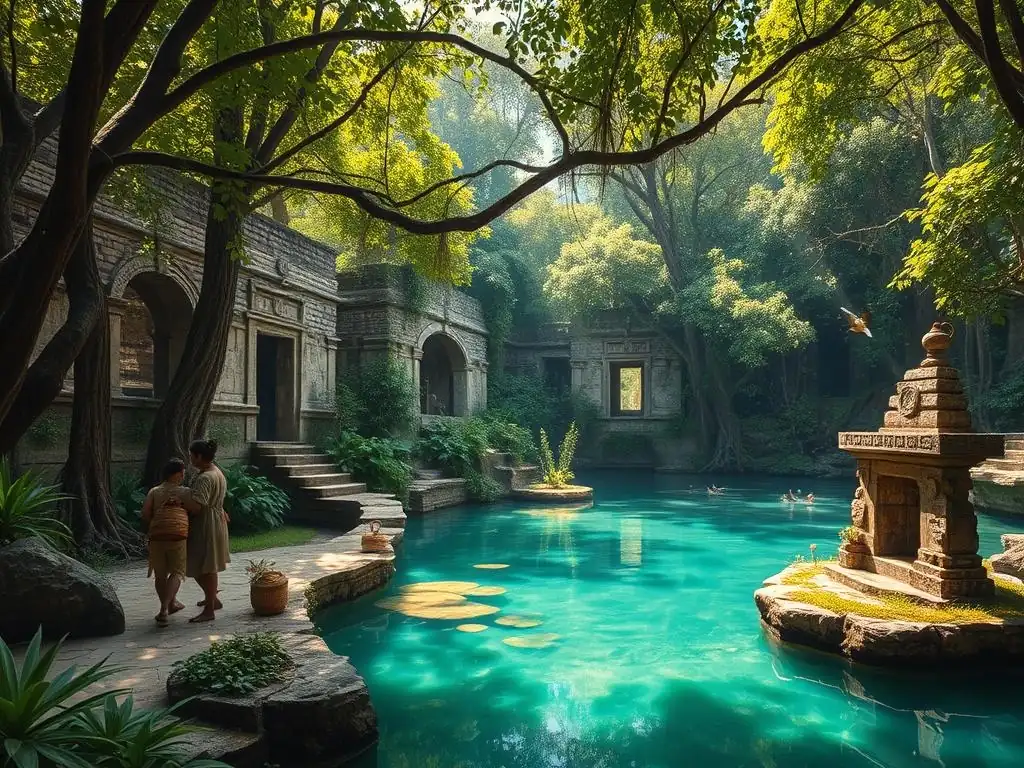
Various initiatives aim to preserve cenotes and their surrounding ecosystems. These efforts include:
- Community Education Programs: Educating local populations about the ecological importance of cenotes fosters a sense of ownership and encourages sustainable practices. Workshops and community meetings can raise awareness about pollution and conservation.
- Protected Area Designation: Establishing protected areas around cenotes can help mitigate the impacts of tourism and development. These areas can restrict harmful activities and promote the restoration of surrounding ecosystems.
- Sustainable Tourism Practices: Implementing guidelines for responsible tourism can minimize the ecological footprint of visitors. This includes limiting access to sensitive areas, promoting eco-friendly transportation, and encouraging visitors to follow best practices for waste management.
- Research and Monitoring: Ongoing scientific research is critical to understanding the dynamics of cenotes and their ecosystems. Monitoring programs can track changes in water quality and biodiversity, informing conservation strategies.
By fostering collaboration between governments, local communities, and conservation organizations, the preservation of cenotes can be achieved, ensuring these vital freshwater resources endure for future generations.
Conclusion: The Lasting Legacy of Cenotes in Mayan Urbanism
Cenotes were not merely water sources for the Maya; they were integral to the civilization's urban planning, agriculture, and cultural practices. The unique geological features of cenotes shaped the growth of cities, influenced trade routes, and served as sacred sites for various rituals. As such, cenotes represent a lasting legacy that underscores the ingenuity of the Maya in adapting to their environment.
The preservation of cenotes is crucial not only for maintaining historical narratives but also for sustaining the ecosystems that thrive within and around them. Efforts to protect these freshwater oases are a testament to the Maya's profound understanding of their natural resources and the need for future generations to respect and care for their environment.
Reflection on Cenotes' Role in Modern Understanding of Mayan Civilization
Cenotes continue to be a focal point for scholars and enthusiasts seeking to understand Mayan civilization. Their role as communal gathering spots, agricultural hubs, and sources of water provides insight into the societal structures and daily lives of the Maya. By studying cenotes, researchers can gain a deeper appreciation of how the Maya interacted with their environment, and how they developed sophisticated urban centers in what can be harsh landscapes.
Moreover, cenotes are often central to archaeological studies, revealing artifacts and remains that help reconstruct the narrative of the Maya. The link between cenotes and urbanization illuminates the complexities of Mayan society, offering a lens through which modern audiences can grasp the significance of these natural wonders in the historical context.
Future Research Directions on Cenotes and Urban Development
Future research on cenotes should focus on several key areas to unravel their full significance in Mayan urban development:
- Hydrological Studies: Investigating the interconnectedness of cenotes with groundwater systems can reveal insights into ancient water management practices and their sustainability.
- Archaeological Excavations: Continued archaeological work around cenotes can uncover artifacts and structures that illustrate their role in urban planning and ritual practices.
- Impact of Climate Change: Examining how climate change affects cenote ecosystems will be crucial for developing adaptive management strategies that can mitigate future risks.
- Cultural Studies: Exploring contemporary indigenous perspectives on cenotes can enrich our understanding of their ongoing cultural significance and the relationship between ancient and modern practices.
By pursuing these research directions, we can enhance our understanding of cenotes and their pivotal role in shaping Mayan civilization, while also ensuring that these vital resources are preserved for future study and appreciation.
References
Academic and Archaeological Sources on Cenotes in Mayan Civilization
The study of cenotes has been a significant area of research in understanding the Mayan civilization, particularly regarding their urban development and resource management. Numerous academic sources provide insights into this unique aspect of Mayan life:
- "The Sacred Cenote of Chichen Itza" by E. W. Brainerd examines the religious and cultural significance of cenotes in Mayan society, highlighting how these water sources influenced settlement patterns.
- "Maya Water Management: The Role of Cenotes in Urban Development": by Thomas G. Garrison provides a comprehensive analysis of how cenotes were integrated into the urban planning of Mayan cities, focusing on their engineering and hydrological importance.
- "Cenotes and Caves of the Yucatan Peninsula" by Patricia A. McAnany offers detailed archaeological findings related to cenotes, discussing their role as sacred spaces and resource centers for ancient Mayans.
- "Hydrology and the Ancient Maya: The Role of Water in Mayan Civilization": by David L. Webster explores the hydrological systems the Mayans developed, with a particular emphasis on how cenotes served as critical water sources.
These sources contribute to a deeper understanding of cenotes’ multifaceted roles in the daily lives, spirituality, and urban planning of the Mayan civilization.
Suggested Further Reading on Mayan Urban Development
For those interested in delving deeper into the impact of cenotes and other elements on Mayan urban development, the following readings are highly recommended:
- "Mayan Civilization: A History from Beginning to End": by Hourly History provides a narrative overview of Mayan history, including the significance of cenotes in the broader context of Mayan urbanism.
- "Cities of the Maya: A New Perspective": by Arthur A. Demarest offers insights into the architectural and urban planning aspects of Mayan cities, discussing how natural resources like cenotes shaped their growth.
- "Ancient Maya: The Rise and Fall of a Civilization": by David Stuart explores the social and political factors that influenced Mayan civilization, including the strategic use of cenotes for urban sustenance.
- "Water and the Maya: A Study of Water Management in Ancient Maya Civilization": by James F. Garber examines the technological and cultural implications of water management practices, with cenotes as focal points of analysis.
These texts provide valuable perspectives and enrich the understanding of the intricate relationship between cenotes and Mayan urban development.
- Introduction to Cenotes in Mayan Civilization
- The Geological Formation of Cenotes
- Historical Context of Cenotes in Mayan Society
- Cenotes in the Daily Life of the Maya
- Religious and Spiritual Significance of Cenotes
- Cenotes as Urban Planning Elements
- Integrating Cenotes into Mayan Urban Design
- Case Studies of Mayan Cities Utilizing Cenotes
- The Role of Cenotes in Agriculture and Sustainability
- Social and Economic Implications of Cenotes
- Environmental Considerations and Conservation of Cenotes
- Threats to Cenotes in Contemporary Times
- Preservation Efforts for Cenotes and their Ecosystems
- Conclusion: The Lasting Legacy of Cenotes in Mayan Urbanism
- Reflection on Cenotes' Role in Modern Understanding of Mayan Civilization
- Future Research Directions on Cenotes and Urban Development
- References
- What are cenotes and why are they significant in Mayan civilization?
- How did the Mayans utilize cenotes in their cities?
- What are some cultural practices associated with cenotes in Mayan society?
- How did cenotes contribute to the sustainability of Mayan cities?
- Are there any modern implications of cenotes in Mayan regions?
Frequently Asked Questions
What are cenotes and why are they significant in Mayan civilization?
Cenotes are natural sinkholes filled with fresh water, crucial for the survival of the Mayan civilization. They served as water sources and played a vital role in their urban development and ritual practices.
How did the Mayans utilize cenotes in their cities?
The Mayans constructed their cities near cenotes to ensure access to fresh water, which was essential for agriculture, drinking, and domestic use. This strategic placement influenced the layout of their urban centers.
What are some cultural practices associated with cenotes in Mayan society?
Cenotes were often considered sacred and used for various ceremonial purposes, including offerings and rituals aimed at appeasing their gods. This highlights their spiritual significance in addition to their practical uses.
How did cenotes contribute to the sustainability of Mayan cities?
By providing a reliable source of fresh water, cenotes allowed Mayan cities to thrive, supporting large populations and extensive agricultural practices. This sustainable water supply was key to their urban development.
Are there any modern implications of cenotes in Mayan regions?
Today, cenotes are important for tourism and cultural preservation, showcasing the legacy of the Mayan civilization. They also serve as valuable ecological sites, contributing to the biodiversity of the region.
Final Reflection: The Vital Role of Cenotes in Mayan Civilization
Cenotes were not just natural wonders; they were lifelines for the Mayan civilization, shaping urban development and cultural practices in profound ways. Today, as we face increasing water scarcity and environmental challenges, the significance of these freshwater oases resonates more than ever. Understanding the role of cenotes in Mayan society invites us to appreciate how ancient civilizations ingeniously adapted to their environments, offering us valuable lessons for sustainable living in our modern world.
The impact of cenotes on Mayan urban development is a testament to the ingenuity of a civilization that thrived in harmony with nature. The strategic placement of cities around these water sources illustrates a deep understanding of resource management that continues to influence contemporary discussions on sustainability and urban planning. As the historian David Freidel aptly stated, The cenotes were the heart of the Mayan landscape, connecting people to their environment in ways that transcended mere survival.
This connection underscores the importance of preserving such natural resources, not only for historical appreciation but also for future generations.
As we reflect on the lessons from the cenotes of the Mayan civilization, let us consider how we can apply these insights to our own lives and communities. I invite you to explore your relationship with water and nature, recognizing the vital resources that sustain us. Whether through conservation efforts, community engagement, or simply being more mindful of our water usage, we can honor the legacy of the Mayans by fostering a deeper connection with our environment. Together, we can ensure that the wisdom of the past guides us toward a more sustainable and harmonious future.
Dive into the Wonders of Cenotes!
Thank you for immersing yourself in the fascinating world of cenotes and their vital role in Mayan urban development. You've uncovered the significance of these freshwater oases; now it’s time to take that knowledge further!
Here’s how you can engage with this remarkable topic:
- Explore a local cenote: If you're near one, visit to experience firsthand the natural beauty and historical significance that inspired ancient Maya settlements.
- Share your insights: Discuss with friends or on social media what you've learned about cenotes and their impact on Mayan society to spark curiosity in others.
- Join a community: Connect with like-minded individuals who are passionate about indigenous cultures—consider joining an online forum or a local group focused on history and archaeology.
What new discoveries about cenotes will inspire your next adventure or conversation?