
Mayan Religion: How Spiritual Beliefs Shaped Their Origins

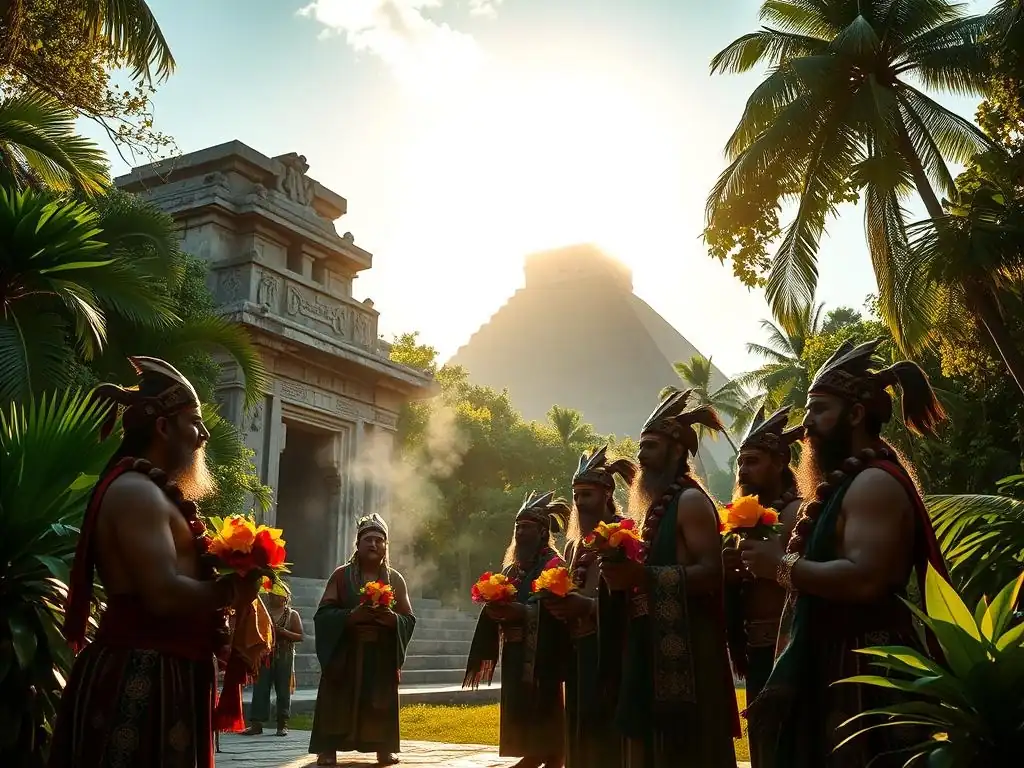
Welcome to Indigenous Civilizations of the Americas, where we embark on a journey through the rich tapestry of cultures that flourished long before European footprints touched these lands. Here, we delve into the remarkable achievements and intricate societies of indigenous peoples, and today, we invite you to explore the profound world of Mayan religion and spiritual beliefs. Discover how these ancient beliefs not only shaped their origins but also influenced their daily lives and legacy. Prepare to uncover the mysteries that lie within the sacred rituals and philosophies of the Mayans—curiosity awaits!
- Introduction to Mayan Religion and Spiritual Beliefs
- Key Elements of Mayan Religion
- Cosmology and Creation Myths in Mayan Religion
- The Influence of Mayan Religion on Daily Life
- Ancestor Worship and the Afterlife in Mayan Beliefs
- The Decline of Traditional Mayan Religion
- Conclusion: The Lasting Legacy of Mayan Religion and Spiritual Beliefs
- References and Further Reading on Mayan Religion and Spiritual Beliefs
- Frequently Asked Questions
- Final Reflection: The Enduring Legacy of Mayan Spirituality
- Unveil the Spiritual Wonders of the Maya!
Introduction to Mayan Religion and Spiritual Beliefs
The Mayan civilization, one of the most advanced and intriguing cultures in pre-Columbian America, is renowned not only for its impressive architectural achievements and sophisticated mathematical systems but also for its deep and complex spiritual beliefs. The Mayan religion encompassed a rich tapestry of rituals, deities, and cosmological interpretations that guided the daily lives of its people.
Understanding these spiritual beliefs is crucial for grasping how they influenced social structures, governance, and cultural practices within the Mayan society. This article delves into the intricate religious framework of the Maya, exploring how these beliefs shaped their origins and their enduring legacy in the Americas.
Overview of Mayan Civilization
The Mayan civilization flourished in Mesoamerica, primarily in what is now Mexico, Guatemala, Belize, Honduras, and El Salvador, from approximately 2000 BCE until the arrival of Europeans in the 16th century. This civilization is characterized by its:
- City-States: The Maya established numerous city-states, each governed by its own ruler, often linked by trade and alliances.
- Architectural Marvels: Imposing structures such as pyramids, palaces, and observatories reflect their advanced engineering and architectural skills.
- Writing System: The Maya developed a sophisticated hieroglyphic script, the only fully developed writing system in pre-Columbian Americas.
- Mathematics and Astronomy: They made significant contributions to mathematics, including the concept of zero, and developed an intricate understanding of celestial movements.
The religion of the Maya was deeply interwoven with their daily lives, influencing everything from agriculture to governance, and was marked by a polytheistic belief system that revered numerous gods associated with natural elements, agriculture, and fertility.
Significance of Religion in Mayan Society
Religion played a central role in Mayan society, serving as a framework for understanding the world and guiding community life. Key aspects of this significance include:
- Cosmology and Creation Myths: The Mayans believed in a complex cosmology that explained the origins of the universe and humanity. Their creation myths often involved gods who shaped the world and humanity, reflecting their views on life and existence.
- Rituals and Ceremonies: Rituals were integral to Mayan life, performed to appease gods, ensure agricultural fertility, and mark important life events. These ceremonies often included offerings, dances, and bloodletting practices, underscoring the belief in the necessity of maintaining harmony with the divine.
- Political Power: Rulers were often seen as intermediaries between the gods and the people, with their authority legitimized through religious practices. This intertwining of religion and politics reinforced social hierarchies and governance structures.
- Art and Symbolism: Mayan religious beliefs were vividly expressed through art, pottery, and architecture, which often depicted deities, mythological scenes, and cosmological symbols, enriching their cultural narrative and communal identity.
The Mayan religion and spiritual beliefs were not merely a set of practices but a vital component of their civilization that shaped their identity, social organization, and interaction with the environment. Exploring these aspects provides a deeper understanding of how the Maya viewed their world and their place within it, as well as the lasting impact of these beliefs on subsequent cultures in the region.
Key Elements of Mayan Religion
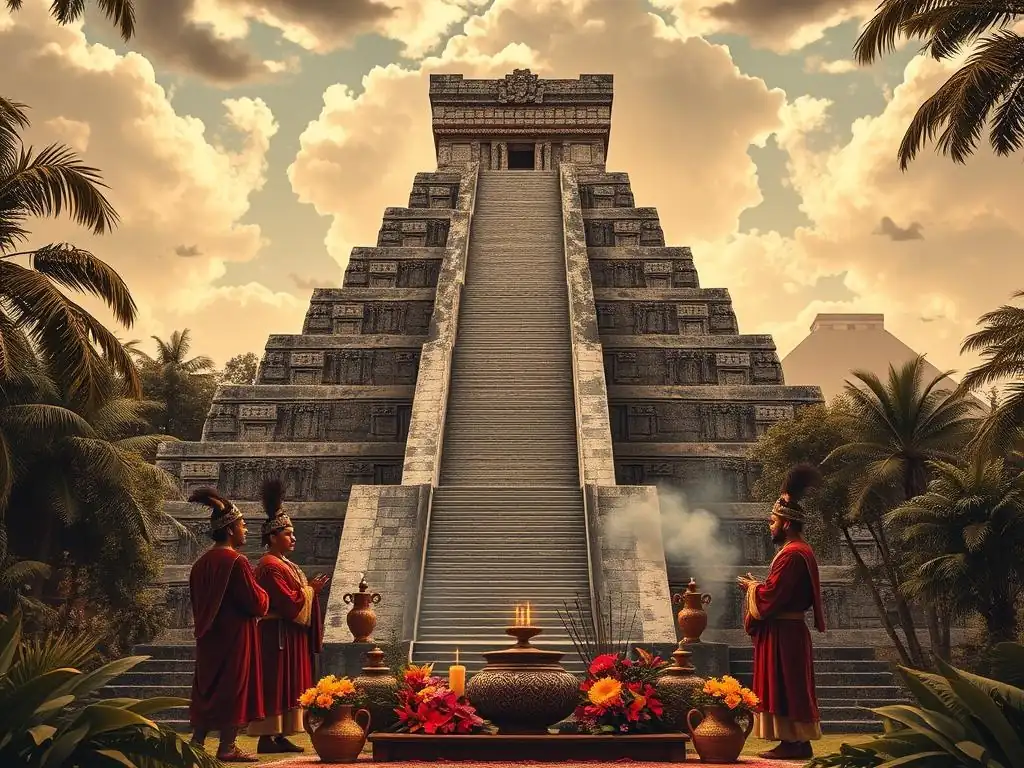
Mayan religion and spiritual beliefs were foundational to the civilization's identity, intertwining with their daily life, governance, and social structures. The rich tapestry of their spiritual practice reveals a complex interplay of deities, rituals, and societal roles that shaped their worldview and cultural legacy.
Polytheism and the Pantheon of Mayan Gods
Mayan religion is characterized by its polytheistic nature, where the ancient Maya worshiped a vast array of gods and goddesses, each embodying different aspects of life and nature. The pantheon included:
- Itzamná: The supreme creator deity, associated with wisdom, the sky, and day.
- Chaac: The rain god, vital for agriculture and fertility, often depicted with a lightning axe.
- Kukulkan: The feathered serpent god, representing the wind, storms, and renewal.
The Mayans believed these deities were deeply involved in the world around them, influencing everything from weather patterns to agricultural cycles. They constructed elaborate myths to explain the relationships among these gods, often depicting them in their art and architecture.
The Mayan calendar played a crucial role in their religious practice, aligning various ceremonies with the cycles of the gods. The Tzolk'in, a 260-day calendar, was particularly significant, used for divination and scheduling agricultural activities, emphasizing the connection between the divine and the earthly.
Sacred Rituals and Ceremonies in Mayan Spirituality
Rituals were central to Mayan religion, serving as a means to communicate with the gods and ensure their favor. Key ceremonies included:
- Bloodletting: A crucial ritual where nobles and priests would draw blood from their bodies, offering it to the gods as a form of sacrifice. This act was believed to maintain the balance of the cosmos and ensure agricultural fertility.
- Fires of Renewal: Important events marked by the lighting of sacred fires, signifying purification and the start of new cycles.
- Ceremonial Ball Games: The Mesoamerican ballgame held deep religious significance, often symbolizing the struggle between life and death, with outcomes believed to affect agricultural prosperity.
These rituals were often accompanied by vibrant music, dancing, and offerings, creating a multi-sensory experience that reinforced the community's spiritual beliefs. The elaborate nature of these ceremonies underscored the importance of ritual in maintaining societal order and connection with the divine.
The Role of Priests and Shamans in Mayan Beliefs
In the Mayan spiritual framework, priests and shamans held significant roles as intermediaries between the divine and the people. Their responsibilities included:
- Conducting Rituals: Priests led public ceremonies and rituals, ensuring that offerings were made correctly to appease the gods.
- Divination and Prophecy: Shamans utilized various methods, such as scrying and interpreting dreams, to provide guidance and insight into the will of the gods.
- Healing Practices: Shamans were also responsible for physical and spiritual healing, using herbal remedies and spiritual rituals to treat ailments, reflecting the holistic view of health in Mayan culture.
The distinction between priests and shamans often blurred, with many individuals possessing dual roles, reflecting the integrated nature of Mayan spirituality. Their knowledge of the Mayan cosmology and rituals was passed down through generations, ensuring the continuity of their rich spiritual traditions.
The intricate beliefs surrounding Mayan religion not only shaped the civilization's historical trajectory but also left an enduring legacy that continues to influence indigenous spiritual practices today.
Cosmology and Creation Myths in Mayan Religion
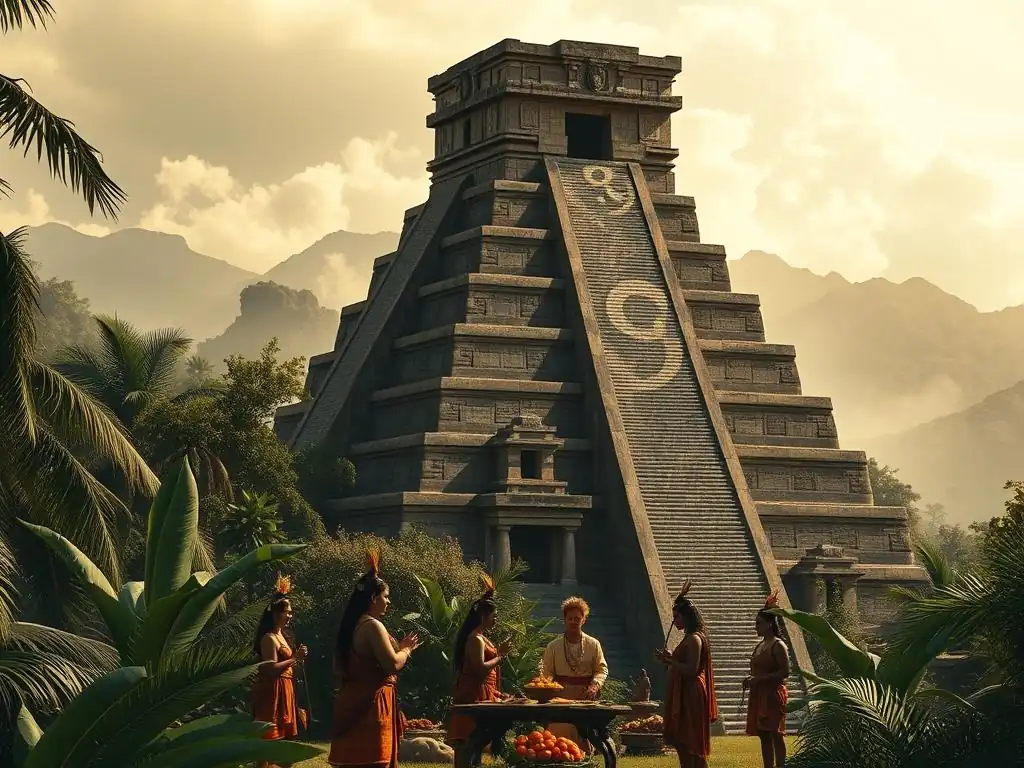
Mayan religion and spiritual beliefs are deeply intertwined with their understanding of the cosmos and creation. Central to their worldview are intricate cosmological narratives that explain the origins of the universe, the gods, and humanity itself. These beliefs not only shaped religious practices but also influenced social structures, governance, and the arts within Mayan societies.
The Mayan Creation Story: Popol Vuh
One of the most significant texts in understanding Mayan creation myths is the Popol Vuh, a sacred narrative of the K'iche' Maya. This text details the creation of the world, the gods' interactions with humanity, and the trials and tribulations of the Hero Twins, Hunahpú and Xbalanqué.
-
Creation of the World
In the Popol Vuh, the universe begins with a vast expanse of water, darkness, and silence. The gods Tepeu and Gucumatz (also known as Kukulkan) convene to create land. They speak the world into existence, bringing forth mountains, valleys, and forests. This illustrates the importance of words and thought in the Mayan belief system, emphasizing that creation is a product of divine intention.
-
Creation of Humanity
Following the establishment of the earth, the gods attempt to create beings who can worship them. Their first attempts with mud result in fragile creatures that crumble. Next, they try wood, creating lifeless beings who lack souls and emotions. It is only after several trials that the gods successfully create humans from maize, which becomes a fundamental element in Mayan culture and sustenance. This act signifies the deep connection between the Maya and maize, often referred to as the "mother" of their civilization.
-
The Role of the Hero Twins
The Popol Vuh also narrates the adventures of the Hero Twins, who ultimately defeat the lords of the underworld, Xibalba. Their journey underscores themes of duality, sacrifice, and resurrection, which are central to Mayan spiritual beliefs. The twins' victory restores balance and order to the cosmos, highlighting the cyclical nature of life and death—a recurring theme in Mayan mythology.
Understanding the Mayan Universe: Heaven, Earth, and Underworld
Mayan cosmology is structured around three primary realms: the celestial realm (heaven), the terrestrial realm (earth), and the underworld (Xibalba). Each of these realms is populated by various deities, spirits, and mythological beings, forming a complex spiritual hierarchy.
-
Heaven
The celestial realm is often viewed as the abode of the gods and is associated with light, life, and fertility. The Maya believed that the sun, moon, and stars were divine entities that influenced earthly affairs. The sun god, Kinich Ahau, played a crucial role in agriculture and was revered for providing warmth and light necessary for life.
-
Earth
The earthly plane is where humans reside and engage in daily life. It is considered a sacred space, with natural elements like mountains and caves holding significant spiritual importance. Rituals and ceremonies often take place in these locations, connecting the people with their ancestors and the divine.
-
Underworld (Xibalba)
Xibalba represents death and the afterlife, a realm filled with trials and challenges. It is ruled by gods associated with death, such as Ah Puch, the god of decay. The Maya believed that the journey to Xibalba was fraught with peril, but it was also a necessary passage for the soul. This belief in an afterlife reinforced the importance of rituals and offerings to appease the gods and ensure a favorable outcome in the next life.
Mayan religion and spiritual beliefs are thus not merely abstract concepts; they are deeply embedded in the fabric of Mayan society, influencing everything from agriculture to governance. The understanding of their universe and the creation stories that accompany it serve as a foundation for their cultural identity and communal practices.
The Influence of Mayan Religion on Daily Life
Agriculture and Spirituality: The Connection to Nature
The Mayan religion and spiritual beliefs were deeply intertwined with their agricultural practices, reflecting a profound connection to nature. Agriculture was not merely a means of subsistence; it was a sacred activity that required the favor of the gods. The Mayans believed that the fertility of their land was contingent upon their spiritual rituals, which included offerings, prayers, and ceremonies aimed at appeasing deities associated with agriculture.
Sacred Crops and Rituals
Key crops such as maize (corn), beans, and squash, known as the "Mesoamerican triad," held significant spiritual value. The Mayans believed that maize was a gift from the gods, and its cultivation was celebrated through rituals. For example:
- Planting Rituals: Farmers would often conduct ceremonies before sowing seeds, invoking deities like Yum Kaax, the god of maize, to ensure a bountiful harvest.
- Harvest Festivals: Once the crops were ready, elaborate festivals were held to honor the gods, during which offerings of food, flowers, and incense were made.
The relationship between agriculture and spirituality was cyclical; successful harvests reinforced the belief in divine favor, while poor yields led to urgent calls for appeasement through rituals.
Festivals and Celebrations in Mayan Culture
Mayan religion was characterized by a vibrant calendar of festivals and celebrations that marked both agricultural cycles and important religious events. These festivities were not only communal gatherings but also vital expressions of their spiritual beliefs.
Major Festivals and Their Significance
Some key festivals include:
- The Festival of the New Year: Celebrated with rituals to honor the sun god, K'inich Ahau, this festival marked the beginning of the agricultural cycle, symbolizing renewal and hope.
- The Ritual of the Rain God: Conducted during the dry season, this festival aimed to invoke Chak, the rain god, to bring much-needed precipitation for crops.
These celebrations often involved:
- Dancing and Music: Traditional dances, accompanied by ritualistic music, played a significant role in these festivals, enhancing the spiritual atmosphere.
- Offerings and Sacrifices: Offering food, flowers, and even animal sacrifices were common practices, believed to strengthen the bond between the community and the divine.
Through these festivals, the Mayans reinforced their social cohesion and cultural identity, while simultaneously expressing their reverence for the natural world and its cycles.
The hierarchical nature of Mayan society was profoundly influenced by their religious beliefs, shaping governance, social roles, and community interactions. At the apex of this structure were the priests, who served as intermediaries between the gods and the people, wielding significant power and influence.
Role of Priests and Nobility
The priests not only conducted religious ceremonies but also played critical roles in governance. They were responsible for:
- Calendar Keeping: Priests maintained the sacred calendar, dictating the timing of agricultural activities and religious events.
- Divination and Prophecy: Through rituals and offerings, priests sought to interpret the will of the gods, guiding political decisions and military actions.
Social Stratification
Mayan society was stratified, with a clear distinction between:
- Nobility: This class included priests, rulers, and elite families who were often directly involved in religious practices and decision-making.
- Commoners: Farmers and laborers who participated in the agricultural economy and contributed to the festivals, but had limited access to religious leadership roles.
This stratification was not merely economic but deeply rooted in spiritual beliefs, where divine favor was thought to legitimize the authority of the elite. The intertwining of spiritual beliefs and social structure created a society where religion dictated not only personal faith but also communal identity and governance.
The Mayan religion and spiritual beliefs profoundly influenced various aspects of daily life, from agriculture to social hierarchies. Understanding these connections provides valuable insight into the resilience and complexity of Mayan civilization.
Ancestor Worship and the Afterlife in Mayan Beliefs
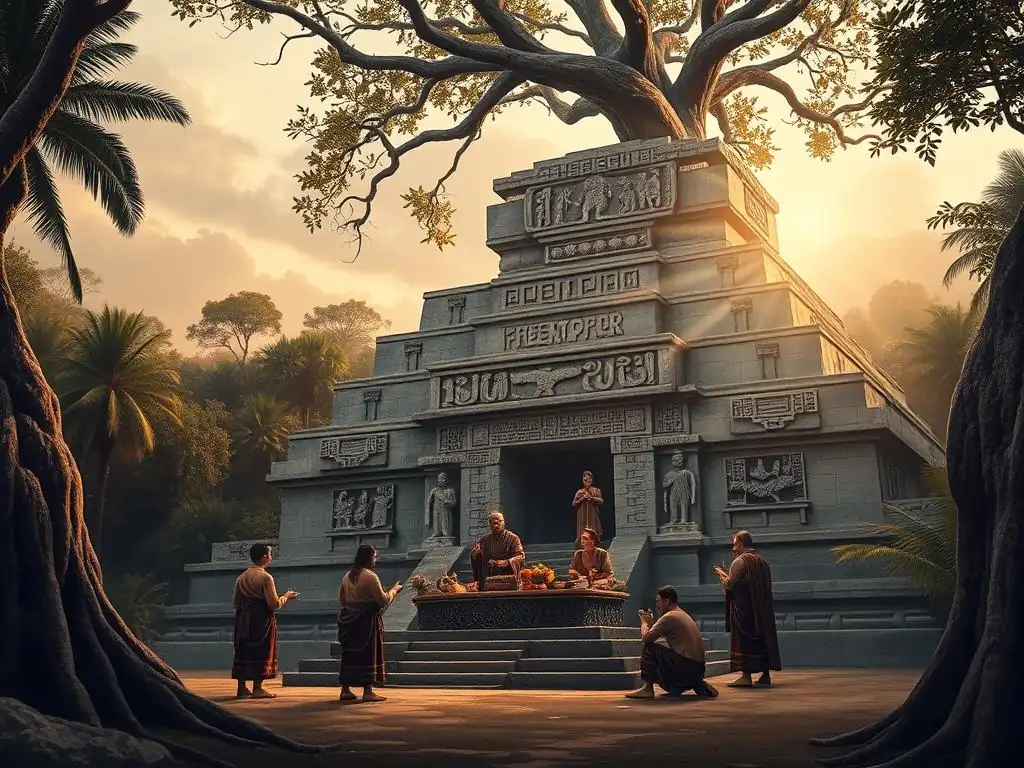
The Mayan civilization placed significant importance on ancestor worship and the belief in an afterlife, which were essential components of their spiritual framework. These beliefs not only shaped their religious practices but also influenced their social structures and cultural expressions. Ancestor veneration fostered a sense of continuity and connection between the living and the deceased, reflecting the Mayans' deep respect for their lineage and heritage.
Practices of Ancestor Veneration
Ancestor veneration in Mayan culture encompassed various practices aimed at honoring and communicating with deceased relatives. Central to these practices were rituals that included offerings, prayers, and the creation of shrines.
- Offerings: The Mayans often placed food, incense, and personal items at altars dedicated to their ancestors. These offerings were believed to nourish the spirits of the deceased and encourage their guidance and protection over the living.
- Rituals and Ceremonies: Specific ceremonies were held during important life events, such as births, marriages, and deaths. These rituals served to invoke the presence of ancestors, ensuring their support and blessing in the lives of the living.
- Shrines and Altars: Families created dedicated spaces within their homes or in communal areas to honor their ancestors. These shrines were adorned with photographs, artifacts, and the aforementioned offerings, forming a bridge between the physical and spiritual worlds.
- Communal Observances: Major festivals, such as the Day of the Dead, were celebrated with communal gatherings where families would come together to remember their ancestors, reinforcing a collective identity and shared heritage.
Through these practices, the Mayans expressed gratitude and maintained a relationship with their ancestors, integrating these beliefs into their daily lives and communal activities.
Concepts of Afterlife and Rebirth in Mayan Religion
The Mayan conception of the afterlife was multifaceted, reflecting a complex understanding of existence beyond death. Central to their beliefs was the notion that death was not an end but rather a transition to another realm.
- Underworld Beliefs: The Mayans believed in a layered cosmos, with the underworld (Xibalba) being a significant part of their spiritual landscape. Xibalba was viewed as a place of trials, where souls were judged and underwent challenges before moving on to the afterlife.
- Rebirth and Continuity: The idea of rebirth was crucial in Mayan spirituality. They believed that souls could be reborn into new forms, which was reflected in their ceremonies that celebrated life cycles. This cycle of life, death, and rebirth showcased the interconnectedness of all beings and the continuous flow of existence.
- Eternal Life: Many Mayans aspired for a favorable afterlife, where they would join their ancestors in a realm of abundance and peace. This aspiration influenced their moral conduct, encouraging them to live virtuously to secure a positive outcome after death.
- Symbolism in Art and Architecture: The themes of ancestor worship and the afterlife were also expressed in Mayan art and monumental architecture. Pyramids, temples, and stelae often depicted scenes of the afterlife, reflecting the cultural significance of these beliefs and their role in the societal hierarchy.
The Mayan religion and spiritual beliefs surrounding ancestor worship and the afterlife were pivotal in shaping their civilization. These interconnected concepts not only influenced individual practices but also reinforced social bonds, cultural identity, and a profound understanding of existence beyond the physical realm.
The Decline of Traditional Mayan Religion
Effects of European Colonization on Mayan Spiritual Practices
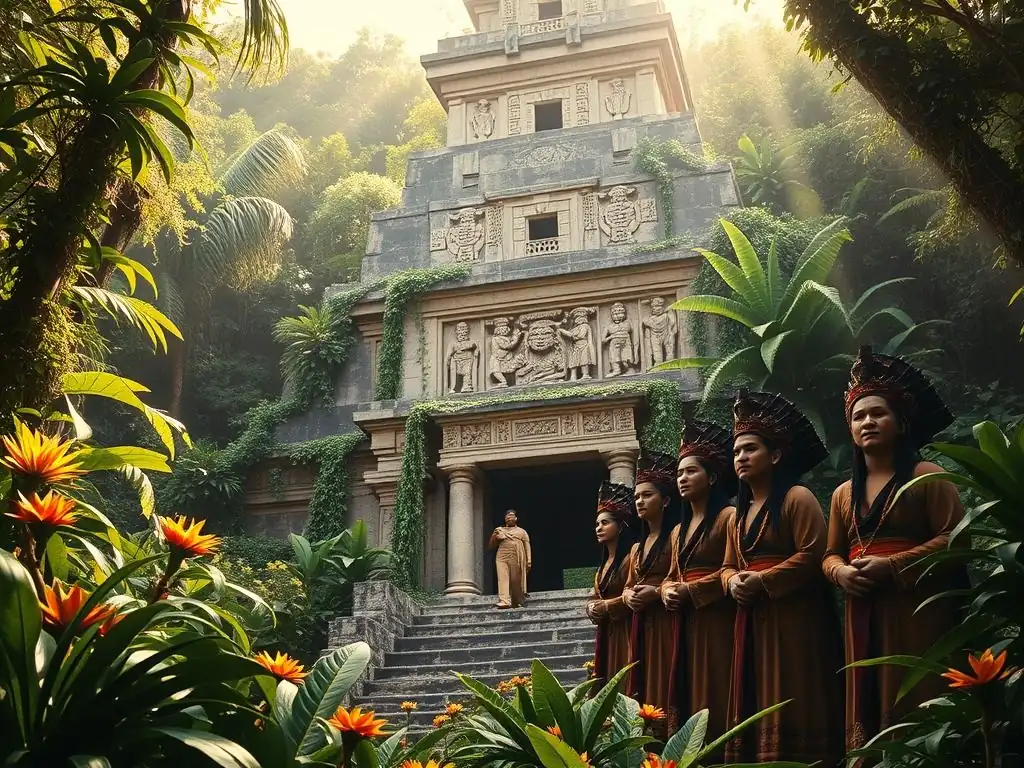
The arrival of European colonizers in the 16th century marked a profound turning point for the indigenous peoples of the Americas, particularly the Maya. European colonization brought not only military might but also a new religious framework that sought to supplant traditional Mayan beliefs. The impact of this colonization on Mayan religion can be examined through various lenses:
- Forced Conversion: Spanish missionaries actively sought to convert the indigenous population to Christianity. This process often involved the destruction of Mayan temples and sacred texts. The Spanish Inquisition played a significant role in targeting indigenous practices categorized as idolatry, leading to widespread suppression of traditional rituals.
- Syncretism: Despite the aggressive efforts to eradicate Mayan spirituality, many aspects of traditional beliefs were interwoven with Christian practices. This blending, known as syncretism, allowed some Mayan rituals to persist under the guise of Catholicism. For instance, certain saints were associated with Mayan deities, leading to a unique religious fusion that still exists in some communities today.
- Cultural Erasure: The imposition of European cultural norms resulted in a significant loss of traditional knowledge and practices. Many Mayan ceremonies were abandoned or altered, and the transmission of religious teachings became fragmented. This loss was exacerbated by the demographic collapse due to diseases introduced by Europeans, which devastated Mayan populations.
- Resistance and Adaptation: In response to colonization, some Mayan groups engaged in resistance, seeking to preserve their spiritual practices. This resistance often manifested through secret rituals and the oral transmission of beliefs, ensuring that elements of Mayan religion survived even in the face of oppression.
Resilience and Revival of Mayan Spirituality Today
In contemporary society, there has been a notable resurgence of Mayan spirituality, reflecting a broader movement towards cultural revitalization among indigenous peoples worldwide. This revival is characterized by several key features:
- Cultural Pride and Identity: Modern Mayans are increasingly embracing their heritage, leading to a renewed interest in traditional spiritual practices. Community events often celebrate ancient rituals, fostering a strong sense of identity and connection to ancestral beliefs.
- Integration of Traditional and Modern Practices: Many Mayans today practice a blend of traditional spirituality and modern influences. This can be seen in the celebration of traditional ceremonies alongside Christian holidays, highlighting the ongoing negotiation of cultural identity in a contemporary context.
- Community Initiatives: Various organizations and grassroots movements are dedicated to preserving and promoting Mayan cultural heritage, including its spiritual traditions. These initiatives often focus on education, language revitalization, and the documentation of ceremonial practices to ensure their continuity for future generations.
- Recognition of Indigenous Rights: The global movement for indigenous rights has also played a role in the revival of Mayan spirituality. As awareness grows regarding the historical injustices faced by indigenous communities, there is a push for recognition and respect for their spiritual beliefs and practices.
Through these efforts, the enduring legacy of Mayan religion and spiritual beliefs demonstrates resilience against the backdrop of a complex history, ensuring that these traditions continue to thrive in the modern world.
Conclusion: The Lasting Legacy of Mayan Religion and Spiritual Beliefs
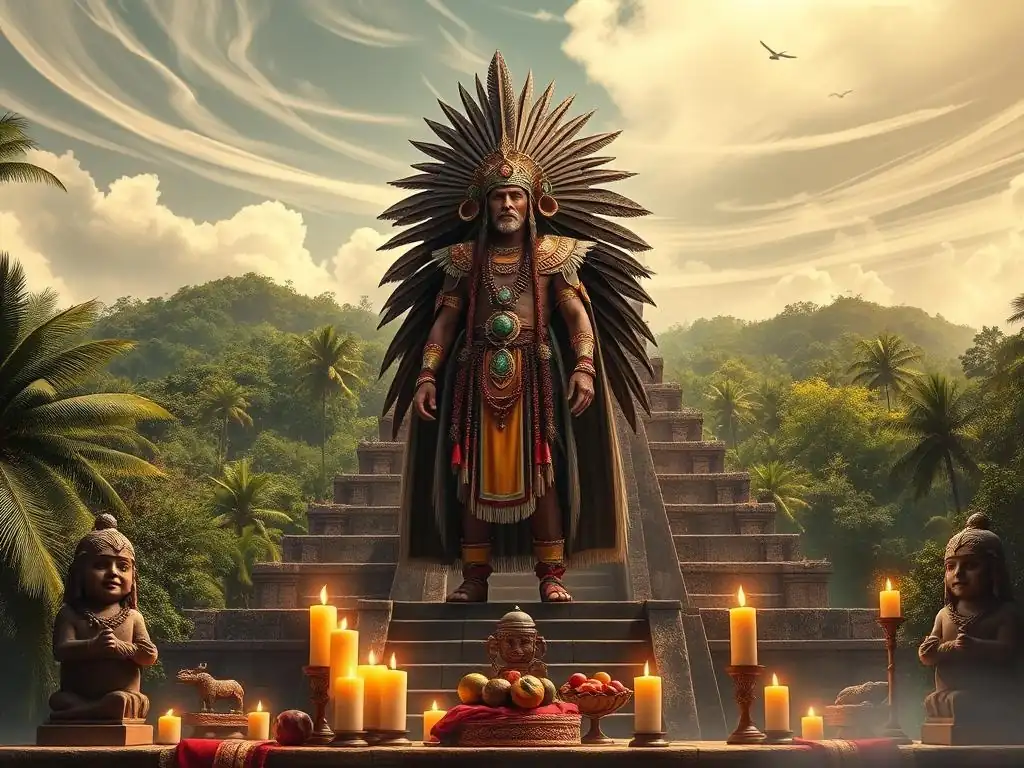
The Mayan religion and spiritual beliefs are not merely historical relics; they represent a rich tapestry of cultural practices that continue to influence modern society. The complexities of their pantheon, cosmology, and rituals offer insight into how the Mayans understood their world and their place within it. By examining the principles of their spirituality, we can appreciate the nuanced ways in which these beliefs shaped their societal structures, governance, and daily life.
The legacy of Mayan religion is evident in contemporary indigenous practices, where many communities still observe traditions rooted in their ancestral beliefs. The integration of ancient rites with modern spirituality speaks to the resilience of Mayan culture and its adaptability through centuries of change. Understanding this legacy is crucial for acknowledging the ongoing significance of Mayan spirituality in today’s context.
Reflection on the Importance of Understanding Mayan Spirituality
Understanding Mayan spirituality is essential for several reasons. First, it fosters a deeper appreciation of the Mayan civilization, highlighting its sophistication and complexity. The intricate relationship between their religious beliefs and their advancements in astronomy, mathematics, and agriculture showcases a civilization that was deeply connected to the cosmos and nature.
Furthermore, studying Mayan religion enhances our knowledge of the indigenous worldview, which often contrasts sharply with Western perspectives. This understanding can lead to greater respect for cultural diversity and the recognition of the importance of spiritual beliefs in shaping identity and community cohesion.
Finally, as we confront global issues such as climate change and social inequality, the Mayan emphasis on balance and harmony with nature offers valuable lessons. Their reverence for the earth and its cycles can inspire contemporary movements advocating for environmental stewardship and sustainable living.
Future Directions for Research on Mayan Religion
The field of Mayan studies is ripe for further exploration, particularly regarding Mayan religion and spiritual beliefs. Future research directions may include:
- Archaeological Discoveries: Continued excavation and analysis of ancient sites can shed light on ritual practices, temple constructions, and how these elements reflect spiritual beliefs.
- Ethnographic Studies: Engaging with contemporary Mayan communities can provide insights into how ancient spiritual practices have evolved and are maintained in modern contexts.
- Cross-Cultural Comparisons: Examining the parallels between Mayan spirituality and other indigenous belief systems can highlight universal themes and unique adaptations in response to environmental and social contexts.
- Interdisciplinary Approaches: Incorporating perspectives from anthropology, history, and environmental science can enrich our understanding of the complex interplay between Mayan religion and the natural world.
By pursuing these research avenues, scholars can contribute to a more comprehensive understanding of Mayan religion and its profound impact on both historical and contemporary landscapes. The ongoing study of these spiritual beliefs not only honors the past but also serves to inform and enrich the present and future cultural dialogues.
References and Further Reading on Mayan Religion and Spiritual Beliefs
Recommended Books and Articles
The study of Mayan religion and spiritual beliefs is enriched by a variety of scholarly works that delve into the intricacies of their cosmology, mythology, and rituals. Here are some essential readings that provide valuable insights:
-
"The Popol Vuh: The Sacred Book of the Maya"
This foundational text of Mayan mythology narrates the creation story, the adventures of the Hero Twins, and the gods' interactions with humanity. It offers a profound understanding of the Mayan worldview.
-
"Maya Cosmology in the Legends of the Sun and Moon" by David Stuart
This book explores how celestial bodies influenced Mayan thought and practice, emphasizing the connection between astronomy and their spiritual beliefs.
-
"Maya Religion: A Historical Perspective" by Mary Miller
Miller's work provides an in-depth analysis of the evolution of Mayan religious practices and their cultural significance over time.
-
"The Blood of Kings: Dynasty and Ritual in Maya Art" by Linda Schele and Peter Mathews
This comprehensive study examines the relationship between Mayan art, royal lineage, and spiritual practices, illustrating how religion permeated the political structure.
-
"Ancient Maya: The Rise and Fall of a Civilization" by Arthur Demarest
This book discusses the broader context of Mayan civilization, including religion's role in shaping society, governance, and cultural identity.
Online Resources for Further Exploration of Mayan Spirituality
In addition to books, there are several online resources that provide extensive information about Mayan religion and spiritual beliefs. These resources are ideal for those seeking a deeper understanding of Mayan spirituality:
-
The Maya Exploration Center
This website offers articles, resources, and educational tours focusing on the Maya and their cultural heritage, including aspects of their spiritual practices.
-
The Foundation for the Advancement of Mesoamerican Studies, Inc. (FAMSI)
FAMSI provides a wealth of information related to Mesoamerican cultures, including studies and articles about Mayan religious beliefs, rituals, and artifacts.
-
The Ancient Maya: A Learning Resource by the Smithsonian Institution
This resource includes interactive features, videos, and scholarly articles that explore various aspects of Mayan civilization, with a particular focus on their spiritual life.
-
Maya Archaeology by National Geographic
National Geographic offers articles and multimedia content related to the archaeology of the Maya, including insights into religious practices and beliefs.
-
Mesoamerican Studies at the University of California, Riverside
The university provides access to various academic papers and resources focusing on Mesoamerican cultures, including comprehensive studies on Mayan spirituality.
These resources collectively enhance the understanding of how Mayan religion and spiritual beliefs were integral to the civilization's identity, guiding their practices, societal structures, and cultural expressions.
Frequently Asked Questions
What are the main beliefs of Mayan religion?
Mayan religion is characterized by a polytheistic system, worshiping numerous gods associated with nature, agriculture, and the cosmos. Their spiritual beliefs were deeply intertwined with daily life and rituals.
How did Mayan spiritual beliefs influence their society?
The spiritual beliefs of the Mayans influenced their social structure, governance, and cultural practices, as leaders often claimed divine right and participated in religious rituals to maintain societal order.
What role did rituals play in Mayan religion?
Rituals were essential in Mayan religion, serving to communicate with deities, ensure agricultural fertility, and mark significant life events. These practices were crucial for maintaining cosmic balance.
How did the Mayans view the afterlife?
The Mayans believed in a complex afterlife, where the soul's journey was influenced by one's actions in life. They envisioned multiple realms, including underworld and celestial destinations based on moral conduct.
What is the legacy of Mayan religion today?
Mayan religion continues to influence modern Mayan communities, preserving ancient practices and beliefs. Elements of their spiritual traditions can still be seen in contemporary rituals and cultural expressions.
Final Reflection: The Enduring Legacy of Mayan Spirituality
The exploration of Mayan religion and spiritual beliefs reveals a profound connection between culture, identity, and the natural world that remains strikingly relevant today. As we navigate a modern landscape often dominated by materialism and disconnection from nature, the wisdom embedded in Mayan spirituality serves as a powerful reminder of the importance of harmony with our environment and the sacredness of life itself. The intricate rituals and deep reverence for the cosmos that characterized Mayan beliefs continue to resonate, urging us to reconsider our own spiritual practices and the impact they have on our lives and communities.
Mayan religion has not only shaped the identities of its people but has also left an indelible mark on the cultural and social fabric of contemporary society. The echoes of their spiritual practices can be seen in various forms of art, community rituals, and even modern environmental movements that seek to honor the earth.
As we reflect on this ongoing influence, we are reminded of the words of the Mayan elder, "In every seed, there is a story waiting to be told." > This quote encapsulates the idea that our histories and beliefs are intertwined, urging us to recognize the stories that shape our present and future.
As you ponder the lessons of Mayan spirituality, I invite you to reflect on your own beliefs and practices. Consider how you can integrate the principles of respect for nature, community, and the sacred into your daily life. Whether through mindfulness, honoring traditions, or fostering connections with the world around you, each small action can contribute to a greater understanding of our place in the universe. Let the legacy of Mayan religion inspire you to embark on your own spiritual journey, enriching both your life and the lives of those around you.
Unveil the Spiritual Wonders of the Maya!
Thank you for exploring the fascinating world of Mayan beliefs! Your interest in how spirituality shaped this ancient civilization is truly commendable. Now that you've delved into the essence of Mayan religion, it's time to take the next steps in your journey.
- Dive deeper: Explore related articles on Indigenous Civilizations to broaden your understanding of various spiritual traditions across the Americas.
- Connect with others: Share your newfound knowledge on social media or join a community group focused on Indigenous history to engage in meaningful discussions.
- Get creative: Consider writing a short piece about how Mayan beliefs influence modern cultures, and share it with friends or on local forums!
What aspect of Mayan spirituality resonates with you the most, and how might it influence your perspective today?