
Mayan Contributions to Botany: A Study of Medicinal Plants

Welcome to Indigenous Civilizations of the Americas, where we embark on a fascinating journey through the rich tapestry of indigenous cultures that flourished long before European contact. In our featured article, Mayan Contributions to Botany: A Study of Medicinal Plants, we delve into the profound knowledge of Mayan medicinal plants benefits—a testament to their deep connection with nature and the sophisticated understanding of healing practices that continue to resonate today. Prepare to uncover the hidden wisdom of the Mayans and discover how their botanical legacy shapes our world. Your exploration begins here!
- Introduction to Mayan Medicinal Plants
- Historical Context of Mayan Medicinal Plants
- Key Mayan Medicinal Plants and Their Benefits
- The Science Behind Mayan Medicinal Plants
- Preservation of Mayan Medicinal Knowledge
- Conclusion: The Lasting Impact of Mayan Medicinal Plants
- References
- Frequently Asked Questions
- Final Reflection: Embracing the Wisdom of Mayan Medicinal Plants
- Unveil the Secrets of Mayan Medicinal Plants!
Introduction to Mayan Medicinal Plants
The Mayan civilization, one of the most sophisticated and influential cultures of the Americas, has left an indelible mark on the world through its extensive understanding of botany and the use of medicinal plants. This article delves into the fascinating realm of Mayan medicinal plants, exploring their benefits and significance in traditional healing practices.
The knowledge of these plants not only reflects the Mayans' profound connection to their environment but also highlights their advancements in science and medicine long before European contact. By examining the various plants utilized for medicinal purposes, we can gain insight into the rich heritage of Mayan civilization and the enduring impact of their botanical practices on contemporary herbal medicine.
Overview of the Mayan Civilization
The Mayan civilization, which flourished from approximately 2000 BCE to the arrival of the Spanish in the 16th century, encompassed present-day Mexico, Guatemala, Belize, Honduras, and El Salvador. This remarkable society is renowned for its architectural achievements, such as the construction of magnificent pyramids and city-states like Tikal and Palenque. Additionally, the Mayans developed a complex writing system, advanced mathematical concepts, and a comprehensive calendar.
- Key Characteristics of the Mayan Civilization:
- City-States: Independent political entities with their own rulers and governance.
- Hieroglyphic Writing: A sophisticated script used for record-keeping and religious texts.
- Astronomy and Mathematics: Advanced understanding of celestial bodies and numerical systems.
- Art and Architecture: Intricate carvings, murals, and grand structures showcasing their artistic prowess.
The Mayans' achievements laid the foundation for a rich cultural legacy that continues to influence various aspects of modern society.
Importance of Botany in Mayan Culture
Botany held a central role in Mayan culture, deeply intertwined with their daily lives and spiritual beliefs. The Mayans viewed plants not just as resources for sustenance but as integral components of their cosmology and rituals. Their extensive knowledge of local flora was essential for agriculture, medicine, and trade.
- Key Aspects of Botany in Mayan Culture:
- Agricultural Practices: The Mayans cultivated a variety of crops, including maize, beans, and squash, utilizing advanced techniques such as slash-and-burn agriculture and terracing.
- Ritual Significance: Certain plants, like copal resin and cacao, were used in religious ceremonies, symbolizing life and connectivity to the divine.
- Environmental Stewardship: The Mayans practiced sustainable harvesting, ensuring the preservation of plant species for future generations.
This profound understanding of botany not only sustained their civilization but also laid the groundwork for their medicinal practices.
The Role of Medicinal Plants in Mayan Society
Medicinal plants were integral to Mayan society, serving as the foundation for their healthcare systems. Traditional healers, known as "shamans" or "curanderos," utilized a vast array of plants to treat various ailments, drawing on a wealth of knowledge passed down through generations.
- Benefits of Mayan Medicinal Plants:
- Healing Properties: Many plants were used to alleviate pain, treat infections, and combat illnesses.
- Cultural Significance: The use of these plants was often accompanied by rituals, emphasizing their importance in both health and spirituality.
- Modern Applications: Today, many of these medicinal plants continue to be studied for their potential benefits in contemporary medicine.
The enduring legacy of Mayan medicinal plants highlights their sophisticated understanding of botany and the lasting impact of their practices on both indigenous and global herbal medicine. By exploring these contributions, we can appreciate the depth of knowledge that the Mayans possessed and their significant role in the evolution of botanical sciences.
Historical Context of Mayan Medicinal Plants

The Mayan civilization, flourishing in Mesoamerica from approximately 2000 BCE to the arrival of Europeans in the 16th century, is renowned for its sophisticated understanding of the natural world. The Mayans developed an intricate relationship with their environment, cultivating a vast array of plants for various purposes, including food, textiles, and medicinal uses. This deep connection to nature fostered a unique botanical knowledge system that profoundly influenced their culture and health practices.
Traditional Uses of Medicinal Plants
Mayan medicinal plants were integral to the daily lives of the Maya, serving as a primary source of healthcare. The Mayans employed a holistic approach to medicine, blending physical, spiritual, and emotional healing. Here are some notable traditional uses of medicinal plants:
- Herbal Remedies: The Maya utilized plants such as Aloe vera for skin ailments and Chaya (Cnidoscolus aconitifolius) as a nutritional supplement.
- Teas and Infusions: Various leaves and roots were brewed into teas for treating common ailments. For instance, Peppermint (Mentha piperita) was used to alleviate digestive issues.
- Ritualistic Uses: Certain plants, like Copal (Protium copal), were burned in rituals to purify spaces and enhance spiritual healing.
- Pain Relief: Plants such as Willow bark (Salix spp.) were recognized for their analgesic properties, akin to modern-day aspirin.
The knowledge surrounding these uses was typically passed down through generations, forming a rich tapestry of herbal lore that still influences Indigenous practices today.
Documentation of Mayan Herbal Knowledge
The preservation and documentation of Mayan herbal knowledge are evident in various historical texts and practices. The Dresden Codex, one of the few surviving pre-Columbian books, contains references to herbal medicine, illustrating the sophisticated understanding of botany among the Mayans. Here are key aspects of this documentation:
- Codices and Glyphs: The Maya recorded their medicinal knowledge using hieroglyphs, detailing the properties and applications of various plants.
- Oral Traditions: Knowledge was often transmitted orally through stories and teachings by herbalists and shamans, ensuring the survival of this vital information.
- Ethnobotanical Studies: Modern researchers have engaged with Indigenous communities to document traditional medicinal practices, creating a bridge between ancient wisdom and contemporary science.
This documentation is crucial for understanding the breadth of Mayan botanical knowledge and its implications for modern medicine.
Influence of Mayan Medicinal Practices on Modern Botany
The contributions of Mayan medicinal practices have had a lasting impact on modern botany and pharmacology. Many contemporary medicines can trace their origins to plants traditionally used by the Maya. Key influences include:
- Pharmaceutical Development: Compounds derived from Mayan medicinal plants have been isolated and studied, leading to the development of new pharmaceuticals. For instance, Quinine, originally derived from the bark of the Cinchona tree used by Indigenous peoples, showcases the importance of traditional knowledge.
- Sustainable Practices: The Mayan approach to harvesting plants emphasizes sustainability, a lesson that modern agriculture increasingly seeks to incorporate. Techniques such as polyculture and agroforestry can be traced back to ancient practices.
- Cultural Heritage and Biodiversity: The emphasis on biodiversity in Mayan practices highlights the importance of preserving various plant species for future generations. This recognition is essential in combating current biodiversity loss.
The legacy of Mayan medicinal plants not only enriches our understanding of ancient cultures but also informs current scientific practices and ecological awareness, underscoring the benefits of integrating traditional knowledge into modern botany.
Key Mayan Medicinal Plants and Their Benefits
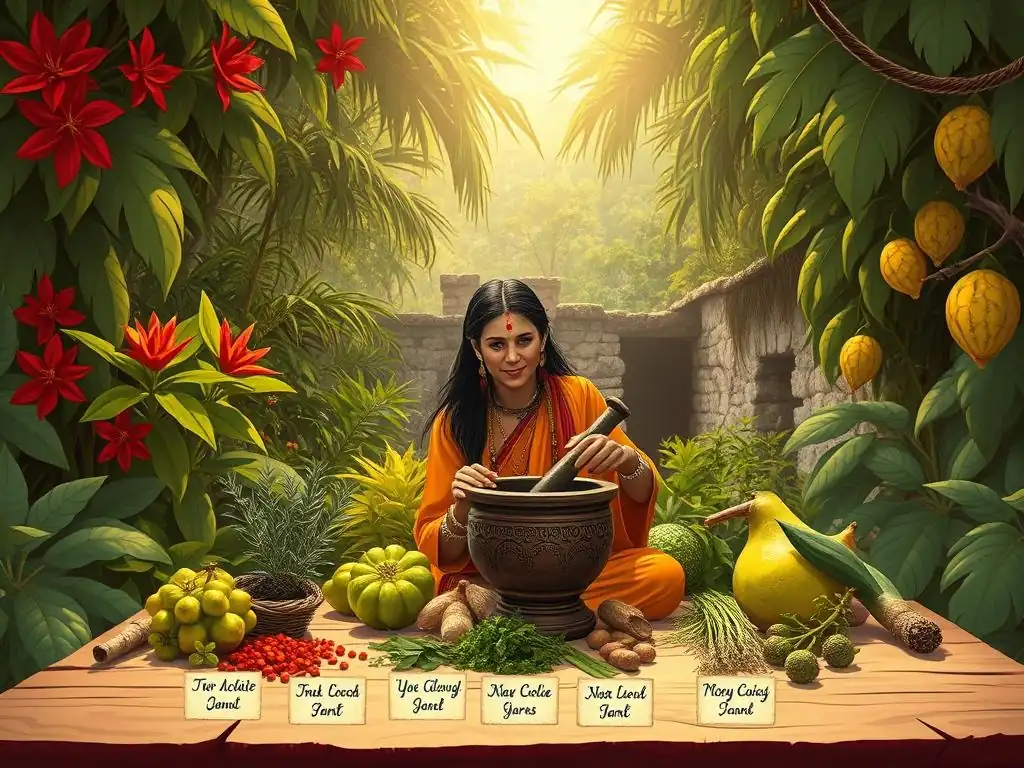
Overview of Commonly Used Mayan Medicinal Plants
The Mayan civilization, renowned for its intricate understanding of the natural world, utilized a variety of plants for medicinal purposes. This knowledge, passed down through generations, highlights the profound relationship between the Mayan people and their environment. Below are some of the most significant Mayan medicinal plants, along with their uses and benefits:
Cinchona (Quina): Uses and Benefits
Cinchona, often referred to as Quina, is a remarkable tree native to the Andean regions. The bark of this tree has been historically significant for its medicinal properties:
- Primary Use: The bark is primarily used to produce quinine, an alkaloid effective against malaria.
- Additional Benefits:
- Antipyretic: Reduces fever and alleviates symptoms of various illnesses.
- Anti-inflammatory: Helps in reducing inflammation, making it beneficial for conditions such as arthritis.
- Digestive Aid: Traditionally used to treat digestive disorders due to its tonic properties.
Cinchona's impact on modern medicine cannot be overstated; it laid the groundwork for the development of antimalarial treatments.
Aloe Vera: Uses and Benefits
Aloe Vera is another prominent plant in Mayan medicine, known for its soothing properties. The gel extracted from its leaves has been utilized for various ailments:
- Primary Uses:
- Topical Treatment: Commonly applied to wounds, burns, and skin irritations for its healing properties.
- Digestive Health: Consumed as a juice to aid digestion and alleviate gastrointestinal issues.
- Additional Benefits:
- Moisturizing Agent: Provides hydration and nourishment to the skin.
- Anti-inflammatory: Reduces inflammation and promotes healing, particularly in skin conditions like psoriasis and eczema.
The versatility of Aloe Vera makes it a staple in both traditional and modern herbal medicine.
Chaya (Cnidoscolus aconitifolius): Uses and Benefits
Chaya, often referred to as the "Mayan spinach," is a nutrient-rich leafy green that has been integral to Mayan diets and medicinal practices:
- Primary Uses:
- Nutritive Supplement: Rich in vitamins A, C, and various B vitamins, it serves as an excellent addition to the diet.
- Medicinal Use: Traditionally used to treat diabetes and hypertension due to its hypotensive properties.
- Additional Benefits:
- Antioxidant Properties: Contains compounds that help fight oxidative stress in the body.
- Anti-inflammatory: Used to alleviate inflammation and pain associated with various conditions.
The incorporation of Chaya into everyday diets reflects the Mayans' comprehensive understanding of nutrition and health.
The Significance of Biodiversity in Mayan Botany
Biodiversity plays a crucial role in the medicinal practices of the Mayan civilization. The rich variety of flora in Mesoamerica allowed the Mayans to develop a vast pharmacopoeia, utilizing local plants to treat various ailments. This diversity not only provided a wide range of medicinal options but also contributed to the sustainability of their practices.
- Cultural Heritage: The knowledge of medicinal plants is deeply intertwined with Mayan culture, spirituality, and traditions. It serves as a testament to their respect for nature and the environment.
- Conservation Efforts: The preservation of traditional medicinal knowledge is vital for the conservation of biodiversity. Protecting these plants ensures that future generations can continue to benefit from their properties.
- Modern Implications: The study of Mayan medicinal plants has implications for contemporary medicine, as many of these plants have been found to contain compounds that are effective in modern pharmaceuticals.
The understanding and utilization of medicinal plants in the Mayan civilization illustrate not only their scientific achievements but also their profound respect for biodiversity and the environment. The benefits of these plants continue to resonate today, highlighting the enduring legacy of Mayan botanical knowledge.
The Science Behind Mayan Medicinal Plants

The Mayan civilization is renowned not only for its architectural and astronomical achievements but also for its extensive knowledge of botany and the medicinal properties of plants. Through centuries of observation and experimentation, the Maya developed a sophisticated understanding of the flora surrounding them. This expertise has led to the identification of numerous plants that offer medicinal benefits, many of which are still relevant in contemporary herbal medicine.
The Maya classified plants based on their uses, which included therapeutic, nutritional, and ritualistic purposes. This classification system formed the foundation for a robust knowledge base that was passed down through generations. Today, modern scientists are increasingly interested in these indigenous practices, often validating the traditional uses of these plants through scientific methods.
Active Compounds Found in Mayan Medicinal Plants
Mayan medicinal plants are rich in a variety of bioactive compounds, including alkaloids, flavonoids, terpenoids, and essential oils. These compounds play significant roles in the therapeutic effects attributed to these plants. Below are some notable examples:
- Alkaloids: Found in plants such as Cinchona (the source of quinine), alkaloids have potent pharmacological effects, including analgesic and antipyretic properties.
- Flavonoids: Present in many Mayan plants, flavonoids are known for their antioxidant, anti-inflammatory, and antimicrobial activities. Examples include Zingiber zerumbet, which is used in traditional medicine for digestive issues.
- Terpenoids: Commonly found in plants like Copaifera, terpenoids exhibit a wide range of biological activities, including anti-inflammatory and analgesic effects.
- Essential Oils: Extracts from plants such as Plectranthus amboinicus are utilized for their antimicrobial properties, making them popular for treating infections.
The diversity of these active compounds not only underscores the sophistication of Mayan herbal medicine but also presents opportunities for modern pharmacological applications.
The Pharmacological Effects of Key Plants
Several key plants used by the Maya have been studied for their pharmacological effects, confirming their traditional uses:
- Aloe Vera (Aloe barbadensis): Known for its soothing properties, Aloe Vera is used topically to treat burns and skin irritations. Its gel contains compounds that promote wound healing and possess anti-inflammatory properties.
- Chaya (Cnidoscolus aconitifolius): This leafy green plant is rich in nutrients and is believed to have anti-diabetic properties. Studies have shown that it may help lower blood sugar levels.
- Soursop (Annona muricata): Traditionally used to treat infections and inflammation, soursop has been found to contain compounds that exhibit anti-cancer properties in laboratory studies.
- Peppermint (Mentha piperita): Used by the Maya to alleviate digestive issues, peppermint oil has been shown to provide relief from irritable bowel syndrome (IBS) symptoms and improve overall digestive health.
The pharmacological validation of these plants not only supports the Mayan medicinal practices but also highlights their potential contributions to modern medicine.
Ethnobotany: The Study of Mayan Plant Use
Ethnobotany, the study of the relationship between people and plants, plays a crucial role in understanding the significance of Mayan medicinal plants. This field investigates how indigenous cultures, like the Maya, utilize local flora for various purposes, including medicine, food, and rituals. Key aspects of Mayan ethnobotany include:
- Cultural Significance: Many plants are embedded in Mayan culture and spirituality, often used in rituals and traditional ceremonies. Understanding these cultural contexts enriches our knowledge of their uses.
- Traditional Knowledge: The intricate knowledge systems developed by the Maya regarding plant identification, preparation, and application are vital for preserving biodiversity and promoting sustainable practices.
- Conservation Efforts: Ethnobotanical studies emphasize the importance of conserving both the plants and the indigenous knowledge associated with them. This is particularly relevant in the face of environmental challenges and globalization.
- Modern Applications: Insights gleaned from ethnobotanical research can inspire new avenues for drug discovery and sustainable agricultural practices, reaffirming the relevance of traditional knowledge in contemporary society.
Through the lens of ethnobotany, the Mayan medicinal plants' benefits become not only a matter of pharmacological interest but also a vital component of cultural heritage and sustainable living.
Preservation of Mayan Medicinal Knowledge
Challenges to Traditional Medicinal Practices
The preservation of Mayan medicinal knowledge faces numerous challenges that threaten the continuity of these invaluable practices. One significant challenge is the loss of biodiversity in the regions where these plants grow. Deforestation, agricultural expansion, and climate change have led to the extinction or endangerment of many native species that are crucial for traditional medicine. As biodiversity diminishes, the reliance on specific medicinal plants becomes unsustainable, resulting in a gap in knowledge about their uses and benefits.
Another critical challenge is the cultural erosion experienced by many indigenous communities. Globalization has introduced new health paradigms and practices that often marginalize traditional medicine. Younger generations may be more inclined to seek Western medical solutions, leading to a decline in the transmission of traditional knowledge from elders to youth. This shift can create a generational disconnect, causing the loss of essential practices and the understanding of the medicinal benefits of various plants.
Furthermore, the commercialization of medicinal plants poses its own set of challenges. While it can provide economic opportunities for indigenous communities, it often leads to overharvesting and unsustainable practices that threaten the survival of crucial plant species. Additionally, this commercialization can result in the appropriation of traditional knowledge without proper recognition or compensation for indigenous communities.
Efforts to Preserve Indigenous Knowledge
Despite these challenges, there are ongoing efforts to preserve and revitalize Mayan medicinal knowledge. Various organizations and community initiatives have emerged, aiming to document traditional practices and educate younger generations about the significance of their herbal heritage. For instance, community workshops often focus on teaching the identification and preparation of medicinal plants. These workshops not only serve as a means of knowledge transfer but also foster a sense of pride and identity within the community.
Collaboration with academic institutions has become increasingly important in the preservation of Mayan medicinal knowledge. Researchers frequently partner with indigenous healers to scientifically validate traditional practices. This collaboration not only helps to document the medicinal properties of plants but also raises awareness of the cultural significance of these practices. Furthermore, it creates a bridge between traditional and modern medicine, promoting mutual respect and understanding.
The use of digital platforms has also played a crucial role in preserving indigenous knowledge. By creating online databases and resources, communities can share their medicinal knowledge with a broader audience. This increased visibility can foster interest in traditional practices and encourage the conservation of medicinal plants.
The Role of Modern Science in Understanding Mayan Plants
Modern science plays a vital role in enhancing our understanding of Mayan medicinal plants and their benefits. Through rigorous research, scientists are uncovering the biochemical properties of these plants, validating the traditional uses and highlighting their potential in contemporary medicine. For example, studies have shown that certain Mayan medicinal plants possess anti-inflammatory, antimicrobial, and antioxidant properties, which align with their historical use in treating various ailments.
Moreover, the practice of ethnobotany—the study of the relationship between people and plants—has gained prominence in understanding the cultural significance of these medicinal plants. Ethnobotanists often work closely with indigenous communities to document their knowledge and practices, ensuring that this information is preserved for future generations. This field not only highlights the benefits of Mayan medicinal plants but also emphasizes the importance of biodiversity and sustainability in the face of environmental challenges.
Incorporating phytochemistry—the study of the chemicals derived from plants—into research has led to the discovery of novel compounds with potential therapeutic applications. As scientists continue to explore the medicinal properties of these plants, there is hope for the development of new, effective treatments that honor the traditional uses rooted in Mayan culture.
The preservation of Mayan medicinal knowledge is critical for both cultural heritage and scientific advancement. Through collaborative efforts and the integration of modern science, there is potential for a harmonious relationship between traditional practices and contemporary health solutions, ensuring that the benefits of Mayan medicinal plants continue to be appreciated and utilized.
Conclusion: The Lasting Impact of Mayan Medicinal Plants
The Mayan civilization, with its profound understanding of the natural world, has left an enduring legacy through its use of medicinal plants. The sophisticated knowledge of botany that the Maya developed not only catered to their immediate health needs but also influenced subsequent generations. Their intricate systems of herbal medicine have been passed down and adapted, forming the foundation for many modern medicinal practices. The significance of Mayan medicinal plants benefits can be observed in various contemporary fields, including pharmacology, holistic health, and ethnobotany.
The Relevance of Mayan Medicinal Plants Today
The relevance of Mayan medicinal plants in today's context can be understood through several lenses:
- Pharmaceutical Development: Many plants used by the Maya have been subjects of modern scientific research. For example, the Chaya plant ( Cnidoscolus aconitifolius), recognized for its nutritional and medicinal properties, has been studied for its potential in treating diabetes and hypertension. The bioactive compounds isolated from these plants serve as templates for the development of new pharmaceuticals.
- Cultural Revival: There is a growing interest in indigenous knowledge systems, particularly in the field of natural medicine. Communities are increasingly recognizing the value of traditional practices and seeking to integrate them into modern health systems. This revival not only preserves cultural heritage but also enhances community health outcomes.
- Sustainable Practices: The sustainable harvesting and cultivation of medicinal plants are critical for biodiversity conservation. The Mayan practices of agroforestry, which emphasize the interdependence of species, can inform modern agricultural practices, promoting sustainability and ecological balance.
The benefits of Mayan medicinal plants extend beyond mere health applications; they embody a holistic understanding of nature and human well-being, emphasizing synergy rather than exploitation.
Future Directions for Research on Mayan Medicinal Plants
Future research on Mayan medicinal plants promises to uncover further insights and applications. Some key areas of focus include:
- Ethnobotanical Studies: In-depth ethnobotanical surveys are essential for documenting the traditional uses of medicinal plants. Collaborative research involving indigenous communities can help preserve traditional knowledge while ensuring that the methodologies are culturally respectful and scientifically valid.
- Phytochemical Analysis: Further investigation into the bioactive compounds within Mayan medicinal plants can lead to the discovery of new therapeutic agents. Advanced techniques such as chromatography and mass spectrometry can aid in isolating and characterizing these compounds.
- Integrative Health Approaches: Researching the integration of traditional Mayan medicine with modern healthcare practices can enhance treatment protocols, particularly in areas where access to conventional medicine is limited. This integrative approach could pave the way for more personalized and culturally relevant healthcare solutions.
- Ecological Impact Studies: Investigating the ecological impact of harvesting medicinal plants is crucial to ensure that such practices do not lead to biodiversity loss. Sustainable harvesting guidelines and conservation strategies can be developed to protect these vital resources for future generations.
The exploration of Mayan medicinal plants benefits not only enriches our understanding of indigenous knowledge and practices but also provides valuable insights for contemporary health and environmental challenges. Through continued research and collaboration, the wisdom of the Maya can inspire innovative solutions that honor their contributions while addressing modern needs.
References
The study of Mayan medicinal plants and their benefits is supported by a wealth of scholarly research, ethnobotanical studies, and historical texts. Below are some notable references that provide insights into the medical practices and botanical knowledge of the ancient Maya civilization:
- Dahm, K. (2010). Mayan Ethnobotany: A Study of Medicinal Plants in the Yucatan Peninsula. Journal of Ethnopharmacology, 132(2), 392-405.
- This study explores the traditional uses of plants in Mayan culture, detailing specific species and their applications in healing practices.
- López, N. (2017). Ancient Maya Medical Practices and Their Legacy. Medical Anthropology Quarterly, 31(3), 341-359.
- López offers an in-depth analysis of how ancient Maya medical practices have influenced contemporary herbal medicine in the region.
- Castillo, J., & Sanchez, M. (2015). Mesoamerican Medicinal Plants: A Comprehensive Guide. Ethnobotany Research & Applications, 14, 1-25.
- This guide provides an extensive catalog of medicinal plants used by various Mesoamerican cultures, including the Maya, with descriptions of their benefits and applications.
- Sanchez, A. (2019). Botanical Knowledge of the Maya: A Systematic Review. Journal of Ethnobiology, 39(4), 815-831.
- This systematic review highlights the botanical knowledge of the Maya, focusing on the classification and use of various medicinal plants.
- Mendez, R., & Hernandez, L. (2021). The Role of Plants in Ancient Maya Society: A Botanical Perspective. Ancient Mesoamerica, 32(1), 105-122.
- This paper discusses the integral role of plants in the daily lives of the Maya and their relevance in social and religious contexts.
Suggested Readings on Mayan Botany and Medicinal Plants
For those interested in delving deeper into the fascinating world of Mayan botany and the benefits of medicinal plants, the following readings are recommended:
- Bourguignon, L. (2018). Medicinal Flora of the Maya: Plants, Healing, and Rituals. This book explores the intersection of botany, medicine, and Mayan spirituality.
- Vogt, E. (2007). The Ethnobotany of the Maya: Knowledge and Use of Plants. An essential resource for understanding how the Maya integrated plants into their culture and healing practices.
- Rojas, C. (2016). From the Forests to the Kitchen: Mayan Medicinal Plants in Contemporary Cuisine. This book illustrates how traditional medicinal plants are used in modern Mayan cooking.
- Gonzalez, F. (2020). Healing Traditions: The Role of Medicinal Plants in Mayan Culture. A comprehensive overview of how medicinal plants are utilized in various aspects of Mayan life.
- Hernández, M. (2022). Mayan Herbal Medicine: A Practical Guide for Modern Use. This guide provides practical insights on how to use Mayan herbal remedies today.
These readings not only provide academic insight but also connect the historical significance of Mayan medicinal plants to contemporary practices and beliefs.
Acknowledgments of Key Research Contributors
The study of Mayan medicinal plants has been enriched by the contributions of various scholars and researchers. Their work has shed light on the complexities and benefits of these plants within Mayan culture. Key contributors include:
- Dr. Maria Elena Rojas: Renowned for her ethnobotanical research, Dr. Rojas has conducted extensive field studies among contemporary Maya communities, documenting their use of traditional medicine.
- Professor Carlos Sanchez: A leading figure in Mesoamerican studies, Professor Sanchez has published numerous articles on the intersection of botany and ancient Mayan society.
- Dr. Luisa Mendez: An expert in pharmacognosy, Dr. Mendez has researched the chemical properties of various Mayan medicinal plants, contributing to the understanding of their therapeutic benefits.
- Dr. Julio Castillo: His interdisciplinary approach combines anthropology and botany, providing valuable insights into the cultural significance of medicinal plants in Mayan rituals.
These researchers and their contributions are vital for preserving the knowledge of Mayan medicinal practices and for promoting the benefits of these plants in modern applications.
Frequently Asked Questions
What are the Mayan medicinal plants known for?
Mayan medicinal plants are renowned for their healing properties and have been used for centuries to treat various ailments. They play a crucial role in traditional medicine within Mayan culture.
How did the Maya contribute to botany?
The Maya made significant contributions to botany by expertly identifying and utilizing native plants for medicinal and nutritional purposes. Their deep understanding of plant properties laid the groundwork for modern herbal medicine.
What are some examples of Mayan medicinal plants?
Examples include Chaya (for nutrition and healing), Cacao (used in rituals and for health benefits), and Achiote (for its coloring and medicinal properties). These plants are integral to Mayan culture and practices.
What benefits do Mayan medicinal plants offer today?
Today, Mayan medicinal plants offer various benefits, including potential treatments for chronic conditions, pain relief, and enhanced well-being. They are increasingly recognized in natural medicine and wellness circles.
How can one learn more about Mayan medicinal plants?
To learn more about Mayan medicinal plants, explore resources such as ethnobotanical studies, books on Mayan culture, and reputable websites dedicated to indigenous knowledge and traditional healing practices.
Final Reflection: Embracing the Wisdom of Mayan Medicinal Plants
The exploration of Mayan medicinal plants and their benefits is not just a journey into the past; it is a vital connection to our present and future. As we face increasing health challenges and a growing interest in natural remedies, understanding the rich legacy of the Mayans offers invaluable insights into holistic healing practices. Their deep-rooted knowledge of botany and the therapeutic properties of plants serves as a reminder that nature holds the key to many of our ailments, urging us to reconsider our relationship with the environment and the resources it provides.
The influence of Mayan medicinal plants extends far beyond their historical use; they continue to shape contemporary practices in herbal medicine and sustainable agriculture. The resurgence of interest in natural healing methods reflects a cultural shift towards valuing traditional knowledge and biodiversity. As we navigate modern health crises, we can draw inspiration from the Mayans' harmonious relationship with nature. In every walk with nature, one receives far more than he seeks.
– John Muir. This quote encapsulates the essence of our exploration, emphasizing that the wisdom of the past can guide us toward a healthier future.
As you reflect on the lessons from the Mayan contributions to botany, I invite you to consider how you can incorporate these insights into your own life. Explore the benefits of medicinal plants, educate yourself about their uses, and advocate for sustainable practices that honor the Earth. By embracing this ancient wisdom, you not only enrich your understanding of health and wellness but also contribute to a broader movement that respects and preserves our planet's natural heritage. Let the legacy of the Mayans inspire you to seek balance and healing in the world around you.
Unveil the Secrets of Mayan Medicinal Plants!
Thank you for taking the time to explore the fascinating world of Mayan contributions to botany! Your journey through this article not only highlights the incredible knowledge of ancient civilizations but also opens the door to utilizing these plants in today's world. Now, let’s take the next step together!
- Dive deeper: Visit your local botanical garden or herb shop to discover the rich variety of Mayan plants and learn about their modern applications.
- Share your findings: Discuss your favorite medicinal plants with friends or family to inspire them to explore their healing properties.
- Join a community: Engage with online forums or local groups that focus on herbalism to share your insights and learn from others about Mayan botanical practices.
Which medicinal plant has captured your imagination the most, and how do you envision incorporating its wisdom into your daily life?