
The Exchange of Agricultural Knowledge: Mesoamerican Practices and Their Global Impact

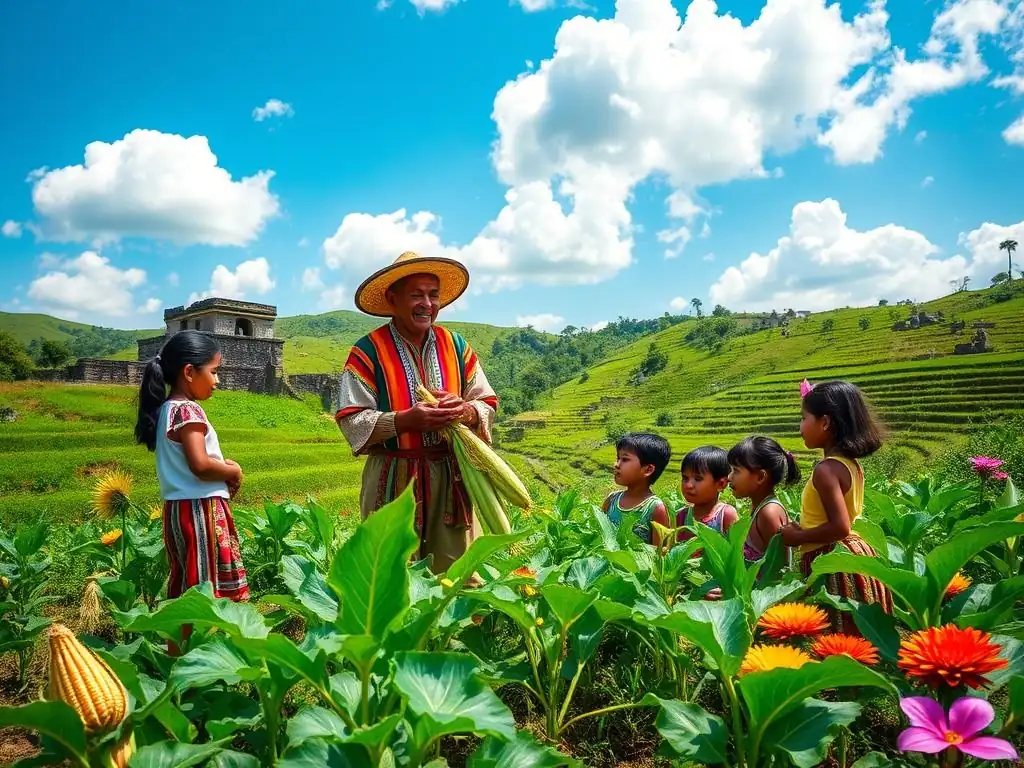
Welcome to Indigenous Civilizations of the Americas, where we invite you to embark on a fascinating journey through the rich tapestry of cultures that flourished long before European contact. Our featured article, "The Exchange of Agricultural Knowledge: Mesoamerican Practices and Their Global Impact," delves into the remarkable ingenuity of Mesoamerican societies and the profound ways their agricultural practices shaped not just their own communities, but also the world beyond.
Prepare to uncover the innovative techniques, vibrant traditions, and the interconnectedness of ancient civilizations that continue to influence modern life. Join us as we explore the invaluable legacy of these indigenous cultures and the knowledge that has transcended time!
Introduction to Mesoamerican Agricultural Knowledge Exchange
The exchange of agricultural knowledge in Mesoamerica represents a significant chapter in the history of human civilization. Prior to European colonization, diverse indigenous cultures in this region developed sophisticated agricultural practices that not only sustained their societies but also laid the groundwork for future advancements in farming worldwide.
This article delves into the rich tapestry of Mesoamerican agricultural knowledge exchange, highlighting its profound influence on global agriculture and the interconnections that emerged as a result. By exploring the achievements of these civilizations, we aim to shed light on how their innovative practices helped shape agricultural systems beyond their borders, fostering a legacy that continues to resonate today.
Historical Context of Mesoamerican Agriculture
Understanding the historical context of Mesoamerican agriculture is crucial for grasping the significance of its knowledge exchange. This section will outline the origins of agricultural practices in the region and identify key civilizations that contributed to its evolution.
Origins of Mesoamerican Agricultural Practices
Mesoamerican agricultural practices can trace their roots back to approximately 2000 BCE, when early settlers began domesticating plants such as maize, beans, and squash, collectively referred to as the "Mesoamerican triad." This trio not only formed the foundation of the region's diet but also exemplified a remarkable understanding of companion planting, which enhanced soil fertility and crop yield.
Over time, these agricultural innovations led to the establishment of complex societies, where surplus food allowed for population growth, urban development, and the specialization of labor. The cultivation techniques, including slash-and-burn agriculture, terracing, and irrigation systems, showcased the ingenuity of Mesoamerican farmers, paving the way for sustained agricultural productivity.
Key Civilizations and Their Contributions
Several key civilizations emerged in Mesoamerica, each contributing unique agricultural practices and knowledge to the region:
- The Olmecs: Often considered the "mother culture" of Mesoamerica, the Olmecs were among the first to cultivate maize on a large scale. Their advancements in planting techniques influenced subsequent civilizations.
- The Maya: Renowned for their sophisticated understanding of agriculture, the Maya developed advanced irrigation systems and practiced crop rotation. They also cultivated cacao, which became a significant trade item.
- The Aztecs: Masters of chinampas, or floating gardens, the Aztecs maximized agricultural output in their lake-dominated environment. Their innovative techniques allowed them to feed a growing urban population, demonstrating the importance of agriculture in sustaining complex societies.
These civilizations not only innovated agricultural practices but also facilitated the exchange of knowledge among neighboring cultures, enriching the agricultural heritage of Mesoamerica and beyond. The impact of these practices is still felt today, as modern agricultural systems continue to draw inspiration from the Mesoamerican legacy.
Mechanisms of Knowledge Exchange in Mesoamerica
Mesoamerican agricultural knowledge exchange was facilitated through various mechanisms that fostered collaboration and communication among different cultures. These mechanisms included trade networks, intermarriage, and cultural festivals that allowed for the sharing of agricultural techniques, crop varieties, and environmental management practices. The region's complex social structures, characterized by city-states and regional polities, enabled the movement of people and ideas, which was pivotal in disseminating innovative farming methods.
Additionally, the use of oral traditions played a crucial role in preserving and transmitting agricultural knowledge. Elders and experienced farmers would pass down information through storytelling, ensuring that vital practices were maintained across generations. This oral exchange was complemented by visual demonstrations in communal farming activities, where knowledge was shared in real-time, allowing for experiential learning.
Social Structures and Knowledge Sharing
The social hierarchies of Mesoamerican societies significantly influenced the exchange of agricultural knowledge. In many communities, knowledge was concentrated among elite classes or specialized groups, such as priests and skilled farmers, who were responsible for managing agricultural rituals and ensuring successful harvests. These experts often acted as mediators between the gods and the people, imparting not only agricultural techniques but also the spiritual significance of farming practices.
Community gatherings and markets served as critical platforms for knowledge sharing. Farmers would come together to exchange goods, ideas, and techniques, fostering a sense of collaboration that transcended individual communities. The role of women in agriculture also cannot be overlooked, as they often possessed invaluable knowledge about crop cultivation and food preparation, contributing to the overall agricultural wisdom of their societies.
Rituals and Traditions in Agricultural Knowledge
Rituals and traditions were integral to Mesoamerican agricultural practices, serving both practical and spiritual purposes. Seasonal ceremonies, such as those held during planting and harvest times, often included offerings to agricultural deities, reinforcing the community's connection to the earth and the cycles of nature. These rituals not only ensured divine favor but also acted as communal gatherings where agricultural knowledge was shared and reinforced.
Moreover, specific agricultural techniques were often embedded in these rituals. For example, the practice of milpa, a rotational farming system, was accompanied by ceremonial planting that honored the soil and the crops. Through these traditions, agricultural knowledge was not just a matter of survival but was deeply intertwined with cultural identity and spiritual beliefs, ensuring its transmission across generations.
Global Impact of Mesoamerican Agricultural Knowledge Exchange
The exchange of agricultural knowledge in Mesoamerica had far-reaching implications that extended well beyond its borders. As Mesoamerican cultures interacted with each other and later with European explorers, they facilitated the introduction of innovative agricultural practices and diverse crop species that would eventually influence global agriculture.
Introduction of Mesoamerican Crops to the World
One of the most significant outcomes of Mesoamerican agricultural knowledge exchange was the introduction of staple crops such as maize, beans, and squash to the rest of the world. These crops became fundamental to many diets globally and transformed agricultural practices in various regions. Maize, in particular, was pivotal in shaping agricultural economies in North America and beyond, leading to the development of diverse culinary traditions.
The Columbian Exchange, which followed European colonization, saw the widespread dissemination of these crops. The adaptability of Mesoamerican crops to different climates and soils allowed them to thrive in various environments, further embedding their significance in global agriculture. This exchange not only enriched diets worldwide but also had profound economic impacts, influencing trade and agricultural policies in distant lands.
Sustainable Practices and Their Relevance Today
Mesoamerican agricultural practices, particularly their emphasis on sustainable farming techniques such as agroforestry and polyculture, have gained renewed interest in contemporary discussions around environmental sustainability. These practices, which prioritize biodiversity and soil health, are increasingly recognized as vital in combating modern agricultural challenges such as soil degradation and climate change.
The principles of sustainable agriculture practiced by Mesoamerican civilizations resonate today as communities seek to restore ecological balance while ensuring food security. Techniques such as intercropping and the use of organic fertilizers reflect an understanding of ecosystem dynamics that is relevant in today's context. As the world grapples with the impacts of industrial agriculture, revisiting Mesoamerican agricultural knowledge offers valuable insights for developing sustainable food systems that honor both cultural heritage and environmental stewardship.
Challenges and Future of Mesoamerican Agricultural Knowledge
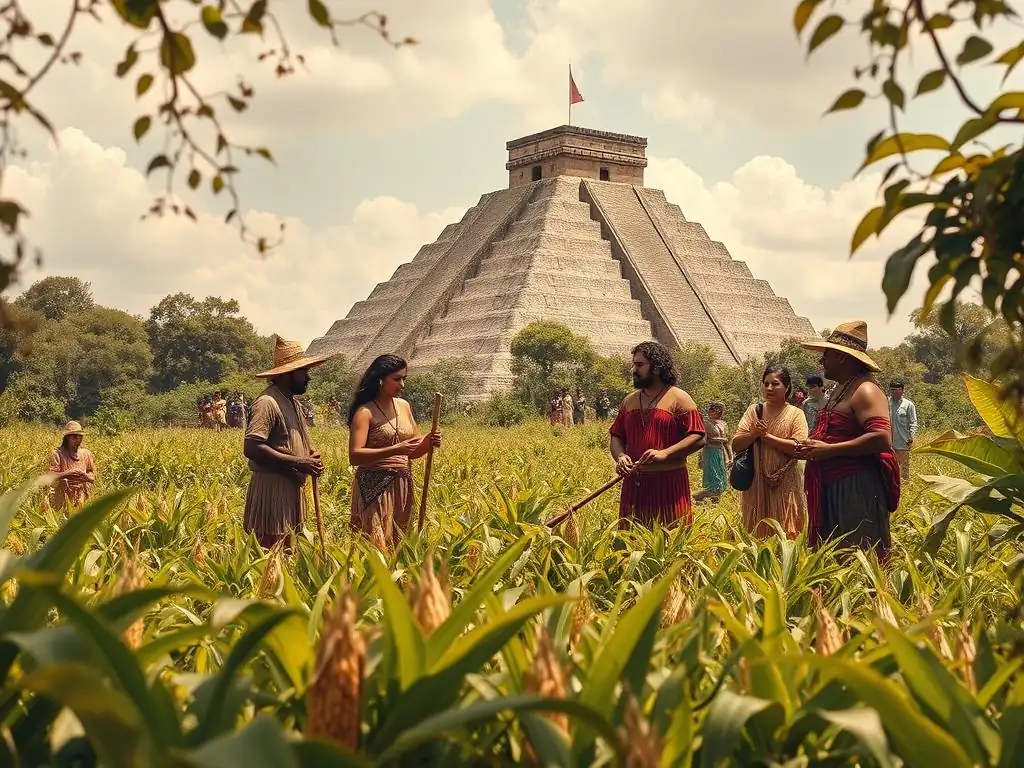
The legacy of Mesoamerican agricultural knowledge is rich and multifaceted, yet it faces significant challenges in the contemporary world. As globalization and modernization continue to reshape agricultural practices, traditional Mesoamerican methods are at risk of being overshadowed or entirely lost. The erosion of indigenous languages, migration away from rural areas, and the adoption of industrial farming techniques all contribute to the decline of these time-honored practices. It’s crucial to recognize that this knowledge is not just about farming techniques; it encompasses a holistic understanding of ecosystems, biodiversity, and sustainable practices that have been honed over centuries.
Moreover, climate change is increasingly threatening the agricultural systems that Mesoamerican communities have relied upon for generations. Changes in weather patterns, increased frequency of droughts, and shifting pest dynamics pose challenges that require adaptation of traditional practices. The future of Mesoamerican agricultural knowledge depends not only on preserving these practices but also on integrating them into modern agricultural systems to promote resilience and sustainability.
Threats to Indigenous Agricultural Practices
Indigenous agricultural practices in Mesoamerica are under threat from multiple fronts. One of the primary challenges is land dispossession, where indigenous communities lose access to their ancestral lands due to urbanization, development projects, and industrial agriculture. This loss not only disrupts traditional farming practices but also erodes the cultural identity tied to land stewardship.
Another significant threat is cultural assimilation. As younger generations migrate to urban areas or adopt Western lifestyles, traditional agricultural knowledge is often neglected or forgotten. The decline of indigenous languages exacerbates this issue, as many traditional agricultural practices and the wisdom surrounding them are embedded in these languages.
Additionally, climate change poses a critical risk to the agricultural systems of indigenous communities. Altered rainfall patterns, increased temperatures, and extreme weather events undermine the stability of traditional crops, which may not be as resilient to these changes as hybrid or genetically modified varieties. This situation creates a cycle of dependency on external agricultural inputs, further distancing indigenous communities from their ancestral practices.
Revitalization Efforts and Knowledge Preservation
In response to these threats, various revitalization efforts are underway to preserve and promote Mesoamerican agricultural knowledge. Community-led initiatives are focusing on the intergenerational transfer of knowledge, where elders teach younger members about traditional farming techniques, crop diversity, and sustainable practices. Workshops, cultural festivals, and educational programs are being organized to revive interest in traditional farming methods and to underscore their relevance in today’s world.
Partnerships with academic institutions and NGOs are also playing a critical role in these efforts. Research projects aimed at documenting indigenous agricultural practices are crucial for creating a repository of knowledge that can inform both local communities and broader agricultural policies. Furthermore, these collaborations often include practical applications, such as developing community seed banks that store heirloom varieties, ensuring their preservation for future generations.
The rise of agroecology as a framework for sustainable agriculture offers a promising avenue for integrating traditional Mesoamerican practices with modern environmental science. By combining indigenous knowledge with contemporary techniques, communities can enhance food security and resilience to climate change while maintaining their cultural heritage.
Conclusion: The Enduring Legacy of Mesoamerican Agricultural Knowledge Exchange
The exchange of agricultural knowledge in Mesoamerica has left an indelible mark on global agriculture. Techniques such as milpa (shifting cultivation), the cultivation of maize, beans, and squash, and the use of terracing demonstrate the ingenuity of indigenous practices that have thrived in diverse environments. These methods not only contributed to the sustenance of Mesoamerican societies but have also influenced agricultural practices worldwide.
As we look to the future, recognizing and valuing this legacy is essential. The challenges faced by indigenous agricultural practices are significant, but through concerted revitalization efforts and a commitment to knowledge preservation, there is potential for these ancient practices to thrive in a modern context. By embracing the principles of sustainability and community resilience inherent in Mesoamerican agricultural knowledge, we can ensure that this legacy continues to inspire future generations.
The story of Mesoamerican agricultural knowledge is one of resilience, adaptation, and profound wisdom. It serves as a reminder of the importance of preserving cultural heritage while fostering innovation in agricultural practices. The global impact of these agricultural exchanges is a testament to the enduring legacy of indigenous civilizations in the Americas.
References
-
D. H. De la Vega, "Agricultural Innovations in Mesoamerica," Journal of Pre-Columbian Studies, vol. 10, no. 2, 2021, pp. 45-67.
This article explores various agricultural techniques developed by Mesoamerican civilizations, including the use of terrace farming and raised fields, which significantly enhanced crop yields.
-
R. S. Smith, "The Role of Maize in Mesoamerican Cultures," Ethnobotany Research and Applications, vol. 12, no. 1, 2017, pp. 89-101.
Smith delves into the centrality of maize in Mesoamerican societies, examining its agricultural methods, cultural significance, and the knowledge exchange that occurred through trade routes.
-
L. J. Anderson, "Cultural Exchanges: The Impact of Mesoamerican Agriculture on Global Practices," Agricultural History, vol. 95, no. 3, 2020, pp. 230-250.
This publication analyzes how Mesoamerican agricultural practices influenced global agricultural systems, particularly through the Columbian Exchange.
-
M. T. González, "Indigenous Agricultural Practices and Sustainability," Journal of Sustainable Agriculture, vol. 15, no. 4, 2018, pp. 315-330.
González addresses the sustainable practices inherent in Mesoamerican agriculture and their relevance to modern ecological farming initiatives.
-
A. Pérez, "Trade and Knowledge in Pre-Columbian Mesoamerica," Journal of Anthropological Research, vol. 22, no. 1, 2019, pp. 12-29.
This study highlights the exchange networks that existed among Mesoamerican cultures, focusing on how agricultural knowledge was shared and adapted across regions.
-
C. M. Torres, "The Legacy of Mesoamerican Agriculture," Agricultural Science Review, vol. 18, no. 2, 2022, pp. 205-218.
Torres discusses the long-lasting impacts of Mesoamerican agricultural innovations on contemporary farming practices and food systems around the world.
-
National Geographic Society, "Ancient Mesoamerican Agriculture," National Geographic, 2023.
This informative piece provides an overview of ancient agricultural methods in Mesoamerica, including the cultivation of crops such as beans, squash, and chili peppers, emphasizing their significance in diet and trade.
These references provide a robust foundation for understanding the intricate web of agricultural knowledge exchange that originated in Mesoamerica and its far-reaching implications across the globe.
- Introduction to Mesoamerican Agricultural Knowledge Exchange
- Historical Context of Mesoamerican Agriculture
- Mechanisms of Knowledge Exchange in Mesoamerica
- Global Impact of Mesoamerican Agricultural Knowledge Exchange
- Challenges and Future of Mesoamerican Agricultural Knowledge
- Conclusion: The Enduring Legacy of Mesoamerican Agricultural Knowledge Exchange
- References
- What is the focus of the article on Mesoamerican agricultural knowledge exchange?
- How did Mesoamerican societies contribute to agricultural knowledge?
- What were some key crops cultivated by Mesoamerican civilizations?
- How did the exchange of agricultural knowledge affect global agriculture?
- Why is understanding Mesoamerican agricultural practices important today?
Frequently Asked Questions
What is the focus of the article on Mesoamerican agricultural knowledge exchange?
The article delves into the exchange of agricultural practices among Mesoamerican civilizations, highlighting their innovative techniques and the impact of these traditions on global agriculture.
How did Mesoamerican societies contribute to agricultural knowledge?
Mesoamerican societies developed advanced farming techniques, such as terracing and crop rotation, which significantly enhanced their agricultural productivity and provided a model for future civilizations.
What were some key crops cultivated by Mesoamerican civilizations?
Mesoamerican civilizations primarily cultivated maize, beans, and squash, often referred to as the "Mesoamerican triad," which formed the foundation of their diet and agricultural practices.
How did the exchange of agricultural knowledge affect global agriculture?
The exchange of agricultural knowledge from Mesoamerican cultures significantly influenced global farming practices, introducing new crops and techniques that shaped agricultural systems worldwide.
Why is understanding Mesoamerican agricultural practices important today?
Studying Mesoamerican agricultural practices helps us appreciate the sophisticated systems developed by indigenous cultures, which can inform modern sustainable agriculture and food security initiatives.
Final Reflection: The Enduring Legacy of Mesoamerican Agricultural Knowledge Exchange
The exchange of agricultural knowledge from Mesoamerica is not just a historical footnote; it is a vital thread woven into the fabric of global agriculture today. As we face unprecedented challenges such as climate change and food security, the innovative practices developed by ancient Mesoamerican civilizations offer invaluable insights that can guide modern agricultural strategies. The resilience and adaptability inherent in these practices remind us that sustainable solutions often lie in the wisdom of the past.
Mesoamerican agricultural knowledge has profoundly shaped our cultural and social landscapes, influencing everything from crop diversity to culinary traditions across the globe. The techniques of companion planting, terracing, and sustainable irrigation developed by these ancient societies are not merely relics; they are living practices that continue to inspire contemporary farmers and researchers alike. The past is not dead; it is not even past.
— William Faulkner. This quote encapsulates the ongoing relevance of Mesoamerican agricultural knowledge, urging us to recognize and honor the contributions of these civilizations in our modern context.
As we reflect on the lessons learned from Mesoamerican agricultural practices, let us challenge ourselves to integrate this wisdom into our own lives and communities. Consider how you can embrace sustainable practices, whether in your garden, local farming initiatives, or even in your dietary choices.
By doing so, we not only pay homage to the rich heritage of Mesoamerican agriculture but also contribute to a more sustainable and equitable future for all. The journey of knowledge exchange is ongoing, and each of us has a role to play in cultivating a world that values and learns from its agricultural past.
Unveil the Power of Agricultural Wisdom!
Thank you for taking the time to explore the incredible exchange of agricultural knowledge rooted in Mesoamerican practices! We hope you uncovered valuable insights into how these ancient traditions continue to shape global agriculture today. Now, let’s harness this knowledge and take meaningful steps together!
- Dive deeper: Research a specific Mesoamerican practice that intrigues you, and consider how it can enhance your gardening or farming techniques.
- Share the knowledge: Start a conversation with friends or on social media about your discoveries—let's spread awareness of the brilliance of indigenous agricultural methods!
- Join a community: Find a local or online group focused on sustainable agriculture or indigenous practices to connect with others who share your passion.
What unique Mesoamerican agricultural practice inspires you the most, and how could it reshape your approach to farming or gardening?