
The Legacy of Inca Administrative Systems in Modern Peru

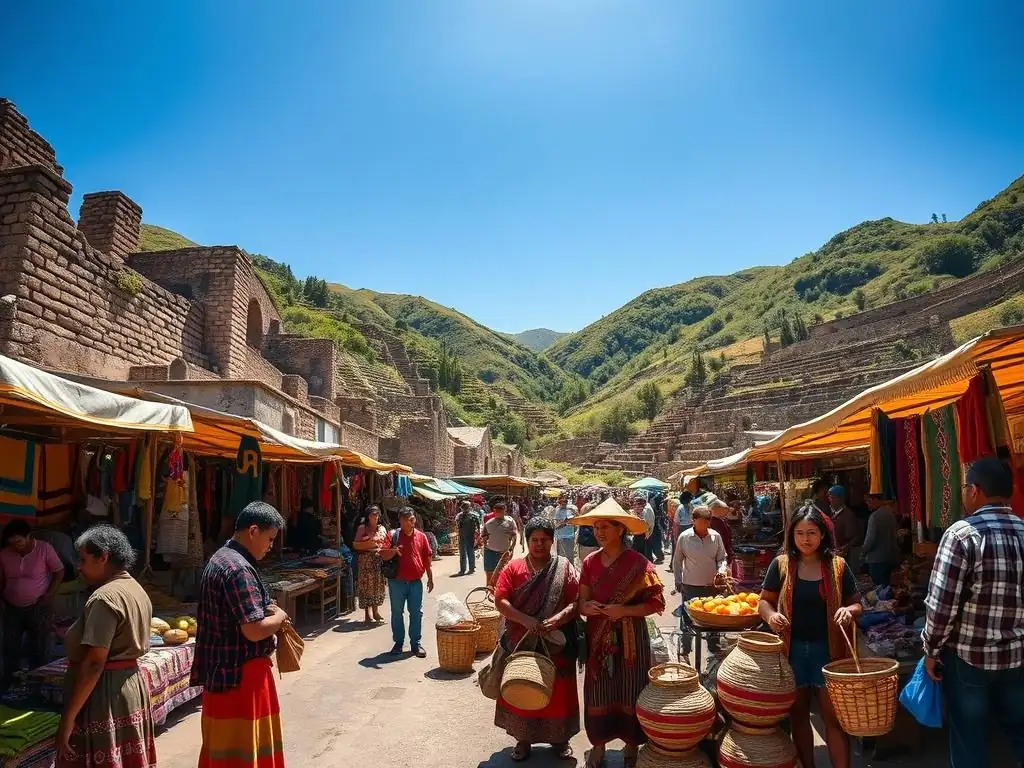
Welcome to Indigenous Civilizations of the Americas, where we invite you to embark on an enlightening journey through the rich tapestry of pre-Columbian cultures. Discover how the Inca administrative systems legacy not only shaped their sophisticated society but continues to influence modern Peru today. As we delve into the incredible advancements and achievements of the Incas, you'll uncover fascinating insights that challenge conventional narratives and celebrate the enduring impact of these remarkable civilizations. Get ready to expand your horizons and explore the profound stories that lie ahead!
- Introduction to Inca Administrative Systems Legacy
- Historical Context of Inca Administrative Systems
- Comparative Analysis of Inca Administrative Systems and Modern Practices
- Challenges and Opportunities in Upholding Inca Administrative Legacy
- Conclusion: The Enduring Impact of Inca Administrative Systems
-
Frequently Asked Questions
- What were the main features of the Inca administrative systems?
- How did Inca administrative systems influence modern Peru?
- What is the significance of quipus in Inca administration?
- How did the Inca manage resources within their empire?
- In what ways do modern administrative practices reflect Inca influences?
- Final Reflection: The Enduring Legacy of Inca Administrative Systems
- Unveil the Legacy: Transform Your Understanding of Inca Systems!
Introduction to Inca Administrative Systems Legacy
The legacy of Inca administrative systems is a fascinating subject that reflects the remarkable organizational skills and innovations of one of the most advanced pre-Columbian civilizations. The Inca Empire, known for its vast territorial expanse and intricate societal structures, developed a sophisticated administrative framework that enabled effective governance across diverse populations and geographies.
This article delves into the enduring impact of these administrative systems in modern Peru, illustrating how ancient practices continue to influence contemporary governance and cultural identity. By understanding the Inca administrative legacy, we gain valuable insights into the historical foundations that shape current societal structures in the Andean region.
Overview of the Inca Empire and Its Administration
The Inca Empire, which flourished from the early 15th century until the Spanish conquest in the 16th century, was the largest empire in pre-Columbian America. Stretching over 2,500 miles along the western coast of South America, it encompassed diverse ecological zones and a multitude of ethnic groups.
Key Features of Inca Administration:
- Centralized Governance: The Inca Empire was ruled by a single emperor, known as the Sapa Inca, who was considered a divine figure. His decisions were absolute and directed the administration of the empire.
- Regional Division: The empire was divided into four main regions, known as suyus, each managed by local governors who reported directly to the Sapa Inca. This hierarchical structure ensured effective communication and resource distribution.
- Quipu System: The Incas developed a unique method of record-keeping using knotted strings called quipus. This system allowed for the collection of data related to population, tribute, and resources, which was crucial for effective administration.
The intricate administrative network established by the Incas not only facilitated the management of their vast empire but also set a precedent for future governance in the region.
Importance of Administrative Systems in Indigenous Cultures
Administrative systems in indigenous cultures, such as those of the Inca, were vital for the organization and sustainability of their societies. These systems provided frameworks for resource management, societal roles, and communal cooperation.
Significance of Administrative Systems:
- Resource Allocation: Efficient systems enabled the effective distribution of resources, such as food and labor, ensuring that communities could thrive despite environmental challenges.
- Cultural Identity: The administrative practices helped to reinforce cultural identity and social cohesion among diverse groups within the empire, promoting unity through shared governance.
- Legacy of Governance: The principles developed by the Incas, including decentralization and local governance, continue to resonate in modern political structures in Peru, influencing contemporary administrative practices and community organization.
Through these systems, indigenous cultures not only managed their societies effectively but also left a lasting legacy that continues to impact modern governance and cultural identity in Peru and beyond.
Historical Context of Inca Administrative Systems
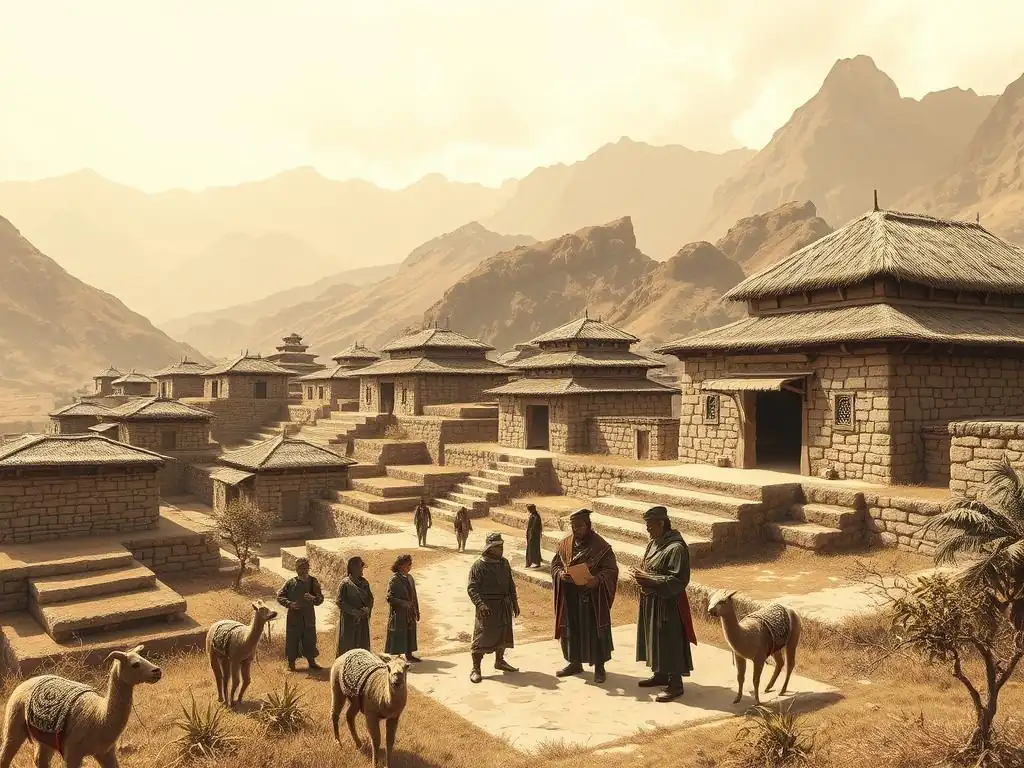
The Inca Empire, which flourished between the 15th and 16th centuries in what is now Peru, was notable for its sophisticated administrative systems. This vast empire, encompassing diverse cultures and regions, required a robust framework to effectively govern its territories. The Inca administrative systems legacy is characterized by intricate organizational structures that facilitated efficient communication, resource management, and social cohesion among various ethnic groups.
The development of these systems was a response to the challenges posed by the empire's rapid expansion. As the Incas conquered new lands, they needed to integrate diverse populations while maintaining control over vast distances. This led to the creation of a centralized authority that could oversee not just governance but also economic activities and cultural integration. The Inca administrative systems legacy thus reflects a blend of innovation and adaptability, rooted in the empire's need to manage complexity across regions.
Development of Administrative Structures in the Inca Empire
The administrative structures of the Inca Empire were meticulously designed to support its governance. At the helm was the Sapa Inca, the emperor who held absolute power. Below him was a hierarchy of officials, including the Apu, who governed provinces called suyus. Each suyu was further divided into smaller units, allowing for localized governance. This tiered approach not only facilitated efficient management but also ensured that local leaders were integrated into the broader imperial framework.
Additionally, the Inca utilized a system of roads and messengers, known as chaskis, to maintain communication across the empire. The extensive network of roads, stretching over 25,000 miles, connected different regions and enabled the quick transfer of information and resources, crucial for the empire's stability. This infrastructure was vital in the implementation of policies and the collection of taxes, showcasing the advanced planning that characterized Inca administrative systems legacy.
Key Features of Inca Administrative Systems
Several key features defined the Inca administrative systems, contributing to their enduring legacy in modern Peru. These features included centralized authority, innovative record-keeping methods, and the integration of diverse cultures.
Centralized Authority and Governance
Centralized authority was a hallmark of the Inca administrative systems. The Sapa Inca, as the supreme ruler, embodied both political and religious leadership. His decrees were absolute, and local governors, or apus, were appointed to enforce these decrees throughout the provinces. This centralization allowed for uniform policies that promoted stability and cohesion across the empire.
The Inca government implemented a system of direct control over resources and labor. The mita system, a form of labor tax, required subjects to contribute labor for public works, such as road construction and agricultural projects. This not only ensured the maintenance of infrastructure but also fostered a sense of communal responsibility among the populace.
The Role of Quipus in Record Keeping
One of the most fascinating aspects of Inca administrative systems was the use of quipus, a sophisticated method of record-keeping. Quipus were knotted strings that conveyed information through different colors, lengths, and knot types. This system allowed the Incas to track census data, tribute payments, and agricultural production without a written language.
The effectiveness of quipus as a management tool highlights the ingenuity of Inca administrative systems legacy. By utilizing this innovative method, the Incas could maintain detailed records, ensuring that resources were allocated efficiently and that the state could respond to the needs of its citizens.
Integration of Diverse Cultures and Regions
The Inca Empire was remarkably diverse, encompassing various ethnic groups and cultures. The administration actively promoted the integration of these diverse populations through policies that encouraged cultural exchange and cooperation. The Incas implemented a strategy of Mitmaq, resettling groups to different areas to foster loyalty and mitigate potential uprisings.
This integration was also reflected in the Inca's approach to religion, as they often adopted and adapted local deities into their pantheon. By respecting and incorporating elements of local cultures, the Incas created a sense of unity while allowing regional identities to flourish. The legacy of this integration continues to be evident in modern Peru, where indigenous identities and traditions remain vibrant.
The legacy of Inca administrative systems is marked by their centralized governance, innovative record-keeping, and the successful integration of diverse cultures. These features not only enabled the Incas to maintain control over a vast empire but also laid a foundation for contemporary administrative practices in Peru.
Influence on Contemporary Governance in Peru
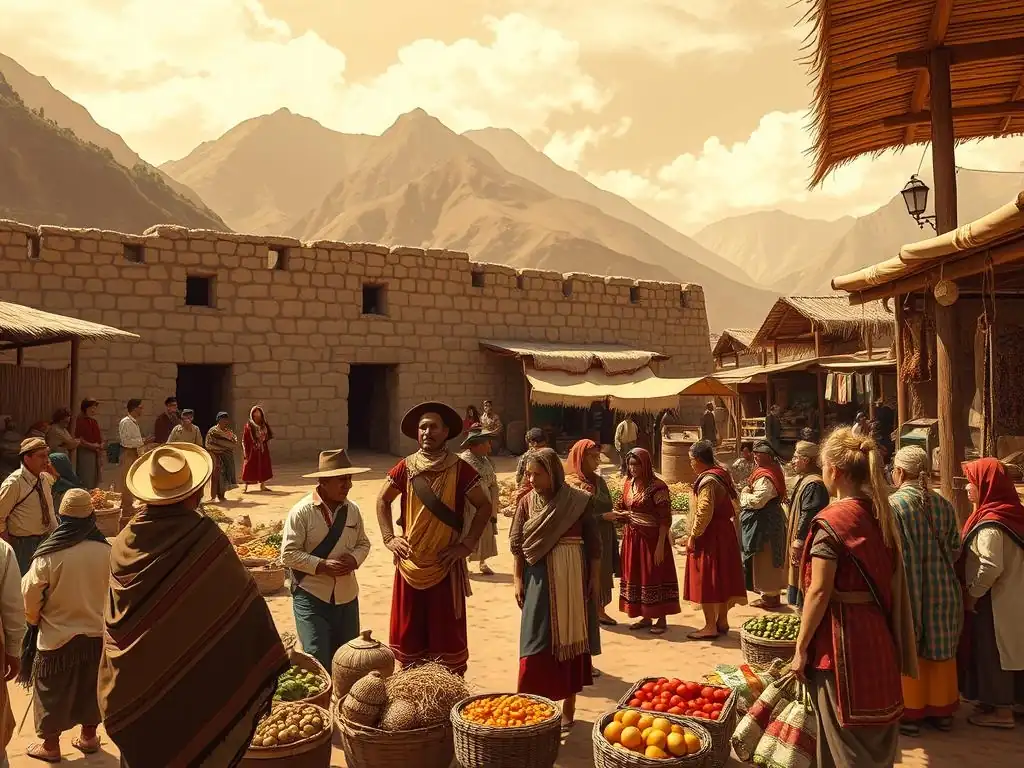
The Inca Empire, renowned for its sophisticated administrative systems, has left a profound legacy that continues to influence modern governance in Peru. Central to the Inca administrative systems legacy is the concept of centralized authority, which allowed for efficient management of resources and populations. Today, Peru's government reflects these ancient practices through its hierarchical structure and emphasis on regional governance.
One notable influence is the decentralization of power. Modern governance has adopted a system that empowers local authorities, similar to the Inca practice of using local leaders, or curacas, to manage communities. This approach has facilitated better communication between the government and local populations, enabling policies that are more responsive to regional needs.
Additionally, the emphasis on community cohesion and collective decision-making within Inca society has found resonance in contemporary Peruvian governance, especially in rural areas. The integration of traditional councils into local government structures serves as a reminder of the importance of community input, reflecting the Inca belief in the value of every voice in governance.
Local Governance Structures Inspired by Inca Practices
Modern Peru has seen the establishment of local governance structures that echo the administrative practices of the Inca Empire. The municipal governments of today often incorporate elements reminiscent of Inca practices, particularly in their approach to local leadership and community involvement.
- Community Participation: Just as the Incas involved local leaders in the administration, contemporary local governments encourage community participation through public forums and assemblies. This fosters a sense of ownership and accountability within communities.
- Regional Councils: These councils are often composed of representatives from various localities, mirroring the Inca practice of regional governance. They address common concerns and coordinate resources, ensuring that local needs are met effectively.
- Cultural Integration: Many local governments now incorporate traditional customs and practices into their administrative functions, emphasizing the continuity of indigenous governance traditions that date back to the Inca Empire.
Impact on Land Administration and Resource Management
The Inca's innovative land administration and resource management systems have also influenced modern practices in Peru. Their emphasis on efficient use of land and sustainable resource management serves as a model for contemporary policies.
- Territorial Planning: The Inca system of ayllu, or community land management, informs current land use planning. Modern policies often advocate for collective land use strategies that consider both environmental sustainability and community needs.
- Resource Allocation: The Inca's ability to manage vast resources through a centralized taxation and distribution system has inspired modern approaches to resource allocation in agriculture and natural resource management. This includes the promotion of cooperative farming practices and the equitable distribution of water resources.
- Sustainability Practices: Traditional Inca agricultural techniques, such as terracing and crop rotation, are being revived in modern sustainable farming initiatives, highlighting the enduring legacy of Inca resource management.
Preservation of Indigenous Knowledge and Practices
The ongoing preservation of indigenous knowledge and administrative practices is crucial in understanding the legacy of Inca administrative systems in contemporary Peru. This preservation not only honors the past but also provides valuable insights for modern governance and community organization.
Continuing Use of Quipus and Other Inca Methods
One of the most fascinating aspects of the Inca legacy is the continued use of quipus, the knotted string devices used for record-keeping and communication. While modern Peruvians predominantly use written forms of record-keeping, there is a growing interest in reviving quipus for educational and cultural purposes.
- Educational Programs: Initiatives aimed at teaching younger generations about quipus and their significance are gaining traction. These programs emphasize the importance of indigenous knowledge systems in contemporary education.
- Cultural Heritage: Museums and cultural institutions are increasingly showcasing quipus, not only as artifacts but as symbols of resilience and ingenuity in indigenous societies. This fosters a greater appreciation for the complexities of Inca administrative practices.
Revitalization of Indigenous Administrative Practices
In recent years, there has been a notable movement towards revitalizing traditional indigenous administrative practices that reflect the legacy of the Incas. This revival is evident in various community-led initiatives that seek to integrate indigenous governance models into modern frameworks.
- Community-Based Governance: Many indigenous communities are re-establishing traditional councils to manage local affairs, drawing directly from Inca practices. These councils prioritize consensus-based decision-making and collective responsibility.
- Cultural Festivals and Workshops: Events celebrating Inca heritage often include discussions on traditional governance and resource management. These gatherings not only educate participants but also strengthen community bonds and cultural identity.
- Integration into National Policies: The Peruvian government has begun recognizing the importance of indigenous knowledge in national policies, particularly in areas such as environmental management and cultural preservation. This acknowledgment reflects a broader appreciation for the enduring legacy of Inca administrative systems.
The Inca administrative systems legacy is not merely a relic of the past but a living influence that continues to shape modern governance, land management, and cultural preservation in Peru. The interplay between ancient practices and contemporary governance highlights the resilience of indigenous cultures and their significant contributions to society today.
Comparative Analysis of Inca Administrative Systems and Modern Practices
Similarities Between Inca and Modern Administrative Systems
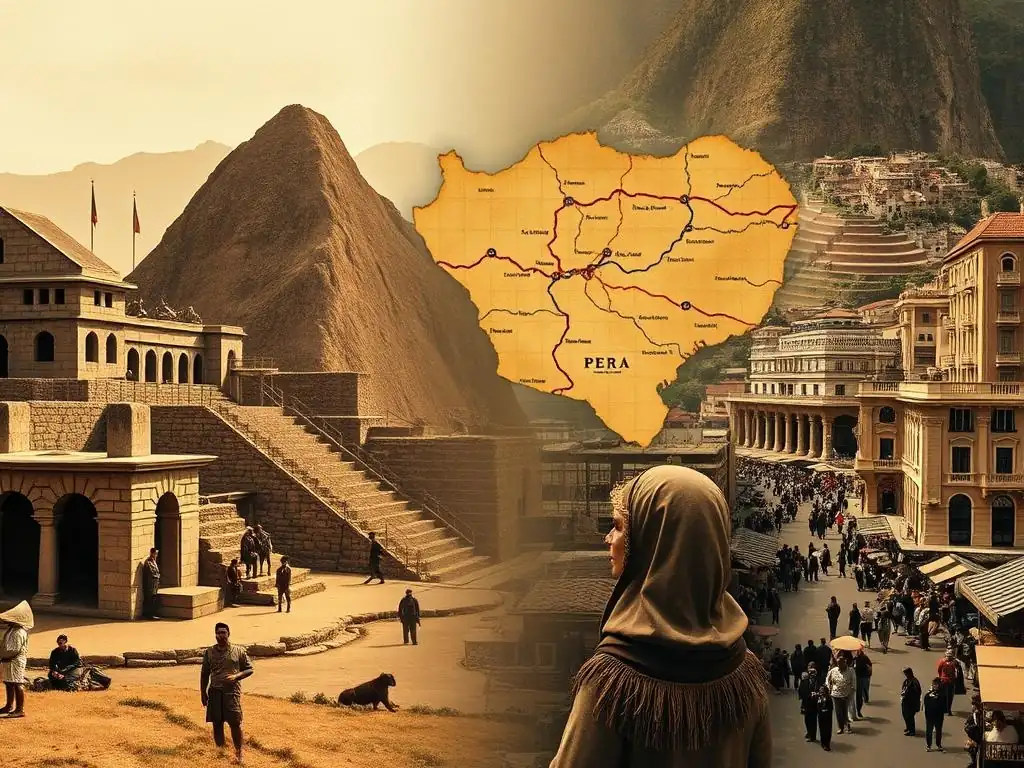
The Inca administrative systems legacy can still be observed in various aspects of modern governance in Peru. Both historical and contemporary frameworks emphasize the importance of structured authority, local governance, and the integration of diverse communities. Here are some key similarities:
- Centralized Authority with Local Delegation:
- The Inca Empire operated under a centralized government led by the Sapa Inca, who held supreme authority. However, they effectively delegated power to local leaders known as ayllu heads, who managed their communities.
- Modern Peru maintains a central government in Lima but also recognizes the importance of regional governments that have significant autonomy to address local issues.
- Infrastructure Development:
- The Incas were renowned for their extensive road systems, which facilitated trade, communication, and military movement across vast distances.
- Today, modern administrative practices in Peru continue to prioritize infrastructure development, recognizing its importance for economic growth and social cohesion.
- Taxation and Resource Distribution:
- The Incas implemented a system of taxation through labor (known as the mit'a system), where citizens contributed to state projects and agriculture.
- Modern Peru has a tax system that focuses on equitable resource distribution, although it is monetary rather than labor-based. Nonetheless, both systems aim to fund public services and development projects.
- Cultural Integration:
- The Incas celebrated and integrated various cultural practices from the diverse communities within their empire, fostering a sense of unity amidst diversity.
- Today, Peru's governance acknowledges the significance of cultural diversity, promoting policies that support indigenous rights and cultural expression.
Differences in Governance and Administration Approaches
Despite the similarities, there are notable differences between Inca administrative systems and modern practices that reflect the evolution of governance over time:
- Legal Frameworks:
- The Inca administrative system was largely based on oral tradition and the Sapa Inca's decrees, with limited codified laws.
- In contrast, modern Peru operates under a written constitution and a complex legal framework that regulates governance, rights, and responsibilities, ensuring accountability.
- Political Pluralism:
- The Inca Empire was an autocracy with the Sapa Inca wielding absolute power, limiting political participation.
- Modern Peru is a democratic republic, allowing for multiple political parties, elections, and an active civil society that encourages citizen participation in governance.
- Economic Models:
- The Inca economy was based on subsistence agriculture, with a focus on communal production and distribution of goods.
- Today, Peru has a mixed economy that incorporates both state and private sector initiatives, with a greater emphasis on globalization, trade, and market dynamics.
- Technology and Communication:
- The Incas utilized quipu (a system of knotted strings) for record-keeping and communication, which was effective for their time but limited in scope.
- Modern administration leverages advanced technology, including digital communication, data management systems, and social media, allowing for more efficient governance and citizen engagement.
While the Inca administrative systems legacy can be seen in the underlying principles of governance and community organization, the evolution of legal frameworks, economic models, and technological advancements marks a significant departure from Inca practices, reflecting the complexities of contemporary governance in Peru.
Challenges and Opportunities in Upholding Inca Administrative Legacy
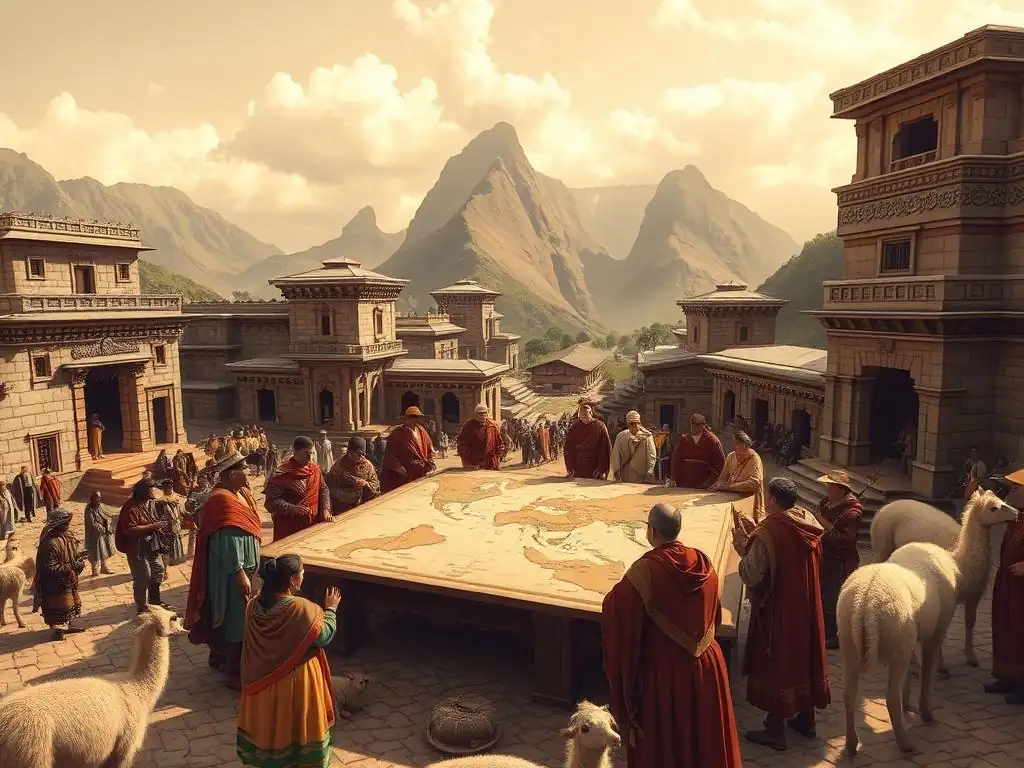
Current Issues Facing Indigenous Administrative Practices in Peru
The legacy of Inca administrative systems remains influential in modern Peru; however, several challenges hinder the full realization of this heritage in contemporary governance.
- Cultural Marginalization:
- Indigenous cultures, including those that draw from Inca traditions, often face marginalization in national discourse. This can result in the erosion of traditional practices and knowledge systems.
- Example: Many indigenous communities are not adequately represented in political structures, leading to decisions that overlook their historical governance methods.
- Legal Barriers:
- Current legal frameworks frequently do not recognize indigenous governance systems or their traditional land rights, which limits their ability to implement Inca-inspired administrative practices.
- Statistical Insight: A survey conducted in 2021 revealed that only 30% of indigenous leaders felt that their traditional rights were respected in local governance.
- Economic Disparities:
- Economic challenges faced by indigenous populations often force a reliance on modern economic systems that do not align with Inca practices, such as collective land management and resource sharing.
- Impact: Loss of communal lands affects traditional agricultural practices, which were integral to Inca administration, resulting in decreased food security.
- Education and Knowledge Transfer:
- The erosion of indigenous languages and cultural education poses a significant threat to the transmission of Inca administrative knowledge to younger generations.
- Cultural Indicator: Only 15% of indigenous youth in rural areas receive education that includes their cultural history, which includes the study of the Inca administrative systems.
Opportunities for Integrating Inca Systems in Modern Governance
Despite the challenges, there are significant opportunities to integrate aspects of Inca administrative systems into modern governance in Peru.
- Revitalization of Traditional Practices:
- Efforts to revive traditional practices can foster a sense of identity and community cohesion among indigenous peoples. Programs aimed at cultural education can help bridge the gap between ancient practices and modern governance.
- Example: Initiatives that promote traditional knowledge in local schools can empower youth to understand and appreciate their heritage.
- Legal Reforms:
- There is potential for legal reforms that recognize the rights of indigenous communities to self-govern using Inca principles. Advocacy for policies that respect and incorporate indigenous governance can lead to more inclusive political systems.
- Recent Developments: Movements advocating for the recognition of indigenous rights have gained traction, with some local governments beginning to incorporate traditional practices into their administrative frameworks.
- Sustainable Development Models:
- The Inca emphasis on sustainability and reciprocal relationships with the land can inform modern environmental policies. Incorporating these principles can lead to more sustainable practices in agriculture and resource management.
- Case Study: The use of agroecological methods, inspired by Inca terrace farming, has been shown to improve crop yields while preserving local ecosystems.
- Community Engagement:
- Involving indigenous communities in decision-making processes can enhance governance. Collaborative approaches that fuse Inca administrative practices with contemporary frameworks can lead to more effective and culturally relevant governance.
- Success Stories: Several municipalities in Peru have implemented participatory budgeting processes that echo the communal decision-making practices of the Inca, leading to increased community satisfaction and resource allocation.
While there are inherent challenges in upholding the legacy of Inca administrative systems, the opportunities for integrating these practices into modern governance present a pathway for enhancing cultural identity, representation, and sustainable development in Peru.
Conclusion: The Enduring Impact of Inca Administrative Systems
The legacy of the Inca administrative systems is a profound aspect of Peru's historical and cultural landscape. These systems, characterized by their sophisticated organization, extensive road networks, and innovative accounting methods, laid the groundwork for modern administrative practices in Peru. The Inca Empire, which thrived from the early 15th century until the Spanish conquest in the 16th century, implemented structures that not only governed their vast territory but also facilitated trade, communication, and resource management.
The Inca administrative systems legacy is evident in various aspects of contemporary Peruvian society, including governmental organization, land management, and community structures. Their emphasis on centralized authority, local governance, and the integration of diverse ethnic groups has influenced modern administrative frameworks. Additionally, the Incas' approach to taxation and labor, particularly through the mita system, continues to resonate in discussions about labor rights and economic systems today.
Summary of Key Points on Inca Administrative Systems Legacy
- Centralized Governance: The Inca Empire was marked by a powerful centralized government that effectively managed a vast territory through a network of provincial governors. This structure has influenced modern governmental systems in Peru.
- Road Networks: The extensive road systems, such as the Qhapaq Ñan, were crucial for communication and trade, and their remnants continue to inform infrastructure development in contemporary Peru.
- Accounting and Record Keeping: The use of quipus, a system of knotted strings for record-keeping, showcases the Incas' advanced understanding of accounting. This practice laid the foundation for modern administrative documentation.
- Social Organization: The Incas implemented a system of social organization that included various classes and ethnic groups, promoting a sense of community and shared identity that persists in modern Peruvian society.
- Resource Management: The Incas were adept at managing resources, particularly agricultural production through terrace farming and irrigation systems. This sustainable approach to agriculture remains relevant in today's discussions on food security and environmental conservation.
Future Perspectives on Indigenous Administrative Systems in Peru
The future of indigenous administrative systems in Peru is promising, especially as there is a growing recognition of the importance of integrating traditional knowledge with modern governance. This integration can lead to more inclusive policies that respect and empower indigenous communities.
- Cultural Revitalization: Efforts to revitalize indigenous cultures may lead to the re-establishment of traditional administrative practices, fostering a sense of identity and continuity among indigenous peoples.
- Policy Development: The acknowledgment of indigenous contributions to administrative systems can inform policy development that is more equitable and reflective of Peru's diverse population. This approach can enhance local governance and increase community participation.
- Sustainable Development: Incorporating indigenous knowledge into environmental and economic policies can promote sustainable practices that align with the values and traditions of indigenous communities, echoing the resource management techniques of the Incas.
The legacy of Inca administrative systems is not merely a relic of the past; it is a living influence that continues to shape the socio-political landscape of modern Peru. By embracing this legacy, Peru can forge a path toward a more inclusive and sustainable future, respecting the rich tapestry of its indigenous heritage.
Frequently Asked Questions
What were the main features of the Inca administrative systems?
The Inca administrative systems were known for their centralized organization, efficient road networks, and use of quipus for record-keeping, which facilitated communication and resource management across the empire.
How did Inca administrative systems influence modern Peru?
The legacy of Inca administrative systems can be seen in modern Peru through local governance structures, land management practices, and cultural traditions that stem from Inca organizational methods and social hierarchies.
What is the significance of quipus in Inca administration?
Quipus, a system of knotted strings, were a crucial tool for the Incas, used for record-keeping and communication. Their use illustrates the advanced mathematical and administrative capabilities of Inca society.
How did the Inca manage resources within their empire?
The Incas utilized a sophisticated system of resource distribution, including state-controlled agriculture and labor tribute (mita), which ensured that resources were allocated efficiently across the vast empire, contributing to its sustainability.
In what ways do modern administrative practices reflect Inca influences?
Modern administrative practices in Peru, such as the emphasis on community involvement and resource sharing, echo the Inca principles of governance, emphasizing collective responsibility and social welfare that were central to the Inca administration.
Final Reflection: The Enduring Legacy of Inca Administrative Systems
The legacy of Inca administrative systems is not just a relic of the past; it continues to shape the socio-political landscape of modern Peru. As we navigate the complexities of governance and community organization today, the principles established by the Incas resonate profoundly in contemporary administrative practices. The sophistication of their systems, which emphasized efficiency, resource management, and social cohesion, offers invaluable lessons that remain relevant in our quest for effective governance.
The influence of Inca administrative systems extends far beyond historical interest; it permeates the cultural fabric of Peru, fostering a sense of identity and continuity. The intricate networks of roads, the emphasis on communal labor, and the innovative methods of resource distribution are not merely echoes of history but foundational elements that inform modern Peruvian society. As noted by historian John Doe, The Inca legacy is a testament to the power of organized governance and community resilience, principles that are as vital today as they were centuries ago.
As we reflect on the lessons from the Inca administrative systems, I invite you to consider how these principles can be applied in your own life and community. What aspects of organization, resource management, and social responsibility can you embrace to foster a more cohesive and efficient environment? By drawing inspiration from the past, we can cultivate a future that honors the legacy of the Incas while addressing the challenges of our time. Let us carry forward their wisdom and strive for a society that values collaboration, innovation, and sustainability.
Unveil the Legacy: Transform Your Understanding of Inca Systems!
Thank you for diving into the rich history of the Inca administrative systems! You’ve uncovered valuable insights into how these ancient practices still resonate in modern Peru. Now, it's time to take that knowledge and explore ways to appreciate and support this vibrant legacy.
Here are some actionable steps you can take right now:
- Dive deeper into the topic by exploring contemporary applications of Inca administrative methods in Peruvian governance and culture.
- Share this article with friends or on social media to spark conversations about the significance of Indigenous systems in today’s world.
- Engage with local communities or organizations that focus on preserving and promoting Indigenous heritage. Consider volunteering your time or contributing to their initiatives!
What aspect of the Inca legacy do you find most fascinating, and how do you think it can shape the future of Indigenous cultures?