
Cultural Celebrations: Events That Foster Public Understanding of Indigenous Histories

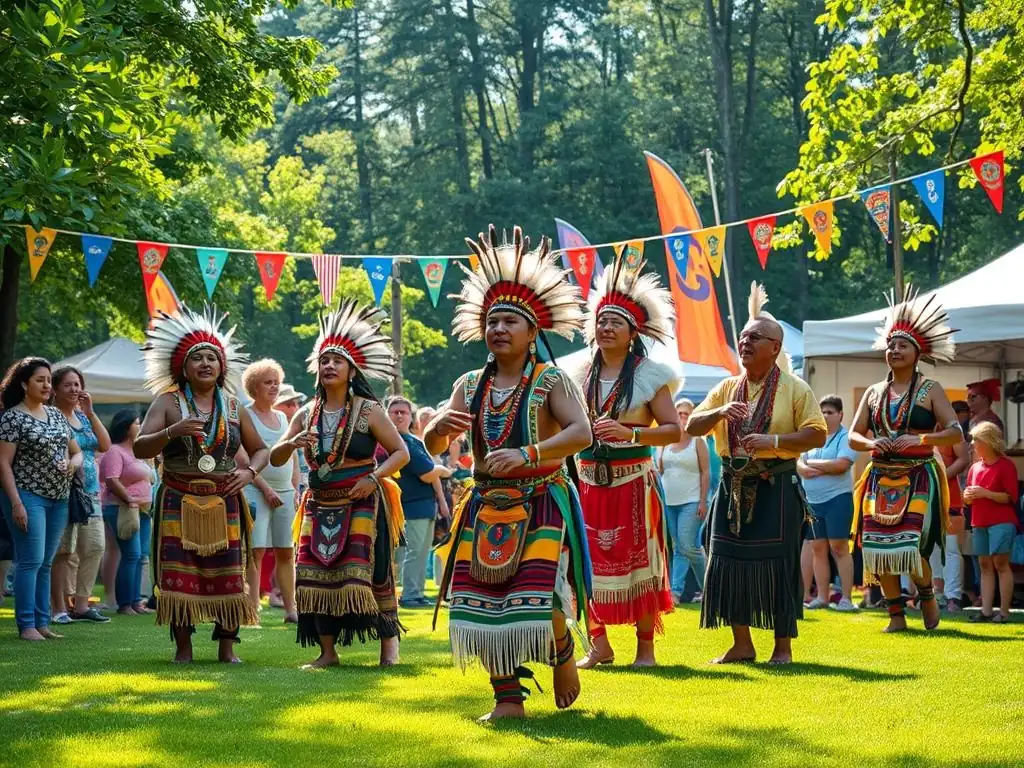
Welcome to Indigenous Civilizations of the Americas, where we invite you to embark on a fascinating journey through the rich tapestry of indigenous cultures that flourished long before European contact. Our latest article, “Cultural Celebrations: Events That Foster Public Understanding of Indigenous Histories,” delves into the vibrant indigenous cultural celebrations events that not only showcase unique traditions but also play a crucial role in educating the public about the profound histories and contributions of these remarkable societies.
As you explore, you'll uncover the stories behind these celebrations and their enduring impact on contemporary culture. Join us in honoring the past while fostering a deeper understanding of the present—your adventure begins here!
- Introduction to Indigenous Cultural Celebrations Events
- Types of Indigenous Cultural Celebrations Events
- The Role of Indigenous Cultural Celebrations in Public Understanding
- Case Studies of Notable Indigenous Cultural Celebrations
- Challenges Faced by Indigenous Cultural Celebrations
- Ways to Support Indigenous Cultural Celebrations Events
- Conclusion: The Future of Indigenous Cultural Celebrations Events
-
Frequently Asked Questions
- What are indigenous cultural celebrations?
- How do these events foster public understanding?
- What types of activities are typically included in indigenous celebrations?
- Why is it important to recognize and participate in indigenous events?
- How can individuals get involved in indigenous cultural events?
- Final Reflection: Embracing Indigenous Cultural Celebrations for a Deeper Understanding
- Embrace and Celebrate Indigenous Cultures Today!
Introduction to Indigenous Cultural Celebrations Events
Indigenous cultural celebrations events play a vital role in fostering public understanding and appreciation of the rich histories and traditions of the diverse indigenous cultures that once thrived across the Americas. These events serve not only as a means of preserving ancient customs and practices but also as a platform for sharing indigenous narratives with broader audiences.
Through vibrant festivities, storytelling, music, dance, and traditional crafts, these celebrations provide an opportunity for both indigenous and non-indigenous communities to engage with and learn from each other's histories. By highlighting the significance of these cultural expressions, we can cultivate a deeper understanding of the contributions made by indigenous peoples and their lasting impact on contemporary society.
Importance of Cultural Celebrations in Indigenous Histories
Cultural celebrations are more than just festivities; they are a reflection of the values, beliefs, and historical experiences of indigenous communities. These events often commemorate significant historical milestones, seasonal changes, or spiritual beliefs. Here are some key reasons why these celebrations are vital:
- Cultural Preservation: Events such as powwows, harvest festivals, and traditional dances help preserve and transmit indigenous knowledge, languages, and customs to future generations.
- Community Building: Cultural celebrations foster a sense of belonging and solidarity among community members, reinforcing social bonds and shared identities.
- Educational Opportunities: These gatherings serve as a platform for education, allowing attendees to learn about indigenous histories, art forms, and traditional practices.
- Public Awareness: By inviting non-indigenous participants, these events promote awareness and understanding of indigenous issues, histories, and contributions to society.
Overview of Indigenous Civilizations of the Americas
The Americas were home to a vast array of indigenous civilizations, each with unique cultures, languages, and traditions. From the majestic empires of the Aztecs and Incas in Central and South America to the intricate societies of the North American Plains tribes, the richness of these cultures is profound. Key civilizations include:
- Maya Civilization: Known for their advanced knowledge of mathematics, astronomy, and writing, the Maya developed a complex social structure and impressive architectural feats.
- Inca Empire: The Incas created an extensive network of roads and agricultural terraces, showcasing their engineering skills and adaptability to diverse environments.
- Navajo Nation: The Navajo people have a rich tradition of weaving, storytelling, and ceremonial practices that reflect their deep connection to the land and spirituality.
These civilizations and their cultural celebrations continue to thrive today, allowing us to appreciate the ongoing legacies of indigenous peoples in the Americas. By participating in or learning about these events, we can contribute to a more inclusive narrative that honors and respects the histories of indigenous cultures.
Types of Indigenous Cultural Celebrations Events
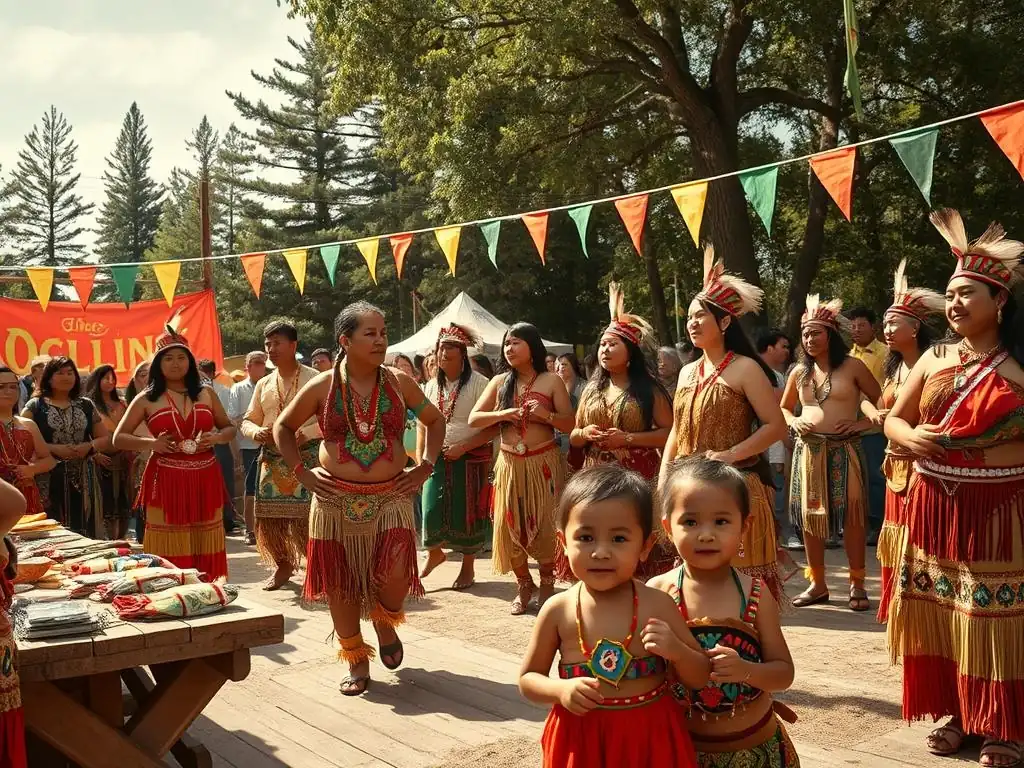
Indigenous cultural celebrations are vital in fostering public understanding of the diverse histories and traditions of Native American societies. These events serve not only as a means of cultural expression but also as educational platforms that bring awareness to the achievements and ongoing contributions of Indigenous peoples. Below, we explore various types of indigenous cultural celebrations that highlight their significance and impact.
Traditional Festivals and Their Significance
Traditional festivals represent the rich heritage of Indigenous cultures, showcasing age-old practices, rituals, and communal values. These events often revolve around seasonal changes, agricultural cycles, or significant historical events.
- Harvest Festivals: Celebrated by many Indigenous groups, these festivals mark the end of the harvest season, expressing gratitude for the bounty of nature. For example, the Green Corn Festival among the Cherokee and other Southeastern tribes emphasizes community, feasting, and spiritual renewal.
- Ceremonial Dances: Many Indigenous cultures incorporate dance into their celebrations, often as a form of storytelling or spiritual expression. The Powwow, a gathering of various tribes, features traditional dances like the Grass Dance and Fancy Dance, fostering unity and cultural pride.
- Rituals and Ceremonies: Events such as the Sun Dance among the Plains tribes are integral to spiritual beliefs and communal identity. These ceremonies often involve fasting, prayer, and physical endurance, symbolizing renewal and connection to the earth.
These traditional celebrations not only preserve cultural identity but also educate wider audiences about Indigenous philosophies and worldviews, fostering mutual respect and understanding.
Modern Events Celebrating Indigenous Cultures
In contemporary society, Indigenous cultural celebrations have adapted to incorporate modern elements while maintaining their core significance. These events are essential for bridging cultural gaps and promoting inclusivity.
- Cultural Festivals: Events like the Santa Fe Indian Market and the Toronto Indigenous Fashion Week showcase Indigenous arts, crafts, and fashion, highlighting contemporary Indigenous creativity while honoring traditional practices. These markets and shows draw attendees from diverse backgrounds, fostering dialogue and appreciation.
- National Indigenous Peoples Day: Celebrated in Canada, this event recognizes the diverse cultures and contributions of Indigenous peoples. Activities include music, dance, storytelling, and art exhibitions, promoting awareness and education about Indigenous histories.
- Film Festivals: Events such as the American Indian Film Festival provide a platform for Indigenous filmmakers to share their stories and perspectives. These festivals play a crucial role in reshaping narratives and increasing visibility for Indigenous issues within the film industry.
Modern celebrations often serve as a response to historical injustices, aiming to reclaim space for Indigenous voices and foster a deeper understanding of their cultures.
Comparative Analysis of Regional Celebrations
Indigenous cultural celebrations vary significantly across different regions, reflecting the unique histories, traditions, and social structures of each community.
| Region | Celebration Type | Description |
|---|---|---|
| North America | Powwows | Gatherings featuring dance, music, and cultural competitions. |
| South America | Inti Raymi | A festival honoring the Sun God, celebrated in Peru with elaborate rituals. |
| Central America | Day of the Dead (Día de los Muertos) | A vibrant celebration honoring deceased ancestors, blending Indigenous and Spanish traditions. |
- North America: Powwows are prevalent in various tribes, serving as an opportunity for cultural exchange and celebration of identity. Each tribe may have its unique styles and practices, yet the spirit of community remains a common thread.
- South America: The Inti Raymi festival, celebrated by the Quechua people, reflects the deep connection between Indigenous cultures and their environment. This event combines ancient rituals with theatrical performances, attracting both local and international audiences.
- Central America: The Day of the Dead embodies a fusion of Indigenous and colonial influences, showcasing vibrant altars and celebrations that honor ancestors. This event provides insight into the syncretism of cultures and the enduring legacy of Indigenous practices.
Understanding these regional differences emphasizes the diversity of Indigenous experiences and highlights the importance of celebrating these events as a means of fostering public understanding and appreciation of Indigenous histories and cultures.
The Role of Indigenous Cultural Celebrations in Public Understanding
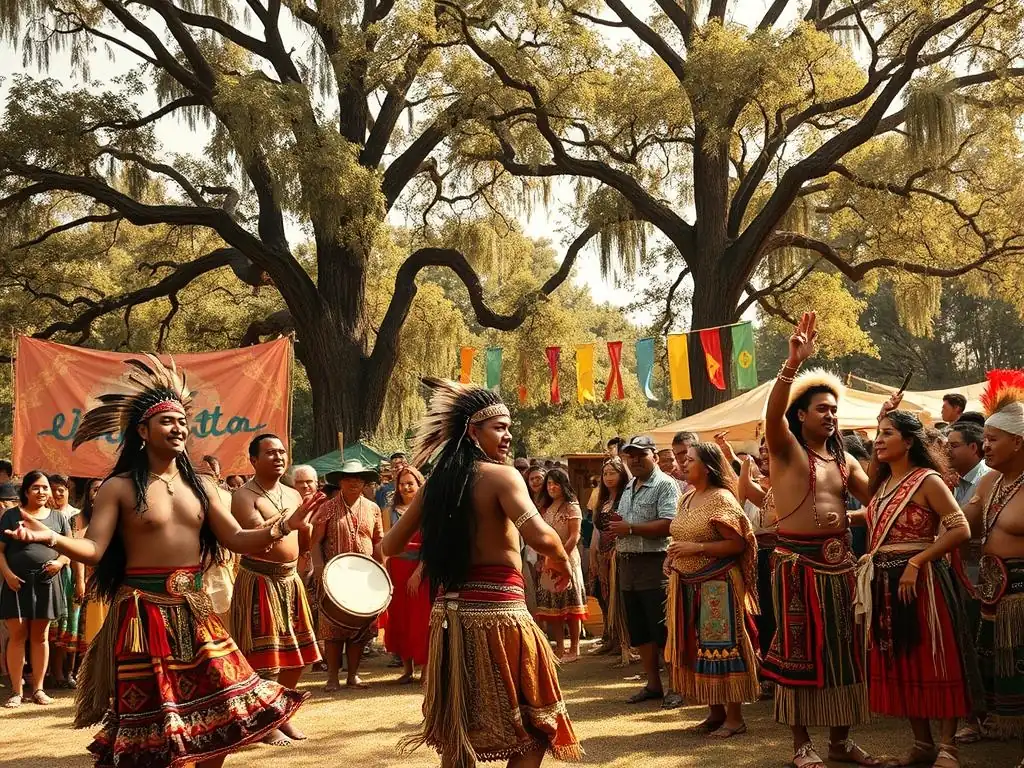
Indigenous cultural celebrations play a vital role in fostering public understanding of the histories, traditions, and achievements of Indigenous peoples in the Americas. These events serve as a platform for education, engagement, and dialogue, allowing both Indigenous and non-Indigenous communities to come together and share knowledge. By celebrating cultural identity through various forms of expression, these events help dismantle stereotypes and promote respect for the rich heritage of Indigenous civilizations.
Building Bridges Between Cultures through Celebrations
Indigenous cultural celebrations are essential for bridging gaps between diverse cultures. They create opportunities for intercultural dialogue and mutual respect, enabling participants to learn from one another. Events such as powwows, harvest festivals, and traditional ceremonies invite people from all backgrounds to experience Indigenous music, dance, art, and storytelling firsthand.
- Interactive Experiences: These celebrations often include workshops and demonstrations, allowing attendees to engage directly with Indigenous practices. For instance:
- Craft sessions: Participants can learn traditional crafts such as weaving, pottery, or beadwork.
- Culinary experiences: Cooking demonstrations introduce traditional foods and their cultural significance.
- Language workshops: Teaching basic phrases in Indigenous languages fosters appreciation and understanding of linguistic heritage.
- Community Involvement: Many events encourage local communities to participate actively. This involvement can lead to:
- Collaborative projects: Joint initiatives between Indigenous groups and local organizations can result in meaningful partnerships.
- Volunteering opportunities: Community members often volunteer to help organize and run events, fostering a sense of ownership and pride.
These interactions create a space where both Indigenous and non-Indigenous individuals can break down barriers, confront misconceptions, and build lasting relationships based on understanding and respect.
Enhancing Awareness of Indigenous Histories and Achievements
Cultural celebrations serve as powerful tools for enhancing public awareness of Indigenous histories and achievements. By highlighting the contributions of Indigenous peoples to society, these events challenge the narratives often presented in mainstream history.
- Highlighting Historical Context: Events provide a platform to share important historical narratives, including:
- Pre-colonial achievements: Showcasing advancements in agriculture, governance, and trade systems.
- Resistance and resilience: Educating the public about the struggles Indigenous peoples faced during colonization and their ongoing fight for rights and recognition.
- Celebrating Contemporary Contributions: These events also emphasize the modern-day achievements of Indigenous communities, including:
- Art and literature: Recognizing contemporary Indigenous artists and writers who bring traditional stories to new audiences.
- Environmental stewardship: Showcasing Indigenous-led initiatives in conservation and sustainable practices, reinforcing their role as guardians of the land.
- Educational Programming: Many cultural celebrations incorporate educational components, such as:
- Panel discussions: Featuring Indigenous leaders and scholars who address current issues and share insights into their cultures.
- Exhibits and displays: Curated exhibitions that feature artifacts, traditional clothing, and multimedia presentations about Indigenous histories.
Through these efforts, Indigenous cultural celebrations not only educate attendees about the past but also inspire a deeper appreciation for the ongoing legacies of Indigenous cultures. They create an environment where knowledge is shared, histories are honored, and the contributions of Indigenous peoples are celebrated, fostering a more inclusive and informed society.
Case Studies of Notable Indigenous Cultural Celebrations
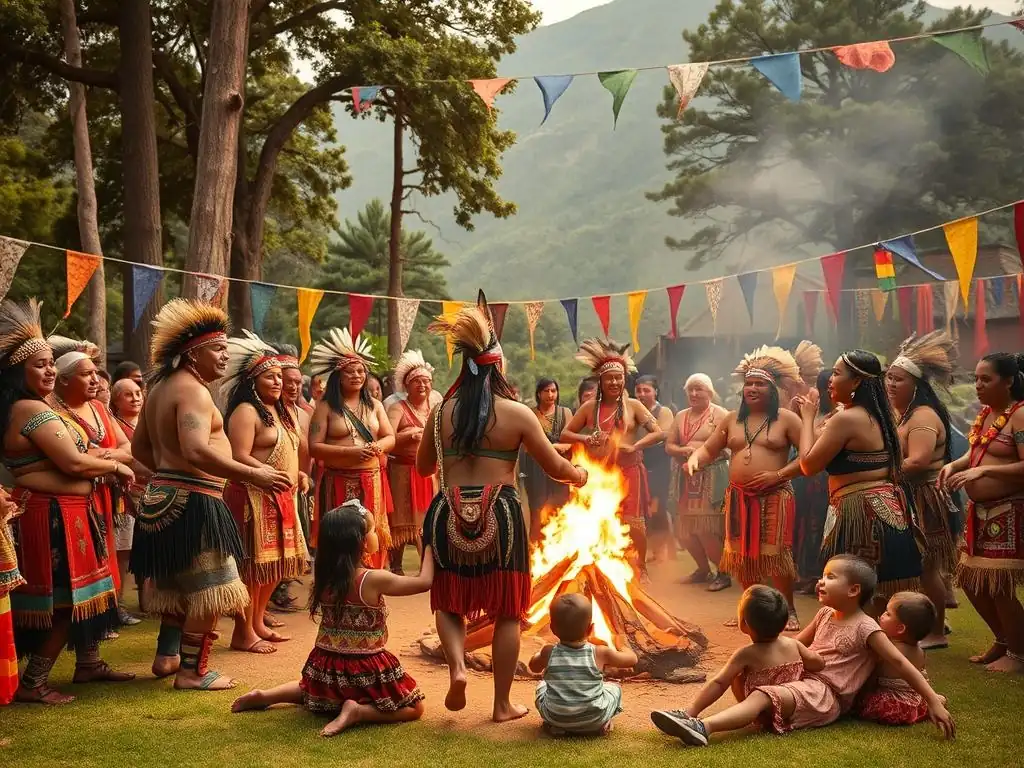
Pow Wow and Its Impact on Community Awareness
Pow Wows are vibrant gatherings that celebrate Indigenous cultures through dance, music, art, and storytelling. Originating from the Plains tribes in North America, these events have evolved into significant cultural celebrations that not only serve as social gatherings but also play a crucial role in fostering community awareness and understanding of Indigenous histories.
Key Features of Pow Wows:
- Dance Competitions: Traditional dance styles are showcased, including fancy, grass, and jingle dress dances. Each style carries unique significance and storytelling.
- Cultural Workshops: Attendees can participate in workshops that teach various Indigenous crafts, languages, and traditions, enhancing the educational aspect of the event.
- Artisans and Vendors: Local artisans display and sell their creations, providing economic opportunities and a platform for cultural expression.
The impact of Pow Wows on community awareness is profound. They create a space for both Indigenous and non-Indigenous peoples to engage, learn, and appreciate the rich traditions of Indigenous cultures. By inviting the public to participate, Pow Wows help dismantle stereotypes and foster a deeper understanding of Indigenous histories.
Pow Wows are more than just events; they are a way to revitalize our culture and share it with others.
- Tribal Elder
The Gathering of Nations as a Model for Cultural Exchange
The Gathering of Nations, held annually in Albuquerque, New Mexico, is one of the largest Pow Wows in the United States, attracting participants and visitors from across the globe. This event exemplifies how cultural celebrations can serve as a model for cultural exchange and awareness.
Highlights of the Gathering of Nations:
- Diverse Participation: Over 500 tribes are represented, showcasing a wide range of Indigenous cultures through dance, music, and art.
- Educational Panels: The event includes discussions led by Indigenous leaders and scholars, addressing contemporary issues faced by Indigenous communities, thereby enhancing public understanding.
- Cultural Performances: Traditional and contemporary performances, including music and theater, allow for a fusion of old and new storytelling methods.
The Gathering of Nations not only celebrates Indigenous culture but also acts as a platform for dialogue, allowing for the exchange of ideas and fostering mutual respect among diverse cultures. It encourages participants to reflect on the shared histories and the ongoing challenges faced by Indigenous peoples.
Inti Raymi and Its Role in Preserving Indigenous Heritage
Inti Raymi, or the Festival of the Sun, is a traditional Incan celebration that honors the sun god Inti. This vibrant festival, celebrated primarily in Cusco, Peru, has become a symbol of the Incan heritage and a vital means of preserving Indigenous traditions.
Aspects of Inti Raymi:
- Historical Significance: The festival marks the winter solstice and the agricultural calendar, emphasizing the connection between Indigenous peoples and the natural world.
- Cultural Reenactments: The event features elaborate reenactments of the Incan ceremonies, showcasing traditional clothing, rituals, and music, which helps to educate participants about Incan beliefs and values.
- Community Involvement: Local communities actively participate, ensuring that the festival remains a living tradition rather than a mere historical reenactment.
Inti Raymi serves not only as a celebration of heritage but also as a form of resistance against cultural erasure. By embracing and promoting their traditions, Indigenous peoples assert their identity and educate others about their rich histories and contributions to global culture.
These case studies highlight the significance of Indigenous cultural celebrations events in fostering public understanding and appreciation of Indigenous histories. Through participation and engagement, these celebrations serve as powerful tools for education and cultural exchange.
Challenges Faced by Indigenous Cultural Celebrations
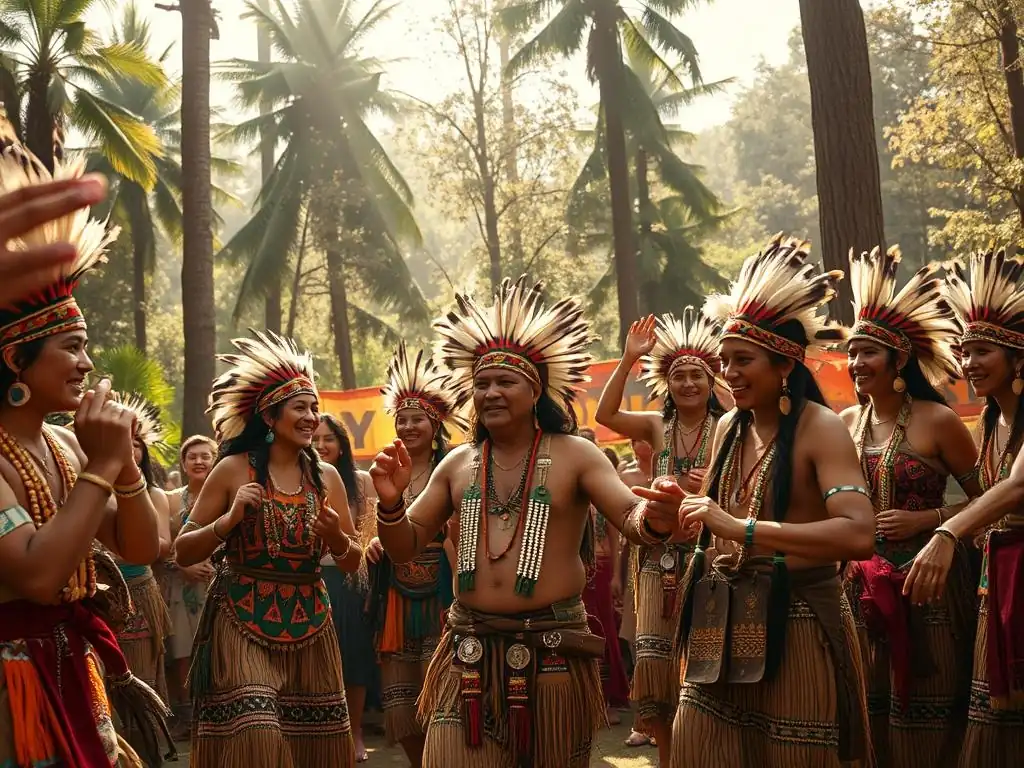
Misrepresentation and Stereotyping in Events
Indigenous cultural celebrations often face significant challenges related to misrepresentation and stereotyping. These issues arise when events do not accurately reflect the rich diversity and depth of Indigenous cultures, leading to misunderstandings among the public.
- Cultural Appropriation: Many celebrations may unintentionally appropriate Indigenous symbols, practices, or attire without understanding their meanings. This appropriation can dilute the significance of cultural elements, reducing them to mere entertainment for non-Indigenous audiences.
- Stereotypical Portrayals: Events may rely on outdated or inaccurate portrayals of Indigenous peoples, often depicting them through a narrow lens that fails to acknowledge contemporary realities. Such representations can perpetuate harmful stereotypes, simplifying complex cultures into caricatures.
- Lack of Indigenous Representation: A common issue is the absence of authentic voices in the planning and execution of these events. When Indigenous peoples do not have a seat at the table, the resulting celebrations may misrepresent their beliefs and traditions, leading to further alienation of Indigenous communities.
To combat these challenges, it is essential for organizers to engage directly with Indigenous communities, ensuring that events are designed with their input and consent. This collaboration can foster a more accurate and respectful representation of Indigenous cultures, enhancing public understanding.
The Impact of Commercialization on Authentic Celebrations
Commercialization poses another significant challenge to Indigenous cultural celebrations. As these events gain popularity, the focus may shift from cultural expression to profit-making, which can undermine their authenticity and significance.
- Profit Over Preservation: Many celebrations are transformed into consumer-driven spectacles, prioritizing entertainment and profit rather than the preservation of culture. This shift can lead to the dilution of traditional practices as organizers seek to attract larger audiences.
- Increased Demand for Simplified Narratives: Commercial interests often drive a demand for simplified stories that are easy for non-Indigenous audiences to digest. This can result in the loss of nuanced cultural narratives and traditions that are vital to Indigenous identities.
- Competition for Authenticity: As commercialization increases, there can be competition among Indigenous groups to present the "most marketable" version of their culture. This competition can lead to homogenization, where unique cultural practices are replaced with more universally appealing representations.
To address these concerns, it is crucial for Indigenous communities to reclaim ownership of their cultural celebrations. By prioritizing authenticity and cultural integrity over commercialization, these events can continue to educate the public about Indigenous histories and foster a deeper understanding of their diverse cultures.
While Indigenous cultural celebrations serve as a vital means of promoting public understanding, they face significant challenges related to misrepresentation, stereotyping, and commercialization. By recognizing and addressing these issues, we can work towards more meaningful and respectful celebrations that honor the richness of Indigenous cultures.
Ways to Support Indigenous Cultural Celebrations Events
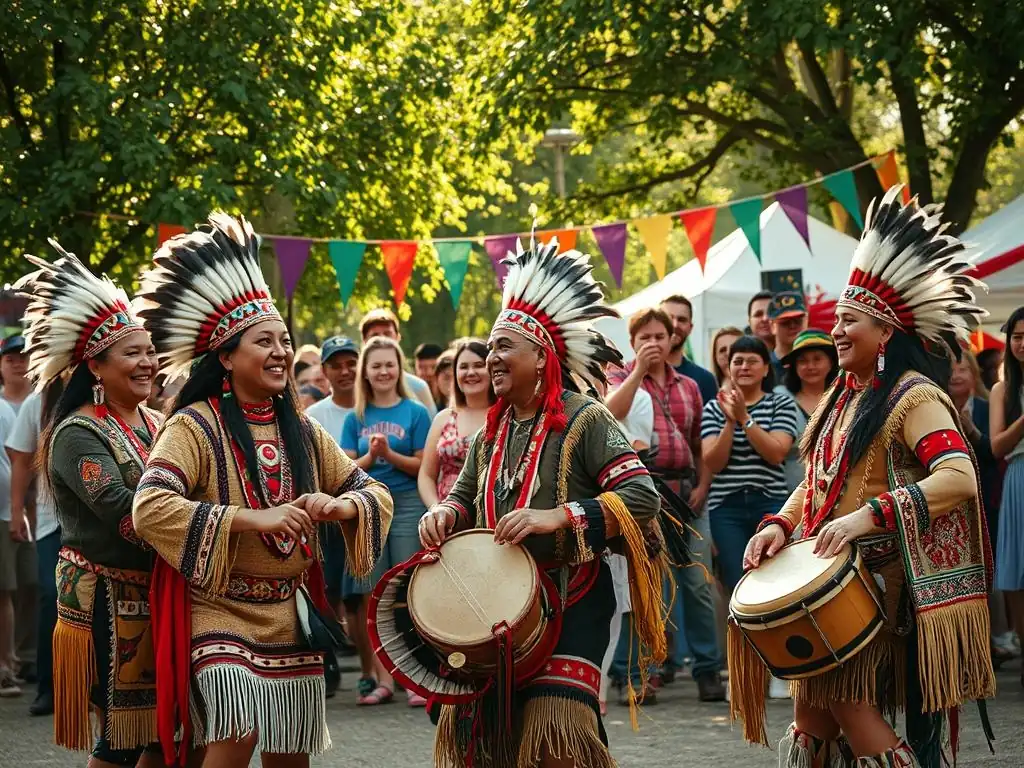
Engaging with Local Events and Communities
Participating in indigenous cultural celebrations events is an enriching way to support and honor the heritage of indigenous communities. These events often serve as a bridge between indigenous cultures and the broader public, fostering understanding and appreciation. Here are some meaningful ways to engage:
- Attend Local Festivals:
- Many indigenous communities host annual festivals that showcase traditional art, music, dance, and food. Attending these events not only supports local economies but also allows for direct interaction and learning from the community members.
- Examples include:
- Powwows
- Traditional harvest festivals
- Cultural fairs
- Volunteer:
- Many indigenous events rely on volunteers for organization and execution. Offering your time can help ensure these celebrations run smoothly and provide opportunities for deeper engagement with the community.
- Possible roles could include:
- Event setup and cleanup
- Assisting with workshops
- Providing hospitality
- Promote Events on Social Media:
- Use your social media platforms to share information about upcoming indigenous cultural celebrations. Highlighting these events can increase visibility and attendance, fostering a sense of community support.
- Suggested hashtags may include:
- #IndigenousCelebrations
- #SupportIndigenousCulture
- #CulturalEvents
- Engage in Educational Workshops:
- Many celebrations include workshops that teach traditional crafts, songs, or dances. Participating in these workshops not only enhances your skill set but also demonstrates respect and appreciation for indigenous knowledge systems.
Promoting Authentic Representation in Celebrations
Authentic representation is crucial for ensuring that indigenous cultural celebrations events accurately reflect the histories and traditions of indigenous peoples. Here are several approaches to promote genuine representation:
- Collaborate with Indigenous Leaders:
- Engaging with indigenous leaders and community members in the planning stages of celebrations ensures that the events are culturally appropriate and respectful. This collaboration can provide insights into the significance of certain traditions and practices.
- Consider forming advisory committees composed of indigenous representatives to guide event planning.
- Ensure Accurate Storytelling:
- The narratives presented during celebrations should be rooted in indigenous perspectives and histories. This can involve training for non-indigenous facilitators and artists to understand the context and significance of the stories being shared.
- Establish guidelines for the representation of indigenous narratives to avoid misrepresentation or appropriation.
- Support Indigenous Artists and Performers:
- When organizing cultural events, prioritize hiring indigenous artists, musicians, and performers. This not only provides a platform for their work but also ensures that the cultural expressions are authentic and rooted in tradition.
- Create opportunities for emerging indigenous artists to showcase their talents.
- Educate Attendees:
- Incorporate educational components into cultural celebrations to inform attendees about the context and significance of the events. This can include informational booths, guided tours, or panels featuring indigenous speakers.
- Develop printed materials or digital resources that attendees can access to learn more about the cultures represented.
Through these actions, we can create a supportive environment for indigenous cultural celebrations events, fostering a greater understanding and respect for the diverse indigenous cultures that have shaped the Americas.
Conclusion: The Future of Indigenous Cultural Celebrations Events
The future of Indigenous cultural celebrations events is bright, as they continue to evolve and adapt to the contemporary landscape while remaining deeply rooted in tradition. These events serve as powerful platforms for education, community engagement, and cultural revitalization. They not only honor the legacies of Indigenous peoples but also offer opportunities for broader societal understanding and appreciation of their rich histories and contributions.
The Importance of Continuing Cultural Traditions
Continuing cultural traditions is vital for the preservation of Indigenous identities and histories. Through cultural celebrations, Indigenous communities can pass down knowledge, practices, and values to younger generations. These events often include:
- Storytelling: Sharing traditional narratives that reflect the community's history and values.
- Art and Craft Exhibitions: Showcasing Indigenous artistry, from pottery to beadwork, which connects the present to ancestral practices.
- Traditional Music and Dance: Reviving and performing songs and dances that have been integral to cultural expressions for centuries.
By maintaining these traditions, communities not only preserve their unique heritages but also promote resilience and unity within their populations. It fosters a sense of belonging and pride among community members, reinforcing the significance of their cultural identity in a rapidly changing world.
Encouraging Broader Participation in Indigenous Celebrations
Fostering broader participation in Indigenous celebrations is crucial for enhancing public understanding of Indigenous histories. Engaging diverse communities can dismantle stereotypes and promote mutual respect. Here are some effective strategies to encourage wider involvement:
- Education and Outreach: Schools and community organizations can collaborate with Indigenous leaders to create informative programs that explain the significance of various cultural celebrations.
- Inclusive Events: Organizing events that invite people from all backgrounds to participate in activities, such as workshops or festivals, can break down barriers and create shared experiences.
- Social Media Campaigns: Utilizing social media platforms to highlight upcoming events and share stories related to Indigenous cultures can reach a larger audience, sparking interest and participation.
- Partnerships: Collaborating with local governments and cultural institutions can help secure resources and venues for events, making them more accessible to the public.
- Volunteer Opportunities: Offering volunteer roles in organizing and executing these events allows individuals to engage directly with Indigenous cultures and learn firsthand about their significance.
By implementing these strategies, we can create a more inclusive narrative that acknowledges the rich tapestry of Indigenous histories and promotes ongoing dialogue between Indigenous and non-Indigenous communities. The continued celebration of Indigenous cultural events will not only preserve these traditions but also ensure their relevance and vitality for generations to come.
Frequently Asked Questions
What are indigenous cultural celebrations?
Indigenous cultural celebrations are events that honor and showcase the traditions, histories, and achievements of indigenous peoples. These celebrations often include music, dance, and art, reflecting the unique heritage of each culture.
How do these events foster public understanding?
These events promote public understanding by providing an opportunity for attendees to learn about the diverse histories and practices of indigenous cultures. They encourage dialogue and appreciation for the contributions of these communities.
What types of activities are typically included in indigenous celebrations?
Activities can vary widely but often include traditional performances, art exhibits, storytelling, and workshops. These activities aim to engage participants and create a deeper connection to indigenous cultures.
Why is it important to recognize and participate in indigenous events?
Recognizing and participating in these events is crucial for acknowledging the historical injustices faced by indigenous peoples. It also helps to promote cultural preservation and education, fostering greater respect and understanding.
How can individuals get involved in indigenous cultural events?
Individuals can get involved by attending local celebrations, volunteering, or supporting indigenous-led organizations. Engaging in these activities helps to amplify indigenous voices and contributes to a more inclusive society.
Final Reflection: Embracing Indigenous Cultural Celebrations for a Deeper Understanding
Cultural celebrations serve as vital conduits for fostering public understanding of Indigenous histories and identities. In today's increasingly interconnected world, these events not only celebrate rich traditions but also challenge misconceptions and promote dialogue. As we navigate a landscape marked by cultural diversity, it becomes imperative to recognize the significance of Indigenous cultural celebrations as platforms for education and reconciliation.
The impact of these events extends far beyond the festivities; they play a crucial role in reshaping societal narratives and fostering respect for Indigenous peoples. By participating in these celebrations, individuals gain a deeper appreciation for the complexities of Indigenous histories and the resilience of their cultures. As noted by Indigenous activist and scholar, Leanne Betasamosake Simpson, We need to create spaces where Indigenous stories are told, and where we can all learn from them.
This ongoing influence is essential in creating a more inclusive society that honors the past while paving the way for a shared future.
As we reflect on the importance of Indigenous cultural celebrations, I invite you to consider how you can engage with and support these events in your community. Take the time to learn about the histories and traditions being celebrated, and actively participate in the conversations they inspire. By doing so, you contribute to a collective journey of understanding and respect, ensuring that the voices of Indigenous peoples are heard and valued. Together, we can foster a culture of empathy and appreciation that honors the rich tapestry of our shared human experience.
Embrace and Celebrate Indigenous Cultures Today!
Thank you for taking the time to explore the rich tapestry of Indigenous histories and cultural celebrations. Your interest is a vital step toward fostering understanding and appreciation for these significant narratives. Now, let's translate that curiosity into action!
- Join a local cultural event: Find and participate in an Indigenous celebration happening near you. Engaging firsthand with these communities deepens your understanding and support.
- Share your learning: Spread the word on social media about what you’ve learned! Use your platforms to recognize and uplift Indigenous voices and stories.
- Support Indigenous artists and businesses: Explore and purchase from Indigenous creators to invest in and amplify local cultures.
What unique Indigenous celebration will you attend or share about this week? Your actions can inspire others to dive into the beauty of these traditions!