
The Importance of Tribute: How Economic Systems Shaped Governance in Mesoamerica

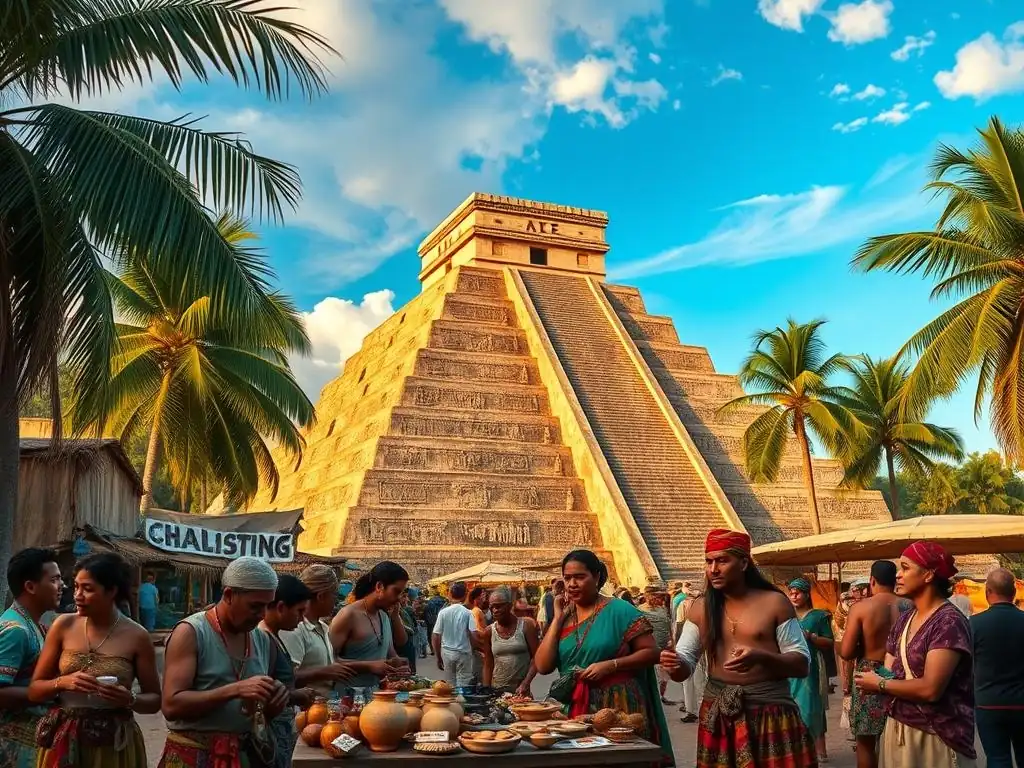
Welcome to Indigenous Civilizations of the Americas, where we embark on a fascinating journey through the rich tapestry of indigenous cultures that flourished long before European contact. Dive into our featured article, "The Importance of Tribute: How Economic Systems Shaped Governance in Mesoamerica," and discover how intricate economic systems not only fueled prosperity but also laid the groundwork for complex governance structures. Prepare to uncover the achievements and societal dynamics that have left an indelible mark on history, and let your curiosity guide you through the remarkable stories of resilience and innovation that define these civilizations.
Introduction to Mesoamerican Economic Systems and Governance
The intricate tapestry of Mesoamerican societies reveals a rich and diverse history where economic systems played a pivotal role in shaping governance structures. Long before European colonization, indigenous civilizations such as the Maya, Aztec, and Olmec developed complex systems of tribute that were not merely economic transactions but also vital expressions of political power and social organization. Understanding these economic systems and their governance implications is essential for appreciating the sophisticated nature of Mesoamerican societies.
The tribute system, in particular, was central to the functioning of these civilizations, influencing everything from daily life to the very fabric of their political hierarchies. This article delves into the significance of tribute within the broader context of Mesoamerican economic systems and governance.
Overview of Mesoamerican Societies
Mesoamerica, a region that includes present-day Mexico and Central America, was home to numerous advanced civilizations that thrived for thousands of years. Each society exhibited unique cultural practices, governance structures, and economic systems. Key features of Mesoamerican societies included:
- Agricultural Innovation: The development of advanced agricultural techniques, such as terracing and chinampas, supported large populations and facilitated trade.
- Complex Political Structures: City-states and empires, like the Aztec Empire, had intricate political hierarchies with rulers who wielded significant power.
- Rich Cultural Traditions: These societies were distinguished by their contributions to art, architecture, astronomy, and writing systems.
The dynamic interplay between these elements underscored the importance of tribute in maintaining the stability and prosperity of Mesoamerican civilizations.
Significance of Tribute in Indigenous Economies
Tribute was more than a mere economic obligation; it was a fundamental aspect of social and political life in Mesoamerica. The collection of tribute served several key purposes:
- Resource Redistribution: Tribute facilitated the redistribution of resources, ensuring that the elite could sustain their power while providing for the common populace.
- Political Legitimacy: Rulers often derived their authority from the successful collection and management of tribute, reinforcing their status.
- Cultural Exchange: Tribute systems encouraged interaction between different societies, leading to cultural exchanges that enriched Mesoamerican civilization.
Understanding the multifaceted role of tribute is crucial for comprehending how economic systems shaped governance in these ancient societies.
The Role of Tribute in Mesoamerican Economic Systems
Definition and Purpose of Tribute
Tribute refers to the goods and services that subjects or conquered peoples were required to provide to their rulers. This economic system served several vital purposes:
- Political Control: By establishing a tribute system, leaders could exert control over their territories and maintain loyalty among their subjects.
- Economic Stability: Tribute ensured a steady flow of resources, contributing to economic stability and the development of trade networks.
The tribute system was instrumental in the governance of Mesoamerican societies, influencing both economic and political landscapes.
Types of Tribute Collected in Mesoamerica
The types of tribute collected varied widely among different civilizations, and they often included:
- Agricultural Products: Such as maize, beans, and cacao.
- Crafted Goods: Items like textiles, pottery, and tools.
- Labor Services: Individuals could also be required to provide labor for public works or military service.
This variety reflected the diverse economic activities and resources available in different regions, underscoring the adaptability of Mesoamerican economic systems.
How Tribute Influenced Economic Interactions
The tribute system significantly influenced economic interactions among various Mesoamerican societies. Through tribute collection, states engaged in:
- Interstate Trade: Tribute often took the form of surplus goods that could be traded with neighboring states, fostering economic interdependence.
- Diplomatic Relations: Tribute could also serve as a diplomatic tool, solidifying alliances or imposing dominance over rival factions.
In essence, the tribute system not only shaped governance but also reinforced economic relationships that were crucial for the stability of Mesoamerican civilizations.
Governance Structures Influenced by Economic Systems
Mesoamerican civilizations, including the Aztecs, Maya, and Olmecs, developed complex governance structures that were heavily influenced by their economic systems. These systems were primarily based on agriculture, trade, and tribute, which in turn shaped the political hierarchies and administrative practices within these societies. Economic activities not only dictated the wealth and resources available to a civilization but also determined how power was distributed among its leaders and citizens.
The tribute system, in particular, played a crucial role in the governance of Mesoamerican societies. It established a framework wherein conquered peoples were required to pay tribute to their overlords, which could be in the form of goods, services, or labor. This system reinforced the power of ruling elites and enabled them to maintain control over large territories. As a result, the governance structures were inherently hierarchical, reflecting the economic dependencies created through tribute and trade relationships.
Hierarchical Governance in Mesoamerican Civilizations
The hierarchical governance structures of Mesoamerican civilizations are characterized by a clear stratification of power and authority. At the apex of this hierarchy were the rulers or kings, who were often regarded as divine figures. Their legitimacy was directly tied to their ability to manage the economic resources of their state, particularly through the collection of tribute. Below the rulers were a class of nobles and priests who held significant political and economic influence, managing local affairs and maintaining religious practices that reinforced the sociopolitical order.
This hierarchical structure ensured that economic resources flowed from the lower classes to the elite. The common people, or peasantry, were largely responsible for agricultural production, which was essential to the economy. They paid tribute in the form of goods and labor, which were essential for the sustenance of the ruling class. The interplay between these layers created a system where governance was inextricably linked to the economic conditions of the society, leading to a perpetuation of power among the elite.
The Relationship Between Economic Power and Political Authority
In Mesoamerican societies, the relationship between economic power and political authority was symbiotic. Economic strength was a prerequisite for political legitimacy; rulers needed to control resources to maintain their authority and support their governance. This led to the development of intricate systems of taxation and tribute collection, ensuring that the ruling class remained affluent and capable of wielding power effectively.
Moreover, the ability to manage trade routes and agricultural production directly impacted a ruler's capacity to exert control over their territory. Those who could successfully leverage economic resources tended to gain more influence and authority. This dynamic often resulted in a meritocratic element within governance, where individuals who proved adept at managing economic affairs could rise in status, regardless of their birth.
The tribute system was a defining feature of Mesoamerican economic systems, profoundly impacting social stratification. By obligating various communities to pay tribute to their rulers, these systems reinforced existing social hierarchies and created new class distinctions that were often tied to wealth and power. The distribution of tribute created a clear demarcation between those who had access to resources and those who did not.
Economic Classes and Their Role in Governance
Within Mesoamerican societies, economic classes were not merely a reflection of wealth but were also crucial to the governance process. The elite class, consisting of nobles, priests, and high-ranking officials, controlled the flow of tribute and resources. They played a vital role in decision-making processes, often using their economic power to influence political outcomes and maintain order within their communities.
In contrast, the lower classes, including farmers and laborers, had limited political power. Their primary role was to produce goods and pay tribute, ensuring the sustenance of the elite and the functioning of the state. This economic disparity created a system where governance was largely in the hands of a few, leading to a concentration of power that often resulted in social tension and conflict.
Tribute as a Tool for Social Control
Tribute was not only an economic obligation but also a significant tool for social control in Mesoamerican governance. By mandating tribute payments, rulers could ensure loyalty and compliance from their subjects. The fear of reprisal for failing to meet tribute obligations served as a deterrent against dissent and rebellion.
Furthermore, the distribution of tribute among the elite reinforced their status and power. By redistributing resources, rulers could maintain a loyal base of support among the elite, who in turn would uphold the social order. This interconnectedness of tribute, governance, and social control highlights the intricate ways in which Mesoamerican economic systems shaped their societies, ensuring stability and continuity through a structured hierarchy that served the interests of the ruling class.
The Evolution of Economic Systems and Governance in Mesoamerica
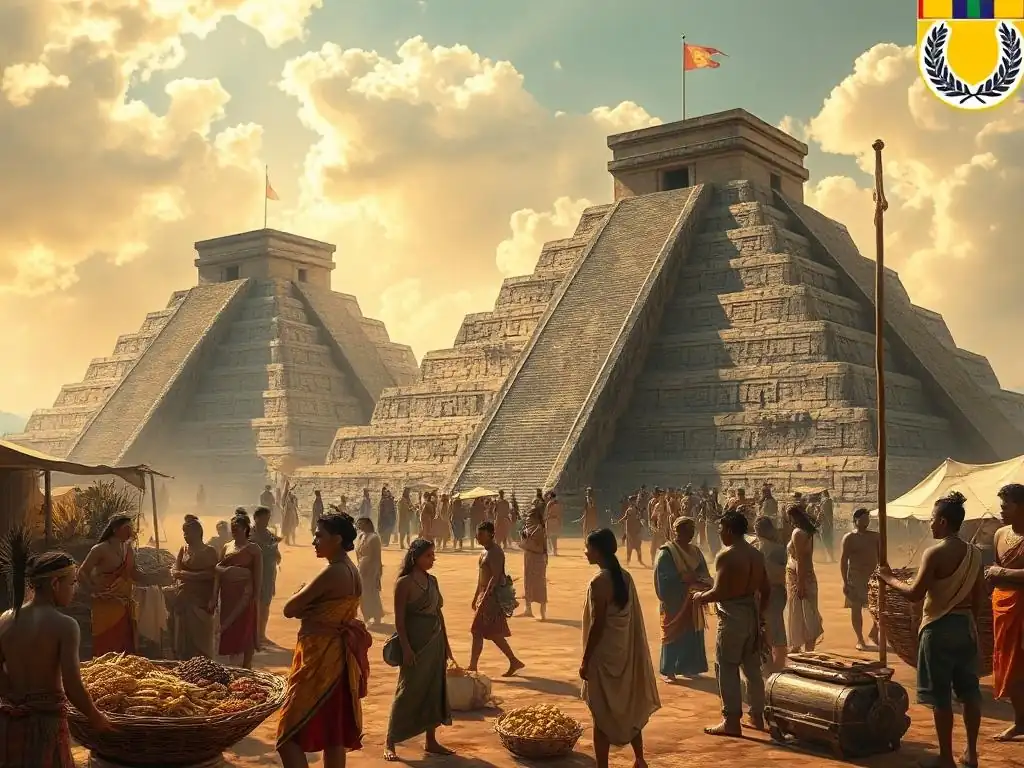
The economic systems of Mesoamerica have undergone significant transformations throughout history, influencing governance structures in profound ways. Initially, these societies operated on a subsistence economy, where agricultural practices dominated. The cultivation of staple crops like maize, beans, and squash formed the backbone of the economy, establishing a foundation for more complex systems. As populations grew and societies became more stratified, particularly in regions like the Valley of Mexico, the need for more formalized economic structures emerged.
The introduction of tribute systems marked a pivotal shift in Mesoamerican governance. Tributes were not merely economic transactions; they were integral to the political landscape, reinforcing the power of ruling elites. City-states such as Tenochtitlan and Teotihuacan developed intricate tribute systems that demanded goods, services, and labor from subordinate communities. This practice not only ensured resource flow into the central authority but also solidified loyalty and control over the populace.
Over time, these tribute systems evolved, reflecting changes in political alliances and social hierarchies. As Mesoamerican economies became increasingly complex, the integration of trade networks and market activities began to complement traditional tribute practices. This evolution illustrated the dynamic interplay between economic systems and governance, laying the groundwork for the sophisticated societies that defined Mesoamerica.
Historical Changes in Tribute Practices
Tribute practices in Mesoamerica have a rich history that reflects the region's socio-political landscape. Initially, tribute was a form of taxation paid in the form of goods and labor, aimed at supporting the ruling elite and religious institutions. The Aztecs, for instance, implemented a comprehensive tribute system across their empire, requiring conquered territories to pay tribute in various forms, including agricultural products, textiles, and precious metals. This system was crucial for sustaining the Aztec state, as it allowed for the redistribution of wealth and resources, thereby reinforcing the power of the emperor and the nobility.
As time progressed, the nature of tribute began to shift. The demands of tribute became more standardized, often based on the economic capacity of the tribute-paying community. For example, in areas with abundant agricultural production, higher tribute levels were expected, while less fertile regions faced lighter burdens. This flexibility allowed for greater compliance among the populace, as it acknowledged local conditions and resources.
The arrival of the Spanish in the 16th century brought significant changes to tribute practices. The colonial administration introduced new economic models that disrupted traditional systems, leading to the imposition of taxes rather than tributes. This transition had lasting effects on Mesoamerican societies, altering their governance structures and economic foundations permanently.
The Transition from Tribute-Based to Market Economies
The transition from tribute-based economies to market-oriented systems in Mesoamerica was a gradual but transformative process. While tribute systems dominated governance and economic interactions during the height of Mesoamerican civilizations, the introduction of trade and market activities began to alter this landscape significantly.
As cities grew, so did the complexity of their economies. Markets became vital centers for commerce, where goods were exchanged beyond the confines of tribute obligations. Artisans, merchants, and farmers began to engage in trade, establishing networks that reached far beyond local communities. This burgeoning marketplace allowed for more diverse economic interactions, fostering innovation and specialization in various crafts and agricultural production.
By the late Postclassic period, the integration of market activities with traditional tribute practices created a hybrid economic system. While tribute remained important, the rise of local markets began to diminish the absolute control of central authorities over economic transactions. This shift not only empowered local economies but also facilitated greater social mobility, as individuals could engage in trade independent of their tribute obligations.
Comparing Mesoamerican Economic Systems with Other Indigenous Cultures
The economic systems of Mesoamerica exhibit both unique characteristics and shared traits with other indigenous cultures across the Americas. By examining these similarities and differences, we gain a deeper understanding of how economic practices influenced governance and social structures in various contexts.
Similarities and Differences in Governance Structures
Mesoamerican economic systems share some similarities with those of other indigenous cultures, particularly regarding the use of tribute and resource management. Many indigenous societies, such as the Mississippian culture in North America, implemented tribute-like systems to support their political hierarchies. Both cultures relied on agricultural production to sustain their populations and facilitate trade with neighboring groups.
However, key differences emerge in how these systems shaped governance structures. In Mesoamerica, tribute was often centralized under powerful rulers, such as the Aztec emperor, who wielded significant authority over vast territories. In contrast, some indigenous cultures operated more decentralized systems, where local leaders had greater autonomy and decision-making power. This distinction highlights the diverse ways in which economic systems can influence governance and social organization.
Unique Aspects of Mesoamerican Tribute Practices
Mesoamerican tribute practices were characterized by their complexity and integration into the social fabric of society. Unlike simpler forms of taxation seen in other cultures, Mesoamerican tributes were often tied to social obligations and religious practices. For example, many tribute payments were made during religious festivals, reinforcing the connection between economics, governance, and spirituality.
Additionally, the diversity of tribute forms in Mesoamerica distinguished it from other regions. Tributes could include not only agricultural products but also luxury items such as cacao, textiles, and even labor from skilled artisans. This variety allowed for a more dynamic economic system that rewarded different sectors of society, contributing to a rich cultural tapestry.
The study of Mesoamerican economic systems and governance reveals a complex interplay of tribute practices, trade, and political structures that shaped one of the most fascinating regions in history. Understanding these dynamics provides valuable insights into the achievements and legacy of indigenous civilizations in the Americas.
Conclusion: The Lasting Legacy of Mesoamerican Economic Systems and Governance
The economic systems of Mesoamerica, particularly the tribute system, played an essential role in shaping governance structures and societal organization. These systems were intricately linked to the political authority of various city-states and empires, like the Aztec and Maya, where tribute was not merely a form of taxation but a vital means of sustaining the state's power and influence. The legacy of these economic systems is evident in how they established frameworks for resource allocation, social hierarchy, and political legitimacy.
Through the tribute system, the ruling elites were able to consolidate power, maintain military strength, and fund public works. This intricate relationship between economy and governance created a dynamic environment where social stratification and political authority were reinforced. The cultural practices surrounding tribute, including rituals and religious significance, further embedded these systems into the identity and daily life of Mesoamerican peoples. As scholars study these historical contexts, they can better appreciate how these economic practices have informed contemporary understandings of governance in indigenous contexts.
Reflection on the Importance of Tribute in Historical Context
The tribute system in Mesoamerica reflects a complex interplay of economic and political relationships that were vital to the stability and sustainability of ancient societies. Tributes were collected not just for the benefit of the rulers but also played a crucial role in redistributing resources to support the populace, including agriculture, infrastructure, and religious institutions. This system underscored the importance of reciprocity; communities provided tribute in exchange for protection, justice, and public services.
Understanding the tribute system invites reflection on how economic systems can influence governance. The varied forms of tribute—ranging from agricultural products to labor—demonstrated a sophisticated understanding of resource management. It also highlighted the obligations and rights of both the rulers and the ruled, fostering a sense of community responsibility. The historical context of tribute not only reveals the economic foundation of governance but also illustrates how these practices established social norms and expectations.
Implications for Understanding Indigenous Governance Today
The study of Mesoamerican economic systems and governance offers valuable insights into contemporary indigenous governance practices. Many indigenous communities today continue to draw on traditional economic principles that emphasize collective responsibility, sustainability, and reciprocity. By examining the historical functions of tribute, modern governance frameworks can better understand the significance of community engagement and resource-sharing in indigenous societies.
Furthermore, recognizing the complexity of Mesoamerican governance systems challenges prevailing narratives that often simplify indigenous political structures. It emphasizes the need to appreciate the diverse and rich traditions that inform current indigenous governance models. These lessons can guide contemporary discussions about sovereignty, self-determination, and economic autonomy in indigenous contexts, highlighting the enduring relevance of Mesoamerican legacies in the pursuit of equitable governance today.
- Introduction to Mesoamerican Economic Systems and Governance
- The Role of Tribute in Mesoamerican Economic Systems
- Governance Structures Influenced by Economic Systems
- The Impact of Tribute on Social Stratification
- The Evolution of Economic Systems and Governance in Mesoamerica
- Comparing Mesoamerican Economic Systems with Other Indigenous Cultures
- Conclusion: The Lasting Legacy of Mesoamerican Economic Systems and Governance
- What were the main economic systems in Mesoamerica?
- How did tribute influence governance in Mesoamerica?
- What role did trade networks have in Mesoamerican economies?
- How did the achievements of indigenous cultures affect their economic systems?
- What lasting impacts did Mesoamerican economic systems have on modern governance?
Frequently Asked Questions
What were the main economic systems in Mesoamerica?
Mesoamerican economic systems were primarily based on agriculture, trade, and tribute. Societies like the Aztecs and Maya utilized these systems to support their large populations and complex governance structures.
How did tribute influence governance in Mesoamerica?
Tribute played a crucial role in Mesoamerican governance by providing rulers with the resources needed to maintain power and support public works. This system helped to strengthen the political structure and enforce loyalty among subjects.
What role did trade networks have in Mesoamerican economies?
Trade networks were vital in Mesoamerican economies, facilitating the exchange of goods, culture, and ideas. These networks contributed to the wealth and power of city-states, enhancing their influence and governance.
How did the achievements of indigenous cultures affect their economic systems?
The achievements of indigenous cultures, such as advanced farming techniques and urban planning, directly impacted their economic systems. Such innovations allowed for greater productivity and resource management, shaping their societal structures.
What lasting impacts did Mesoamerican economic systems have on modern governance?
The economic systems of Mesoamerica laid the groundwork for modern governance by demonstrating the importance of resource management and political organization. Their legacy can still be seen in contemporary political structures and economic practices in the region.
Final Reflection: The Enduring Legacy of Mesoamerican Economic Systems and Governance
The intricate relationship between Mesoamerican economic systems and governance remains profoundly relevant today, as we navigate the complexities of modern economies and their influence on political structures. The lessons learned from the tribute systems of ancient civilizations remind us that economic frameworks are not merely tools for trade, but powerful forces that shape societal hierarchies and governance. Understanding this connection can illuminate the paths we take in addressing contemporary issues of inequality and power dynamics.
The impact of Mesoamerican economic systems on governance continues to resonate in our cultural and social landscapes, influencing how we perceive authority and resource distribution. The tribute systems established by civilizations like the Aztecs and Maya exemplify how economic practices can dictate political power and social order. As we reflect on these historical precedents, we recognize that "the way we organize our economies is a reflection of our values and priorities." This understanding encourages us to critically analyze our current systems and their implications for governance and social justice.
As we move forward, I invite you to reflect on the lessons of Mesoamerican economic systems and their governance. Consider how the principles of tribute and resource management can inform your own understanding of economic equity and civic responsibility. By engaging with these historical insights, we can foster a more equitable future, where the lessons of the past guide us in creating systems that promote fairness, inclusivity, and sustainable governance for generations to come.
Unveil the Legacy: Take Action for Mesoamerican Heritage!
Thank you for taking the time to explore the fascinating relationship between tribute and governance in Mesoamerican societies. Your engagement in understanding these complex economic systems enriches your appreciation for Indigenous histories and cultures. Now, let's harness that knowledge into meaningful action!
- Dive deeper into Mesoamerican history by reading our comprehensive articles on specific civilizations and their remarkable contributions.
- Consider supporting Indigenous communities by participating in local cultural events or workshops that celebrate their heritage.
- Share your newfound insights with friends or on social media to spark discussions about the significance of tribute in shaping governance.
How can you use what you’ve learned to inspire others to discover the rich heritage of Mesoamerica?