
Moche Sculpture: Capturing Life and Death in Clay

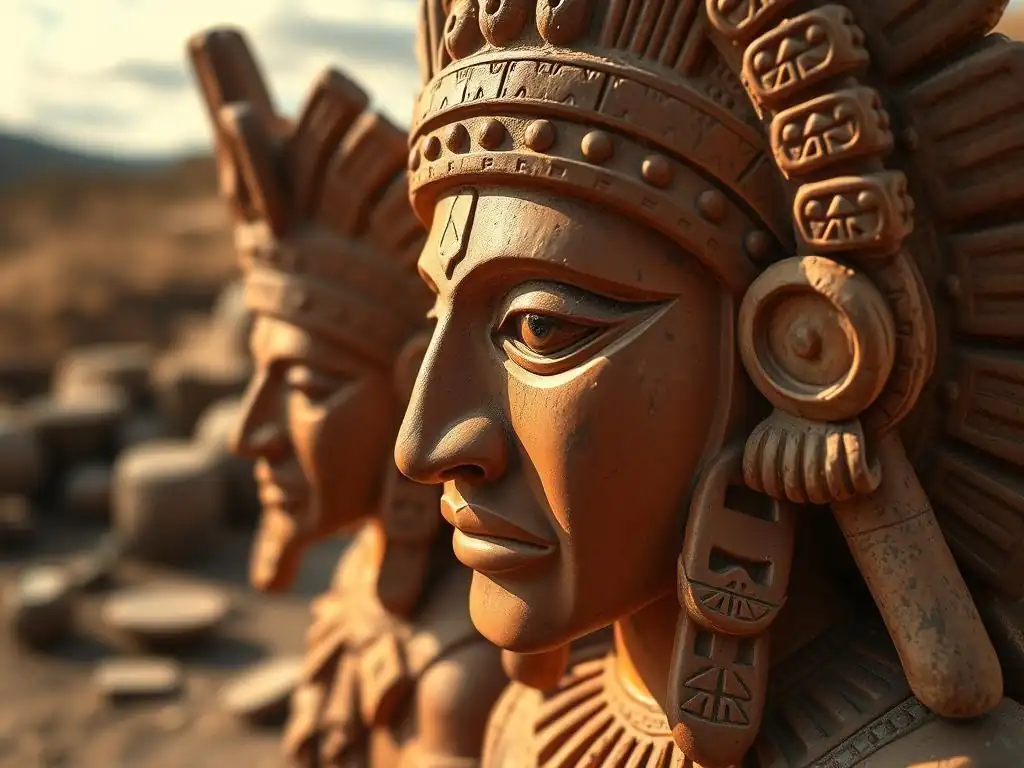
Welcome to Indigenous Civilizations of the Americas, where we delve into the rich tapestry of cultures that flourished long before European arrival. In our featured article, “ Moche Sculpture: Capturing Life and Death in Clay,” we invite you to explore the intricate artistry and profound significance of Moche sculpture, a remarkable reflection of the beliefs and daily lives of this ancient civilization. As you journey through their vibrant achievements and enduring legacies, prepare to uncover the fascinating stories that shaped these indigenous societies. What secrets lie within the clay? Read on to discover more!
Introduction to Moche Sculpture and Indigenous Culture
The Moche civilization, flourishing between 100 CE and 800 CE in what is now northern Peru, is renowned for its remarkable artistic achievements, particularly in sculpture. The Moche sculpture serves as a profound reflection of the indigenous culture that thrived in this region, capturing intricate aspects of life, death, and the spiritual beliefs that shaped their society.
Through their clay artworks, the Moche people communicated complex narratives, celebrated their deities, and immortalized their rituals, offering modern scholars invaluable insights into the cultural fabric of their civilization. This article delves into the significance of Moche sculpture within the broader context of indigenous culture, exploring its characteristics, themes, and the materials and techniques that defined this extraordinary art form.
Overview of Moche Civilization
The Moche civilization was characterized by its advanced agricultural practices, sophisticated irrigation systems, and remarkable architectural achievements, including monumental adobe structures known as huacas. This society was not only adept in farming and engineering but also excelled in various forms of artistic expression. The Moche people created intricate pottery, textiles, and, most notably, sculptures that depicted the human experience, from the mundane to the divine.
- Key Aspects of Moche Civilization:
- Location: Northern coast of Peru
- Time Period: Approximately 100 CE to 800 CE
- Economy: Primarily agriculture-based, with a focus on crops like maize and beans
- Society: Hierarchical, with a ruling elite, skilled artisans, and laborers
Significance of Sculpture in Moche Society
Sculpture played a vital role in Moche society, serving not only as a form of artistic expression but also as a medium for ritualistic and religious practices. Sculptures were often used in funerary contexts, adorning tombs and serving as offerings to the gods. The Moche believed that these artworks possessed spiritual significance, acting as a bridge between the earthly realm and the divine.
- Functions of Moche Sculpture:
- Religious Rituals: Used in ceremonies to honor deities and ancestors
- Burial Practices: Decorated tombs and served as grave goods
- Societal Reflection: Illustrated the social hierarchy and daily life of the Moche people
Characteristics of Moche Sculpture
Moche sculpture is distinguished by its remarkable realism and attention to detail, often depicting human figures, animals, and mythological beings. The artistry reflects a profound understanding of anatomy and movement, showcasing the skill and creativity of Moche artisans.
Materials Used in Moche Art
Moche sculptors primarily utilized clay to create their artworks, taking advantage of the abundant natural resources in their environment. The clay was often mixed with tempering agents to enhance its durability and workability.
- Common Materials:
- Clay: The primary medium for sculpting
- Pigments: Natural minerals and dyes were used for coloring
- Other Materials: Stone and metal were occasionally employed for different types of art
Techniques Employed in Moche Sculpting
The Moche artisans employed a variety of techniques to create their sculptures, ranging from hand modeling to the use of molds. This versatility allowed them to produce both unique pieces and larger quantities of similar designs.
- Sculpting Techniques:
- Coiling: Building up forms using rolled clay coils
- Molding: Using pre-made molds for consistency in shapes
- Carving: Adding intricate details to finished pieces
Common Themes in Moche Sculpture
Moche sculptures often explore themes related to the duality of life and death, showcasing both the vibrancy of daily life and the solemnity of funerary practices. Common motifs include warriors, animals, and deities, each imbued with symbolic meaning.
- Recurring Themes:
- Life and Death: Representations of both the living and the afterlife
- Deities and Mythology: Figures embodying spiritual beliefs and narratives
- Daily Life: Scenes depicting agricultural practices, rituals, and social events
Through these artistic expressions, the Moche civilization left a lasting legacy, offering a glimpse into their complex worldview and rich cultural heritage that continues to inspire and educate us today.
Moche Sculpture’s Representation of Life
Moche sculpture serves as a vivid and intricate representation of the daily lives, beliefs, and social structures of the Moche civilization. This indigenous culture, which flourished in what is now northern Peru from approximately 100 to 700 CE, utilized clay to create detailed sculptures that reflected their environment and societal values.
Moche artists were adept at capturing the essence of their surroundings, resulting in sculptures that depict everything from agricultural practices to social hierarchies. The use of vibrant colors and naturalistic forms in their sculptures not only illustrates the physical world but also conveys the emotions and experiences of the Moche people.
One of the striking aspects of Moche sculpture is its focus on realism. The artisans paid great attention to the human form, capturing intricate details such as facial expressions, clothing, and even body language. This level of detail suggests that the Moche valued individual identity and social roles, which were essential components of their culture. Through their art, they conveyed stories and teachings that were vital to their community, thus ensuring that their rich cultural heritage was preserved and passed down through generations.
Depictions of Daily Life in Moche Art
Moche sculptures often portray scenes of daily life, offering a glimpse into the everyday activities of their society. These artworks depict various aspects such as fishing, farming, and communal rituals. For instance, many sculptures illustrate the importance of agriculture, showcasing figures engaged in planting, harvesting, and celebrating their bountiful crops. This emphasis on agricultural practices highlights the Moche’s deep connection to the land and their reliance on farming for sustenance.
In addition to agriculture, Moche art also features depictions of social gatherings and crafts. Sculptures often display musicians, dancers, and artisans at work, emphasizing the cultural importance of community and artistry. These representations serve as a testament to the Moche's vibrant social life and their appreciation for both functional and decorative arts. By immortalizing these daily activities in clay, the Moche not only celebrated their way of life but also communicated their values and traditions to future generations.
Symbolism of Fertility and Agriculture in Moche Sculpture
Fertility and agriculture are central themes in Moche sculpture, symbolizing the civilization's dependence on the earth's cycles for survival. Many sculptures feature motifs such as maize, animals, and human figures, all of which carry significant meanings related to fertility and sustenance. For example, depictions of maize not only represent food but also symbolize growth, abundance, and the life force of the community.
The Moche also incorporated fertility symbolism in their representations of deities and nature. Figures often exhibit exaggerated features, such as large bellies or breasts, which signify fertility and the nurturing aspects of life. These artistic choices reflect a worldview that revered the earth and its ability to provide for the people. Through these sculptures, the Moche communicated their reverence for fertility and agriculture, which were crucial for their survival and prosperity.
Moche Sculpture’s Representation of Death
In contrast to its representations of life, Moche sculpture also delves deeply into themes of death and the afterlife. The Moche civilization had a complex understanding of death, viewing it not as an end, but as a continuation of existence in another realm. This belief is vividly expressed through their artistic representations, which often serve as both memorials and illustrations of funerary practices. The detailed craftsmanship of these sculptures reflects the Moche's respect for the deceased and their belief in the spiritual significance of death.
Moche sculptures associated with death often showcase elaborate burial practices, emphasizing the importance of honoring ancestors and the afterlife. These representations provide valuable insights into the societal views on mortality and the rituals that accompanied death. Through their art, the Moche not only commemorated the dead but also reinforced the connections between the living and the spiritual world.
Funeral Practices Reflected in Moche Art
Moche sculptures provide a wealth of information about the funeral practices of the civilization, illustrating their elaborate rituals surrounding death. Many artifacts have been discovered in burial sites, depicting scenes of mourning, offerings, and the preparation of the deceased for the afterlife. These sculptures often include figures that appear to be engaged in rituals, such as the presentation of food, textiles, and other goods that were believed to accompany the deceased into the next world.
The intricacy of these funerary artworks reveals the importance of the afterlife in Moche culture. The presence of detailed representations of burial rituals indicates that the Moche believed in a rich and complex spiritual existence beyond death. By commemorating these practices through sculpture, the Moche aimed to ensure a smooth transition for the deceased and maintain a connection between the living and the departed.
Iconography of Deities and Ancestors in Death Rituals
The iconography of deities and ancestors plays a crucial role in Moche sculpture related to death rituals. Moche artists often depicted figures representing gods and ancestral spirits, emphasizing the belief that these entities guided and protected individuals in the afterlife. Sculptures featuring deities associated with agriculture, fertility, and the underworld highlight the Moche's understanding of the cyclical nature of life and death.
Additionally, the representation of ancestors in Moche art underscores the importance of lineage and family ties. Many sculptures depict ancestors as powerful figures, often adorned with elaborate headdresses and jewelry, symbolizing their elevated status within the community. This focus on ancestry reflects a cultural reverence for past generations, reinforcing the idea that the spirits of the deceased continued to influence the lives of their descendants. Through these artistic expressions, the Moche maintained a connection to their history and heritage, ensuring that the lessons of the past informed their present and future.
The Role of Moche Sculpture in Cultural Identity
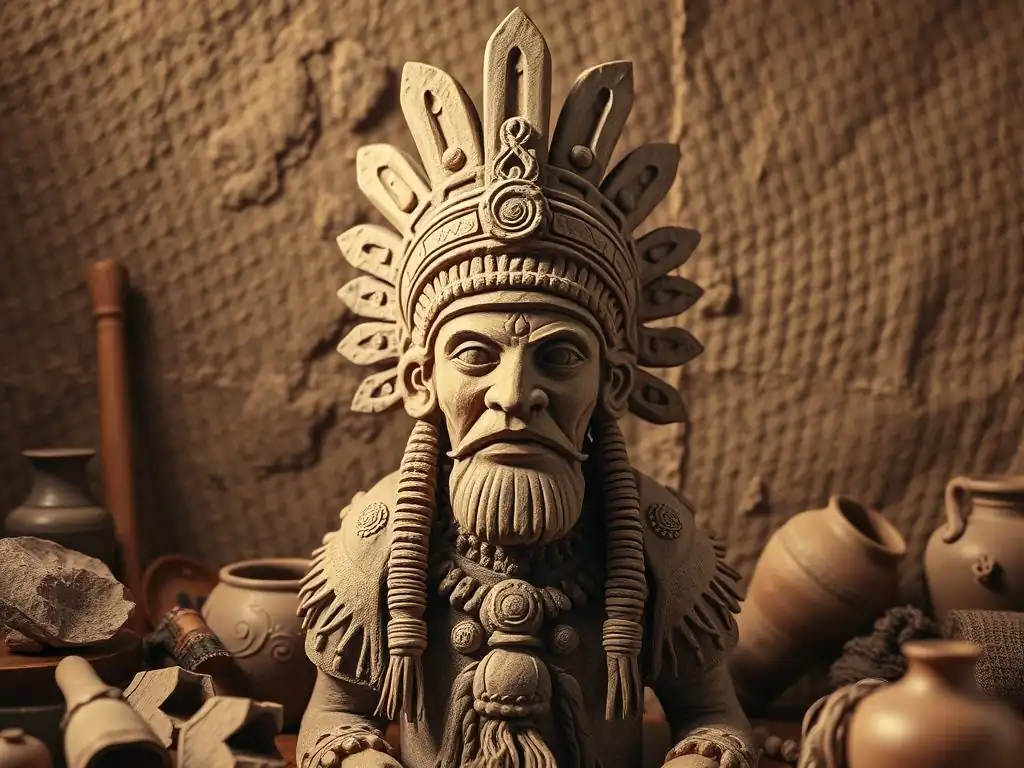
Moche sculpture plays a pivotal role in shaping the cultural identity of the Moche civilization, reflecting their beliefs, traditions, and social structures. These sculptures were not merely artistic expressions; they encapsulated the essence of Moche life, intertwining art with the spiritual and social fabric of their society. By examining the intricate details and themes depicted in Moche pottery and monumental sculptures, we gain insight into their worldview, including their reverence for deities, ancestors, and the natural world.
Moche artists utilized clay and other materials to create representations of both life and death, illustrating their understanding of existence as a cycle. This duality is evident in their depictions of fertility, agriculture, and ritualistic practices. Through these sculptures, the Moche communicated their values and societal norms, reinforcing communal identity and continuity across generations. The vibrant imagery found in Moche art serves as a testament to their cultural richness and the significance of artistic expression in maintaining their identity despite external influences.
Moche Sculpture as a Reflection of Social Hierarchies
The intricate designs and themes found in Moche sculpture provide valuable insights into the social hierarchies that characterized Moche society. Sculptures often depicted elite figures, warriors, and religious leaders, showcasing their elevated status within the community. The portrayal of these individuals in elaborate attire and surrounded by symbols of power highlights the importance of social stratification in Moche culture.
Furthermore, Moche ceramics frequently included scenes of ritual practices, indicating the vital role that religious and political ceremonies played in reinforcing social hierarchies. The imagery of sacrifice, both human and animal, reflects the belief in appeasing deities as a means of ensuring societal stability and prosperity. Through these artistic narratives, Moche sculpture not only illustrated social roles but also served as a medium for communicating authority and governance within their civilization.
The Impact of Moche Sculpture on Indigenous Cultural Continuity
Moche sculpture has had a profound impact on the continuity of indigenous culture in the Americas. The artistic techniques and motifs developed by the Moche have been preserved and adapted by subsequent generations of indigenous artists. This continuity is evident in the way modern indigenous communities draw inspiration from Moche aesthetics, incorporating traditional themes into contemporary art forms.
The enduring legacy of Moche sculpture serves as a connection between past and present, allowing indigenous cultures to maintain their heritage while evolving in response to modern influences. By recognizing and celebrating their artistic roots, these communities foster a sense of pride and identity that transcends historical disruptions. Moche sculpture stands as a powerful symbol of resilience, demonstrating how art can serve as a vessel for cultural memory and continuity.
Preservation and Influence of Moche Sculpture
The preservation of Moche sculpture is essential for understanding the cultural legacy of the Moche civilization. Numerous archaeological sites across northern Peru have yielded remarkable findings, contributing to our knowledge of Moche art and its significance. Ongoing preservation efforts aim to protect these artifacts from environmental degradation and looting, ensuring that future generations can appreciate the richness of Moche cultural heritage.
Archaeological Discoveries of Moche Sculptures
Archaeological discoveries of Moche sculptures have unveiled a wealth of information about their civilization. Sites such as Huaca de la Luna and Huaca del Sol have revealed intricate pottery and monumental sculptures that depict various aspects of Moche life, including ritual practices, social structures, and the relationship with their environment. These discoveries provide crucial context for understanding the technological advancements and artistic techniques employed by Moche artisans.
The excavation of burial sites has also been significant, as it allows researchers to study the relationship between art and funerary practices. The inclusion of sculptural elements in graves highlights the importance of art in the Moche belief system, particularly concerning the afterlife. Such findings underscore the complexity of Moche sculpture, reflecting not only aesthetic values but also deep spiritual significance.
Influence of Moche Sculpture on Modern Indigenous Art
The influence of Moche sculpture on modern indigenous art is profound and multifaceted. Contemporary indigenous artists often draw inspiration from Moche motifs, techniques, and themes, creating works that resonate with their cultural heritage while addressing contemporary issues. This artistic dialogue between past and present reflects a dynamic relationship with history, allowing modern creators to explore identity, spirituality, and resilience through their art.
Moreover, exhibitions and cultural programs centered around Moche art have contributed to a broader appreciation of indigenous cultures, fostering connections between different indigenous communities. By integrating Moche aesthetics into modern expressions, artists not only honor their ancestors but also promote the ongoing relevance of indigenous voices in the contemporary art scene. This fusion of traditional and modern elements serves as a powerful reminder of the enduring legacy of Moche sculpture in shaping indigenous cultural narratives.
Conclusion: The Enduring Legacy of Moche Sculpture in Indigenous Culture
Moche sculpture stands as a testament to the rich artistic tradition of the Moche civilization, showcasing not only their skillful craftsmanship but also their profound understanding of life and death. This intricate form of art reflects the complexities of their society, including their beliefs, rituals, and daily experiences. The legacy of Moche sculpture transcends time, continuing to captivate scholars, artists, and enthusiasts alike, who seek to comprehend the nuances of this ancient culture.
The enduring nature of Moche art is evident in its influence on contemporary indigenous artists who draw inspiration from this rich heritage. By incorporating traditional themes and techniques, modern creators are ensuring that the stories and values expressed in Moche sculptures remain relevant. This cultural dialogue between the past and present highlights the importance of preserving indigenous knowledge and artistic expressions for future generations.
Summary of Key Insights on Moche Sculpture
- Artistic Techniques: Moche sculptors employed advanced techniques in modeling and firing clay, which resulted in intricate and durable artworks. Their mastery of realism and attention to detail are evident in the diverse representations of humans, animals, and mythological beings.
- Cultural Significance: The sculptures served various purposes, from ceremonial to funerary, illustrating the Moche's sophisticated belief systems. They often depicted scenes of daily life, warfare, and religious rituals, offering a window into the Moche worldview.
- Materials and Styles: Predominantly crafted from clay, Moche sculptures also utilized other materials like gold and silver in decorative elements. The styles varied widely, with distinctive features that identified different regions and periods within the Moche civilization.
- Rediscovery and Influence: The rediscovery of Moche artifacts has sparked interest in indigenous cultures and their contributions to art history. Museums and exhibitions play a crucial role in sharing these works with a global audience, highlighting the importance of indigenous narratives.
The Importance of Moche Art in Understanding Indigenous Civilizations
Moche sculpture is vital for understanding the broader context of indigenous civilizations in the Americas. It provides critical insights into social hierarchies, religious practices, and cultural identities. Through the lens of art, we can examine how the Moche interacted with their environment and each other.
- Cultural Context: Moche art reflects the values and beliefs of their society, offering a narrative of their existence that goes beyond mere aesthetics. Each piece tells a story, revealing insights into their spiritual life, agricultural practices, and societal organization.
- Archaeological Significance: The study of Moche sculptures has significant archaeological implications. Excavations have uncovered numerous artifacts that inform researchers about Moche urban planning, trade networks, and interactions with neighboring cultures.
- Continuity and Change: The evolution of Moche art over time illustrates how indigenous cultures adapt while maintaining core traditions. This continuity is essential for understanding the resilience and dynamism of indigenous identities in the face of external pressures.
Moche sculpture is not just an artistic endeavor; it is a vital component of the narrative surrounding indigenous cultures. By examining these works, we enhance our understanding of the Moche civilization and appreciate the rich tapestry of indigenous heritage across the Americas.
- Introduction to Moche Sculpture and Indigenous Culture
- Characteristics of Moche Sculpture
- Moche Sculpture’s Representation of Life
- Moche Sculpture’s Representation of Death
- The Role of Moche Sculpture in Cultural Identity
- Preservation and Influence of Moche Sculpture
- Conclusion: The Enduring Legacy of Moche Sculpture in Indigenous Culture
Frequently Asked Questions
What is Moche sculpture?
Moche sculpture refers to the artistic creations of the Moche civilization, known for their intricate clay vessels and figurines that depict various aspects of life and death.
How did Moche sculpture reflect their culture?
Moche sculptures often illustrate the societal roles, rituals, and deities of the Moche people, showcasing their advanced craftsmanship and deep understanding of human experiences.
What materials were used in Moche sculptures?
Moche artists primarily used clay to create their sculptures, which allowed for detailed representations and the ability to capture the essence of life and death in their works.
What themes are commonly found in Moche sculpture?
Common themes in Moche sculpture include rituals, warfare, and fertility, often reflecting their beliefs about life, death, and the supernatural.
How has Moche sculpture influenced modern indigenous cultures?
Moche sculpture has had a lasting impact on contemporary indigenous art, inspiring modern artists to explore their own heritage and cultural narratives through traditional techniques.
Final Reflection: Moche Sculpture as a Timeless Reflection of Indigenous Culture
The intricate artistry of Moche sculpture serves as a profound testament to the rich tapestry of indigenous culture that continues to resonate today. In a world increasingly disconnected from its roots, the Moche's ability to capture the essence of life and death in clay reminds us of the importance of honoring our heritage and the stories that shape our identities. The Moche civilization, through its remarkable craftsmanship, offers a lens through which we can explore the complexities of human experience, making their art not just relics of the past, but vital narratives that inform our present.
The influence of Moche sculpture extends beyond mere aesthetics; it has become a symbol of resilience and cultural pride within the broader context of indigenous communities. As we witness a resurgence of interest in indigenous artistry, the Moche serve as a powerful reminder of the narratives that have often been overlooked or silenced. Art is the most beautiful of all lies.
This quote encapsulates the duality of Moche sculpture, where beauty intertwines with deeper truths about existence, mortality, and the human condition. The ongoing appreciation for Moche art encourages us to engage with and celebrate the diverse cultural expressions that enrich our global heritage.
As we reflect on the lessons embedded in Moche sculpture, I invite you to consider how you can incorporate these insights into your own life. Embrace the stories of your culture, seek to understand the narratives of others, and recognize the beauty in the complexities of existence. By doing so, we not only honor the legacy of the Moche but also contribute to a more inclusive and empathetic world. Let the artistry of the past inspire you to create, connect, and cultivate a deeper appreciation for the diverse cultures that shape our shared humanity.
Unveil the Artistic Wonders of Moche Sculpture!
Thank you for diving into the fascinating world of Moche sculpture and its profound cultural significance! We hope you’ve gained valuable insights into how these ancient clay works capture the essence of life and death. Now, let’s take this journey further and bring the spirit of Moche artistry into your life.
Here are some ways to explore and appreciate this remarkable tradition:
- Visit a local museum that showcases Moche artifacts or Indigenous art to experience their beauty and depth firsthand.
- Share your newfound knowledge! Engage in discussions about Moche culture with friends or family, and consider hosting a small gathering to view images and converse about these extraordinary sculptures.
- Consider creating your own sculpture inspired by Moche techniques—embrace your inner artist and let your creativity flow!
What aspects of Moche sculpture resonate with you the most, and in what ways do you believe they reflect the core values of this ancient culture?