
Exploring the Underground: The Mysteries of Maya Caves and Their Structures

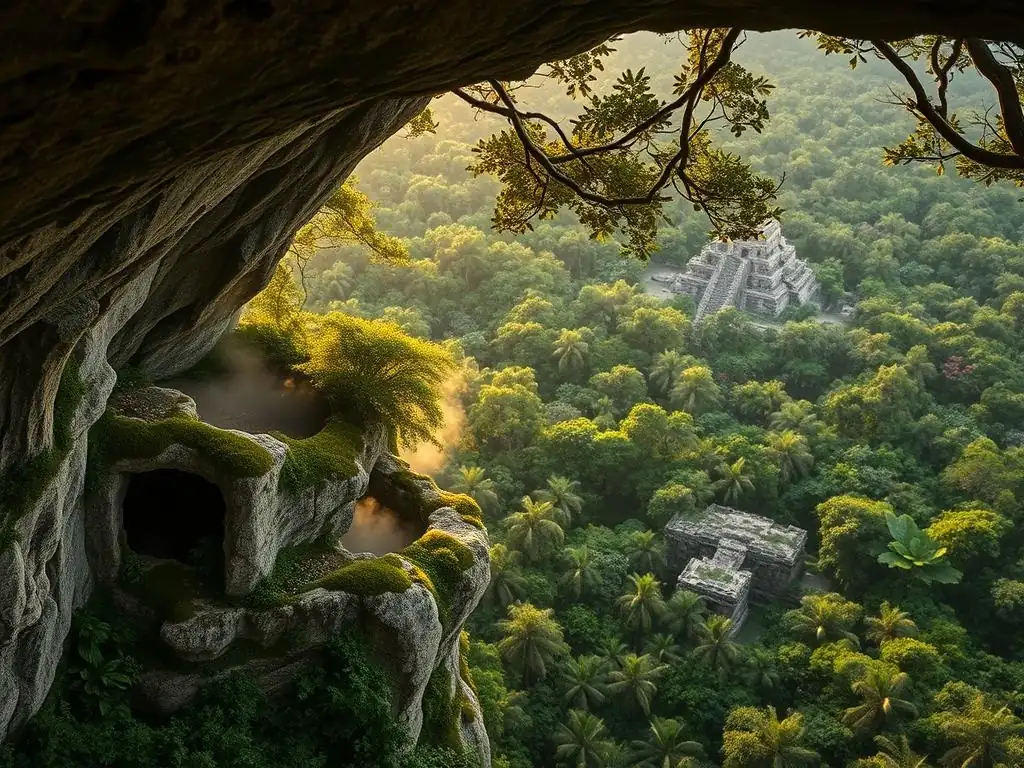
Welcome to Indigenous Civilizations of the Americas, where we invite you to embark on a fascinating journey through the rich tapestry of pre-colonial cultures that shaped the Americas. Delve into the intriguing world of the Maya as we uncover the secrets hidden within their ancient caves and remarkable structures. What mysteries lie beneath the surface? Join us as we explore the profound achievements of the Maya civilization and discover how their legacy continues to influence our understanding of history today. Prepare to be captivated and inspired—your adventure begins now!
Introduction to Maya Caves and Ancient Structures
The exploration of Maya caves and ancient structures offers a fascinating glimpse into the rich tapestry of the Maya civilization, which flourished across Central America long before European contact. These underground wonders are not just natural formations; they served as critical sites of ritual, habitation, and even urban planning for the Maya people.
From elaborate cave systems that were believed to be portals to the underworld, to sophisticated architectural structures that demonstrate advanced engineering techniques, the interplay between nature and human ingenuity is profound. This article delves into the intricate world of Maya caves and their associated structures, revealing their significance in understanding the broader context of Maya culture, society, and achievements.
Overview of Maya Civilization and Their Architectural Achievements
The Maya civilization, which reached its peak between 250 and 900 CE, is renowned for its remarkable contributions to architecture, art, and science. The Maya were skilled builders, creating impressive cities characterized by grand temples, palaces, and pyramids made from limestone, a material abundant in their environment. These structures were often adorned with intricate carvings and murals that reflected their cosmology and social hierarchy.
- Key architectural features include:
- Pyramids: Serving both as temples and burial sites for elite members.
- Ball courts: Used for the ceremonial game of pok-a-tok, which held religious significance.
- Observatories: Remarkable structures that showcase the Maya's understanding of astronomy.
The architectural achievements of the Maya not only demonstrate their technical skills but also their deep connection to their environment and belief systems.
Significance of Caves in Maya Culture and Society
Caves held a unique place in Maya culture, often regarded as sacred spaces that connected the living world with the spiritual realm. These underground environments were believed to be the abode of deities and ancestors, making them central to various religious practices and rituals.
- Caves served multiple purposes, including:
- Ritual sites: Where ceremonies were performed to ensure agricultural fertility or appease gods.
- Burial locations: Many caves contain human remains and offerings, indicating their role as final resting places.
- Resource extraction: Caves were also sources of valuable materials, such as clay and minerals, used in pottery and other crafts.
The multifaceted significance of caves in Maya society underscores their integral role in the cultural and spiritual lives of the Maya people.
The Formation and Characteristics of Maya Caves
Maya caves are not merely geological oddities; they are dynamic systems shaped by various natural processes over millennia. Understanding their formation aids in appreciating their cultural importance.
Geological Processes That Created Maya Caves
Maya caves primarily formed through karst processes, where soluble rock, such as limestone, is dissolved by slightly acidic water over time. This process leads to the creation of intricate cave systems that can extend for miles underground.
- Key processes include:
- Dissolution: Rainwater absorbs carbon dioxide from the atmosphere and soil, forming carbonic acid that dissolves limestone.
- Erosion: Continuous flow of water erodes the rock, creating larger openings and passageways.
- Collapse: The ceiling of caves can collapse, forming sinkholes or dolines that reveal the cave systems.
These geological processes not only create stunning natural formations but also contribute to the ecological diversity found within these caves.
Unique Features of Maya Cave Systems
Maya cave systems display remarkable features that reflect both natural processes and human interaction. These unique characteristics can vary widely from one cave to another.
- Notable features include:
- Stalactites and stalagmites: Mineral formations that have developed over thousands of years.
- Sacred pools: Bodies of water within caves that were often considered sacred and used in rituals.
- Petroglyphs: Ancient carvings that provide insight into the beliefs and practices of the Maya.
The distinctive features of Maya cave systems not only enhance their aesthetic appeal but also serve as important archaeological sites for understanding the past.
The exploration of Maya caves and ancient structures invites us to uncover the mysteries of a civilization that intricately intertwined its architectural genius with its natural surroundings, enriching our understanding of their enduring legacy.
Historical Context of Maya Caves
The Maya civilization, which flourished in Mesoamerica from approximately 2000 BCE to the arrival of Europeans in the 16th century, had a profound relationship with the caves found in their territories. These natural formations were not merely geological features; they were integral to the Maya worldview and cultural practices. The Maya believed that caves were portals to the underworld, known as Xibalba, which played a crucial role in their mythology, religion, and daily life. Throughout history, various archaeological findings have revealed that these caves served multiple purposes, from spiritual rituals to practical uses.
The significance of caves can be traced back to the Preclassic period (approximately 2000 BCE to 250 CE), when the earliest Maya societies began to form. As their cities developed, the Maya continued to utilize the caves in their surroundings, intertwining their existence with the landscape. Over time, many caves became sites of worship and pilgrimage, where offerings were made to deities and ancestors, further solidifying their importance within the Maya cosmology. This historical relationship between the Maya and their caves has had lasting implications for understanding their culture and societal organization.
The Role of Caves in Maya Mythology and Religion
Maya mythology is rich with narratives that emphasize the significance of caves as sacred spaces. The underworld, often depicted as a dark and mysterious realm, was believed to be the dwelling place of gods and ancestral spirits. Caves were thought to be gateways to this realm, where the boundaries between the physical and spiritual worlds blurred. Rituals conducted in these caves often involved the use of offerings, such as food, incense, and even human sacrifices, aimed at appeasing deities and ensuring fertility, health, and prosperity.
One of the most famous myths involving caves is the story of the Hero Twins, who journeyed to Xibalba to confront the lords of the underworld. Their trials and eventual triumph represent themes of death, rebirth, and the cyclical nature of life—central tenets of Maya spirituality. The caves served as physical manifestations of these myths, providing a tangible connection to the supernatural world. This belief in the power of caves helped shape the religious practices and architectural designs throughout Maya civilization, influencing temple constructions and the placement of ceremonial centers.
Archaeological Discoveries in Maya Caves
Archaeological explorations of Maya caves have yielded remarkable insights into the civilization's lifestyle, beliefs, and practices. Excavations have uncovered a wealth of artifacts, including pottery, tools, and ceremonial objects, which provide a glimpse into the daily lives of the ancient Maya. Notably, the discovery of sacred offerings and human remains in various caves indicates their use as ritual sites.
One significant site is the Balamku Cave, located in the Yucatan Peninsula, which has revealed intricate carvings and murals that offer clues to Maya cosmology and their connection to the underworld. Additionally, the Actun Tunichil Muknal cave is renowned for its skeletal remains and pottery, showcasing the ritualistic practices of the Maya. These findings underscore the caves' importance as both cultural and spiritual centers, illustrating the intricate relationship the Maya had with their environment and the afterlife.
Types of Maya Caves and Their Structures
The variety of caves utilized by the Maya reflects their diverse functions and significance within the culture. They can be categorized into three primary types: ritual caves, residential caves, and storage caves, each serving distinct roles in ancient Maya society.
Ritual Caves: Sacred Spaces for Ceremonies
Ritual caves were vital to Maya spiritual practices, serving as locations for ceremonies and offerings to the gods. These caves often contained altars, niches, and other features designed for religious activities. The presence of ceremonial artifacts, such as incense burners and ceremonial pottery, highlights their use in rituals aimed at invoking divine favor or communicating with the ancestors.
The Cenote of Sacrifice at Chichen Itza is an excellent example of a ritual cave, where offerings, including human sacrifices, were made to the rain god Chaac. The belief in the caves as sacred spaces reinforced the connection between the Maya and their deities, making them essential to the spiritual landscape of the civilization.
Residential Caves: Living Quarters of the Ancient Maya
In addition to their spiritual significance, some caves served as residential spaces for the ancient Maya. These caves provided shelter from the elements and were often located near agricultural lands, allowing inhabitants to cultivate crops while having a safe refuge. Archaeological evidence suggests that these residential caves were equipped with basic amenities, such as hearths for cooking and areas for sleeping.
The use of caves as living quarters reflects the adaptability of the Maya to their environment, utilizing natural formations to enhance their quality of life. Notable discoveries include artifacts such as tools, pottery, and remnants of food, which offer insights into the daily activities and lifestyles of the Maya who inhabited these caves.
Storage Caves: Preserving Resources and Offerings
Storage caves played a practical role in Maya society by serving as repositories for food, resources, and ceremonial offerings. These caves were strategically located to protect valuable items from the elements and potential theft. Evidence of food storage, including maize and other agricultural products, has been found in various caves, indicating their importance in sustaining communities.
Moreover, storage caves often contained offerings meant for the gods, reflecting the belief that material wealth should be shared with the divine. The presence of these items illustrates the interconnectedness of daily life and spirituality in Maya culture, highlighting the significance of caves in preserving not just physical resources but also the community's spiritual well-being.
Architectural Techniques Used in Maya Cave Structures
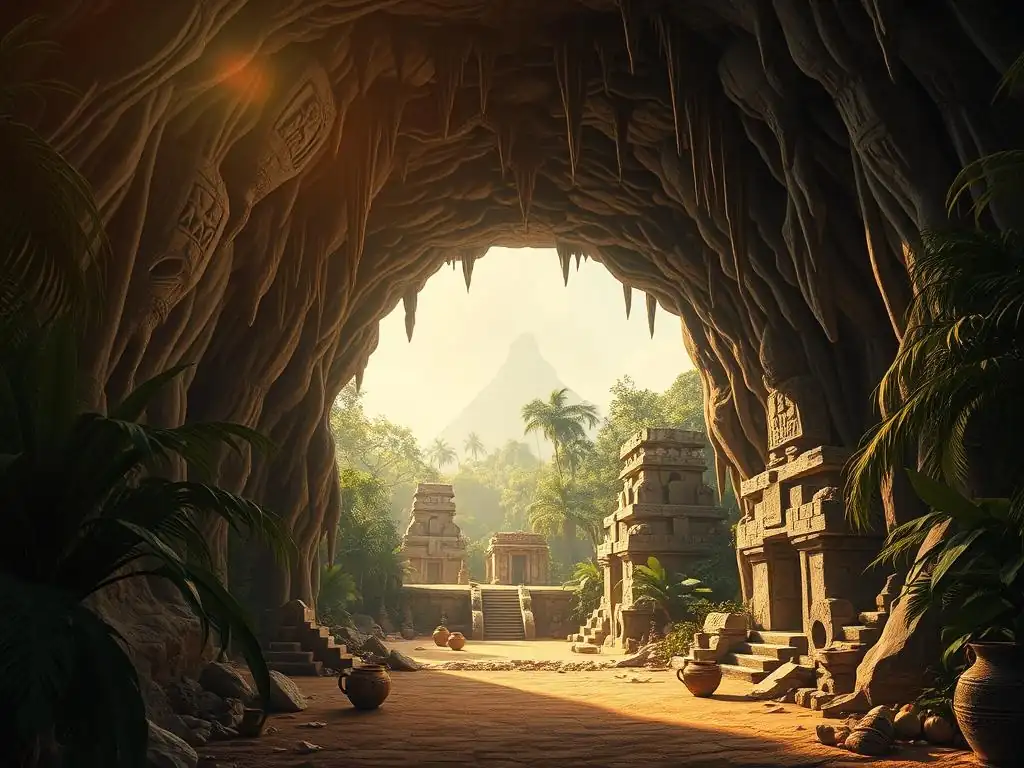
The architectural techniques employed in Maya caves and ancient structures demonstrate an intricate understanding of both the natural environment and the needs of the society that built them. The Maya civilization, known for its advanced knowledge in various fields, adapted architectural practices to the unique challenges presented by cave environments. This included sophisticated methods of excavation, support, and ventilation that allowed for stable and functional spaces within the underground realms.
One of the primary techniques involved creating expansive chambers within the rock, which often required precise calculations to maintain structural integrity. The Maya applied principles of geometry and engineering, employing arches and corbelled vaults to distribute weight effectively. This not only enhanced the strength of the structures but also allowed for the construction of larger spaces that could accommodate communal and ceremonial activities.
Additionally, the Maya were adept at utilizing natural formations within caves, often incorporating existing rock features into their designs. This synergy between the built environment and natural landscapes reflects a deep respect for the earth and its resources, showcasing the Maya's holistic approach to architecture.
Construction Methods: Adapting to Underground Environments
When constructing structures in caves, the Maya faced unique challenges that necessitated innovative construction methods. One of the most critical factors was managing water flow, as caves often harbor underground rivers and streams. To address this, Maya builders developed drainage systems that channeled water away from living and ceremonial spaces, protecting them from flooding and erosion.
Another important aspect was the accessibility of these underground spaces. The Maya constructed ramps and stairways that led into caves, facilitating easy movement for both people and goods. These access points were often carefully planned to ensure they were strategically located near key community areas or trade routes.
Moreover, the use of scaffolding made from local materials allowed workers to build more efficiently in confined spaces. The Maya also utilized a technique known as "subterranean excavation," where they would dig into the earth to create additional chambers or expand existing ones, often leading to the discovery of significant artifacts that provide insights into their culture.
Materials Utilized in Building Maya Structures
The materials chosen for constructing Maya cave structures were predominantly sourced from their immediate environment, reflecting the civilization's resourcefulness and adaptability. Limestone, abundant in many regions inhabited by the Maya, was the primary building material. Its relative softness when quarried made it easier to shape, while its durability ensured the longevity of the structures.
In addition to limestone, the Maya also utilized clay for plastering walls and creating decorative elements. This clay was often mixed with organic materials to enhance its strength and aesthetic appeal. The use of natural pigments sourced from minerals and plants allowed for vibrant frescoes that adorned cave walls, depicting religious and cultural narratives.
Wood was another vital resource, primarily used for scaffolding, roofing, and decorative details. The Maya often employed hardwoods due to their strength and resistance to decay, ensuring that structural elements could withstand the humid conditions typical of cave environments.
The Connection Between Caves and Other Maya Architectural Forms
The relationship between Maya caves and other architectural forms within the civilization is a fascinating aspect of their cultural heritage. This connection reveals how the Maya integrated various elements of their architecture to create a cohesive urban landscape.
Overlapping Design Elements with Above-Ground Structures
Maya cave structures often share design elements with above-ground buildings, highlighting a consistent architectural language. For instance, similar decorative motifs, such as carved stone reliefs and murals, can be found in both subterranean and surface constructions. This continuity suggests that the caves were not merely functional spaces but were also imbued with significant cultural and religious symbolism.
The use of corbel arches and vaulted ceilings, prevalent in above-ground temples, is also evident in cave architecture. This architectural style provided both structural support and a ceremonial atmosphere, linking the sacred spaces of the underground with those above.
Furthermore, the orientation and layout of cave entrances often mirrored the alignments found in urban planning, emphasizing the importance of celestial events and religious practices in both contexts. This interconnectedness illustrates the Maya's comprehensive approach to architecture, where every structure played a role in their cosmological beliefs.
Integration of Caves in Urban Planning of Maya Cities
Caves were integral to the urban planning of many Maya cities, serving as sites for rituals, storage, and even habitation. Their strategic placement within urban centers often signified their importance in community life. For instance, certain caves were viewed as portals to the underworld, making them essential for religious ceremonies and offerings.
In cities like Tikal and Palenque, caves were incorporated into the urban grid, often located near temples and plazas. This deliberate integration facilitated a seamless flow between sacred and secular spaces, allowing for a dynamic interaction between the community and their spiritual beliefs.
Additionally, the presence of caves influenced the layout of streets and structures, with pathways often leading to these underground sites. This thoughtful planning ensured that caves remained accessible and central to the Maya way of life, reinforcing their significance within the broader context of Maya civilization.
Modern Exploration and Preservation of Maya Caves
Modern exploration and preservation of Maya caves have become increasingly vital as we seek to understand the deep connections between these subterranean structures and the ancient Maya civilization. With the advancement of technology, archaeologists are employing a variety of methods, including ground-penetrating radar (GPR) and 3D scanning, to map and document cave systems that were previously inaccessible or poorly understood. These techniques allow researchers to create detailed models of cave formations and artifacts, enabling a comprehensive analysis of their historical context.
Moreover, interdisciplinary collaboration is proving essential. Biologists, geologists, and anthropologists are working alongside archaeologists to explore not only the human impact on these caves but also the ecosystems that thrive within them. This holistic approach is crucial as it provides valuable insights into how the ancient Maya interacted with their environment and utilized cave systems for various purposes, such as ritual activities, agriculture, and shelter.
Current Archaeological Efforts in Maya Cave Research
Current archaeological efforts in Maya cave research are multifaceted, focusing on both exploration and excavation. Significant sites such as the Actun Tunichil Muknal cave in Belize and the Sacred Cenote at Chichen Itza in Mexico have become focal points for investigation. These sites have yielded numerous artifacts, including pottery, tools, and human remains, which shed light on the religious and cultural practices of the Maya.
Archaeologists are also emphasizing the importance of digital archaeology. By creating virtual tours and interactive maps, they aim to make these findings accessible to a broader audience. Programs that involve local communities in the preservation of these caves are being developed, ensuring that indigenous knowledge is integrated into the research process. This not only aids in protecting cultural heritage but also empowers local populations by involving them in the stewardship of their history.
The Importance of Protecting Maya Caves and Their Heritage
Protecting Maya caves and their heritage is crucial for several reasons. Firstly, these caves serve as archaeological time capsules that preserve invaluable information about the Maya civilization. The artifacts and remains found within them provide a direct link to the past, allowing us to understand their rituals, social structure, and daily lives.
Secondly, the caves are significant for contemporary Maya communities, who often view them as sacred spaces tied to their cultural identity. As such, the degradation or destruction of these sites not only erases historical knowledge but also threatens the cultural continuity and spiritual practices of living communities.
Efforts to protect these sites include legal frameworks and conservation programs aimed at regulating access to caves and preventing vandalism. Education and outreach initiatives are also essential to raise awareness about the importance of these sites and engage the public in their preservation.
Conclusion: The Lasting Impact of Maya Caves and Ancient Structures
The exploration of Maya caves and ancient structures reveals a wealth of knowledge about one of the most sophisticated civilizations in history. The intricate designs and the strategic use of natural landscapes underscore the architectural prowess of the Maya. These caves, often regarded as sacred, played a significant role in their cosmology and daily life, serving as places of worship, burial, and refuge.
Reflections on the Mysteries and Knowledge Gained
Reflecting on the mysteries of Maya caves highlights the complexity of their societal structures and belief systems. The study of these subterranean environments has unveiled a myriad of rituals and practices that were integral to Maya life, including offerings and ceremonies. The information gleaned from these sites continues to challenge and expand our understanding of the Maya civilization, showcasing their adaptability and ingenuity in utilizing their environment.
As researchers uncover more about these ancient structures, they also deepen their appreciation for the cultural significance of these spaces. Each discovery adds a layer to our understanding of how the Maya navigated their world, both physically and spiritually.
Future Research Directions in Maya Cave Studies
Future research directions in Maya cave studies are promising, with a focus on uncharted cave systems and the integration of new technologies. As more caves are discovered and studied, researchers are likely to uncover additional artifacts and evidence of human activity that could further illuminate the Maya worldview and their interactions with the environment.
Additionally, there is a growing emphasis on collaborative research that includes indigenous perspectives. Engaging local communities in the research process not only enriches the findings but also fosters a sense of ownership and responsibility towards the preservation of these significant cultural sites.
Ultimately, as the field of Maya cave studies evolves, it holds the potential to reveal even more of the complex narrative of the Maya civilization, ensuring that their heritage continues to resonate through time.
- Introduction to Maya Caves and Ancient Structures
- The Formation and Characteristics of Maya Caves
- Historical Context of Maya Caves
- Types of Maya Caves and Their Structures
- Architectural Techniques Used in Maya Cave Structures
- The Connection Between Caves and Other Maya Architectural Forms
- Modern Exploration and Preservation of Maya Caves
- Conclusion: The Lasting Impact of Maya Caves and Ancient Structures
Frequently Asked Questions
What are the Maya caves known for?
Maya caves are renowned for their unique formations, archaeological significance, and ritual use by the ancient Maya civilization. These caves often served as sacred sites for various ceremonies.
How did the Maya civilization utilize their caves?
The Maya civilization utilized caves for religious rituals, as burial sites, and as places for shelter and storage. They believed these underground spaces connected them to the underworld.
What are some notable ancient structures associated with the Maya?
Notable ancient structures include the pyramids, temples, and ball courts found in cities like Tikal and Chichen Itza. These structures often reflect the sophistication of Maya architecture and culture.
How have Maya caves influenced modern understanding of their culture?
Maya caves have provided valuable insights into social, religious, and economic practices of the Maya civilization. Archaeological studies reveal their ritual significance and the complexity of Maya beliefs.
Why is it important to study Maya caves and ancient structures?
Studying Maya caves and ancient structures is crucial to appreciating the cultural heritage of the Maya. They help us understand the achievements of ancient societies and their lasting impact on history.
Final Reflection: Unveiling the Secrets of Maya Caves and Ancient Structures
The exploration of Maya caves and their ancient structures offers us a profound connection to the past, revealing the intricate relationship between culture and environment. Today, as we face challenges related to climate change and urbanization, understanding these ancient practices becomes increasingly relevant. The ingenuity of the Maya in utilizing their natural surroundings not only showcases their architectural prowess but also serves as a reminder of the importance of sustainability in our modern world.
The mysteries of the Maya caves continue to influence our cultural landscape, inspiring both scholars and adventurers alike. These ancient sites are not just relics of history; they are vibrant reminders of human resilience and creativity. As we delve deeper into these underground realms, we uncover stories that resonate with our own experiences. The past is never dead. It's not even past.
— William Faulkner. This quote encapsulates the enduring impact of the Maya civilization, urging us to reflect on how their legacy shapes our present and future.
As you contemplate the wonders of the Maya caves and their ancient structures, I invite you to consider how these lessons can be applied in your own life. Let the ingenuity and adaptability of the Maya inspire you to seek harmony with your environment and to cherish the stories that shape your community. Embrace the mysteries that surround you, for they hold the keys to understanding not just where we come from, but where we are headed.
Unveil the Secrets of Maya Caves!
Thank you for diving deep into the fascinating world of Maya caves and structures! We hope you’ve uncovered some intriguing insights into this ancient civilization's rich history and its hidden wonders. Now, it’s time to take your curiosity to the next level. Here’s how you can further explore and engage with the mystique of these incredible sites:
- Join a local archaeological group or participate in virtual tours to explore Maya caves firsthand and deepen your understanding.
- Share your newfound knowledge! Discuss your discoveries with friends or on social media to spark interest in the wonders of indigenous civilizations.
- Investigate lesser-known Maya sites by reading academic articles or watching documentaries that unveil captivating stories waiting to be told.
What hidden stories do you think the Maya caves have yet to reveal? We would love to hear your thoughts in the comments below!