
Andean Agriculture and Climate Change: Historical Strategies for Adaptation

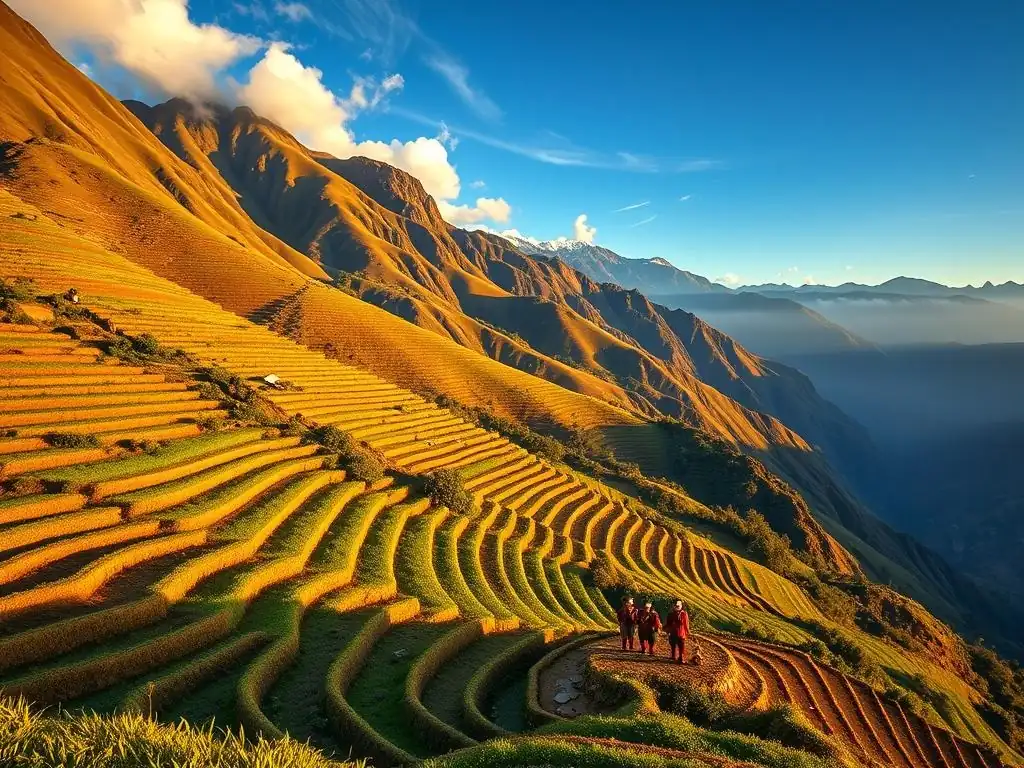
Welcome to Indigenous Civilizations of the Americas, where we invite you to embark on a fascinating journey through the rich tapestry of indigenous cultures that flourished across the continent long before European influence. Our spotlight today shines on the Andean agriculture climate adaptation strategies, revealing the innovative methods employed by ancient communities to thrive in a challenging environment.
How did these civilizations harness the power of their surroundings to cultivate resilience? Dive deeper into our featured article, "Andean Agriculture and Climate Change: Historical Strategies for Adaptation," and discover the remarkable achievements that continue to inspire and inform our understanding of sustainable practices today.
- Introduction to Andean Agriculture and Climate Change
- Historical Context of Andean Agriculture
- Climate Change Challenges Facing Andean Agriculture
- Historical Strategies for Climate Adaptation in Andean Agriculture
- Case Studies of Successful Adaptation Strategies
- Modern Implications of Historical Adaptation Strategies
- Conclusion: The Future of Andean Agriculture and Climate Adaptation
- References
-
Frequently Asked Questions
- What is the primary focus of the article "Andean Agriculture and Climate Change: Historical Strategies for Adaptation"?
- How did Andean civilizations adapt their agriculture to changing climates?
- What role did indigenous knowledge play in Andean agricultural practices?
- Can the strategies discussed in the article inform modern agricultural practices?
- How does this article contribute to the understanding of indigenous cultures in the Americas?
- Final Reflection: Embracing Resilience in Andean Agriculture
- Embrace Resilience: Act for Sustainable Agriculture!
Introduction to Andean Agriculture and Climate Change
Andean agriculture, deeply rooted in the rich cultural tapestry of the indigenous civilizations of the Americas, presents a fascinating study of resilience and innovation. This agricultural system, developed over thousands of years, showcases the ingenuity of Andean peoples in adapting to diverse climatic conditions and geographical challenges. As climate change increasingly threatens these established practices, understanding historical strategies for adaptation becomes crucial. This article delves into the intricate relationship between Andean agriculture and climate change, exploring how traditional methods can inform contemporary responses to environmental shifts and ensure the sustainability of agricultural practices in the region.
Importance of Andean Agriculture in Indigenous Civilizations
Andean agriculture is not merely a means of sustenance; it is a vital component of the social, economic, and spiritual life of indigenous civilizations such as the Inca, Aymara, and Quechua. Key aspects include:
- Diversity of Crops: The Andean region is home to a variety of crops, including potatoes, quinoa, and maize, each selected for their adaptability to local conditions. This biodiversity supports food security and cultural identity.
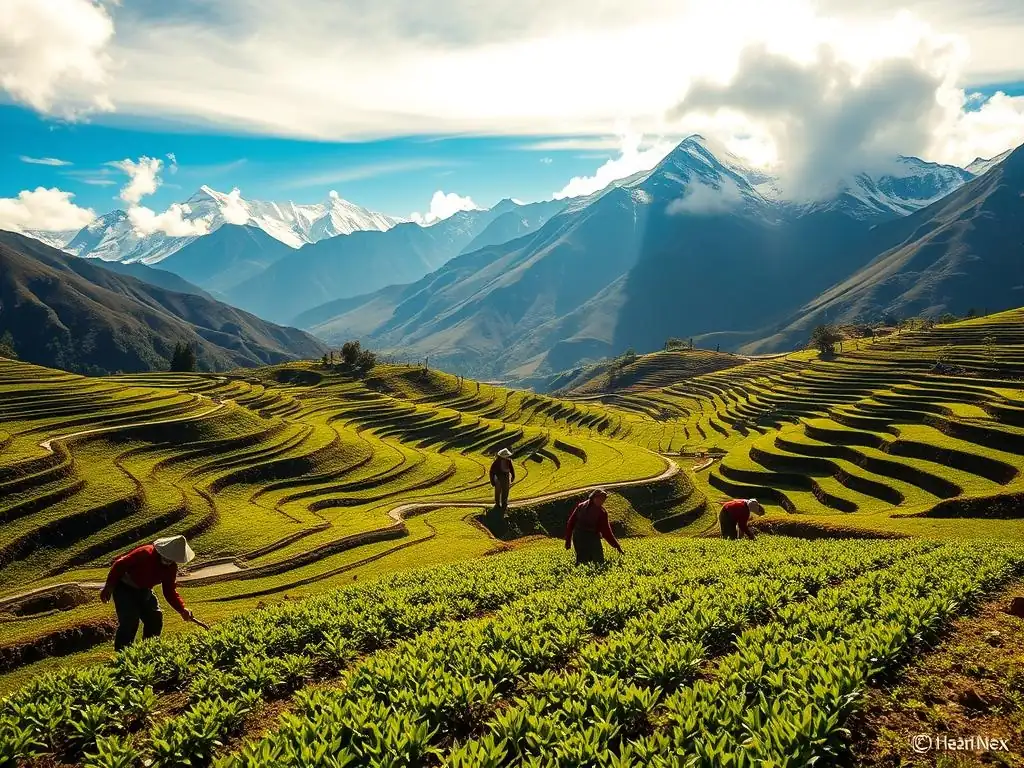
- Terracing and Irrigation: The ingenious use of terracing on mountainous landscapes maximizes arable land and minimizes soil erosion. Ancient irrigation systems harnessed water from rivers and glaciers, demonstrating sophisticated engineering and environmental stewardship.
- Cultural Significance: Agricultural practices are intertwined with rituals and traditions, reflecting the deep respect for the land and its resources. Festivals celebrating harvests reinforce community bonds and cultural heritage.
This intricate relationship highlights the importance of preserving these agricultural practices, especially in the face of modern challenges.
Overview of Climate Change Impact on Andean Agricultural Systems
The impact of climate change on Andean agricultural systems is profound and multifaceted. Key factors include:
- Temperature Fluctuations: Rising temperatures affect crop yields and alter growing seasons. Some crops may become less viable, prompting a need for adaptation.
- Altered Rainfall Patterns: Changes in precipitation can lead to droughts or excessive rainfall, both of which can devastate crops and challenge water management systems.
- Glacial Melt: The Andean glaciers, crucial for water supply during dry seasons, are retreating due to climate change. This threatens the irrigation systems that have sustained agriculture for centuries.
Understanding these impacts is essential for developing effective climate adaptation strategies that honor traditional knowledge while addressing contemporary challenges. By learning from the past, we can forge a path toward a sustainable agricultural future in the Andean region.
Historical Context of Andean Agriculture
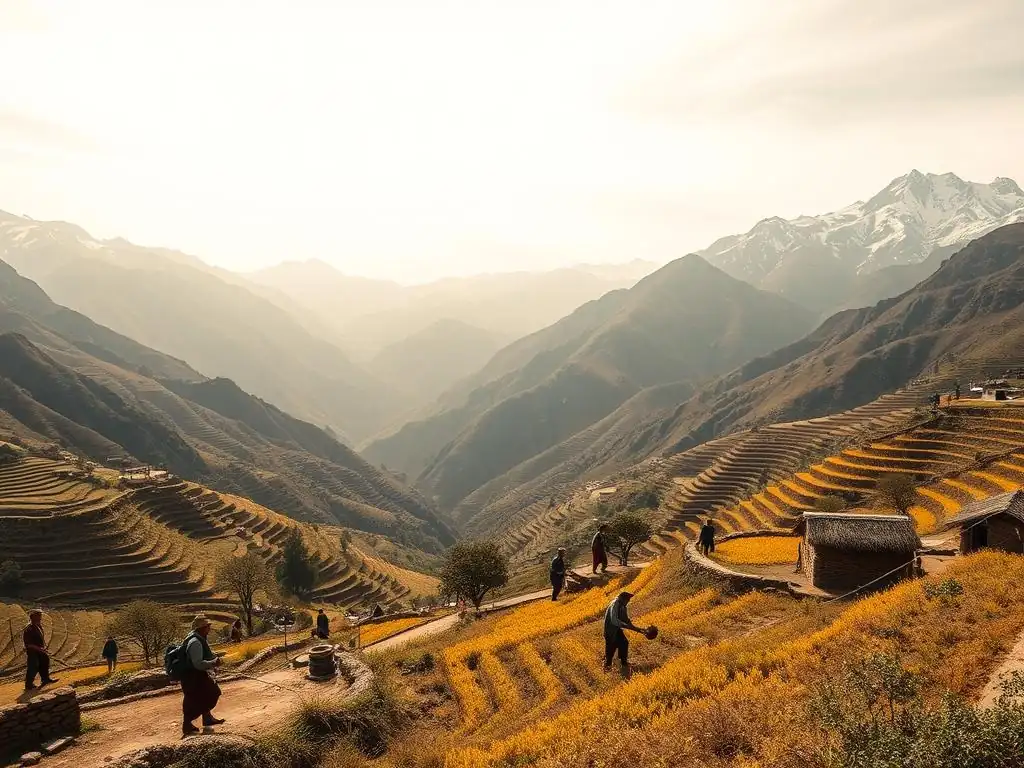
The Andean region, characterized by its diverse altitudinal zones and microclimates, has been home to sophisticated agricultural practices for thousands of years. The indigenous peoples of the Andes, including the Incas and their predecessors, developed an advanced system of agriculture that was highly adapted to the challenging environmental conditions of the highlands. This historical context is crucial for understanding how Andean agriculture has evolved and how it responds to modern climate change.
The origins of Andean agriculture can be traced back over 3,000 years, with evidence of domesticated crops such as potatoes, quinoa, and maize. These crops were not only vital for sustenance but also played a significant role in the cultural and economic practices of Andean societies. The Incas, who emerged as a dominant civilization in the 15th century, further innovated agricultural techniques, implementing extensive terrace farming and irrigation systems that maximized productivity in mountainous terrains.
The unique climatic conditions of the Andes, marked by altitudinal variations and microclimates, necessitated adaptive farming strategies. Indigenous farmers developed a deep understanding of their environment, leading to the cultivation of diverse crop varieties suited to different altitudes. This biodiversity was crucial for food security and resilience, allowing communities to withstand climatic fluctuations.
As the region faces contemporary challenges such as climate change, understanding the historical context of Andean agriculture provides valuable insights into effective adaptation strategies. The integration of traditional practices with modern agricultural techniques is essential for ensuring the sustainability of Andean farming systems.
Traditional Farming Practices in the Andes
Traditional farming practices in the Andes are characterized by a combination of innovative techniques and deep-rooted cultural traditions. These practices have evolved over centuries, enabling indigenous communities to thrive in an environment known for its climatic extremes.
- Terracing:
- One of the most notable practices is the construction of terraces, which reduce soil erosion and maximize arable land on steep slopes. These terraces are often complemented by sophisticated irrigation systems that channel water from nearby rivers and streams.
- Crop Rotation and Diversity:
- Farmers utilize crop rotation to maintain soil fertility and reduce pest and disease pressures. The cultivation of multiple crops, including staple foods like potatoes and maize, ensures a varied diet and mitigates risks associated with crop failure.
- Farming at Different Elevations:
- Indigenous farmers exploit the altitudinal zonation of the Andes, growing different crops at varying elevations. For instance, quinoa thrives at higher altitudes while maize is grown in lower valleys. This vertical farming strategy enhances biodiversity and food security.
- Use of Indigenous Varieties:
- The preservation of traditional seed varieties plays a crucial role in Andean agriculture. These indigenous varieties are often more resilient to local pests and diseases, as well as to climatic fluctuations, making them essential for sustainable farming.
The resilience and adaptability of these traditional farming practices highlight the importance of indigenous knowledge in responding to environmental challenges.
The Role of Indigenous Knowledge in Farming Adaptations
Indigenous knowledge is paramount in the adaptation strategies employed by Andean farmers in the face of climate change. This knowledge, accumulated over generations, encompasses a wealth of information about local ecosystems, crop varieties, and sustainable practices that have proven effective over time.
-
Observation and Experimentation:
Indigenous farmers have honed their skills through keen observation of natural patterns, leading to the development of adaptive strategies. For example, they have learned to time planting and harvesting based on seasonal weather changes, which is crucial for optimizing yields.
-
Cultural Practices and Spirituality:
Many Andean agricultural practices are intertwined with cultural beliefs and spiritual rituals. These practices not only enhance community cohesion but also promote sustainable land management by fostering respect for nature.
-
Collaboration and Knowledge Sharing:
Community networks play a vital role in the dissemination of indigenous knowledge. Farmers often share insights and techniques, ensuring that adaptive strategies are collectively refined and improved.
-
Integration of Modern Science:
In recent years, there has been a growing recognition of the value of integrating indigenous knowledge with modern scientific approaches. This collaborative effort aims to enhance agricultural resilience, leading to more effective climate adaptation strategies.
The historical context of Andean agriculture, traditional practices, and the invaluable role of indigenous knowledge are fundamental components of the region's response to climate change. By embracing these elements, Andean communities can continue to develop effective climate adaptation strategies that honor their rich cultural heritage while addressing contemporary environmental challenges.
Climate Change Challenges Facing Andean Agriculture
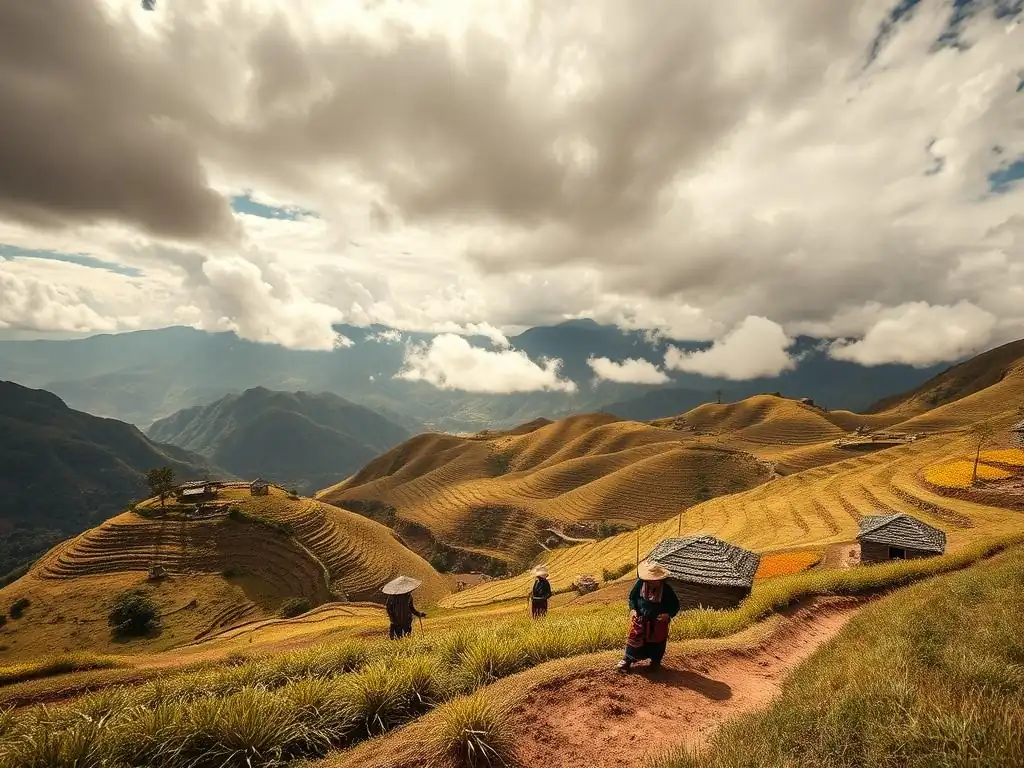
The Andean region, characterized by its diverse microclimates and rich agricultural history, faces significant challenges due to climate change. The unique geography of the Andes, with steep slopes and varying altitudes, has traditionally supported a variety of crops. However, changing climate patterns threaten these agricultural systems, impacting both crop yields and the livelihoods of farming communities. Understanding these challenges is vital for developing effective adaptation strategies.
Effects of Climate Variability on Crop Yields
Climate variability, including fluctuations in temperature and precipitation patterns, profoundly impacts the agricultural productivity of Andean farmers. Studies show that:
- Temperature Increases: Average temperatures in the Andes have risen by approximately 1.5°C over the past century. This increase can lead to:
- Reductions in crop yields for staple foods such as potatoes and quinoa.
- Altered growth cycles, affecting planting and harvesting times.
- Altered Rainfall Patterns: Changes in rainfall distribution can lead to:
- Increased droughts in some regions, making irrigation essential.
- Heavy rainfall events that can result in soil erosion and crop loss.
Farmers have historically relied on traditional knowledge to adapt to these changes, utilizing indigenous crops and farming techniques. However, the current pace of climate change requires innovative approaches to ensure food security.
Impact of Extreme Weather Events on Farming Communities
Extreme weather events, such as floods, landslides, and prolonged droughts, pose severe risks to Andean agricultural communities. The consequences of these events include:
- Displacement of Communities: Natural disasters can force families to abandon their farms, leading to:
- Loss of traditional knowledge and cultural practices associated with agriculture.
- Increased migration to urban areas, straining city resources.
- Economic Challenges: The economic impact of extreme weather is significant, as farmers may face:
- Crop failures that lead to food shortages and increased prices.
- Loss of income that affects the overall economic stability of farming families.
To mitigate these impacts, many communities are exploring and implementing climate adaptation strategies, such as building resilient infrastructure, diversifying crops, and integrating sustainable farming practices. These strategies not only aim to reduce vulnerability but also seek to enhance the overall resilience of Andean agriculture in the face of ongoing climate challenges.
Historical Strategies for Climate Adaptation in Andean Agriculture
The Andean region, characterized by its diverse climates and altitudinal gradients, has shaped unique agricultural practices among indigenous civilizations. Historical climate adaptation strategies have been essential for sustaining agricultural productivity in the face of changing environmental conditions. These strategies not only allowed for survival but also thrived in the rich cultural tapestry of Andean societies.
Diversification of Crops: A Key Adaptation Strategy
One of the most significant methods employed by Andean farmers was the diversification of their crops. By cultivating a wide variety of plants, indigenous farmers could mitigate the risks associated with climate variability.
- Crop Variety: The Andean highlands are home to a diverse array of crops, including potatoes, quinoa, and maize. Each crop has its own resilience to different climatic stresses, such as drought or frost. For instance:
- Potatoes: With over 4,000 native varieties, potatoes could thrive in various climatic conditions, making them a staple food source.
- Quinoa: This ancient grain is extremely resilient to harsh weather, particularly in high-altitude regions, ensuring food security even during adverse conditions.
- Altitudinal Zonation: The practice of planting crops at various altitudes allowed communities to take advantage of microclimates. Farmers strategically placed their crops in different elevations to optimize growing conditions, ensuring a stable supply of food throughout the year.
This diversification not only supported nutrition but also fostered economic stability, as different crops could be sold or bartered in local markets.
Use of Terracing and Irrigation Techniques
Terracing and sophisticated irrigation systems were crucial in the Andean agricultural landscape. These methods allowed indigenous peoples to adapt to the mountainous terrain and variable rainfall patterns.
- Terracing: This involved creating flat areas on steep hillsides, which reduced soil erosion and maximized arable land. Key benefits include:
- Soil Conservation: Terracing helped maintain soil moisture and nutrients, essential for crop growth in the otherwise challenging environment.
- Microclimate Creation: The terraces could create localized climate conditions that were more favorable for agriculture.
- Irrigation Systems: Advanced irrigation techniques, such as the use of canals and aqueducts, were developed to manage water efficiently. These systems enabled farmers to:
- Control Water Supply: By directing water from nearby rivers or lakes, farmers could irrigate their fields even during dry spells.
- Enhance Crop Yields: Consistent moisture levels contributed significantly to higher productivity.
These engineering feats demonstrate the sophistication of Andean agricultural practices and their capacity to respond to climate challenges.
Integration of Indigenous Knowledge with Modern Practices
The blending of traditional indigenous knowledge with contemporary agricultural practices is emerging as a vital strategy for climate adaptation in Andean agriculture.
- Traditional Ecological Knowledge (TEK): Indigenous farmers possess centuries of experiential knowledge regarding their environment. This includes:
- Understanding Local Weather Patterns: Farmers have historically observed and adapted to seasonal changes, allowing them to make informed decisions about planting and harvesting times.
- Soil Management Techniques: Practices such as crop rotation and the use of organic fertilizers have been effective in maintaining soil health.
- Modern Adaptations: As climate change poses new challenges, integrating modern scientific approaches enhances these traditional methods. For example:
- Research and Development: Collaborations between indigenous communities and agricultural scientists are leading to the development of climate-resilient crop varieties.
- Sustainable Practices: The adoption of agroecological principles promotes biodiversity and sustainability, ensuring that Andean farming systems remain robust in the face of climate change.
This integration not only supports food security but also empowers indigenous communities by valuing their knowledge and practices, fostering resilience against the impacts of climate change.
Through these historical strategies, Andean agriculture illustrates a profound relationship between culture and climate adaptation, showcasing the ingenuity and resilience of indigenous peoples in navigating their environmental challenges.
Case Studies of Successful Adaptation Strategies
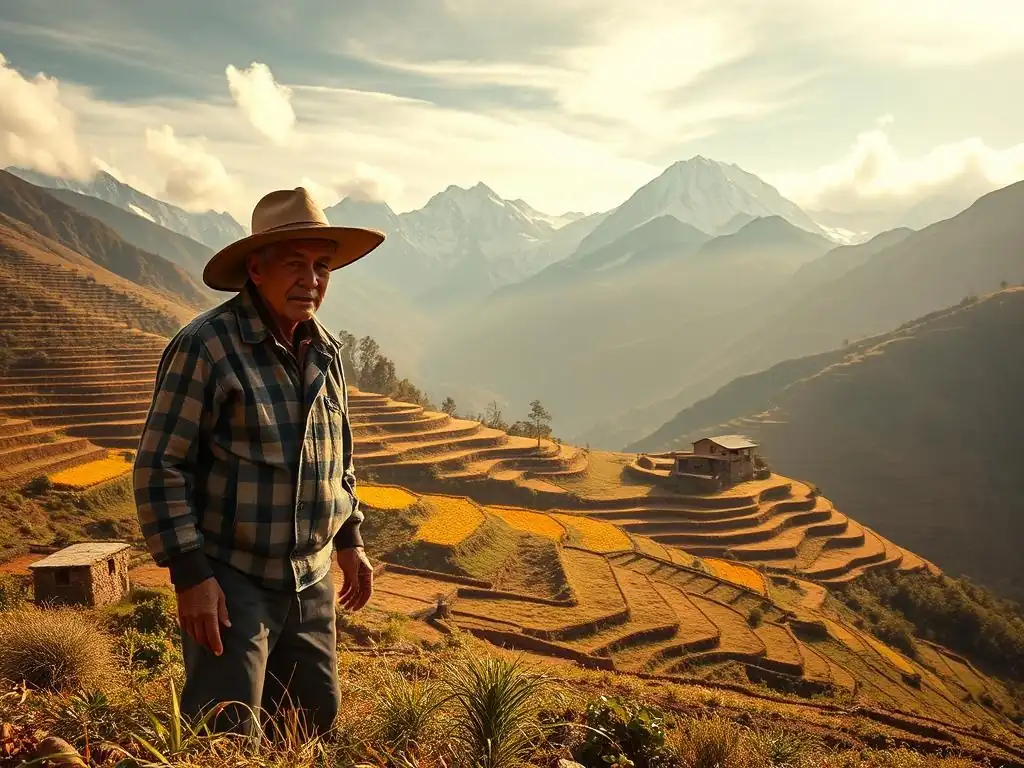
Case Study 1: The Quinoa Farmers of Bolivia
Overview of Adaptation Strategies Used
Quinoa farmers in Bolivia have developed a range of adaptation strategies to combat the challenges posed by climate change. These strategies focus on sustainable agricultural practices that enhance resilience to fluctuating weather patterns. Some key strategies include:
- Diversification of Crops: Farmers have shifted from monoculture systems to polyculture, incorporating a variety of crops alongside quinoa. This not only reduces risk but also improves soil health.
- Water Management Techniques: Traditional irrigation methods, such as the use of qanats (underground aqueducts), have been revitalized to optimize water use. Rainwater harvesting systems are also increasingly employed to capture and store water during the rainy season.
- Seed Selection and Preservation: Farmers have preserved indigenous quinoa varieties that are better suited to withstand drought and pests. This approach ensures a diverse gene pool that can adapt to changing conditions.
- Community-Based Knowledge Sharing: Local farmers have established cooperatives to share knowledge about climate adaptation techniques. Workshops and training sessions promote sustainable practices and encourage innovation.
Results and Lessons Learned
The implementation of these adaptation strategies has yielded significant benefits for quinoa farmers in Bolivia. Some notable outcomes include:
- Improved Yields: Farmers have reported a 30% increase in quinoa yields due to the adoption of diverse cropping systems and enhanced water management practices.
- Economic Resilience: The diversification of crops has created additional income streams, reducing dependency on quinoa alone and enhancing economic stability.
- Community Empowerment: The formation of cooperatives has fostered a sense of community among farmers, leading to collective resilience against climate change challenges.
- Cultural Preservation: By preserving traditional farming methods and indigenous seed varieties, farmers not only adapt to climate change but also maintain their cultural heritage.
These results underscore the importance of blending traditional knowledge with innovative practices, showcasing a successful model for other Andean communities facing similar challenges.
Case Study 2: The Potato Growers of Peru
Overview of Adaptation Strategies Used
Potato growers in Peru, particularly in the highland regions, have adopted various strategies to mitigate the impacts of climate change on their crops. These strategies are tailored to the unique environmental and socio-economic contexts of the region. Key strategies include:
- Utilization of Native Potato Varieties: Farmers cultivate a wide range of native potato varieties, each adapted to specific climatic conditions. This diversity helps buffer against pests and diseases.
- Soil Conservation Practices: Techniques such as terracing and contour farming have been employed to prevent soil erosion and maintain soil fertility, crucial for sustaining potato production.
- Integrated Pest Management (IPM): This holistic approach combines biological control, cultural practices, and resistant varieties to manage pests without relying heavily on chemical pesticides.
- Climate Monitoring and Forecasting: Farmers have engaged in local climate monitoring efforts, using traditional knowledge combined with scientific data to anticipate weather fluctuations and plan their planting cycles accordingly.
Results and Lessons Learned
The adoption of these adaptation strategies has led to several positive outcomes for potato growers in Peru:
- Sustained Production Levels: The use of diverse potato varieties has helped maintain yields despite adverse weather conditions, ensuring food security for local communities.
- Enhanced Soil Health: Soil conservation practices have improved soil structure and fertility, leading to sustainable agricultural practices that support long-term productivity.
- Increased Knowledge and Agency: Farmers have become more proactive in monitoring climate patterns, enhancing their ability to respond to changes effectively. This empowerment has led to a greater sense of agency within the community.
- Cultural Significance: The preservation of native potato varieties not only supports agricultural resilience but also reinforces cultural identity and the historical significance of potatoes in Andean societies.
These case studies illustrate that indigenous agricultural practices can serve as effective climate adaptation strategies, providing valuable lessons for other regions facing similar climatic challenges. They highlight the importance of integrating traditional knowledge with modern techniques for sustainable agricultural development.
Modern Implications of Historical Adaptation Strategies

Relevance of Historical Strategies in Today's Climate Crisis
The historical agricultural strategies developed by Andean civilizations provide invaluable insights into how societies can adapt to climate change. The Andes, characterized by a diverse range of climates and altitudes, required innovative approaches to agriculture that not only met the needs of growing populations but also responded to environmental challenges.
One prominent example is the use of terrace farming, which maximized arable land on steep slopes. This method not only prevented soil erosion but also enhanced water retention, allowing crops to thrive in challenging conditions. In the face of modern climate challenges, incorporating terrace farming could mitigate the impacts of extreme weather events such as heavy rainfall and droughts, which are becoming increasingly common due to global warming.
Additionally, the Andean practice of crop diversification plays a crucial role in today's agriculture. Indigenous farmers cultivated a variety of crops, including potatoes, quinoa, and maize, which not only reduced the risk of total crop failure but also improved soil health and biodiversity. In current contexts, promoting similar practices could enhance food security and resilience against climate fluctuations.
Lessons from Indigenous Practices for Sustainable Agriculture
The traditional agricultural techniques of Andean civilizations exemplify sustainable practices that modern farmers can adopt to combat climate change. These practices are rooted in a deep understanding of local ecosystems and are characterized by their ecological sensitivity.
- Agroecology: Indigenous Andean farmers employed agroecological principles that emphasized the importance of local biodiversity. By integrating crops with native vegetation and livestock, they created a balanced ecosystem that promotes healthy soil and pest management. This holistic approach can inform modern sustainable farming practices, encouraging biodiversity and reducing dependence on chemical fertilizers and pesticides.
- Water Management: The Andean peoples developed sophisticated irrigation systems, including qanats and canals, to manage water resources efficiently. These systems allowed for the distribution of water from mountain streams to agricultural fields, optimizing water use in arid environments. Today's farmers can learn from these ancient techniques to improve water conservation and management in the face of diminishing freshwater resources.
- Cultural Knowledge and Practices: The integration of indigenous knowledge with modern agricultural science can lead to innovative solutions for climate adaptation. For instance, the traditional practice of planting crops according to lunar cycles and seasonal patterns enhances resilience. By valuing and incorporating indigenous wisdom, contemporary agriculture can benefit from centuries of experience in adapting to environmental changes.
The historical adaptation strategies of Andean agriculture not only highlight the ingenuity of indigenous civilizations but also serve as a blueprint for sustainable practices in the context of current climate challenges. By revisiting these methods, modern agriculture can evolve towards resilience and sustainability, ensuring food security for future generations.
Conclusion: The Future of Andean Agriculture and Climate Adaptation
Summary of Key Historical Strategies
Throughout history, Andean agriculture has demonstrated remarkable resilience and adaptability in the face of climate challenges. Indigenous communities have developed a range of strategies that not only ensured food security but also fostered sustainable land use. Key historical strategies include:
- Terracing: The creation of terraces on steep mountainsides maximizes arable land and minimizes soil erosion. This technique has allowed Andean farmers to cultivate diverse crops in varying microclimates.
- Crop Diversification: Indigenous farmers have traditionally planted a variety of crops, including potatoes, quinoa, and maize, to reduce risks associated with climate variability. This practice enhances biodiversity and ensures a stable food supply.
- Use of Indigenous Knowledge: Generations of knowledge regarding local weather patterns, soil conditions, and crop cycles have been passed down through oral traditions. This knowledge is crucial in adapting agricultural practices to changing climatic conditions.
- Water Management Systems: The development of sophisticated irrigation systems, such as canals and reservoirs, has enabled Andean communities to optimize water usage, particularly in arid regions. These systems are vital for maintaining crop yields despite fluctuating rainfall patterns.
These historical strategies illustrate how indigenous communities have effectively managed their agricultural systems in response to climate change. The integration of traditional practices with modern techniques could further enhance the resilience of Andean agriculture.
Call to Action for Preserving Indigenous Agricultural Practices
As we look to the future, it is imperative to recognize and support the ongoing significance of indigenous agricultural practices in the Andes. Here are actionable steps to ensure the preservation and promotion of these vital strategies:
- Support Indigenous Rights: Advocate for the recognition of land rights for indigenous communities, as their stewardship of the land is fundamental to preserving traditional agricultural practices.
- Promote Education and Awareness: Initiate programs that educate both local populations and the broader community about the importance of Andean agricultural systems and their role in climate adaptation.
- Encourage Sustainable Practices: Develop policies that promote the use of indigenous practices alongside modern agricultural methods to enhance sustainability.
- Foster Research Collaborations: Encourage partnerships between universities, research institutions, and indigenous communities to document and innovate traditional agricultural knowledge, ensuring its relevance in contemporary contexts.
By taking these steps, we can contribute to the resilience of Andean agriculture, ensuring that these time-honored practices continue to thrive in the face of climate change. The future of Andean agriculture depends on our collective efforts to honor and preserve the invaluable knowledge and techniques of indigenous peoples.
References
Suggested Readings on Andean Agriculture and Climate Change
-
"Agroecology in the Andes: A Historical Perspective"
This book provides an in-depth examination of traditional Andean agricultural practices and how they have evolved in response to climatic changes over centuries. It highlights the resilience of Andean communities in adapting their farming methods to shifting environmental conditions.
-
"Climate Change and Indigenous Knowledge in the Andes"
This study explores the integration of indigenous knowledge in contemporary climate adaptation strategies, focusing on how Andean farmers utilize ancestral wisdom to enhance agricultural productivity amidst changing climate patterns.
-
"The Role of Andean Crops in Global Food Security"
An insightful analysis of how traditional Andean crops, such as quinoa and potatoes, contribute to food security and sustainability, emphasizing their adaptability to climate change and potential for future agricultural practices.
-
"Andean Agriculture: Past, Present, and Future"
This comprehensive resource details the technological advancements and traditional practices of Andean agriculture, along with the emerging challenges posed by climate change and strategies for sustainable development.
-
"Indigenous Resilience: Agriculture and Climate Change in the Andes"
A collection of case studies showcasing the innovative ways indigenous Andean communities are responding to climate change challenges, preserving their cultural heritage while adapting farming techniques to ensure food security.
Relevant Research and Studies on Indigenous Agricultural Systems
-
"Indigenous Farming Practices and Climate Adaptation"
This research paper investigates how indigenous agricultural systems in the Andes have historically adapted to environmental stressors. It emphasizes the importance of crop diversity and sustainable land management practices.
-
"The Impact of Climate Change on Andean Agriculture"
A comprehensive study analyzing the effects of climate change on Andean agricultural productivity, highlighting specific crops affected by temperature and precipitation changes. The findings underscore the urgency of implementing adaptive strategies.
-
"Traditional Knowledge and Its Applications for Climate Resilience"
This study examines the role of traditional ecological knowledge among Andean farmers, detailing how indigenous practices can inform modern agricultural policies aimed at climate resilience.
-
"Food Sovereignty and Climate Change in the Andes"
An exploration of the intersection between food sovereignty movements among indigenous communities and climate change adaptation strategies, advocating for the recognition of indigenous rights and practices in agricultural and environmental policies.
-
"Agroecological Approaches to Enhance Resilience in Andean Agriculture"
This journal article discusses agroecological principles as a framework for enhancing resilience in Andean agricultural systems, presenting successful case studies where these approaches have led to improved yields and sustainability.
These readings and studies provide a solid foundation for understanding the intricate relationship between Andean agriculture and climate adaptation strategies, showcasing the rich history and resilience of indigenous agricultural systems in the face of environmental challenges.
Frequently Asked Questions
What is the primary focus of the article "Andean Agriculture and Climate Change: Historical Strategies for Adaptation"?
The article primarily explores historical strategies employed by Andean civilizations to adapt their agricultural practices to varying climate conditions.
How did Andean civilizations adapt their agriculture to changing climates?
Andean civilizations utilized a variety of innovative techniques, such as terracing, crop diversification, and irrigation systems, to sustain their agriculture despite climate challenges.
What role did indigenous knowledge play in Andean agricultural practices?
Indigenous knowledge was crucial, as it encompassed a deep understanding of local ecosystems, enabling Andean farmers to develop sustainable practices tailored to their environment.
Can the strategies discussed in the article inform modern agricultural practices?
Yes, the adaptive strategies of Andean agriculture can provide valuable insights for contemporary climate resilience efforts, helping to enhance sustainability in agriculture today.
How does this article contribute to the understanding of indigenous cultures in the Americas?
This article highlights the achievements of Andean civilizations, showcasing their ability to thrive and adapt, which underscores the lasting impact of indigenous cultures in the Americas.
Final Reflection: Embracing Resilience in Andean Agriculture
The intricate relationship between Andean agriculture and climate adaptation strategies is more relevant today than ever. As we face an era marked by climate change, the historical practices of Andean farmers provide invaluable insights into sustainable agriculture and resilience. These strategies not only highlight the ingenuity of indigenous communities but also serve as a crucial reminder of the importance of adapting to our changing environment. The lessons learned from the past can guide us toward a more sustainable future.
Cultural and social landscapes are continuously shaped by the adaptive strategies employed in Andean agriculture. The resilience demonstrated by these communities in the face of environmental challenges speaks volumes about human ingenuity and the ability to thrive despite adversity. In the face of climate change, we must learn from those who have adapted for centuries.
This ongoing influence emphasizes the need for a deeper understanding of traditional practices, which can inspire modern agricultural techniques and policies that prioritize sustainability and community well-being.
As we reflect on the lessons of Andean agriculture, I invite you to consider how these strategies can inform your own life and practices. What can we learn from the resilience of these communities? Let us take a moment to appreciate the wisdom embedded in traditional knowledge and apply it to our contemporary challenges. By embracing these lessons, we can contribute to a more sustainable future, not just for ourselves, but for generations to come.
Embrace Resilience: Act for Sustainable Agriculture!
Thank you for immersing yourself in the world of Andean agriculture and its incredible historical strategies for adaptation to climate change. Your engagement with this vital topic is the first step towards fostering sustainable practices that can make a difference today and for future generations.
Now, let's take action! Here are a few ways you can contribute to the resilience of agriculture in the face of climate change:
- Join a local community garden or agricultural cooperative to learn sustainable practices and connect with like-minded individuals who share your passion for preserving our environment.
- Share this article with friends and family to spread awareness about the importance of adaptive agricultural strategies and inspire more people to take part in creating sustainable systems.
- Explore indigenous agricultural practices in your area or online and consider implementing them in your own gardening or farming activities.
What innovative strategies do you think can be adopted in modern agriculture to further enhance resilience against climate change? **We'd love to hear your thoughts! **