
The Power of Storytelling: How Oral Traditions Shaped Indigenous Cultures

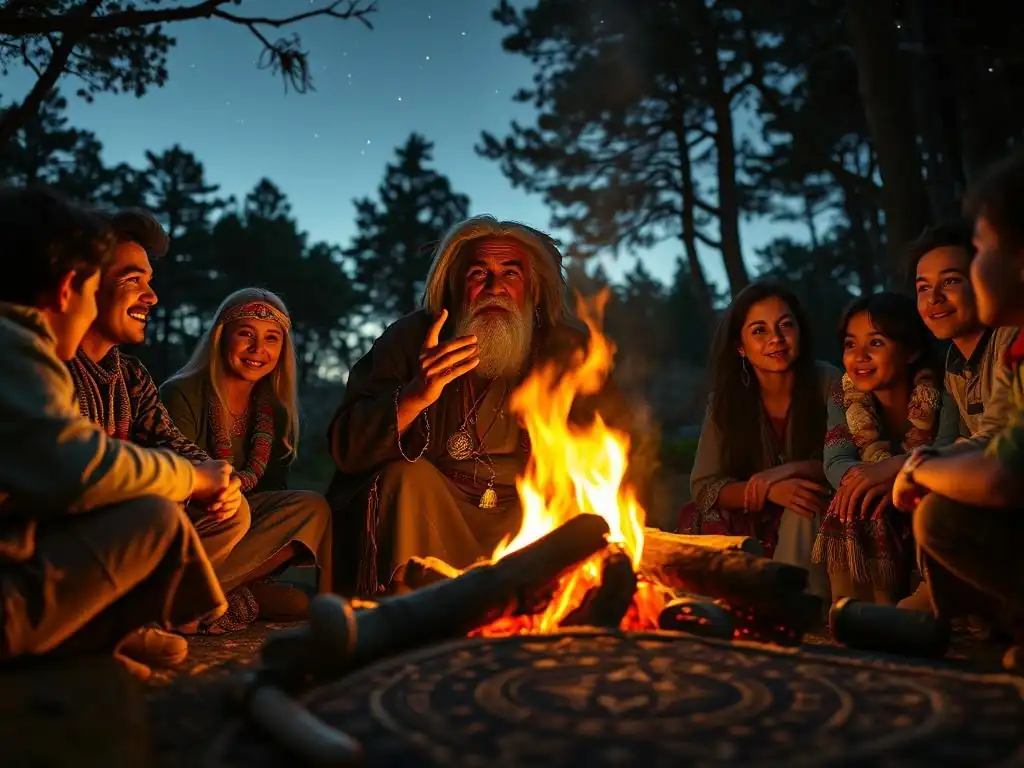
Welcome to Indigenous Civilizations of the Americas, where we invite you to embark on a journey through the rich tapestry of indigenous cultures that flourished long before European contact. Here, we delve into the profound significance of oral traditions in indigenous cultures, revealing how storytelling not only preserved history but also shaped identities and social structures. With each tale passed down through generations, these narratives echo the resilience and wisdom of diverse societies.
As you explore our main article, "The Power of Storytelling: How Oral Traditions Shaped Indigenous Cultures," prepare to uncover the vibrant legacies that continue to influence the world today. Your adventure into the heart of these cultures begins now—let’s delve deeper!
Introduction to Oral Traditions in Indigenous Cultures
Oral traditions are a foundational element of indigenous cultures, serving as a vital means of communication, education, and cultural preservation. These traditions encompass a rich tapestry of stories, legends, songs, and rituals that have been passed down through generations, often shaping the very identity of communities. In the context of indigenous societies in the Americas, oral traditions not only convey historical narratives but also embody the values, beliefs, and worldviews of the people.
The significance of oral traditions in indigenous cultures cannot be overstated. They foster a sense of belonging and continuity, linking individuals to their ancestors and the land they inhabit. Through storytelling, complex ideas about morality, spirituality, and community life are articulated, ensuring that cultural knowledge remains vibrant and relevant. This article delves into the profound impact of oral traditions in indigenous cultures, exploring how they have shaped societies long before European colonization and continue to resonate today.
Definition of Oral Traditions
Oral traditions refer to the methods by which knowledge, history, and culture are transmitted verbally from one generation to the next. This form of communication is characterized by:
- Storytelling: Engaging narratives that convey moral lessons, historical events, or cultural practices.
- Songs and Chants: Musical elements that often accompany rituals and celebrations, reinforcing community bonds.
- Rituals and Ceremonies: Performative acts that encapsulate cultural beliefs and practices, often rooted in oral narratives.
The fluid nature of oral traditions allows for adaptation and evolution, reflecting the dynamic realities of the communities that maintain them.
Importance of Storytelling in Indigenous Societies
Storytelling plays a crucial role in the fabric of indigenous societies. It serves various functions, including:
- Cultural Preservation: Ensuring that knowledge about ancestry, traditions, and values is maintained and respected.
- Education: Teaching younger generations about their heritage, ethics, and the natural world.
- Community Building: Strengthening social ties and fostering a sense of belonging through shared narratives.
Through these elements, storytelling becomes a powerful tool for both individual and collective identity, reinforcing the resilience of indigenous cultures.
Historical Context of Oral Traditions Among Indigenous Peoples
To understand the significance of oral traditions, it is essential to consider the historical context in which they developed. Indigenous cultures in the Americas were incredibly diverse, each with its own unique practices, languages, and worldviews.
Overview of Indigenous Cultures in the Americas
The Americas were home to a multitude of indigenous civilizations, ranging from the elaborate societies of the Maya and Aztecs in Mesoamerica to the diverse tribes of North America. Each culture had its own distinct:
- Languages: Thousands of distinct languages were spoken, each carrying its own stories and traditions.
- Social Structures: Various governance systems and communal practices that reflected their values and beliefs.
- Spiritual Beliefs: A deep connection to the land and nature, often articulated through their oral narratives.
These cultures thrived for thousands of years, developing rich oral traditions that encapsulated their histories and identities.
The Role of Oral Traditions in Pre-Colonial Societies
In pre-colonial societies, oral traditions were not merely a means of storytelling; they were integral to the very existence of the community. They provided:
- Historical Records: Accounts of significant events, migrations, and ancestral lineages were preserved through oral narratives, serving as a living history.
- Cultural Identity: Oral traditions reinforced a shared identity and purpose, uniting individuals across generations.
- Moral Guidance: Stories often contained moral lessons that informed behavior and societal norms, acting as a guiding force in daily life.
The richness of these oral traditions highlights their importance in shaping the diverse indigenous cultures of the Americas, creating a legacy that endures to this day.
Key Elements of Oral Traditions in Indigenous Cultures
Oral traditions play a crucial role in the fabric of indigenous cultures across the Americas. These traditions encompass a wide variety of storytelling practices that serve not only as entertainment but also as a vital means of transmitting knowledge, values, and cultural identity from one generation to the next. Key elements of oral traditions include:
- Narrative Structure: Indigenous stories often follow a specific structure, including a beginning, middle, and end, that conveys moral lessons or cultural heritage. These narratives are typically rich in symbolism and metaphor.
- Performance: Storytelling is often a performative act, where the storyteller engages the audience through vocal inflection, gestures, and expressions. This dynamic interaction not only captivates listeners but also enhances the emotional impact of the story.
- Community Involvement: Oral traditions are not confined to solitary storytelling; rather, they frequently involve communal gatherings where members participate, respond, and contribute to the narrative, reinforcing social bonds and collective identity.
- Cultural Context: Each story is embedded within the cultural context of the community, reflecting their history, environment, and social norms. This contextualization helps listeners relate personally to the narratives.
Storytelling Techniques and Methods
Indigenous storytellers employ a variety of techniques and methods to convey their narratives effectively. These techniques enhance the storytelling experience and ensure the transmission of cultural values:
- Repetition and Rhythm: Many indigenous stories utilize repetition to emphasize key points and create a rhythmic flow. This technique aids in memorization and retention, allowing the audience to engage more deeply with the content.
- Imagery and Symbolism: Vivid imagery and symbolic language are prevalent in oral narratives. These elements allow storytellers to paint a picture in the minds of listeners, making the stories more relatable and impactful.
- Incorporation of Music and Dance: In some cultures, storytelling is accompanied by music or dance, further enriching the narrative experience. These performances often evoke emotions and enhance the overall storytelling environment.
- Character Voices: Storytellers may adopt different voices or personas for characters, which helps to delineate roles and adds depth to the narrative. This technique fosters a more immersive experience for the audience.
Common Themes in Indigenous Oral Narratives
Indigenous oral narratives often revolve around several recurring themes that reflect the values, beliefs, and experiences of the culture. Common themes include:
- Creation Stories: Many indigenous cultures have rich creation myths that explain the origins of the world, life, and humanity. These stories often highlight the interconnectedness of all living beings and the environment.
- Nature and Environment: A strong reverence for nature is a prevalent theme, with stories emphasizing the relationship between humans and the natural world. These narratives often convey lessons on sustainability and respect for the earth.
- Heroic Journeys: Tales of heroes embarking on quests or adventures are common, often illustrating the virtues of bravery, wisdom, and resilience. Such narratives serve to inspire and instill a sense of identity within the community.
- Moral Lessons: Many stories contain moral lessons that guide ethical behavior within the community. These teachings often revolve around concepts of respect, responsibility, and the importance of community ties.
The Impact of Oral Traditions on Indigenous Identity
Oral traditions are instrumental in shaping and reinforcing indigenous identity. They serve as a means to connect individuals with their heritage and foster a sense of belonging within their communities.
Preservation of Culture and Knowledge
Oral traditions play a vital role in the preservation of cultural knowledge and practices. Through storytelling, generations of indigenous peoples have been able to pass down:
- Historical Knowledge: Oral narratives often contain historical accounts of events, ancestors, and significant cultural milestones. This historical context is essential for maintaining cultural continuity.
- Traditional Practices: Many stories impart knowledge about traditional practices, such as hunting, gathering, and agricultural methods, ensuring that essential skills are preserved and passed down.
- Language: Oral traditions help to maintain and revitalize indigenous languages, as storytelling often incorporates unique dialects and expressions that contribute to the richness of the language.
Oral Traditions as a Means of Community Bonding
The act of storytelling fosters strong community ties and enhances social cohesion. Through shared narratives, community members can:
- Build Relationships: Storytelling gatherings provide opportunities for individuals to connect, share experiences, and strengthen interpersonal relationships within the community.
- Encourage Participation: Engaging in storytelling fosters a sense of belonging, as individuals participate in the collective memory and identity of their culture.
- Create Shared Values: Oral traditions instill shared values and beliefs, reinforcing the moral compass of the community and promoting unity in diversity.
Influence on Spiritual Beliefs and Practices
Oral traditions significantly influence the spiritual beliefs and practices of indigenous cultures. Many narratives encapsulate core spiritual teachings and cosmologies, leading to:
- Cultural Rituals: Stories often serve as the basis for rituals and ceremonies, linking the community’s spiritual life with its oral history. These practices are essential for maintaining cultural identity.
- Connection to the Sacred: Narratives frequently emphasize the sacredness of the natural world, encouraging individuals to see themselves as part of a larger spiritual framework that encompasses all living beings.
- Guidance for Spiritual Practice: Oral traditions provide guidance on spiritual practices, offering insights into the relationship between humans, the spiritual realm, and the environment. This guidance helps nurture a holistic worldview.
Comparison of Oral Traditions Across Different Indigenous Cultures
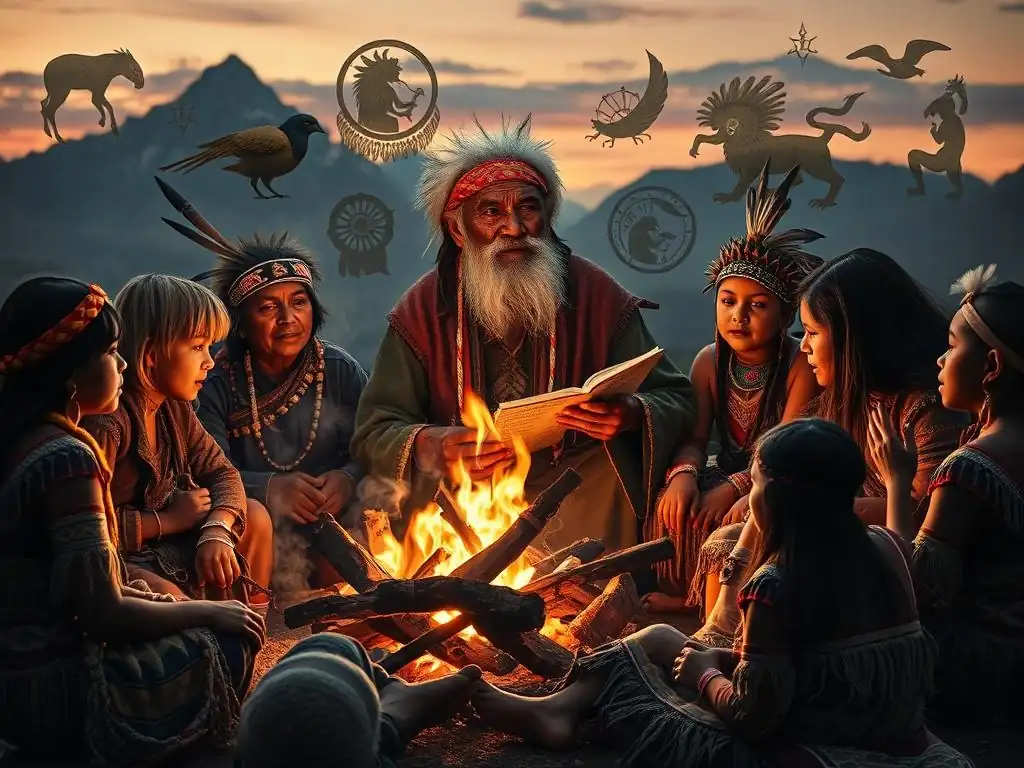
Oral traditions serve as the lifeblood of many indigenous cultures throughout the Americas, reflecting their unique histories, belief systems, and social structures. While each culture has distinct narratives and storytelling practices, there are notable similarities and differences in how these oral traditions are expressed and transmitted.
- Themes and Content: Many indigenous cultures share common themes in their stories, such as creation myths, moral lessons, and explanations of natural phenomena. For instance, creation stories often reveal how the world was formed and the roles of different beings within it. However, the characters and specific details can vary widely, influenced by the environment and social contexts of each group.
- Storytelling Techniques: The methods of storytelling also differ. Some cultures utilize elaborate performances that include music, dance, and visual aids, while others may rely solely on the spoken word. For example, the Inuit traditionally use storytelling as a communal activity, often involving the audience in the narrative, whereas the Navajo may employ a more structured format with specific roles for the storyteller.
- Cultural Significance: In many indigenous cultures, oral traditions are not merely entertainment; they are vital for cultural identity and continuity. The act of storytelling is often seen as a sacred duty, with storytellers regarded as keepers of knowledge and tradition. This contrasts with some Western cultures, where storytelling is more commercialized and less integrated into daily life.
Ultimately, the comparison of oral traditions across indigenous cultures reveals a rich tapestry of human experience, demonstrating both the diversity of expression and the universal importance of storytelling in understanding and preserving cultural heritage.
Case Study: Oral Traditions of Native American Tribes
Native American tribes possess a rich array of oral traditions that vary significantly across regions and tribal affiliations. These traditions serve not only as a means of entertainment but also as a crucial method for passing down knowledge, values, and historical accounts.
- Narrative Structure: Many Native American stories are structured around a cycle of life, emphasizing themes of harmony with nature, community, and the interconnectedness of all living things. For instance, the Lakota Sioux use stories to convey lessons about respect for the earth and the importance of community cooperation.
- Role of the Storyteller: The role of the storyteller is highly esteemed within many tribes. Elders often assume this role, drawing upon their life experiences to enrich the stories they tell. Their performances may include not just words but also gestures and expressions that bring the story to life, engaging listeners on multiple levels.
- Ceremonial Use: Oral traditions are frequently intertwined with ceremonies, where specific stories are told to mark significant events, such as births, marriages, and seasonal changes. These stories reinforce cultural values and ensure that younger generations understand their heritage and responsibilities.
The oral traditions of Native American tribes exemplify the profound connection between storytelling and cultural identity, highlighting the significance of these narratives in maintaining the tribes' historical continuity and social cohesion.
Case Study: Oral Traditions of Indigenous Peoples in Central and South America
Indigenous peoples in Central and South America exhibit a rich tapestry of oral traditions that are integral to their cultural identities. These traditions narrate the history, mythology, and worldview of diverse groups, from the Andes to the Amazon.
- Cultural Narratives: Many Central and South American indigenous groups, such as the Quechua and the Guarani, have oral traditions that reflect their relationship with the land and the cosmos. These narratives often include creation myths, ancestral stories, and accounts of historical events that shape their identities and worldviews.
- Multilingual Storytelling: In many regions, oral traditions are conveyed in multiple languages, reflecting the linguistic diversity and cultural exchanges among different indigenous groups. This multilingual storytelling not only preserves language but also fosters a sense of community among diverse speakers.
- Integration with Daily Life: Oral traditions are often integrated into daily activities, serving as a means of education and cultural reinforcement. For example, agricultural practices may be interwoven with storytelling, where techniques and seasonal knowledge are passed down through related narratives.
The oral traditions of indigenous peoples in Central and South America are vital for preserving their rich cultural heritage, ensuring that their stories, beliefs, and practices continue to thrive amid changing times.
The Challenges Facing Oral Traditions Today
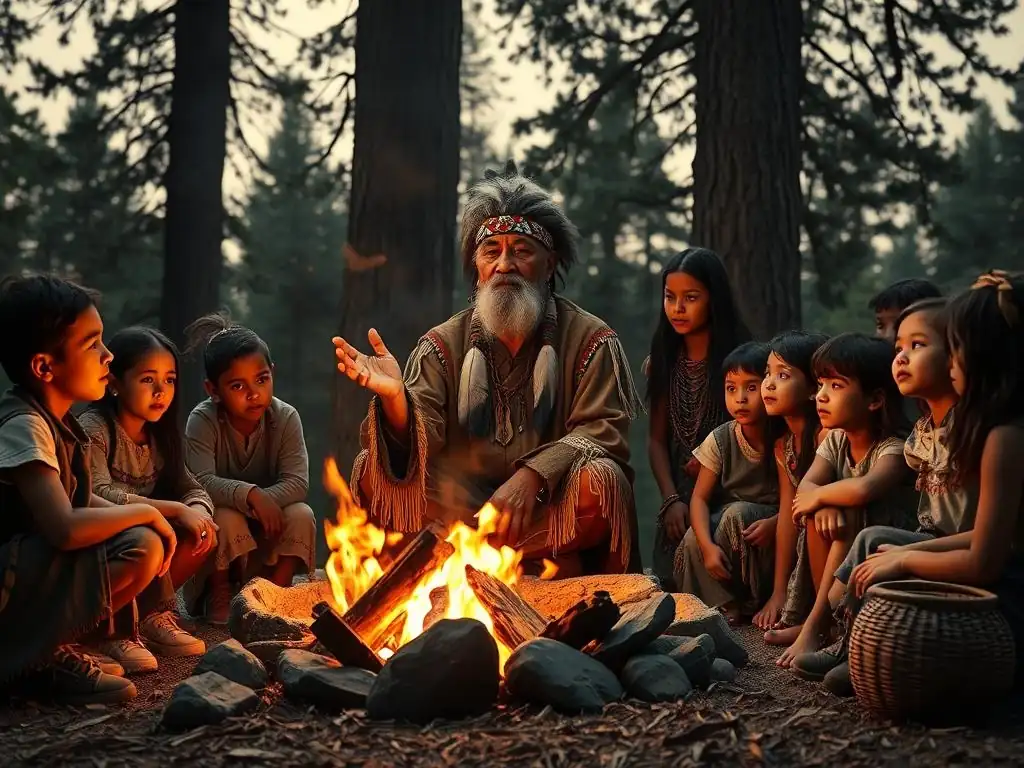
Despite their significance, oral traditions face numerous challenges in contemporary society, threatening their preservation and transmission to future generations.
The Effects of Colonization on Indigenous Storytelling
Colonization has profoundly impacted indigenous storytelling practices. The imposition of foreign languages, religions, and cultural norms disrupted the transmission of oral traditions. As colonizers often dismissed indigenous narratives as primitive or unworthy, many stories were lost or altered in the process of assimilation.
- Loss of Languages: With colonization came the decline of indigenous languages, which are closely tied to specific oral traditions. The loss of language often results in the loss of unique stories, as many narratives do not have written counterparts and are inextricably linked to the linguistic nuances of their culture.
- Cultural Suppression: Colonization also led to the suppression of cultural practices, including storytelling. Indigenous people were often prohibited from sharing their stories and traditions, creating a generational gap in knowledge and cultural continuity.
To counter these effects, many indigenous communities are now engaging in revitalization efforts to reclaim and preserve their oral traditions, often by integrating them into educational programs and cultural initiatives.
Modernization and Its Impact on Oral Traditions
Modernization poses additional challenges to the preservation of oral traditions. As societies become increasingly influenced by technology and globalization, the relevance and practice of traditional storytelling can diminish.
- Changing Lifestyles: The shift towards urban living and the fast-paced nature of modern life can lead to a disconnection from traditional practices. Younger generations may prioritize digital forms of entertainment over communal storytelling, risking the loss of cultural narratives.
- Cultural Homogenization: The globalized sharing of media and entertainment can lead to cultural homogenization, where indigenous stories and practices are marginalized or commercialized. This can dilute the authenticity of oral traditions, transforming them into mere entertainment rather than a vital cultural practice.
Despite these challenges, many indigenous communities are finding innovative ways to adapt their storytelling practices, utilizing technology to share their narratives while maintaining their cultural significance. This resilience reflects the ongoing importance of oral traditions in shaping indigenous identities in a modern world.
Revitalization Efforts for Indigenous Oral Traditions
The revitalization of indigenous oral traditions is essential for preserving cultural heritage, fostering identity, and ensuring the continuity of traditions that have been passed down through generations. In recent decades, many indigenous communities have recognized the pressing need to revitalize these traditions, especially in the face of globalization and cultural assimilation. Efforts have included documenting stories, engaging younger generations, and incorporating storytelling into community events.
Organizations, both indigenous-led and external, have been instrumental in supporting these revitalization efforts. They often provide resources, workshops, and platforms for sharing stories, which not only helps preserve the narratives but also encourages pride in cultural heritage. Additionally, there has been a growing movement to integrate oral traditions into public spaces, such as schools and cultural centers, creating opportunities for wider audiences to engage with indigenous storytelling.
Community Initiatives to Preserve Storytelling
Community initiatives play a crucial role in preserving indigenous storytelling practices. These initiatives often involve:
- Story Circles: Regular gatherings where elders share traditional stories, allowing for intergenerational dialogue and the transmission of knowledge.
- Cultural Festivals: Events that celebrate indigenous cultures through storytelling, music, and dance, thereby fostering community pride and engagement.
- Digital Archiving: Many communities are using technology to record and archive oral histories, ensuring that stories are preserved for future generations.
One notable example is the First Nations Languages Program in Canada, which promotes the teaching of indigenous languages alongside storytelling, thereby enhancing the cultural context of the narratives. Such initiatives not only preserve oral traditions but also empower community members by affirming their identities.
The Role of Education in Maintaining Oral Traditions
Education is a vital component in maintaining and revitalizing oral traditions in indigenous cultures. Incorporating storytelling into educational frameworks can enhance both cultural awareness and language skills among indigenous youth. Schools that prioritize indigenous education often include storytelling as a pedagogy, allowing students to learn their history, values, and language through engaging narratives.
Moreover, collaborations between indigenous elders and educators can create culturally relevant curricula that reflect indigenous perspectives. Programs like the Elders in Schools initiative, which pairs students with knowledgeable elders, have shown promising results in bridging the generational gap and reinforcing the importance of oral traditions. By fostering an environment where storytelling is valued, education can help ensure that these vital cultural practices endure.
Conclusion: The Enduring Power of Oral Traditions
Oral traditions hold a profound significance in indigenous cultures, serving not only as a means of communication but also as a foundation for identity, spirituality, and community cohesion. The revitalization and preservation of these traditions are crucial for maintaining the rich tapestry of indigenous heritage. Through community initiatives and educational endeavors, the stories that have shaped these cultures can continue to inspire and educate future generations.
Summary of Key Insights on Oral Traditions in Indigenous Cultures
- Cultural Identity: Oral traditions are essential for fostering a sense of identity and belonging among indigenous peoples.
- Intergenerational Transmission: Storytelling facilitates the passing of knowledge, values, and history from one generation to the next.
- Community Engagement: Initiatives aimed at preserving storytelling practices enhance community ties and promote cultural pride.
- Educational Integration: Incorporating oral traditions into education enriches learning experiences and reinforces cultural awareness.
Call to Action: Supporting Indigenous Storytelling Efforts
To support the revitalization of oral traditions in indigenous cultures, individuals and organizations can:
- Participate in Local Events: Attend storytelling events, cultural festivals, and workshops to engage with indigenous narratives.
- Advocate for Educational Programs: Support initiatives that promote the inclusion of indigenous storytelling in educational curricula.
- Contribute to Preservation Efforts: Volunteer or donate to organizations dedicated to documenting and preserving oral traditions.
By actively participating in these efforts, we can honor the rich legacy of indigenous storytelling and contribute to the ongoing vitality of these remarkable cultures.
- Introduction to Oral Traditions in Indigenous Cultures
- Historical Context of Oral Traditions Among Indigenous Peoples
- Key Elements of Oral Traditions in Indigenous Cultures
- The Impact of Oral Traditions on Indigenous Identity
- Comparison of Oral Traditions Across Different Indigenous Cultures
- Case Study: Oral Traditions of Native American Tribes
- Case Study: Oral Traditions of Indigenous Peoples in Central and South America
- The Challenges Facing Oral Traditions Today
- Revitalization Efforts for Indigenous Oral Traditions
- Conclusion: The Enduring Power of Oral Traditions
Frequently Asked Questions
What are oral traditions in indigenous cultures?
Oral traditions refer to the stories, legends, and teachings passed down verbally through generations. They play a crucial role in preserving history, culture, and values within indigenous societies.
How did oral traditions contribute to cultural identity?
Oral traditions helped establish a sense of belonging and cultural identity among indigenous peoples. They provided a framework for understanding their heritage and fostering a connection to their ancestors.
What is the significance of storytelling in indigenous communities?
Storytelling serves as a vital means of communication, education, and entertainment. It allows communities to share knowledge, teach morals, and reinforce social norms, making it an essential aspect of indigenous life.
How do oral traditions compare to written histories?
Unlike written histories, oral traditions are dynamic and can adapt over time, reflecting the changing values and experiences of a community. They often emphasize collective memory rather than individual accounts, providing a broader perspective on history.
What are some examples of themes found in indigenous oral traditions?
Common themes in indigenous oral traditions include creation stories, moral lessons, relationships with nature, and ancestral wisdom. These themes often highlight the interconnectedness of life and the importance of community.
Final Reflection: The Enduring Legacy of Oral Traditions in Indigenous Cultures
The power of storytelling remains a vital force in shaping our understanding of identity and community today. As we navigate an increasingly digital world, the significance of oral traditions in Indigenous cultures serves as a poignant reminder of the wisdom and resilience embedded in these narratives. These stories are not just relics of the past; they are living expressions of cultural heritage that continue to resonate and inspire contemporary society.
The influence of oral traditions extends far beyond mere entertainment; they are the lifeblood of cultural continuity and social cohesion. Through the sharing of stories, Indigenous peoples pass down essential values, histories, and teachings that inform their identities and worldviews. As author and storyteller Joseph Bruchac eloquently stated, Stories are the threads that weave the fabric of our lives.
This highlights how storytelling fosters connection and understanding, bridging generational gaps and enriching our collective human experience.
As we reflect on the importance of oral traditions in Indigenous cultures, let us embrace the lessons they impart and recognize our role in preserving these narratives. I invite you to explore your own stories and those of the communities around you. Engage with the rich tapestry of cultural narratives that surround you, and consider how you can contribute to the ongoing legacy of storytelling. In doing so, we not only honor the past but also empower future generations to carry these vital traditions forward.
Unleash the Power of Your Own Stories!
Thank you for diving into the transformative world of storytelling and its profound impact on Indigenous cultures. We hope you found inspiration in the rich oral traditions that continue to shape identities and communities. Now, it’s time to take what you’ve learned and apply it to your own storytelling journey!
Here are some empowering actions you can take today:
- Share a story from your own life that reflects your heritage or experiences—consider posting it on social media or sharing it within your community.
- Explore local storytelling events or workshops to connect with fellow storytellers and enhance your skills.
- Start a storytelling circle with friends or family to foster connections and ensure these vital traditions thrive in your community.
Which story from your life has had the most significant impact on your identity? We’d love to hear your thoughts and experiences in the comments below!