
Myths and Legends: Exploring the Rich Tapestry of Indigenous Oral Narratives

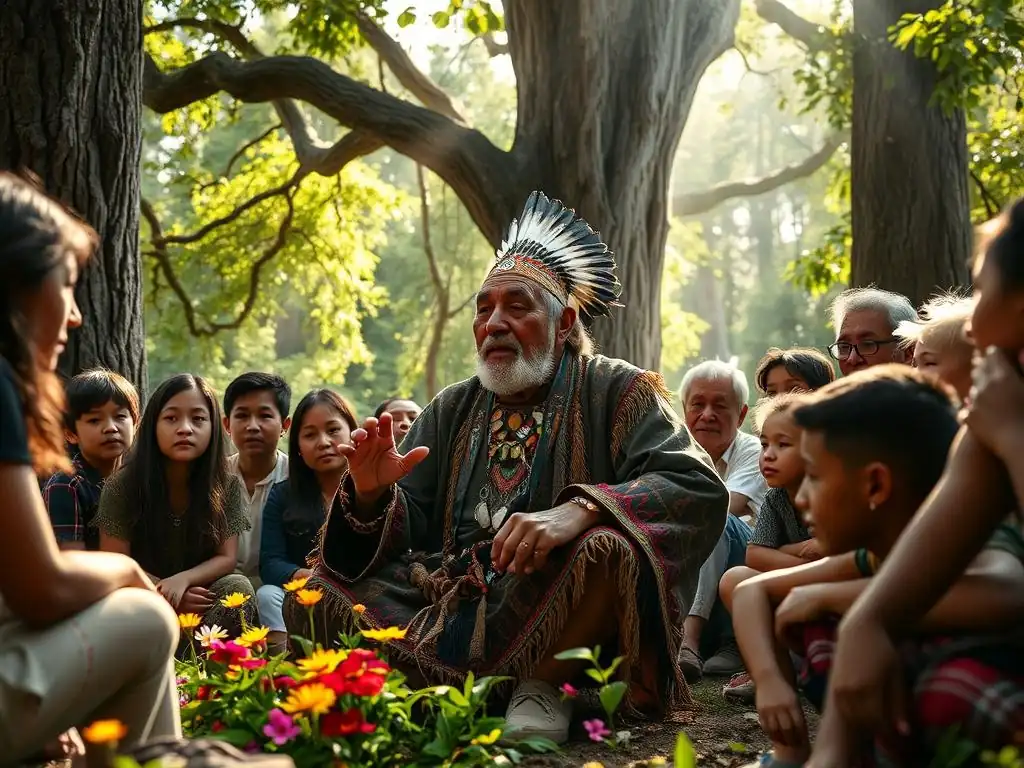
Welcome to Indigenous Civilizations of the Americas, where we invite you to embark on a captivating journey through the rich tapestry of indigenous cultures that flourished long before European colonization. Here, you'll discover the profound significance of Indigenous oral narratives and myths, which serve as a vibrant thread weaving together the history, values, and wisdom of these remarkable societies.
Prepare to delve into the enchanting world of myths and legends that not only entertain but also illuminate the enduring legacies of the peoples who shaped the Americas. Join us as we uncover the stories that have transcended time and continue to resonate today!
Introduction to Indigenous Oral Narratives Myths
Indigenous oral narratives are a vibrant and essential part of the cultural heritage of Indigenous peoples across the Americas. These stories, passed down through generations, encompass a wide range of themes, including creation, morality, and the natural world. They serve as a vehicle for preserving the histories, beliefs, and values of diverse communities, offering insights into their worldviews and societal structures. This article aims to delve into the multifaceted nature of Indigenous oral narratives myths, highlighting their significance and the roles they play in shaping cultural identities.
Definition of Indigenous Oral Narratives
Indigenous oral narratives refer to the stories, myths, and legends that are transmitted orally among Indigenous peoples. These narratives often include:
- Creation myths: Stories explaining the origins of the world, humanity, and cultural practices.
- Heroic tales: Adventures and exploits of legendary figures who embody the ideals of the culture.
- Trickster stories: Narratives featuring clever characters who challenge norms and provide moral lessons.
These stories are not merely entertainment; they are a profound expression of Indigenous knowledge systems and philosophies, intricately woven into the fabric of community life.
Importance of Myths in Indigenous Cultures
Myths play a crucial role in Indigenous cultures for several reasons:
- Cultural Identity: They help define and reinforce a group's identity, connecting individuals to their heritage and ancestry.
- Historical Record: Myths often encapsulate historical events and cultural knowledge, serving as a form of oral history.
- Community Bonding: Sharing stories fosters a sense of belonging and unity among community members.
Through these narratives, Indigenous peoples articulate their understanding of the world, the cosmos, and their place within it.
Overview of the Rich Tapestry of Oral Traditions
The oral traditions of Indigenous peoples are incredibly diverse, reflecting the unique experiences and environments of different cultures. Some notable aspects include:
- Regional Variations: Narratives can vary widely between tribes and regions, influenced by local geography and cultural practices.
- Language and Expression: The language used in these narratives is often rich in metaphor and symbolism, offering layers of meaning that can be interpreted in different ways.
- Performance and Ritual: Many myths are not just told but performed, incorporating music, dance, and visual art, enriching the storytelling experience.
This rich tapestry of oral traditions underscores the complexity and depth of Indigenous cultures, inviting deeper exploration and appreciation.
The Role of Myths in Indigenous Societies
Indigenous oral narratives serve more than just an artistic purpose; they are integral to the functioning and cohesion of Indigenous societies.
Myths as a Means of Cultural Transmission
Through oral narratives, Indigenous knowledge is passed down from one generation to the next. This transmission includes:
- Language Preservation: Stories often preserve the Indigenous languages, which are vital to cultural identity.
- Knowledge of the Land: Myths frequently contain ecological wisdom, teaching communities how to interact with their environment sustainably.
Ethical and Moral Lessons in Indigenous Oral Narratives
Many Indigenous myths are imbued with ethical and moral teachings that guide community behavior and social norms. Key elements include:
- Lessons on Respect: Stories often emphasize the importance of respecting nature, elders, and community.
- Consequences of Actions: Myths frequently illustrate the consequences of negative behavior, reinforcing community values.
Through these narratives, individuals learn to navigate their social world with a sense of responsibility and ethical awareness.
The Connection Between Myths and Identity
Indigenous oral narratives are deeply intertwined with the identities of those who share them. They provide:
- Sense of Belonging: Myths connect individuals to their community and shared history.
- Cultural Resilience: In the face of colonization and cultural erasure, these narratives serve as a form of resistance and resilience, preserving identity and continuity.
Indigenous oral narratives myths represent a diverse and rich expression of cultural identity, societal values, and historical memory. They are not only a means of storytelling but a vital component of Indigenous life that continues to shape both individual and collective identities today.
Major Themes in Indigenous Oral Narratives Myths
Indigenous oral narratives are rich tapestries woven with diverse themes that reflect the values, beliefs, and experiences of various cultures across the Americas. These myths serve not only as entertainment but also as educational tools, preserving history and imparting moral lessons. Understanding these major themes helps to appreciate the depth and significance of these narratives in indigenous societies.
- Cultural Identity: Many myths encapsulate the identity of a culture, illustrating how people see themselves in relation to the world around them.
- Moral Lessons: Indigenous oral narratives often contain moral teachings, guiding community behavior and societal norms.
- Historical Events: These narratives frequently recount historical events, preserving the memory of significant occurrences and figures within the culture.
- Spiritual Beliefs: Myths often address the spiritual beliefs of a community, explaining the relationship between the human world and the spiritual realm.
Creation Myths: Understanding the Origins
Creation myths are foundational stories that explain the origins of the earth, humanity, and the universe in indigenous cultures. These narratives often feature powerful deities or supernatural beings who shape the world through their actions. For example, many North American tribes have creation myths involving a Great Spirit or a Creator who forms the land and its inhabitants from chaos or nothingness.
- Themes of Duality: Creation myths often explore themes of duality, such as light and darkness, life and death, order and chaos. These contrasts reflect the complexities of existence and highlight the balance necessary in nature.
- Elements of Nature: Many creation stories emphasize the importance of natural elements, such as water, earth, and sky, linking the indigenous people to their environment. The earth is often depicted as a living entity, with stories illustrating its sacredness and the responsibility of humans to care for it.
Heroic Tales: Celebrating Courage and Wisdom
Heroic tales celebrate the bravery, wisdom, and resourcefulness of individuals who undertake significant quests or challenges. These narratives often feature a hero who embodies the values of the community, inspiring listeners with tales of triumph over adversity.
- Cultural Heroes: Many cultures have their own legendary figures, such as Coyote in various Native American traditions or the demigod Quetzalcoatl in Mesoamerican mythology, who serve as cultural icons representing resilience and ingenuity.
- Moral Lessons: Heroic tales frequently impart moral lessons, demonstrating the importance of virtues such as courage, loyalty, and humility. They emphasize that true heroism is not just about physical strength but also about moral integrity.
Nature and the Environment: Myths Reflecting Indigenous Relationships
Nature is a central theme in many indigenous oral narratives, reflecting the deep connection that indigenous peoples have with their environment. These myths often personify natural elements, portraying them as living entities with their own spirits and stories.
- Respect for Nature: Many narratives emphasize the need for balance and respect for the environment, teaching that humans are guardians of the earth rather than its owners. This notion fosters a sense of stewardship and responsibility towards the natural world.
- Symbolism of Animals: Animals frequently appear in these myths, serving as symbols of various traits or teachings. For example, the bear may represent strength, while the owl symbolizes wisdom. Through these stories, listeners learn to observe and respect the behaviors and characteristics of animals in their own lives.
Regional Variations of Indigenous Oral Narratives
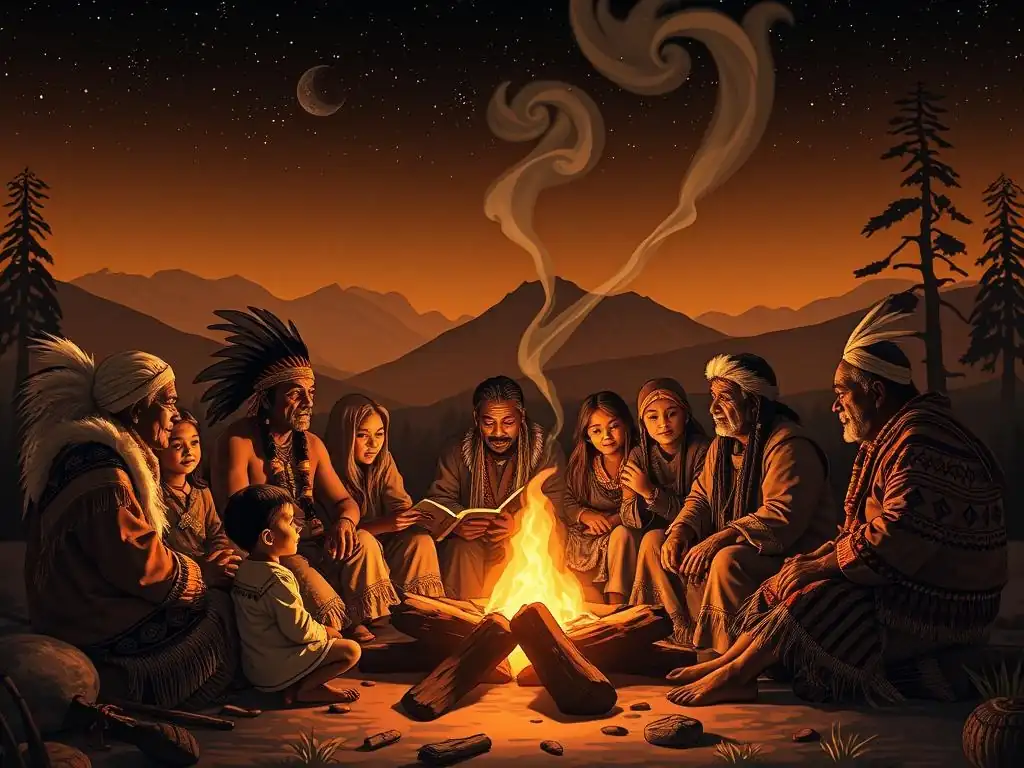
Indigenous oral narratives exhibit significant regional variations, reflecting the unique histories, environments, and cultures of each area. From the Arctic to the southern tip of South America, these stories reveal the diversity of indigenous experiences and beliefs.
North American Indigenous Myths
In North America, indigenous oral narratives vary widely among tribes, each with its own distinct stories and characters. For example, the Iroquois creation story involves Sky Woman, who falls from the sky and creates the earth on the back of a turtle. Similarly, the Lakota have rich narratives about the trickster figure, Iktomi, who teaches valuable lessons through his misadventures.
- Regional Diversity: The narratives reflect the varied environments, from the forests of the Northeast to the plains of the Midwestern tribes, influencing the themes and characters in their myths.
Central American Indigenous Legends
Central American indigenous legends are deeply rooted in the rich cultural tapestry of the region, with the Maya and Aztec civilizations being prominent examples. The Popol Vuh, a sacred text of the Maya, details the creation of humanity and the adventures of the Hero Twins, who confront and defeat the lords of the underworld.
- Rich Symbolism: These legends often incorporate complex symbolism related to agriculture, astronomy, and the cycles of life, reflecting the agricultural nature of these societies and their reverence for celestial phenomena.
South American Indigenous Oral Traditions
South American indigenous oral traditions are diverse, with each community preserving its unique narratives. The Inca civilization, for instance, had myths that intertwined their history with the sun god Inti, emphasizing the sun's importance in agriculture and daily life.
- Amazonian Myths: In the Amazon rainforest, various tribes share stories that highlight their relationship with the forest, animals, and spirits, often serving as cautionary tales about the consequences of disrespecting nature.
These regional variations in indigenous oral narratives demonstrate the rich cultural heritage of the Americas, showcasing how myths and legends not only entertain but also educate and preserve the values of indigenous communities.
Techniques and Styles in Indigenous Storytelling
Indigenous storytelling is a vibrant and dynamic art form that employs a variety of techniques and styles to convey cultural values, teachings, and historical narratives. One prevalent technique is the use of first-person narration, which creates an intimate connection between the storyteller and the audience, inviting listeners into the tale. Additionally, repetition is commonly utilized, reinforcing key themes and ensuring that important lessons are retained in memory.
Storytellers often incorporate call-and-response techniques, engaging the audience in a dialogue that fosters participation and communal experience. This interactive aspect not only captivates listeners but also strengthens community bonds. Furthermore, the use of imagery and sensory details allows stories to come alive, painting vivid pictures in the minds of the audience, thus enhancing their emotional connection to the narratives.
Oral Tradition and Its Preservation
The oral tradition serves as the backbone of Indigenous cultures, transmitting knowledge, history, and values through generations. This method of storytelling is not merely about entertainment; it is a vital means of preserving the identity and heritage of Indigenous peoples. Elders play a crucial role in this process, acting as custodians of stories that encapsulate collective wisdom and cultural teachings.
Efforts to preserve oral traditions often involve community gatherings, where storytelling is celebrated as a communal activity. Such events not only reinforce cultural identity but also ensure that younger generations are exposed to these narratives. In many instances, Indigenous communities have established programs that encourage the documentation and recording of oral stories, creating resources that can be accessed by future generations while maintaining the essence of the original storytelling tradition.
Use of Symbolism and Metaphor in Indigenous Myths
Symbolism and metaphor are powerful tools in Indigenous myths, conveying complex ideas and deep cultural values through accessible imagery. These elements allow stories to resonate on multiple levels, inviting interpretation and reflection. For instance, animals often symbolize specific traits or teachings; the coyote may represent cunning, while the eagle can symbolize strength and freedom.
Moreover, natural elements such as rivers, mountains, and the sky frequently play significant roles in Indigenous narratives. They are not merely backdrops but are imbued with meaning, representing spiritual connections and the interdependence of life. Through the careful use of symbolism and metaphor, Indigenous myths convey profound truths about existence, relationships, and the environment, making them timeless and relevant across generations.
Performance Elements in Storytelling
Performance is a vital component of Indigenous storytelling, transforming narratives into immersive experiences. Storytellers often employ gestures, facial expressions, and vocal variations to enhance the emotional weight of their tales. This physicality helps to convey the tone and mood of stories, allowing the audience to feel the gravity of the narratives being shared.
Additionally, the integration of music and dance can elevate storytelling, creating a multisensory experience that captivates listeners. Traditional songs and dances may accompany specific stories, further embedding cultural significance into the performance. This immersive approach not only entertains but also serves as an educational tool, teaching audiences about their heritage and the values embedded within their stories.
The Impact of Colonization on Indigenous Oral Narratives
The advent of colonization had a profound and often detrimental impact on Indigenous oral narratives. The imposition of foreign languages, cultures, and belief systems led to significant disruptions in the transmission of traditional stories. Many narratives were lost or altered as Indigenous peoples were forced to adapt to new societal structures and norms.
Moreover, the displacement of communities and the introduction of written forms of communication contributed to the erosion of oral traditions. With the decline of storytelling as a communal activity, the intimate knowledge shared through these narratives began to fade, threatening the cultural identity of Indigenous peoples.
Loss and Resilience: The Effects of Colonization
The effects of colonization on Indigenous oral narratives can be viewed as a dual narrative of loss and resilience. While many stories were lost, Indigenous communities displayed incredible resilience in their efforts to retain and revitalize their cultural narratives. The displacement and cultural genocide faced by many Indigenous groups sparked movements aimed at reclaiming and preserving their oral traditions.
Elders and community leaders have worked tirelessly to pass down stories, often adapting them to contemporary settings while maintaining their core teachings. This resilience reflects a commitment to cultural survival and the recognition that oral narratives are essential for maintaining a sense of identity and belonging.
The Role of Modern Media in Preserving Oral Traditions
In recent years, modern media has emerged as a powerful ally in the preservation of Indigenous oral narratives. Digital platforms, podcasts, and social media provide new avenues for storytelling that reach wider audiences and engage younger generations. By utilizing technology, Indigenous storytellers can share their narratives with a global audience while fostering a sense of pride and ownership within their communities.
Documentaries and films that highlight Indigenous stories also play a crucial role in raising awareness and appreciation for these rich cultural traditions. Moreover, educational initiatives that incorporate oral narratives into curricula help to ensure that future generations not only learn about but also appreciate the significance of Indigenous oral traditions. Through such efforts, modern media acts as a bridge, connecting the past with the present and ensuring that these invaluable stories continue to thrive.
Myths and Reality: Debunking Common Misconceptions
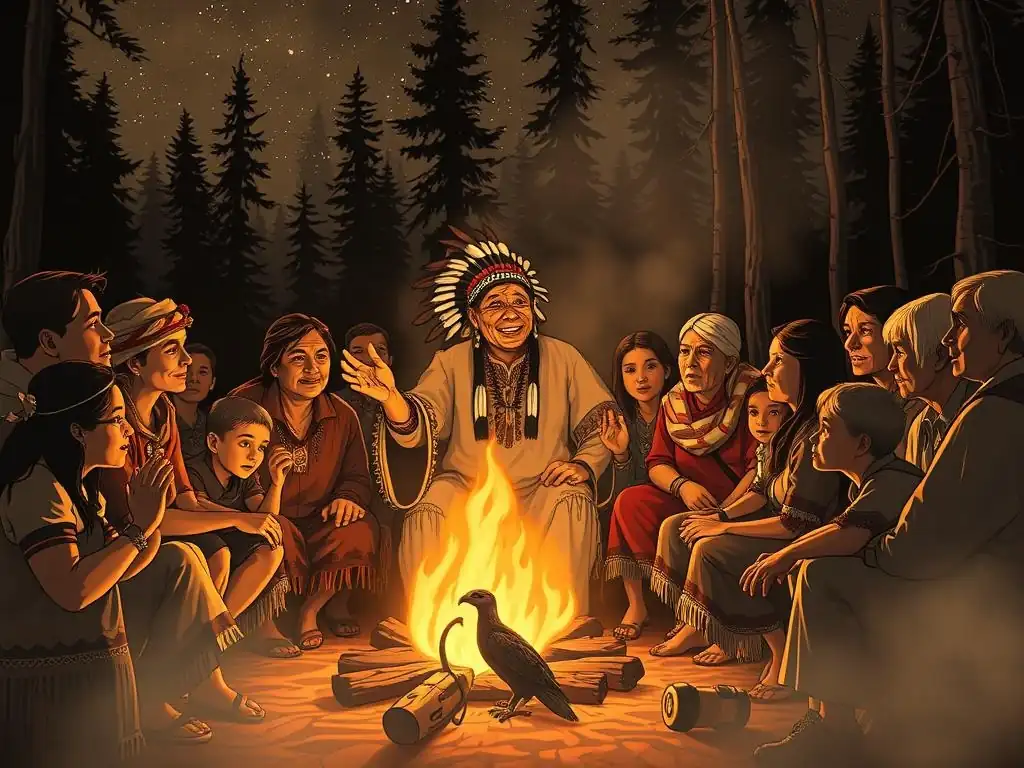
Understanding indigenous oral narratives requires a nuanced perspective, especially when confronting prevalent misconceptions. These myths often undermine the depth and significance of indigenous cultures and their storytelling traditions. By exploring these common myths and revealing the realities behind them, we can appreciate the rich tapestry of indigenous oral narratives more fully.
Myth: Indigenous Oral Narratives Are Not Historical Records
A widespread myth is that indigenous oral narratives lack historical validity and are merely fanciful stories. Critics often dismiss these narratives as mere folklore, failing to recognize their profound historical context and significance.
Reality: The Historical Significance of Oral Traditions
In actuality, many indigenous oral traditions serve as vital historical records. These narratives often encapsulate significant events, cultural practices, and ancestral knowledge, passed down through generations. For instance, the oral histories of the Lakota people recount the migration patterns, battles, and treaties that shaped their existence. These stories are not only entertaining but also provide crucial insights into the social, political, and environmental contexts of indigenous societies. The accuracy and detail found in many narratives can rival written histories, highlighting their role as legitimate historical documentation.
Myth: All Indigenous Myths are Similar
Another common misconception is that indigenous myths are homogenous and share the same themes or characters. This oversimplification fails to acknowledge the vast diversity among indigenous cultures across the Americas.
Reality: The Diversity of Indigenous Oral Narratives
In reality, indigenous oral narratives vary significantly between different cultures and regions. Each community has its unique stories reflecting its environment, values, and historical experiences. For instance, the creation myths of the Hopi people emphasize their connection to the earth and spiritual practices, while the Inuit narratives often focus on themes of survival in extreme climates. This diversity not only showcases the rich cultural heritage of indigenous peoples but also illustrates how these narratives adapt to the specific needs and experiences of their communities.
Conclusion: The Enduring Legacy of Indigenous Oral Narratives
Indigenous oral narratives are more than mere stories; they are living histories that continue to inform and shape the identities of indigenous peoples. As we recognize their importance, we must also consider how these narratives endure and evolve in contemporary society.
The Importance of Preserving Oral Traditions Today
Preserving indigenous oral traditions is crucial in maintaining cultural identity and heritage. These narratives play a vital role in educating younger generations about their ancestors' experiences, values, and wisdom. Organizations and communities are increasingly working to document and share these stories, ensuring that they remain vibrant and accessible in the face of modernization and external pressures.
Future Directions for Indigenous Narratives in Research and Education
Future research and educational initiatives should prioritize indigenous oral narratives as essential components of academic study and cultural exploration. Collaborative efforts between indigenous storytellers and scholars can lead to a richer understanding of these narratives, enabling broader audiences to appreciate their complexity and significance. Integrating these stories into curricula not only honors the voices of indigenous peoples but also enriches the educational experience for all students.
Call to Action: Engaging with Indigenous Myths and Legends
As we delve into the world of indigenous myths and legends, it is essential to approach these narratives with respect and openness. Engaging with these stories can foster greater understanding and appreciation of indigenous cultures. Readers are encouraged to seek out indigenous storytellers, participate in cultural events, and explore the vast array of oral narratives available. By doing so, we honor the legacy of indigenous peoples and contribute to the preservation of their rich cultural heritage.
References and Further Reading on Indigenous Oral Narratives Myths
The study of Indigenous oral narratives provides a profound insight into the cultures, beliefs, and histories of various Indigenous peoples across the Americas. These narratives not only encapsulate myths and legends but also serve as a vital means of preserving knowledge and traditions. Below are some recommended resources for those interested in delving deeper into this rich tapestry of Indigenous oral narratives.
Suggested Books and Articles
-
"The Oral Tradition in the Americas" by Joseph E. Brown
This book offers a comprehensive examination of the role of oral tradition in various Indigenous cultures. Brown emphasizes how these narratives convey cultural values, history, and identity.
-
"Native American Myths and Legends" by Richard Erdoes and Alfonso Ortiz
A collection of over 200 myths and legends from various tribes, this anthology highlights the diversity and richness of Indigenous storytelling traditions. Each story is accompanied by illustrations and commentary that enhance understanding.
-
"Mythology of the North American Indian" by David Leeming
This work presents an overview of the mythological themes and figures prevalent in North American Indigenous cultures. Leeming explores the connections between various stories and their significance in the broader context of Indigenous belief systems.
-
"Storytelling in Indigenous Cultures of North America" by Ruth H. W. W. Smith
Smith provides an in-depth analysis of storytelling's role in Indigenous communities, discussing how these narratives serve as educational tools and vehicles for cultural transmission.
-
"The Power of Story: Teaching through Storytelling" by Jim McGoldrick
While focusing on educational methodology, McGoldrick’s exploration includes Indigenous storytelling practices, emphasizing their pedagogical value and cultural significance.
Resources for Learning About Indigenous Cultures and Myths
-
American Indian Resource Center
This online hub offers a variety of resources, including articles, videos, and educational materials focused on Indigenous cultures and their oral traditions.
-
The National Museum of the American Indian
The museum's website includes a wealth of information on Indigenous myths, legends, and oral histories, along with access to exhibitions and educational programs.
-
Indigenous Storytellers Network
A platform that connects Indigenous storytellers with audiences, this network promotes the sharing of oral narratives and cultural teachings through various media.
-
The Library of Congress: American Folklife Center
This resource provides access to collections of oral histories, folk narratives, and recordings of Indigenous storytelling, making it a valuable tool for research and learning.
-
Podcasts on Indigenous Narratives
Various podcasts explore Indigenous myths and stories, often featuring interviews with Indigenous storytellers and scholars. Some popular options include "The Indigenous Experience" and "Storytelling with Indigenous Voices."
By exploring these suggested readings and resources, individuals can gain a deeper appreciation for the complexity and significance of Indigenous oral narratives, as well as the cultures they represent.
- Introduction to Indigenous Oral Narratives Myths
- The Role of Myths in Indigenous Societies
- Ethical and Moral Lessons in Indigenous Oral Narratives
- Major Themes in Indigenous Oral Narratives Myths
- Regional Variations of Indigenous Oral Narratives
- Techniques and Styles in Indigenous Storytelling
- The Impact of Colonization on Indigenous Oral Narratives
- Myths and Reality: Debunking Common Misconceptions
- Conclusion: The Enduring Legacy of Indigenous Oral Narratives
- References and Further Reading on Indigenous Oral Narratives Myths
Frequently Asked Questions
What are indigenous oral narratives?
Indigenous oral narratives are traditional stories passed down through generations, encompassing myths, legends, and folklore that reflect the values and beliefs of indigenous cultures.
Why are oral narratives important to indigenous cultures?
These narratives serve as a cultural repository, preserving history, traditions, and identity, while also providing moral lessons and explanations for natural phenomena.
How do myths and legends vary among different indigenous communities?
Each community possesses its own unique myths and legends, shaped by its specific environment, history, and social structure, resulting in a rich tapestry of diverse stories.
What role do myths play in the education of indigenous youth?
Myths are often used as educational tools, teaching important life lessons, cultural values, and historical knowledge in an engaging way that resonates with young audiences.
How can one access indigenous oral narratives today?
Many indigenous communities share their oral narratives through storytelling events, written collections, and digital platforms, promoting their rich heritage while ensuring these stories are preserved for future generations.
Final Reflection: The Enduring Power of Indigenous Oral Narratives
In a world increasingly dominated by digital communication and fleeting trends, the rich tapestry of Indigenous oral narratives remains a vital thread that connects us to our past and shapes our understanding of the present. These myths and legends are not merely stories; they are the lifeblood of cultures, encapsulating wisdom, values, and the intricate relationship between people and the land. As we navigate contemporary challenges, the lessons embedded in these narratives offer profound insights into resilience, community, and the importance of storytelling in preserving cultural identity.
The influence of Indigenous oral narratives extends far beyond their origins, resonating deeply within the cultural and social landscapes of today. These stories challenge us to reconsider our perspectives, fostering empathy and understanding across diverse communities. As we engage with these narratives, we are reminded of the words of renowned author and activist, Vine Deloria Jr.: The stories are the most important part of our lives. They are the only thing that can save us.
This sentiment underscores the transformative power of storytelling, urging us to honor and uplift the voices of Indigenous peoples, whose narratives continue to inspire and educate generations.
As we reflect on the importance of Indigenous oral narratives, I invite you to take a moment to consider how these stories can enrich your own life. Engage with these myths and legends, not just as passive listeners, but as active participants in a shared journey of understanding and respect. Let the wisdom of these narratives guide your actions and interactions, fostering a deeper connection to the world around you. Together, we can honor the past while paving the way for a more inclusive and compassionate future, where every story is valued and every voice is heard.
Unveil the Wisdom of Indigenous Oral Narratives!
Thank you for taking the time to journey through the enchanting world of Indigenous oral narratives with us. We hope you’ve gained valuable insights into the myths and legends that shape the rich tapestry of Indigenous cultures across the Americas. Now, it’s time to put that knowledge into action!
Here's how you can dive deeper and share the beauty of these stories:
- Explore local Indigenous narratives: Seek out books, documentaries, or online courses that feature Indigenous storytellers. This will enhance your understanding of their cultures and creative expressions!
- Share your insights: Discuss what you’ve learned with friends or family. Initiate a conversation about the importance of preserving these narratives!
- Engage with Indigenous communities: Participate in cultural events or workshops that celebrate Indigenous storytelling. This is a wonderful opportunity to connect directly with the keepers of these rich traditions!
What stories resonate with you the most, and how can you honor these traditions in your daily life?