
Crafting Identity: How Indigenous Jewelry Reflects Cultural Heritage

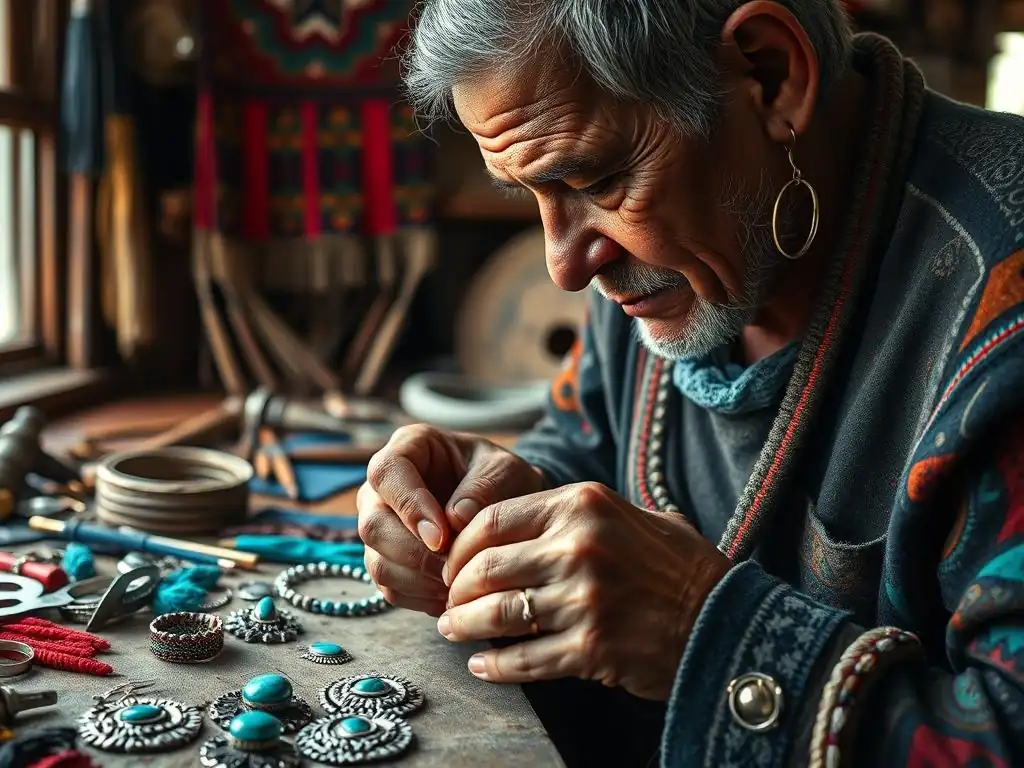
Welcome to Indigenous Civilizations of the Americas, where we invite you to embark on a fascinating journey through the rich tapestry of indigenous cultures that flourished long before European contact. In our featured article, "Crafting Identity: How Indigenous Jewelry Reflects Cultural Heritage," we delve into the profound cultural significance of indigenous jewelry, revealing how each piece tells a story of identity, tradition, and artistry.
As you explore the intricate designs and meanings behind these beautiful creations, prepare to uncover the vibrant history and enduring legacy of these remarkable societies. Join us as we celebrate their achievements and inspire a deeper understanding of their contributions to the world.
Indigenous jewelry serves as a profound expression of cultural heritage and identity among the diverse communities across the Americas. Long before European colonization, indigenous peoples crafted intricate jewelry that not only showcased their artistry but also conveyed deep meanings and stories intrinsic to their cultures. This article delves into the rich tapestry of indigenous jewelry, exploring its cultural significance, historical roots, and the symbolism embedded in the designs. By understanding the artistry behind these creations, we gain insight into the values, beliefs, and identities that have shaped indigenous societies over centuries.
Introduction to Indigenous Jewelry Cultural Significance
The cultural significance of indigenous jewelry extends beyond mere adornment; it is a vital part of the social and spiritual fabric of many indigenous communities. Each piece of jewelry tells a story, reflecting the unique traditions, beliefs, and experiences of its makers.
- Identity and Belonging: Jewelry often symbolizes individual and communal identity, serving as a connection to ancestry and cultural heritage.
- Ritual and Ceremony: Many indigenous artifacts are crafted for specific ceremonial purposes, marking important life events such as births, marriages, and rites of passage.
- Artistic Expression: The designs and materials used in jewelry-making reflect the natural environment, resources, and artistic techniques specific to each culture.
As we explore the historical roots of indigenous jewelry, we will uncover how these pieces have evolved and the rich symbolism they embody.
The Historical Roots of Indigenous Jewelry
Indigenous jewelry has a long and varied history that is deeply interwoven with the social, economic, and spiritual lives of indigenous peoples. The origins of jewelry-making can be traced back thousands of years, with early artisans using materials sourced from their surroundings.
- Materials Used: Common materials included metals, stones, shells, and beads, each chosen for its availability and significance.
- Crafting Techniques: Traditional techniques such as weaving, silversmithing, and beadwork have been passed down through generations, showcasing the skills and creativity of indigenous artisans.
Evolution of Jewelry Designs Across Different Cultures
The evolution of jewelry designs reflects the dynamic nature of indigenous cultures. Each region has its distinct styles and techniques, influenced by environmental factors and cultural exchanges.
- North American Tribes: For example, Native American tribes in the Southwest are renowned for their intricate silverwork and turquoise inlays, which symbolize the connection between the earth and sky.
- Mesoamerican Cultures: In contrast, Mesoamerican civilizations like the Maya and Aztec utilized gold and jade to create elaborate ceremonial pieces, often associated with their deities and cosmology.
This diversity illustrates how indigenous jewelry not only serves aesthetic purposes but also functions as a narrative tool, conveying the history and beliefs of each culture.
Symbolism in Indigenous Jewelry
Symbols play a crucial role in the storytelling aspect of indigenous jewelry. Many designs incorporate motifs that hold specific meanings, representing elements such as nature, spirituality, and community.
- Nature-Inspired Motifs: Designs often feature animals, plants, and celestial symbols, reflecting the indigenous peoples’ deep respect for nature and its cycles.
- Spiritual Significance: Certain symbols are believed to carry protective powers or blessings, making them integral to ceremonial and everyday wear.
As we continue to explore the significance of indigenous jewelry, it becomes clear that these artifacts are not only beautiful creations but also vital expressions of identity and cultural continuity.
Contemporary Indigenous Jewelry and Cultural Identity
Contemporary Indigenous jewelry serves as a powerful medium through which artisans express their cultural heritage and identity. These pieces often incorporate traditional designs, materials, and techniques, linking the past with the present. Jewelry is not merely an accessory; it embodies stories, values, and ancestral knowledge passed down through generations. By wearing and creating these artifacts, Indigenous individuals affirm their cultural identity and resilience in the face of historical challenges.
Modern Indigenous jewelry also plays a vital role in community cohesion. As artisans share their craft with younger generations, they foster a sense of pride and belonging among community members. The resurgence of interest in Indigenous cultures has led to a renewed appreciation for the significance of these artistic expressions, promoting awareness of the diversity and richness of Indigenous identities across the Americas.
Modern Artisans and Their Craft
Modern Indigenous artisans are pivotal in reviving and innovating traditional jewelry-making techniques. Many have turned to their cultural roots for inspiration, drawing from ancestral practices to create contemporary designs that resonate with today's aesthetics. For example, the use of turquoise, silver, and intricate beadwork not only reflects cultural significance but also showcases the artisan's skills and creativity.
Artisans often participate in workshops, exhibitions, and cultural festivals, where they can share their techniques and the stories behind their work. This engagement not only educates others about Indigenous cultures but also helps preserve these traditional crafts. Moreover, social media platforms have become instrumental in connecting artisans with a broader audience, allowing them to market their work globally while maintaining a strong cultural narrative.
The Role of Jewelry in Cultural Revitalization
Jewelry plays a crucial role in cultural revitalization efforts among Indigenous communities. As these communities strive to reclaim their identities and traditions, jewelry serves as a tangible representation of cultural pride and continuity. Through the creation and wearing of traditional jewelry, individuals can reconnect with their heritage, promote their cultural narratives, and challenge stereotypes associated with Indigenous peoples.
Furthermore, jewelry-making initiatives often empower Indigenous women, providing them with economic opportunities and a platform for self-expression. By participating in these crafts, women not only contribute to their families’ incomes but also engage in cultural storytelling, thereby reinforcing their roles as custodians of tradition. This empowerment through craft is essential for the sustainability of Indigenous cultures and their ongoing resistance against cultural erasure.
The Intersection of Art and Commerce in Indigenous Jewelry
The relationship between art and commerce in Indigenous jewelry is complex and multifaceted. While many artisans create jewelry for cultural expression and community engagement, the commercial aspect cannot be overlooked. As demand for Indigenous jewelry grows, artisans face the challenge of balancing artistic integrity with market viability.
This intersection often leads to innovative designs that appeal to broader audiences while remaining rooted in cultural significance. However, it also raises questions about cultural appropriation and the commercialization of Indigenous identities, making it crucial for consumers to engage with Indigenous artisans directly and ethically.
Market Trends for Indigenous Jewelry
The market for Indigenous jewelry has seen significant growth in recent years, driven by increased consumer interest in authentic, ethically sourced products. This trend reflects a broader societal shift towards valuing sustainability and cultural heritage in purchasing decisions.
Artisans are increasingly utilizing online platforms to reach wider audiences, allowing them to showcase their work beyond local markets. Collaborations between Indigenous artists and mainstream brands also highlight the potential for innovative designs that honor traditional practices while appealing to contemporary aesthetics. Furthermore, the rise of eco-conscious consumers has led to a demand for jewelry that not only tells a story but also respects the environment and the cultures from which it originates.
Ethical Considerations and Fair Trade Practices
As the popularity of Indigenous jewelry continues to rise, ethical considerations and fair trade practices have become paramount. Consumers are encouraged to support Indigenous artisans by purchasing directly from them, ensuring that profits remain within the community. This practice fosters economic independence and helps prevent exploitation by larger corporations.
Fair trade principles emphasize transparency and equitable treatment of artisans, promoting sustainable practices that honor cultural heritage. By prioritizing these ethical considerations, consumers can contribute to the preservation of Indigenous cultures and support artisans in their quest for cultural and economic revitalization. Additionally, educational initiatives that inform consumers about the significance of Indigenous jewelry can lead to more respectful and informed purchasing choices.
Case Studies: Iconic Indigenous Jewelry Pieces
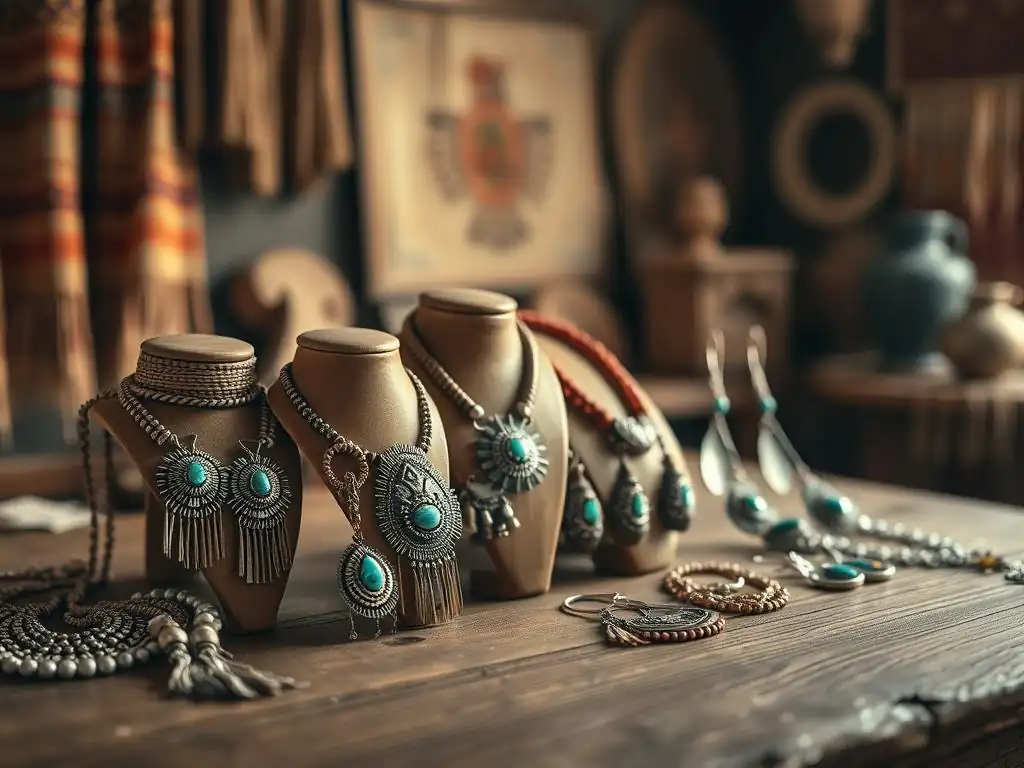
Indigenous jewelry serves as a profound reflection of the cultural significance and history of various tribes across the Americas. By examining specific case studies, we can uncover how these pieces encapsulate narratives, traditions, and the identity of their makers.
One iconic piece is the Navajo squash blossom necklace, which has become emblematic of Navajo craftsmanship. Traditionally made with silver and turquoise, this piece signifies not only artistic skill but also the importance of these materials in Navajo culture. The squash blossom shape itself is rooted in agricultural symbolism, representing prosperity and growth.
Another significant example is the Huichol beadwork, often used in jewelry such as earrings and bracelets. The vibrant colors and intricate patterns tell stories of the Huichol people's spiritual beliefs and connection to their environment. Each design is meticulously crafted, with each bead representing a specific element of their cosmology, making the jewelry not just an accessory but a narrative medium.
Additionally, the silverwork of the Zuni people illustrates their rich cultural heritage, often featuring inlaid stones and intricate designs that reflect the natural world. Pieces like their inlaid bracelets are not merely decorative; they honor the Zuni's relationship with land and spirituality, depicting animals, plants, and celestial bodies.
These case studies highlight how indigenous jewelry is not only a means of adornment but also a vessel for cultural expression and identity.
Traditional vs. Contemporary Designs
The evolution of indigenous jewelry reflects the dynamic interplay between tradition and modernity. Traditional designs often adhere to long-established techniques and materials, preserving the cultural narratives and practices of indigenous peoples. For example, traditional Inuit jewelry frequently incorporates materials like bone, ivory, and stone, crafted using techniques passed down through generations. These pieces often feature motifs derived from spirituality and the natural environment, maintaining a deep connection to cultural identity.
In contrast, contemporary designs may incorporate modern materials and aesthetics while still drawing from traditional themes. Many indigenous artisans today are blending these elements to create unique works that resonate with both indigenous and non-indigenous audiences. For instance, contemporary Native American jewelers might use silver and turquoise in innovative ways, integrating modern design principles while honoring traditional symbolism.
This blending of styles allows indigenous artisans to reach broader markets and express their identities in new ways. However, it raises questions about authenticity and the preservation of cultural significance. While contemporary designs can help keep traditions alive and relevant, they must be approached with respect for the cultural heritage they stem from.
Testimonials from Indigenous Artisans
Indigenous artisans often share powerful insights regarding the cultural significance of their jewelry. For instance, a Navajo silversmith might express, “Each piece I create tells a story of my ancestors. It's about honoring the past while providing for my family today.” This sentiment emphasizes the dual role of indigenous jewelry as both a means of economic sustenance and a vessel of cultural memory.
Another artisan from the Lakota community states, “Our jewelry isn’t just decoration; it’s a part of who we are. Each pattern, each gemstone, connects us to our history and our land.” This highlights the deep connection between jewelry and identity, underscoring how each piece carries the weight of cultural heritage and personal significance.
Furthermore, a contemporary beadwork artist from the Huichol tribe notes, “When I design, I think of my community and the stories we share. My art is a bridge between our past and future.” This perspective illustrates the ongoing dialogue between tradition and modernity in indigenous jewelry, reinforcing that cultural significance evolves while staying rooted in ancestral practices.
Conclusion: The Enduring Legacy of Indigenous Jewelry
The legacy of indigenous jewelry is profound and enduring, serving as a testament to the resilience and creativity of indigenous cultures across the Americas. Each piece crafted carries with it the weight of history, the intricacies of cultural identity, and the narratives of the artisans who create them.
As we explore the cultural significance of indigenous jewelry, it becomes clear that these artworks are not merely ornamental; they are vital expressions of identity, spirituality, and community. The ongoing evolution from traditional designs to contemporary interpretations demonstrates the adaptability of these cultures while ensuring that their stories and values remain alive in the present.
In an age where cultural appropriation and authenticity are hotly debated, the voices of indigenous artisans remind us of the importance of respect and understanding. By supporting their work and recognizing the cultural significance of indigenous jewelry, we contribute to the preservation and celebration of these vibrant cultures for future generations.
Call to Action: Supporting Indigenous Jewelry Artisans
Supporting Indigenous jewelry artisans is crucial for preserving the rich cultural heritage and traditions embedded in their craftsmanship. By choosing to purchase authentic Indigenous jewelry, you are not only acquiring unique and meaningful pieces but also contributing to the sustainability of these vibrant cultures. Here are several ways you can support Indigenous artisans effectively:
- Purchase Directly from Artisans: Seek out local markets, fairs, and online platforms that connect consumers directly with Indigenous artists. This not only ensures that the artisans receive a fair price for their work but also fosters a deeper connection to the stories behind each piece.
- Educate Yourself and Others: Understanding the cultural significance behind Indigenous jewelry designs can enhance your appreciation for the artistry involved. Share this knowledge with friends and family to raise awareness about the importance of supporting Indigenous cultures.
- Advocate for Fair Trade Practices: Support organizations and businesses that adhere to fair trade practices. This ensures that artisans are compensated justly for their labor and that their cultural expressions are protected.
- Engage with Indigenous Communities: Attend workshops, exhibitions, or cultural events that focus on Indigenous art and jewelry. This not only supports artisans financially but also enriches your understanding of their heritage and craftsmanship.
- Promote Indigenous Artisans Online: Use social media platforms to highlight the work of Indigenous jewelry makers and share their stories. By amplifying their voices, you help create a wider audience for their creations.
By taking these steps, you can play an active role in preserving the cultural significance of Indigenous jewelry while supporting the artisans who continue to keep these traditions alive. Your engagement can help foster a more equitable marketplace and encourage the growth and recognition of Indigenous craftsmanship.
- Introduction to Indigenous Jewelry Cultural Significance
- The Historical Roots of Indigenous Jewelry
- Contemporary Indigenous Jewelry and Cultural Identity
- The Intersection of Art and Commerce in Indigenous Jewelry
- Case Studies: Iconic Indigenous Jewelry Pieces
- Conclusion: The Enduring Legacy of Indigenous Jewelry
- Call to Action: Supporting Indigenous Jewelry Artisans
Frequently Asked Questions
What is the cultural significance of Indigenous jewelry?
Indigenous jewelry often serves as a symbol of identity, reflecting the wearer's heritage and connection to their community. It embodies traditional craftsmanship and cultural narratives.
How did Indigenous jewelry evolve over time?
Indigenous jewelry has transformed through cultural exchanges and the introduction of new materials, yet it preserves its traditional forms and meanings. This evolution illustrates the adaptability of cultural expressions.
What materials are commonly used in Indigenous jewelry?
Common materials include silver, turquoise, and various natural stones, which are often sourced locally. These materials not only enhance the jewelry's beauty but also its cultural significance.
How is Indigenous jewelry used in contemporary society?
Today, Indigenous jewelry is worn not just for aesthetic purposes but also as a statement of cultural pride and resilience. It plays a role in promoting awareness of Indigenous rights and heritage.
Are there specific symbols in Indigenous jewelry?
Yes, many pieces feature symbols that represent elements of nature, spirituality, and tribal affiliation. These symbols convey stories and cultural values, enhancing the jewelry's significance within Indigenous communities.
Final Reflection: The Enduring Legacy of Indigenous Jewelry and Cultural Heritage
Indigenous jewelry is not merely an adornment; it is a profound expression of identity and cultural significance that resonates deeply in today's world. As we navigate an era where cultural appropriation and identity crises are prevalent, understanding the intricate stories woven into Indigenous jewelry becomes increasingly vital. These pieces serve as a bridge between generations, reminding us of the rich histories and traditions that shape our collective human experience.
Cultural heritage is a living tapestry, continuously enriched by the voices and stories of its people. The influence of Indigenous jewelry extends beyond aesthetics; it plays a crucial role in fostering community, preserving traditions, and asserting identity in a rapidly changing world. As noted by artist and activist Rebecca Belmore, Art is a way of knowing, a way of being, and a way of connecting.
This connection is essential in recognizing the cultural significance of Indigenous jewelry, as it embodies the resilience and creativity of Indigenous communities while inviting us to engage with their narratives.
As you reflect on the themes presented in this article, consider how you can honor and celebrate the cultural significance of Indigenous jewelry in your own life. Take a moment to appreciate the stories behind these beautiful creations and recognize the importance of supporting Indigenous artisans and their heritage. By doing so, you not only enrich your understanding but also contribute to the preservation of a vibrant cultural legacy that deserves to be celebrated and respected.
Embrace Your Connection: Explore Indigenous Jewelry and Heritage!
Thank you for taking the time to delve into the rich world of Indigenous jewelry and its profound reflection of cultural heritage. By understanding these beautiful art forms, you've taken a significant step towards appreciating the stories and traditions they convey. Now, let's put that knowledge into action!
- Discover your heritage: Browse local galleries or reputable online marketplaces to find authentic Indigenous jewelry that resonates with you or reflects your cultural background.
- Share the story: When you wear or gift Indigenous jewelry, take a moment to share its background and significance with friends and family, further enriching their understanding.
- Engage with communities: Consider joining online forums or attending workshops where you can learn directly from Indigenous artists and artisans, fostering a deeper appreciation and connection.
What new cultural insight or personal connection did you uncover while exploring Indigenous jewelry that you’re excited to share with others?