
Earth, Wood, and Stone: The Materials Behind North American Indigenous Structures

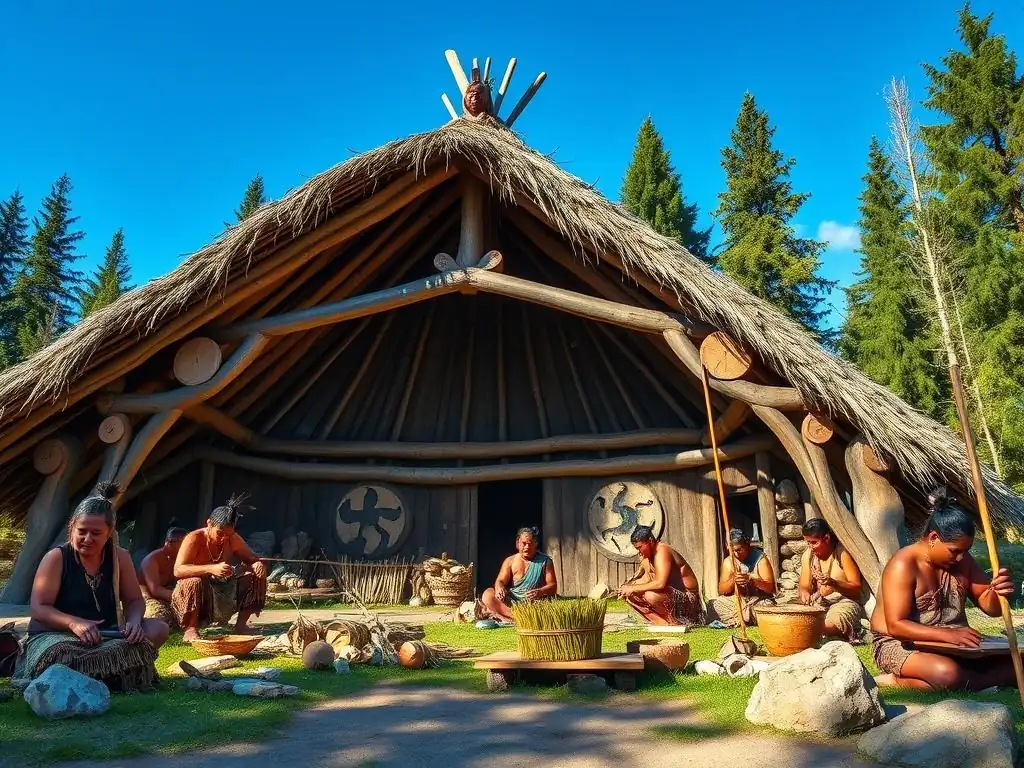
Welcome to Indigenous Civilizations of the Americas, where we embark on a fascinating journey through the rich tapestry of indigenous cultures that flourished long before European eyes turned to these vibrant lands. Here, we celebrate the remarkable achievements and societal complexities that define these diverse communities. In our featured article, “Earth, Wood, and Stone: The Materials Behind North American Indigenous Structures,” we delve into the innovative building materials that shaped the landscapes and lifestyles of North American indigenous peoples.
Discover how the harmonious relationship between these cultures and their environment led to extraordinary advancements in architecture and sustainability. Are you ready to uncover the secrets behind their enduring legacies? Let’s explore together!
- Introduction to North American Indigenous Building Materials
- Earth as a Building Material
- Wood as a Fundamental Resource
- Stone as a Durable Material
- Comparative Analysis of Building Materials
- Innovations and Adaptations
- Conclusion: The Legacy of North American Indigenous Building Materials
- References and Further Reading
-
Frequently Asked Questions
- What are the primary building materials used by North American indigenous cultures?
- How did the environment influence building materials for indigenous structures?
- What types of structures were commonly built using these materials?
- Were there any unique techniques used in constructing these indigenous buildings?
- What is the significance of these building materials in indigenous culture?
- Final Reflection: Embracing the Legacy of North American Indigenous Building Materials
- Unveil the Legacy of Indigenous Architecture!
Introduction to North American Indigenous Building Materials
The architectural heritage of North American Indigenous cultures is a testament to their profound relationship with the environment. This article delves into the various building materials utilized by these societies, emphasizing the significant role that earth, wood, and stone played in shaping their structures.
By understanding the North American indigenous building materials, we can appreciate not only the ingenuity and resourcefulness of these cultures but also their deep respect for nature and sustainable practices. This exploration reveals how these materials were not merely functional but also deeply intertwined with the cultural identities and traditions of Indigenous peoples across the continent.
Overview of Indigenous Architecture in North America
Indigenous architecture in North America encompasses a rich tapestry of styles and techniques, reflecting the diverse environments and cultural practices of various tribes and nations. From the plank houses of the Pacific Northwest to the tipis of the Great Plains, each structure was designed to meet the specific needs of the community while responding to the local climate and available resources.
- Regional Variations: The architectural styles varied significantly:
- Northwest Coast: Known for intricate totem poles and longhouses made from cedar.
- Plains: Tipis made of buffalo hides, easily transportable for nomadic lifestyles.
- Southwest: Adobe structures, such as pueblos, built with sun-dried clay bricks.
- Northeast: Wigwams and longhouses constructed from wood and bark.
These structures were not only homes but also centers for community life, ceremonies, and governance, showcasing the intricate social fabric of Indigenous societies.
Importance of Natural Materials in Indigenous Structures
Natural materials were fundamental to Indigenous architecture, serving both practical and symbolic purposes. The use of earth, wood, and stone reflects a deep understanding of local ecosystems and sustainable practices.
- Earth:
- Adobe: Used in the Southwest to create durable, climate-resistant homes.
- Earth Lodges: Built by Plains tribes, these structures provided insulation against harsh winters.
- Wood:
- Timber Framing: Essential in regions abundant with forests, such as the Pacific Northwest.
- Bark and Thatch: Used for roofing and insulation, showcasing resourcefulness.
- Stone:
- Masonry: Employed in various forms, from simple stone foundations to complex structures like the cliff dwellings of the Ancestral Puebloans.
- Symbolic Significance: In many cultures, stones were imbued with spiritual meaning, often used in ceremonial structures.
By utilizing these materials, Indigenous peoples not only constructed shelters but also created spaces that resonated with their cultural narratives and environmental stewardship. The architectural practices of these civilizations underscore the importance of harmony with the natural world, a lesson that remains relevant today.
Earth as a Building Material
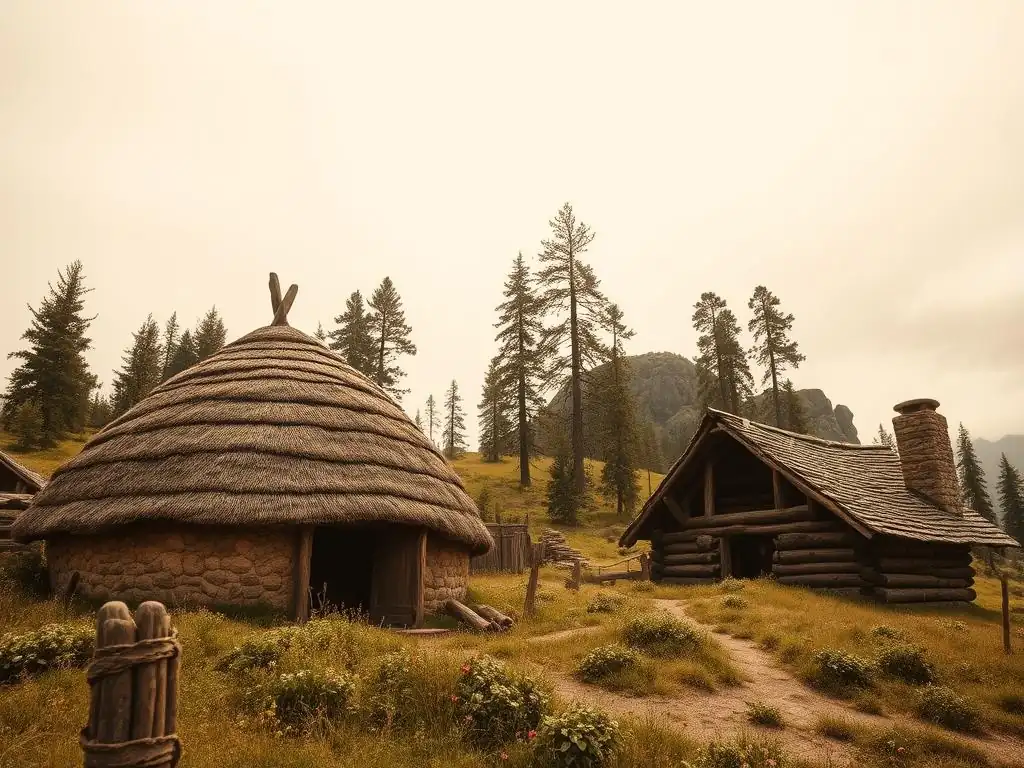
Earth has been one of the most fundamental building materials used by North American indigenous cultures for millennia. Its availability, versatility, and thermal properties made it an ideal choice for constructing various structures, from homes to ceremonial spaces. The use of earth not only reflects the indigenous peoples' deep understanding of their environment but also their ability to adapt to the climatic conditions of their respective regions.
Characteristics of Earth in Indigenous Construction
The properties of earth as a building material are multifaceted:
- Thermal Mass: Earth possesses excellent thermal mass, which helps to regulate indoor temperatures. This is particularly advantageous in regions with extreme temperature fluctuations.
- Breathability: Structures made from earth allow for moisture regulation, reducing the risk of mold and improving indoor air quality.
- Sustainability: Earth is a natural, abundant resource that requires minimal processing, making it an environmentally friendly building material.
- Aesthetic Qualities: Earth can be easily shaped and molded, allowing for intricate designs and natural textures that blend harmoniously with the surrounding landscape.
These characteristics highlight why earth was a preferred material for indigenous architecture across various climates and geographies in North America.
Techniques for Earth-Based Structures
Indigenous cultures employed a variety of techniques to construct earth-based structures, each reflecting their unique environmental contexts and cultural practices. Among these techniques, Adobe, Cob, and Rammed Earth stand out as significant methods.
Adobe Construction
Adobe construction involves creating building blocks from a mixture of clay, sand, and straw, which are then dried in the sun. The benefits of adobe include:
- Strength and Durability: Once dried, adobe bricks can withstand considerable stress and have a long lifespan.
- Insulation: Adobe has excellent insulating properties, keeping interiors cool in summer and warm in winter.
Indigenous groups, such as the Pueblo peoples of the Southwestern United States, have famously utilized adobe to build multi-storied dwellings known as pueblos. These structures often incorporated intricate designs and were strategically placed to maximize natural light and ventilation.
Cob and Rammed Earth Techniques
Cob construction, another indigenous method, uses a mixture of clay, sand, straw, and water, which is then shaped by hand into thick walls. Some key features of cob construction include:
- Flexibility: Cob can be molded into various forms, allowing for creative architectural designs.
- Moisture Resistance: When properly constructed, cob buildings can resist moisture penetration, making them suitable for a range of climates.
On the other hand, rammed earth techniques involve compacting a mixture of earth and gravel into formwork, creating solid walls. The advantages of rammed earth include:
- High Compression Strength: This technique produces walls that are incredibly strong and stable.
- Fire Resistance: Rammed earth walls provide excellent fire resistance, enhancing safety in inhabited structures.
Both cob and rammed earth techniques illustrate the ingenuity of indigenous peoples, showcasing their ability to harness local materials to create resilient and sustainable living spaces.
The use of earth as a building material in North American indigenous architecture not only reflects the cultures' resourcefulness but also their deep connection to the environment. Understanding these techniques and materials allows us to appreciate the architectural advancements and achievements of these civilizations.
Case Studies of Earth Structures
The use of earth as a building material has a rich history among North American indigenous cultures, offering a unique insight into their architectural practices and environmental adaptations. Earth structures, often made from adobe, rammed earth, or cob, are notable for their insulation properties, durability, and integration into the landscape. Various case studies illustrate how different tribes employed earth in their construction, showcasing not only their architectural ingenuity but also their cultural significance.
Taos Pueblo
Taos Pueblo, located in northern New Mexico, is one of the most iconic examples of indigenous earth structures in North America. This UNESCO World Heritage site is a living community that has been continuously inhabited for over a thousand years. The pueblo consists of multi-storied adobe buildings made from a mixture of earth, straw, and water, which are sun-dried to form bricks.
The architectural design of Taos Pueblo reflects the cultural and environmental context of the Taos people. The structures are built with thick walls, which provide excellent thermal mass, allowing the interiors to remain cool in the summer and warm in the winter. These walls are often plastered with a mixture of mud and organic materials, ensuring they blend seamlessly with the surrounding landscape.
The layout of Taos Pueblo is also significant. The buildings are arranged in a compact formation around a central plaza, which serves as a social and ceremonial space for the community. The pueblo's vertical design, with its stacked apartments, maximizes living space while minimizing the impact on the environment.
Taos Pueblo stands as a testament to the ingenuity of indigenous peoples in utilizing local materials for sustainable living. The ongoing preservation and use of traditional building techniques highlight the importance of cultural heritage and its resilience in the face of modern challenges. Today, Taos Pueblo continues to inspire architects and builders interested in sustainable design, demonstrating the enduring legacy of North American indigenous building materials.
Wood as a Fundamental Resource
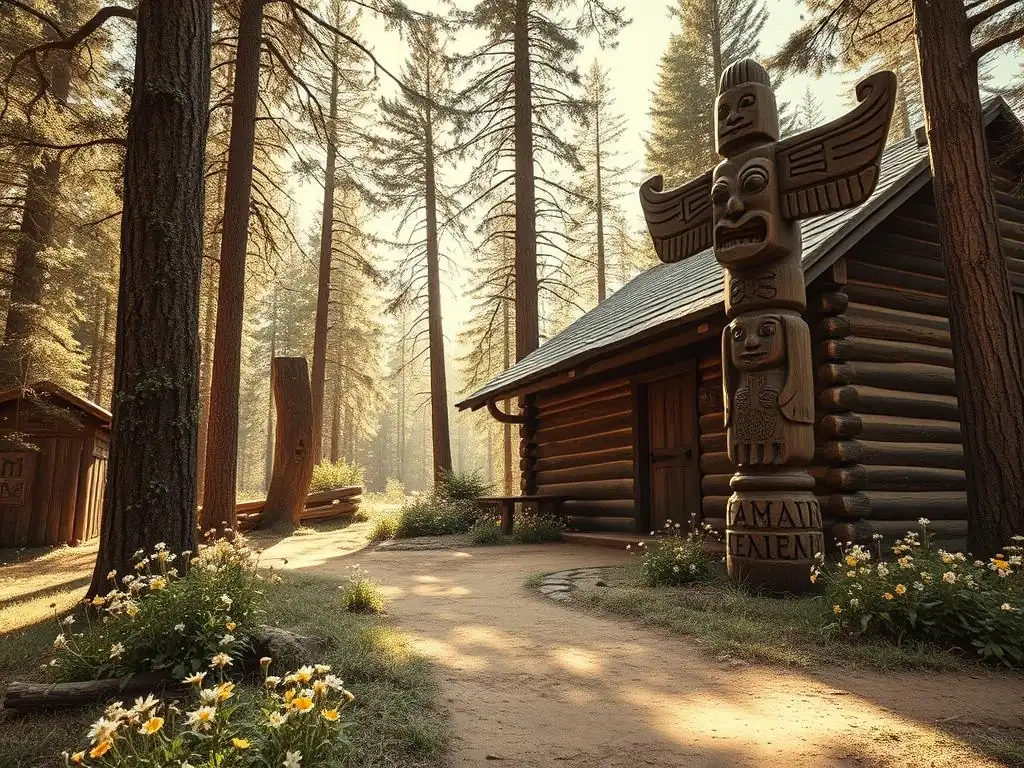
Wood has been an essential building material for many North American indigenous cultures, providing not only structural support but also a connection to the surrounding environment. The diverse climates and ecosystems across North America allowed for a rich variety of tree species to flourish, each with unique properties that influenced their use in construction. From sturdy conifers in the Pacific Northwest to hardwoods in the Eastern Woodlands, indigenous peoples utilized local resources in ingenious ways, reflecting their deep understanding of the land.
The significance of wood in indigenous architecture extends beyond mere functionality. It embodies cultural identity, spiritual beliefs, and community practices. Structures built from wood often served as communal spaces, shelters, and symbols of heritage, emphasizing the vital relationship between indigenous peoples and their environments. As we explore the types of wood used, traditional construction techniques, and craftsmanship, we gain insight into the sophisticated architectural practices of these cultures.
Types of Wood Used in Indigenous Architecture
Indigenous architects selected wood based on its availability, durability, and suitability for specific types of structures. Below are some commonly used types of wood:
- Cedar: Valued for its resistance to decay and insect damage, cedar was widely used among coastal tribes for building longhouses, canoes, and totem poles. Its aromatic properties also made it significant in spiritual practices.
- Pine: Particularly prevalent in the Plains and Pacific Northwest, pine was utilized for its lightweight nature and strength. It was often used in the construction of log cabins and other structures that required flexibility and resilience.
- Oak: Known for its hardness and durability, oak was favored in the Eastern Woodlands for building long-lasting structures, including homes and storage facilities.
- Spruce: Frequently employed among the indigenous peoples of the Arctic regions, spruce was used for its lightweight characteristics, making it ideal for constructing temporary shelters such as tents and igloos.
These wood types not only provided structural integrity but also contributed to the aesthetic and cultural significance of the buildings.
Traditional Techniques for Wood Construction
Indigenous peoples developed a range of traditional techniques to effectively utilize wood in their architectural practices. These methods were often passed down through generations, showcasing the ingenuity and adaptability of indigenous cultures.
Log Cabins and Longhouses
Log cabins and longhouses represent two prominent architectural forms that highlight the versatility of wood.
- Log Cabins: Primarily associated with the Eastern Woodlands tribes, log cabins were constructed using stacked logs, often notched at the ends to fit snugly together. This technique provided excellent insulation against harsh winters. The logs were typically sourced from local forests, ensuring sustainability and harmony with the environment.
- Longhouses: Common among the Iroquois and other northeastern tribes, longhouses were large, communal dwellings constructed from timber frames covered with bark or other materials. These structures could accommodate multiple families, fostering a sense of community and shared resources. The design reflected social organization and cultural practices, with distinct spaces for living, cooking, and storage.
Wood Joinery and Craftsmanship
The craftsmanship involved in wood joinery was a testament to the skill and artistry of indigenous builders. Techniques such as mortise and tenon joints, dovetail joints, and lashing were employed to create sturdy and flexible connections between wooden components.
- Mortise and Tenon Joints: This traditional technique involves creating a hole (mortise) in one piece of wood and a corresponding projection (tenon) on another piece. When fitted together, they create a strong, interlocked structure that can withstand considerable stress.
- Dovetail Joints: Renowned for their strength and aesthetic appeal, dovetail joints are shaped like a dove's tail, providing a secure connection that resists pulling apart. This technique was often used in furniture making and decorative elements.
- Lashing: In addition to joinery techniques, indigenous builders often used natural fibers or animal sinew to lash wooden components together. This method allowed for flexibility and movement, which was particularly advantageous in structures subjected to environmental forces.
The mastery of wood joinery and craftsmanship not only ensured the longevity of structures but also reflected the deep cultural significance embedded in each building. Through these techniques, indigenous peoples created homes that were both functional and meaningful, embodying their relationship with the land and community.
Regional Variations in Wood Structures
Wood played a critical role in the construction of indigenous structures across North America. The availability of various types of trees influenced the architectural styles and building techniques among different regions. As a result, indigenous communities adapted their wood usage based on local resources, climate, and cultural practices, leading to a rich diversity of wooden structures.
In the Pacific Northwest, towering cedar trees were extensively utilized due to their durability and resistance to decay. Indigenous groups such as the Coast Salish and Tlingit constructed longhouses and totem poles, reflecting their social structures and spiritual beliefs. The longhouses often featured elaborate carvings, showcasing the community's artistic skills and storytelling traditions. The use of wood in these structures not only provided shelter but also played a significant role in cultural identity.
In the Eastern Woodlands, tribes such as the Iroquois and Algonquin relied on hardwoods like oak and maple. They built wigwams and longhouses that were both functional and adaptable to seasonal changes. The Iroquois longhouse, for example, was a communal dwelling that could house multiple families, emphasizing the importance of kinship and cooperation in their society. The construction methods varied, with some using saplings bent into arches and covered with bark, while others utilized more rigid frameworks.
Coastal vs. Inland Indigenous Techniques
The techniques for utilizing wood varied significantly between coastal and inland indigenous groups. Coastal tribes, with direct access to abundant timber, developed distinctive methods that reflected their environment. For instance, the use of large planks from cedar allowed for the construction of sturdy structures like the plank houses of the Haida and Nuu-chah-nulth. These houses often featured raised platforms and wide eaves to protect against the heavy rains characteristic of the region.
In contrast, inland tribes had to adapt to different types of available wood and environmental conditions. For example, the Plains tribes, such as the Lakota and Cheyenne, relied on timber from rivers and valleys. They often built tipis using wooden poles covered with animal hides, which were lightweight and easily transportable. This adaptability was crucial for their nomadic lifestyle, allowing them to move quickly in search of resources.
Additionally, the inland tribes also employed techniques like bark stripping, where they would carefully peel the bark from trees like birch to create materials for canoes, containers, and even roofing. This method showcased a profound understanding of sustainable practices, as they ensured that the tree could continue to thrive after harvesting.
Through these varied techniques, both coastal and inland indigenous groups demonstrated ingenuity in their architectural practices, reflecting their deep connection to the land and resources available to them. The diverse architectural forms and uses of wood not only served practical purposes but also embodied the cultural values and traditions of the communities.
Stone as a Durable Material
The Role of Stone in Indigenous Architecture
Stone has played a pivotal role in the architectural traditions of North American indigenous peoples, serving both practical and symbolic purposes. The durability and resilience of stone made it an ideal material for constructing long-lasting structures that withstood the elements. Various indigenous cultures, from the Puebloans in the Southwest to the Iroquois in the Northeast, utilized stone in innovative ways, reflecting their unique environmental contexts and cultural values.
In regions characterized by abundant stone resources, such as the Rocky Mountains and the Appalachian Mountains, indigenous communities developed sophisticated techniques to harness this material. Stone structures not only provided shelter but also served as ceremonial spaces, illustrating the spiritual connection between the people and their environment. For instance, the use of stone in the construction of kivas by the Pueblo peoples symbolizes a connection to the earth and the cosmos, representing their cosmological beliefs.
Methods of Stone Construction
Indigenous peoples employed various methods of stone construction, adapting their techniques to the local geology and climate. These methods included dry stone walling, shaping stone into tools, and creating intricate carvings that adorned their structures.
Dry Stone Walling
Dry stone walling is a technique that involves stacking stones without the use of mortar. This method is particularly notable among the indigenous cultures of the Southwest, such as the Ancestral Puebloans. The walls were constructed with careful attention to stability and drainage, allowing them to withstand heavy rainfall and erosion over time.
The construction of these walls often involved selecting stones of various sizes and shapes, which were fitted together to create stable structures. The absence of mortar allowed for natural movement within the walls, accommodating shifts in temperature and settling of the ground. This technique not only ensured durability but also exemplified the builders' deep understanding of their environment and materials.
Stone Tools and Carvings
In addition to structural applications, stone was essential in the creation of tools and artistic expressions among North American indigenous peoples. Stone tools, such as spear points, knives, and grinding stones, were crafted using techniques like flintknapping, where stones were carefully chipped away to create sharp edges. These tools were vital for hunting, gathering, and processing food, showcasing the ingenuity of indigenous craftsmanship.
Carvings made from stone also played a significant role in cultural expression. Many indigenous cultures created petroglyphs and stone sculptures that conveyed stories, spiritual beliefs, and social status. For example, the petroglyphs found in places like the Four Corners region serve as a testament to the rich history and traditions of the Pueblo peoples, linking contemporary communities with their ancestral heritage.
Through these diverse applications of stone, North American indigenous peoples demonstrated their resourcefulness and adaptability, leaving a lasting legacy reflected in the archaeological record and cultural practices today.
Significant Examples of Stone Structures
Stone has long been revered for its durability and strength, making it a favored material in various indigenous architectural traditions across North America. One of the most notable examples of stone structures are the monumental ruins found in the southwestern United States, particularly those of the Ancestral Puebloans, such as Cliff Palace in Mesa Verde National Park. These multi-story dwellings were constructed from local sandstone, expertly chiseled and assembled to create complex living spaces that blended seamlessly with the surrounding cliffs.
Another significant example can be found in the stone structures of the Mississippian culture, particularly Cahokia, which thrived around 600 CE. The large earthen mounds, like Monk's Mound, were constructed using a mix of dirt and stone, showcasing the community's engineering skills. These mounds served as platforms for important buildings, including temples and residences, demonstrating the cultural and political significance of stone as a building material.
In addition, the Inuit of the Arctic regions also utilized stone in their architectural practices, constructing semi-subterranean structures that provided insulation against the harsh climate. These stone-based homes illustrate the adaptability of indigenous cultures in using locally available materials to create functional and sustainable living environments.
Inupiat Igloos
The Inupiat people, native to the Arctic regions of Alaska, are well-known for their ingenious use of stone in the construction of igloos. While igloos are primarily associated with snow blocks, stones played a crucial role in their construction, especially in coastal areas where snow may be scarce.
Inupiat igloos are dome-shaped structures that are constructed from snow blocks, but the foundation and some internal elements often incorporate stones. These stones are strategically placed to create a stable base and provide additional insulation, ensuring warmth within the igloo's interior. The technique of using stone to enhance the igloo's stability and thermal efficiency showcases the Inupiat's deep understanding of their environment and materials.
The igloo's design allows for a small entrance that minimizes heat loss, while the domed shape effectively disperses wind pressure, demonstrating sophisticated architectural knowledge. Inside, the igloo can accommodate several people, with a central fire pit that provides heat and light. The combination of stone and snow in igloo construction illustrates the innovative methods employed by the Inupiat in their adaptation to one of the harshest climates on Earth, reflecting their resilience and resourcefulness.
Comparative Analysis of Building Materials
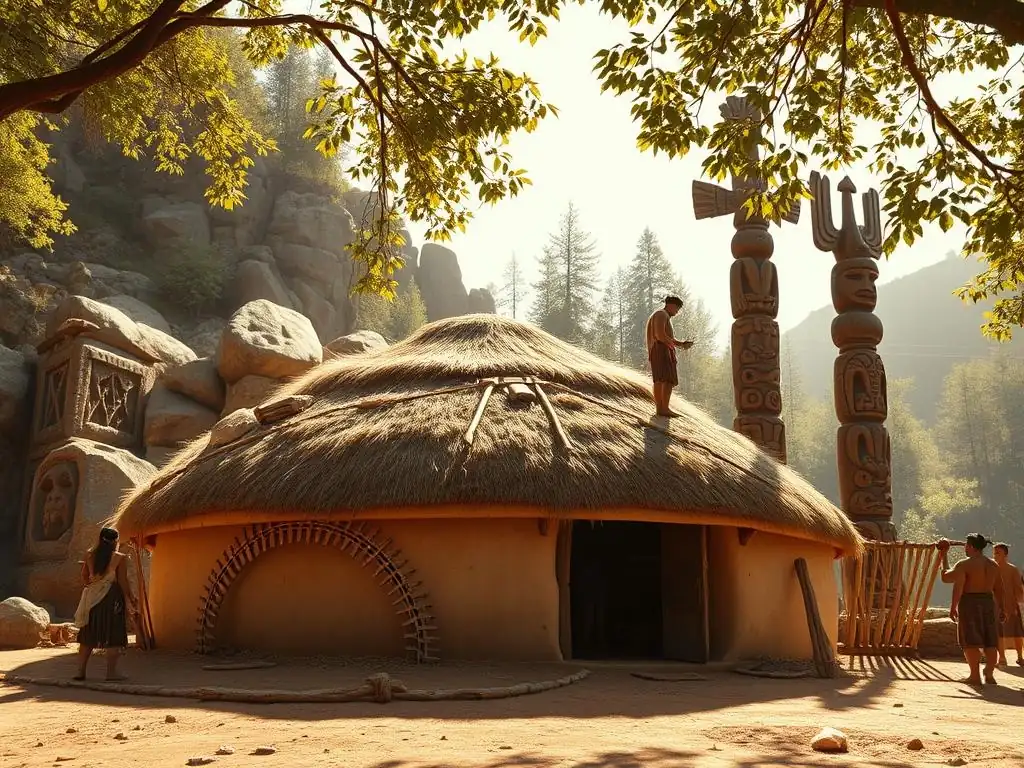
In the context of North American indigenous architecture, the choice of building materials—earth, wood, and stone—was influenced by various factors, including geography, climate, and cultural practices. Each material presents unique properties that cater to specific needs and preferences of indigenous communities. Understanding these materials provides insight into the architectural ingenuity and adaptability of these civilizations.
Advantages of Earth, Wood, and Stone
The three primary building materials utilized by North American indigenous peoples—earth, wood, and stone—each offer distinct advantages that contributed to their widespread use.
- Earth:
- Thermal Insulation: Earth structures, such as adobe or cob, excel in thermal mass, maintaining stable indoor temperatures regardless of external conditions.
- Availability: Natural earth is abundant and often requires minimal processing, making it an accessible choice for many communities.
- Sustainability: Earth construction is environmentally friendly, with low carbon footprints and the ability to blend harmoniously with the landscape.
- Wood:
- Versatility: Wood is highly adaptable, allowing for a range of designs and structures, from simple huts to elaborate longhouses.
- Lightweight: Being lighter than stone, wood facilitates easier transportation and construction, especially in forested regions.
- Aesthetic Appeal: The natural beauty of wood can enhance the visual appeal of structures, allowing for intricate carvings and designs that reflect cultural identity.
- Stone:
- Durability: Stone structures, such as those seen in the Pueblo cultures, offer incredible longevity and resistance to the elements, making them ideal for permanent settlements.
- Defense: The robust nature of stone provides natural fortification against environmental threats and potential conflicts with other groups.
- Symbolism: Stone is often associated with strength and stability, serving as a powerful material in ceremonial and religious structures.
Environmental Considerations in Material Selection
The selection of building materials among North American indigenous peoples was deeply intertwined with environmental considerations. Indigenous architects were keenly aware of their surroundings and utilized materials that aligned with the local ecosystem.
- Resource Availability: Communities would often base their material choices on the resources available in their immediate environment. For example:
- Coastal tribes relied heavily on wood from nearby forests.
- Desert dwellers utilized adobe and rammed earth, which were plentiful in arid regions.
- Climate Adaptation: The material choices also reflected adaptations to specific climates. For instance:
- In warmer climates, earth and thatched roofs provided natural cooling.
- In colder areas, wood structures insulated against harsh winters.
- Sustainability Practices: Indigenous cultures practiced sustainable harvesting of materials, ensuring that they did not deplete resources. For example, trees were often harvested selectively to maintain forest health, and earth was taken from specific sites to prevent landscape degradation.
Cultural Significance of Each Material
Beyond their practical applications, earth, wood, and stone hold significant cultural meanings within various indigenous communities. Each material is intertwined with spiritual beliefs, traditions, and identities.
- Earth:
- Connection to Ancestry: Earth is often viewed as a living entity, connecting indigenous peoples to their ancestors and the land itself. Structures made of earth are often imbued with spiritual significance.
- Ceremonial Use: Earth is used in many rituals and ceremonies, symbolizing fertility and life.
- Wood:
- Symbol of Life: For many tribes, trees are considered sacred, representing life, growth, and the interconnectedness of all living beings.
- Cultural Artifacts: Wood is frequently carved into totems and other cultural artifacts, serving as a means of storytelling and preserving history.
- Stone:
- Endurance and Legacy: Stone structures often symbolize resilience and permanence, reflecting the enduring spirit of the community.
- Ceremonial Significance: Many stone formations and structures are linked to religious practices and are considered sacred spaces.
The comparative analysis of North American indigenous building materials highlights the intricate relationship between environmental factors, cultural values, and architectural practices. Earth, wood, and stone not only served functional purposes but also shaped the identities of the communities that utilized them.
Innovations and Adaptations
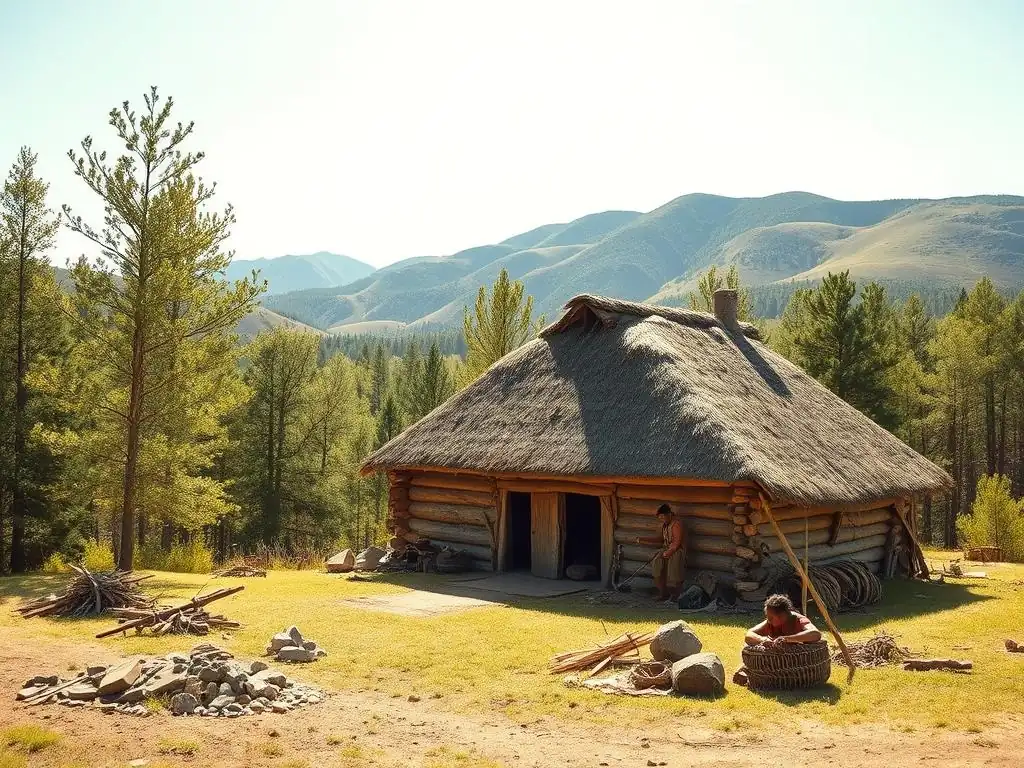
The architectural practices of North American indigenous peoples are marked by remarkable innovations and adaptations over time. These innovations stemmed from a deep understanding of local environments, available resources, and cultural needs. The use of earth, wood, and stone as fundamental building materials reflects not only the practicality of these resources but also the ingenuity of the societies that employed them.
Indigenous communities developed unique construction techniques that allowed them to create structures suited to their specific climates and lifestyles. For instance, the tipi, a conical tent made of wooden poles and animal hides, was designed for mobility and insulation, allowing Plains tribes to adapt to the seasonal migrations of bison. Similarly, the longhouses of the Iroquois, built from timber and bark, showcased communal living and resilience against harsh winters.
Evolving Techniques with Changing Environments
As environmental conditions evolved, so too did the techniques employed by indigenous builders. Many tribes exhibited a profound understanding of their surroundings, leading to innovative adaptations in their architectural practices.
- Seasonal Variations: Indigenous structures were often designed with seasonal changes in mind. For example, the earth lodges of the Great Plains were partially underground, providing insulation during the cold winters, while their frame structures allowed for ventilation during the hot summers.
- Cultural Significance: Building materials were chosen not only for their availability but also for their cultural significance. The use of cedar wood by the Pacific Northwest tribes was not only practical but also held spiritual importance, leading to intricate carvings that reflected their mythology and social structures.
- Sustainable Practices: Indigenous peoples practiced sustainable building techniques, ensuring that their use of materials did not deplete the resources they depended upon. For example, the careful selection and harvesting of timber allowed for the regeneration of forests, enabling continued use over generations.
Integration of New Materials Post-Colonization
The arrival of European settlers introduced new materials and construction methods, significantly impacting indigenous architecture. The integration of these materials led to a fascinating blend of traditional techniques and new innovations.
- Introduction of Metal Tools: The advent of metal tools revolutionized construction practices. Indigenous builders began to incorporate iron and steel, allowing for more durable structures. The introduction of saws and axes facilitated more precise cuts and quicker assembly.
- Use of New Building Materials: Alongside metal, materials like brick and glass became accessible, particularly in areas where European influence was strong. Some tribes began to build hybrid structures that combined traditional designs with these new materials, creating unique adaptations that reflected both indigenous and European architectural styles.
- Impact on Community Structures: The shift in available materials also influenced community layouts. For example, some tribes started to build more permanent structures with brick and mortar, leading to changes in social dynamics as communities settled in one place for extended periods.
The architectural evolution of North American indigenous cultures demonstrates a profound resilience and adaptability in the face of changing environments and new influences. The integration of traditional building materials, such as earth, wood, and stone, along with the adoption of new materials post-colonization, highlights a dynamic process of innovation that continues to resonate in contemporary indigenous architecture today.
Conclusion: The Legacy of North American Indigenous Building Materials
The use of natural resources such as earth, wood, and stone has played a crucial role in the development of North American indigenous building materials. These elements not only reflect the ingenuity and adaptability of indigenous cultures but also their profound connection to the land. The architectural practices that emerged from these materials showcase a deep understanding of the environment, climate, and available resources, leading to structures that were both functional and culturally significant.
North American indigenous building materials have left an enduring legacy that continues to influence contemporary architectural practices. This legacy is characterized by an emphasis on sustainability, local resource utilization, and a harmonious relationship with nature. As modern architects seek to create environmentally friendly designs, they often draw inspiration from indigenous methods, integrating traditional materials and techniques into their projects. This blending of old and new fosters a greater appreciation for indigenous wisdom and highlights the importance of preserving these practices for future generations.
Lasting Impact on Modern Architecture
The principles of design and construction utilized by indigenous cultures have significantly impacted modern architecture. By emphasizing the use of local materials, architects can reduce their carbon footprint and promote sustainability. For example, contemporary structures that utilize rammed earth or straw bale construction echo the ancient techniques employed by indigenous peoples, offering energy-efficient solutions that are both aesthetically pleasing and environmentally responsible.
Furthermore, the integration of indigenous building materials into modern architecture encourages a dialogue between past and present. This can be seen in various projects that seek to honor indigenous heritage while addressing contemporary needs. For instance, community centers and cultural spaces designed with traditional materials serve not only as functional buildings but also as monuments to the rich history and contributions of indigenous peoples.
| Material | Traditional Use | Modern Application |
|---|---|---|
| Earth | Adobe structures, earth lodges | Rammed earth walls, earth-sheltered homes |
| Wood | Longhouses, totem poles | Timber framing, sustainable forestry practices |
| Stone | Pueblos, burial mounds | Stone facades, eco-friendly landscaping |
Preservation of Traditional Techniques and Materials
Preserving traditional building techniques and materials is vital for maintaining the cultural heritage of North American indigenous communities. Efforts to revive and teach these practices are essential for fostering a sense of identity and continuity among indigenous peoples. Organizations dedicated to preserving indigenous architecture often engage in workshops, educational programs, and collaborative projects that emphasize the importance of traditional knowledge.
In addition, many indigenous communities are actively involved in advocating for the protection of their cultural heritage, including architecture. This advocacy often encompasses legal and political measures aimed at safeguarding sacred sites and ensuring that traditional building practices are respected and maintained. By recognizing the importance of these materials and methods, we can help sustain the cultural narratives that shaped them.
To ensure the ongoing relevance of these traditional practices, it is crucial to document and share the knowledge passed down through generations. This includes creating archives, databases, and resources that highlight indigenous architectural styles, techniques, and materials. By fostering collaboration between indigenous builders and modern architects, we can create a more inclusive architectural landscape that honors the past while addressing the needs of the present and future.
The exploration of North American indigenous building materials reveals not only the resourcefulness of these cultures but also their lasting impact on architecture today. By understanding and preserving these materials and techniques, we honor the legacy of indigenous peoples and promote a more sustainable and respectful approach to building in harmony with the environment.
References and Further Reading
Suggested Literature on Indigenous Architecture
Exploring the architectural achievements of North American indigenous cultures offers a profound insight into their environmental adaptations, social structures, and cultural values. Below is a curated list of essential literature that provides a deeper understanding of indigenous architecture and building materials:
- "The Architecture of the First America: The Mississippian Tradition in the Southeastern United States" by Charles R. Ewen
- This book delves into the sophisticated urban planning and construction techniques of the Mississippian culture, highlighting materials such as earth and wood.
- "Indigenous Architecture: The Emergence of a New Style" by David A. Hinton
- Hinton discusses contemporary indigenous architectural practices, showcasing how traditional methods and materials are being revitalized in modern contexts.
- "The Native American Architecture: The Art of Building with Earth and Wood" by Richard B. Wood
- This comprehensive guide explores various indigenous building styles across North America, emphasizing the use of local materials like earth, wood, and stone.
- "Earth, Wood, and Stone: The Indigenous Structures of North America" by Laura J. Miller
- Miller offers an in-depth analysis of the specific materials used by various tribes, detailing the techniques and cultural significance behind their constructions.
- "Indigenous Peoples and the Collaborative Process of Architectural Design" by Angela M. McCarthy
- This text discusses collaborative design approaches that honor indigenous building practices while integrating modern architectural principles.
Resources for Understanding Indigenous Building Practices
To further explore indigenous building materials and their applications, consider the following resources that provide practical insights and case studies:
- Online Archives and Databases
- Many universities and indigenous organizations maintain digital archives that include architectural plans, photographs, and descriptions of indigenous structures. Notable examples include the Smithsonian Institution and the National Museum of the American Indian.
- Documentaries and Educational Videos
- Platforms such as PBS and National Geographic feature documentaries that focus on indigenous architectural practices, showcasing interviews with indigenous builders and historians.
- Workshops and Community Programs
- Engaging in local workshops led by indigenous artisans can provide hands-on experience with traditional building materials and techniques. Organizations such as the Native American Cultural Center often host events focused on indigenous crafts and building practices.
- Scholarly Journals
- Journals such as Journal of the Society of Architectural Historians and American Indian Culture and Research Journal often publish articles related to indigenous architecture and the use of natural materials.
These resources collectively enhance understanding of North American indigenous building materials while celebrating the rich traditions and innovations of indigenous peoples. By delving into these works, readers can appreciate the ingenuity and resilience of indigenous architectural practices throughout history.
Frequently Asked Questions
What are the primary building materials used by North American indigenous cultures?
Indigenous cultures in North America predominantly used earth, wood, and stone as their main building materials, each chosen for its availability and suitability to the environment.
How did the environment influence building materials for indigenous structures?
The local climate and geographical features significantly influenced the choice of materials, leading to the use of wood in forested areas and earth or stone in regions with less vegetation.
What types of structures were commonly built using these materials?
Indigenous peoples constructed a variety of structures, including longhouses, tipis, and adobe homes, each reflecting their unique cultural practices and environmental adaptations.
Were there any unique techniques used in constructing these indigenous buildings?
Yes, many indigenous builders employed innovative techniques, such as earth building methods like rammed earth and adobe, and wood joinery that reflected their deep understanding of local resources.
What is the significance of these building materials in indigenous culture?
These materials hold great cultural significance, reflecting the sustainability and resourcefulness of indigenous peoples, while also demonstrating their spiritual beliefs and connection to the land.
Final Reflection: Embracing the Legacy of North American Indigenous Building Materials
The exploration of North American Indigenous building materials—earth, wood, and stone—reveals not only the ingenuity of these cultures but also their profound connection to the land. Today, as we face environmental challenges and a growing need for sustainable practices, the wisdom embedded in these traditional materials offers invaluable lessons. The resilience and adaptability of Indigenous architecture remind us that our built environments can harmonize with nature rather than dominate it.
The impact of these materials extends far beyond their physical properties; they embody a rich cultural heritage that continues to shape our social landscape. As we recognize the significance of Indigenous knowledge systems, we find ourselves at a crossroads where respect for these traditions can foster greater understanding and collaboration. We do not inherit the earth from our ancestors; we borrow it from our children.
This quote resonates deeply as we reflect on our responsibility to honor the past while building a sustainable future.
As you consider the insights gained from the study of North American Indigenous building materials, I invite you to reflect on how you can incorporate these principles into your own life. Whether it’s through choosing sustainable materials in your projects, advocating for Indigenous rights, or simply appreciating the wisdom of these cultures, every action counts. Let us carry forward the legacy of earth, wood, and stone, ensuring that the lessons of the past illuminate the path to a more harmonious future.
Unveil the Legacy of Indigenous Architecture!
Thank you for immersing yourself in the inspiring world of North American Indigenous structures. You've just uncovered the significance of earth, wood, and stone in these incredible architectural feats. Now, it’s time to take the next step and connect even deeper with this rich heritage.
Consider taking these actionable steps:
- Join a local Indigenous cultural tour to experience firsthand the architecture and stories behind these remarkable structures.
- Explore books and documentaries that delve into Indigenous building techniques and philosophies to broaden your understanding.
- Share this article with friends or on social media to spread awareness and appreciation for Indigenous knowledge and craftsmanship.
What aspect of Indigenous architecture sparked your curiosity the most, and how do you plan to explore it further?