
The Legacy of Olmec Architecture: Foundations of Mesoamerican Design

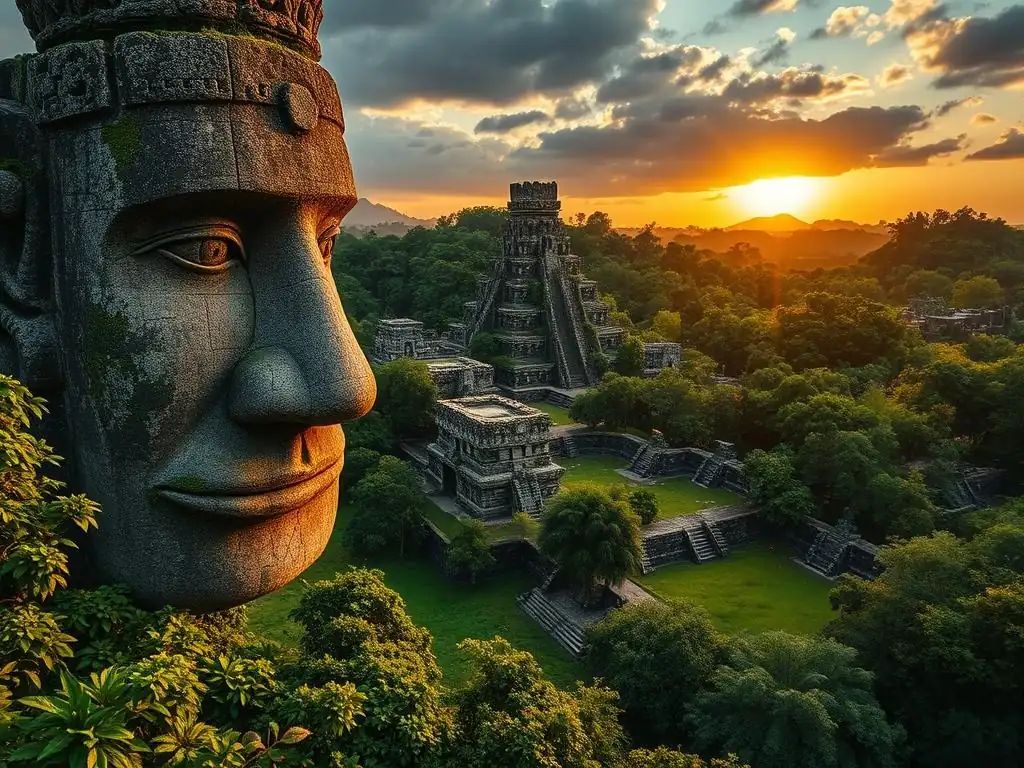
Welcome to Indigenous Civilizations of the Americas, where we invite you to embark on a journey through the rich tapestry of cultures that flourished long before European footsteps echoed on these lands. In this exploration, we shine a spotlight on the Olmec architecture and cultural legacy, uncovering the monumental achievements that laid the groundwork for Mesoamerican design.
As you delve into this article, prepare to discover the profound influence of the Olmec civilization, whose innovative structures and artistic expressions resonate through the ages. Join us as we unveil the secrets of these remarkable societies and their enduring impact on the world as we know it.
Introduction to Olmec Architecture and Cultural Legacy
The Olmec civilization, often regarded as the "mother culture" of Mesoamerica, stands as a cornerstone in the history of indigenous societies in the Americas. Renowned for its profound impact on subsequent cultures, the Olmec's architectural innovations laid the groundwork for the grand structures and urban designs that would emerge in later Mesoamerican civilizations. In this article, we will delve into the intricate aspects of Olmec architecture and cultural legacy, exploring how their architectural endeavors not only reflected their societal values but also influenced generations to come.
Overview of Olmec Civilization
The Olmec civilization flourished in the tropical lowlands of south-central Mexico from approximately 1400 to 400 BCE. Known for their impressive ceremonial centers and distinctive artistic styles, the Olmecs were more than just builders; they were also a complex society with a rich cultural heritage. Their most famous sites, such as San Lorenzo and La Venta, showcase monumental architecture, including colossal heads carved from basalt, which serve as enduring symbols of their achievements. The society’s intricate social structure, religious beliefs, and economic systems contributed to their architectural advancements and left an indelible mark on the region's history.
Importance of Architecture in Olmec Culture
Architecture played a pivotal role in Olmec society, serving not only as functional spaces but also as manifestations of their cosmological beliefs and social hierarchies. The grand scale and meticulous design of their structures underscore the importance they placed on ritual and community. Temples, plazas, and residential areas were carefully planned to facilitate ceremonial activities, reinforcing communal bonds and religious practices. Furthermore, the architectural legacy of the Olmecs can be seen in the urban planning of later Mesoamerican civilizations, highlighting their influence on the region's architectural evolution.
Key Features of Olmec Architecture
Monumental Structures in Olmec Society
The Olmecs are renowned for their monumental architecture, which includes large platforms, pyramids, and ceremonial complexes. These structures were not only impressive in scale but were also strategically located to serve as focal points for worship and community gatherings. The most notable example is the massive earthen pyramids at La Venta, which were often topped with temples and elaborate sculptures. The construction of these monumental structures required advanced engineering skills and a well-organized labor force, reflecting the Olmecs' sophisticated societal organization.
Materials and Techniques Used in Olmec Construction
The Olmecs utilized a variety of materials and techniques in their architectural projects. They primarily worked with local resources, such as clay, stone, and earth, to construct their buildings. The use of basalt for monumental sculptures and architecture showcases their mastery of stoneworking, while adobe bricks made from clay and straw were commonly used for residential structures. The Olmecs employed techniques such as molding and carving to create intricate designs, demonstrating their artistic capabilities and understanding of structural stability.
Distinctive Design Elements of Olmec Architecture
Olmec architecture is characterized by several distinctive design elements that set it apart from other Mesoamerican cultures. The use of large sculptural forms, such as the famous colossal heads, reflects their artistic vision and cultural significance. Additionally, their buildings often featured wide platforms and terraces that enhanced the visual impact of their ceremonial spaces. The incorporation of symbolic motifs and intricate carvings within their structures further illustrates the deep connection between their architectural designs and their cultural beliefs, allowing for a rich tapestry of meaning that continues to fascinate scholars and enthusiasts alike.
The legacy of Olmec architecture remains a vital part of Mesoamerican history, serving as a testament to the sophistication and creativity of one of the region's earliest civilizations. As we explore the key features of Olmec architecture, we will uncover the profound influence they had on subsequent architectural practices and cultural developments throughout the Americas.
The Influence of Olmec Architecture on Mesoamerican Design
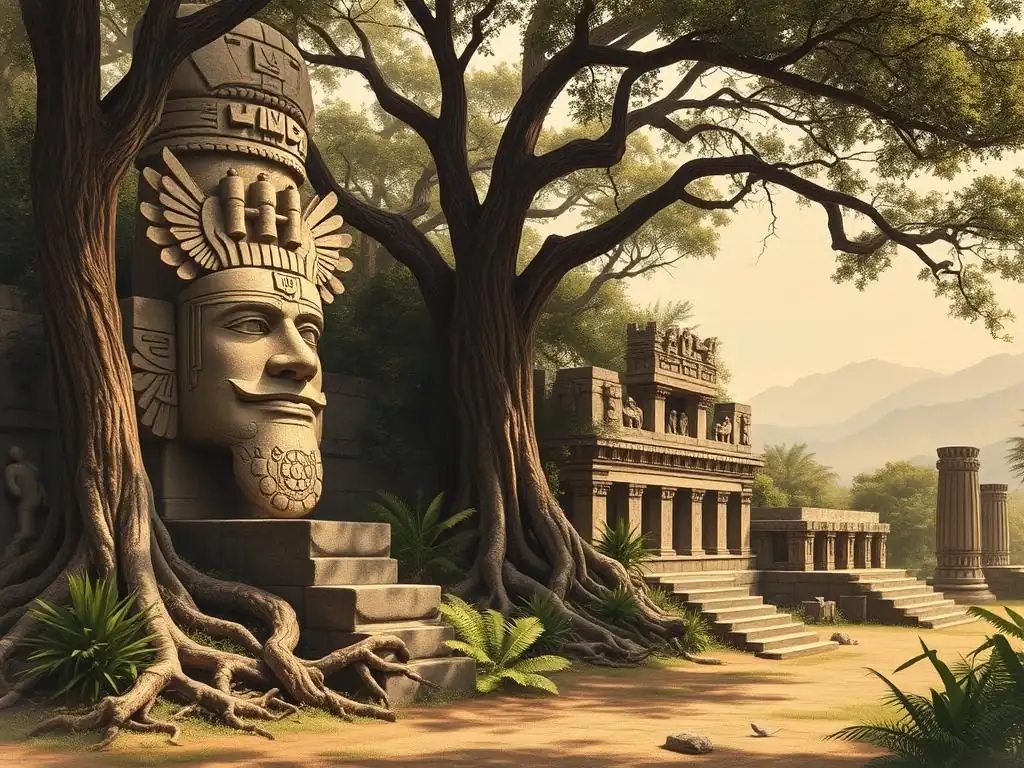
The Olmec civilization, often considered the "mother culture" of Mesoamerica, laid the groundwork for architectural practices that would be emulated and adapted by subsequent cultures. Their innovative structures and urban planning not only reflected their social organization but also influenced the architectural landscape of Mesoamerica for centuries. Key elements of Olmec architecture, such as monumental stone heads, platform mounds, and ceremonial centers, served as inspirations for later civilizations, establishing precedents in both form and function.
The Olmecs introduced the concept of using large-scale monuments to signify political power and religious significance. This approach was later adopted and further developed by cultures such as the Maya and Aztec, who built upon these foundations to create their own distinct architectural identities. The Olmec’s emphasis on integrating architecture with astronomical observations and sacred landscapes also informed the planning of later Mesoamerican cities, ensuring that architecture was not merely functional but imbued with cultural meaning.
Architectural Innovations Spurred by Olmec Practices
The Olmec civilization was remarkable for its architectural innovations, which included the use of basalt for sculpting large figures and creating ceremonial centers. The introduction of the "colossal head" is a prime example; these immense stone carvings not only served as artistic expressions but also as markers of Olmec political and cultural identity. Their technique involved transporting massive stones from distant quarries, showcasing advanced engineering and communal effort.
Additionally, the Olmec developed platform mounds used for various purposes, including temples and elite residences. These platforms elevated structures above the ground, creating a visual hierarchy within their urban landscapes. Such practices influenced later Mesoamerican cultures that also constructed grand ceremonial platforms, often aligning them with celestial events to enhance their religious significance.
Comparison of Olmec Architecture with Later Mesoamerican Cultures
When comparing Olmec architecture to that of later Mesoamerican cultures, notable similarities and adaptations emerge. For instance, the use of ceremonial centers is a common thread. While Olmec sites such as La Venta and San Lorenzo featured distinct mound structures, later civilizations like the Maya developed more complex urban centers characterized by intricate pyramids and expansive plazas, reflecting their sociopolitical evolution.
In terms of decorative styles, the Olmec's iconography influenced the artistic expressions of the Maya and Aztec. The use of stylized motifs, such as jaguars and serpents, became prominent in later architectural designs, underscoring the interconnectedness of these cultures. However, differences also arose; for example, while the Olmec focused on monumental sculptures and stonework, the Maya and Aztec expanded their architectural repertoire to include elaborate frescoes and decorative masonry, reflecting their unique cultural narratives.
Case Studies of Influenced Civilizations: Maya and Aztec Architecture
The architectural legacy of the Olmecs is vividly illustrated through case studies of both Maya and Aztec civilizations. The Maya, who flourished in the region after the Olmecs, adopted the practice of building ceremonial centers with pyramids, such as those seen in Tikal and Copán. These structures often mirrored Olmec designs in their use of stone and monumental scale but were enhanced with elaborate carvings and a focus on astronomical alignment.
Similarly, the Aztecs, emerging later in the Mesoamerican timeline, incorporated Olmec architectural principles into their own grand city of Tenochtitlán. The construction of the Templo Mayor—a massive dual temple dedicated to Huitzilopochtli and Tlaloc—demonstrates a clear lineage to Olmec practices of monumental architecture, yet it was further developed to reflect the Aztec's unique religious and cultural values. Both civilizations not only embraced Olmec architectural innovations but also transformed them to suit their specific societal needs and artistic expressions.
Symbolism and Cultural Significance of Olmec Structures
Olmec structures were rich in symbolism and served vital cultural functions within their society. The architecture was not merely functional; it represented the beliefs, values, and identity of the Olmec people. Their monumental constructions often depicted themes of power, divinity, and the natural world, reinforcing the idea that architecture was a medium for spiritual and social expression.
The layout of Olmec urban centers often reflected cosmological beliefs, with structures aligned to celestial bodies and significant geographical features. This connection between architecture and the environment underscored the civilization’s understanding of their place in the universe, fostering a sense of community and shared identity among the Olmec people.
Religious and Ceremonial Functions of Olmec Architecture
The primary function of Olmec architecture was religious and ceremonial. Structures such as the sunken plazas and mounds served as gathering places for rituals and communal events, reinforcing social cohesion. The Olmecs engaged in elaborate ceremonies that were often tied to agricultural cycles, utilizing their architectural spaces to connect with spiritual entities.
Moreover, the monumental sculptures, particularly the colossal heads, were believed to represent rulers or deities, serving as focal points for worship and offerings. This interplay between architecture and religion highlights the significance of built environments in shaping Olmec spirituality and community life.
The Role of Olmec Monuments in Community Identity
Olmec monuments played a crucial role in shaping community identity and collective memory. The construction of monumental structures required significant labor and resources, fostering a sense of unity and shared purpose among the Olmec populace. These architectural feats became symbols of community pride, reflecting the achievements and aspirations of the civilization.
Moreover, the distinctiveness of Olmec styles contributed to a collective cultural identity that was echoed in the practices of later Mesoamerican societies. The shared architectural heritage established by the Olmecs served as a foundation upon which subsequent cultures would build their identities, ensuring that the Olmec legacy endured long after their civilization declined.
Preservation and Study of Olmec Architectural Heritage
The preservation and study of Olmec architecture represent critical areas of research that aim to understand and protect the remarkable achievements of one of the earliest civilizations in Mesoamerica. This architectural heritage not only serves as a window into the cultural practices and societal structures of the Olmec but also provides insights into the broader developments of Mesoamerican civilization. Scholars, archaeologists, and conservationists have made concerted efforts to document, preserve, and analyze Olmec sites, ensuring that the legacy of this ancient culture endures for future generations.
Archaeological Discoveries and Excavations
Archaeological discoveries related to Olmec architecture have significantly enhanced our knowledge of their monumental constructions and urban planning. Sites such as San Lorenzo, La Venta, and Tres Zapotes have yielded impressive structures, including colossal heads, altars, and ceremonial platforms, which showcase the Olmec's sophisticated engineering and artistic abilities. Excavations at these sites have revealed not only architectural features but also artifacts, including pottery, tools, and figurines, that provide context for understanding Olmec daily life and religious practices.
Recent advancements in excavation techniques and technologies, such as ground-penetrating radar and aerial photography, have allowed researchers to uncover previously hidden structures and features. For instance, the discovery of an extensive network of platforms and mounds at La Venta has challenged earlier notions of Olmec urbanism, suggesting a more complex social organization than previously understood. These ongoing archaeological efforts continue to reshape our understanding of the Olmec civilization and its architectural innovations.
Challenges in Preserving Olmec Sites
Despite the significance of Olmec architectural heritage, numerous challenges hinder the preservation of these invaluable sites. Environmental factors, such as erosion, flooding, and vegetation overgrowth, pose threats to the integrity of Olmec structures. Moreover, the expansion of agriculture and urban development in the regions surrounding Olmec sites often leads to encroachment and destruction of archaeological remains.
Additionally, the lack of funding and resources for conservation efforts exacerbates these challenges. Many Olmec sites are situated in remote areas, making access difficult for preservation teams. Furthermore, political and social factors can complicate the management of these heritage sites, as local communities may prioritize immediate economic needs over long-term conservation strategies. Collaborative efforts between governments, indigenous communities, and international organizations are essential to developing sustainable preservation practices that respect both the cultural significance of these sites and the needs of local populations.
Conclusion: The Lasting Impact of Olmec Architecture and Cultural Legacy
The legacy of Olmec architecture extends far beyond its physical remnants, influencing subsequent Mesoamerican cultures and architectural practices. The innovations introduced by the Olmec, such as the use of monumental stone sculptures and the integration of religious symbolism into architecture, laid foundational principles that would be echoed in later civilizations, including the Maya and Aztec. Understanding this legacy is vital for appreciating the complexities of Mesoamerican history and the interconnections among its diverse cultures.
Reflection on Olmec Contributions to Mesoamerican Architecture
Reflecting on the contributions of Olmec architecture reveals a sophisticated understanding of both aesthetics and functionality. The Olmec were pioneers in creating monumental structures that served not only as religious centers but also as symbols of power and identity. Their architectural forms, characterized by their grandeur and intricate designs, set a precedent for later Mesoamerican societies, which adopted and adapted these principles in their own constructions.
The Olmec's emphasis on ceremonial spaces and public architecture highlights the importance of community and ritual in their society. Such spaces facilitated social interaction, religious practices, and political gatherings, reinforcing the Olmec's role as a foundational culture in Mesoamerica. This enduring legacy can be seen in the architectural traditions of subsequent civilizations, which continued to draw inspiration from Olmec designs.
Future Directions for Research and Understanding Olmec Influence
Future research directions regarding Olmec architecture and its cultural legacy should focus on interdisciplinary approaches that integrate archaeology, anthropology, and environmental studies. Continued excavations and technological advancements will likely uncover new insights into the Olmec's construction methods, urban planning, and societal organization.
Moreover, fostering collaboration with indigenous communities and incorporating traditional knowledge can enhance our understanding of the Olmec legacy. Engaging local populations not only aids in the preservation of cultural heritage but also enriches the narrative surrounding Olmec architecture by recognizing its significance in contemporary indigenous identities.
By prioritizing research that emphasizes the interconnections between Olmec architecture and the broader Mesoamerican context, scholars can better appreciate the complexity of this ancient civilization's influence on subsequent cultures. This holistic understanding will ensure that the Olmec's architectural achievements and cultural contributions are recognized and celebrated in the ongoing exploration of Mesoamerican history.
- Introduction to Olmec Architecture and Cultural Legacy
- Overview of Olmec Civilization
- Importance of Architecture in Olmec Culture
- Key Features of Olmec Architecture
- The Influence of Olmec Architecture on Mesoamerican Design
- Symbolism and Cultural Significance of Olmec Structures
- Preservation and Study of Olmec Architectural Heritage
- Conclusion: The Lasting Impact of Olmec Architecture and Cultural Legacy
Frequently Asked Questions
What is Olmec architecture known for?
Olmec architecture is notable for its monumental structures and large stone heads, which reflect advanced engineering and artistic skills that laid the groundwork for future Mesoamerican civilizations.
How did Olmec architecture influence later cultures?
The innovative design principles and urban planning techniques of the Olmecs served as a foundation for subsequent Mesoamerican cultures, including the Maya and Aztecs, influencing their architectural styles and societal structures.
What are some key features of Olmec structures?
Olmec structures often include platform mounds, earthen pyramids, and ceremonial centers, showcasing their architectural sophistication and spiritual significance within their society.
How has Olmec cultural legacy been preserved?
The cultural legacy of the Olmecs is preserved through archaeological sites, artifacts, and continuing studies that highlight their contributions to art, religion, and social organization in ancient Mesoamerica.
Why is the study of Olmec architecture important?
Studying Olmec architecture provides insights into the development of early urban centers and the cultural exchanges that shaped the history of the Americas, making it vital for understanding indigenous civilizations.
Final Reflection: The Enduring Legacy of Olmec Architecture
The rich tapestry of Olmec architecture serves as a profound reminder of the ingenuity and cultural depth of ancient civilizations, highlighting how their innovations continue to shape contemporary design and cultural identity. The Olmec civilization, often regarded as the "mother culture" of Mesoamerica, laid foundational principles that resonate through the ages, influencing not only architectural practices but also the broader cultural landscape of the region. Their monumental structures and artistic expressions invite us to reflect on the interconnectedness of history and modernity.
The legacy of Olmec architecture is not merely a relic of the past; it is a living testament to the resilience and creativity of human expression. From the colossal heads that stand as silent witnesses to a vibrant culture, to the ceremonial centers that echo the spiritual beliefs of their people, the Olmec's contributions have left an indelible mark on the architectural and cultural heritage of Mesoamerica. Architecture is the learned game, correct and magnificent, of forms assembled in the light.
— Le Corbusier. This quote encapsulates the essence of how the Olmec's architectural achievements continue to inspire and inform modern design, urging us to appreciate the beauty and significance of their creations.
As we ponder the lessons embedded in Olmec architecture, let us take a moment to reflect on our own cultural legacies and the ways we can honor them in our lives. Consider how you can incorporate the principles of innovation, resilience, and cultural appreciation into your own endeavors.
Whether through art, architecture, or community engagement, each of us has the power to contribute to a legacy that honors the past while paving the way for a brighter future. Embrace the inspiration drawn from the Olmec and allow it to guide your journey in creating spaces and experiences that resonate with meaning and purpose.
Uncover the Legacy of Olmec Architecture Today!
Thank you for delving into the fascinating world of Olmec architecture! You’ve explored how this remarkable civilization laid the groundwork for Mesoamerican design. Now, it's time to take action and deepen your engagement with this rich heritage.
Here are a few ways you can continue your journey:
- Visit local museums or exhibitions that focus on ancient civilizations to connect with artifacts and learn more about their architectural brilliance.
- Engage in discussions with others who share an interest in Mesoamerican history; share your newfound knowledge and insights from your exploration!
- Join an online community dedicated to Indigenous cultures. Connect with fellow enthusiasts to exchange resources and insights.
Which aspect of Olmec architecture has inspired you the most to explore further?