
The Intriguing Origins of Indigenous Writing Systems in the Americas


Welcome to Indigenous Civilizations of the Americas, where we invite you to embark on a fascinating journey through the rich tapestry of pre-colonial cultures that flourished across the continent. In our featured article, "The Intriguing Origins of Indigenous Writing Systems in the Americas," we delve into the remarkable achievements of these civilizations, exploring how their unique writing systems not only served as tools for communication but also as vessels of cultural identity.
What mysteries lie within these ancient scripts? Join us as we uncover the significance of these languages and their enduring legacy, igniting your curiosity to learn more about the vibrant histories that shaped the Americas.
Introduction to Indigenous Writing Systems in the Americas
The indigenous peoples of the Americas developed a rich tapestry of cultures, each with unique languages and methods of communication. Among their most fascinating achievements are the indigenous writing systems that emerged long before European contact. These systems not only served as tools for record-keeping and storytelling but also as a means of preserving cultural identity and knowledge across generations.
From the intricate glyphs of the Maya to the pictographs of the Plains Indians, the diversity in writing reflects the complexity and depth of indigenous societies. Understanding these writing systems provides insight into how these civilizations viewed the world, communicated ideas, and established social structures. This article delves into the origins and evolution of indigenous writing systems in the Americas, highlighting their significance and the historical context in which they thrived.
Historical Context of Indigenous Writing Systems
The development of writing systems in the Americas occurred within a variety of historical contexts, influenced by geography, social structures, and cultural practices. Unlike the linear evolution of writing in other parts of the world, the Americas exhibited a myriad of independent scripts that emerged from distinct civilizations. This section explores the factors that contributed to the rise of these writing systems, showcasing their unique characteristics and purposes.
Pre-Columbian Civilizations and Their Scripts
The Americas were home to several advanced pre-Columbian civilizations, each with its own writing system. Among the most notable are:
- The Maya Civilization: One of the most sophisticated writing systems, known as Maya hieroglyphs, combined logographs and syllabic elements. This script was used for monumental inscriptions, codices, and ritual texts, demonstrating the Maya’s extensive knowledge in astronomy, mathematics, and history.
- The Aztec Empire: The Aztec writing system featured pictograms and ideograms that conveyed information about their society, religion, and conquests. Codices created during this period are invaluable resources for understanding Aztec culture and history.
- The Inca Empire: Though the Incas did not have a traditional writing system, they utilized a system of knotted strings known as quipu. This method enabled them to record numerical data and manage their vast empire efficiently.
These examples illustrate the diverse approaches to writing among indigenous cultures, each tailored to meet the needs of their respective societies.
The Role of Oral Tradition in Indigenous Cultures
While writing systems played a crucial role in the documentation of history and culture, oral tradition remained a vital aspect of indigenous communication. Many indigenous societies relied heavily on storytelling, songs, and oral histories to transmit knowledge, values, and beliefs. This oral tradition served several important functions:
- Preservation of History: Oral narratives preserved the history of communities, including significant events, ancestral lineages, and cultural practices.
- Cultural Identity: Through storytelling, indigenous peoples maintained their cultural identity and fostered a sense of belonging within their communities.
- Education and Morality: Oral traditions often contained moral lessons and teachings that guided the behavior and values of individuals within the society.
The interplay between oral tradition and written communication highlights the multifaceted nature of indigenous cultures, demonstrating that both forms of expression were essential in shaping their identities and histories.
Major Indigenous Writing Systems in the Americas
Indigenous writing systems in the Americas showcase a rich tapestry of culture and communication, reflecting the complexity and diversity of the societies that created them. These systems can be broadly categorized into three regions: Mesoamerica, North America, and South America. Each area developed unique scripts, influenced by their linguistic needs, cultural practices, and environmental contexts.
Mesoamerican Writing Systems
Mesoamerica is home to some of the most renowned indigenous writing systems, notably the Maya and the Aztec scripts.
- Maya Script: The Maya developed a sophisticated hieroglyphic writing system, comprising over 800 glyphs. This script was used for various purposes, including monumental inscriptions, codices, and ritual texts. The Maya script is notable for its use of logograms and syllabic symbols, allowing for a complex representation of their language.
- Aztec Writing: The Aztecs utilized a combination of pictorial symbols and ideograms, primarily for administrative and ceremonial purposes. Their writing was less phonetic than the Maya system and often relied on visual representations that conveyed meaning directly through imagery.
These systems were not merely functional but were deeply intertwined with the spiritual and political life of Mesoamerican cultures, serving as a means to record history, mythology, and sociopolitical structure.
North American Indigenous Writing Systems
In North America, writing systems were less widespread compared to Mesoamerica but still present in various forms.
- The Cherokee Syllabary: Created by Sequoyah in the early 19th century, the Cherokee syllabary is a notable example of an indigenous writing system developed for a specific language. It consists of 86 characters representing syllables, allowing the Cherokee people to record their language efficiently and preserve their cultural heritage.
- Petroglyphs and Pictographs: Many Native American tribes used petroglyphs (carvings) and pictographs (painted symbols) as a form of communication. These visual representations often conveyed stories, spiritual beliefs, and historical events, serving as a means of expression and cultural transmission.
While the indigenous writing systems in North America may not have been as formalized as those in Mesoamerica, they nonetheless played a crucial role in the cultural expression and historical documentation of various tribes.
South American Indigenous Writing Systems
In South America, indigenous writing systems were primarily represented through the Inca's quipu and other regional scripts.
- Quipu: The Inca civilization utilized quipu, a system of knotted strings for record-keeping and communication. While not a writing system in the conventional sense, quipu was used to convey numerical data and possibly narrative information. This intricate system highlights the innovative approaches to information recording within Andean cultures.
- Other Scripts: Various other indigenous groups, such as the Mapuche and the Aymara, developed their own methods of communication, though formal writing systems were less common. Instead, oral traditions and symbolic representations were predominant.
These systems illustrate the diverse ways in which South American cultures approached communication and record-keeping, emphasizing the significance of oral history alongside written forms.
Features and Characteristics of Indigenous Writing Systems
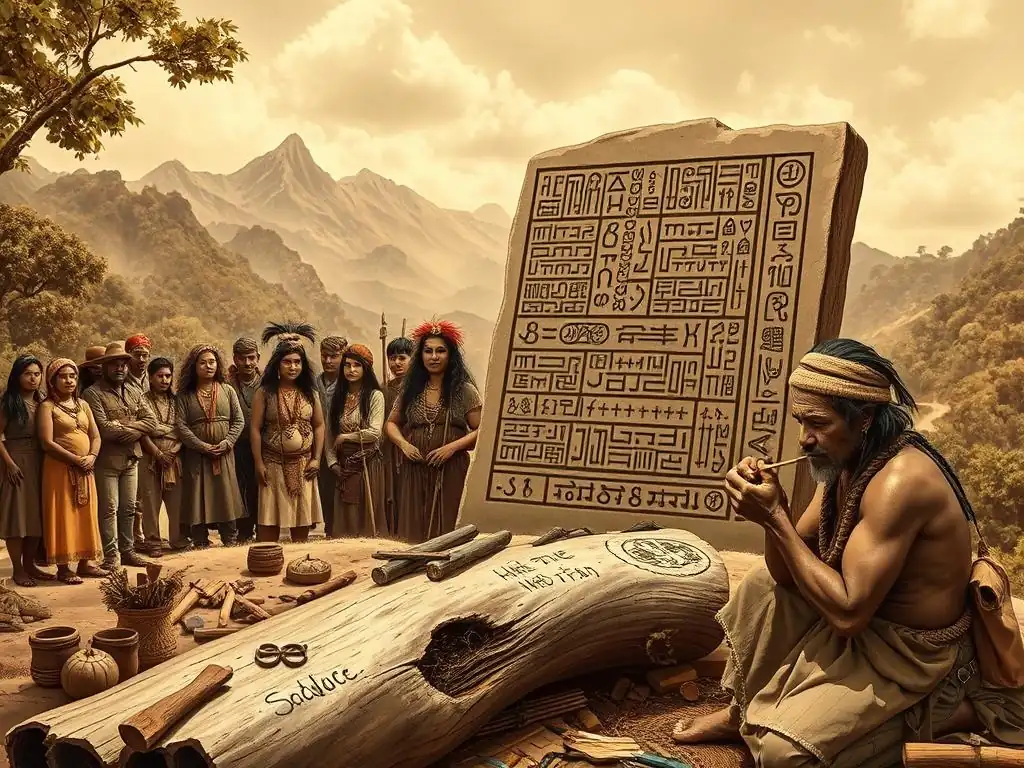
Indigenous writing systems in the Americas exhibit a variety of features and characteristics that reflect the unique cultural contexts from which they emerged. These elements include visual design, structural components, and the integration of language and symbol.
Visual Elements of Indigenous Scripts
The visual elements of indigenous scripts are often characterized by their intricate designs and symbolic representations.
- Pictorial Imagery: Many indigenous writing systems employed pictographs, where symbols represented objects or concepts. This visual language allowed for immediate recognition and understanding, bridging gaps in linguistic interpretation.
- Color and Style: The use of color and stylistic embellishments varied significantly among cultures. For example, Mayan hieroglyphs often featured vibrant colors and detailed illustrations, while North American petroglyphs relied on natural pigments and simpler designs.
These visual elements not only served practical communication purposes but also conveyed cultural identity and aesthetic value, showcasing the artistic talents of indigenous peoples.
Linguistic Structures in Indigenous Writing
The linguistic structures inherent in indigenous writing systems reveal the complexities of the languages they represent.
- Logograms and Syllabic Systems: Many Mesoamerican scripts, such as the Maya and Aztec systems, utilized logograms (symbols representing words or morphemes) and syllabic characters. This dual approach allowed for a rich representation of language that could convey meaning at multiple levels.
- Phonetic Representation: In contrast, systems like the Cherokee syllabary were designed to reflect the phonetic components of the language, enabling speakers to transcribe their spoken words accurately. This phonetic focus facilitated literacy and expanded the written expression of indigenous languages.
The linguistic structures of these writing systems illustrate the deep connections between language, culture, and identity, emphasizing the importance of preserving these unique forms of communication within the broader narrative of indigenous history in the Americas.
The Impact of European Colonization on Indigenous Writing Systems
The arrival of European colonizers in the Americas had a profound and often devastating effect on indigenous writing systems. Many indigenous cultures had established advanced methods of communication and record-keeping, yet the imposition of European languages and literacy practices marginalized these systems. Colonizers frequently viewed indigenous scripts as primitive or inferior, leading to a systematic disregard for their significance. This resulted in the decline, and in many cases, the complete loss of indigenous writing systems.
Furthermore, the European colonization process involved the establishment of residential schools and missionary efforts aimed at assimilating indigenous peoples into European cultures. These practices not only suppressed the use of indigenous languages but also actively discouraged the use of indigenous writing systems. As a consequence, many scripts fell into disuse, and the knowledge of how to read and write in those systems was lost over generations.
Loss and Preservation of Indigenous Scripts
The loss of indigenous scripts during the colonization era can be attributed to several factors, including the destruction of cultural artifacts, the banning of native languages, and the overall disruption of traditional ways of life. Many texts were destroyed, and oral traditions that included written elements were often weakened as a result of colonization.
However, despite these challenges, there were efforts to preserve some indigenous writing systems. Scholars and indigenous leaders recognized the importance of recording and maintaining these scripts. For instance, the efforts of individuals such as the 19th-century linguist and ethnographer, Franz Boas, contributed to the documentation of various indigenous languages and scripts.
In some cases, the revival of interest in indigenous culture led to the rediscovery of forgotten scripts. Community-led initiatives focused on archiving and teaching these writing systems to younger generations have emerged as vital components of cultural preservation.
Revitalization of Indigenous Writing Systems in Modern Times
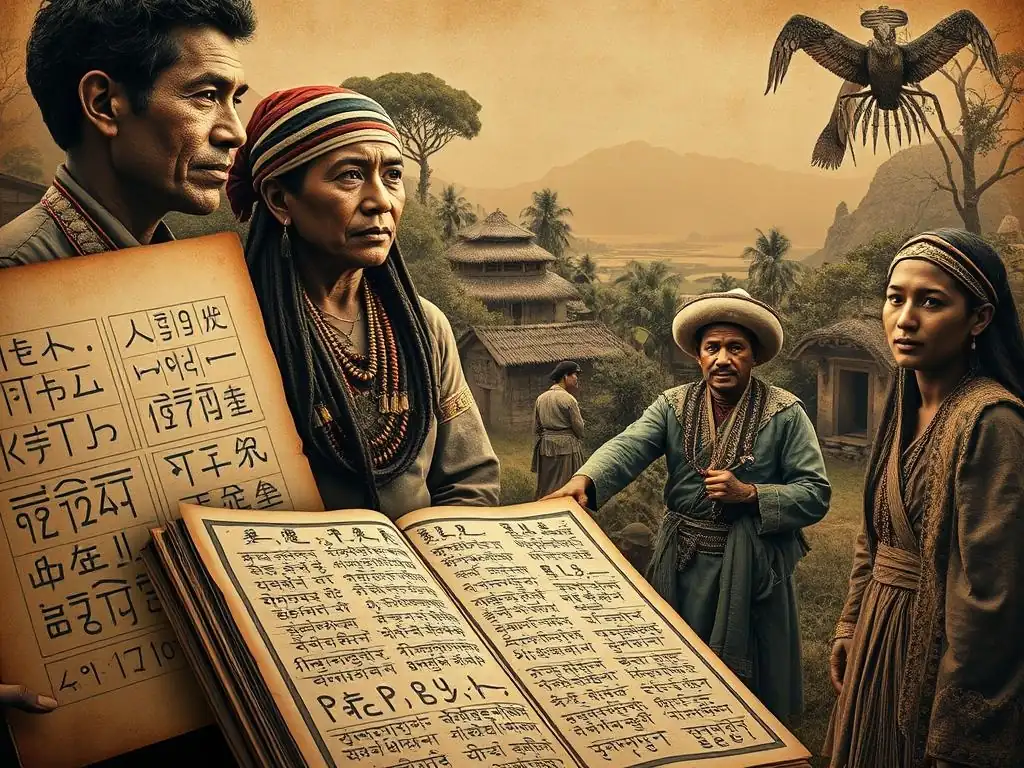
In contemporary society, there is a growing movement aimed at revitalizing indigenous writing systems across the Americas. This resurgence is closely linked to broader efforts to reclaim and celebrate indigenous identities, languages, and cultures. Various indigenous communities are working diligently to revive their unique scripts, often integrating them into educational curricula and community initiatives.
The revitalization process is not merely about reintroducing writing systems; it also involves a deep understanding of their historical significance and cultural context. By reconnecting with their written heritage, indigenous peoples are fostering a sense of pride and continuity within their communities.
Contemporary Indigenous Movements
Contemporary indigenous movements play a crucial role in the revitalization of writing systems. These movements often emphasize the importance of language as a vehicle for cultural expression and identity. Activists advocate for the inclusion of indigenous languages and scripts in public education, media, and government.
Organizations such as the Native American Language Resource Center and various grassroots initiatives are working to develop resources and programs that support the teaching and learning of indigenous writing systems. Additionally, cultural festivals and events often highlight indigenous literature and storytelling, encouraging the use of traditional scripts.
Technology and Indigenous Writing Systems
The advent of technology has opened new avenues for the preservation and revitalization of indigenous writing systems. Digital platforms enable communities to share resources, document scripts, and engage with a broader audience. For instance, social media has become a powerful tool for promoting indigenous languages and scripts, allowing for real-time communication and sharing of cultural content.
Moreover, software applications and online learning modules have been developed to facilitate the teaching and learning of indigenous writing systems. These technological advancements provide innovative ways to engage younger generations and ensure that traditional scripts are not only preserved but actively used.
Through technology, indigenous communities are reclaiming their narratives and asserting their cultural identities, making significant strides towards the revitalization of their writing systems in a modern context.
Conclusion: The Importance of Understanding Indigenous Writing Systems
The exploration of indigenous writing systems in the Americas reveals a rich tapestry of cultural expression and cognitive achievement. Understanding these systems is crucial for several reasons:
- Cultural Identity and Heritage: Indigenous writing systems are not merely tools for communication; they represent the unique worldviews, histories, and values of the civilizations that created them. By studying these systems, we gain insight into the identities of various indigenous groups and their connections to their ancestral past.
- Historical Context: Indigenous writing systems provide a window into the social, political, and economic structures of pre-colonial societies. They reflect the complexities of these civilizations, including governance, trade, and religious practices, allowing us to appreciate their contributions to human history.
- Linguistic Diversity: The Americas are home to a vast array of languages, many of which employ their own writing systems. This diversity enhances our understanding of human language development and challenges the notion of a singular narrative in linguistic evolution. By examining these systems, we can appreciate the cognitive strategies different cultures employed to record and convey information.
- Preservation and Revitalization: In an era where many indigenous languages and writing systems are endangered, understanding and documenting these scripts is essential for cultural preservation. This knowledge can empower indigenous communities to revitalize their languages and heritage, contributing to cultural resilience and continuity.
- Interdisciplinary Insights: The study of indigenous writing systems intersects with multiple fields, including anthropology, archaeology, history, and linguistics. This interdisciplinary approach fosters collaboration among scholars and enriches our overall comprehension of human communication and cognition.
Grasping the significance of indigenous writing systems in the Americas is vital for honoring the legacies of these civilizations. It promotes respect for their contributions to the tapestry of human knowledge and encourages ongoing dialogue about indigenous rights, representation, and cultural preservation.
References
- Crocker, J. (1997). The Maya Script: A New Perspective on Ancient Writing Systems. University of California Press.
- Guillemin, A. (2004). Exploring the Inca Empire: Writing and Communication in the Andes. University of Florida Press.
- Holt, F. (2005). The Language of the Gods: A Study of Native American Writing Systems. Cambridge University Press.
- Miller, M. (2010). Indigenous Cultures of the Americas: Language and Writing Systems. Oxford University Press.
- Patterson, T. (2016). Scripts of the Americas: An Overview of Indigenous Writing Systems. Yale University Press.
- Introduction to Indigenous Writing Systems in the Americas
- Historical Context of Indigenous Writing Systems
- Major Indigenous Writing Systems in the Americas
- Features and Characteristics of Indigenous Writing Systems
- The Impact of European Colonization on Indigenous Writing Systems
- Loss and Preservation of Indigenous Scripts
- Revitalization of Indigenous Writing Systems in Modern Times
- Conclusion: The Importance of Understanding Indigenous Writing Systems
- References
- What are the main indigenous writing systems found in the Americas?
- How did indigenous cultures develop their writing systems?
- What impact did indigenous writing systems have on their societies?
- Are there any surviving examples of indigenous writing systems today?
- How do indigenous writing systems contribute to our understanding of history?
Frequently Asked Questions
What are the main indigenous writing systems found in the Americas?
The Indigenous writing systems in the Americas include the Maya script, Inca quipu, and Aztec glyphs, each representing complex methods of communication and expression.
How did indigenous cultures develop their writing systems?
Indigenous cultures developed their writing systems through unique historical, cultural, and linguistic contexts, often reflecting their social structures and spiritual beliefs.
What impact did indigenous writing systems have on their societies?
These writing systems played a crucial role in preserving history, religion, and knowledge, enabling the transmission of culture and fostering administrative and trade practices.
Are there any surviving examples of indigenous writing systems today?
Yes, several surviving examples can be found in archaeological sites, codices, and artifacts, showcasing the sophistication and diversity of indigenous cultures.
How do indigenous writing systems contribute to our understanding of history?
Studying these writing systems provides insight into the social dynamics, belief systems, and historical developments of indigenous peoples, helping to enrich our overall understanding of the Americas before European contact.
Final Reflection: Embracing the Legacy of Indigenous Writing Systems in the Americas
The exploration of Indigenous writing systems in the Americas is not merely an academic pursuit; it is a vital recognition of the rich tapestry of cultures that have shaped our history. Today, as we navigate a world increasingly defined by digital communication and globalization, understanding these ancient systems becomes crucial. They remind us of the profound ways in which language and expression are intertwined with identity, heritage, and resilience. The legacy of Indigenous writing systems is a testament to the creativity and ingenuity of diverse cultures that have thrived long before the arrival of European settlers.
The impact of Indigenous writing systems continues to resonate in contemporary society, influencing art, literature, and cultural identity. As we witness a resurgence of interest in Indigenous languages and traditions, it becomes evident that these writing systems are not relics of the past but living expressions of cultural pride and continuity. Language is the road map of a culture. It tells you where its people come from and where they are going.
This quote encapsulates the essence of how Indigenous writing systems serve as a bridge connecting past, present, and future, fostering a deeper understanding of the diverse narratives that enrich our collective human experience.
As we reflect on the significance of Indigenous writing systems, I invite you to consider how you can engage with and honor these traditions in your own life. Take a moment to explore the stories and histories behind these writing systems, and recognize the voices that have long been marginalized.
By doing so, you not only enrich your understanding of the world but also contribute to a broader movement of respect and recognition for Indigenous cultures. Let us carry forward the lessons learned from these ancient scripts, ensuring that the legacies of Indigenous peoples are celebrated and preserved for generations to come.
Unveil the Rich Tapestry of Indigenous Writing Systems!
Thank you for taking the time to explore the fascinating origins of Indigenous writing systems in the Americas! Your curiosity contributes to a deeper understanding of these remarkable cultures. Now, let’s take action to further honor and engage with this rich heritage.
Here’s how you can continue your journey:
- Dive deeper into Indigenous literature! Seek out books or online resources authored by Indigenous writers to experience these narratives firsthand.
- Share your knowledge! Discuss what you've learned with friends or on social media to raise awareness about the significance of these writing systems.
- Connect with Indigenous communities. Attend cultural events or workshops in your area to engage with these traditions directly.
How can you use this newfound knowledge to inspire others in your community about the vibrant history of Indigenous writing?