
How Indigenous Languages Reflect Unique Worldviews and Cultural Practices

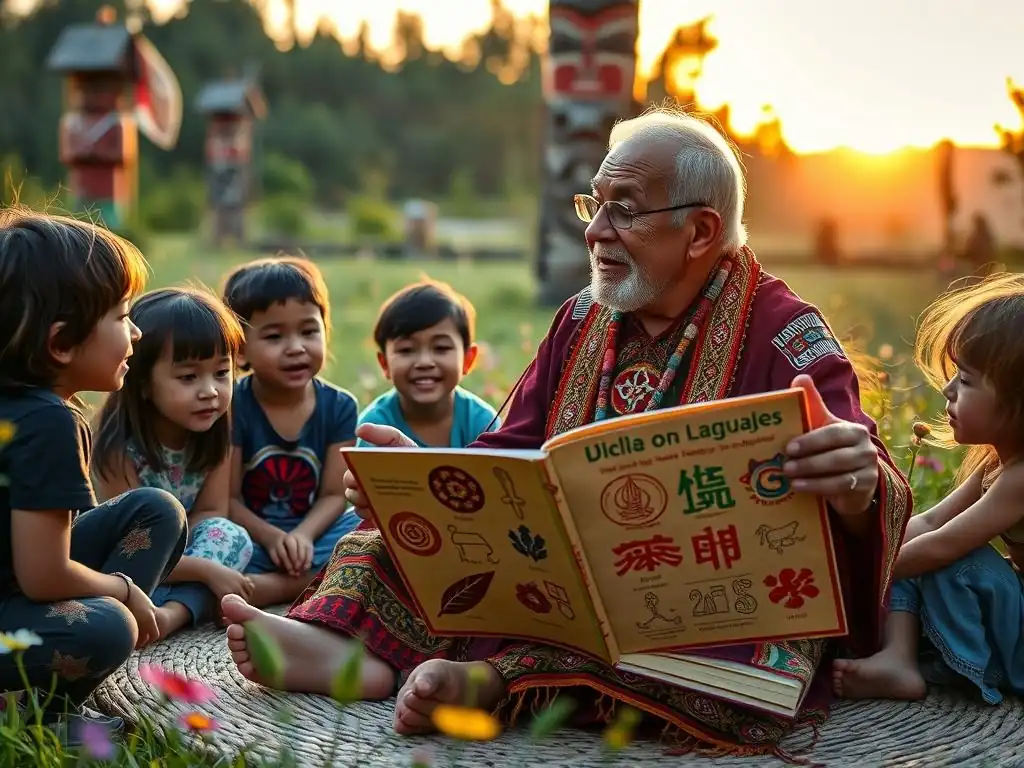
Welcome to Indigenous Civilizations of the Americas, where we embark on a fascinating journey through the rich tapestry of the diverse indigenous cultures that flourished long before European contact. Discover how indigenous languages and worldviews intertwine to reflect the unique cultural practices and profound philosophies of these remarkable societies.
As you delve into our featured article, “How Indigenous Languages Reflect Unique Worldviews and Cultural Practices,” you'll uncover the intricate connections between language, identity, and heritage that continue to resonate today. Join us as we celebrate the enduring legacy of these civilizations and their contributions to our understanding of the world.
- Introduction to Indigenous Languages and Worldviews
- The Role of Indigenous Languages in Shaping Cultural Identity
- Indigenous Languages as Vessels of Cultural Practices
- Case Studies: Indigenous Languages and Their Worldviews
- Challenges to Indigenous Languages and Worldviews
- Efforts in Linguistic Preservation and Revitalization
- Conclusion: The Significance of Indigenous Languages in Cultural Heritage
-
Frequently Asked Questions
- What is the main focus of the article "How Indigenous Languages Reflect Unique Worldviews and Cultural Practices"?
- How do indigenous languages influence cultural identity?
- What are some examples of indigenous languages mentioned in the article?
- Why is it important to study indigenous languages and worldviews?
- How do indigenous languages contribute to environmental knowledge?
- Final Reflection: The Vital Connection Between Indigenous Languages and Worldviews
- Embrace and Elevate Indigenous Languages Today!
Introduction to Indigenous Languages and Worldviews
Indigenous languages are not merely tools for communication; they are profound reflections of the diverse worldviews and cultural practices of the communities that speak them. In the Americas, numerous indigenous languages have evolved over millennia, encapsulating unique philosophies, traditions, and relationships with the natural world. This article delves into the intricate connection between indigenous languages and the worldviews they express, highlighting the significance of linguistic preservation in maintaining cultural identity and heritage. By understanding how language shapes perception and thought, we can gain deeper insights into the rich tapestry of indigenous cultures that predate European colonization.
Understanding the Connection Between Language and Culture
The relationship between language and culture is a fundamental aspect of human experience. Language serves as a vessel for expressing thoughts, values, and beliefs, and it plays a crucial role in shaping how individuals perceive their surroundings. Indigenous languages, in particular, are imbued with cultural significance that extends beyond mere vocabulary and grammar. They often contain concepts and terminologies that are uniquely tied to the traditions, spiritual beliefs, and ecological knowledge of their speakers.
- Cultural Nuances: Indigenous languages often include words that convey specific cultural practices or natural phenomena, which may not have direct equivalents in other languages. For example, the Inuktitut language of the Inuit people has multiple words for snow, each describing a different type or condition, reflecting their deep connection to and understanding of their environment.
- Storytelling Traditions: Many indigenous cultures rely on oral traditions to pass down knowledge and history. The language used in storytelling not only conveys information but also reinforces social values, collective identity, and spiritual beliefs. In this way, language becomes a crucial medium through which cultural heritage is preserved and transmitted across generations.
Importance of Indigenous Languages in Reflecting Worldviews
The preservation of indigenous languages is paramount not only for maintaining cultural identity but also for understanding the unique worldviews they encapsulate. Each language serves as a lens through which its speakers interpret their experiences and interactions with the world around them.
- Worldview Expression: Indigenous languages often reflect distinct worldviews that emphasize interconnectedness, sustainability, and respect for nature. For instance, many indigenous cultures view themselves as part of a larger ecological system, a perspective that is frequently embedded in their languages through specific terms and expressions that highlight this relationship.
- Cultural Resilience: The revitalization and preservation of indigenous languages are essential for cultural resilience. Language loss can lead to the erosion of cultural practices, knowledge systems, and community cohesion. Efforts to revive these languages not only help to restore a sense of identity but also empower indigenous communities to reclaim their narratives and assert their rights in contemporary society.
Indigenous languages are invaluable assets that reflect unique worldviews and cultural practices. Recognizing and supporting the linguistic diversity of indigenous communities is crucial for fostering understanding, respect, and appreciation for the rich heritage that these languages represent. By engaging with the intricate ties between language and culture, we can contribute to the preservation of indigenous identities and promote a more inclusive understanding of human experience.
The Role of Indigenous Languages in Shaping Cultural Identity
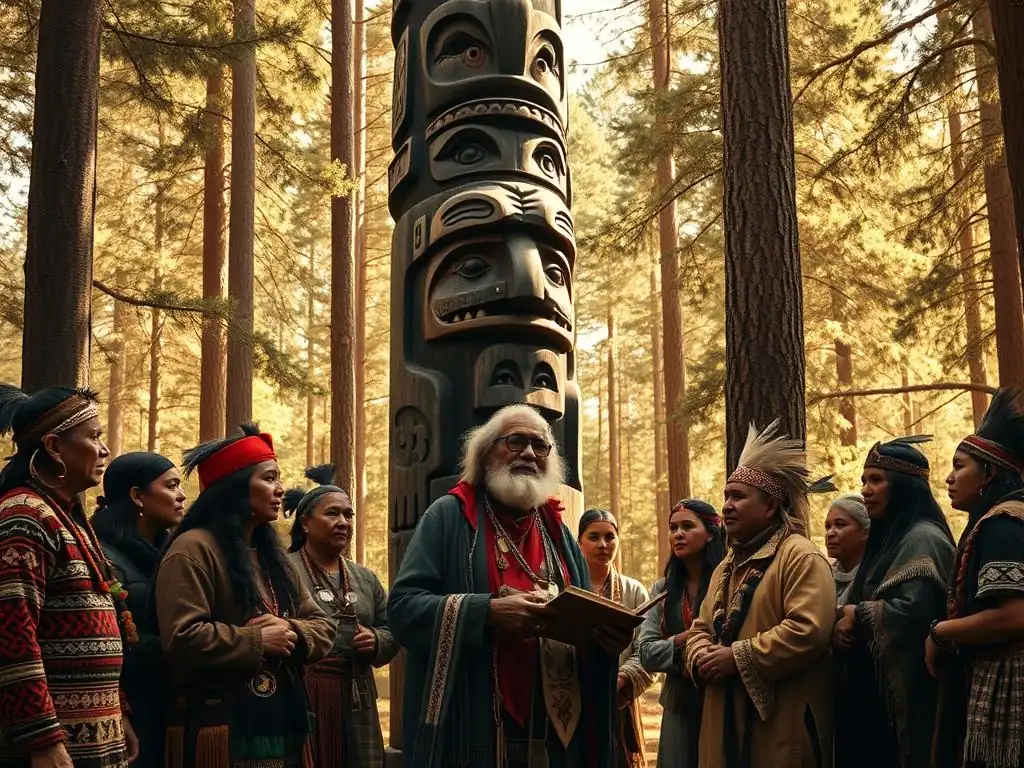
Indigenous languages serve as vital vessels for the cultural identities of their speakers. They encapsulate unique worldviews, traditions, and histories that are often inseparable from the identities of Indigenous peoples. The relationship between language and culture is profound; as language transmits not only information but also cultural values, norms, and practices.
Indigenous languages often possess distinct grammatical structures, vocabulary, and idiomatic expressions that reflect the ecological and social realities of the communities that speak them. For instance, many Indigenous languages include terms that describe specific relationships to the land, plants, and animals, highlighting the deep connection between the community and its environment. This linguistic richness underscores how language shapes cultural identity by framing the way individuals perceive and engage with the world around them.
Moreover, the revitalization and preservation of Indigenous languages play a crucial role in strengthening cultural identity. Language loss often equates to cultural erosion; therefore, efforts to promote Indigenous languages contribute significantly to the survival of traditional practices, storytelling, and communal knowledge.
How Language Influences Thought and Perception
The idea that language influences thought is encapsulated in the Sapir-Whorf hypothesis, which posits that the structure and vocabulary of a language can affect its speakers' worldview. In many Indigenous cultures, this is evident in the way language shapes perceptions of time, space, and relationships.
For example, certain Indigenous languages have multiple words for concepts that may be summed up in a single term in English. The Inuit language, for instance, has numerous words for snow, each describing a different type or condition. This linguistic specificity reflects the importance of snow in the daily lives and survival of Inuit communities. Such distinctions influence how speakers of these languages interact with their environment, highlighting aspects that may be overlooked in more generalized languages.
Furthermore, the use of metaphors in Indigenous languages often draws from the natural world, illustrating a worldview that prioritizes harmony with nature. This can be seen in the use of kinship terms that extend beyond familial ties to include relationships with animals, plants, and the earth itself, fostering a sense of interconnectedness.
Examples of Indigenous Languages and Their Unique Features
Several Indigenous languages exemplify how linguistic features reflect unique worldviews and cultural practices:
- Navajo (Diné Bizaad):
- Features: Navajo is known for its complex verb morphology and a rich system of prefixes that convey nuanced meanings. The language emphasizes relationships and the process of becoming, as seen in the way verbs are constructed.
- Cultural Reflection: The language encapsulates concepts of personal and communal identity tied to land and nature, reflecting the Navajo philosophy of life and the importance of harmony and balance.
- Quechua:
- Features: Quechua has a unique system of suffixes that indicate tense, aspect, and mood, allowing speakers to express intricate details about an event’s context and significance.
- Cultural Reflection: Words in Quechua often relate to agriculture and the seasons, emphasizing the cultural importance of farming systems and the environment in Andean societies.
- Lakota:
- Features: The Lakota language incorporates a system of honorifics that convey respect and social hierarchy, which is crucial in maintaining cultural protocols and relationships.
- Cultural Reflection: The language's emphasis on communal values and storytelling highlights the importance of oral traditions and collective memory within Lakota culture.
- Mayan Languages (e.g., K'iche'):
- Features: K'iche' employs a complex system of verb conjugation that reflects not only time but also the speaker's perspective and relationship to the action.
- Cultural Reflection: The language embodies a worldview that integrates spirituality and daily life, with many terms and phrases connected to traditional beliefs and practices.
Indigenous languages are not merely tools for communication; they are integral to the cultural identity and worldviews of Indigenous communities. The unique features of these languages offer profound insights into how their speakers understand and interact with the world, emphasizing the critical need for their preservation and revitalization.
Indigenous Languages as Vessels of Cultural Practices

Indigenous languages serve as vital vessels for cultural practices, encapsulating the unique worldviews and values of distinct communities. Each language is not just a means of communication but embodies the history, spirituality, and traditions of its speakers. Through language, generations pass down knowledge and social norms, preserving the essence of cultural identity.
The intricate relationship between language and culture can be observed in various indigenous communities. For example, many languages have specific terms that articulate local flora and fauna, reflecting a deep understanding of the environment and the significance of biodiversity. This connection illustrates how language can shape and define cultural practices related to nature and sustainability.
Language and Traditional Ecological Knowledge
Traditional Ecological Knowledge (TEK) refers to the understanding and insights gained by indigenous peoples through generations of living in and interacting with their environments. Indigenous languages often contain a wealth of terms and concepts that convey this knowledge, making them crucial for environmental stewardship.
- Terminology for Biodiversity: Many indigenous languages have extensive vocabularies for local plants and animals, often distinguishing between numerous species that may not have specific names in dominant languages. For instance, the Navajo language has multiple words for different types of corn, which is central to their agriculture and cultural identity.
- Seasonal Cycles and Phenology: Indigenous languages often embed knowledge about seasonal changes and ecological cycles. For example, the Inuktitut language has terms that describe the various stages of sea ice, revealing the importance of this natural phenomenon to the Inuit way of life. Understanding these terms is essential for navigating their environment and sustaining their communities.
- Cultural Practices and Rituals: Language is also integral to cultural practices and rituals that are tied to ecological knowledge. The Huichol people of Mexico, for example, use their language to express rituals related to maize cultivation, which is vital for their culture and sustenance. The specific words and phrases used in these contexts carry deep meanings that reinforce community bonds and cultural identity.
Storytelling and Oral Traditions in Indigenous Cultures
Storytelling is a cornerstone of indigenous cultures, serving as a means to convey history, morals, and cultural teachings. Oral traditions, preserved through generations, are often deeply intertwined with the languages in which they are told. These narratives are not just entertainment; they play a crucial role in shaping identities and imparting wisdom.
- Cultural Identity and Memory: Through storytelling, indigenous peoples preserve their histories and cultural identities. For instance, the Lakota language is rich with stories that recount the creation of the world and the journey of their ancestors. These stories reinforce community ties and instill a sense of belonging and purpose.
- Teaching Values and Ethics: Oral traditions often include moral lessons that guide behavior and social norms. The Ainu people of Japan, for example, use their language in storytelling to instill respect for nature and the interconnectedness of life. Such narratives emphasize the importance of harmony with the environment and ethical living.
- Language Revitalization: The revival of storytelling in indigenous languages is crucial for linguistic preservation and cultural continuity. Many communities are actively engaged in revitalizing their languages through storytelling workshops, where elders teach younger generations traditional tales. This practice not only helps preserve the language but also fosters a deeper understanding of cultural values.
Indigenous languages are not merely tools for communication; they are rich repositories of cultural practices and worldviews. By examining the interconnectedness of language, traditional ecological knowledge, and storytelling, we gain valuable insights into the diverse ways in which indigenous peoples understand and navigate their worlds.
Case Studies: Indigenous Languages and Their Worldviews
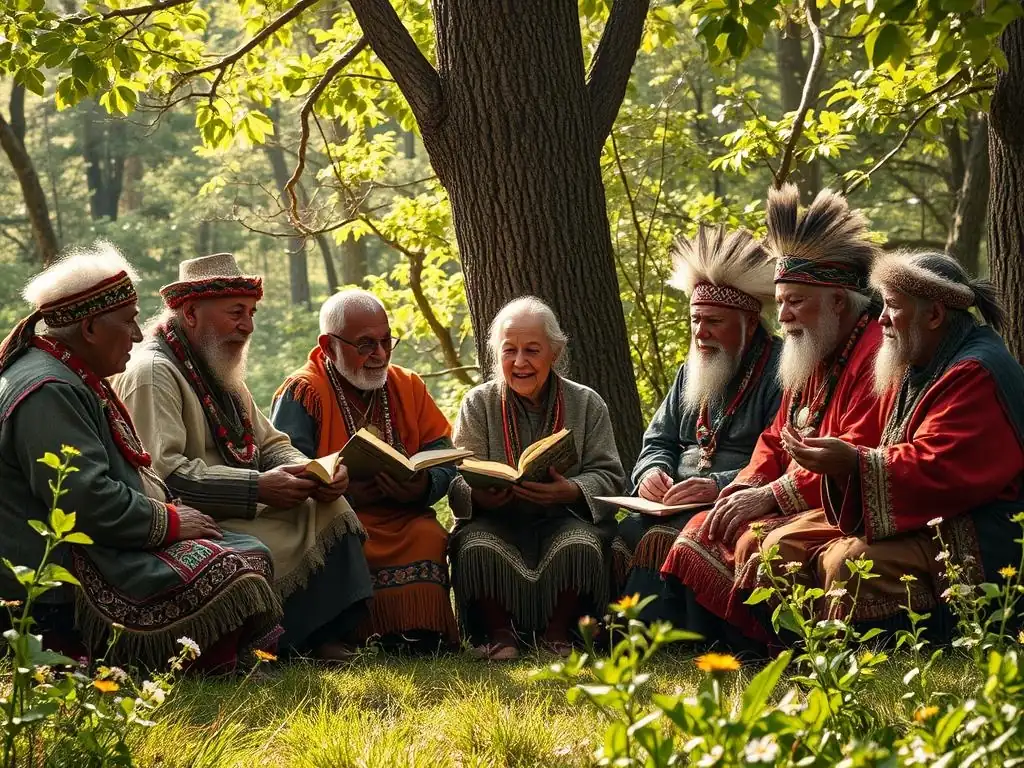
The Navajo language, known as Diné Bizaad, is deeply intertwined with the spiritual beliefs and practices of the Navajo people. This language encompasses a rich lexicon that reflects the cultural significance of the natural world, ceremonies, and the interconnectedness of all life. For instance, the Navajo verb system emphasizes relationships and actions, illustrating how individuals interact with their environment rather than merely identifying objects.
Key Concepts in Navajo Language
- Holistic Understanding: The Navajo language promotes a worldview that sees the universe as a living entity. Words used in traditional ceremonies often describe not just actions, but also intentions and the relationships between people, nature, and the cosmos.
- Ceremonial Vocabulary: Specific terms within the language are dedicated to rituals, such as the Blessingway ceremony, which is essential for healing and harmony. This vocabulary encapsulates the spiritual essence of these practices, reinforcing the idea that language is a vehicle for cultural transmission and spiritual connection.
- Connection to Nature: Many Navajo words describe natural phenomena and their spiritual significance. For example, the word for "sun" (naayééneih) is connected to life, warmth, and growth, reflecting the importance of these elements in Navajo cosmology.
The Navajo language serves not only as a means of communication but also as a framework for understanding and engaging with the spiritual world, showcasing how indigenous languages encapsulate unique worldviews.
Case Study 2: The Use of Maori Language in Community Governance
The Maori language, or Te Reo Māori, is a cornerstone of Māori identity and plays a pivotal role in community governance and social organization in New Zealand. The revitalization efforts of Te Reo Māori have demonstrated how indigenous languages can shape governance structures, social norms, and community cohesion.
Elements of Māori Governance and Language
- Terminology of Leadership: The Māori language includes specific terms that define roles within the community, such as rangatira (chief) and kaumatua (elder). These terms carry cultural weight and embody values of leadership, wisdom, and respect for elders, which are central to Māori governance.
- Cultural Protocols: Language is fundamental in ceremonial contexts, such as pōwhiri (welcoming ceremonies) and hui (meetings). The language used during these events reflects the values of hospitality, respect, and collective decision-making, highlighting the communal aspect of Māori culture.
- Legislative Language: In recent years, there has been an effort to incorporate Te Reo Māori into official documents and government proceedings, which reinforces the language's status and importance within the political landscape. This inclusion not only honors the language but also ensures that Māori perspectives and worldviews are represented in governance.
Overall, the use of the Māori language in community governance illustrates how indigenous languages can reflect and shape societal structures, emphasizing the role of language as a cultural tool in preserving and promoting unique worldviews.
Challenges to Indigenous Languages and Worldviews

The Impact of Colonization on Language Preservation
The arrival of European colonizers in the Americas had a profound and often devastating impact on indigenous languages and worldviews. Colonization introduced new social structures, economic systems, and religious beliefs that frequently undermined the existing linguistic diversity. The imposition of colonial languages—such as Spanish, English, and Portuguese—often led to the marginalization of indigenous languages, resulting in their diminished use in daily life, education, and governance.
One of the most significant consequences of colonization was the establishment of residential schools, particularly in North America, where indigenous children were forcibly removed from their families and communities. These institutions aimed to assimilate indigenous youth into European cultures, with a strict prohibition on speaking their native languages. As a result, many languages saw a drastic reduction in fluent speakers, leading to language attrition and, in some cases, extinction. The lasting effects of this educational approach have left scars on indigenous communities, disrupting the transmission of cultural heritage and worldviews embedded in their languages.
In many cases, the loss of language has meant a corresponding loss of cultural identity and traditional knowledge. Language serves as a vehicle for expressing unique worldviews; thus, when languages fade, so too do the nuanced understandings of the world held by those cultures. For example, certain indigenous languages encompass concepts that have no direct translations in colonial languages, illustrating how indigenous worldviews are intricately linked to their linguistic structures.
Current Threats to Indigenous Languages and Cultural Practices
Today, indigenous languages face various challenges that threaten their survival and the cultural practices tied to them. Globalization plays a significant role in this context, as the dominance of major world languages in media, commerce, and technology encourages younger generations to prioritize these languages over their indigenous tongues. This shift often results in a generational gap where children do not learn their ancestral languages, leading to a decline in fluent speakers.
Additionally, urbanization contributes to the erosion of indigenous languages. As individuals move to urban centers for economic opportunities, they often find themselves in environments where their native languages are not spoken. This disconnection from their linguistic roots can lead to cultural alienation and a loss of traditional practices that are often conveyed through language. For instance, storytelling, ceremonies, and songs that are culturally significant may become less accessible to those who do not speak their ancestral languages.
Furthermore, climate change poses an emerging threat to indigenous cultures and languages, particularly for those communities that rely on their environment for sustenance and cultural expression. Displacement caused by environmental changes can fracture community cohesion and disrupt the transmission of language and culture. The loss of traditional ecological knowledge, often embedded in indigenous languages, can lead to diminished capacities for sustainable land management practices, further exacerbating the challenges faced by these communities.
The threats to indigenous languages are deeply intertwined with broader social, environmental, and economic factors. The preservation of these languages is not merely about maintaining vocabulary and grammar; it is crucial for safeguarding the worldviews and cultural practices that define indigenous identities. As such, concerted efforts are required to revitalize and promote these languages in contemporary society, ensuring that they remain vibrant and integral to their communities.
Efforts in Linguistic Preservation and Revitalization
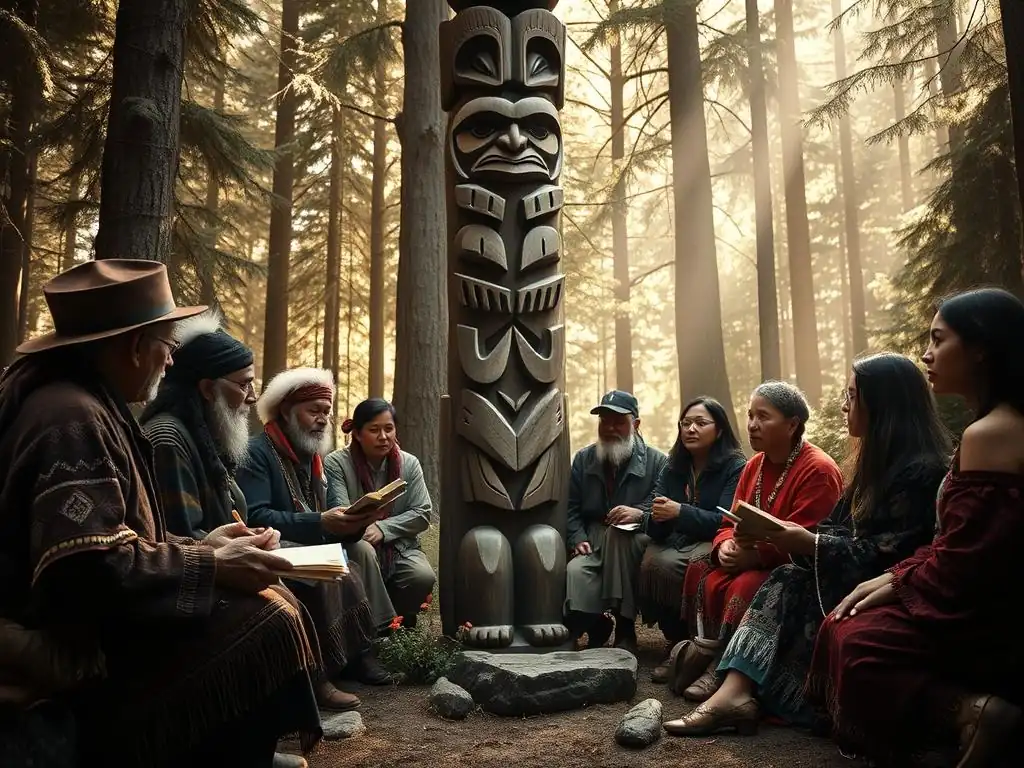
Efforts in linguistic preservation and revitalization are critical in maintaining the rich tapestry of indigenous languages and the worldviews they embody. These languages are not merely means of communication; they are vessels of cultural identity, history, and knowledge. As indigenous communities face the threat of language extinction due to globalization and colonial legacy, various initiatives have emerged to safeguard and revitalize these languages.
Community Initiatives for Language Revitalization
Many indigenous communities have taken the lead in grassroots language revitalization initiatives. These initiatives often involve a combination of traditional practices and modern strategies to engage community members, especially the youth, in learning their ancestral languages.
- Language Classes and Workshops: Community centers frequently organize language classes where fluent speakers teach younger generations. These classes may incorporate storytelling, songs, and traditional practices that reflect the cultural significance of the language.
- Cultural Immersion Programs: Some communities offer immersion programs, where participants live and interact exclusively in their indigenous language for a designated period. This approach not only strengthens language proficiency but also fosters a deeper connection to cultural practices.
- Technology in Language Learning: The integration of technology has transformed how indigenous languages are taught. Mobile apps, online courses, and social media platforms are increasingly used to reach broader audiences and create engaging learning experiences.
- Documentation and Archiving Projects: Many communities are undertaking projects to document their languages through audio recordings, written materials, and digital archives. These resources are invaluable for both current and future generations, ensuring that the lexicon and nuances of the language are preserved.
The Role of Education in Preserving Indigenous Languages
Education plays a pivotal role in the preservation of indigenous languages and worldviews. By integrating indigenous languages into formal education systems, both indigenous and non-indigenous students gain access to a more comprehensive understanding of cultural diversity and heritage.
- Bilingual Education Programs: Many schools in indigenous communities implement bilingual education programs, where students learn in both the indigenous language and the dominant language. This approach not only supports language acquisition but also validates indigenous cultures within educational frameworks.
- Curriculum Development: Collaborations between indigenous elders and educators have led to the development of culturally relevant curricula. These curricula often include indigenous histories, philosophies, and teachings, providing students with a holistic educational experience that fosters respect and appreciation for indigenous cultures.
- Teacher Training: Training programs for teachers to become proficient in indigenous languages are essential for the success of language preservation efforts. Educators equipped with the necessary language skills can effectively teach and inspire students, ensuring that the knowledge is passed down through generations.
- Community Involvement in Education: Engaging community members in the educational process creates a supportive environment for language learning. Elders can share stories, customs, and practices that enhance the learning experience, bridging the gap between formal education and cultural transmission.
The efforts in linguistic preservation and revitalization are vital in maintaining the integrity of indigenous languages and worldviews. Through community initiatives and educational strategies, these languages can thrive, ensuring that the cultural heritage of indigenous peoples continues to enrich the global tapestry of human experience.
Conclusion: The Significance of Indigenous Languages in Cultural Heritage
Indigenous languages serve as the backbone of cultural identity and heritage for many communities across the Americas. They encapsulate unique worldviews, traditions, and historical experiences that have been passed down through generations. Each language embodies distinct ways of understanding the environment, social relationships, and spiritual beliefs, contributing to a rich tapestry of cultural practices that differ vastly from those of European origins. The preservation of these languages is not merely about maintaining vocabulary and grammar; it is about safeguarding the collective memory and identity of Indigenous peoples.
Through linguistic preservation, we can uncover ancient knowledge systems that have been developed over centuries, including ecological wisdom, medicinal practices, and social structures. For instance, the diverse vocabulary related to local flora and fauna in many Indigenous languages reveals intricate relationships between these communities and their environments. This deep connection underscores the importance of Indigenous languages as tools for environmental stewardship and sustainable practices.
Moreover, the revitalization and maintenance of Indigenous languages can empower communities, fostering pride in cultural heritage and resilience against external pressures. As younger generations become more involved in language learning, they not only reconnect with their roots but also contribute to the broader narrative of cultural diversity and human expression.
The Future of Indigenous Languages and Worldviews
The future of Indigenous languages is fraught with challenges and opportunities. Many Indigenous languages are classified as endangered, with dwindling speakers as older generations pass away without transmitting their languages to younger ones. However, the rise of technology and social media offers new avenues for revitalization. Language apps, online courses, and digital storytelling can engage youth and promote the use of their native tongues in contemporary contexts.
Collaborative initiatives between Indigenous communities, linguists, and educational institutions are essential for developing effective language programs. These programs can incorporate traditional knowledge and practices, ensuring that language learning is relevant and culturally meaningful. For example, integrating storytelling and oral histories into language curricula can enhance understanding and engagement.
Additionally, the recognition of Indigenous languages as official languages in various countries can bolster efforts for preservation. Legal frameworks that support linguistic rights enable communities to assert their identity and demand resources for language education, media, and cultural expressions.
Ultimately, the future of Indigenous languages and worldviews hinges on a collective commitment to respect and support linguistic diversity. By valuing the unique perspectives that Indigenous languages offer, we can foster a more inclusive society that honors the rich cultural heritage of the Americas.
Call to Action for Linguistic Preservation and Cultural Respect
As stewards of cultural heritage, it is our responsibility to advocate for the preservation of Indigenous languages and the worldviews they embody. Here are some actionable steps we can take:
- Support Indigenous Language Programs: Contribute to organizations and initiatives focused on language revitalization.
- Educate Yourself and Others: Learn about the importance of Indigenous languages and share this knowledge within your community.
- Promote Cultural Respect: Engage with Indigenous communities respectfully, acknowledging their knowledge systems and linguistic heritage.
- Participate in Language Learning: Join language classes or workshops offered by Indigenous communities or online platforms.
- Advocate for Policy Changes: Encourage local and national governments to recognize and support Indigenous languages within educational systems.
By actively participating in linguistic preservation and promoting cultural respect, we can help ensure that Indigenous languages continue to thrive, enriching our understanding of the world and celebrating the diversity of human expression. 🌍
Frequently Asked Questions
What is the main focus of the article "How Indigenous Languages Reflect Unique Worldviews and Cultural Practices"?
The article emphasizes how indigenous languages are not just communication tools but also reflect unique worldviews and cultural practices of indigenous peoples across the Americas.
How do indigenous languages influence cultural identity?
Indigenous languages play a crucial role in shaping cultural identity by preserving traditions, beliefs, and worldviews that are integral to the community's heritage.
What are some examples of indigenous languages mentioned in the article?
The article highlights languages such as Navajo, Quechua, and Lakota, showcasing how each language encapsulates distinct cultural practices and perspectives of the respective indigenous groups.
Why is it important to study indigenous languages and worldviews?
Studying indigenous languages and worldviews is essential for understanding the rich tapestry of human experience and for promoting cultural preservation and respect for diverse perspectives.
How do indigenous languages contribute to environmental knowledge?
Many indigenous languages contain specific terms and concepts related to the natural world, reflecting a deep understanding of the environment that informs sustainable practices and ecological wisdom.
Final Reflection: The Vital Connection Between Indigenous Languages and Worldviews
Indigenous languages are not merely tools for communication; they are living embodiments of unique worldviews and cultural practices that shape the identities of their speakers. In today's increasingly globalized world, where dominant languages often overshadow local dialects, the preservation of Indigenous languages has never been more critical. The survival of these languages is essential not only for maintaining cultural diversity but also for fostering a deeper understanding of the rich tapestry of human experience.
Cultural landscapes are continuously influenced by the languages we speak, and Indigenous languages offer invaluable insights into the ways communities perceive and interact with their environment. The intricate relationship between language and worldview reveals how Indigenous peoples understand their place in the cosmos, their connection to nature, and their social structures. As the renowned linguist Edward Sapir once said, "> Language is a guide to social reality." This statement underscores the importance of recognizing and valuing Indigenous languages as vital components of cultural heritage and identity.
As we reflect on the significance of Indigenous languages and their worldviews, let us commit to actively engaging with and supporting the preservation of these languages in our communities. Consider how you can contribute to this vital cause—whether through learning an Indigenous language, advocating for language revitalization programs, or simply sharing the stories and knowledge embedded within these languages. By embracing and honoring Indigenous languages, we not only enrich our own understanding of the world but also help ensure that these unique perspectives continue to thrive for generations to come.
Embrace and Elevate Indigenous Languages Today!
Thank you for taking the time to explore the profound connections between Indigenous languages, worldviews, and cultural practices. By understanding these unique linguistic treasures, you’ve gained insights into the richness of Indigenous cultures and the importance of preserving them. Now, let’s take impactful steps together to support and celebrate these languages!
- Start learning an Indigenous language today! Enroll in a local language course or utilize online resources to immerse yourself in the beautiful sounds and meanings of these languages.
- Share your journey on social media or within your community. Inspire others by showcasing what you’ve learned and encouraging them to join you in this cultural exploration.
- Support Indigenous language advocacy organizations that focus on preservation and education. Consider donating your time or resources to initiatives that promote these vital linguistic traditions.
Which Indigenous language or cultural practice are you most excited to explore further, and what draws you to it?