
Andean Architecture Through the Eyes of Archaeology: Key Discoveries and Their Significance

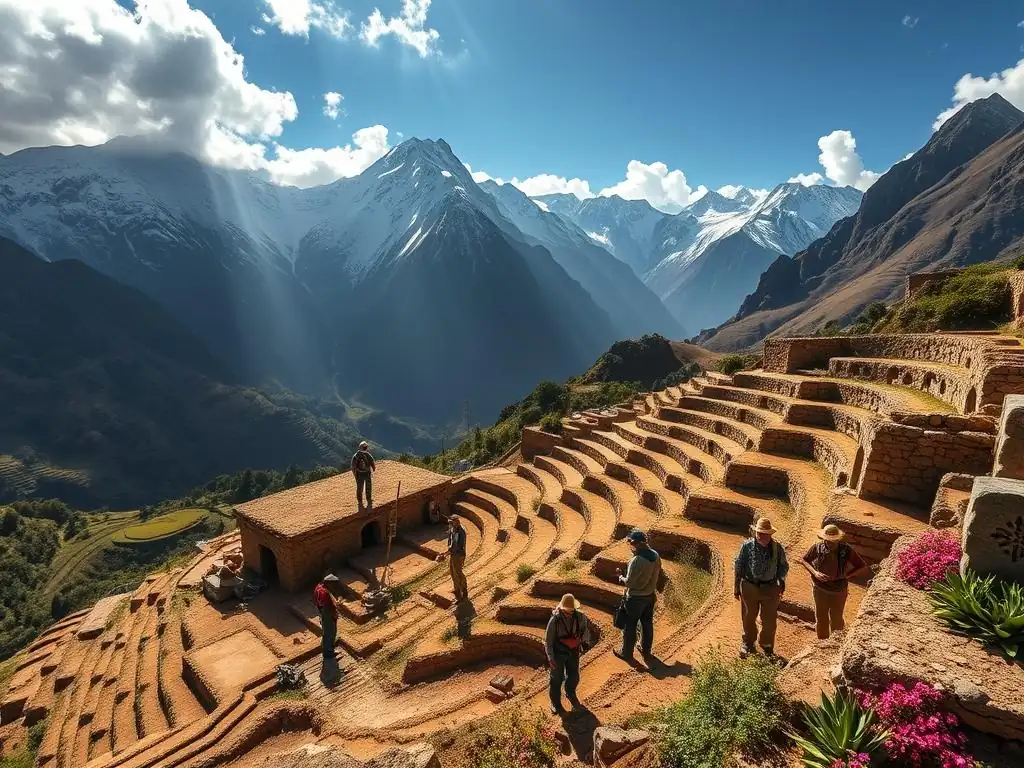
Welcome to Indigenous Civilizations of the Americas, where we embark on a captivating journey through the rich tapestry of indigenous cultures that flourished long before European colonization. Here, we delve into their remarkable achievements, vibrant societies, and the enduring impact they have left on our world. In our featured article, “Andean Architecture Through the Eyes of Archaeology: Key Discoveries and Their Significance,” we uncover the profound significance of Andean indigenous architecture.
Prepare to be intrigued as we reveal how these architectural marvels not only highlight engineering prowess but also reflect the deep cultural values of the Andean peoples. Join us as we explore these fascinating narratives that continue to resonate today!
- Introduction to Andean Indigenous Architecture Significance
- Historical Context of Andean Indigenous Architecture
- Key Archaeological Discoveries in Andean Architecture
- The Significance of Andean Indigenous Architecture
- Comparative Analysis of Andean Architecture with Other Indigenous Architectures
- Conclusion: The Lasting Significance of Andean Indigenous Architecture
-
Frequently Asked Questions
- What is the significance of Andean indigenous architecture?
- How did archaeology contribute to our understanding of Andean architecture?
- What are some notable examples of Andean indigenous architecture?
- How did Andean architecture influence later societies?
- Why is it important to study Andean indigenous architecture today?
- Final Reflection: The Enduring Significance of Andean Indigenous Architecture
- Unveil the Wonders of Andean Architecture!
Introduction to Andean Indigenous Architecture Significance
The Andean region, characterized by its majestic mountains and diverse ecosystems, has been home to some of the most remarkable indigenous civilizations in the Americas. Before European colonization, these cultures developed intricate societies that were not only rich in traditions but also in architectural achievements that reflect their unique worldviews and lifestyles.
This article delves into the significance of Andean indigenous architecture, exploring how archaeological discoveries have unveiled a trove of insights into the cultural, social, and technological advancements of these communities. By examining these findings, we aim to shed light on the enduring legacy of Andean architecture and its profound impact on the cultural heritage of the Americas.
Overview of Andean Architecture
Andean architecture stands as a testament to the ingenuity and adaptability of the indigenous peoples who thrived in this region. From the monumental stone structures of the Incas to the more modest dwellings of smaller communities, the architectural styles vary widely, reflecting the diverse environmental conditions and cultural practices.
- Incan Innovations: The Incas, one of the most prominent civilizations in the Andes, are renowned for their sophisticated construction techniques. They utilized local materials such as granite and adobe, creating structures that have withstood the test of time. Notable examples include:
- Machu Picchu: An iconic citadel that showcases advanced stone masonry and urban planning.
- Sacsayhuamán: A ceremonial complex featuring massive stone walls that demonstrate precision and engineering prowess.
- Regional Variations: Besides the Incas, other cultures such as the Tiwanaku and Moche also contributed significantly to Andean architecture. Their distinct styles and techniques can be seen in:
- Pyramids of the Moche: Built using adobe bricks, these structures served both religious and administrative purposes.
- Tiwanaku's Gateway of the Sun: A monumental stone gateway adorned with intricate carvings, reflecting the spiritual beliefs of the Tiwanaku civilization.
The diversity in architectural forms not only highlights the creativity of Andean civilizations but also their ability to harmonize with the challenging landscapes of the Andes.
Importance of Archaeological Discoveries in Understanding Architecture
Archaeological findings play a crucial role in piecing together the history of Andean architecture and its significance. As researchers excavate and analyze ancient sites, they uncover artifacts, construction techniques, and urban layouts that reveal the complexities of these societies.
- Revealing Cultural Practices: Artifacts such as pottery, tools, and religious objects found at archaeological sites provide insights into the daily lives and spiritual beliefs of the Andean peoples. For instance, the discovery of ceremonial items at Sacsayhuamán suggests its role as a significant cultural and religious center.
- Understanding Construction Techniques: The study of ancient building methods has led to advancements in our understanding of engineering practices in the Andes. For example, the ability to create earthquake-resistant structures through specific masonry techniques showcases the architectural knowledge that was advanced for its time.
- Preserving Heritage: Ongoing archaeological efforts are vital for preserving the rich heritage of Andean indigenous architecture. By documenting and analyzing these sites, researchers not only contribute to academic knowledge but also promote cultural appreciation and heritage conservation.
The significance of Andean indigenous architecture is profound, revealing the innovative spirit and cultural depth of the civilizations that once flourished in the Andes. As archaeology continues to unveil these architectural marvels, we gain a deeper understanding of their enduring impact on both historical and contemporary societies.
Historical Context of Andean Indigenous Architecture
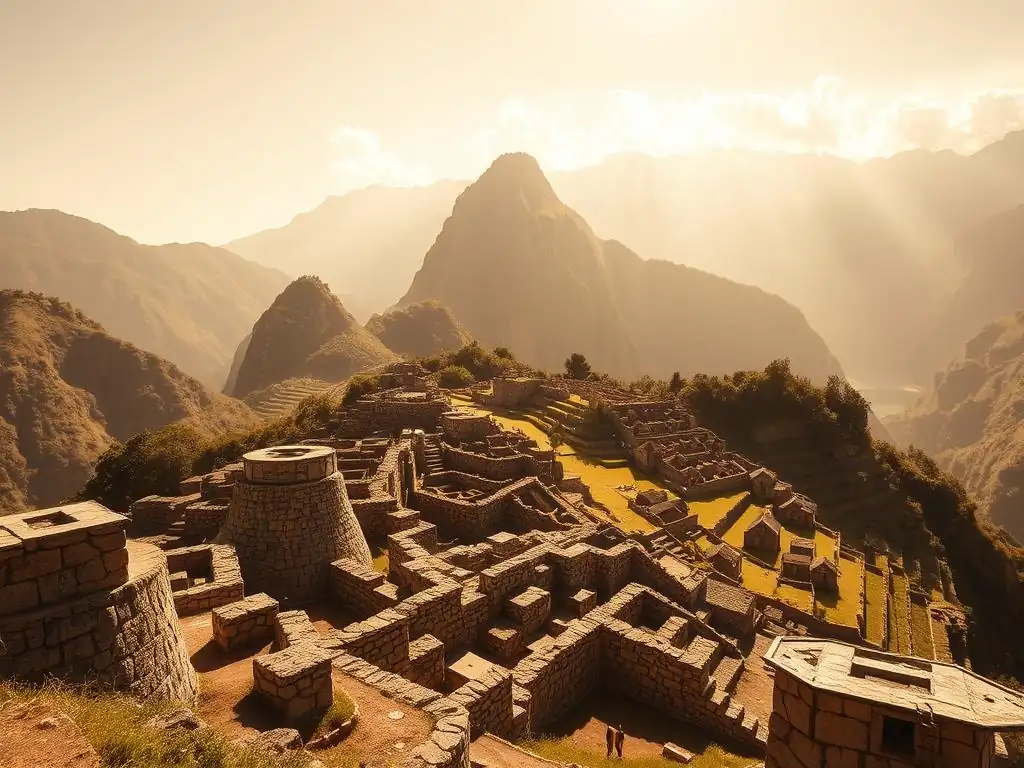
Andean indigenous architecture reflects the rich cultural heritage of the peoples who inhabited the highlands of South America. Before European colonization, these societies developed unique architectural styles that were deeply intertwined with their social, political, and spiritual lives. The significance of Andean architecture extends beyond mere physical structures; it encompasses the technological innovations and cultural expressions that shaped the identity of various Andean civilizations.
Pre-Columbian Societies and Their Architectural Practices
Pre-Columbian societies in the Andean region exhibited a remarkable diversity in architectural practices, characterized by the use of local materials, advanced engineering techniques, and a profound understanding of the environment. These architectural practices were not merely functional; they also served as expressions of social hierarchy, religious beliefs, and cultural values.
- Materials and Techniques: Andean builders primarily utilized stone, adobe, and wood, with stone being the most durable and prominent material. Techniques such as ashlar masonry, where stones were cut to fit together tightly without mortar, exemplified their sophisticated engineering skills. This method was particularly notable in Inca architecture, allowing structures to withstand seismic activity.
- Sacred Spaces: Religious and ceremonial structures played a central role in Andean architecture. Temples, shrines, and ceremonial plazas were often aligned with astronomical events, reflecting the societies' deep connection to spirituality and the cosmos. For instance, the Coricancha temple in Cusco was dedicated to the sun god Inti and served as the Inca's most important religious site.
- Terracing and Agriculture: The Andean peoples developed extensive terracing systems to maximize arable land, which also influenced their architectural designs. These terraces not only supported agriculture but also provided stability to buildings and prevented erosion in steep mountainous terrains.
Major Civilizations in the Andean Region
The Andean region was home to several influential civilizations that contributed significantly to the development of architecture. Among these, the Inca Empire stands out as a pinnacle of architectural achievement, but other cultures like the Nazca, Moche, and Tiwanaku also made remarkable contributions.
The Inca Empire: Architectural Innovations and Techniques
The Inca Empire (c. 1438–1533 CE) is renowned for its monumental architecture and urban planning. Its innovations in architecture were marked by:
- Urban Design: The Incas implemented sophisticated urban planning, with cities like Machu Picchu and Cusco featuring well-organized layouts, extensive road networks, and strategic locations. Their cities often included administrative, religious, and agricultural zones.
- Innovative Structures: The construction of large-scale structures, such as the Sacsayhuamán fortress, showcased their engineering prowess. The fortress's massive stone walls demonstrate the Inca's ability to transport and manipulate heavy stones, creating structures that have endured for centuries.
- Adaptive Techniques: The Incas adapted their building techniques to local environmental conditions, employing cantilevered designs and ventilation systems to address the challenges posed by the Andean climate. This adaptability contributed to the longevity and functionality of their architectural works.
Other Influential Cultures: Nazca, Moche, and Tiwanaku
While the Inca Empire is the most recognized, other cultures in the Andean region also significantly influenced architectural practices.
- Nazca: Known for their geoglyphs, the Nazca civilization (c. 100 BCE–800 CE) developed ceremonial structures and irrigation systems that reflected their agricultural practices. Their architecture often included pyramidal mounds and extensive underground aqueducts, showcasing their ingenuity in utilizing landscape.
- Moche: The Moche civilization (c. 100–800 CE) is famous for its intricate mud-brick architecture, particularly the Huaca del Sol and Huaca de la Luna pyramids. Their innovative use of adobe allowed for elaborate decorative techniques, such as relief sculptures and painted murals, that conveyed their cultural narratives.
- Tiwanaku: The Tiwanaku culture (c. 400–1000 CE) is celebrated for its monumental stone constructions, like the Akapana Pyramid and the Gateway of the Sun. Their advanced stone-cutting techniques and religious structures reveal a complex society with significant architectural capabilities.
The significance of Andean indigenous architecture lies not only in its aesthetic appeal but also in its ability to withstand the test of time and its role in shaping the cultural identity of the Andean peoples. Through their architectural achievements, these civilizations have left an indelible mark on the history and cultural landscape of the Americas.
Key Archaeological Discoveries in Andean Architecture
Major Sites and Their Significance
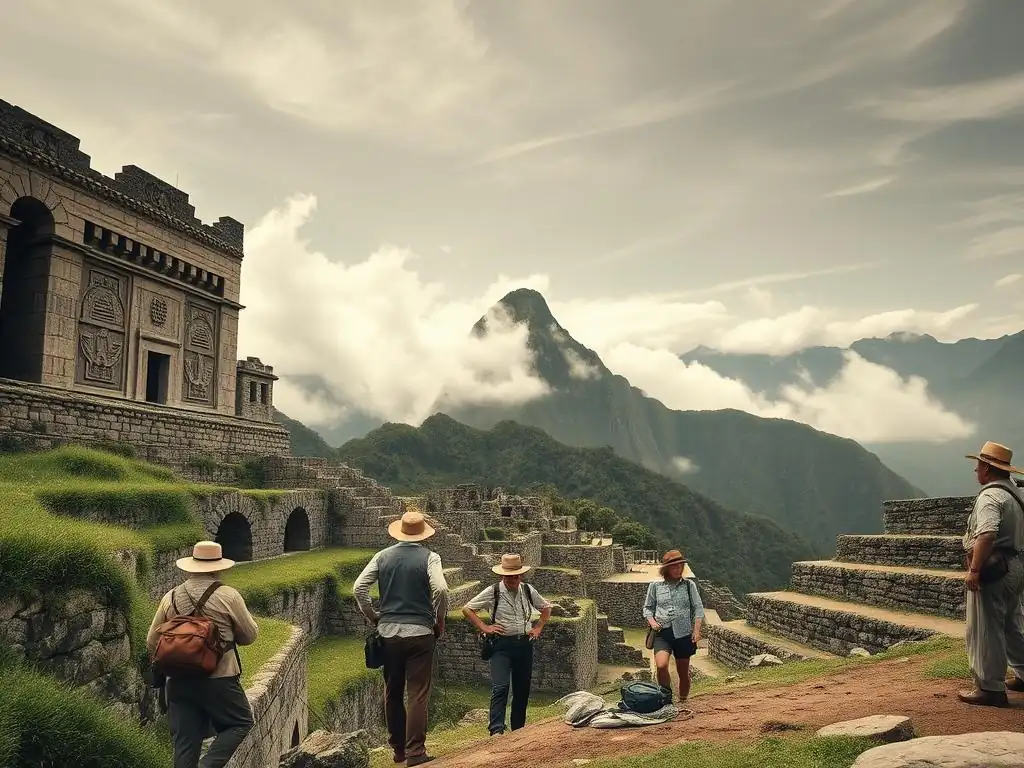
Andean architecture is a testament to the ingenuity and sophistication of indigenous cultures in the region, particularly the Incas and pre-Inca civilizations. Key archaeological discoveries have illuminated the architectural practices, urban planning, and cultural significance of these sites. Below are two of the most prominent archaeological sites that reveal the depth and complexity of Andean indigenous architecture.
Machu Picchu: A Testament to Inca Engineering
Machu Picchu, often referred to as the "Lost City of the Incas," is one of the most iconic examples of Andean indigenous architecture. Constructed in the 15th century, this site showcases advanced engineering techniques that are still studied today.
- Terracing and Agriculture: Machu Picchu features extensive agricultural terraces that demonstrate the Incas' understanding of sustainable farming in mountainous terrains. These terraces not only optimized arable land but also prevented soil erosion.
- Water Management Systems: The site includes an intricate system of aqueducts and fountains, highlighting the Incas' expertise in hydrology. These features allowed for effective water management, crucial for supporting the population and agriculture.
- Astronomical Alignments: The construction of temples and structures reflects a deep understanding of astronomy. The Intihuatana stone, often referred to as the "hitching post of the sun," is believed to have been used for astronomical observations, linking architecture with cosmology.
Tiwanaku: Understanding Urban Planning and Rituals
Tiwanaku, located near Lake Titicaca, is another significant archaeological site that provides insights into the urban planning and ritual practices of Andean cultures. This site, which flourished between 400 and 1000 CE, is known for its monumental architecture and urban layout.
- Avenues and Platforms: The organized layout of Tiwanaku, with its wide avenues and ceremonial platforms, indicates advanced urban planning. The site includes the Akapana pyramid, which served both as a temple and a burial site, illustrating the integration of religious and civic life.
- Architectural Style: The use of large stone blocks, often precisely cut and fitted without mortar, demonstrates advanced stonemasonry techniques. The Gateway of the Sun is a prime example, featuring intricate carvings that reflect the civilization's artistic skill and religious beliefs.
- Cultural Significance: Tiwanaku is believed to have been a major religious and political center, influencing surrounding cultures. The architecture and layout of the site serve as a testament to the complex societal structures that existed in the Andean region.
Recent Discoveries and Their Impact on Architectural Understanding
Recent archaeological excavations and advancements in technology have led to new discoveries that deepen our understanding of Andean architecture. These findings not only reveal previously unknown structures but also shed light on the materials and techniques used in construction.
Newly Discovered Structures and Their Architectural Features
Archaeologists have uncovered several new structures in various Andean sites, expanding the known architectural landscape of the region.
- Subterranean Structures: Recent excavations at sites like Machu Picchu have revealed underground structures, possibly used for storage or ceremonial purposes. These findings suggest a more complex social and religious life than previously thought.
- Residential Areas: Discoveries of residential buildings provide insight into the daily lives of the inhabitants. The layout and construction materials used in these structures indicate social stratification and communal living.
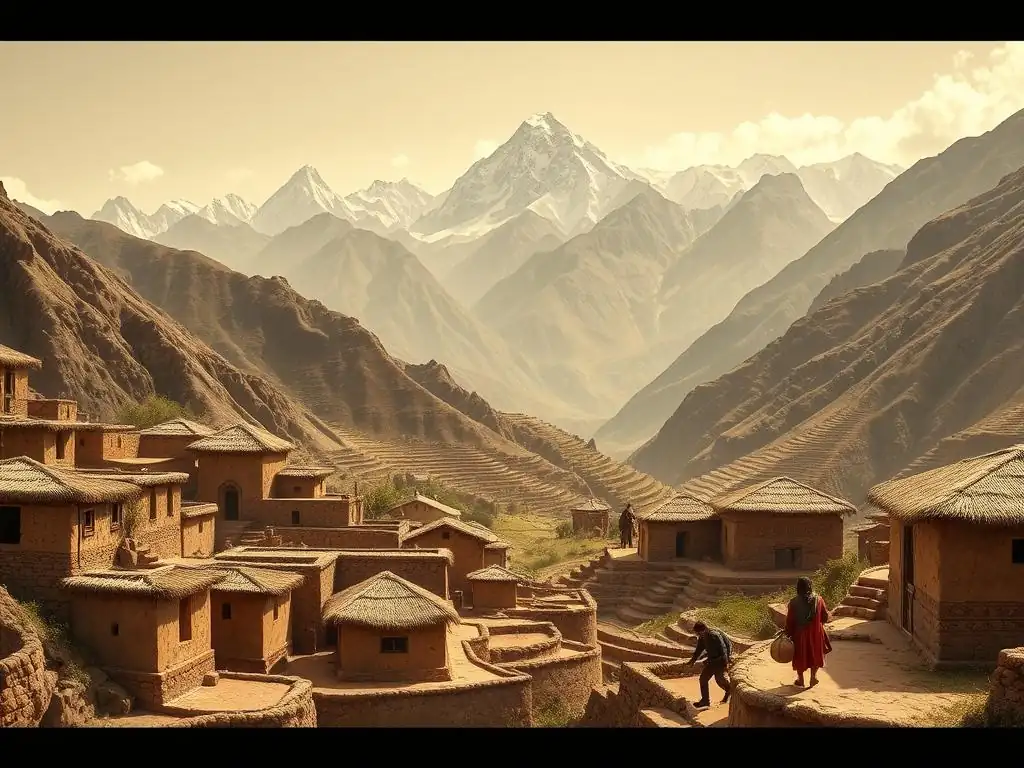
- Innovative Construction Techniques: The analysis of newly discovered structures has highlighted various construction techniques, including the use of adobe, stone, and thatch. This diversity in materials reflects the adaptability of Andean cultures to their environment.
Uncovering the Use of Materials and Techniques in Andean Architecture
The study of materials used in Andean architecture has revealed significant insights into the technological advancements of indigenous cultures.
- Stone Quarrying and Transportation: Research into the stone used in construction has shown sophisticated quarrying techniques and methods for transporting heavy stones over long distances. This highlights the logistical capabilities of these ancient societies.
- Use of Local Resources: Analysis of materials indicates that Andean architects utilized locally sourced resources effectively, reflecting their deep knowledge of the environment. For instance, the use of volcanic rock in Tiwanaku showcases an understanding of material properties.
- Preservation Techniques: Recent studies have also focused on preservation methods employed by the Incas, including the application of specific coatings and treatments to protect structures from the elements, demonstrating an advanced understanding of conservation.
The significance of Andean indigenous architecture is underscored by archaeological discoveries that reveal the sophisticated engineering, urban planning, and cultural practices of these ancient civilizations. As research continues, our understanding of the architectural achievements of the Andean peoples will only deepen, highlighting their enduring legacy.
The Significance of Andean Indigenous Architecture
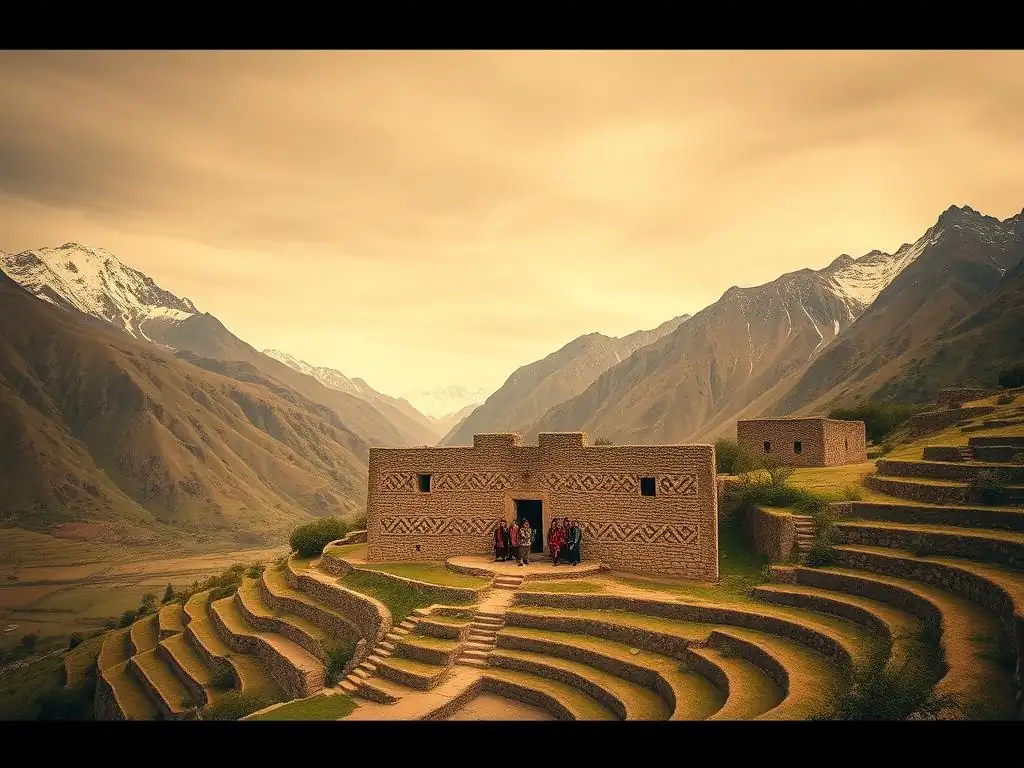
Andean indigenous architecture holds profound significance, reflecting the rich cultural heritage and advanced engineering techniques of the civilizations that flourished in the Andean region long before European colonization. This architecture is not merely a functional expression of building practices; it embodies the spiritual, social, and environmental aspects of Andean life, serving as a testament to the ingenuity and adaptability of its peoples.
Cultural Identity and Architectural Expression
Andean architecture is deeply intertwined with the cultural identity of its indigenous peoples. The structures built by civilizations such as the Inca, Tiwanaku, and Moche are distinguished by unique styles and materials that reflect their cultural practices and beliefs. For instance, the use of ashlar masonry—where stones are cut to fit together without mortar—demonstrates not only advanced engineering skills but also a connection to the land and its resources.
Key architectural forms, such as pyramids, temples, and agricultural terraces, serve as symbols of social organization and community identity. The Sacsayhuamán fortress, with its massive stone walls, not only protected the city of Cusco but also symbolized the power and unity of the Inca Empire. These structures often incorporate geometrical designs and alignments that resonate with the Andean worldview, reinforcing communal identities through architectural expression.
Moreover, the use of local materials like adobe, stone, and thatch enables these buildings to resonate with the surrounding landscape, creating a sense of place and belonging among the indigenous communities. As a result, Andean architecture embodies the values, traditions, and environmental adaptations of its creators, making it a vital component of cultural identity.
Architectural Techniques and Their Environmental Adaptation
The architectural techniques employed in Andean indigenous architecture illustrate a remarkable adaptability to the diverse and often challenging environments of the Andes. From the arid highlands to the lush valleys, these civilizations developed strategies that optimized their construction methods for sustainability and durability.
- Terracing:
- Purpose: To cultivate crops on steep slopes, preventing soil erosion and maximizing arable land.
- Example: The Moray agricultural terraces, which demonstrate sophisticated knowledge of microclimates and crop rotation.
- Stone Construction:
- Materials: Locally sourced stones were used to build durable structures that could withstand earthquakes, a common occurrence in the region.
- Technique: The precision of cutting and fitting stones, as seen in the walls of Machu Picchu, showcases advanced engineering skills.
- Adaptive Design:
- Ventilation and Insulation: Buildings were designed with features that enhance airflow and maintain warmth, crucial in the varying temperatures of high altitudes.
These techniques not only reflect an understanding of the natural environment but also highlight the ingenuity of Andean architects in creating structures that harmonize with their surroundings. The result is a legacy of architecture that remains functional and relevant, emphasizing the importance of environmental stewardship in indigenous practices.
The Role of Religion and Cosmology in Andean Architecture
Religion and cosmology played a pivotal role in shaping Andean architecture, influencing both the design and placement of structures. The Andean worldview is characterized by a deep spiritual connection to the land, and this is manifested in their architectural choices.
- Sacred Sites:
- Many structures, such as temples and shrines, were built on sites considered sacred, often aligned with astronomical events. For example, the Temple of the Sun in Cusco was strategically positioned to capture the first rays of sunlight during solstices.
- Symbolism:
- Architectural elements often carried significant spiritual meanings. The use of ziggurat-like structures and pyramids reflects a connection to the Andean cosmology, where mountains and water were revered as sacred entities.
- Community Rituals:
- Buildings served as venues for rituals and ceremonies, reinforcing social cohesion and cultural continuity. The construction of large communal spaces allowed for gatherings, fostering a sense of identity and shared beliefs among the people.
In essence, Andean architecture is a physical manifestation of the region's spiritual beliefs and cosmological understanding. It serves not only as a functional space but also as a vessel for the cultural memory and identity of the Andean peoples, making its significance profound and enduring.
The exploration of Andean indigenous architecture highlights its significance beyond mere aesthetics; it is a rich tapestry woven with threads of cultural identity, environmental adaptation, and spiritual belief, providing invaluable insights into the lives of the civilizations that once thrived in the Andes.
Comparative Analysis of Andean Architecture with Other Indigenous Architectures
Similarities and Differences with Mesoamerican Architecture
Andean architecture, particularly from the Inca civilization, shares several similarities with Mesoamerican architecture, yet exhibits distinct differences that reflect the unique environmental and cultural contexts of the regions.
Similarities
- Use of Stone: Both Andean and Mesoamerican civilizations utilized stone as a primary building material. The Incas are famous for their precise stonework, using large blocks of stone that fit together without mortar. Similarly, the Maya and Aztecs constructed monumental structures from local stone, such as limestone.
- Religious Significance: In both cultures, architecture served a religious function. The construction of temples and ceremonial centers was essential for religious practices. For instance, the Coricancha in Cusco was a significant Incan temple dedicated to the sun, analogous to the Pyramid of the Sun in Teotihuacan.
- Terracing and Urban Planning: Both civilizations demonstrated advanced urban planning and agricultural practices. The Incas developed extensive terracing systems on the steep Andean slopes, while Mesoamerican cultures also utilized terracing to maximize arable land.
Differences
- Construction Techniques: One of the most notable differences is in the construction techniques. While Andean architecture is characterized by its precise stone masonry and polygonal stone shapes, Mesoamerican architecture often employed a more basic form of stone construction, using simpler shapes and techniques.
- Cultural Influences: The Andean region's architecture was heavily influenced by its geography, with structures often built on high altitudes and adapted to the harsh environmental conditions. In contrast, Mesoamerican architecture was influenced by tropical climates, leading to different styles and materials used in construction.
- Architectural Styles: The Andean architectural style is marked by its monumental structures and the use of qollqa (storage buildings) and tambos (way stations), whereas Mesoamerican architecture features a greater variety of pyramid structures and ball courts, reflecting different cultural priorities and functions.
Influences on Modern Architecture in the Andes
The architectural legacy of the Andean civilizations continues to influence modern architecture in the region. Contemporary Andean architecture draws on traditional techniques and materials, reflecting a blend of indigenous and modern practices.
Key Influences
- Material Usage: Modern architects in the Andes often use local materials such as stone and adobe, echoing the construction methods of their ancestors. This sustainable approach not only honors the heritage but also adapts to the environmental conditions of the Andes.
- Integration with Landscape: One of the hallmarks of Andean architecture is its harmonious integration with the natural landscape. This principle has been embraced in modern designs, where buildings are situated to complement the mountainous terrain, rather than dominate it.
- Cultural Revival: There is a growing movement among architects to incorporate traditional Andean elements into contemporary designs. This includes using local motifs, colors, and forms that resonate with cultural identity, fostering a sense of place and continuity.
- Community-Centric Designs: Reflecting the communal nature of Andean societies, modern architecture in the region often prioritizes community spaces, drawing inspiration from traditional gathering places such as plazas and communal buildings.
The significance of Andean indigenous architecture lies not only in its historical context but also in its enduring influence on modern architectural practices, ensuring that the wisdom of the past continues to inform the built environment of the present.
Conclusion: The Lasting Significance of Andean Indigenous Architecture
The legacy of Andean indigenous architecture extends far beyond the physical remnants of structures that dot the landscape of South America. These architectural marvels—ranging from the majestic stone edifices of the Inca to the intricate agricultural terraces of pre-Columbian societies—offer profound insights into the cultural, social, and technological advancements of the Andean civilizations. Their significance lies not only in their aesthetic and engineering achievements but also in the ways they embody the values, beliefs, and communal practices of their creators.
By exploring these ancient structures, archaeologists contribute to a deeper understanding of the Andean world. They reveal how architecture was interwoven with the environment, spirituality, and daily life, showcasing a sophisticated relationship between humans and their surroundings. The study of Andean indigenous architecture serves as a critical reminder of the ingenuity and resilience of these cultures in the face of environmental challenges.
Reflection on Archaeological Contributions to Cultural Heritage
Archaeological discoveries in Andean architecture have enriched our understanding of the region's cultural heritage. Significant sites such as Machu Picchu and Sacsayhuamán not only exemplify complex engineering and urban planning but also provide a narrative of social organization, religious practices, and agricultural innovation. Each stone laid in these structures tells a story of the people who lived, worked, and worshipped there.
The contributions of archaeology extend further, emphasizing the importance of preserving these sites. As researchers uncover new findings, they also highlight the need for sustainable practices to protect these treasures from the threats of modern development and climate change. The integration of local communities in conservation efforts ensures that the knowledge and traditions surrounding these structures continue to thrive, fostering a sense of identity and pride among contemporary Andean populations.
Future Directions in Andean Architectural Research
The future of Andean architectural research is poised for exciting developments. As technology advances, methods such as LiDAR (Light Detection and Ranging) and remote sensing are becoming more prevalent, allowing researchers to uncover hidden structures and assess the extent of ancient urban planning. The application of these technologies can reveal broader patterns of settlement, land use, and cultural exchange that were previously undetectable.
Moreover, interdisciplinary approaches that combine archaeology with anthropology, environmental science, and history will enhance our understanding of Andean architecture. These collaborations can lead to new interpretations of how Andean societies adapted to their environment, managed resources, and interacted with neighboring cultures.
The exploration of Andean indigenous architecture is a continually evolving field that holds immense significance for understanding the past. As we move forward, it is essential to honor the achievements of these civilizations while ensuring that their legacies are preserved for future generations to appreciate and learn from.
Frequently Asked Questions
What is the significance of Andean indigenous architecture?
Andean indigenous architecture holds significant cultural and historical value, showcasing the expert craftsmanship and unique building techniques employed by ancient civilizations like the Inca.
How did archaeology contribute to our understanding of Andean architecture?
Archaeology has uncovered key discoveries that reveal the complexity of Andean architectural practices, including urban planning, construction methods, and the use of local materials.
What are some notable examples of Andean indigenous architecture?
Notable examples include Machu Picchu, the Sacsayhuamán fortress, and various ceremonial structures that reflect the advanced engineering and aesthetic sensibilities of the Andean cultures.
How did Andean architecture influence later societies?
Andean architecture has influenced modern architecture and urban design in the region, showcasing how ancient building techniques and styles continue to resonate in contemporary constructions.
Why is it important to study Andean indigenous architecture today?
Studying Andean architecture today helps preserve cultural heritage, promotes understanding of historical contexts, and fosters respect for the achievements of indigenous peoples prior to European colonization.
Final Reflection: The Enduring Significance of Andean Indigenous Architecture
The exploration of Andean indigenous architecture reveals not only the ingenuity of past civilizations but also its profound relevance in today's cultural discourse. As we uncover the layers of history embedded in these structures, we recognize that they are not merely remnants of a bygone era but living testaments to the resilience and creativity of Andean peoples. The significance of this architecture extends beyond aesthetics; it serves as a bridge connecting us to our shared human heritage and the lessons it imparts.
The impact of Andean architecture resonates deeply within contemporary society, influencing modern design and cultural identity. As we navigate the complexities of globalization, the preservation and appreciation of these architectural marvels remind us of the importance of cultural diversity and the stories that shape our communities. Architecture is the thoughtful making of space,
and in the Andean context, this thoughtful making reflects a harmonious relationship with nature and community that continues to inspire architects and scholars alike.
As we conclude this exploration, I invite you to reflect on the significance of Andean indigenous architecture in your own life. Consider how the principles of sustainability, community, and respect for nature found in these ancient structures can inform your actions today. Whether through supporting local artisans, advocating for cultural preservation, or simply appreciating the beauty of diverse architectural styles, each of us has a role to play in honoring the legacy of the Andean peoples. Let us carry forward the lessons of the past into a future that values and celebrates our shared heritage.
Unveil the Wonders of Andean Architecture!
Thank you for taking the time to explore the fascinating world of Andean architecture and its archaeological significance! You’ve uncovered insights that not only deepen your appreciation for these ancient civilizations but also connect you to their rich cultural heritage. Now, let’s take it a step further!
Here are a few ways you can immerse yourself in this incredible journey:
- Visit local museums and heritage sites to experience Andean artifacts and architecture up close.
- Share your newfound knowledge with friends and family— engage them in meaningful discussions about these archaeological wonders!
- Join online communities dedicated to indigenous cultures to connect with like-minded enthusiasts and expand your understanding.
What aspect of Andean architecture fascinates you the most, and how do you think these ancient practices can influence modern design?