
The Role of Mathematics in Sustaining Social Order within Indigenous Communities

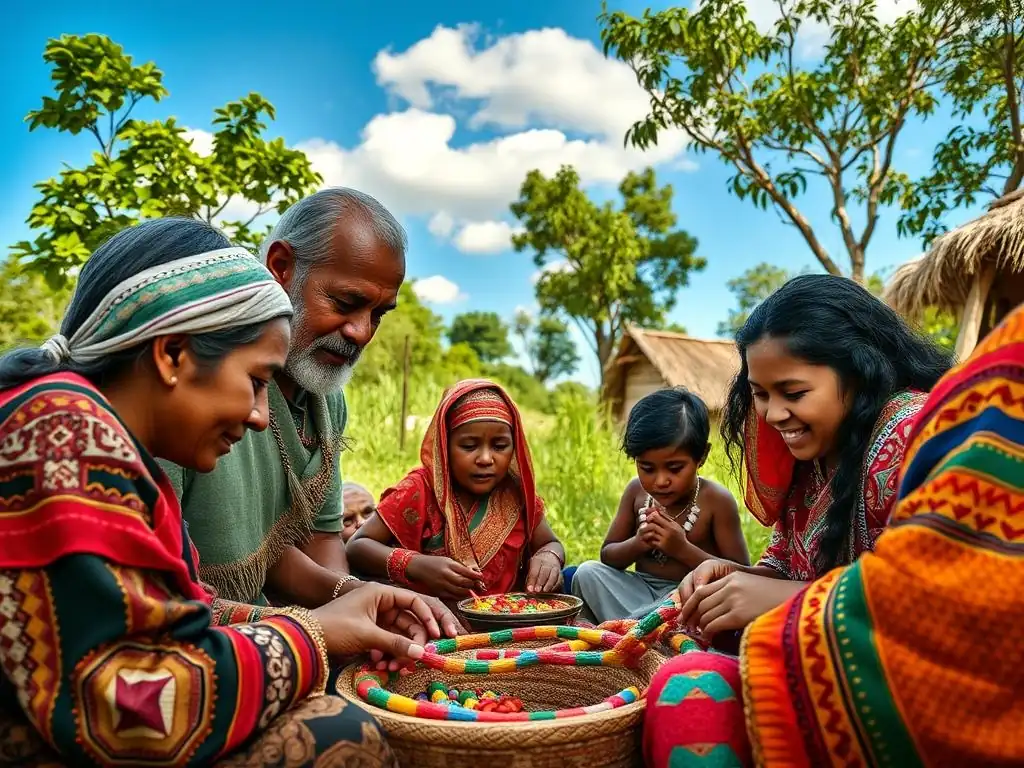
Welcome to Indigenous Civilizations of the Americas, where we embark on a captivating journey through the rich tapestry of indigenous cultures that flourished long before European contact. Here, we delve deep into the intricate role of mathematics in sustaining social order within indigenous communities—a topic that reveals the remarkable achievements and sophisticated societies that shaped these vibrant civilizations.
Prepare to discover how mathematical concepts were woven into the very fabric of daily life, governance, and cultural practices. Join us as we unveil the profound impact of these indigenous advancements, sparking your curiosity to learn more about the legacies that continue to resonate today.
Mathematics has long been a cornerstone of civilization, playing a vital role in various aspects of society, from trade to agriculture. In the context of Indigenous cultures of the Americas, mathematics was not merely a tool for computation but a crucial element that sustained social order and governance.
This article explores the intricate ways in which mathematical principles were interwoven into the fabric of Indigenous communities, illuminating their achievements and the profound impact of these practices on their societies. By delving into historical contexts and specific case studies, we aim to highlight the significance of mathematics in Indigenous cultures and how it contributed to their governance systems and social cohesion.
Introduction to Mathematics in Indigenous Cultures
Mathematics in Indigenous cultures is often underestimated or overlooked in discussions about historical advancements and achievements. However, many Indigenous communities possessed sophisticated mathematical knowledge, which they utilized to navigate their environments, manage resources, and maintain social order. This section sets the stage for understanding how mathematical practices were integrated into various aspects of life among Indigenous peoples.
Overview of Indigenous Cultures and Their Achievements
Indigenous cultures across the Americas showcased remarkable achievements in various domains, including architecture, agriculture, astronomy, and governance. For instance, the Maya developed complex calendrical systems and monumental architecture, while the Inca utilized advanced agricultural techniques to sustain their vast empire. These accomplishments were not only a reflection of cultural richness but also of the mathematical concepts that underpinned them.
Some key achievements include:
- Engineering Innovations: The construction of intricate irrigation systems and road networks.
- Astronomical Understanding: The ability to predict celestial events, which was crucial for agricultural cycles.
- Trade Systems: The establishment of trade routes and systems that relied on mathematical calculations for fair exchanges.
Importance of Mathematics in Various Aspects of Life
Mathematics played a crucial role in everyday life among Indigenous peoples, influencing various aspects such as:
- Agriculture: The calculation of planting and harvesting times based on lunar cycles and seasonal changes.
- Resource Management: Quantifying resources for trade and sustenance, ensuring sustainability within communities.
- Social Structure: Establishing systems of governance that required mathematical understanding for organization and management.
Historical Context of Mathematics in Indigenous Societies
To fully appreciate the role of mathematics in Indigenous societies, it is essential to explore its historical context. This section examines ancient mathematical practices and their implications for social order.
Ancient Mathematical Practices in Indigenous Cultures
Indigenous cultures developed unique mathematical systems that often differed from Western concepts. These systems included:
- Numerical Systems: Various Indigenous groups utilized different bases for counting, such as base-20 or base-10 systems.
- Geometric Concepts: Understanding of shapes and spatial relationships, which were essential for construction and land use.
- Calendrical Systems: Complex methods for tracking time and seasonal changes, integral for agricultural planning.
These practices demonstrate the Indigenous understanding of mathematics as a living, functional aspect of their societies.
Case Studies: Mathematics in Pre-Columbian Civilizations
Several notable Pre-Columbian civilizations exemplify the application of mathematics in governance and social order:
- The Maya Civilization: Known for their advanced astronomical calculations and the development of a vigesimal (base-20) number system, the Maya utilized mathematics to create sophisticated calendars that governed agricultural activities and religious ceremonies.
- The Inca Empire: The Incas employed a quipu system, using knotted strings to convey numerical information for accounting and census purposes. This method facilitated the administration of their vast empire, demonstrating the importance of mathematics in governance.
These case studies highlight the significant role of mathematics in fostering social cohesion and order within Indigenous communities, showcasing their ingenuity and adaptability in the face of diverse challenges.
The Role of Mathematics in Governance
Mathematics played a crucial role in the governance of various Indigenous communities across the Americas, serving as a foundation for decision-making, resource management, and social order. Through structured mathematical systems, these communities were able to establish governance frameworks that were efficient and effective in maintaining harmony and order. The integration of mathematical principles into governance allowed for equitable distribution of resources, systematic conflict resolution, and the establishment of social norms, all of which contributed to the longevity and stability of Indigenous societies.
Mathematical Systems Used in Indigenous Governance
Indigenous cultures employed a variety of mathematical systems to facilitate governance. For instance, the Inca Empire utilized a sophisticated system of quipu, which was a collection of knotted strings used to record numerical data related to taxation, population, and resources. This system allowed for efficient record-keeping and communication of important information to administrators across vast territories.
Similarly, the Maya civilization developed intricate calendar systems and numerical systems that were integral to their political and social organization. Their vigesimal (base-20) counting system was not only used for trade and astronomy but also for maintaining records of agricultural cycles and ceremonial events, which were vital for governance.
These mathematical systems were not merely tools; they were embedded in the very fabric of governance, influencing laws, social structures, and communal responsibilities.
Decision-Making Processes Involving Mathematical Concepts
Decision-making in Indigenous governance often relied on quantitative assessments derived from mathematical principles. For example, in many tribes, leaders would gather data on population sizes, resource availability, and environmental conditions before making decisions that affected the community. This data-driven approach ensured that decisions were grounded in reality, minimizing the risk of resource depletion or social discord.
In the Iroquois Confederacy, leaders would employ consensus-building techniques that involved weighing the needs and perspectives of different clans. This often included the use of numerical ratios to assess the representation of each clan in decision-making processes, ensuring that all voices were heard and considered. By integrating mathematical concepts into their governance, Indigenous communities fostered a sense of fairness and equity.
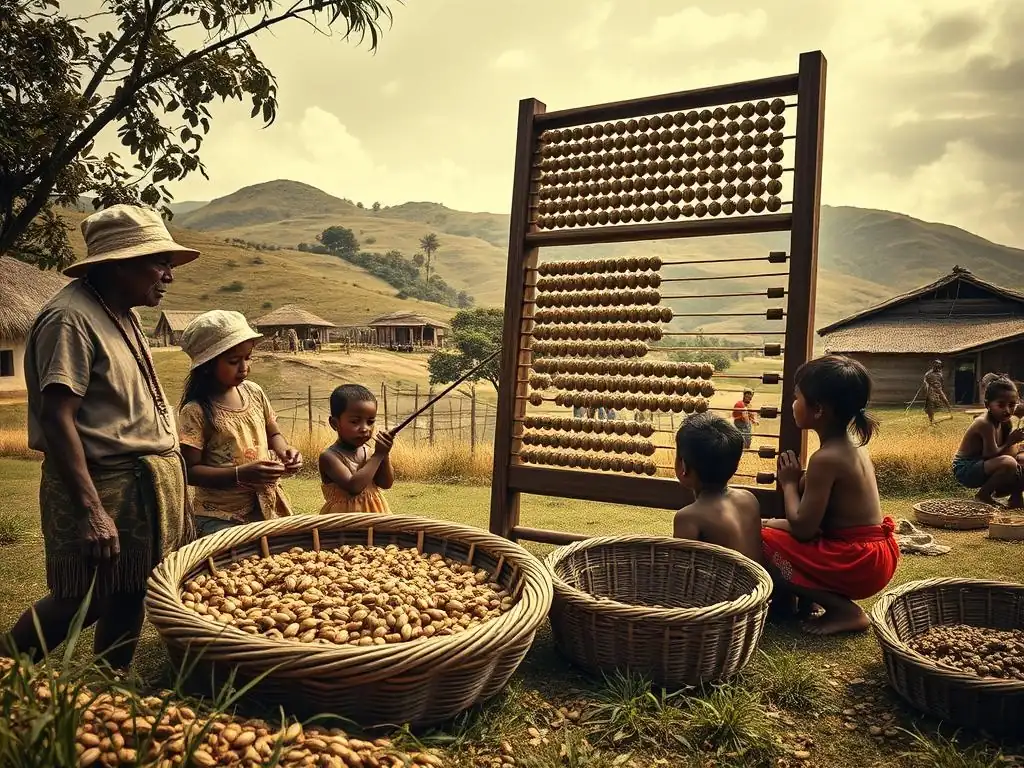
The applications of mathematics extended beyond governance and played a pivotal role in maintaining social order within Indigenous communities. These applications manifested in various forms, including resource management, conflict resolution, and timekeeping.
Resource Management and Allocation
Mathematics was essential in the management and allocation of resources among Indigenous peoples. Many communities developed sophisticated methods for tracking and distributing natural resources, which were vital for sustenance and survival. For example, the Pueblo peoples of the Southwest United States utilized mathematical calculations to determine the optimal planting and harvesting times based on seasonal changes.
By employing mathematical models, they ensured that crops were grown in harmony with the environment, leading to sustainable practices that preserved their way of life. Additionally, Indigenous peoples often used mathematical principles to regulate communal hunting and fishing, establishing quotas based on population counts and ecological sustainability to prevent over-exploitation.
Conflict Resolution and Mediation Techniques
Mathematics also played a role in conflict resolution and mediation within Indigenous societies. Many communities developed frameworks that used logical reasoning and numerical assessments to resolve disputes. For instance, mediation processes could involve assessing the extent of damages or losses incurred by parties involved in a conflict, thereby quantifying the issues at hand.
This numerical approach allowed for more objective discussions, reducing emotional biases and fostering a sense of fairness. By framing disputes in mathematical terms, Indigenous leaders could facilitate solutions that were agreeable to all parties, reinforcing social cohesion and trust within the community.
Timekeeping and Calendar Systems in Indigenous Communities
Indigenous communities across the Americas developed intricate timekeeping and calendar systems to regulate social order and agricultural practices. The Maya, for instance, had a complex calendar system that included a 260-day ritual calendar and a 365-day solar calendar. These calendars not only helped in tracking agricultural cycles but also played a significant role in organizing social events and governance.
Accurate timekeeping allowed for the synchronization of community activities, ensuring that agricultural planting, harvesting, and ceremonial events occurred at the right moments. By relying on these mathematical systems, Indigenous cultures maintained a structured social order that was aligned with the rhythms of nature and community life.
Mathematics was not merely an abstract concept within Indigenous cultures; it was a vital tool that sustained social order and governance, enabling communities to thrive in harmony with their environment and each other.
Cultural Significance of Mathematics in Indigenous Traditions
Mathematics in Indigenous cultures goes beyond mere calculations; it is deeply intertwined with their worldviews, spirituality, and social structures. Indigenous peoples utilized mathematics not only for practical purposes—such as agriculture, trade, and navigation—but also as a means of expressing their cosmological beliefs and connections to the environment. For many communities, numbers and patterns reflect the rhythms of nature and the cycles of life, illustrating a profound understanding of the interconnectedness of all things.
In various Indigenous cultures, mathematical concepts are often represented through stories, rituals, and community practices. For instance, the Maya civilization is renowned for its sophisticated calendar systems, which were intimately linked to agricultural cycles and religious ceremonies. Similarly, the Inca employed quipus—knotted strings used for accounting and record-keeping—that demonstrated an advanced grasp of numerical representation and organization.
Moreover, the role of mathematics in these communities often extends to governance and social order. It facilitates the organization of labor, resource distribution, and conflict resolution, thus ensuring that societal functions are maintained harmoniously. The integration of mathematical understanding into daily life underscores its significance in sustaining the fabric of Indigenous societies.
Symbolism of Numbers and Shapes in Indigenous Art
In Indigenous artistic expressions, numbers and shapes frequently carry symbolic meanings that reflect cultural narratives and beliefs. Many Indigenous artworks incorporate geometric patterns that are not only aesthetically pleasing but also convey mathematical principles. For example, the use of symmetry, tessellation, and fractals can be observed in various art forms across different cultures.
In the Navajo tradition, sand paintings often utilize specific patterns and shapes that represent sacred elements and cosmological concepts, embodying a mathematical precision that reflects harmony and balance within the universe. Similarly, in the work of Indigenous peoples from the Pacific Northwest, the use of totem poles and carving often includes numerical symbolism that reflects lineage, history, and community identity.
These artistic representations serve as a medium for teaching and preserving mathematical concepts, ensuring that knowledge is passed down through generations. Consequently, they play a vital role in reinforcing cultural identity while simultaneously embodying mathematical sophistication.
Oral Traditions and Mathematical Knowledge Transfer
Oral traditions are a cornerstone of knowledge transmission in Indigenous cultures, encompassing a wide array of stories, songs, and teachings that often include mathematical concepts. Elders play a pivotal role in this knowledge transfer, using narratives to illustrate mathematical principles in contexts that are relatable and meaningful to community members.
For instance, many Indigenous cultures use counting systems tied to natural phenomena—for example, counting the cycles of the moon or the seasons. These oral accounts not only convey mathematical information but also embed it within the cultural and spiritual frameworks of the community. This method of teaching ensures that the knowledge remains relevant and is easily remembered.
Additionally, ceremonies and community gatherings often integrate mathematical elements, encouraging participation and engagement. Through these collective experiences, community members reinforce their understanding of mathematics while fostering social cohesion and cultural pride.
Challenges and Adaptations
Despite the rich mathematical heritage of Indigenous cultures, various challenges have emerged, particularly due to external influences and historical changes. The process of colonization disrupted traditional knowledge systems, leading to the loss of language, customs, and, crucially, mathematical practices that had been passed down through generations.
Impact of Colonization on Mathematical Practices
The impact of colonization on Indigenous mathematical practices was profound and multifaceted. European colonizers often dismissed Indigenous knowledge systems as primitive or inferior, resulting in the marginalization of traditional mathematical practices. This led to a significant disruption in the ways that mathematics was understood and utilized within these communities.
With the introduction of Western education systems, many Indigenous children were forced to abandon their cultural practices and languages, including their mathematical traditions. As a result, important mathematical knowledge, such as local counting systems and methods of measurement, faced the risk of being lost or altered.
Moreover, the imposition of Western economic structures often disregarded Indigenous methods of resource management and social organization, which were rooted in their mathematical understanding. This not only impacted their ability to sustain social order but also diminished the recognition of their sophisticated mathematical contributions.
Resilience of Indigenous Mathematical Knowledge in Modern Times
Despite the challenges posed by colonization, Indigenous mathematical knowledge has demonstrated remarkable resilience. Many communities are actively working to revive and preserve their mathematical practices, integrating them with contemporary education systems. This resurgence is often tied to a broader movement of cultural revitalization, where Indigenous peoples reclaim their identities and heritage.
Modern Indigenous educators and scholars are increasingly recognizing the value of traditional mathematical knowledge, seeking to incorporate it into curricula that honor Indigenous perspectives. Programs that focus on land-based learning often emphasize the mathematical principles inherent in traditional ecological practices, such as tracking animal migrations or managing crop cycles.
Furthermore, community initiatives that promote cultural storytelling and art are instrumental in reinvigorating mathematical knowledge. By weaving mathematics into cultural narratives and artistic expressions, these efforts ensure that Indigenous mathematical practices remain a living part of community identity.
The ongoing commitment to understanding and applying traditional mathematical knowledge, alongside contemporary methods, illustrates the adaptability and strength of Indigenous cultures in maintaining their social order while navigating modern challenges.
Conclusion: The Lasting Legacy of Mathematics in Indigenous Cultures
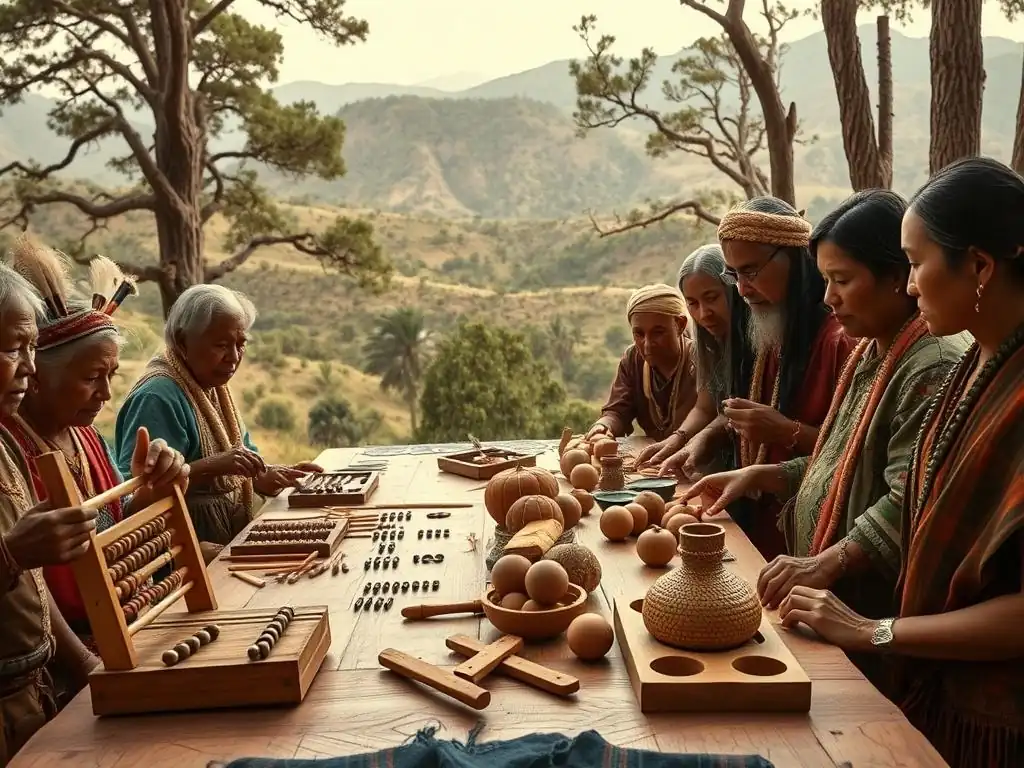
The legacy of mathematics in indigenous cultures extends far beyond mere calculations and numerical systems. It encompasses a profound understanding of the natural world, intricate social structures, and the governance of communities. Indigenous peoples utilized mathematics as a tool for navigation, agricultural planning, and resource management, showcasing their deep connection to the environment. The mathematical applications within these societies were not only practical but also philosophical, reflecting their values and beliefs.
By recognizing the sophisticated mathematical systems that existed, we can appreciate how indigenous cultures maintained social order and cohesion. The methods of counting, measuring, and organizing resources not only facilitated trade and cooperation but also reinforced communal ties. This legacy is a testament to the resilience and ingenuity of indigenous peoples, emphasizing that mathematics was integral to their cultural identity and societal stability.
The Relevance of Mathematics Today in Indigenous Governance
In contemporary indigenous governance, the principles of mathematics continue to play a crucial role. Many indigenous communities are reviving traditional practices and integrating them with modern governance frameworks. The understanding of mathematical concepts aids in community planning, decision-making processes, and the allocation of resources. For instance, land management initiatives often rely on mathematical models that incorporate traditional ecological knowledge, ensuring sustainable practices that honor ancestral wisdom.
Moreover, mathematics is pivotal in addressing contemporary challenges. Indigenous leaders are increasingly using statistical data to advocate for rights and resources, leveraging quantitative analysis to bolster their claims in negotiations with governments and corporations. This integration of traditional mathematical knowledge with modern methodologies serves not only to empower indigenous communities but also to ensure that their voices are heard in broader societal contexts.
Future Directions for Research on Mathematics in Indigenous Cultures
Research on mathematics in indigenous cultures is ripe for exploration, with numerous avenues awaiting investigation. Scholars can delve deeper into the unique mathematical systems of various indigenous groups, examining their historical context and cultural significance. Comparative studies between different cultures can reveal commonalities and differences, enriching our understanding of human mathematical development.
Moreover, interdisciplinary approaches that combine anthropology, mathematics, and environmental science can yield insights into how mathematical principles were applied in sustainable practices. The integration of indigenous knowledge systems with contemporary scientific methodologies presents an exciting frontier for research, potentially leading to innovative solutions for modern challenges such as climate change and resource scarcity.
Finally, fostering collaborations between indigenous communities and academic institutions is essential for conducting research that respects and honors indigenous perspectives. By centering indigenous voices in mathematical research, we can ensure that the contributions of these cultures are recognized and valued, solidifying their place in the narrative of mathematical history.
- Introduction to Mathematics in Indigenous Cultures
- Historical Context of Mathematics in Indigenous Societies
- The Role of Mathematics in Governance
- Applications of Mathematics in Social Order
- Cultural Significance of Mathematics in Indigenous Traditions
- Challenges and Adaptations
- Conclusion: The Lasting Legacy of Mathematics in Indigenous Cultures
- The Relevance of Mathematics Today in Indigenous Governance
- Future Directions for Research on Mathematics in Indigenous Cultures
Frequently Asked Questions
What is the main focus of the article?
The article explores the role of mathematics in maintaining social order within indigenous communities, highlighting its significance in their daily lives and cultural practices.
How did indigenous cultures use mathematics?
Indigenous cultures used mathematics in various ways, including agriculture, trade, and navigation, which were essential for sustaining their societies and economies.
What are some examples of mathematical achievements in indigenous cultures?
Examples include the Mayan calendar, which showcased advanced astronomical calculations, and the Incan quipu, a system of knotted strings used for record-keeping.
Why is it important to study mathematics in indigenous cultures?
Studying mathematics in indigenous cultures helps to recognize and appreciate their intellectual achievements, contributing to a more comprehensive understanding of human civilization and diversity.
Mathematics facilitated cooperation in activities such as trade agreements and community projects, reinforcing social bonds and ensuring that communal resources were managed effectively.
Final Reflection: The Enduring Legacy of Mathematics in Indigenous Cultures
Mathematics in Indigenous cultures is not merely a historical footnote; it is a living testament to the ingenuity and resilience of these communities. As we navigate a world increasingly defined by complexity and rapid change, the principles of mathematics that have guided Indigenous societies for generations remain profoundly relevant. They remind us that the foundations of social order, sustainability, and community cohesion are often rooted in the wisdom of the past. The intricate systems of knowledge that Indigenous peoples have developed offer valuable insights into how we can approach contemporary challenges with a holistic and inclusive perspective.
The influence of mathematics in Indigenous cultures extends far beyond mere calculations; it shapes the very fabric of social interactions and community governance. The mathematical frameworks embedded in traditional practices foster a sense of belonging and responsibility among community members. As we witness a growing recognition of Indigenous knowledge systems in contemporary discourse, it becomes clear that these mathematical concepts are not just relics of history but are vital to understanding our collective future. Indigenous knowledge systems provide a framework for understanding the world that is deeply rooted in the land, culture, and community.
As we reflect on the lessons learned from the role of mathematics in sustaining social order within Indigenous communities, I invite you to consider how these insights can be applied in your own life. Embrace the idea that mathematics is not just a tool for problem-solving but a way of thinking that can enhance our relationships and foster a deeper connection to our environment. Let us strive to honor and integrate these teachings into our daily practices, recognizing that the wisdom of Indigenous cultures can guide us toward a more harmonious and sustainable future.
Harness the Power of Mathematics to Support Indigenous Wisdom
Thank you for diving into our exploration of how mathematics fortifies the social order in Indigenous communities. Your engagement in this vital topic not only enriches your understanding but also honors the heritage and knowledge systems at play. Now, let’s channel that knowledge into actionable steps that can make a difference.
- Start a conversation: Reach out to local Indigenous organizations to learn more about their teachings on the role of mathematics in social governance.
- Share your insights: Use your social media platforms to discuss what you've learned and inspire others to appreciate the cultural significance of mathematics in Indigenous societies.
- Participate in workshops: Seek out or organize community discussions that focus on integrating traditional mathematical concepts into modern education frameworks.
How can you incorporate Indigenous mathematical principles into your daily life or community practices? Your voice matters!