
The Enigmatic Origins of the Mayan Civilization: A Journey Through Time

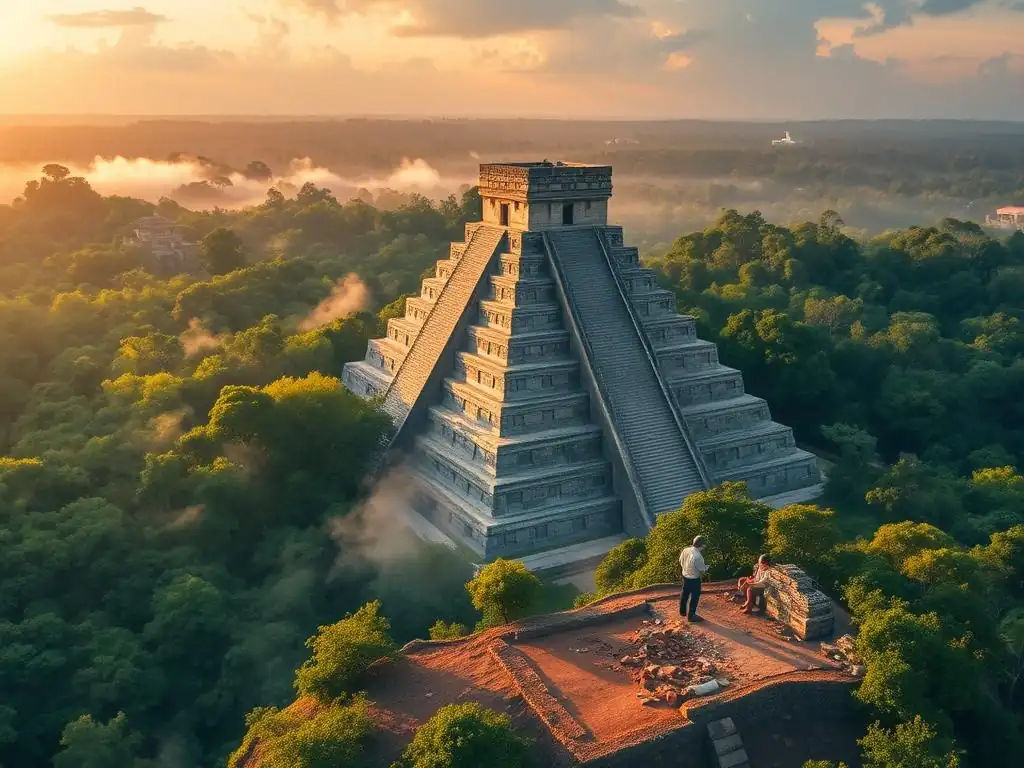
Welcome to Indigenous Civilizations of the Americas, where we invite you on a captivating journey through the rich tapestry of indigenous cultures that flourished long before European colonization. Our featured article, "The Enigmatic Origins of the Mayan Civilization: A Journey Through Time," delves into the remarkable beginnings and extraordinary achievements of the Mayans. Discover the intricate societal structures, groundbreaking innovations, and enduring legacy of this fascinating civilization. As you explore, prepare to uncover the mysteries that shaped their world and continue to influence ours today. Your adventure into the past starts here!
Introduction to the Mayan Civilization Origins and Achievements
The Mayan civilization, one of the most fascinating and complex cultures in the Americas, boasts a rich tapestry of achievements and societal structures that flourished long before European contact. This article embarks on a journey through time to explore the enigmatic origins of the Mayan civilization, delving into the historical roots that shaped its development and the remarkable accomplishments that define it. By understanding the Mayan civilization origins and achievements, we gain insight into how this advanced society influenced not only its contemporaries but also the future of cultural evolution throughout the Americas.
Overview of the Mayan Civilization
The Mayan civilization emerged around 2000 BCE and reached its zenith during the Classic Period (approximately 250 to 900 CE). Known for their impressive architecture, sophisticated mathematical systems, and intricate calendar, the Maya made significant contributions in various fields, including astronomy, agriculture, and writing.
Key elements of the Mayan civilization include:
- City-States: The Maya were organized into numerous city-states, each with its own ruler and governance.
- Writing System: They developed one of the most complex writing systems in the ancient Americas, known as hieroglyphics.
- Architecture: Monumental structures, such as pyramids and temples, showcase their advanced engineering skills.
Importance of Studying Mayan Origins
Understanding the origins of the Mayan civilization is crucial for several reasons:
- Cultural Heritage: The Maya are a vital part of the cultural heritage of the Americas, and their traditions continue to influence modern societies.
- Historical Insights: Investigating their origins provides insights into human adaptation to diverse environments and evolving social structures.
- Legacy of Achievements: Recognizing their achievements helps us appreciate the complexities of pre-Columbian civilizations and their contributions to global history.
Historical Context of the Mayan Civilization
To fully grasp the significance of the Mayan civilization, it is essential to examine the historical context in which it developed.
The Pre-Columbian Era: A Brief Overview
The Pre-Columbian era, spanning thousands of years before European contact, saw the rise of numerous advanced cultures across the Americas. The Maya were among the first to settle in Mesoamerica, adapting to their surroundings and establishing agricultural practices that supported large populations.
Geographical Regions of the Mayan Civilization
The Mayans inhabited a diverse range of geographical regions, primarily located in present-day Mexico, Guatemala, Belize, and parts of Honduras and El Salvador. Key regions include:
- The Southern Lowlands: Characterized by dense jungles, this area was home to major cities like Tikal and Calakmul.
- The Northern Lowlands: Featuring a drier climate, this region included areas such as Chichen Itza, known for its significant architectural achievements.
- The Highlands: Mountainous terrain where the Maya developed unique agricultural methods, including terracing.
Major Periods in Mayan History
Mayan history is typically divided into several major periods, each marked by distinct cultural developments:
- Preclassic (2000 BCE - 250 CE): Early agricultural communities began to form, leading to the establishment of the first city-states.
- Classic (250 - 900 CE): The height of Maya civilization, marked by monumental architecture and advanced cultural achievements.
- Postclassic (900 - 1500 CE): A period of decline for many city-states, although some regions continued to thrive and adapt.
Through this exploration of the origins and historical context of the Mayan civilization, we can begin to appreciate the depth and complexity of one of the most remarkable cultures in human history.
Theories on the Origins of the Mayan Civilization
The origins of the Mayan civilization have long been a subject of fascination and debate among historians and archaeologists. Diverse theories have emerged, each offering insights into how this complex society developed over millennia. The interplay of environmental factors, migration patterns, and cultural exchanges are critical in understanding the roots of the Mayan civilization. Examining these theories not only helps illuminate the past but also provides a contextual foundation for appreciating their significant achievements.
The Migration Theory: Where Did the Maya Come From?
The Migration Theory posits that the ancestors of the Maya migrated from the north into Mesoamerica, particularly from regions that are now parts of the United States and Mexico. This migration is believed to have occurred during the late Preclassic period (around 1000 BCE). Proponents of this theory argue that archaeological evidence, such as the presence of similar pottery styles and tools, supports the idea of a gradual movement and adaptation to local environments.
Genetic studies have also provided insights into the origins of the Maya, suggesting interrelations with other indigenous groups across the Americas. This theory emphasizes the importance of migration as a catalyst for the formation of unique cultural identities. It reflects the dynamic nature of ancient societies, which were not static but rather engaged in continual movement and adaptation.
The Development of Agriculture and Its Role in Mayan Society
A critical factor in the emergence of the Mayan civilization was the development of agriculture, particularly the cultivation of maize, beans, and squash—often referred to as the "Mesoamerican triad." This agricultural revolution began around 2000 BCE and allowed the Mayans to settle in one place, establishing permanent communities.
As agricultural techniques evolved, the increased food production supported population growth and the development of complex societies. The ability to store surplus food led to trade, specialization of labor, and the eventual rise of social hierarchies. Agriculture not only shaped the economy of the Mayan civilization but also influenced their spiritual beliefs, as many agricultural practices were intertwined with their cosmology and rituals.
Influence of Neighboring Cultures on Mayan Origins
The origins of the Mayan civilization were also significantly influenced by neighboring cultures. Interaction with the Olmec civilization is particularly noteworthy, as they are considered one of the earliest Mesoamerican cultures to impact subsequent societies, including the Maya. The Olmecs contributed to the spread of religious practices, artistic styles, and early forms of writing.
Additionally, trade routes established with other civilizations facilitated the exchange of goods, ideas, and technologies. This cultural diffusion contributed to the complexity of the Mayan civilization, enriching their social, political, and technological frameworks. The synthesis of these influences ultimately played a vital role in shaping the identity and achievements of the Maya.
Key Achievements of the Mayan Civilization
The Mayan civilization is renowned for its remarkable achievements across various domains, including mathematics, astronomy, architecture, and writing. These accomplishments reflect a profound understanding of the world around them and a sophisticated cultural identity that has left an enduring legacy.
Advances in Mathematics and Astronomy
The Mayans made significant advancements in mathematics, particularly with their concept of zero, which was revolutionary for its time. They developed a vigesimal (base-20) numerical system that allowed for complex calculations and facilitated their astronomical observations.
Their astronomical prowess is evident in their calendars, notably the Tzolk'in and the Haab', which were used for religious and agricultural purposes. The Maya meticulously observed celestial bodies, leading to accurate predictions of solar eclipses and the cycles of Venus. This deep understanding of astronomy was not merely scientific; it was intricately linked to their religious beliefs and agricultural practices.
Architectural Marvels: Pyramids and Cities
The architectural achievements of the Mayans are among the most impressive in the ancient world. They constructed elaborate cities characterized by grand pyramids, palaces, and temples, often aligned with astronomical events. Sites such as Tikal, Chichen Itza, and Palenque showcase their architectural prowess and ingenuity.
The construction of these monumental structures required advanced knowledge of engineering and a highly organized labor force. The pyramids served not only as religious centers but also as tombs for rulers, reflecting their significance in Mayan cosmology and society. The intricate designs and artistry of these buildings demonstrate the Mayans' sophisticated aesthetic sensibilities.
The Mayan Writing System: Hieroglyphs and Communication
The Mayan civilization developed one of the most advanced writing systems in the pre-Columbian Americas, known as hieroglyphics. This complex script combined logograms and syllabic symbols, enabling the recording of historical events, religious texts, and societal norms.
The deciphering of Mayan hieroglyphs has provided invaluable insights into their culture, history, and achievements. Inscriptions found on monuments, pottery, and codices reveal a rich narrative of their gods, rituals, and political affairs. The writing system was a vital tool for communication, preserving the legacy of the Mayan civilization for future generations.
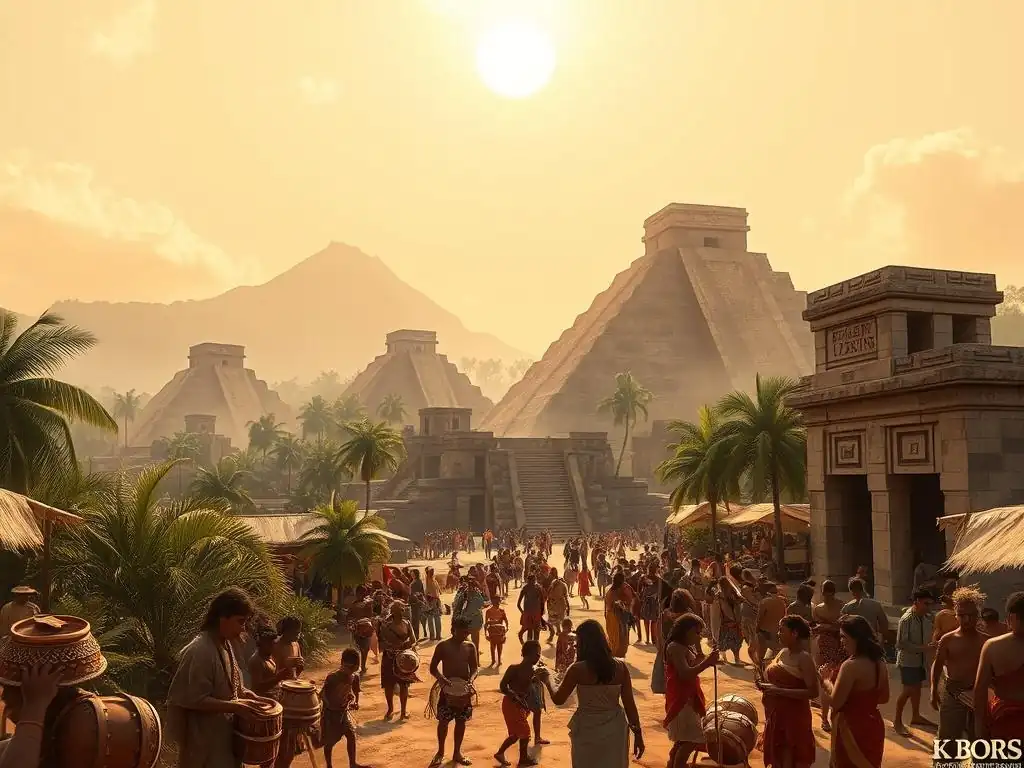
The social structure of the Mayan civilization was intricate and hierarchical, characterized by a clear division of roles and responsibilities among various classes. At the apex of this hierarchy was the king, known as the "Ajaw," who was considered both a political and spiritual leader. Beneath the king were the nobility and elite class, which included priests, scribes, and high-ranking officials. This group held significant power, overseeing religious ceremonies and governance, and often served as advisors to the king.
The middle class consisted of skilled artisans, traders, and farmers, who played a vital role in the economy and cultural production of the society. These individuals were respected for their craftsmanship and contributions to the arts and trade networks. The lower class was primarily made up of peasants and laborers, who worked the land and provided the essential labor needed for agricultural production. Slavery also existed within Mayan society, with enslaved individuals often captured during warfare or in debt servitude. This complex organization allowed for a well-functioning society that could support large urban centers and monumental architecture.
The Role of Rulers and Nobility in Mayan Civilization
Rulers and nobility held a central role in Mayan civilization, acting as both political leaders and religious figures. The king, or Ajaw, was seen as a mediator between the gods and the people, tasked with ensuring divine favor through rituals and offerings. This divine kingship granted the Ajaw significant authority, allowing them to make laws, engage in warfare, and manage relations with neighboring states.
The nobility, consisting of relatives of the king and other elite families, served as governors of various city-states and were responsible for maintaining order, collecting taxes, and overseeing local religious practices. They often engaged in warfare to expand their territories and influence. Nobles also participated in ceremonial events, where their status was reaffirmed through public displays of power, including elaborate clothing and participation in rituals that emphasized their connection to the divine. This intertwining of power and religion established a strong social order that was pivotal for the stability of Mayan society.
The Importance of Religion and Rituals in Daily Life
Religion was integral to the daily life of the Mayans, influencing various aspects of their culture, from agriculture to governance. The Mayans practiced a polytheistic religion, worshipping a pantheon of gods associated with natural elements, agriculture, and celestial bodies. Rituals and ceremonies were essential for appeasing these deities, ensuring good harvests, and maintaining cosmic balance.
Daily life included various religious practices such as offerings, bloodletting, and communal feasts. The Mayans believed that the act of giving back to the gods would secure their favor and maintain harmony within their society. Major events, such as the planting and harvesting seasons, were marked by elaborate ceremonies that involved music, dance, and the participation of the community. Temples and pyramids served as focal points for these rituals, reinforcing the importance of religion in urban centers and showcasing the civilization's architectural achievements.
Social Classes and Economic Structures in Mayan Society
The economic structure of the Mayan civilization was closely linked to its social hierarchy, with each class contributing to the economy in distinct ways. The elite class, including rulers and nobles, controlled land and resources, while the middle class engaged in trade and skilled labor. Farmers, who formed the backbone of the economy, practiced subsistence agriculture, growing staple crops such as maize, beans, and squash.
Trade networks flourished throughout the Maya territories, with goods exchanged at bustling markets. The economy was also supplemented by barter, with items like cacao beans serving as a form of currency. Additionally, tribute systems were established, where lower classes provided goods and services to the elite in exchange for protection and governance. This economic interdependence among social classes not only sustained the civilization but also facilitated cultural exchange and the development of urban centers.
Cultural Contributions and Legacy of the Mayan Civilization
The Mayan civilization is renowned for its rich cultural contributions, many of which have left a lasting legacy that continues to influence contemporary society. Their advancements in various fields, including mathematics, astronomy, and writing, underscore their intellectual achievements and creativity. The Mayans developed an intricate writing system known as hieroglyphics, which allowed them to document their history, religious beliefs, and daily life.
Art and Craftsmanship: Sculptures, Pottery, and Textiles
Mayan art is celebrated for its sophistication and diversity, encompassing various forms such as sculpture, pottery, and textiles. Artists produced intricate stone carvings, depicting deities, rulers, and significant historical events that adorned temples and public spaces. Pottery, often beautifully painted with vibrant colors and detailed designs, served both practical and ceremonial purposes, showcasing the skills of artisans.
Textiles were another vital aspect of Mayan culture, with women playing a crucial role in their production. Using traditional weaving techniques, they created intricate garments that were often adorned with symbolic patterns and colors representing social status and identity. These artistic contributions reflect not only the technical prowess of the Mayans but also their deep spiritual and cultural beliefs, leaving a rich heritage that continues to be celebrated today.
The Influence of Mayan Civilization on Subsequent Cultures
The achievements of the Mayan civilization significantly influenced subsequent cultures in Mesoamerica and beyond. Their advancements in mathematics and astronomy laid foundational knowledge for later civilizations, including the Aztecs and Incas. The Mayans' complex calendar system, which included a 260-day ritual calendar and a 365-day solar calendar, was adopted and adapted by later societies, demonstrating their lasting impact on timekeeping and agricultural practices.
Furthermore, the artistic styles and architectural techniques developed by the Mayans can be observed in the structures and artworks of later cultures. The emphasis on monumental architecture, such as pyramids and ceremonial centers, can be seen in the grand cities that followed in the wake of Mayan civilization. This cultural diffusion highlights the interconnectedness of Mesoamerican societies and the enduring legacy of the Mayans in shaping the region’s history.
Preservation of Mayan Heritage in Contemporary Society
Today, the legacy of the Mayan civilization is preserved and celebrated through various means, including cultural festivals, language revitalization efforts, and archaeological research. Modern Maya communities continue to uphold traditional practices, including agricultural techniques and artisan crafts, ensuring the transmission of knowledge and cultural identity across generations.
Efforts to document and promote the Mayan languages, such as Yucatec and K'iche', are vital for maintaining cultural heritage and fostering community pride. Additionally, archaeological projects focused on the restoration of ancient sites allow for a deeper understanding of Mayan history and culture, drawing interest from scholars and tourists alike. Initiatives that recognize and support indigenous rights further contribute to the revitalization of Mayan identities, ensuring that the remarkable history and achievements of the Mayan civilization remain a vital part of the narrative of the Americas.
Conclusion: Reflecting on the Enigmatic Origins of the Mayan Civilization
The Mayan civilization stands as one of the most intriguing cultures in history, marked by remarkable achievements and enigmatic origins. Through meticulous archaeological research and the study of ancient texts, scholars have pieced together the complex tapestry of the Mayan people, revealing their societal structures, cultural practices, and advancements in various fields.
The origins of the Mayan civilization can be traced back to the Preclassic period, where early agricultural communities laid the groundwork for the sophisticated city-states that would emerge later. The civilization's elaborate calendar systems, architectural marvels, and intricate social hierarchies underscore their profound intellectual achievements and artistic expressions.
Understanding the Mayan civilization's origins is not merely an academic pursuit; it provides insight into the resilience and adaptability of human cultures. The achievements of the Mayans in astronomy, mathematics, and architecture are a testament to their ingenuity and creativity. Their legacy continues to influence contemporary society, reminding us of the rich history that precedes modern civilization.
Summary of Key Points on Mayan Origins and Achievements
- Agricultural Foundations: The Mayan civilization began as small agricultural villages around 2000 BCE, with maize as a staple crop, leading to population growth and the development of complex societies.
- Cultural Flourishing: By the Classic period (250-900 CE), the Mayans established impressive city-states like Tikal and Calakmul, showcasing monumental architecture, extensive trade networks, and advanced artistic expressions.
- Scientific Innovations: The Mayans excelled in astronomy and mathematics, developing an intricate calendar system that was used for both agricultural and ceremonial purposes.
- Writing System: The establishment of a hieroglyphic writing system allowed the Mayans to document their history, rituals, and governance, providing invaluable insights into their culture.
- Social Structure: The civilization was characterized by a stratified society, with a ruling elite, priests, artisans, and farmers, each playing a vital role in maintaining the cultural and economic framework.
The Significance of Understanding Mayan Civilization Today
Understanding the origins and achievements of the Mayan civilization is essential for several reasons. Firstly, it highlights the ingenuity and advancements of indigenous cultures that existed long before European contact. This knowledge fosters a greater appreciation for the contributions of the Mayans to global civilization, particularly in fields such as mathematics and astronomy.
Moreover, exploring the Mayan civilization encourages a deeper respect for the resilience of indigenous peoples. The effects of colonization and globalization remain present in contemporary society, making it crucial to acknowledge and honor the legacies of cultures that continue to thrive despite historical adversities. By studying the Mayans, we can better understand the complexities of cultural identity and the ongoing struggle for preservation and recognition of indigenous rights.
Further Reading and Resources
For those interested in delving deeper into the fascinating world of the Mayan civilization, a variety of resources are available that explore its origins, achievements, and cultural significance.
Recommended Books and Articles on Mayan Civilization Origins
- "The Maya" by Michael D. Coe: A comprehensive overview of Mayan history, culture, and achievements, providing insights into their origins and societal development.
- "Maya Civilization: A History from Beginning to End" by Hourly History: This book presents a concise yet informative account of the Mayans, detailing their achievements and the factors that influenced their decline.
- "The Ancient Maya" by Arthur Demarest: An in-depth exploration of the archaeological findings related to the Mayan civilization, emphasizing their origins and cultural evolution.
- Scholarly Articles: Numerous academic journals publish articles focused on specific aspects of Mayan history, archaeology, and anthropology, beneficial for understanding the civilization's complexities.
Documentaries and Educational Resources on Mayan Achievements
- "Maya: The Forgotten Civilization" (National Geographic): This documentary provides a visual journey through the ancient Mayan cities, exploring their architectural and cultural achievements.
- "Secrets of the Maya" (PBS): A documentary that delves into the mysteries surrounding the Mayan civilization, featuring expert interviews and stunning visuals of archaeological sites.
- Online Courses: Various universities and platforms offer online courses on Mesoamerican history, including the Mayan civilization, allowing individuals to learn from experts in the field.
- Interactive Websites: Resources such as the "Maya Exploration Center" offer interactive experiences and educational materials that engage learners with the history and culture of the Mayans.
By engaging with these resources, readers can gain a more profound understanding of the Mayan civilization's origins, achievements, and their lasting impact on the world.
- Introduction to the Mayan Civilization Origins and Achievements
- Historical Context of the Mayan Civilization
- Theories on the Origins of the Mayan Civilization
- Key Achievements of the Mayan Civilization
- Social Structure and Organization of Mayan Society
- Cultural Contributions and Legacy of the Mayan Civilization
- Conclusion: Reflecting on the Enigmatic Origins of the Mayan Civilization
- Further Reading and Resources
Frequently Asked Questions
What are the origins of the Mayan civilization?
The Mayan civilization originated around 2000 BCE in what is now Mexico and Central America, evolving through several phases, including the Preclassic, Classic, and Postclassic periods.
What were some significant achievements of the Mayan civilization?
The Mayan civilization is known for its advanced writing system, sophisticated mathematics, and impressive architectural feats, such as pyramids and cities like Tikal and Palenque.
How did the Mayan civilization impact other cultures?
The Mayan civilization influenced surrounding regions through their trade networks, agricultural techniques, and religious practices, leaving a lasting legacy that shaped future cultures in the Americas.
What role did astronomy play in Mayan society?
Astronomy was crucial in Mayan society, as they developed a complex calendar system based on celestial events, which guided their agricultural and religious activities.
How did the Mayan civilization manage to thrive for so long?
The Mayan civilization thrived due to their innovative agricultural practices, such as terracing and slash-and-burn farming, which supported a dense population and allowed for the growth of complex societies.
Final Reflection: Unraveling the Mysteries of the Mayan Civilization
The exploration of the Mayan civilization origins and achievements reveals not only a rich tapestry of history but also a profound connection to our present. As we delve into the enigmatic past of the Mayans, we uncover the intricate ways in which their innovations and cultural practices continue to resonate today. The legacy of the Mayan civilization serves as a reminder that our understanding of history shapes our identity and informs our future.
The impact of the Mayan civilization is evident in various aspects of contemporary culture, from architecture to astronomy. Their remarkable achievements in mathematics and writing systems have laid the groundwork for advancements that we often take for granted. The echoes of their ingenuity can be felt in modern societies, where the quest for knowledge and understanding remains paramount. The past is never dead. It's not even past.
— William Faulkner. This quote encapsulates the enduring significance of the Mayan civilization, urging us to recognize the lessons embedded in their history.
As we reflect on the journey through the Mayan civilization, I invite you to consider how these ancient insights can inspire your own life. What can we learn from their resilience, creativity, and deep connection to the cosmos? Let this exploration encourage you to seek knowledge, appreciate cultural diversity, and embrace the wisdom of the past as we forge our paths into the future. Together, let us honor the Mayan legacy by nurturing curiosity and fostering a deeper understanding of our shared human experience.
Unveil the Mysteries of the Mayan Civilization!
Thank you for taking the time to explore the rich history of the Mayan civilization with us! We hope you found inspiration in the captivating tales and profound insights that reflect the depth of this remarkable culture. Now, it's time to take the next step in your journey of discovery!
- Dive deeper: Select a book or documentary about Mayan history that interests you and enhance your understanding of this ancient culture!
- Join the conversation: Share your insights on the Mayan civilization with friends or in online communities to spark engaging discussions.
- Explore local connections: Look for nearby museums or exhibits that showcase Indigenous cultures and plan a visit to connect with history in person!
What aspect of the Mayan civilization has intrigued you the most, and how do you intend to continue your exploration?