
Transforming Tradition: How Chefs are Bringing Aztec Recipes into the 21st Century

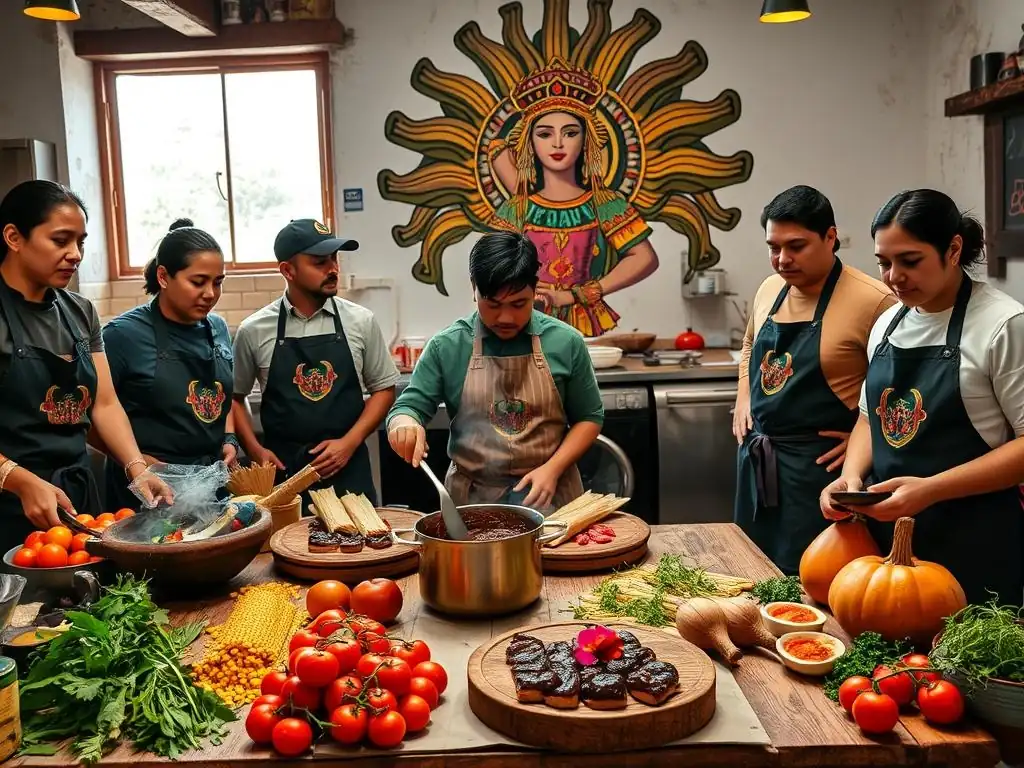
Welcome to Indigenous Civilizations of the Americas, where we embark on a captivating journey through the rich tapestry of indigenous cultures that flourished long before European contact. Here, we delve into their remarkable achievements and enduring legacies, illuminating their profound impact on our world today. In our featured article, "Transforming Tradition: How Chefs are Bringing Aztec Recipes into the 21st Century," we explore the fascinating revival of Aztec recipes, blending ancient culinary wisdom with modern flair.
Get ready to uncover the delicious intersection of history and gastronomy that invites you to savor the past while celebrating the present. Let your curiosity lead you deeper into the vibrant world of these extraordinary civilizations!
- Introduction to Aztec Recipes and Modern Culinary Revival
- Key Ingredients in Aztec Recipes
- Modern Chefs Embracing Aztec Recipes
- Popular Aztec Recipes in the 21st Century
- The Cultural Significance of Aztec Recipes Today
- Challenges in Reviving Aztec Recipes
- Conclusion: The Future of Aztec Recipes in Culinary Arts
- Resources for Home Cooks
-
Frequently Asked Questions
- What is the main focus of the article "Transforming Tradition: How Chefs are Bringing Aztec Recipes into the 21st Century"?
- How are chefs adapting Aztec recipes for modern tastes?
- What impact do these culinary revivals have on indigenous culture?
- Are there any specific Aztec recipes highlighted in the article?
- Why is it important to understand the history behind Aztec recipes?
- Final Reflection: Embracing Heritage in a Modern Culinary Revival
- Embrace the Culinary Revolution!
Introduction to Aztec Recipes and Modern Culinary Revival
The rich tapestry of indigenous cultures in the Americas showcases a remarkable range of culinary traditions, with the Aztecs being one of the most influential. As we delve into the modern culinary revival of Aztec recipes, we uncover how contemporary chefs are embracing and transforming these time-honored dishes to fit today's palates and dining experiences.
This exploration not only highlights the flavors and techniques that have survived through centuries but also emphasizes the cultural significance of reviving these traditional recipes. By integrating Aztec culinary heritage into modern cuisine, chefs are not merely preserving a legacy; they are also crafting a vibrant connection between the past and the present.
Understanding Aztec Culinary Heritage
Aztec cuisine was characterized by a diverse and sophisticated array of ingredients and techniques that reflect the rich biodiversity of Mesoamerica. Staples like maize (corn), beans, and squash formed the backbone of their diet, while a variety of chilies, herbs, and spices added depth and complexity to their dishes. The Aztecs were also skilled at utilizing local resources, which included:
- Cacao: Used for both food and beverages, cacao was a significant part of Aztec culture, often consumed as a frothy drink flavored with spices.
- Amaranth: This ancient grain was not only a staple but also held spiritual significance, often used in rituals and celebrations.
- Chilies: Varieties of chilies provided heat and flavor, essential elements in many traditional dishes that are still enjoyed today.
These ingredients were often combined in ways that showcased the Aztecs' culinary ingenuity, leading to dishes that were both nutritious and flavorful. Understanding this heritage is crucial as modern chefs seek to honor and reinterpret these traditional recipes, ensuring that they resonate with contemporary audiences while maintaining their historical roots.
The Importance of Reviving Traditional Recipes in Modern Cuisine
Reviving traditional Aztec recipes is not merely an exercise in nostalgia; it serves several vital purposes in today's culinary landscape. First and foremost, it fosters a deeper appreciation for indigenous cultures and their contributions to global cuisine. By bringing these ancient flavors into modern kitchens, chefs and food enthusiasts alike can engage with the history and stories behind each dish, promoting cultural awareness and respect.
Moreover, incorporating Aztec recipes into contemporary menus reflects a growing trend towards sustainability and local sourcing. Many chefs are now focusing on ingredients that are native to the Americas, aligning their practices with the principles of environmental stewardship. This not only supports local farmers but also revitalizes traditional agricultural methods that have been in place for centuries.
Finally, the modern culinary revival of Aztec recipes allows for creativity and innovation in the kitchen. Chefs can experiment with traditional ingredients and techniques, creating new dishes that pay homage to the past while appealing to today's tastes. This fusion of old and new not only enriches the culinary scene but also invites diners to experience the vibrancy of Aztec culture in a fresh and exciting way.
The resurgence of Aztec recipes in the modern culinary world exemplifies the dynamic relationship between tradition and innovation. By exploring these ancient dishes, we honor the past and pave the way for a future that celebrates the rich heritage of indigenous civilizations.
Key Ingredients in Aztec Recipes
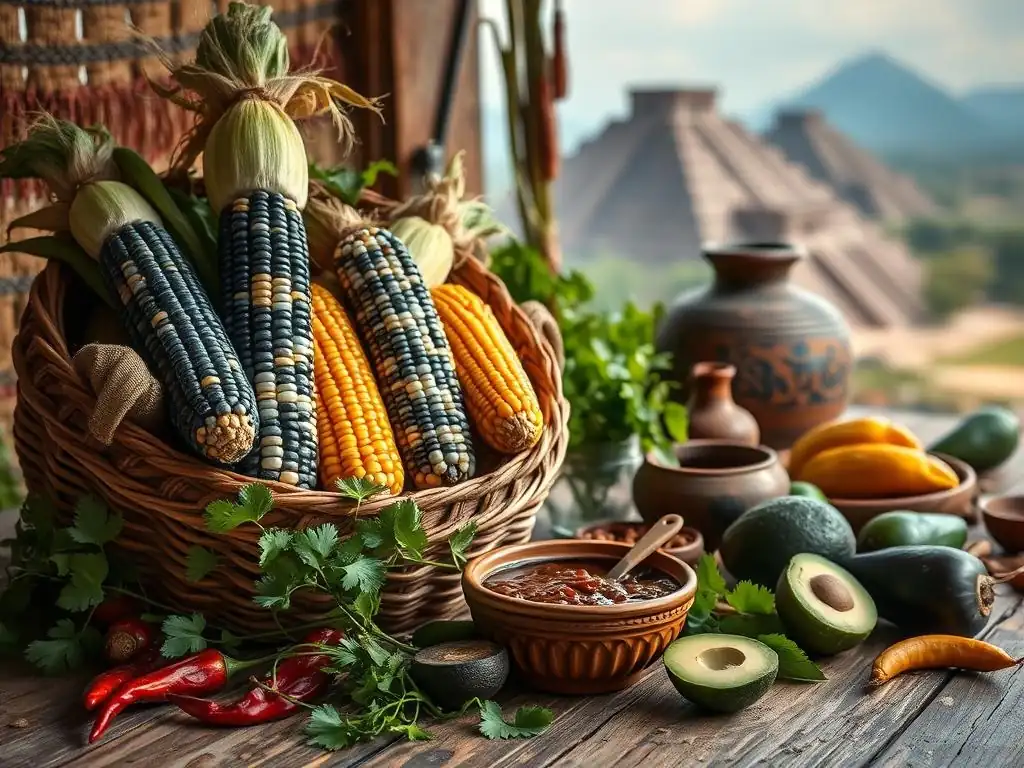
The revival of Aztec recipes in modern culinary practices emphasizes the importance of key ingredients that were foundational to the diet and culture of the Aztecs. This section explores the essential components that not only shaped ancient cuisine but also play a vital role in contemporary interpretations of these traditional dishes.
Ancient Staples: Maize, Beans, and Squash
Maize, beans, and squash—collectively known as the "Three Sisters"—formed the cornerstone of the Aztec diet. Their interdependence in cultivation and nutrition reflects a deep understanding of agricultural practices.
- Maize (Corn): Central to Aztec culture, maize was not just a staple food but also held religious significance. Modern chefs are embracing heirloom varieties of maize, such as blue corn and white corn, to craft tortillas and tamales that are rich in flavor and history. These varieties are often ground using traditional methods, such as nixtamalization, enhancing their nutritional profile and taste.
- Beans: Varieties like black beans and pinto beans were commonly consumed and are now being reintroduced into modern dishes. They provide a hearty source of protein and are often featured in soups, salads, and as a filling in various snacks. Their versatility allows for creative reinterpretations in contemporary recipes.
- Squash: This ingredient includes not only the familiar zucchini but also varieties such as acorn and butternut squash. Chefs incorporate squash into both savory and sweet dishes, utilizing its natural sweetness and creamy texture. Roasting and pureeing squash gives a nod to traditional Aztec cooking methods, while also appealing to modern palates.
Unique Flavors: Chilies, Cacao, and Amaranth
The flavor profile of Aztec cuisine is characterized by its bold and diverse ingredients. Key components such as chilies, cacao, and amaranth continue to inspire chefs in their modern culinary creations.
- Chilies: From the smoky flavor of chipotle to the heat of serrano, chilies were essential in Aztec cooking. They add depth and complexity to dishes, and contemporary chefs are experimenting with various chili-infused oils and sauces to enhance flavor profiles. The use of fresh chilies in salsas and marinades reflects both tradition and innovation.
- Cacao: Revered by the Aztecs, cacao was used to create drinks and was a form of currency. Modern interpretations include incorporating cacao into savory dishes, such as mole sauces, that marry sweet and savory elements. Cacao nibs are also used as a crunchy topping for desserts, allowing chefs to honor the legacy of this ancient ingredient.
- Amaranth: Once a staple grain for the Aztecs, amaranth is celebrated today for its nutritional benefits and unique texture. It is often used in salads, granola bars, or as a gluten-free alternative in baking. The resurgence of amaranth in modern cuisine highlights its versatility and connection to indigenous agricultural practices.
The Role of Indigenous Herbs and Spices in Modern Dishes
Indigenous herbs and spices play a pivotal role in the transformation of traditional Aztec recipes into modern culinary delights. These elements add unique flavors and health benefits, bridging the past with contemporary cuisine.
- Epazote: Known for its pungent aroma, epazote is often used in bean dishes to enhance flavor and aid digestion. Modern chefs are incorporating this herb into salsas and marinades, showcasing its distinctive taste while paying homage to traditional uses.
- Mexican Oregano: Unlike Mediterranean oregano, Mexican oregano provides a more robust flavor profile. It is frequently used to season meats, sauces, and stews, allowing chefs to create authentic flavor profiles that resonate with Aztec heritage.
- Nopales: The pads of the prickly pear cactus, known as nopales, are rich in nutrients and have a slightly tangy flavor. They are often grilled, sautéed, or used in salads, making them a popular ingredient in modern dishes that aim to celebrate indigenous culinary traditions.
The revival of Aztec recipes in modern culinary practices not only honors the rich history and cultural significance of these ingredients but also introduces them to new audiences. By reimagining traditional dishes with these key ingredients, chefs contribute to a vibrant culinary landscape that respects and revitalizes indigenous heritage.
Modern Chefs Embracing Aztec Recipes
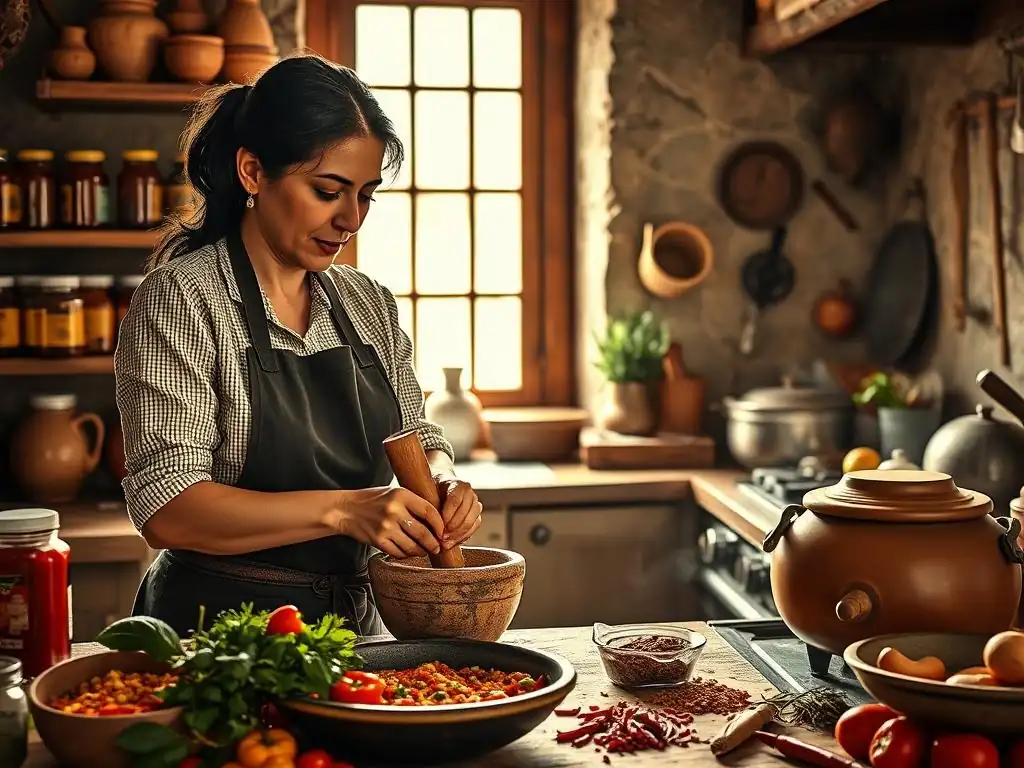
Spotlight on Notable Chefs Leading the Revival
The modern culinary revival of Aztec recipes is a testament to the enduring legacy of indigenous culinary traditions. Several chefs are at the forefront of this movement, skillfully integrating ancient techniques and ingredients into today’s dining experiences. Below are some noteworthy figures who are redefining how these traditional recipes are perceived and enjoyed.
Chef Pati Jinich: Innovating with Ancient Techniques
Chef Pati Jinich is a prominent figure in the culinary world, known for her vibrant cooking style that celebrates Mexican heritage. With a focus on the pre-Hispanic roots of Mexican cuisine, she utilizes ancient techniques to create a connection with Aztec culinary practices.
- Traditional Ingredients: Pati emphasizes the use of native ingredients such as amaranth, nopal, and chiles, which have been staples in Aztec cooking for centuries.
- Culinary Techniques: She often incorporates traditional methods like nixtamalization, a process used to prepare maize that enhances its nutritional value and flavor.
- Educational Outreach: Through her television shows and cookbooks, Pati educates audiences about the cultural significance of these ingredients and techniques, fostering a deeper appreciation for Aztec cuisine.
Chef Jinich's innovative approach not only revives ancient recipes but also adapts them to contemporary tastes, making them accessible to a wider audience.
Chef Enrique Olvera: Fusing Tradition with Contemporary Cuisine
Renowned chef Enrique Olvera is celebrated for his ability to blend traditional Mexican flavors with modern culinary techniques. His flagship restaurant, Cosme, serves as a canvas for his interpretation of Aztec culinary heritage.
- Modern Presentation: Olvera’s dishes often feature a striking visual presentation, transforming classic Aztec recipes into works of art on the plate.
- Local Sourcing: He emphasizes the importance of local sourcing, utilizing seasonal ingredients to create dishes that are both innovative and rooted in tradition.
- Signature Dishes: One of his standout offerings includes a reinterpretation of mole, where he combines traditional flavors with unexpected elements, showcasing the versatility of Aztec cuisine.
Olvera's work not only honors the ancient culinary practices but also challenges diners to experience them in a new light, thus contributing significantly to the Aztec recipes modern culinary revival.
Cosme, located in New York City, serves as a prime example of how Aztec recipes can be reimagined in a modern context. The restaurant's menu reflects a deep respect for indigenous culinary traditions while embracing contemporary techniques.
| Dish | Description | Aztec Influence |
|---|---|---|
| Duck Carnitas Tacos | Slow-cooked duck served in handmade tortillas, topped with vibrant salsas and herbs. | Utilizes traditional taco concept with a twist. |
| Corn Husk Meringue | A dessert inspired by the flavors of corn, featuring light meringue and a rich corn cream. | Corn was sacred in Aztec culture; this dish honors that. |
| Ceviche with Avocado | Fresh fish marinated in citrus, served with avocado and a sprinkle of chile for a modern kick. | Ceviche has roots in ancient indigenous practices. |
Conclusion
Cosme's approach to Aztec recipes exemplifies how modern chefs can honor the past while innovating for the future. The revival of these ancient culinary traditions not only enriches contemporary dining but also fosters a greater appreciation for the cultural heritage of the Americas. Through the expertise of chefs like Pati Jinich and Enrique Olvera, the vibrant flavors and techniques of Aztec cuisine continue to thrive in the 21st century.
Popular Aztec Recipes in the 21st Century
Mole Poblano: A Timeless Classic Reimagined
Mole Poblano, often regarded as a quintessential dish of Mexican cuisine, has its roots deeply embedded in Aztec culinary traditions. This rich, complex sauce is characterized by its unique combination of ingredients, including chili peppers, chocolate, nuts, seeds, and spices. The modern culinary revival of Mole Poblano emphasizes both its historical significance and adaptability within contemporary gastronomy.
Ingredients and Preparation Techniques
The preparation of Mole Poblano requires a variety of ingredients that may seem daunting at first but yield incredible flavors when combined. The essential components typically include:
- Chili Peppers: Varieties such as Pasilla, Ancho, and Mulato contribute depth and heat.
- Chocolate: Traditionally, Mexican chocolate is used, offering a bittersweet contrast.
- Nuts and Seeds: Almonds and sesame seeds add texture and richness.
- Spices: Cinnamon, cloves, and cumin are commonly incorporated for aromatic warmth.
- Tomatoes and Onions: These provide a base for the sauce, adding acidity and sweetness.
The preparation process often involves toasting the dry ingredients to enhance their flavors, followed by blending them with sautéed onions, garlic, and tomatoes. The resulting mixture is simmered, allowing the flavors to meld together beautifully.
In a modern twist, chefs are experimenting with the preparation of Mole Poblano by incorporating techniques such as sous-vide cooking to achieve precise temperature control and enhanced flavor infusion. Additionally, using alternative sweeteners, such as agave syrup, allows for a unique spin while maintaining the dish’s authenticity.
Tamales: From Traditional to Gourmet
Tamales are another staple of Aztec cuisine, traditionally made of masa (corn dough) filled with various ingredients, wrapped in corn husks, and steamed. They have evolved significantly in modern culinary practices, showcasing versatility and creativity.
Variations and Modern Twists on Tamales
The traditional tamale is a canvas for culinary innovation, with contemporary chefs exploring numerous variations. Some popular modern twists include:
- Sweet Tamales: Incorporating flavors such as chocolate, fruit, or spices, these offer a dessert-like experience.
- Savory Fillings: Beyond the classic pork or chicken, options now include vegan fillings like jackfruit, roasted vegetables, or quinoa.
- Global Influences: Chefs are infusing international flavors, such as Thai curry or Italian herbs, creating a fusion of culinary traditions.
The preparation of tamales has also seen a shift, with some chefs opting for alternative cooking methods, such as baking or frying, to create different textures. Additionally, the use of gluten-free or alternative grains, like masa harina from organic or heirloom corn varieties, aligns with modern dietary preferences while honoring ancient practices.
The modern culinary revival of Aztec recipes like Mole Poblano and tamales reflects a deep respect for tradition while embracing innovation. Chefs are not only preserving these ancient dishes but also transforming them into contemporary culinary masterpieces that resonate with today's palates.
The Return of Cacao: Aztec Chocolate Desserts
Cacao holds a revered place in Aztec culture, often associated with divine offerings and luxury. The Aztecs consumed cacao in various forms, most notably as a frothy drink flavored with spices and chili. Today, the modern culinary revival of Aztec recipes has led to a resurgence of interest in cacao, particularly in desserts that reflect this ancient tradition.
In the 21st century, chefs are rediscovering the rich flavors of cacao to create innovative desserts that honor the past while appealing to contemporary palates. This revival embraces not only traditional methods of preparation but also highlights the importance of sourcing high-quality, ethically-produced cacao, often from regions that are historically significant to cacao cultivation.
The use of cacao in modern desserts often includes a variety of ingredients that were not traditionally used by the Aztecs, such as dairy and modern sweeteners. However, the essence of cacao as a luxurious and complex ingredient remains central to these recipes. Chefs experiment with different textures, from smooth chocolate mousses to rich cakes, bringing a taste of history into the present day.
Recipes for Modern Chocolate Delights
- Aztec Chocolate Mousse
- Ingredients: Dark chocolate, heavy cream, honey, chili powder, vanilla extract.
- Instructions: Melt the dark chocolate and mix with the chili powder and vanilla. Whip the cream and fold it into the chocolate mixture. Chill before serving.
- Spicy Cacao Brownies
- Ingredients: Cocoa powder, flour, sugar, eggs, cayenne pepper, walnuts.
- Instructions: Combine the dry ingredients, mix in the eggs, and bake until fudgy. The cayenne adds a kick reminiscent of the Aztec tradition of spicing chocolate.
- Cacao Nib Cookies
- Ingredients: Butter, sugar, flour, cacao nibs, and sea salt.
- Instructions: Cream the butter and sugar, mix in flour and cacao nibs, and bake until golden. The crunchy texture of cacao nibs provides a delightful contrast.
- Aztec Hot Chocolate
- Ingredients: Cacao powder, milk, cinnamon, vanilla, and a pinch of salt.
- Instructions: Whisk together ingredients over heat until smooth. Serve warm, topped with whipped cream and a sprinkle of cinnamon.
These recipes not only celebrate the rich heritage of the Aztecs but also illustrate how modern chefs are reinventing traditional ingredients to create delectable desserts that resonate with today's culinary enthusiasts. By incorporating these ancient flavors into contemporary recipes, the legacy of Aztec cuisine continues to thrive in the modern culinary landscape.
The Cultural Significance of Aztec Recipes Today
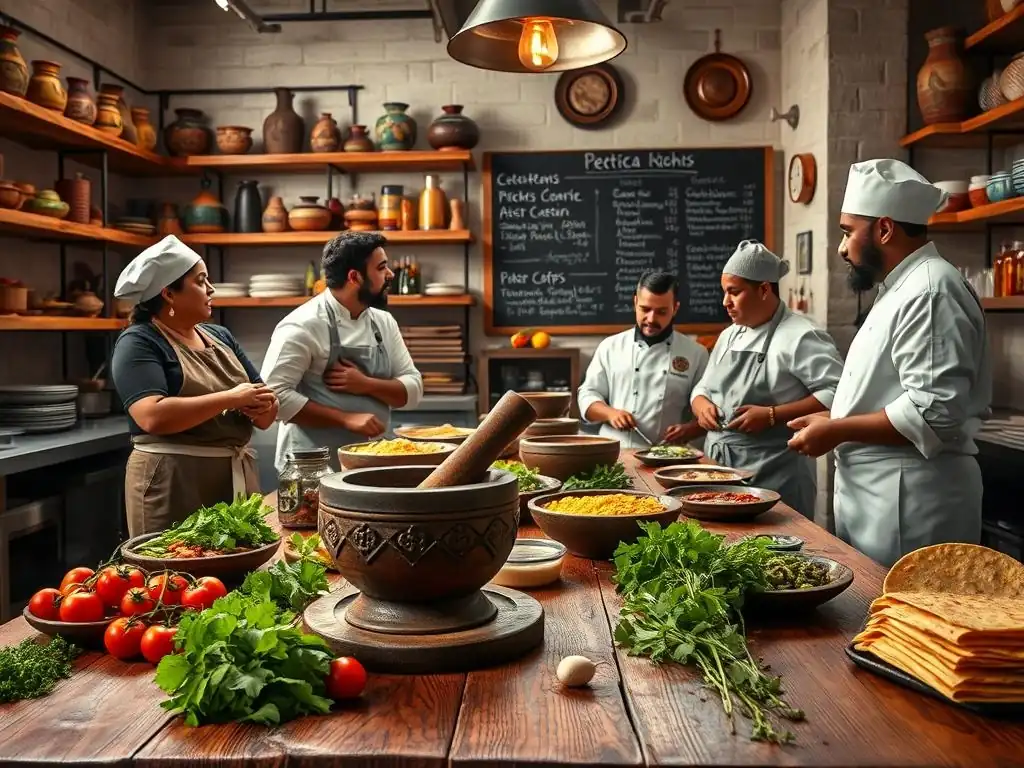
The revival of Aztec recipes in modern culinary practices not only reflects a growing appreciation for indigenous cultures but also serves as a bridge connecting contemporary society with historical traditions. These recipes, rich in flavor and cultural significance, encapsulate the ingenuity of the Aztec civilization and their deep connection to the land.
The Aztec diet was diverse, incorporating ingredients like maize, beans, squash, and an array of herbs and spices. This ancient agricultural knowledge has influenced modern sustainable practices, as chefs today emphasize local sourcing and seasonal ingredients that mirror those used by the Aztecs. By integrating Aztec recipes into contemporary menus, chefs are helping to preserve these traditions while also educating diners about the historical context and significance of the dishes.
Moreover, the resurgence of Aztec recipes plays a crucial role in cultural identity and pride among indigenous communities. As chefs reinterpret these traditional dishes, they are not only keeping the culinary heritage alive but also fostering a sense of belonging and respect for ancestral knowledge. This transformation highlights the resilience and adaptability of indigenous cultures in the face of modern challenges, ensuring that their voices and stories continue to be shared.
How Modern Chefs Honor Indigenous Traditions
Modern chefs are embracing Aztec recipes by incorporating authentic ingredients and techniques while also adding contemporary twists to appeal to today's palates. This culinary revival is characterized by a commitment to honoring the original flavors and cultural significance of the dishes.
- Ingredient Sourcing: Many chefs prioritize sourcing indigenous ingredients such as heirloom corn varieties, amaranth, and nopales. This not only supports local farmers but also promotes biodiversity, echoing the agricultural practices of the Aztecs.
- Culinary Techniques: Traditional cooking methods, such as nixtamalization (the process of soaking and cooking corn in an alkaline solution), are being revived. This technique enhances the nutritional value and flavor of the corn, making it a fundamental part of modern dishes inspired by the Aztecs.
- Culinary Storytelling: Chefs are increasingly sharing the stories behind the recipes, educating diners about their cultural significance. This storytelling aspect creates a deeper connection between the food and its historical roots, fostering respect and appreciation for indigenous cultures.
- Fusion Dishes: Innovative chefs are blending Aztec recipes with other culinary traditions, creating fusion dishes that maintain the essence of the original recipes while appealing to a broader audience. For example, using traditional mole sauces in contemporary dishes or incorporating Aztec spices into modern appetizers.
Through these efforts, chefs are not only preserving the culinary heritage of the Aztecs but also creating a dialogue about the importance of indigenous traditions in contemporary cuisine.
The Impact of Aztec Culinary Revival on Local Communities
The revival of Aztec recipes is having a profound impact on local communities, fostering economic growth, cultural education, and social cohesion. The following aspects highlight the significance of this culinary renaissance:
- Economic Growth: By promoting traditional ingredients and dishes, local farmers and producers benefit from increased demand. This creates job opportunities and boosts local economies, particularly in regions where these indigenous ingredients are cultivated.
- Cultural Education: Restaurants and culinary schools focusing on Aztec recipes often host workshops and events that educate the community about indigenous foodways. This outreach fosters a deeper understanding of the cultural significance of these recipes, encouraging respect for indigenous heritage.
- Social Cohesion: The revival of Aztec culinary traditions serves as a unifying force within communities. Shared meals and culinary events celebrating these traditions bring people together, fostering a sense of belonging and collective identity.
- Sustainability: By emphasizing traditional agricultural practices and local sourcing, the culinary revival promotes sustainable eating habits. This not only benefits the environment but also encourages a more mindful approach to food consumption that reflects the values of the Aztec civilization.
The modern culinary revival of Aztec recipes is not merely a trend; it is a meaningful movement that honors ancient traditions while contributing to the social, economic, and cultural fabric of local communities. Through this revival, chefs are playing a vital role in ensuring that the rich legacy of the Aztec civilization continues to thrive in the 21st century.
Challenges in Reviving Aztec Recipes
Sourcing Authentic Ingredients in a Modern World
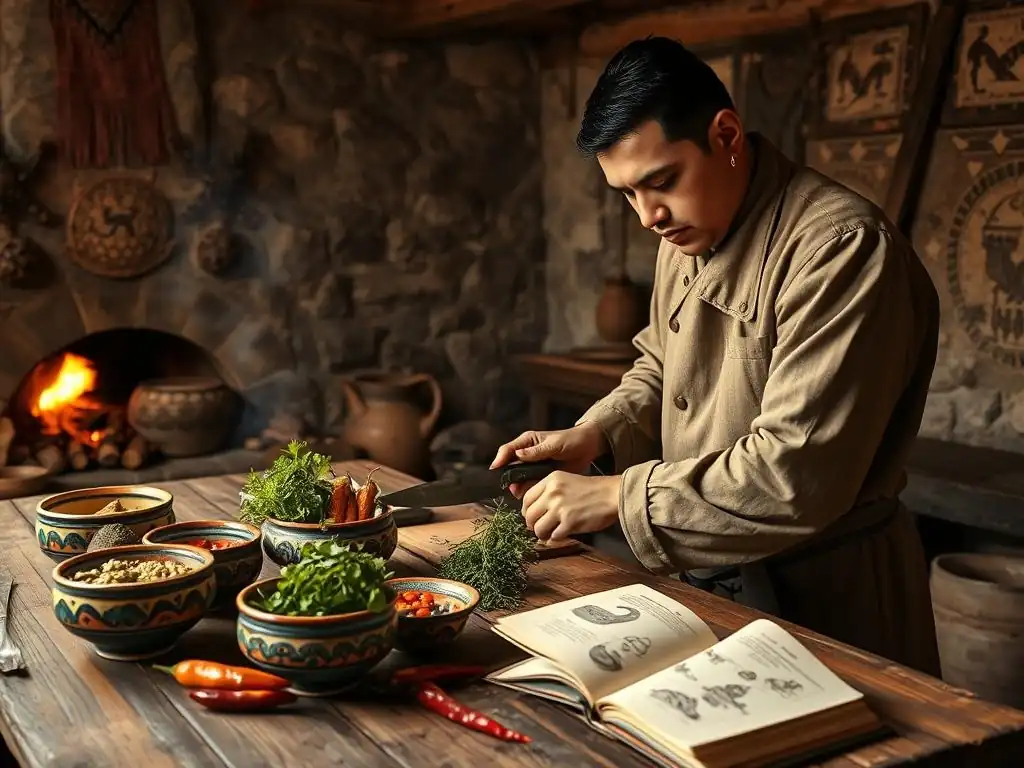
Reviving Aztec recipes in contemporary kitchens poses significant challenges, particularly in sourcing authentic ingredients. The Aztec civilization, which flourished in central Mexico from the 14th to the 16th centuries, relied heavily on a variety of native plants and animals that are not commonly available today. Here are some key points to consider:
- Herbs and Spices: Aztec cuisine utilized unique herbs such as epazote and purslane, which can be difficult to find in standard grocery stores. Chefs aiming to recreate authentic flavors must often seek specialty markets or cultivate these plants themselves.
- Chilies: The use of specific chilies, like guajillo and pasilla, is essential for achieving the depth of flavor characteristic of Aztec dishes. While some varieties are available, finding the freshest and most authentic sources can be a challenge.
- Native Grains and Legumes: Ingredients such as amaranth and various beans were staples in the Aztec diet. Today, these may be sourced from local farmers or specialty suppliers, but availability can vary, and chefs may need to adapt recipes based on what is accessible.
- Sustainable Sourcing: Many modern chefs are committed to sustainability, seeking locally sourced or organic ingredients. This is commendable but may lead to compromises in authenticity, particularly if substitutes are used that do not reflect the original flavors or textures.
By overcoming these sourcing challenges, chefs can create dishes that not only honor Aztec culinary traditions but also connect diners to the rich history of this ancient civilization.
Balancing Tradition and Innovation in Cooking
The revival of Aztec recipes in modern culinary contexts demands a delicate balance between preserving traditional methods and embracing innovation. Here are the primary considerations for chefs navigating this landscape:
- Techniques: Traditional Aztec cooking methods, such as using a comal (a flat griddle) for tortillas or mole sauces, are fundamental to the authenticity of the dishes. However, many chefs adapt these techniques to suit contemporary kitchen environments, which may involve using modern equipment while striving to maintain the essence of the original preparations.
- Presentation: Modern culinary trends often emphasize visual appeal. Chefs may reinterpret traditional Aztec dishes with artistic plating or fusion elements, creating a dining experience that resonates with today's aesthetics while still honoring the original flavors.
- Ingredient Substitutions: While sourcing authentic ingredients is ideal, chefs may sometimes need to substitute due to availability or dietary restrictions. For instance, using quinoa instead of amaranth can make a dish more accessible while still retaining a connection to the original recipe.
- Cultural Context: Educating diners about the significance of the dishes being served is crucial. Chefs can enhance the dining experience by sharing stories of the Aztec civilization, the importance of particular ingredients, and the historical context of the recipes. This approach fosters an appreciation for the cultural heritage that lies behind the culinary creations.
Navigating this balance of tradition and innovation allows chefs to breathe new life into Aztec recipes, ensuring they remain relevant and appealing to modern palates while celebrating their rich historical roots.
Conclusion: The Future of Aztec Recipes in Culinary Arts
As the culinary world continues to evolve, the revival of Aztec recipes represents a significant opportunity to explore and appreciate the rich tapestry of indigenous cultures. The modern culinary revival of these ancient dishes is not merely about recreating historical meals; it is a celebration of heritage, innovation, and sustainability. Chefs and home cooks alike are discovering that Aztec ingredients, flavors, and techniques can offer unique contributions to contemporary cuisine while fostering a deeper understanding of the cultural significance behind them.
The future of Aztec recipes in culinary arts lies in their adaptability and relevance in today's food landscape. With growing interest in local and sustainable sourcing, many chefs are turning to ancient grains like amaranth and quinoa, as well as traditional staples such as corn and chiles. These not only enhance the flavors of modern dishes but also connect us to the agricultural practices that sustained Aztec civilization.
Encouraging Culinary Exploration and Appreciation
The resurgence of Aztec cuisine is also about encouraging culinary exploration and appreciation among food enthusiasts. By incorporating Aztec recipes into modern menus, chefs are creating an engaging experience for diners, inviting them to learn about the history and cultural significance of the ingredients and dishes they are enjoying.
- Culinary Workshops: Many culinary schools and community programs are now offering workshops focused on indigenous cuisines. These classes teach participants how to prepare traditional Aztec recipes, fostering a greater appreciation for the techniques and ingredients used.
- Cultural Events: Food festivals often feature Aztec-inspired dishes, allowing chefs to showcase their innovative takes while educating the public about the history and significance of these culinary traditions.
- Cookbooks and Online Resources: The publication of cookbooks dedicated to Aztec cuisine, alongside blogs and social media channels, is making these recipes more accessible. Home cooks can experiment with these dishes, bringing a piece of Aztec culture into their kitchens.
Embracing the Legacy of Aztec Cuisine in Modern Kitchens
Embracing the legacy of Aztec cuisine in modern kitchens requires a commitment to authenticity, creativity, and sustainability. By using traditional ingredients, chefs can craft dishes that honor the past while appealing to current taste preferences.
- Sustainable Practices: Many chefs are now focusing on sustainability by sourcing ingredients from local farmers who grow indigenous crops. This practice not only supports local economies but also preserves traditional farming methods.
- Fusion Dishes: The blending of Aztec recipes with other culinary traditions opens up new avenues for creativity. For example, incorporating mole into modern pasta dishes or using nixtamalized corn for gourmet tacos can create exciting new flavors while respecting the origins of the ingredients.
- Cultural Sensitivity: It is crucial to approach the revival of Aztec recipes with cultural sensitivity. Understanding the context and significance behind these dishes ensures that they are represented with respect and authenticity.
The modern culinary revival of Aztec recipes is paving the way for a greater appreciation of indigenous cultures and their contributions to the culinary arts. Through exploration, innovation, and respect for tradition, chefs and home cooks alike can celebrate the legacy of Aztec cuisine, ensuring that it remains a vibrant part of our culinary landscape for generations to come.
Resources for Home Cooks
Recommended Cookbooks Featuring Aztec Recipes
For those looking to explore and recreate the rich culinary heritage of the Aztecs, several cookbooks stand out for their authentic recipes and insightful context. These resources not only provide detailed instructions but also delve into the history and significance of Aztec ingredients and cooking methods.
"Mexico: The Cookbook" by Margarita Carrillo Arronte: A Deep Dive into Aztec Culinary Practices
One of the most comprehensive resources available, "Mexico: The Cookbook" by Margarita Carrillo Arronte, offers an extensive collection of over 300 recipes, including traditional Aztec dishes. Carrillo Arronte, a celebrated chef and culinary ambassador, meticulously presents classic recipes that have been passed down through generations, illuminating the techniques and ingredients that define Aztec cuisine.
Key features of this cookbook include:
- Rich Historical Context: Each recipe is accompanied by anecdotes and historical insights, helping readers appreciate the cultural significance behind the dishes.
- Ingredient Exploration: The book emphasizes traditional Aztec ingredients such as amaranth, chiles, cacao, and nixtamalized corn, offering guidance on sourcing and using these elements in modern cooking.
- Step-by-Step Instructions: Detailed instructions make it accessible for home cooks of all skill levels, ensuring that the essence of Aztec flavors is captured in each dish.
This cookbook serves not only as a practical guide but also as an educational resource that deepens the understanding of the culinary traditions that have shaped modern Mexican cuisine.
Online Courses and Workshops on Aztec Cooking
For those eager to enhance their cooking skills with a focus on Aztec culinary traditions, various online courses and workshops are available. These platforms allow participants to learn from experienced chefs and gain hands-on experience in preparing traditional dishes.
"Mexican Cooking with Rick Bayless" for Aspiring Chefs
Renowned chef Rick Bayless offers a series of online workshops that celebrate the depth of Mexican cuisine, including a focus on Aztec recipes. His approach combines authentic cooking techniques with contemporary culinary practices, making it an ideal learning experience for both novice and experienced cooks.
Key aspects of Bayless's course include:
- Interactive Cooking Classes: Participants can join live sessions where they can ask questions and receive real-time feedback while cooking Aztec-inspired dishes.
- Comprehensive Curriculum: The course covers a range of topics from salsa preparation to mole sauces, delving into the complexities of flavor profiles and ingredient combinations that are hallmarks of Aztec cooking.
- Cultural Insights: Beyond recipes, Bayless emphasizes the importance of understanding the cultural context of the dishes, connecting students to the rich heritage behind each meal.
By participating in these workshops, aspiring chefs can not only learn how to recreate traditional Aztec recipes but also appreciate the culinary legacy that continues to influence modern Mexican cuisine today.
Frequently Asked Questions
What is the main focus of the article "Transforming Tradition: How Chefs are Bringing Aztec Recipes into the 21st Century"?
The article explores how modern chefs are incorporating traditional Aztec recipes into contemporary cuisine, highlighting the cultural significance and culinary techniques of ancient dishes.
How are chefs adapting Aztec recipes for modern tastes?
Chefs are reviving Aztec recipes by utilizing local ingredients and modern cooking methods, while ensuring that the authentic flavors and cultural heritage remain intact.
What impact do these culinary revivals have on indigenous culture?
These revivals promote awareness and appreciation of indigenous cultures, helping to preserve culinary traditions and fostering a connection between past and present.
Are there any specific Aztec recipes highlighted in the article?
Yes, the article mentions several traditional dishes, such as tamales and salsas, showcasing how they can be reinterpreted using seasonal ingredients and innovative techniques.
Why is it important to understand the history behind Aztec recipes?
Understanding the history of Aztec recipes provides insights into the cultural practices and values of indigenous societies, emphasizing their contributions to modern cuisine and the importance of cultural preservation.
Final Reflection: Embracing Heritage in a Modern Culinary Revival
The revival of Aztec recipes in contemporary cuisine is not just a trend; it is a powerful movement that reconnects us with our roots and enriches our culinary landscape. As chefs breathe new life into ancient dishes, they remind us that food is more than sustenance; it is a vessel of culture, history, and identity. In a world increasingly driven by globalization, the resurgence of these traditional recipes serves as a beacon of authenticity and innovation, showcasing how the past can inform the future of gastronomy.
The impact of this culinary renaissance extends beyond the kitchen, influencing our social fabric and cultural appreciation. As chefs experiment with Aztec ingredients and techniques, they foster a deeper understanding of indigenous cultures and their contributions to modern cuisine. This dialogue between past and present encourages us to celebrate diversity in our food systems. Food is our common ground, a universal experience.
– James Beard. This quote encapsulates the essence of our shared culinary journey, reminding us that embracing heritage can unite us in our differences.
As we reflect on the significance of Aztec recipes and their modern revival, I invite you to explore your own culinary heritage and consider how it shapes your identity. Take the time to experiment with traditional recipes, share them with loved ones, and appreciate the stories they carry. By doing so, you not only honor the past but also contribute to a vibrant future where culture and cuisine intertwine, creating a rich tapestry of flavors and experiences that celebrate our shared humanity.
Embrace the Culinary Revolution!
Thank you for taking the time to explore how chefs are breathing new life into Aztec recipes. You’ve uncovered the exciting intersection of ancient traditions and modern gastronomy! Now, it's time to not just read about it but to engage and contribute to this delicious movement.
Here are a few ways you can get involved:
- Try your hand at an Aztec recipe: Embark on a culinary adventure by cooking a traditional dish. Share your creation on social media and tag us!
- Join a local cooking class: Seek out workshops or classes that focus on Indigenous cuisines to deepen your understanding and appreciation of these rich flavors.
- Start a conversation: Discuss the importance of preserving Indigenous culinary practices with your friends and family. Share insights and encourage them to explore the spirit of Aztec cooking.
Which new recipe are you excited to try first, and what do you think it can teach you about Indigenous culture? Let's start a discussion in the comments!