
The Ayllu System: How Inca Social Structure Influenced Urban Design

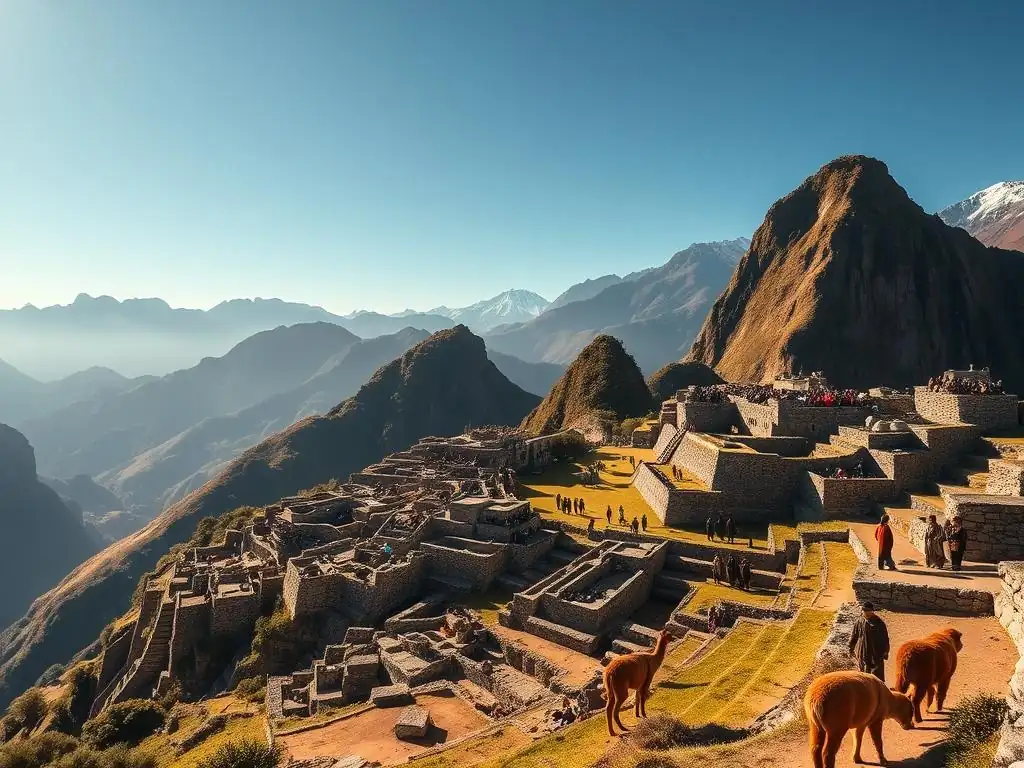
Welcome to Indigenous Civilizations of the Americas, where we embark on a captivating journey through the rich tapestry of indigenous cultures that flourished long before European contact. Here, you will uncover the profound achievements and intricate societies that shaped the Americas. Dive into our featured article, “The Ayllu System: How Inca Social Structure Influenced Urban Design,” and unravel the layers of the Inca social structure impact that not only defined their civilization but also left a lasting legacy on urban landscapes.
Join us as we explore the fascinating connections between community, environment, and design that continue to resonate today. Your adventure into the heart of the Inca civilization starts now!
Introduction to the Ayllu System
The Ayllu system was a fundamental aspect of Inca society that shaped not only social interactions but also the architectural and urban planning of their civilization. This communal structure was pivotal in organizing communities, allocating resources, and sustaining social cohesion. The impact of the Inca social structure extends deeply into urban design, reflecting the values and priorities of the society. By understanding the Ayllu system, we can gain insights into how the Incas built their cities, managed their populations, and created enduring legacies that resonate even today.
Definition of the Ayllu in Inca Society
The Ayllu, at its core, was a kinship group that formed the backbone of Inca social organization. Each Ayllu consisted of a group of families who shared land, resources, and labor. This system allowed for cooperation in agricultural activities, ensuring that all members of the community had access to food and essential resources. The Ayllu was not only a social unit but also a political one, as it played a crucial role in the administration of Inca territories.
Key characteristics of the Ayllu include:
- Collective Responsibility: Members worked together to support each other, sharing the workload and benefits of their agricultural practices.
- Resource Allocation: Land and resources were communally owned, with decisions made collectively to ensure sustainability and fairness.
- Cultural Identity: The Ayllu fostered a strong sense of belonging and cultural identity among its members, reinforcing community bonds.
Importance of Social Structure in Urban Planning
The social structure inherent in the Ayllu system significantly influenced the urban layout and architectural practices of the Incas. Urban planning was not merely about constructing buildings; it was about creating spaces that reflected social hierarchies and community needs.
Some points to consider include:
- Zoning by Function: Inca cities were often organized with distinct areas for residential, agricultural, and administrative functions, mirroring the roles within the Ayllu.
- Public Spaces: The design of plazas and communal areas encouraged social interaction, essential for maintaining the unity of the Ayllu.
- Infrastructure: The construction of roads and irrigation systems was often a collective effort, showcasing the importance of communal labor in urban development.
Understanding the Ayllu system requires a broader look at the Inca social structure, which was complex and hierarchical, influencing various aspects of their civilization, from governance to urban design.
Hierarchical Framework of Inca Society
At the top of the Inca social hierarchy was the Sapa Inca, the emperor who wielded absolute power. Below him were various social classes, including:
- Nobility: High-ranking officials and priests who held significant influence and wealth.
- Commoners: The majority of the population, including farmers, artisans, and laborers.
- Slaves: Individuals who were often captured in warfare or could not pay their debts.
This hierarchical framework dictated not only individual roles within the Ayllu but also their status in urban planning and access to resources.
Roles and Responsibilities within the Ayllu
Each member of the Ayllu had specific roles and responsibilities, which were critical to the functioning of the community. These included:
- Agricultural Production: Families worked together to cultivate crops, ensuring food security for the Ayllu.
- Craftsmanship: Artisans within the Ayllu produced tools and goods for local use and trade.
- Leadership Roles: Elders or appointed leaders were responsible for decision-making and conflict resolution within the Ayllu.
This distribution of roles ensured that all members contributed to and benefited from communal efforts, further reinforcing the social structure.
The Relationship between Ayllu and the State
The Ayllu system was not isolated from the broader Inca state; rather, it functioned within a larger framework of governance and control. The relationship between the Ayllu and the state involved:
- Taxation: Ayllus were responsible for providing taxes, often in the form of labor or goods, to the state.
- Military Service: Members of the Ayllu could be called upon to serve in the Inca army, showcasing their loyalty to the Sapa Inca.
- Resource Management: The state relied on the Ayllu for efficient resource management, ensuring that agricultural production met the needs of the empire.
This interconnectedness highlights how the Ayllu system was integral to the Inca social structure, influencing not only daily life but also the architectural and urban development of the Inca civilization.
The Inca social structure had a profound impact on the urban design of their civilization, fundamentally shaping the way cities were organized and developed. At the core of this structure was the ayllu system, which dictated not only political relationships but also the distribution of resources, labor, and land. This communal organization resulted in urban areas that reflected a collective ethos, emphasizing cooperation and shared responsibilities among inhabitants. The integration of the ayllu into urban planning allowed for a harmonious balance between social needs and architectural functionality, ensuring that urban spaces served both practical and cultural purposes.
Urban centers were often designed with the intention of facilitating access to communal spaces, agricultural fields, and resources. The layout of cities like Cusco and Machu Picchu illustrates how the Inca prioritized social cohesion and collective identity through architecture. This focus on community-oriented design also promoted efficient irrigation and agricultural practices, which were vital to sustaining the population. The interdependence of social structure and urban design exemplifies the Inca's ability to create cities that were not only aesthetically impressive but also strategically beneficial for their society.
Integration of Social Classes in Urban Landscapes
Inca urban design ingeniously integrated various social classes within its landscapes, reflecting the hierarchical nature of their society. At the pinnacle of this hierarchy were the nobility and ruling elite, often residing in grand structures made from carefully fitted stone that demonstrated both their status and the advanced engineering skills of the Incas. These monumental buildings were strategically located in central areas of the city, reinforcing the visibility and authority of the ruling class.
Conversely, the common people lived in simpler dwellings, typically constructed from adobe or thatch. These homes were often clustered together in neighborhoods that promoted community interaction and mutual support. The urban layout facilitated the coexistence of diverse social classes while still maintaining a clear delineation between them. Public spaces, such as plazas and temples, were designed to be accessible to all, fostering a sense of unity among the populace despite the existing social stratification.
Influence of Ayllu on Community Layout and Infrastructure
The ayllu system significantly influenced the layout and infrastructure of Inca communities, emphasizing the importance of communal living and shared resources. Each ayllu was responsible for its own agricultural production and resource management, which directly influenced how neighborhoods and public spaces were organized. Streets and pathways were designed to connect the various ayllus, ensuring efficient movement of goods and people, as well as promoting social interaction.
Infrastructure such as terraces, irrigation canals, and storage facilities were often constructed with the collaboration of multiple ayllus, showcasing the communal effort that defined Inca society. This approach not only maximized agricultural productivity but also reinforced the bonds between community members. The integration of ayllu ideals into urban planning exemplified the Inca's commitment to a collective lifestyle, where every individual played a role in the well-being of the community.
Case Studies of Inca Urban Centers
Cusco: The Capital and Its Social Organization
Cusco, the capital of the Inca Empire, serves as a prime example of how social organization shaped urban design. The city was meticulously planned to reflect the power and authority of the Inca rulers, with the Sacsayhuamán fortress overlooking the city as a symbol of strength. Cusco's layout featured a distinct shape resembling a puma, an animal sacred to the Incas, further emphasizing the cultural significance of the urban design.
The central plaza was surrounded by important temples and administrative buildings, highlighting the integration of religious and political life. Neighborhoods were organized according to the ayllu system, with each community contributing to the city's agricultural output. The careful planning of Cusco not only facilitated governance but also reinforced the social hierarchy, as prominent families occupied the most advantageous locations within the city.
Machu Picchu: A Reflection of Ayllu Ideals in Design
Machu Picchu is often hailed as an architectural marvel that embodies the principles of the ayllu system in its design and layout. Perched high in the Andes, this site was strategically chosen for its natural resources and agricultural potential. The urban design features terraced fields and sophisticated irrigation systems that demonstrate the Incas' understanding of their environment and their commitment to sustainable agriculture.
The layout of Machu Picchu reflects the collective nature of Inca society, with residential areas, religious sites, and agricultural zones interwoven seamlessly. The integration of communal spaces allowed for social interaction and cooperation among inhabitants. This harmonious blend of architecture and landscape not only served functional purposes but also symbolized the Inca belief in the interconnectedness of their community.
Ollantaytambo: Urban Planning and Ayllu Dynamics
Ollantaytambo stands out as a remarkable example of Inca urban planning, where the ayllu dynamics played a crucial role in shaping the town's design. This site was strategically designed to serve as both a military outpost and an agricultural hub, reflecting the dual needs of the Inca Empire. The layout of Ollantaytambo includes well-planned streets and terraces that maximize arable land while providing for communal living.
The town's architecture demonstrates the integration of social classes, with the elite residing near the central plaza, while commoners lived in adjacent areas. This organization fostered a sense of community and cooperation among different social groups. The careful planning of Ollantaytambo illustrates how the ayllu system influenced not only the physical structure of urban centers but also the social dynamics that defined Inca civilization.
Comparison with Other Indigenous Urban Systems
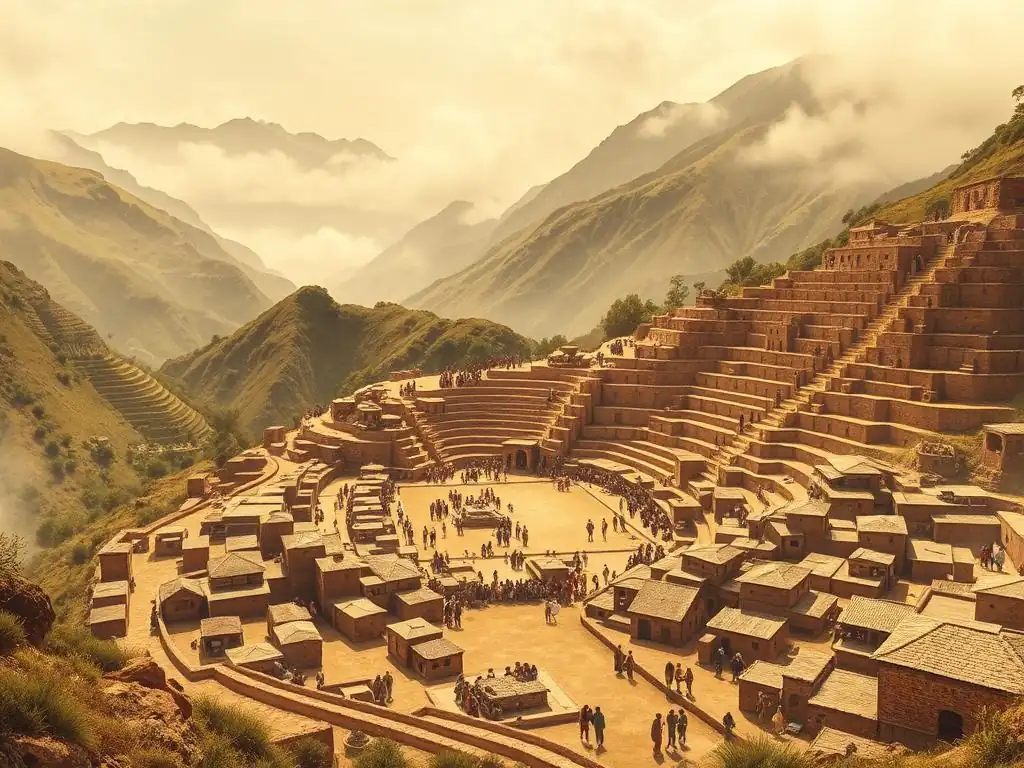
The Inca civilization, like many indigenous cultures across the Americas, had a unique approach to urban design that was deeply rooted in their social structure. The ayllu system, which was the foundational social unit of the Inca society, organized communities in a way that significantly influenced their urban planning. To fully appreciate the impact of the Inca social structure on urban design, it is essential to compare it with other indigenous urban systems, particularly those found in Mesoamerica and within different models of social organization.
Inca vs. Mesoamerican Urban Structures
When examining the urban structures of the Inca civilization in contrast to those of Mesoamerican cultures, notable differences and similarities emerge. Mesoamerican societies, such as the Maya and the Aztecs, developed highly complex urban centers characterized by monumental architecture, intricate ceremonial spaces, and a focus on cosmological symbolism. For instance, the city of Tenochtitlan (modern-day Mexico City) was built on a series of islands and relied heavily on canals and causeways for transportation, reflecting a sophisticated understanding of water management and urban planning.
In contrast, Inca cities like Cusco were designed with a more cohesive integration of their surrounding landscapes. The Incas prioritized agricultural terraces and irrigation systems that supported their population while maintaining a strong connection to their environment. Their urban spaces were organized around a central plaza, with structures built from precisely cut stone that showcased their engineering prowess. This design philosophy emphasizes community and agricultural sustainability over the monumentalism seen in Mesoamerican cities.
Ayllu System vs. Other Social Organization Models
The ayllu system represents a form of social organization that differs significantly from other indigenous models, such as clan-based systems seen in North American tribes or the caste systems of some Andean cultures. In the ayllu, kinship and cooperation played pivotal roles in the management of communal resources, land, and labor. This social structure was not just a means of governance but a framework for urban design, dictating how spaces were utilized and organized.
Other systems, like the hierarchical structures of the Aztec Empire, often resulted in urban layouts that reflected class divisions and power dynamics. In these societies, urban areas were designed to segregate different social classes, with the ruling elite residing in more opulent areas. In contrast, the Inca approach fostered inclusivity and collective responsibility, with urban designs that facilitated communal living and resource sharing, which were essential for their survival in the harsh Andean environment.
The principles established by the Inca social structure, particularly through the ayllu system, have left an indelible mark on contemporary urbanism. As modern cities grapple with issues of sustainability, community engagement, and resource management, lessons from the Inca civilization provide valuable insights into how urban design can be responsive to the needs of its inhabitants.
Continuing Influence of Ayllu Principles in Contemporary Design
Today, many urban planners and architects are revisiting the concepts inherent in the ayllu system to create more inclusive and sustainable urban environments. The emphasis on community participation and the cooperative management of resources resonates with modern movements advocating for communal living and shared spaces.
For example, urban gardens and community-owned spaces draw inspiration from the agricultural practices of the ayllu, where every member had a role in cultivating the land. This resurgence of interest in communal practices not only honors the legacy of the Inca but also addresses contemporary issues, such as food security and social cohesion.
Preservation of Inca Urban Strategies in Modern Architecture
Modern architecture has also seen a revival of Inca urban strategies, particularly in regions where indigenous populations continue to thrive. The use of locally sourced materials and sustainable building techniques mirrors the Inca’s approach to construction, which emphasized harmony with the environment.
Architects are increasingly incorporating elements such as terracing, natural ventilation, and solar orientation into their designs, reflecting the Inca’s deep understanding of their landscape. Moreover, the spatial organization seen in Inca cities—where public spaces encourage interaction and community engagement—is being replicated in urban design today, fostering a sense of belonging and collective responsibility among city dwellers.
The enduring legacy of Inca social structure, especially through the ayllu system, continues to influence contemporary urbanism, offering valuable lessons in sustainability, community engagement, and resource management that are increasingly relevant in our modern world.
Conclusion
The Ayllu system played a pivotal role in shaping the Inca social structure, which in turn had a profound impact on urban design throughout the Inca Empire. By fostering a community-based approach to governance and resource management, the Ayllu system ensured that social cohesion and collective responsibility were at the forefront of urban planning.
This emphasis on community not only influenced the physical layout of Inca cities but also established a framework that prioritized accessibility, sustainability, and shared resources. The interconnectedness of social organization and urban design is evident in the way Inca cities were structured, reflecting the values and needs of their inhabitants.
Summary of Inca Social Structure Impact on Urban Design
The Inca social structure is characterized by hierarchical organization, with the Ayllu serving as the fundamental unit of society. This structure influenced urban design in several key ways:
- Community-Centric Layout: Inca cities were designed to accommodate the needs of various Ayllus, promoting a sense of belonging and shared responsibility among community members. Residential areas were often grouped by kinship ties, facilitating social interaction.
- Resource Distribution: The Ayllu system ensured equitable distribution of resources such as land and water, which was reflected in urban planning. Irrigation systems and agricultural lands were strategically integrated into urban designs to support communal farming, essential for sustaining the population.
- Cultural Significance: The layout of urban areas often included spaces for communal gatherings, rituals, and festivals, highlighting the importance of cultural practices in the social fabric of Inca life. Temples and plazas were centrally located to serve as focal points for community engagement.
- Adaptation to Geography: The Inca utilized their extensive knowledge of the Andean landscape to develop urban designs that harmonized with the natural environment. This included terracing and strategic placement of buildings to mitigate the impact of altitude and weather.
Overall, the Inca social structure's emphasis on community and cooperation not only facilitated the efficient functioning of their society but also profoundly influenced the architectural and urban planning practices that characterized their civilization.
Reflection on the Importance of Understanding Indigenous Contributions to Urbanism
Understanding the contributions of indigenous civilizations, such as the Incas, to urbanism is crucial for several reasons:
- Cultural Heritage: Recognizing the sophisticated urban designs and social structures of indigenous peoples fosters appreciation for their cultural heritage. It highlights the ingenuity and adaptability of these societies in creating sustainable living environments.
- Lessons for Modern Urban Planning: As contemporary cities face challenges related to sustainability and community engagement, learning from the Ayllu system offers valuable insights. The emphasis on community-based planning and resource sharing can inform modern approaches to urban design.
- Correcting Historical Narratives: Acknowledging the achievements of indigenous civilizations helps to rectify historical narratives that often overlook or diminish their contributions. This recognition is essential for fostering a more inclusive understanding of history.
- Inspiring Future Generations: By showcasing the impact of indigenous social structures on urban design, we can inspire future generations to explore innovative and culturally respectful approaches to urban development, integrating lessons from the past into a more equitable future.
Studying the Inca social structure and its influence on urban design not only enriches our understanding of indigenous contributions but also serves as a foundation for addressing contemporary urban challenges.
- Introduction to the Ayllu System
- Overview of Inca Social Structure
- Impact of Inca Social Structure on Urban Design
- Case Studies of Inca Urban Centers
- Comparison with Other Indigenous Urban Systems
- The Legacy of Inca Social Structure in Modern Urbanism
- Conclusion
Frequently Asked Questions
What is the Ayllu system in Inca society?
The Ayllu system was a fundamental social structure that organized Inca communities into groups based on kinship and collective labor, significantly influencing their urban design and societal organization.
The Inca social structure, particularly the Ayllu system, facilitated the creation of organized urban spaces, allowing for efficient resource distribution and community engagement, which played a crucial role in their city planning.
What were the key achievements of the Inca civilization?
The Inca civilization is renowned for its advanced engineering, including the construction of road systems, terraced agriculture, and impressive architectural feats, all of which were deeply influenced by their social organization.
How did the Ayllu system contribute to Inca agriculture?
The Ayllu system promoted cooperative farming practices, enabling the efficient use of land and resources, which contributed to the Inca Empire's ability to support large populations through a stable food supply.
The Inca social structures, particularly the Ayllu system, continue to influence modern Indigenous communities in the Andes, fostering a sense of collective identity and community-based resource management practices.
The intricate web of the Inca social structure continues to resonate in our modern world, illustrating how deeply rooted cultural frameworks can shape urban design and community living. The Ayllu system, with its emphasis on collective responsibility and interconnectedness, serves as a powerful reminder of the importance of social cohesion in contemporary urban planning. As cities grapple with issues of isolation and disconnection, the lessons from the Inca civilization are more relevant than ever.
The influence of the Inca social structure extends beyond historical significance; it actively informs our current cultural and social landscapes. The principles of the Ayllu, which prioritize community collaboration and resource sharing, can be seen in modern initiatives aimed at fostering sustainable urban environments. As we navigate the complexities of urbanization, we must remember the words of historian John H. Rowe: The Inca state was a master of organization, and its legacy is a testament to the power of collective effort.
This perspective encourages us to reflect on how we can harness the strengths of community-oriented designs in our own cities.
As we look to the future, I invite you to consider how the lessons of the Inca social structure can inspire your own community engagement and urban development efforts. Reflect on the importance of collaboration and shared responsibility in your daily life, and think about how you can contribute to creating spaces that foster connection and inclusivity. By embracing the principles of the Ayllu, we can build a more harmonious and resilient society, ensuring that the legacy of the Inca civilization continues to thrive in our modern world.
Unveil the Legacy: Transform Your Understanding of Urban Design!
Thank you for exploring the rich world of the Ayllu system and its profound influence on Inca urban design! We hope you’ve uncovered valuable insights into how these ancient social structures shaped thriving communities. Now, it's time to apply your newfound knowledge and discover how it can inspire modern urban planning.
Here are a few impactful steps you can take right now:
- Engage in Local Urban Discussions: Join community forums or attend meetings focused on local urban development. Share what you've learned about the collaborative principles of the Ayllu system!
- Explore Indigenous-Inspired Design: Research contemporary urban projects that incorporate Indigenous principles and consider how these ideas can be integrated into your neighborhood.
- Share Your Knowledge: Discuss the Ayllu system with friends or on social media. You might also think about writing a blog post or article to inspire others!
Which aspects of traditional Indigenous social structures do you believe could be most beneficial to modern urban design? Your insights could spark a meaningful conversation!