
Mastery in Materials: How Ancient Cultures Created Durable Tools

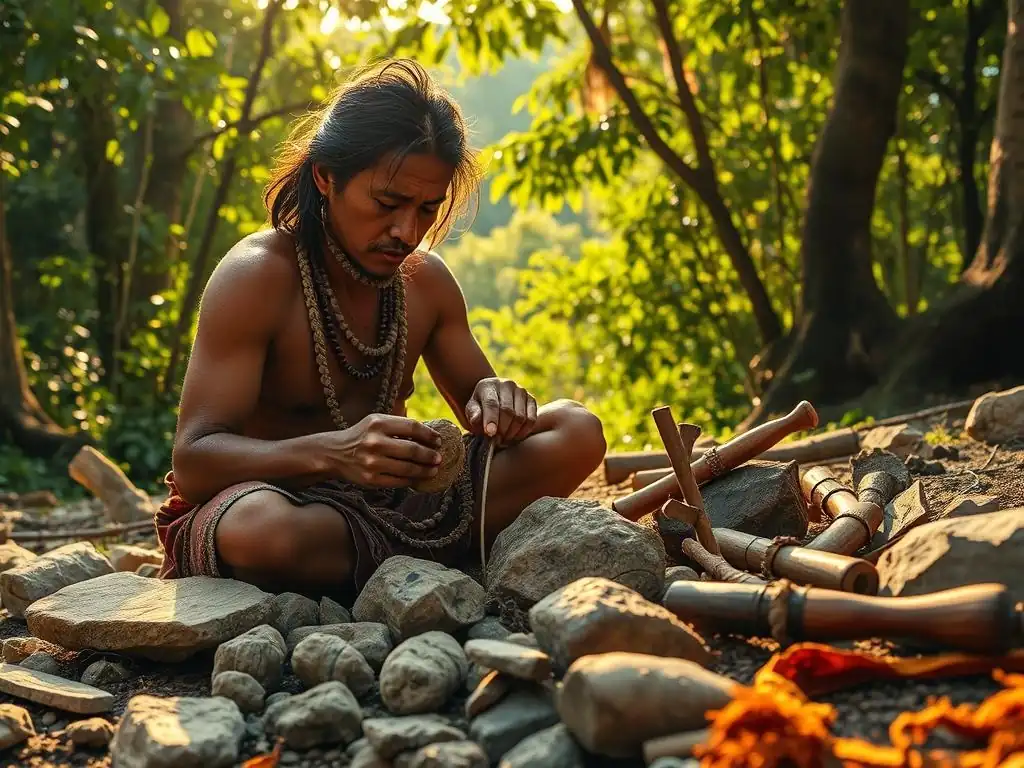
Welcome to Indigenous Civilizations of the Americas, where we unveil the remarkable tapestry of cultures that flourished long before European contact. Dive into our featured article, "Mastery in Materials: How Ancient Cultures Created Durable Tools," to discover the fascinating ancient indigenous toolmaking techniques that showcase the ingenuity and resourcefulness of these societies. Prepare to be captivated by their innovative spirit, as we explore how these techniques not only reflect their environment but also laid the groundwork for future generations. Join us on this journey through time, and uncover the profound legacy of indigenous achievements that continue to resonate today.
Introduction to Ancient Indigenous Toolmaking Techniques
The remarkable ingenuity of ancient indigenous cultures in the Americas is vividly reflected in their mastery of toolmaking techniques. Long before European colonization, these societies developed a profound understanding of their environment, enabling them to create tools that were not only functional but also durable. This article delves into the diverse ancient indigenous toolmaking techniques that flourished across various regions and highlights the significance of these tools in enhancing daily life, survival, and cultural practices. By exploring the materials, methods, and innovations employed by these civilizations, we gain insight into their achievements and the lasting impact of their craftsmanship.
Overview of Toolmaking in Indigenous Cultures
Throughout the Americas, indigenous peoples demonstrated exceptional skill in crafting tools tailored to their specific needs. From flint knapping to woodworking, the techniques varied widely among different cultures, yet they shared a common goal: to create efficient and lasting implements.
- Materials Used: Indigenous toolmakers utilized a variety of materials, including:
- Stone: Such as flint, obsidian, and granite for sharp blades and projectile points.
- Bone and Antler: Repurposed from hunted animals for tools like scrapers and needles.
- Wood: Crafted into tools for farming, fishing, and construction.
- Techniques: The techniques varied by region and available resources, including:
- Knapping: A process of shaping stones by striking them with other stones to create sharp edges.
- Carving and Shaping: Wood and bone were meticulously shaped using both manual and simple mechanical methods.
Importance of Durable Tools in Ancient Societies
Durable tools played a pivotal role in the survival and advancement of ancient indigenous societies. The longevity and reliability of these tools allowed for:
- Efficient Resource Utilization: Strong tools enabled communities to hunt, gather, and process food more effectively, reducing waste and increasing food security.
- Cultural Expression: Many tools were not only utilitarian but also served as expressions of artistic craftsmanship and cultural identity, often adorned with intricate designs or symbols.
- Trade and Economy: The production of durable tools facilitated trade among different groups, creating networks that enriched cultural exchange and economic stability.
Historical Context of Tool Manufacturing
Understanding the historical context of tool manufacturing reveals the evolution of techniques and the innovations that emerged over time.
Timeline of Toolmaking Techniques in Ancient Civilizations
- Paleo-Indian Period (15,000 - 10,000 BCE): The earliest known tools were primarily made of stone, utilized for hunting large game.
- Archaic Period (10,000 - 3,000 BCE): Introduction of new materials and techniques, including ground stone tools and the advent of fishing implements.
- Formative Period (3,000 BCE - 1,000 CE): Increased specialization in tool production, including pottery tools and farming implements, reflecting the shift towards settled agricultural societies.
- Post-Contact Period (after 1492): While traditional techniques persisted, the introduction of European materials and methods began to alter indigenous toolmaking practices.
Key Indigenous Cultures Known for Toolmaking
Various indigenous cultures across the Americas were renowned for their toolmaking expertise. Here are a few significant examples:
- The Ancestral Puebloans: Known for their advanced stone tools and pottery, they utilized sophisticated techniques to create tools suited for agriculture and construction.
- The Mississippian Culture: Recognized for their agricultural tools, including hoes and digging sticks, which supported complex societies and trade networks.
- The Inuit: Mastered the use of bone and ivory to create tools for hunting and fishing in harsh Arctic environments.
Through these techniques and cultural practices, ancient indigenous peoples not only survived but thrived, crafting tools that would support their societies for generations. The legacy of their innovations continues to influence modern toolmaking and cultural appreciation today.
Materials Used in Ancient Toolmaking
Ancient indigenous peoples of the Americas demonstrated remarkable ingenuity in their choice of materials for toolmaking. The tools they created were often durable and efficient, reflecting a deep understanding of their environment. The selection of materials was influenced by availability, regional resources, and the specific needs of the community. Predominantly, these materials included stone, bone, wood, and various metals, each chosen for its unique properties.
Stone was perhaps the most widely utilized material, especially in the form of flint, chert, and obsidian. These stones could be knapped to create sharp edges and points, making them ideal for cutting tools and weapons. The durability and sharpness of stone tools allowed indigenous cultures to hunt, gather, and process food more effectively.
Bone served as another essential resource, particularly in regions where stone was scarce. Indigenous peoples crafted tools like needles, awls, and fishhooks from animal bones. The flexibility and strength of bone made it suitable for smaller tools that required precision.
Wood was also crucial in toolmaking, especially for the creation of handles, bows, and larger implements like axes. Indigenous cultures developed an array of woodworking techniques to shape and join materials, enhancing the functionality and ergonomics of their tools.
Finally, metals became increasingly significant in later indigenous cultures, particularly with the introduction of copper and bronze. These materials allowed for the production of more sophisticated tools and weapons, showcasing the evolving technologies of indigenous peoples.
Techniques in Tool Production
The production of tools in ancient indigenous cultures involved a variety of techniques that were refined over generations. These techniques not only demonstrated the skill and creativity of the artisans but also reflected a profound connection with the natural world.
Traditional Methods of Shaping and Crafting Tools
Traditional methods of shaping and crafting tools varied significantly across different cultures and regions. For instance, the technique of flint knapping was prevalent among many North American tribes, involving the careful striking of stone to create sharp edges. This process required a keen eye for detail and an intimate knowledge of the stone's characteristics to produce effective cutting tools.
In contrast, bone tools were often shaped through processes like scraping and polishing. Indigenous artisans would use harder materials to scrape away at the bone, gradually creating the desired shape and sharpness. Tools such as fish spears and needles were commonly fashioned this way, showcasing the versatility of bone in tool production.
Woodworking techniques included methods such as carving, burning, and steaming. Carving allowed for intricate designs and functional shapes, while burning and steaming made it possible to bend wood into desired forms. This adaptability was crucial for creating tools that were not only functional but also tailored to the specific tasks they were intended for.
The Role of Community Knowledge in Toolmaking Techniques
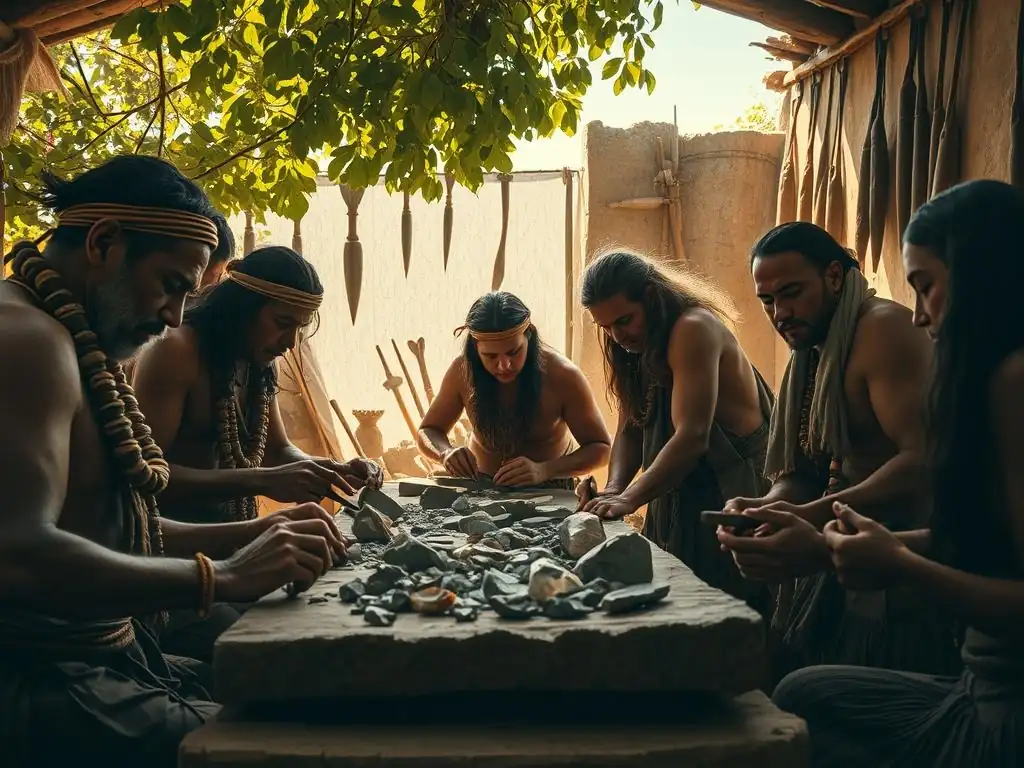
The mastery of toolmaking techniques was often a communal effort, rooted in shared knowledge and practices. Elders and skilled artisans played a pivotal role in transmitting traditional methods to younger generations, ensuring that techniques were preserved and adapted over time. This communal aspect fostered a sense of identity and unity among indigenous peoples, as toolmaking was not just a craft but also a cultural expression.
Workshops and communal gatherings often served as spaces for teaching and learning. Through observation and hands-on experience, community members learned the intricacies of material selection, design, and production. This collaborative approach allowed for innovation, as individuals contributed their unique insights and skills, leading to the evolution of toolmaking techniques.
Moreover, the cultural significance of tools in daily life further emphasized the importance of community knowledge. Tools were often imbued with spiritual meanings, reflecting the relationship between the people and their environment. Such beliefs influenced the design and use of tools, reinforcing the notion that toolmaking was an integral part of both cultural heritage and survival.
Ancient indigenous toolmaking techniques were characterized by a profound understanding of materials and a collaborative approach to knowledge-sharing. These practices not only facilitated daily living but also contributed to the rich tapestry of indigenous cultures across the Americas.
Cultural Significance of Tools in Ancient Societies
The tools created by ancient indigenous cultures were not merely functional objects; they held profound cultural significance that reflected the values, beliefs, and identities of their makers. These tools were integral to the daily lives of these societies, serving as extensions of their identity and as embodiments of their heritage. The craftsmanship involved in toolmaking was often passed down through generations, ensuring that traditional techniques remained alive and relevant.
Moreover, tools were often created with a sense of purpose that transcended their physical utility. They represented the technological prowess of a culture and indicated a deep understanding of available materials and their properties. This mastery over local resources was not only a testament to survival but also a source of pride for many communities, as the creation of durable tools allowed them to thrive in diverse environments.
Tools as Symbols of Identity and Heritage
In many indigenous cultures, specific tools were emblematic of their identity and heritage. For example, the use of particular materials or designs could signify a person's tribal affiliation or social status. The craftsmanship involved in creating tools often carried spiritual significance, with artisans infusing their work with cultural stories and ancestral knowledge.
These symbols of identity were not just about individual heritage; they also fostered community cohesion. The communal aspect of toolmaking and usage reinforced social bonds and shared histories. For instance, in some cultures, the creation of ceremonial tools would involve the participation of various community members, thereby enhancing collective identity and cultural continuity.
The Role of Tools in Daily Life and Survival
Tools were indispensable for the survival of ancient indigenous societies. They provided the means for hunting, gathering, and agricultural practices, directly impacting food security and resource management. The variety of tools used—ranging from simple stone blades to complex fishing nets—demonstrated a sophisticated understanding of the environment and the needs of the community.
In addition to their practical applications, tools facilitated trade and interaction among different cultures. The exchange of tools and materials often led to the sharing of techniques and knowledge, which enriched the cultural tapestry of the Americas. Furthermore, the efficiency brought about by effective tools allowed communities to engage in leisure activities and cultural expressions, thereby fostering creativity and innovation.
Tools in Rituals and Ceremonies
Many indigenous cultures incorporated tools into rituals and ceremonies, highlighting their spiritual and symbolic importance. For instance, tools used in agricultural rituals were often believed to embody the spirits of ancestors or deities, thus linking the physical and spiritual realms.
Ritualistic tools, such as those used in healing ceremonies or rites of passage, were crafted with great care and often featured unique designs that reflected the beliefs of the culture. These tools served not only practical purposes but also helped to reinforce cultural narratives and collective memory. By integrating tools into ceremonial practices, ancient societies were able to preserve their traditions and pass down values to future generations.
Case Studies of Indigenous Toolmaking Mastery
Examining specific case studies of ancient indigenous cultures provides insight into their exceptional toolmaking techniques and the adaptability of their methods to diverse environments. Each culture developed unique tools tailored to their specific needs and available resources, showcasing their ingenuity and understanding of material properties.
Examination of Specific Cultures and Their Techniques
- The Inca Civilization
- The Incas are well-known for their sophisticated stone tools and agricultural implements, such as the "chaquitaclla," a traditional foot plow used for cultivating crops in the Andes. Their mastery of stone masonry resulted in some of the most durable structures in history.
- The Ancestral Puebloans
- This culture, located in the Southwestern United States, utilized a variety of tools for both daily living and ceremonial purposes. They crafted intricate pottery and stone tools, including scrapers and drills, which facilitated hunting and gathering.
- The Inuit Peoples
- The Inuit developed specialized tools for survival in Arctic climates, such as the "ulu," a curved knife used for skinning animals. Their toolmaking techniques involved the use of bone, antler, and stone, showcasing their adaptation to harsh environments.
- The Mississippian Culture
- Known for their agricultural innovations, the Mississippians created tools such as hoes and digging sticks from wood and stone. Their ability to manipulate materials allowed for the development of complex societies centered around agriculture.
Through these case studies, it is evident that ancient indigenous toolmaking techniques were not only functional but also deeply intertwined with the cultural identities and social practices of these civilizations.
Lessons from Ancient Indigenous Toolmaking Techniques
The ancient indigenous toolmaking techniques reveal profound insights into the ingenuity and adaptability of various cultures across the Americas. These techniques were not merely practical solutions to daily challenges; they were deeply intertwined with the spiritual and cultural practices of the peoples who created them. By examining these methods, we can uncover valuable lessons that resonate with contemporary craftsmanship, sustainability, and cultural identity.
Indigenous peoples developed tools that showcased an intimate understanding of their environments. They utilized local materials—stone, wood, bone, and fiber—crafted into tools that were highly specialized for their specific tasks, whether for hunting, farming, or crafting. This meticulous craftsmanship ensured that tools were not only effective but also durable, capable of withstanding the test of time and usage.
Insights into Sustainability and Resourcefulness
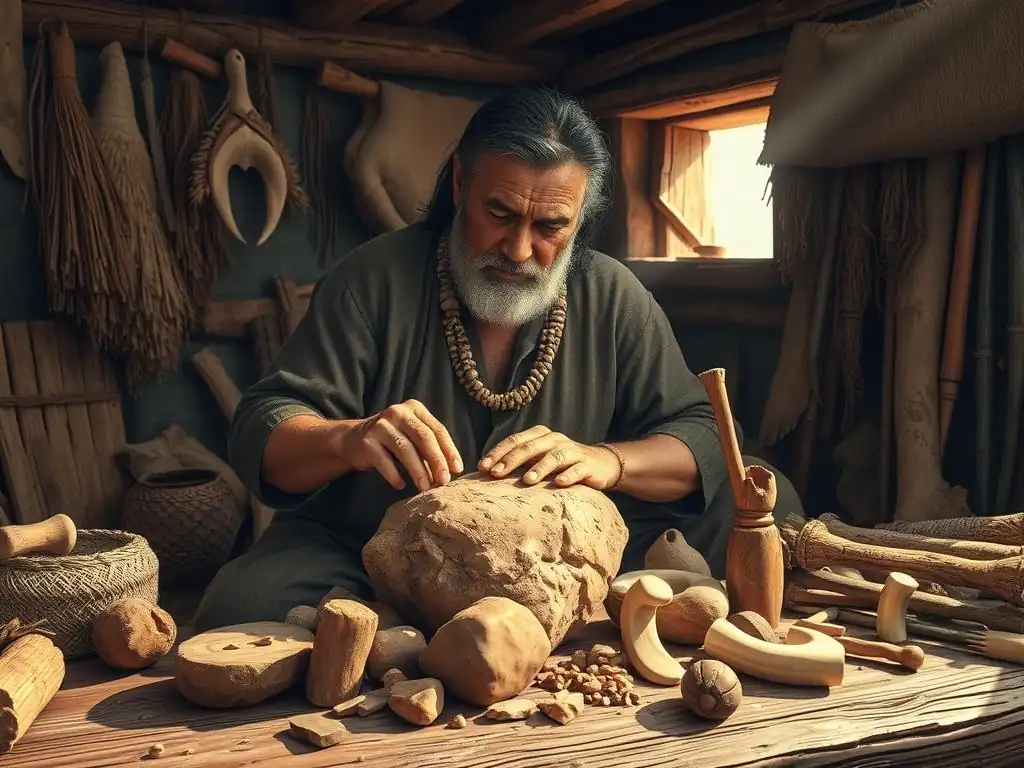
Ancient indigenous toolmakers exemplified sustainability in their practices. They operated within the confines of their ecosystems, using materials that were abundant and renewable. For instance, the Inuit crafted tools from bone and stone, ensuring that they left minimal impact on their environment. This resourcefulness is a testament to the deep respect and understanding these cultures had for nature.
Moreover, the concept of recycling and repurposing was integral to indigenous toolmaking. Once a tool became worn or obsolete, its materials were often reused to create new implements, thus minimizing waste. This practice of viewing resources as cyclical rather than linear is an essential principle that modern societies strive to emulate today as they grapple with the challenges of sustainability.
Relevance of Ancient Techniques in Modern Craftsmanship
The techniques employed by ancient indigenous craftsmen are not only of historical interest but also hold significant relevance for contemporary artisans. Many modern craftsmen are revisiting these methods, recognizing their effectiveness and the cultural narratives they embody. Techniques such as flintknapping, which involves chipping away at stone to create sharp edges, are being incorporated into modern toolmaking and art, emphasizing a return to traditional methods that prioritize skill and craftsmanship over mass production.
Additionally, as contemporary society increasingly values artisanal and handmade goods, the ancient indigenous techniques offer a template for creating tools and items that are both functional and deeply rooted in cultural heritage. This revival not only enriches the craft but also honors the legacy of indigenous ingenuity.
Conclusion: The Lasting Impact of Indigenous Toolmaking
The legacy of ancient indigenous toolmaking extends far beyond the artifacts themselves; it encapsulates a wealth of knowledge, craftsmanship, and sustainable practices that have shaped communities and cultures throughout history. The tools created by these civilizations serve as a testament to their resilience, creativity, and understanding of their environments.
Reflection on the Achievements of Ancient Cultures
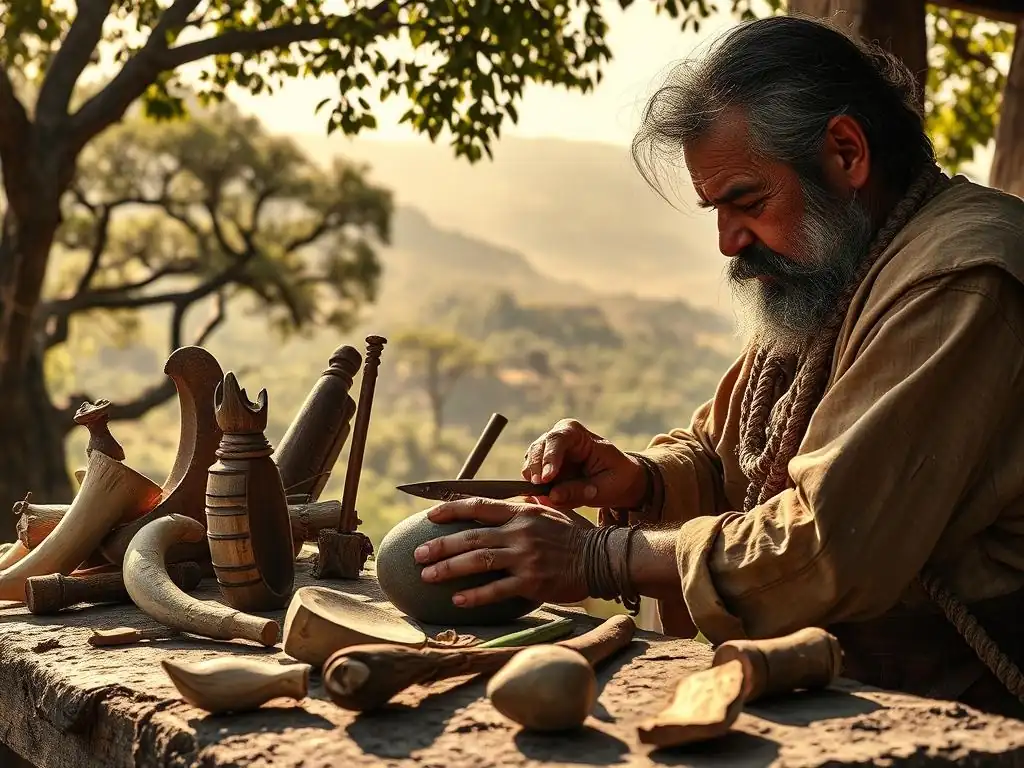
Reflecting on the achievements of ancient indigenous cultures reveals a profound legacy that continues to influence modern societies. The intricate designs, innovative techniques, and practical applications of tools created by these cultures highlight their advanced understanding of materials and engineering. These achievements not only facilitated daily life but also contributed to the cultural identities and social structures of the communities.
Recognizing these accomplishments encourages a deeper appreciation for the diverse indigenous cultures that once thrived across the Americas. It serves as a reminder of the rich history that informs contemporary practices and the importance of maintaining a connection to past knowledge.
The Importance of Preserving Indigenous Toolmaking Knowledge
Preserving indigenous toolmaking knowledge is crucial for several reasons. Firstly, it safeguards the cultural heritage of indigenous peoples, ensuring that their histories, traditions, and skills are not lost to time. This preservation fosters a sense of identity and pride within indigenous communities.
Secondly, as modern society faces environmental challenges, the sustainable practices inherent in ancient toolmaking techniques provide valuable insights and potential solutions. By studying and reviving these methods, we can learn to create tools and products that harmonize with nature, contributing to a more sustainable future.
The mastery demonstrated in ancient indigenous toolmaking techniques is a wellspring of knowledge that deserves recognition and preservation. By honoring these traditions, we not only celebrate the achievements of past cultures but also pave the way for future generations to learn from their wisdom.
Call to Action: Exploring More on Indigenous Achievements
The exploration of ancient indigenous toolmaking techniques reveals the profound knowledge and ingenuity of these cultures. Each tool crafted was not just a means of survival but also a reflection of the community's identity and relationship with the environment. By delving deeper into the achievements of indigenous civilizations, we can appreciate their contributions to technology, art, and sustainability that resonate even today. We invite you to explore more about the innovative techniques and materials used by these ancient cultures.
Engage with Further Resources on Indigenous Technologies
There is a rich tapestry of resources available for those interested in the advanced technologies of indigenous peoples. Consider engaging with:
- Documentaries and films: Visual storytelling can powerfully convey the experiences and histories of indigenous cultures, showcasing their tools and techniques in action.
- Books and academic papers: Scholarly works offer in-depth analysis and insights into specific cultures, their tools, and the significance of these technologies in their daily lives.
- Workshops and demonstrations: Participating in hands-on workshops led by indigenous artisans can provide a unique learning experience about traditional crafting techniques and their cultural significance.
- Online exhibits and virtual tours: Many museums now offer digital access to their collections, including tools and artifacts that highlight the craftsmanship of ancient indigenous peoples.
By tapping into these resources, you can gain a broader understanding of the technological advancements made by indigenous cultures and how they have shaped the world we live in today.
Encourage Preservation of Indigenous Culture and Techniques
The preservation of indigenous culture and ancient toolmaking techniques is crucial not only for maintaining cultural heritage but also for fostering a sustainable future. Here are some ways to support these efforts:
- Advocate for indigenous rights: Supporting policies that protect the rights of indigenous communities is vital for their cultural and technological heritage.
- Participate in preservation initiatives: Join local or national organizations focused on preserving indigenous knowledge and techniques. Volunteer your time or contribute resources to help these initiatives flourish.
- Promote indigenous artisans: Support artisans who still practice traditional toolmaking techniques by purchasing their work or sharing their stories. This helps to keep the techniques alive and empowers the communities.
- Educate others: Share information about the significance of indigenous cultures and their contributions to technology with your community. Raising awareness can foster respect and appreciation for these ancient practices.
By taking these steps, we can help ensure that the rich legacy of ancient indigenous toolmaking techniques continues to be recognized, valued, and practiced for generations to come.
- Introduction to Ancient Indigenous Toolmaking Techniques
- Historical Context of Tool Manufacturing
- Materials Used in Ancient Toolmaking
- Techniques in Tool Production
- The Role of Community Knowledge in Toolmaking Techniques
- Cultural Significance of Tools in Ancient Societies
- Case Studies of Indigenous Toolmaking Mastery
- Lessons from Ancient Indigenous Toolmaking Techniques
- Insights into Sustainability and Resourcefulness
- Relevance of Ancient Techniques in Modern Craftsmanship
- Conclusion: The Lasting Impact of Indigenous Toolmaking
- Reflection on the Achievements of Ancient Cultures
- The Importance of Preserving Indigenous Toolmaking Knowledge
- Call to Action: Exploring More on Indigenous Achievements
- What are ancient indigenous toolmaking techniques?
- Which materials were primarily used in ancient toolmaking?
- How did these techniques vary among different indigenous cultures?
- What impact did ancient toolmaking have on indigenous societies?
- How can we learn more about ancient indigenous toolmaking?
Frequently Asked Questions
What are ancient indigenous toolmaking techniques?
Ancient indigenous toolmaking techniques refer to the various methods and skills used by indigenous cultures in the Americas to create durable tools from materials like stone, bone, and wood.
Which materials were primarily used in ancient toolmaking?
The primary materials for ancient toolmaking included stone, bone, wood, and shell, allowing these cultures to craft a wide range of tools suited for hunting, gathering, and crafting.
How did these techniques vary among different indigenous cultures?
Different indigenous cultures developed unique toolmaking techniques based on their environment, available resources, and specific cultural needs, leading to a diverse array of tools and styles.
What impact did ancient toolmaking have on indigenous societies?
Ancient toolmaking significantly impacted indigenous societies by enhancing their survival skills, allowing for improved hunting and gathering, which ultimately supported social structures and cultural development.
How can we learn more about ancient indigenous toolmaking?
To learn more about ancient indigenous toolmaking techniques, exploring resources such as archaeological findings, ethnographic studies, and dedicated websites can provide valuable insights into these remarkable cultural practices.
Final Reflection: The Enduring Legacy of Ancient Indigenous Toolmaking Techniques
The mastery of materials by ancient cultures is not just a relic of the past; it is a testament to human ingenuity that resonates profoundly in our contemporary world. Today, as we grapple with sustainability and resource management, the innovative techniques employed by ancient indigenous peoples offer invaluable lessons on how to create durable tools that harmonize with the environment. Their ability to adapt and utilize local materials showcases a profound understanding of nature that we can still learn from.
The influence of these ancient toolmaking techniques extends far beyond their historical context; they continue to shape our cultural and social landscapes. Modern artisans and craftsmen often draw inspiration from these time-tested methods, recognizing that the principles of durability and functionality are timeless. As we navigate a world increasingly dominated by disposable products, we can look to the wisdom of our ancestors for guidance. The past is not dead; it is not even past.
– William Faulkner. This quote encapsulates the idea that the knowledge and practices of ancient cultures remain relevant, urging us to acknowledge and integrate their teachings into our lives today.
As we reflect on the remarkable achievements of ancient indigenous toolmakers, let us consider how we can apply their principles in our own lives. I invite you to explore your surroundings and seek out sustainable practices that honor the environment and promote longevity. Whether it's through crafting your own tools, supporting local artisans, or simply being mindful of the materials you use, each small action contributes to a larger movement toward sustainability. Embrace the legacy of these ancient techniques, and let their wisdom inspire you to create a more durable and thoughtful future.
Uncover Your Craftsmanship Potential Today!
Thank you for exploring the fascinating world of ancient cultures and their mastery of durable tool-making! Your journey into these rich histories not only broadens your knowledge but also inspires you to apply that wisdom to your own projects.
Now that you've gained valuable insights, here are some actionable steps you can take:
- Experiment with Traditional Techniques: Try your hand at creating a simple tool using the materials and methods you discovered. Share your creations on social media to inspire others!
- Join a Local Workshop: Seek out workshops focused on traditional crafting methods to learn from experts and connect with fellow enthusiasts in your community.
- Share Your Knowledge: Discuss the fascinating techniques you've learned with friends or in online forums. Start a conversation about the significance of preserving these ancient skills.
As you reflect on these possibilities, consider this: How can the ancient wisdom of durable tool-making influence your approach to sustainability in today's world?