
The Power of Storytelling: Oral Traditions in Cultural Revitalization

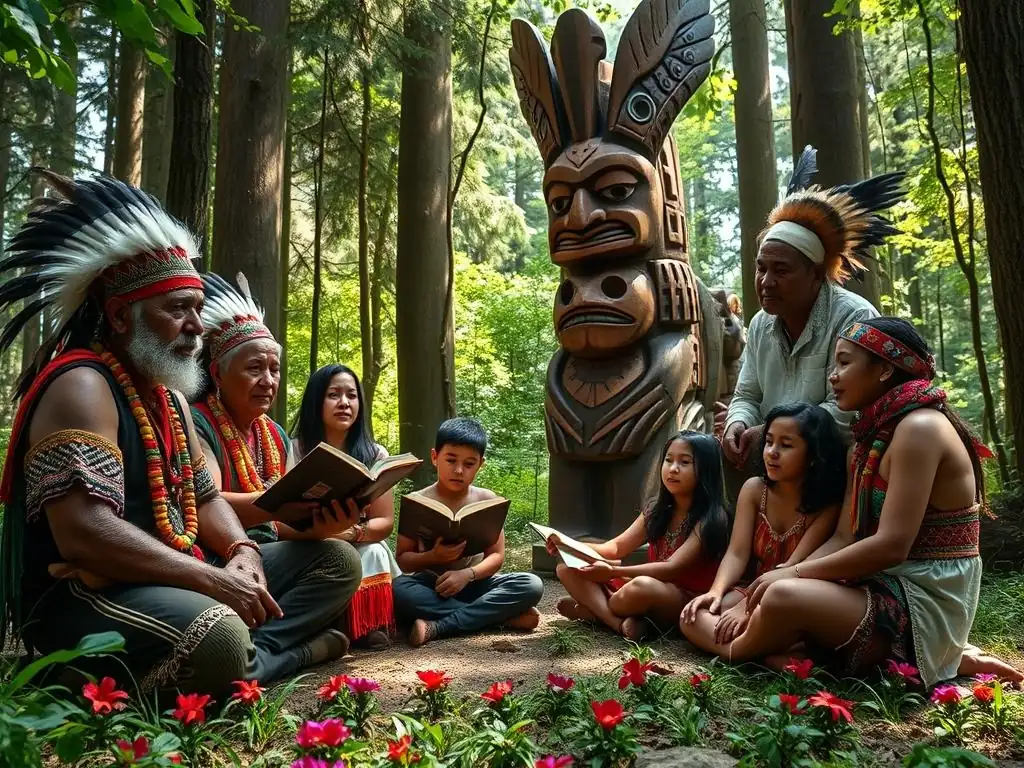
Welcome to Indigenous Civilizations of the Americas, where we invite you to embark on a fascinating journey through the vibrant tapestry of indigenous cultures that flourished long before European contact. Our spotlight today is on the revitalization of indigenous oral traditions, a powerful testament to the resilience and creativity of these communities. Discover how storytelling not only preserves history but also strengthens cultural identity in the face of change. Prepare to be captivated and inspired as you delve deeper into the rich narratives and legacies that continue to shape our world today.
Introduction to Indigenous Oral Traditions Revitalization
Indigenous oral traditions serve as a vibrant and essential pillar of cultural identity, community cohesion, and historical continuity among the diverse cultures of the Americas. These traditions encompass a rich tapestry of stories, songs, and teachings that have been passed down through generations, encapsulating the values, beliefs, and knowledge systems of indigenous peoples.
In recent years, there has been a significant movement toward the revitalization of these oral traditions, driven by a desire to reclaim cultural heritage in the face of historical disruptions caused by colonization. This article delves into the profound impact of these revitalization efforts, highlighting how indigenous oral traditions not only strengthen community bonds but also empower future generations to embrace their identity and heritage.
Understanding the Importance of Oral Traditions
Oral traditions are not merely stories; they are vital expressions of identity and history that reflect the worldview of indigenous communities. They play several key roles, including:
- Cultural Preservation: Oral narratives preserve languages, customs, and histories that might otherwise be lost. They serve as living archives of knowledge.
- Community Building: Shared storytelling fosters a sense of belonging and strengthens social bonds within communities. It reinforces communal values and collective memory.
- Educational Tools: Oral traditions serve as a means of imparting knowledge to younger generations, teaching them about their culture, environment, and societal roles.
- Resilience and Healing: Engaging with oral traditions can provide a sense of healing and resilience, allowing communities to confront and process their historical traumas.
The Role of Storytelling in Indigenous Cultures
Storytelling is a dynamic and interactive process in indigenous cultures, where the act of sharing stories often involves the participation of the audience. This participatory aspect enhances the storytelling experience and deepens the cultural connection.
- Multifaceted Narratives: Stories often convey complex themes, including morality, spirituality, and the relationship between humans and nature.
- Adaptation and Innovation: While deeply rooted in tradition, storytelling is also adaptable. Contemporary indigenous artists and storytellers incorporate modern contexts and mediums to reach wider audiences.
- Empowerment: The revitalization of storytelling empowers indigenous voices, allowing them to reclaim narratives that have been historically marginalized or misrepresented.
Historical Context of Indigenous Oral Traditions
Pre-Colonial Oral Traditions and Their Significance
Before European contact, indigenous oral traditions were integral to every aspect of life. They provided frameworks for understanding the world, encompassing:
- Creation Stories: These narratives explain the origins of the universe, humanity, and cultural practices, serving as foundational myths.
- Historical Accounts: Oral histories documented events, migrations, and significant figures, ensuring that the past remained alive in the collective memory.
- Rituals and Ceremonies: Many oral traditions were tied to cultural rituals, reinforcing social structures and spiritual beliefs.
Impact of European Colonization on Indigenous Storytelling
The arrival of European colonizers had a profound impact on indigenous oral traditions. The consequences included:
- Disruption of Traditions: Colonization led to the suppression of indigenous languages and storytelling practices, resulting in the loss of narratives and cultural knowledge.
- Forced Assimilation: Policies aimed at assimilating indigenous peoples often relegated oral traditions as inferior, undermining their cultural significance.
- Revitalization Movement: In response to these challenges, many indigenous communities have initiated revitalization efforts, striving to reclaim and reinvigorate their oral traditions as a means of cultural resistance and empowerment.
Understanding the role of storytelling in indigenous cultures is crucial for recognizing its importance in cultural revitalization. As communities work to revive their oral traditions, they not only preserve their history but also assert their identity in a rapidly changing world.
Contemporary Efforts in Indigenous Oral Traditions Revitalization
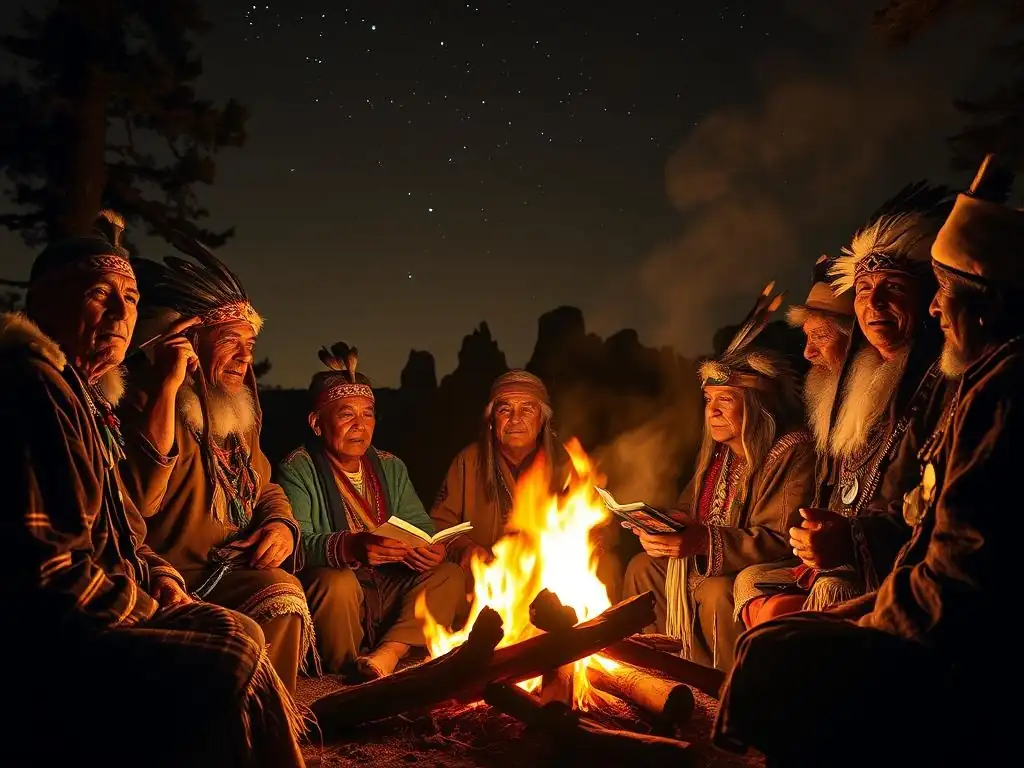
In recent years, there has been a significant resurgence in the appreciation and practice of indigenous oral traditions, spurred by a broader movement toward cultural revitalization. Contemporary efforts to revitalize these traditions often involve community-led initiatives that aim to preserve the unique storytelling methods passed down through generations. These efforts are critical not only for maintaining cultural identity but also for fostering resilience and unity within indigenous communities.
Organizations and collectives are forming across the Americas, focusing on various aspects of storytelling, including the documentation of oral histories, the teaching of traditional narratives, and the integration of these elements into contemporary educational systems. Workshops, festivals, and public events are becoming platforms where community members can share stories, engage in dialogue, and reinforce the significance of oral traditions. Through these initiatives, communities are actively reclaiming their narratives and ensuring that the wisdom embedded in their oral histories continues to thrive.
Modern Movements for Cultural Revitalization
Modern movements for cultural revitalization among indigenous peoples are multifaceted, encompassing educational reform, language preservation, and the re-establishment of traditional practices. Many communities now prioritize incorporating indigenous knowledge and storytelling into formal education systems. These movements often emphasize the importance of storytelling as a tool for teaching history, ethics, and cultural values, highlighting its role in shaping identity.
One notable example is the integration of oral traditions into school curricula, which not only aids in preserving language but also instills a sense of pride and belonging among younger generations. Furthermore, grassroots movements are advocating for the recognition of indigenous storytelling as a vital cultural asset, essential for community cohesion and individual identity. The revival of traditional ceremonies and gatherings also plays a crucial part in these movements, providing spaces for storytelling to flourish and adapt to contemporary contexts.
Case Studies of Successful Oral Tradition Revitalization Programs
Several case studies illustrate the success of oral tradition revitalization programs across indigenous communities.
- The Ktunaxa Nation in Canada has implemented a storytelling initiative that pairs elders with youth in mentorship roles. This program encourages the sharing of traditional stories while fostering intergenerational bonds and cultural pride.
- The Native American Heritage Association has developed a series of workshops focusing on the revitalization of oral histories through digital media. Participants learn to record and share stories, ensuring that their community's narratives reach broader audiences.
- The Cherokee Nation has launched a program called "Cherokee Language Revitalization," which incorporates storytelling into language classes. By using traditional narratives, students enhance their language skills while connecting with their heritage.
These examples demonstrate the effectiveness of targeted initiatives that prioritize community involvement and the transmission of knowledge from elders to younger generations.
The Role of Community in Oral Traditions Revitalization
Community involvement is paramount in the revitalization of oral traditions. The collective effort ensures that storytelling practices are not only preserved but also adapted to meet the needs of contemporary society. This communal approach fosters a sense of belonging and shared responsibility, allowing individuals to contribute to the preservation of their culture actively.
In many indigenous cultures, storytelling is not an isolated activity but a communal experience that brings people together. Events such as storytelling circles, community gatherings, and festivals provide spaces for individuals to share and learn from one another, reinforcing the cultural fabric of the community. These gatherings often serve as platforms for cultural exchange, where diverse stories and perspectives can be shared, enriching the overall narrative landscape.
Involvement of Elders and Knowledge Keepers
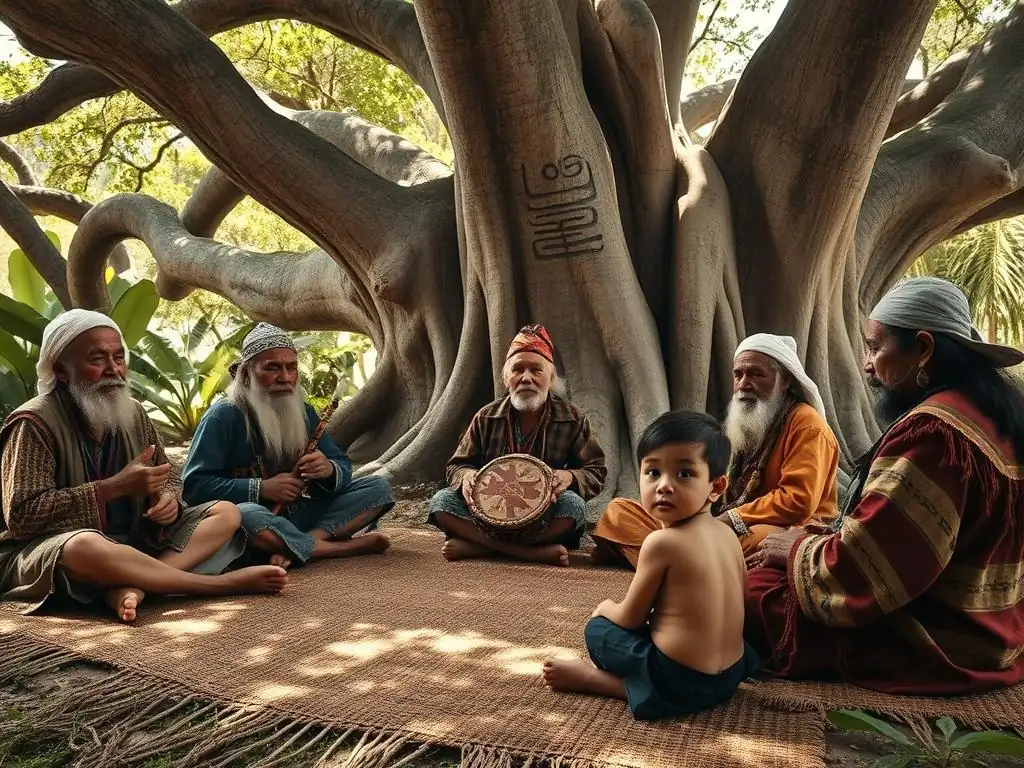
Elders and knowledge keepers play a crucial role in the revitalization of oral traditions. They are the custodians of cultural knowledge and possess a wealth of stories that embody the history, values, and teachings of their people. Their involvement in storytelling initiatives is vital for ensuring authenticity and cultural integrity.
Elders often lead storytelling sessions, providing guidance on traditional practices and narrative styles. Their storytelling not only conveys information but also imparts lessons about morality, community values, and the natural world. By actively participating in revitalization efforts, elders foster a deep connection between generations, instilling respect for tradition while encouraging innovation in storytelling methods.
Engaging the Younger Generations in Storytelling
Engaging younger generations in storytelling is imperative for the continuity of oral traditions. Innovative approaches are being adopted to make storytelling relevant and appealing to youth.
- Interactive Workshops: Programs that incorporate technology, such as digital storytelling tools and social media platforms, allow young people to explore traditional narratives creatively.
- School Collaborations: Partnerships between schools and indigenous communities help introduce storytelling into the curriculum, encouraging students to engage with their heritage actively.
- Youth-Led Initiatives: Many communities are empowering youth to take the lead in storytelling projects, fostering leadership skills while ensuring that their voices are heard in cultural narratives.
Through these efforts, younger generations are not only learning about their cultural heritage but are becoming active participants in its revitalization, ensuring that oral traditions remain a vibrant part of their communities.
Benefits of Indigenous Oral Traditions Revitalization
Revitalizing indigenous oral traditions offers profound benefits that extend beyond mere storytelling. These traditions serve as vital conduits for preserving cultural identity, fostering community connections, and encouraging intergenerational knowledge transfer. By engaging with oral traditions, indigenous communities can reclaim their narratives, reinforce their cultural heritage, and contribute to a broader understanding of their histories and worldviews. This revitalization not only enhances the self-esteem of individuals within these communities but also fosters pride in their cultural heritage, encouraging younger generations to embrace and celebrate their roots.
Preserving Cultural Identity and Heritage
One of the most significant benefits of revitalizing indigenous oral traditions is the preservation of cultural identity and heritage. Oral storytelling is a dynamic method through which histories, beliefs, and values are transmitted across generations. By recounting creation stories, legends, and ancestral teachings, communities maintain a connection to their past, which is crucial for their identity. The narratives often encapsulate moral lessons, cultural practices, and the unique relationship between the people and their environment.
Moreover, revitalization initiatives that focus on oral traditions allow indigenous peoples to reassert their identity in the face of historical erasure and assimilation pressures. This reclamation process fosters a sense of belonging and continuity, enabling communities to celebrate their heritage actively. The act of storytelling itself becomes a powerful tool for affirming their place in the world and resisting cultural homogenization.
Strengthening Community Bonds through Storytelling
Storytelling serves as a communal activity that strengthens bonds among community members. Through shared narratives, individuals can connect with one another, fostering a sense of unity and collective identity. In many indigenous cultures, storytelling is a communal event where elders pass down knowledge to youth, reinforcing respect for age-old wisdom and encouraging dialogue between generations.
Additionally, these storytelling sessions often provide a platform for discussing contemporary issues within the community, allowing for the integration of traditional knowledge with modern experiences. This dialogue not only enriches the community's understanding of their tradition but also empowers members to address current challenges collaboratively. As communities gather to share stories, they cultivate resilience and solidarity, which are essential for cultural survival and revitalization.
Challenges Faced in the Revitalization of Oral Traditions
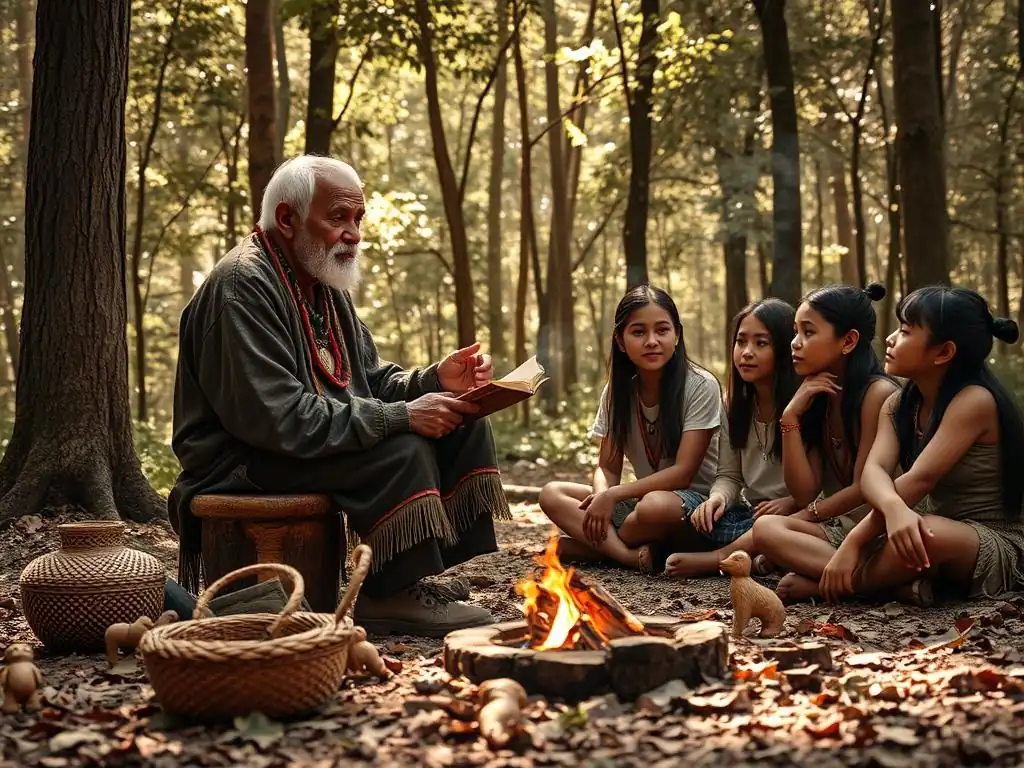
Despite the benefits of revitalizing oral traditions, several challenges hinder these efforts. The impact of colonial history, globalization, and modernization creates significant barriers to the transmission and practice of oral storytelling. Addressing these challenges is critical for effective cultural revitalization.
Loss of Language and its Impact on Storytelling
Language is intrinsically linked to storytelling; it is the medium through which narratives are conveyed. The decline of indigenous languages poses a major challenge to oral traditions. As fewer community members are fluent in their ancestral languages, the richness of stories often diminishes, along with their contextual meanings. This loss can lead to a disconnect between younger generations and their cultural heritage, as they may struggle to grasp the nuances embedded in stories told in a language they do not fully understand.
Efforts to revitalize oral traditions must therefore include language preservation initiatives, such as language classes and immersion programs. By fostering language fluency, communities can ensure that the stories remain vibrant and relevant, allowing them to be passed down authentically.
Overcoming Modernization and Cultural Erosion
Modernization presents another significant challenge to the revitalization of indigenous oral traditions. As societies become increasingly urbanized and influenced by global culture, traditional practices may be viewed as outdated or irrelevant. This perception can lead to a decline in the practice of storytelling, as younger generations gravitate towards contemporary forms of entertainment, such as digital media and social networking.
To counteract this trend, indigenous communities are creatively integrating oral traditions into modern contexts. By utilizing technology, such as podcasts, social media, and video storytelling, these communities can reach wider audiences and engage younger generations in ways that resonate with them. This approach not only helps preserve oral traditions but also revitalizes them, ensuring their relevance in a rapidly changing world while fostering a renewed interest and appreciation among community members.
Future Directions for Indigenous Oral Traditions Revitalization
As indigenous communities continue to seek ways to revitalize their cultural heritage, the future of oral traditions holds promise through innovative strategies and collaborative efforts. One key direction is the integration of traditional storytelling with contemporary art forms, such as theater, music, and digital media. This fusion not only attracts younger generations but also engages broader audiences.
Moreover, there is an increasing emphasis on intergenerational storytelling, where elders pass down knowledge to youth in community settings. This practice strengthens familial ties and fosters a sense of belonging, ensuring that the wisdom of the past is not lost. Additionally, partnerships with educational institutions can facilitate curriculum development that includes indigenous oral traditions, promoting respect and understanding among diverse populations.
Innovative Approaches to Storytelling
Innovative storytelling approaches are essential for revitalizing indigenous oral traditions. One effective method is the utilization of participatory storytelling, where community members actively engage in recounting narratives. This not only democratizes the storytelling process but also allows for the incorporation of diverse perspectives and experiences, enriching the collective memory.
Furthermore, the incorporation of visual storytelling techniques, such as graphic novels and illustrated books, can make stories more accessible and appealing, especially to younger audiences. Workshops that combine traditional storytelling with modern techniques, like animation or digital storytelling platforms, can also engage youth creatively while preserving cultural narratives.
Incorporating storytelling into community events, festivals, and gatherings can create an immersive experience that both entertains and educates participants about indigenous cultures, ensuring these traditions thrive in contemporary society.
The Role of Technology in Preserving Oral Traditions
Technology plays a transformative role in the preservation and revitalization of indigenous oral traditions. Digital platforms, such as social media, podcasting, and video sharing, provide new avenues for storytelling that reach wider audiences. These platforms enable indigenous storytellers to share their narratives globally, fostering a sense of community among those who may be geographically dispersed.
Additionally, projects that digitize oral histories and traditional stories contribute to the preservation of languages at risk of extinction. By archiving these narratives in audio and video formats, communities can maintain their cultural heritage while also promoting language revitalization efforts.
Moreover, virtual reality (VR) and augmented reality (AR) technologies offer innovative ways to engage audiences by creating immersive storytelling experiences. This approach allows users to experience narratives in a dynamic context, deepening their understanding of indigenous cultures and histories.
Conclusion: The Enduring Power of Storytelling in Indigenous Cultures
The enduring power of storytelling remains a cornerstone of indigenous cultures, serving as a vital means of preserving history, values, and identity. Oral traditions are not just vehicles for entertainment; they are essential for cultural continuity and community cohesion. As indigenous peoples reclaim their narratives and adapt them to contemporary contexts, storytelling continues to evolve, ensuring that these rich traditions endure for future generations.
The Lasting Impact of Revitalized Oral Traditions on Indigenous Identity
Revitalized oral traditions profoundly impact indigenous identity, fostering pride and resilience within communities. By reconnecting with ancestral stories, individuals can reclaim their cultural roots, countering the historical narratives imposed by colonialism. This reclamation strengthens community bonds and nurtures a collective identity that is rooted in shared experiences and histories.
Moreover, revitalization efforts often lead to increased awareness and appreciation of indigenous cultures among non-indigenous populations. As stories gain visibility, they challenge stereotypes and misconceptions, promoting a more nuanced understanding of indigenous identities and contributions to society.
Call to Action: Supporting Indigenous Oral Traditions Revitalization Efforts
To ensure the continued revitalization of indigenous oral traditions, it is crucial to support community-led initiatives and programs. Individuals can contribute by attending storytelling events, participating in workshops, and amplifying indigenous voices through social media and other platforms. Additionally, funding organizations that prioritize cultural preservation efforts can make a significant difference in sustaining these vital traditions.
By fostering collaboration between indigenous communities, educational institutions, and cultural organizations, we can create a thriving environment where oral traditions are celebrated and preserved. Together, we can honor the power of storytelling and its role in shaping the future of indigenous cultures.
- Introduction to Indigenous Oral Traditions Revitalization
- Understanding the Importance of Oral Traditions
- The Role of Storytelling in Indigenous Cultures
- Historical Context of Indigenous Oral Traditions
- Contemporary Efforts in Indigenous Oral Traditions Revitalization
- Modern Movements for Cultural Revitalization
- Case Studies of Successful Oral Tradition Revitalization Programs
- The Role of Community in Oral Traditions Revitalization
- Involvement of Elders and Knowledge Keepers
- Engaging the Younger Generations in Storytelling
- Benefits of Indigenous Oral Traditions Revitalization
- Challenges Faced in the Revitalization of Oral Traditions
- Future Directions for Indigenous Oral Traditions Revitalization
- Conclusion: The Enduring Power of Storytelling in Indigenous Cultures
- What are indigenous oral traditions?
- Why is the revitalization of these traditions important?
- How do these traditions contribute to cultural revitalization?
- What role do storytelling and performance play in these traditions?
- How can individuals support the revitalization of indigenous oral traditions?
Frequently Asked Questions
What are indigenous oral traditions?
Indigenous oral traditions refer to the storytelling practices that have been passed down through generations, preserving cultural history, values, and knowledge in various indigenous communities.
Why is the revitalization of these traditions important?
The revitalization of indigenous oral traditions is crucial for maintaining cultural identity, enhancing community cohesion, and ensuring that important historical narratives and teachings are not lost.
How do these traditions contribute to cultural revitalization?
Oral traditions serve as a means of transmitting knowledge, fostering a sense of belonging, and strengthening cultural pride, which are essential components of cultural revitalization efforts among indigenous peoples.
What role do storytelling and performance play in these traditions?
Storytelling and performance are central to indigenous oral traditions, as they provide a dynamic way to engage the community, teach moral lessons, and convey historical events in a relatable format.
How can individuals support the revitalization of indigenous oral traditions?
Individuals can support this revitalization by participating in community events, promoting indigenous literature, and advocating for educational programs that highlight the importance of these cultural practices.
Final Reflection: The Enduring Legacy of Indigenous Oral Traditions
The significance of indigenous oral traditions revitalization cannot be overstated; they serve as a vital link to cultural identity and heritage. In today’s rapidly changing world, where globalization often threatens the uniqueness of local cultures, the power of storytelling emerges as a beacon of hope. These oral traditions not only preserve history but also foster resilience and community cohesion, reminding us that our narratives shape our identities and futures.
Cultural revitalization through storytelling is not merely an act of preservation; it is a dynamic process that influences our social landscape. The resurgence of interest in indigenous oral traditions has sparked a broader conversation about the importance of diverse narratives in shaping societal values. As we witness communities reclaim their stories, we are reminded of the profound words of author and activist Leslie Marmon Silko: > “Stories are all we have, and we must tell them.” This ongoing dialogue encourages us to recognize the power of our own stories and the responsibility we have to share them.
As you reflect on the themes of this article, I invite you to consider how you can engage with and support the revitalization of indigenous oral traditions in your own life. Take a moment to listen to the stories around you, whether they come from your community or from the rich tapestry of global narratives. By honoring these traditions and sharing your own, you contribute to a collective legacy that celebrates diversity and fosters understanding. Together, let us embrace the transformative power of storytelling and ensure that these vital narratives continue to thrive for generations to come.
Unleash the Magic of Storytelling Today!
Thank you for taking the time to explore the rich tapestry of storytelling and its profound impact on cultural revitalization. By delving into the power of oral traditions, you've opened a door to understanding and preserving our shared heritage. Now, it's time to take action and help keep these stories alive!
Here are some effective ways to embark on your storytelling journey:
- Share a Story: Choose a traditional tale from your community or a beloved piece of folklore and share it with friends or family. This is a wonderful way to spark interest in oral traditions and foster discussion about cultural heritage.
- Join a Local Storytelling Circle: Participate in community events or workshops dedicated to storytelling. Engaging with others who appreciate oral traditions allows you to learn and exchange narratives.
- Document Your Own Story: Take a moment to write down or record a story from your life or your cultural background. This personal touch can inspire others and contribute to the ongoing journey of storytelling.
Now, let me ask you: What story has shaped your understanding of culture, and how will you ensure it endures for future generations?