
Social Class and Identity: How Indigenous Peoples Defined Themselves

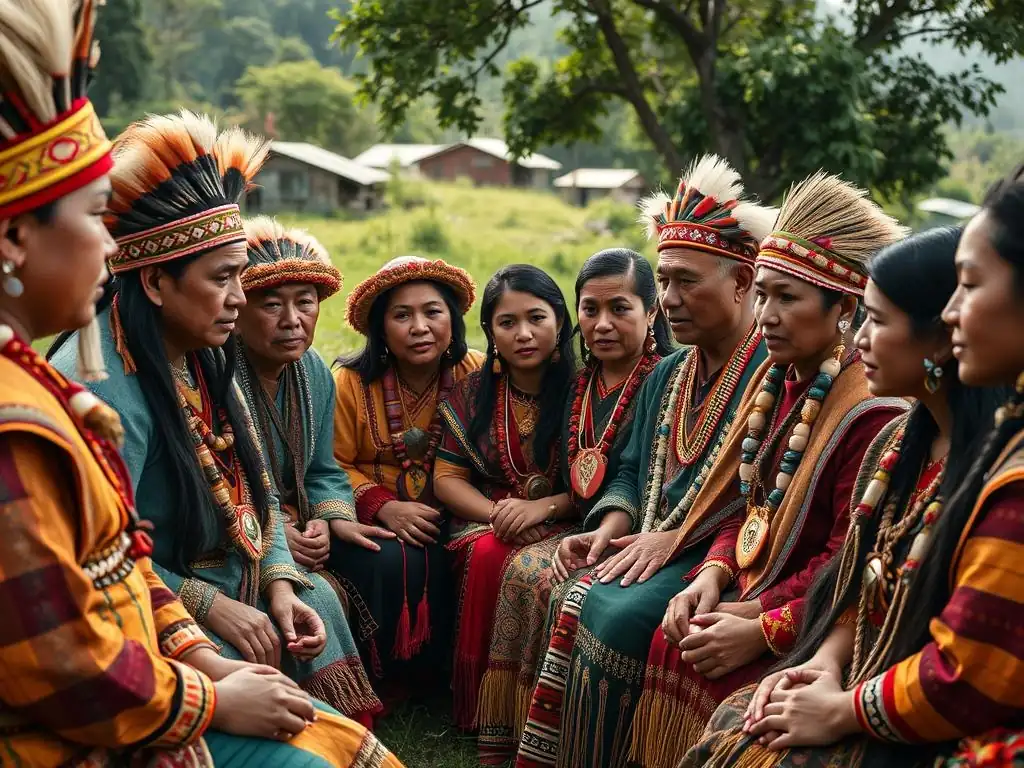
Welcome to Indigenous Civilizations of the Americas! Dive into the rich tapestry of indigenous social class identity and discover how these remarkable cultures defined themselves long before European contact. From intricate social structures to vibrant traditions, our in-depth exploration unveils the achievements and legacies of the diverse societies that flourished across the Americas.
Prepare to be captivated as we unravel the threads of identity that shaped their world, inviting you to learn more about their profound impact on history and culture. Join us on this enlightening journey and uncover the stories that have shaped the very essence of indigenous life.
- Introduction to Indigenous Social Class Identity
- Historical Overview of Indigenous Social Classes
- Defining Indigenous Social Class Identity
- The Impact of Geography on Indigenous Social Class
- Cultural Expressions of Indigenous Identity
- Case Studies of Indigenous Social Class Identity
- Challenges to Indigenous Social Class Identity
- Revitalization of Indigenous Social Class Identity
- Conclusion: The Legacy of Indigenous Social Class Identity
-
Frequently Asked Questions
- What is the focus of the article "Social Class and Identity: How Indigenous Peoples Defined Themselves"?
- How did indigenous social class identity influence their societies?
- What are some achievements of indigenous civilizations mentioned in the article?
- How did European colonization impact indigenous social class identity?
- Why is understanding indigenous social class identity important today?
- Final Reflection: Understanding Indigenous Social Class Identity in Contemporary Society
- Embrace Your Journey: Connect and Advocate!
The intricate fabric of indigenous cultures across the Americas is woven with threads of social class and identity that reveal much about their societies prior to European colonization. Understanding how indigenous peoples defined themselves through social class not only illuminates their internal dynamics but also the values and worldviews that shaped their communities.
This exploration delves into the varying structures of social class, illustrating how these classifications influenced identity, status, and relationships within diverse indigenous groups. By analyzing these elements, we can appreciate the complexity of their social systems and the lasting impact they have had on contemporary indigenous identities.
Social class in indigenous societies was not merely a reflection of wealth or economic status; it encompassed a broader spectrum of roles, responsibilities, and cultural significance. Each community developed its own unique classification systems, often based on factors such as lineage, occupation, and spirituality. For example, among the Inca Empire, society was stratified into distinct classes, including the Sapa Inca (the emperor), nobility, and commoners, each with specific duties and privileges.
Key Aspects of Social Class:
- Lineage: Many indigenous groups placed significant importance on familial ties, which often dictated one's status within the community.
- Roles and Responsibilities: Social class could define one's role in rituals, governance, and economic activities, creating a clear hierarchy that maintained order and structure.
- Spirituality: In certain cultures, spiritual leaders held a higher status, influencing social class dynamics through their perceived connection to the divine.
This complex interplay of factors shaped the identity of individuals within these societies, as they navigated their social roles and responsibilities.
Importance of Identity Among Indigenous Peoples
Identity among indigenous peoples is a vital component of their social fabric, deeply intertwined with the concepts of heritage, tradition, and belonging. The way individuals and groups identify themselves often reflects not only their social standing but also their cultural values and historical experiences.
Factors Influencing Indigenous Identity:
- Cultural Practices: Traditions, languages, and rituals serve as significant markers of identity, reinforcing social bonds and community cohesion.
- Historical Context: The impacts of colonialism and ongoing struggles for recognition have profoundly influenced contemporary indigenous identities, leading to a resurgence of cultural pride and activism.
- Social Networks: Relationships within and across communities play a crucial role in shaping identity, as individuals navigate their place in the social hierarchy.
Understanding the significance of identity among indigenous peoples highlights the resilience and adaptability of these communities, emphasizing how they continue to define themselves in a rapidly changing world.
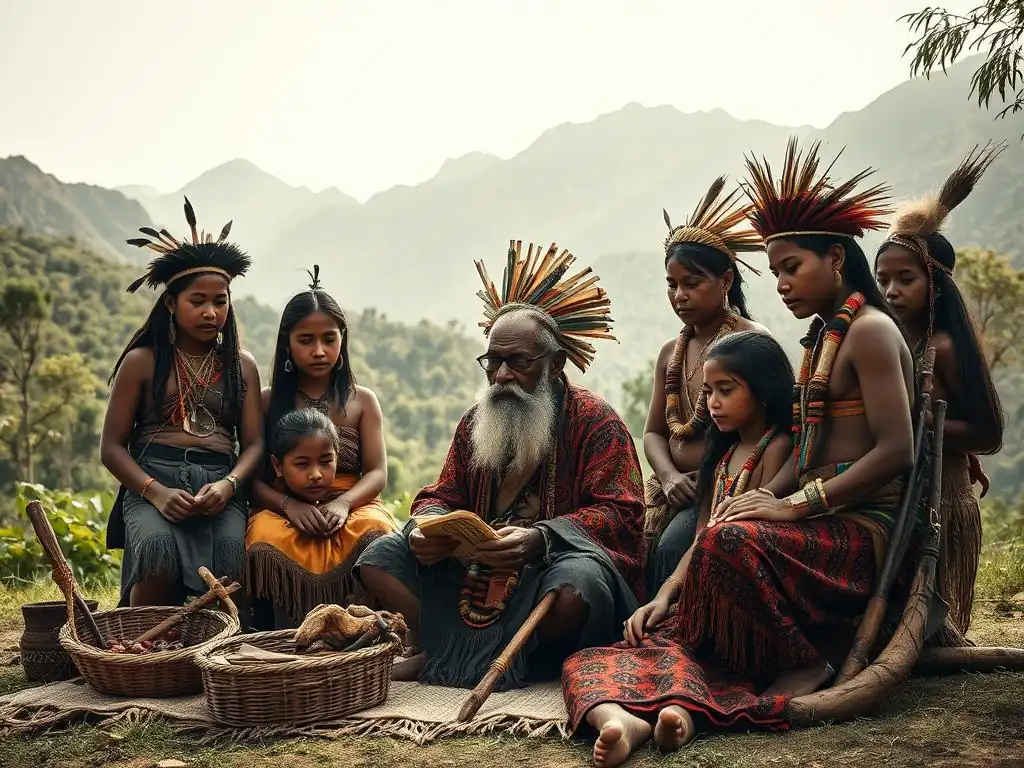
Before European colonization, Indigenous societies across the Americas exhibited diverse and complex social structures that were often stratified into various classes. These social classes were not universally defined; rather, they varied significantly between different cultures and regions. Generally, Indigenous social structures were influenced by factors such as geography, available resources, cultural practices, and historical developments.
Key Features of Indigenous Social Structures:
- Leadership Roles: Many Indigenous civilizations, such as the Aztecs and the Maya, had defined leadership roles which typically included rulers, priests, and warriors. These leaders often held significant power and influence over their communities, reflecting a hierarchical structure within society.
- Economic Roles: Social classes were also defined by economic functions. For instance, in agricultural societies, farmers, artisans, and traders played distinct roles that contributed to the stability and development of their communities. The division of labor was crucial for sustaining the population and fostering economic growth.
- Religious Hierarchy: Religion played a vital role in defining social classes. Priesthoods were often among the highest social classes, possessing both spiritual authority and wealth. Their roles included conducting rituals, interpreting spiritual laws, and maintaining the community’s relationship with the divine.
- Status by Birth: In many cases, social status was inherited. Nobility and elite classes could maintain their status through lineage, while commoners or lower classes might struggle for upward mobility. This inheritance of status often reinforced traditional roles within society.
The concept of social class identity among Indigenous peoples varied greatly, reflecting the unique cultural, environmental, and historical contexts of different civilizations. Here are some notable examples:
The Aztec Civilization
The Aztecs had a highly stratified society, categorized into several classes:
- Nobility (Pilli): This class included the ruling family, high priests, and military leaders. They owned large estates and were responsible for governance and religious ceremonies.
- Commoners (Macehualtin): This group comprised farmers, artisans, and merchants. They formed the majority of the population and were essential for the economy.
- Slaves (Tlacotin): Although not a dominant class, slaves existed in Aztec society, typically captured in warfare or sold into slavery due to debts. They had limited rights and worked in households or fields.
The Inca Empire
Inca society was characterized by a strict class system:
- Sapa Inca: The emperor, considered a descendant of the sun god, was at the top of the hierarchy and wielded absolute power.
- Nobles (Inca and Curacas): Nobles held significant positions within the administration and were responsible for local governance.
- Commoners (Ayllu): Commoners worked the land and provided labor for large state projects. They lived in communal groups known as ayllus, which defined their social structure.
The Mississippian Culture
In the Mississippian culture, social class identity was also evident:
- Elites: Often associated with mound-building societies, elites held power in political and religious matters.
- Commoners: Farmers and laborers who worked the fertile lands along rivers, contributing to the economy and the sustenance of large urban centers.
- Specialized Artisans: This group, while often considered commoners, held specialized knowledge, creating goods that were highly valued in trade.
Conclusion
Understanding the nuances of indigenous social class identity is essential for appreciating the rich tapestry of Indigenous cultures in the Americas. By examining the diverse social structures and variations across different civilizations, we can gain deeper insights into how these societies defined themselves and their roles within their communities. The legacies of these social classes continue to influence Indigenous identities today, as they navigate the complexities of modern society while honoring their historical roots.
Indigenous social class identity is a multifaceted concept that encompasses the various ways indigenous peoples in the Americas organized themselves socially, economically, and politically before European colonization. Unlike the rigid class structures often seen in European societies, many indigenous cultures exhibited dynamic and fluid classifications that reflected their unique values, practices, and environmental contexts.
In these societies, individuals often defined their social class identity through a combination of factors, including lineage, occupation, wealth distribution, and community roles. This identity was not solely based on material wealth; rather, it was deeply intertwined with cultural heritage, traditions, and the responsibilities individuals held within their communities.
Key Characteristics of Indigenous Class Systems
Indigenous class systems varied widely across different cultures and regions; however, several key characteristics are often observed:
- Fluid Class Structures:
- Many indigenous societies demonstrated a degree of fluidity in their social classes, allowing individuals to move between classes based on achievements, marriage, or tribal needs.
- This fluidity meant that social status could change over time, reflecting personal merit or communal contributions.
- Recognition of Merit and Contributions:
- Social class identity was frequently tied to an individual’s contributions to the community, such as hunting prowess, agricultural skills, or crafting abilities.
- Those who excelled in their roles often gained respect and elevated status within the community.
- Spiritual and Ceremonial Roles:
- Spiritual leaders or shamans often occupied high status due to their perceived connection to the divine and their ability to mediate between the spiritual and physical worlds.
- Rituals and ceremonies played a significant role in reinforcing social hierarchies and class identity, with prominent roles often reserved for individuals of higher status.
- Interdependence of Classes:
- Many indigenous communities operated on principles of interdependence, where different classes fulfilled distinct roles that contributed to the overall well-being of the society.
- For example, while some individuals may have held more prestigious roles, others such as farmers or artisans were equally vital to the community's survival and success.
- Kinship and Lineage:
- In numerous cultures, lineage dictated one's place within the social hierarchy, with clans or family groups often determining wealth, status, and access to resources.
- This kinship system reinforced social identity, creating bonds that were essential for social cohesion and community support.
Kinship and clan systems were foundational to the social fabric of indigenous societies, playing a crucial role in defining social class identity. These systems often governed not only personal relationships but also economic and political structures.
- Clan Affiliations:
- Clan membership was often hereditary, affecting an individual's rights, responsibilities, and status within the community. Each clan could have its own leaders, traditions, and roles in society.
- Clan affiliations facilitated cooperation and support among members, reinforcing social identity and community ties.
- Inheritance and Resource Distribution:
- In many indigenous cultures, resources and wealth were distributed according to clan lines, with properties, hunting grounds, and agricultural plots often passed down through generations.
- This practice ensured that social class identity was linked to lineage, with certain clans holding more power or resources based on their historical significance or achievements.
- Rituals and Clan Identity:
- Rituals often emphasized clan identity, with ceremonies designed to reinforce social hierarchies and establish the roles of different clans within the wider community.
- Such rituals could also serve as a reminder of shared ancestry, fostering a sense of belonging and collective identity among clan members.
- Social Responsibilities:
- Each clan had specific responsibilities, such as caretaking of sacred sites, leading ceremonies, or managing trade relations with other clans. These roles contributed to the social status of the clan and its members.
- Individuals were often expected to fulfill their clan responsibilities, which in turn shaped their social class identity and community standing.
Understanding indigenous social class identity requires a nuanced appreciation of the interplay between kinship, clan systems, and individual contributions to the community. This complex web of relationships and roles highlights the rich tapestry of social structures that defined indigenous cultures in the Americas, emphasizing their unique approaches to identity and community cohesion.
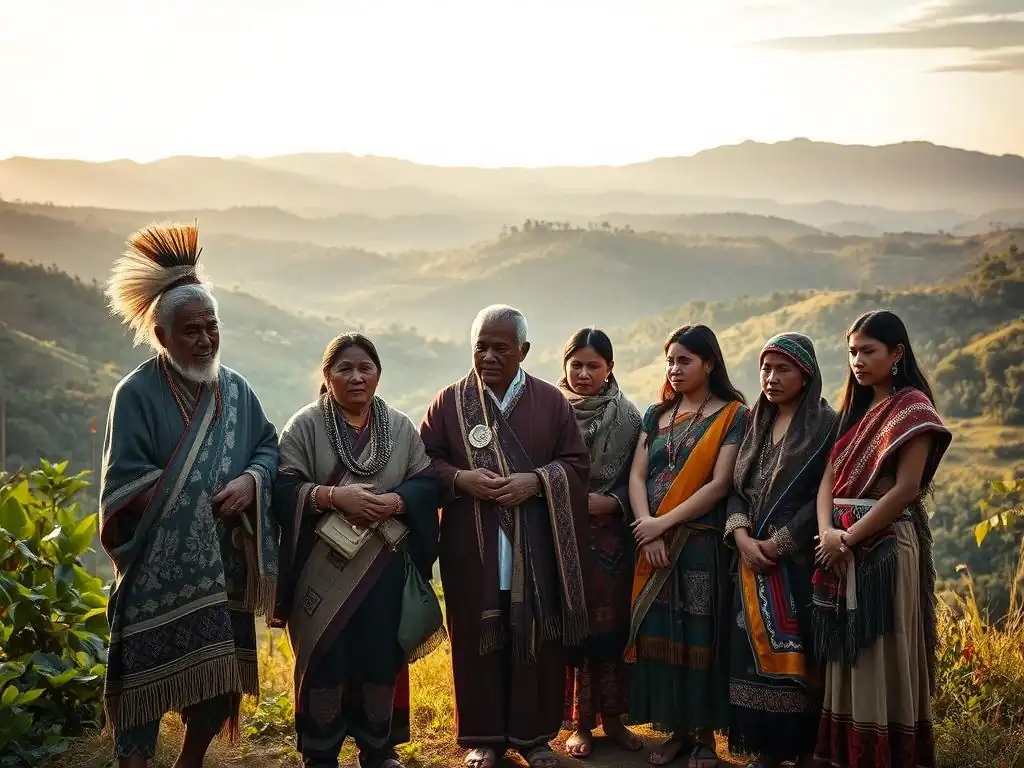
Geography played a pivotal role in shaping the social class structures of indigenous peoples across the Americas. The diverse landscapes—from the arid deserts of the Southwest to the lush rainforests of the Amazon—affected not only the available resources but also the ways in which communities organized themselves socially and economically. This section explores how environmental factors influenced the development of social class identities among indigenous civilizations.
How Environment Influenced Class Structures
The environment dictated the primary subsistence strategies of indigenous groups, which in turn influenced their social hierarchies. For example, in farming communities such as the Maya and the Inca, agriculture was the cornerstone of economic power.
- Agricultural Societies:
- In fertile regions, such as the Yucatán Peninsula, the Maya developed sophisticated agricultural techniques including raised fields and terracing, leading to surplus production. This surplus allowed for the emergence of a class of elite rulers and priests who controlled the distribution of resources.
- Similarly, the Inca civilization utilized the diverse ecological zones of the Andes to establish a complex social structure, with the Sapa Inca at the top, followed by nobles, artisans, and farmers.
- Nomadic Societies:
- In contrast, nomadic tribes such as the Plains Indians relied on hunting and gathering. Their social structures were less hierarchical, as mobility required adaptability and cooperation. Leaders were often chosen for their skills rather than inherited status, reflecting a fluid social class identity.
- Resource Management:
- Geography also dictated the management of natural resources. Communities near coastal regions, like the Tlingit and Haida, developed complex trade networks based on marine resources. The wealth generated from trade contributed to the establishment of a distinct social class of traders and chiefs, further diversifying social identity.
The environment not only provided the means of survival but also shaped the social fabric of indigenous communities, creating diverse social class identities that were closely tied to their geographical context.
Social class identity among indigenous peoples varied significantly across different regions of the Americas, largely influenced by local geography, resource availability, and cultural practices. This diversity illustrates the complexity of indigenous social structures and highlights the importance of regional context.
- Mesoamerica:
- In Mesoamerican civilizations, such as the Aztec and Maya, social stratification was pronounced. The ruling class, composed of nobles and priests, wielded considerable power and influence over the common populace. Artisans and merchants occupied a middle tier, while farmers and laborers formed the lower class. The interplay of religion and governance reinforced class distinctions, as the elite claimed divine right to rule.
- Northwest Coast:
- In contrast, the Northwest Coast societies practiced potlatch ceremonies, where the wealth of chiefs was displayed through the redistribution of goods. This system fostered a different kind of social hierarchy, emphasizing generosity and status through communal celebrations rather than rigid class structures. Here, social class identity was fluid, often determined by one's ability to give rather than solely by birthright.
- Great Plains:
- Among the Plains tribes, social class identity was influenced by the availability of bison and the mobility of their communities. Tribal leadership was often based on merit, with recognition given to those who excelled in hunting or warfare. This context fostered a more egalitarian approach to social relations compared to more sedentary agricultural societies.
- Andean Civilizations:
- In the Andes, the Inca established a highly stratified society with a clear hierarchy. The Sapa Inca was considered a deity, and his subjects were organized into a labor system known as "mit'a." This system created a structured class identity where individuals had defined roles based on their ethnicity and skills, reflecting the complex interplay of geography, labor, and social class.
Regional differences in indigenous social class identity reveal the profound impact of geography and available resources on social structures. By examining these variations, we gain a deeper understanding of how indigenous peoples defined themselves and their communities, ultimately shaping their cultural legacies.
Cultural Expressions of Indigenous Identity
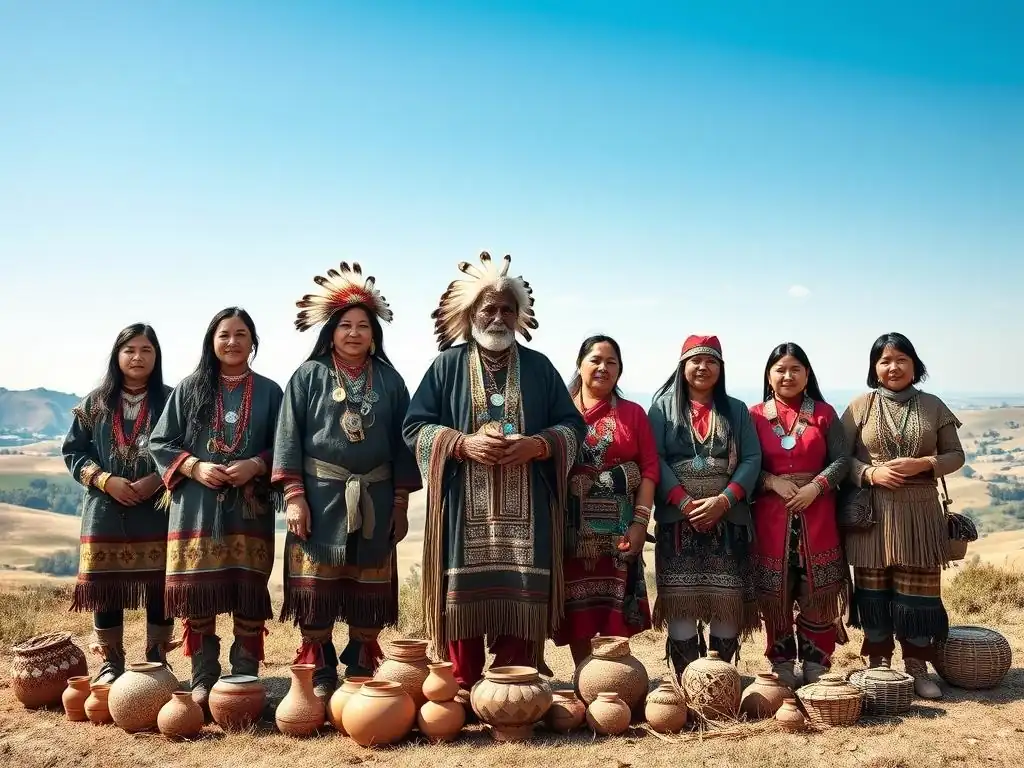
Cultural expressions played a fundamental role in shaping indigenous identity, serving as a means through which individuals and communities articulated their social class and cultural heritage. From languages and crafts to rituals and art, these expressions were not merely artistic endeavors; they were significant indicators of social status, heritage, and communal belonging. The ways in which indigenous peoples represented themselves through various forms of culture reflected their complex social hierarchies and collective identities that often transcended mere survival.
In exploring the intricate layers of indigenous social class identity, one can observe how cultural expressions were deeply intertwined with societal structures and individual identities. These manifestations provided a means for indigenous groups to maintain their traditions, articulate their values, and assert their place within both their communities and the broader world.
Language and Identity: The Linguistic Aspect of Class
Language served as a powerful tool for expressing and constructing indigenous social class identity. Each indigenous group had its own linguistic nuances, dialects, and vocabularies that reflected their unique societal structures and cultural contexts. For instance, the use of specific terms and phrases in languages such as Nahuatl or Quechua could denote social hierarchy, kinship ties, and individual status within the community.
- Terminology and Hierarchical Structure:
- Certain words within indigenous languages often indicated rank or status. For example, in many societies, specialized vocabulary for leaders, warriors, and commoners existed, reflecting the socio-political dynamics of the community.
- The way individuals addressed each other often revealed their social positions. Formal titles or respectful language could signify deference to higher status individuals.
- Preservation of Cultural Knowledge:
- Language was also integral in the transmission of cultural knowledge and social norms. Oral traditions, stories, and songs encapsulated historical narratives that defined social class roles and responsibilities.
- Elders, often regarded as the custodians of wisdom, played a crucial role in imparting knowledge through language, reinforcing their esteemed position in society.
The linguistic aspect of indigenous identity thus highlights how language was not only a medium of communication but a vital component in establishing and maintaining social class structures.
Art and craftsmanship among indigenous peoples were not merely aesthetic pursuits; they were profound reflections of social class identity and cultural significance. Artistic expressions, including pottery, weaving, and carving, often conveyed messages about the social status, role, and identity of the creators and their communities.
- Craft Specialization:
- Different crafts were often associated with specific social classes. Elite artisans might have access to rare materials or specialized training, allowing them to create intricate pieces that showcased their elevated status.
- Craftsmanship was frequently a family trade, passed down through generations, reinforcing class distinctions as certain families became synonymous with specific art forms or techniques.
- Symbolism and Function:
- Many artifacts contained symbolic meanings that reflected social class identity. For example, ceremonial objects were often elaborately designed, indicating their significance in rituals and the elevated status of those who commissioned them.
- Everyday objects, while simpler, also bore marks of social identity. The quality and style of household items could signal a family's wealth and social standing.
- Cultural Narratives in Art:
- Indigenous art often told stories about the community’s beliefs, values, and histories, serving as a canvas for expressing collective identity. Through these narratives, social class distinctions could be highlighted or critiqued, offering insight into the community’s views on status and power dynamics.
The artistic and linguistic expressions of indigenous peoples were critical in shaping and defining their social class identity. These cultural artifacts and languages provided a means for individuals to navigate their social realities while simultaneously preserving their unique histories and communal legacies. Understanding these cultural expressions allows for a deeper appreciation of the complexity and richness of indigenous social structures and identities.
The Aztec Empire, known for its sophisticated social structure, had a well-defined system of class hierarchies that shaped indigenous social class identity. At the top of this hierarchy were the nobles (pipiltin), who held significant political, religious, and economic power. They were often landowners, military leaders, or priests, and their lineage played a crucial role in maintaining their status. The noble class was responsible for governing the vast territories of the empire and making critical decisions regarding warfare, trade, and alliances.
Below the nobles were the commoners (macehualtin), who constituted the majority of the population. This group included farmers, artisans, and laborers. Commoners had more limited rights and privileges compared to the nobility but could still attain social mobility through achievements in trade or military service. Notably, a successful commoner could rise to the rank of merchant (pochteca), gaining wealth and status while contributing to the economic vitality of the empire.
At the bottom of the social hierarchy were the serfs and slaves (tlacotin). Serfs were often bound to the land and worked for the nobles, while slaves could be captured in warfare or sold into servitude. Despite their lower status, some could purchase their freedom or earn a degree of respect through their skills or loyalty.
The Aztec social structure was not merely a reflection of economic status but was also tied to religious beliefs and cultural practices. The society emphasized the importance of sacrifice and offerings, which reinforced the power dynamics among the classes. The rituals and ceremonies led by the nobles were vital for ensuring the favor of the gods, thus intertwining social class with spiritual identity.
The Iroquois Confederacy: Clan Systems and Governance
In contrast to the hierarchical structure of the Aztecs, the Iroquois Confederacy demonstrated a more egalitarian approach to social organization, significantly influencing indigenous social class identity. The Iroquois society was organized around clan systems led by matrilineal descent, meaning lineage and inheritance were traced through the female line. This structure empowered women, granting them significant roles in decision-making and governance.
Each clan was represented by a chief (sachem), who was selected by the clan mothers—women who held the authority to choose and depose leaders. This practice ensured that the voices of women were integral in the political arena, reflecting a unique aspect of Iroquois social class identity that diverged from many patriarchal systems. The council of chiefs from various clans met to discuss and make decisions for the Confederacy, promoting a collaborative approach to governance.
Social stratification in the Iroquois was less rigid than in the Aztec Empire. While some families may have been wealthier due to access to resources, the emphasis on communalism and shared responsibility fostered a sense of equality among the clans. The Great Law of Peace, which governed the Confederacy, emphasized unity and collective decision-making, further reinforcing the idea that all members had a stake in their society's well-being.
The Iroquois also engaged in trade and diplomacy with neighboring tribes and European settlers, allowing for the emergence of a complex identity that blended traditional practices with new influences. This adaptability showcased the resilience of their social class structure, enabling them to maintain their cultural identity while navigating external pressures.
In exploring these case studies, we can see how indigenous social class identity varied significantly among different civilizations. The Aztecs established a rigid class system that intertwined power with religious duties, while the Iroquois Confederacy's clan-based governance highlighted a more egalitarian approach, demonstrating the diverse ways in which indigenous peoples defined themselves within their societies.
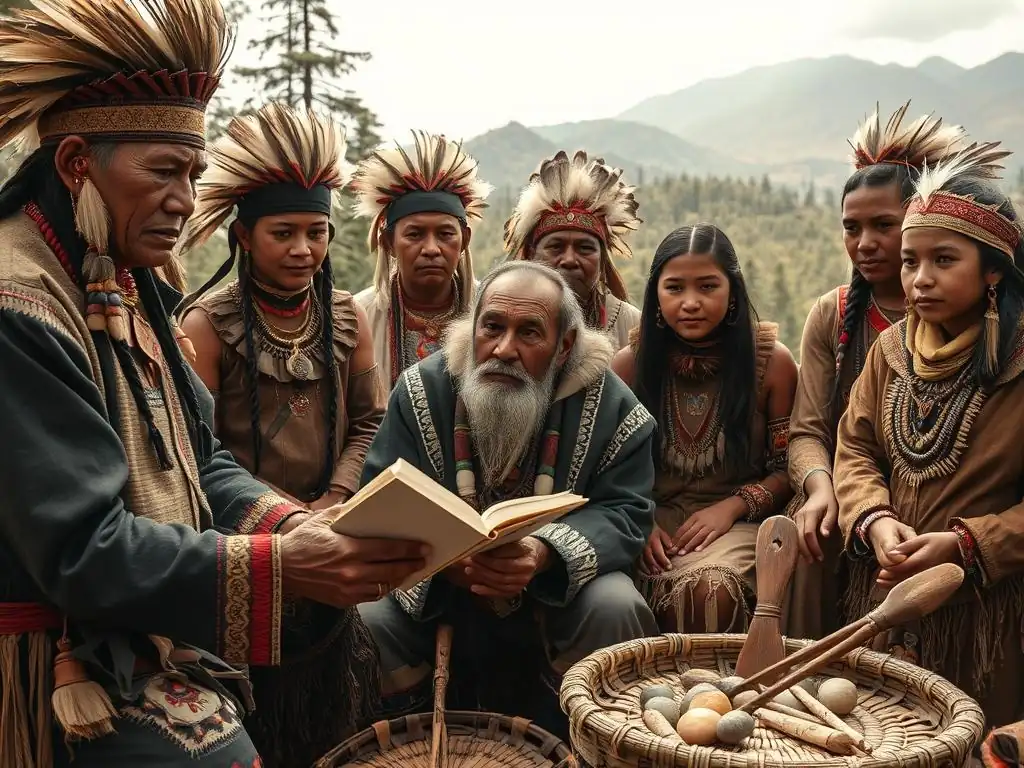
Effects of Colonization on Class Structures
The arrival of European colonizers in the Americas disrupted the intricate social class systems that indigenous peoples had developed over centuries. Prior to colonization, many indigenous societies had well-defined social hierarchies based on factors such as kinship, occupation, and spiritual leadership. For example, the Inca civilization had a structured class system that included the Sapa Inca at the top, followed by nobles, artisans, and farmers. These classes were not rigid; they allowed for social mobility based on merit and contributions to the community.
However, colonization introduced a host of challenges that fundamentally altered these class structures. European powers imposed their own systems of governance and economic exploitation, leading to the following consequences:
- Displacement of Traditional Leaders: Indigenous leaders often lost their authority as colonial governments imposed foreign rule. This eroded the existing social order and diminished the power of traditional governing bodies.
- Economic Disruption: The introduction of European trade practices disrupted local economies. Traditional crafts and farming methods were replaced with European trade goods, which often marginalized indigenous artisans and laborers.
- Cultural Erosion: Colonization led to the suppression of indigenous languages, religions, and customs. This cultural erosion weakened the bonds that defined indigenous social identity, as community members found it increasingly difficult to relate to their heritage.
- Imposed Racial Classifications: European colonizers categorized indigenous peoples into racial hierarchies that often disregarded the complexities of their social structures. This led to the marginalization of indigenous peoples and the legitimization of their exploitation.
The repercussions of these changes were profound, permeating through generations and leaving lasting scars on the fabric of indigenous social class identity, which continues to be felt today.
Modern Implications for Indigenous Identity Today
The legacy of colonization has led to ongoing challenges for indigenous peoples as they navigate their social identities in contemporary society. The historical disruptions to traditional class structures have had several implications:
- Cultural Revival Movements: Many indigenous communities are actively working to reclaim their cultural identities and revive traditional practices. This includes efforts to restore language, art, and ceremonies that were suppressed during colonization. Such movements serve not only to strengthen community ties but also to redefine modern indigenous social class identity.
- Inter-Community Relationships: The fragmentation caused by colonization has resulted in varying degrees of social class identity among different indigenous groups. Communities are increasingly recognizing the importance of solidarity and collaboration in addressing common issues, such as land rights and political representation.
- Recognition of Diverse Identities: Modern indigenous identity is multifaceted and reflects a blend of traditional values and contemporary realities. This complexity challenges simplistic notions of social class identity and emphasizes the need for inclusive definitions that honor the diversity within indigenous communities.
- Economic Development Initiatives: Many indigenous groups are pursuing economic self-sufficiency through initiatives that respect traditional practices while embracing modern economic strategies. By doing so, they aim to construct new social class identities that are rooted in both cultural heritage and contemporary socio-economic realities.
Through these efforts, indigenous peoples are redefining their social class identities in ways that honor their past while also adapting to present challenges. The resilience and agency demonstrated by these communities highlight the importance of understanding and supporting indigenous social class identity in today's world.
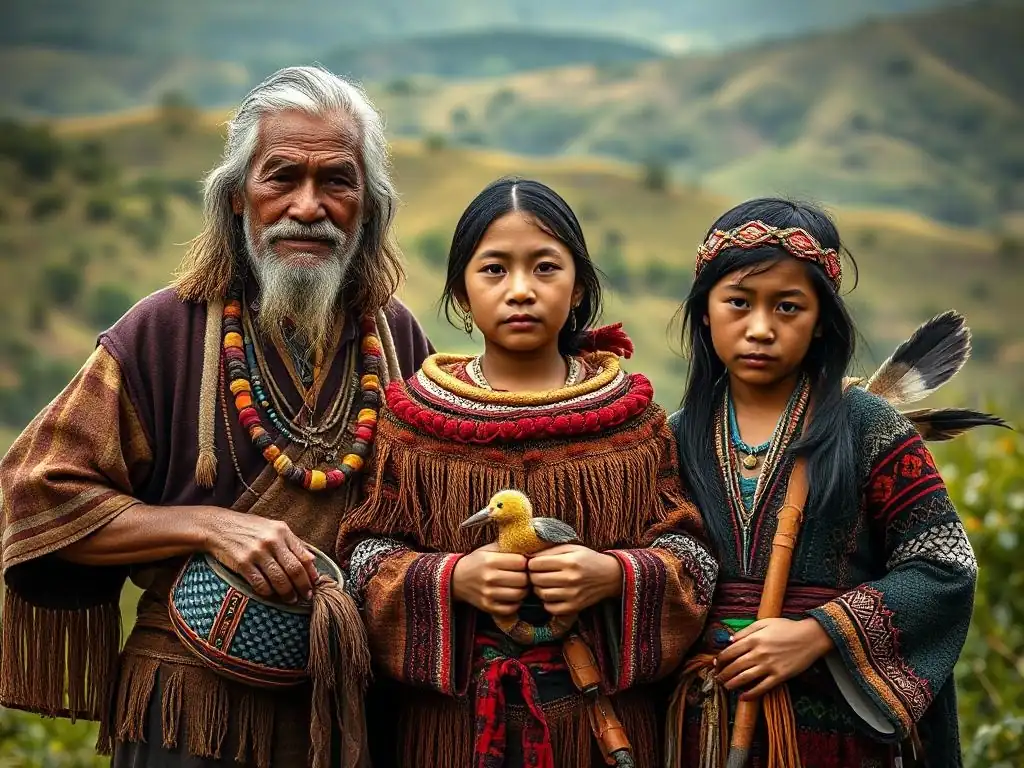
The revitalization of indigenous social class identity is a crucial aspect of cultural resurgence among Indigenous communities across the Americas. This process involves reclaiming traditional social structures, values, and practices that define the identities of various Indigenous groups. As Indigenous peoples navigate the complexities of modern society, there is a growing movement to reconnect with their historical roots and redefine their social hierarchies based on traditional knowledge and communal relationships.
Movements for Recognition and Preservation of Identity
Indigenous movements aimed at recognition and preservation of identity are integral to the revitalization of social class structures. These movements often focus on the following key areas:
- Cultural Awareness: Initiatives to educate both Indigenous and non-Indigenous populations about the historical and contemporary significance of Indigenous cultures.
- Legal Recognition: Efforts to secure legal status and rights for Indigenous groups, which include land claims, language preservation, and the acknowledgment of traditional governance systems.
- Community Engagement: Collaborations among Indigenous leaders, elders, and youth to foster intergenerational dialogue and strengthen community bonds. This includes the revitalization of traditional ceremonies and practices that emphasize social roles and responsibilities.
- Advocacy for Autonomy: Advocacy for self-determination and the establishment of Indigenous-led governance that reflects traditional social hierarchies, allowing communities to define their own social class identities without external interference.
An example of such a movement is the Idle No More campaign, which emphasizes Indigenous rights and environmental stewardship while fostering a collective identity based on shared heritage and social responsibilities.
Contemporary Expressions of Indigenous Class Identity
In contemporary contexts, Indigenous social class identity manifests in various expressions that reflect both traditional values and modern realities. These expressions can be categorized into several domains:
- Art and Cultural Production: Indigenous artists often draw upon traditional themes and motifs to express their identity. This includes:
- Visual Arts: Paintings, sculptures, and crafts that incorporate traditional techniques and narratives, often highlighting social roles and class structures within Indigenous societies.
- Performing Arts: Dance and music that reflect historical and modern narratives of Indigenous identity, fostering pride and communal solidarity.
- Education and Academia: Indigenous scholars and educators are increasingly integrating traditional knowledge into academic curricula, creating spaces where Indigenous social class identity is explored and validated. This includes:
- Culturally Relevant Pedagogy: Educational practices that incorporate Indigenous languages, histories, and social structures, allowing students to appreciate their heritage.
- Research Initiatives: Studies that focus on Indigenous social systems, providing insights into how traditional class identities influence contemporary Indigenous life.
- Digital Activism: Social media and online platforms play a vital role in the expression of Indigenous identity. They serve as spaces for:
- Storytelling: Sharing personal and collective narratives that reflect the diversity of Indigenous experiences and social structures.
- Community Building: Connecting Indigenous peoples across geographic boundaries, fostering solidarity and collective action around identity and rights.
The revitalization of indigenous social class identity is a dynamic and ongoing process, marked by a blend of traditional practices and modern expressions. This multifaceted approach not only seeks to preserve the rich histories of Indigenous peoples but also to empower them in defining their identities in a rapidly changing world.
Indigenous social class identity is a multifaceted concept that encapsulates the intricate ways in which various indigenous cultures defined themselves and their social structures before European colonization. Several key points emerge from this exploration:
- Diverse Social Structures: Indigenous societies were not monolithic; they exhibited a range of social hierarchies and class systems. For example, among the Aztec civilization, the social structure was rigidly stratified into nobles, commoners, and serfs, each with distinct roles and responsibilities. In contrast, Navajo society traditionally emphasized a more egalitarian approach, valuing community contributions over rigid class distinctions.
- Cultural Identity and Class: Social class was closely intertwined with cultural identity. The roles individuals held within their community often dictated their cultural practices, status, and access to resources. For instance, in many Andean cultures, the role of the ayllu (community group) was crucial, emphasizing collective identity over individual class status.
- Economic Systems and Class Dynamics: The economic systems employed by indigenous peoples significantly influenced their social class identities. Trade networks, agricultural practices, and resource management shaped class distinctions. The Iroquois Confederacy, for instance, operated a sophisticated system of governance and resource allocation, which informed social hierarchies and community roles.
- Resistance and Adaptation: The imposition of European colonial structures disrupted indigenous social class identities, leading to a dynamic interplay of resistance and adaptation. Many indigenous communities sought to preserve their cultural identities while navigating new social realities imposed by colonization.
Understanding indigenous social class identity is not merely an academic pursuit; it holds significant relevance in contemporary discussions about cultural preservation, identity politics, and social justice. Recognizing how indigenous peoples defined their identities through social class provides valuable insights into the following areas:
- Cultural Preservation: As indigenous communities strive to maintain their cultural heritage, understanding historical social structures can inform contemporary efforts to revitalize language, traditions, and communal practices. This knowledge fosters a deeper appreciation for the complexities of indigenous identities.
- Social Justice Movements: In the context of ongoing social justice movements, acknowledging the historical nuances of indigenous social class identity can empower indigenous voices and narratives. It encourages advocacy for rights, recognition, and reparations based on a nuanced understanding of past injustices.
- Intercultural Dialogue: Promoting dialogue between indigenous and non-indigenous communities requires a recognition of the diverse social systems that exist within indigenous cultures. This understanding can facilitate more meaningful and respectful interactions, fostering collaboration and mutual respect.
- Policy Development: Policymakers can benefit from insights into indigenous social class identity when crafting policies that affect indigenous communities. Tailoring approaches to reflect the unique social structures and identities of these groups can lead to more effective and equitable outcomes.
The exploration of indigenous social class identity uncovers a rich tapestry of cultural significance that continues to resonate today. By appreciating and understanding these complexities, we can contribute to the ongoing legacy of indigenous cultures in the Americas and support their enduring impact on contemporary society.
Frequently Asked Questions
The article explores how indigenous peoples in the Americas established their social class identity before European contact, highlighting their cultural achievements and societal structures.
Indigenous social class identity played a crucial role in shaping social hierarchies, community roles, and economic interactions, which were fundamental to the functioning of their societies.
What are some achievements of indigenous civilizations mentioned in the article?
The article details various achievements such as advanced agricultural practices, complex political systems, and rich artistic expressions, showcasing the diverse contributions of these cultures.
European colonization significantly disrupted indigenous social structures, imposing alien systems of governance and altering traditional roles, which led to a decline in the recognition of native social class identities.
Understanding indigenous social class identity helps to appreciate the diversity and complexity of indigenous cultures, fostering a deeper respect for their historical experiences and contemporary issues.
The exploration of indigenous social class identity is not merely an academic exercise; it is a vital conversation that resonates deeply in today's world. As we navigate an increasingly complex social landscape, the ways in which Indigenous peoples define themselves against the backdrop of historical and contemporary social class dynamics are crucial to understanding their ongoing struggles and triumphs. The recognition of their unique identities and social standings is not just important for Indigenous communities but also for fostering a more inclusive society that values diversity and equity.
The influence of indigenous social class identity extends far beyond the confines of academic discourse; it shapes cultural narratives, social policies, and community resilience. The ongoing dialogue around identity and class among Indigenous peoples serves as a powerful reminder of the importance of self-definition and representation. As noted by scholar Linda Tuhiwai Smith, The past is not dead; it is not even past.
This quote encapsulates the enduring impact of historical injustices and the necessity for Indigenous voices to be heard and respected in discussions about their identities and social standings today.
As we reflect on the lessons from this exploration, I invite you to consider your own role in this narrative. How can you contribute to a deeper understanding of indigenous social class identity in your community? By engaging with Indigenous perspectives, advocating for their rights, and amplifying their voices, you can help create a more equitable future. Let us all take a moment to reflect on our own identities and the ways in which we can support the rich tapestry of Indigenous cultures, ensuring that their stories and identities are celebrated and recognized in the broader societal context.
Embrace Your Journey: Connect and Advocate!
Thank you for taking the time to explore how Indigenous peoples have shaped their identities through the lens of social class. Your engagement in this vital discussion contributes to a deeper understanding of diverse cultures and histories. Now, let's take the next step together!
- Dive deeper into Indigenous cultures by reading firsthand accounts and stories shared by Indigenous authors. Look for literature or documentaries available at your local library or on various online platforms.
- Share your insights from this article with friends and on social media to inspire others. Initiate discussions about the importance of recognizing and honoring Indigenous identities!
- Join local events or groups that focus on Indigenous rights and culture in your community. Connecting with others who share your passion can significantly amplify your impact.
What insights have you gained about your own identity in relation to the social classes and cultures of Indigenous peoples?