
Exploring the Significance of Color in Indigenous Fashion and Design

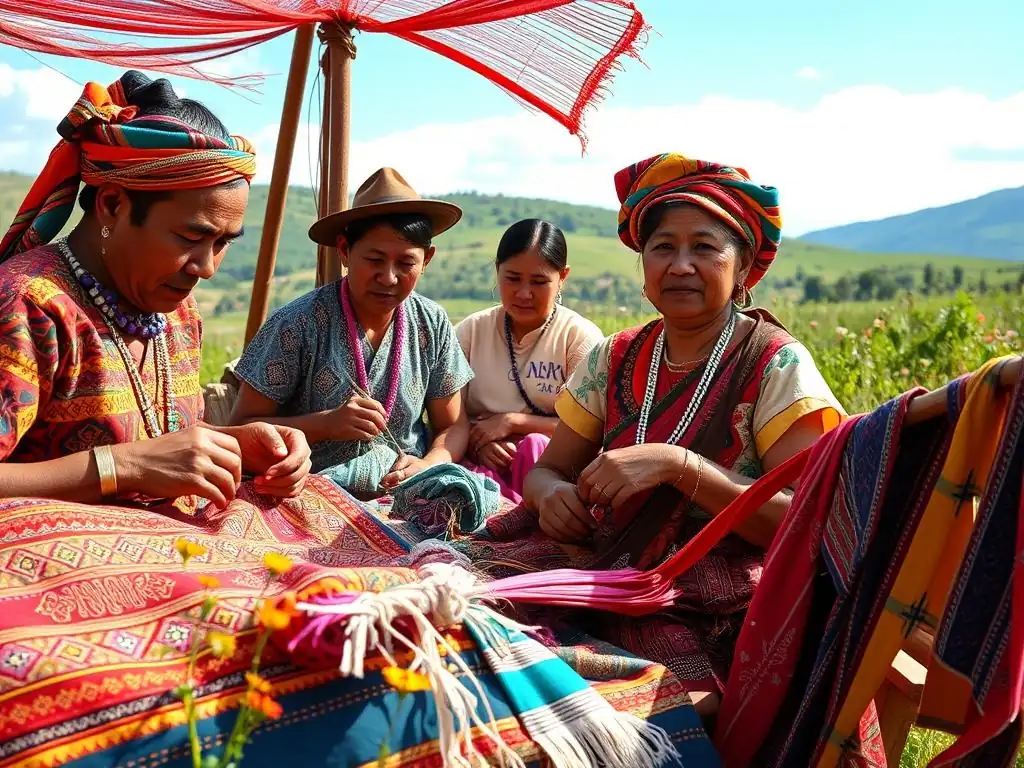
Welcome to Indigenous Civilizations of the Americas, where we invite you to embark on a fascinating journey through the vibrant tapestry of indigenous cultures that flourished long before European colonization. Here, you will discover the rich traditions, remarkable achievements, and profound legacies of these societies. Our featured article, “Exploring the Significance of Color in Indigenous Fashion and Design,” delves into the captivating world of indigenous fashion, revealing the deep meanings behind color choices and their cultural importance. Prepare to be enlightened and inspired as you explore how these timeless practices continue to influence and resonate today.
Introduction to Indigenous Fashion Color Significance
Indigenous fashion is a vibrant tapestry woven from the threads of history, culture, and identity. It reflects the rich heritage of the diverse indigenous peoples of the Americas, celebrating not only their artistic expressions but also their deep connections to the natural world and spiritual beliefs. In this exploration of Indigenous fashion color significance, we will delve into the intricate meanings behind colors used in indigenous designs, how these colors convey cultural narratives, and their role in shaping identity within various communities.
Brief Overview of Indigenous Fashion
Indigenous fashion encompasses a wide range of styles and techniques, reflecting the unique histories and environments of different tribes and nations. Traditional garments often incorporate natural materials such as animal hides, feathers, and plant fibers, showcasing the skills of artisans who have honed their craft over generations.
- Key Characteristics of Indigenous Fashion:
- Use of natural dyes derived from plants, minerals, and insects
- Inclusion of symbolic patterns representing stories, beliefs, and heritage
- Emphasis on sustainability and respect for the environment
Through these elements, indigenous fashion not only serves practical purposes but also acts as a medium for storytelling and cultural expression.
Importance of Color in Cultural Identity
Color plays a vital role in the cultural identity of indigenous peoples. Each hue carries specific meanings and associations, often tied to the environment, spirituality, or social status. For example:
- Red may symbolize life or vitality, often associated with the earth and blood.
- Black can represent the unknown or the spiritual realm.
- White often signifies purity or peace.
These colors are not merely aesthetic choices; they are imbued with significance that reflects the values and beliefs of the community. Understanding the role of color in indigenous fashion helps to deepen our appreciation for the cultures and histories that have shaped these vibrant designs.
Historical Context of Color in Indigenous Fashion
The use of color in indigenous fashion is deeply rooted in history, with practices evolving over centuries. The significance of colors has transformed alongside changes in cultural practices, trade, and external influences.
Traditional Use of Color in Indigenous Cultures
Historically, indigenous peoples utilized colors derived from their surroundings. Natural resources played a critical role in dyeing techniques, with colors being linked to specific plants, minerals, and animals. For instance:
- Indigo sourced from plants was used by various tribes for its deep blue hue.
- Yellow ochre, a natural pigment, was commonly used in decorative patterns.
These colors were not only functional but also symbolic, often reflecting the community’s connection to nature and their environment. The traditional knowledge of color usage has been passed down through generations, preserving cultural practices and reinforcing community bonds.
Evolution of Color Significance Over Time
As indigenous cultures encountered European colonization and globalization, the significance of colors in fashion began to evolve. New materials and dyes were introduced, altering traditional practices while also blending indigenous and European styles. This evolution can be observed in:
- The incorporation of synthetic dyes, which expanded the color palette available to artisans.
- The adaptation of traditional designs to contemporary fashion trends, allowing indigenous artists to reach broader audiences while preserving cultural narratives.
Despite these changes, many indigenous communities continue to honor and celebrate their traditional color meanings, ensuring that the essence of their cultural identity remains intact amidst a rapidly changing world.
In our exploration of indigenous fashion color significance, we will further analyze how these meanings manifest in contemporary designs and the ongoing impact of indigenous fashion on the broader cultural landscape.
Symbolism of Colors in Indigenous Fashion
Colors play a vital role in Indigenous fashion, serving as powerful symbols that convey deep meanings and cultural narratives. The use of color in traditional garments and artifacts is not merely aesthetic; it reflects the values, beliefs, and identities of Indigenous peoples. Each color is imbued with particular significance, often linked to elements of nature, spirituality, and social customs. Understanding the symbolism of colors in Indigenous fashion offers insight into the rich tapestry of cultures across the Americas and highlights the profound connections between art and identity.
Red: Symbolism and Cultural Meaning
Red is a color of great significance in many Indigenous cultures, often symbolizing life, vitality, and the spirit. It is associated with the earth and the blood that sustains life, making it a powerful emblem of both creation and sacrifice. In various traditions, red may also represent strength, courage, and the warrior spirit. For instance, in some Native American tribes, red ochre is used in ceremonial practices, emphasizing its role in rituals related to life and death. The vibrancy of red in clothing can signify a person's social status, achievements, or connection to the community.
Blue: Spiritual Connections and Representation
Blue, often associated with the sky and water, carries profound spiritual meanings in Indigenous fashion. It represents tranquility, healing, and the interconnectedness of life. In many cultures, blue is seen as a color of protection, guiding individuals on their spiritual journeys. For example, the Pueblo peoples of the Southwest use blue in their traditional pottery and textiles, often signifying the presence of water, which is essential for life in arid regions. In clothing, blue can denote a person's connection to the spiritual realm, reflecting their role as a mediator between the earthly and divine.
Yellow: Significance in Rituals and Ceremonies
Yellow is a color that often symbolizes warmth, happiness, and the sun in Indigenous cultures. It is frequently associated with harvest and abundance, playing a crucial role in various rituals and ceremonies. For instance, in many Native American traditions, yellow corn is a sacred symbol of sustenance and fertility. In fashion, yellow may be used in regalia to convey joy and celebration, especially during community gatherings or significant life events. The brightness of yellow fabrics can evoke feelings of optimism and hope, reinforcing communal bonds and cultural resilience.
Green: Nature and Life in Indigenous Design
Green represents nature, growth, and renewal in Indigenous fashion. It symbolizes the life force found in plants, trees, and the earth itself, reflecting deep respect for the natural world. Many Indigenous cultures view green as a reminder of their connection to the land and the importance of sustainability. In clothing and designs, green hues are often used to signify harmony and balance within ecosystems. For example, the use of green in textiles and beadwork can represent healing and the cyclical nature of life, emphasizing the importance of living in accordance with nature's rhythms.
Black and White: Duality and Balance in Fashion
Black and white colors often embody duality and balance in Indigenous fashion, representing opposing forces that coexist in harmony. Black can symbolize the unknown, mystery, or the earth, while white often signifies purity, spirituality, and light. Together, these colors can convey complex themes such as life and death, good and evil, or the physical and spiritual realms. In many Indigenous traditions, the interplay between black and white in clothing and artifacts reflects the belief in balance as essential to existence. It serves as a reminder of the interconnectedness of all things and the importance of maintaining equilibrium in life.
Regional Variations in Color Significance
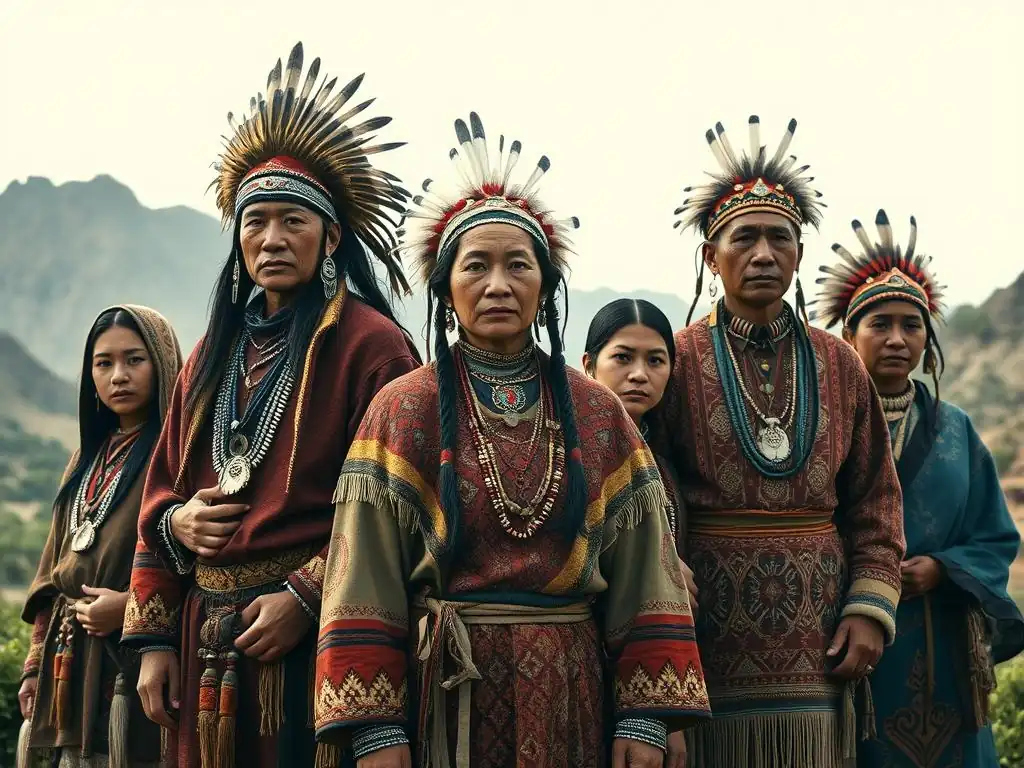
The significance of color in Indigenous fashion varies widely across different regions, influenced by the unique histories, environments, and cultural practices of each group. Understanding these regional variations allows for a deeper appreciation of the diversity and richness of Indigenous expressions in fashion and design.
North American Indigenous Cultures
In North American Indigenous cultures, color symbolism often draws from the natural landscape. For instance, the colors used by the Navajo people reflect their environment, with earthy tones symbolizing the land and vibrant colors representing the sky and water. The use of red, blue, and yellow in traditional clothing and blankets may signify various cultural narratives, family lineage, and personal achievements. Additionally, many tribes incorporate specific colors into ceremonial attire that reflects their spiritual beliefs and connections to ancestral practices.
Central American Indigenous Traditions
Central American Indigenous traditions are characterized by a vibrant use of color in textiles and clothing, often tied to their rich agricultural heritage. Colors such as turquoise, orange, and deep green are prevalent in the garments of the Maya and other groups, symbolizing nature, fertility, and the cosmos. The intricate patterns and color combinations found in traditional weaving often tell stories of community, mythology, and historical events, showcasing the artistry and cultural significance embedded in their fashion.
South American Indigenous Expressions
In South America, color significance in Indigenous fashion is deeply rooted in local flora, fauna, and cultural symbolism. The use of bright colors like red, yellow, and green in the textiles of the Andean cultures often reflects the diversity of the region's biodiversity and agricultural practices. For example, the Quechua and Aymara people use color in their clothing to express social identity and status, with specific patterns and hues indicating regional affiliations. Additionally, the vibrant colors in ceremonial attire serve to connect individuals with their cultural heritage and ancestral spirits, reinforcing the importance of tradition in contemporary Indigenous expressions.
The Role of Natural Dyes in Indigenous Fashion
Natural dyes have played a pivotal role in the development of Indigenous fashion, serving not only as a means of coloring textiles but also as a medium of cultural expression. Derived from various plants, minerals, and insects, these dyes were integral to the artisanship of Indigenous communities across the Americas.
The colors produced from natural sources were infused with meaning, often tied to the spiritual and cultural beliefs of the people. For instance, the deep reds from cochineal insects or the vibrant yellows from marigold petals were not merely aesthetic choices; they represented stories, traditions, and the connection to the land.
Natural dyes also reflect the ecological knowledge of Indigenous peoples, showcasing their understanding of local flora and fauna. This relationship not only emphasizes sustainability but also fosters a sense of identity and pride in the cultural heritage. The colors derived from these natural sources were often used in ceremonial attire, highlighting their significance in social and spiritual contexts.
Traditional Dyeing Techniques
Traditional dyeing techniques used by Indigenous cultures varied widely, reflecting the diverse environments and resources available to different communities. Techniques such as immersion dyeing, where fabrics were soaked in dye baths made from natural materials, and resist dyeing, which involved binding or folding fabric to create patterns, were commonly employed.
Some notable methods include:
- Sun Dyeing: Fabrics were spread under sunlight to absorb color, often using plants that reacted to UV rays.
- Fermentation Dyeing: Certain dyes, such as indigo, were created through a fermentation process, resulting in unique shades.
- Bundle Dyeing: Materials were wrapped around bundles of plant materials, creating intricate designs when unfurled after dyeing.
These techniques not only produced a vast array of colors but also allowed artisans to imprint their cultural narratives into the fabric. The knowledge of these methods was often passed down through generations, reinforcing community bonds and identity.
Impact of Natural Dyes on Color Significance
The significance of color in Indigenous fashion is deeply intertwined with the use of natural dyes. Each color derived from natural sources often carries specific meanings and associations. For example, the color blue, which could be produced from indigo, is traditionally linked to harmony and spirituality, while red often symbolizes strength and vitality.
The impact of natural dyes on color significance is profound:
- Cultural Identity: Colors became markers of identity, with specific hues associated with particular tribes or regions.
- Ceremonial Use: Certain colors were reserved for specific ceremonies or rites of passage, enhancing their sacredness.
- Seasonal Changes: The accessibility of certain plants and materials influenced the colors that were used during different seasons, reflecting the relationship between culture and nature.
Through these elements, natural dyes have not only shaped the aesthetics of Indigenous fashion but have also reinforced cultural narratives and identities.
Contemporary Interpretations of Color in Indigenous Fashion
Contemporary interpretations of color in Indigenous fashion reflect a dynamic blend of traditional practices and modern influences. As Indigenous designers and artists engage with current fashion trends, they are reimagining color use while honoring their cultural roots. This blending of old and new fosters a unique aesthetic that resonates with both Indigenous and non-Indigenous audiences.
Modern Designers and Color Usage
Modern Indigenous designers are utilizing color in innovative ways, often drawing inspiration from traditional palettes while incorporating contemporary styles. Designers like Oren Lyons, a member of the Onondaga Nation, and Kahente Horn-Miller, a Kanien’kehá:ka (Mohawk) designer, are examples of individuals who emphasize the significance of color in their work.
The use of color in their designs often serves to:
- Tell Stories: Each piece can convey a specific narrative or ancestral connection through its color choices.
- Challenge Stereotypes: Designers aim to redefine perceptions of Indigenous fashion, moving beyond clichés and promoting authentic representations.
- Promote Sustainability: Many modern designers emphasize the use of sustainable materials and natural dyes, merging ecological consciousness with cultural expression.
Through these approaches, color becomes a powerful tool for dialogue and understanding within the fashion industry.
Fusion of Traditional and Contemporary Color Palettes
The fusion of traditional and contemporary color palettes in Indigenous fashion has sparked a vibrant evolution in design. By incorporating traditional colors with modern aesthetics, designers create pieces that resonate with both Indigenous heritage and contemporary trends.
This fusion manifests in several ways:
- Revival of Ancient Techniques: Contemporary artists are revisiting and revitalizing ancient dyeing methods, merging them with modern techniques to create unique textiles.
- Global Influence: As Indigenous fashion gains international recognition, artists are blending traditional colors with influences from global fashion, leading to innovative and diverse palettes.
- Cultural Collaboration: Collaborations between Indigenous and non-Indigenous designers often result in a rich exchange of ideas, allowing for the creation of hybrid color schemes that celebrate diversity.
This creative dialogue not only enhances the richness of Indigenous fashion but also ensures that the significance of color remains a vital aspect of cultural expression in a modern context.
Case Studies: Indigenous Fashion Designers and Color Significance
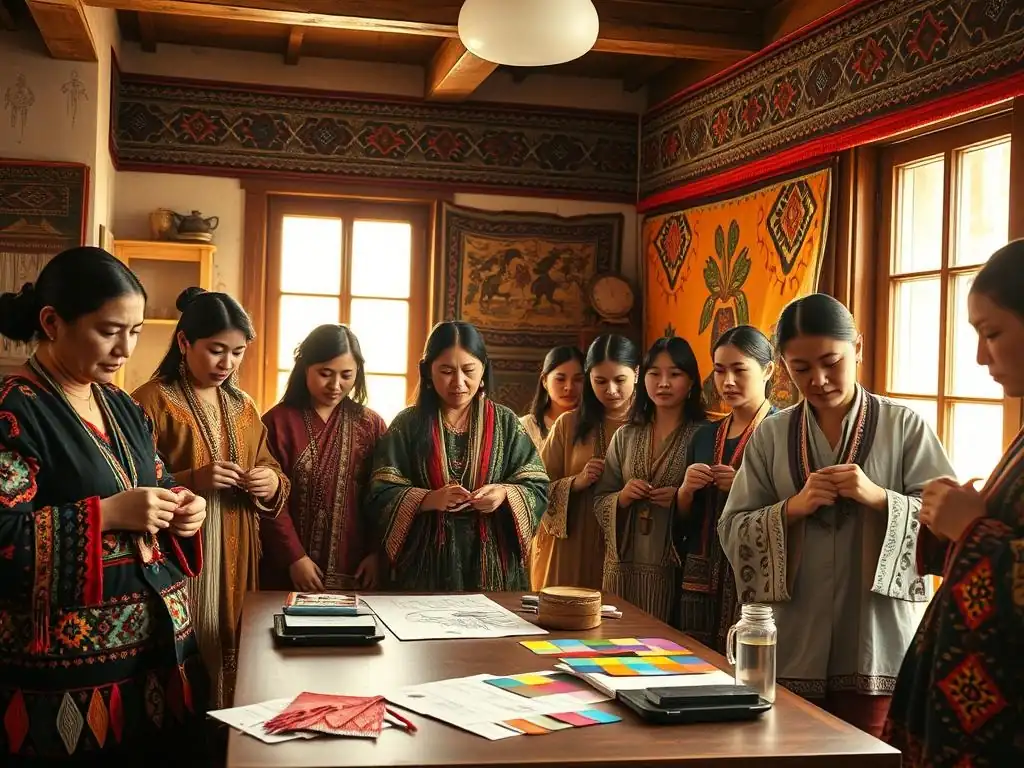
Indigenous fashion designers play a crucial role in preserving and promoting the rich traditions and cultural narratives of their communities through color. Their unique approaches to color not only reflect personal aesthetics but also embody historical significance, spiritual meanings, and ecological connections. By examining the work of notable designers, we gain a deeper understanding of how color is utilized to convey stories, identity, and heritage in indigenous fashion.
Jada F.: Exploring Their Color Choices
Jada F. is renowned for her vibrant use of color that draws inspiration from her Indigenous heritage and the natural landscapes of her home. Her designs often feature bold hues that symbolize various elements of her culture, such as red for strength, yellow for prosperity, and blue for spirituality. Each garment is a narrative piece, where the colors chosen are not merely decorative but serve as a bridge to her ancestral roots.
In her collections, Jada F. frequently incorporates traditional motifs alongside contemporary silhouettes, creating a dialogue between past and present. For instance, she utilizes earth tones inspired by local flora and fauna, emphasizing a deep connection to the land. This eco-conscious approach not only highlights the significance of color but also promotes sustainability within the fashion industry.
Jada F.’s color choices resonate with her audience, inviting them to appreciate the stories behind each shade. Her work exemplifies how Indigenous fashion can elevate cultural pride and encourage a revival of traditional practices through modern design.
Virgil Ortiz: Cultural Influences on Color Selection
Virgil Ortiz is another influential figure in the realm of Indigenous fashion, particularly recognized for his intricate designs that celebrate Pueblo culture. Ortiz’s color palette is deeply rooted in traditional storytelling and ceremonial practices, often reflecting the vibrant colors found in pottery and textiles of his ancestors.
His collections frequently showcase a range of colors, from the earthy tones of terracotta to the vivid blues and greens reminiscent of the Southwest landscape. Each color is carefully selected to represent specific cultural narratives or historical events, making his fashion pieces not just clothing but wearable art. For example, the use of turquoise is prevalent in his designs, symbolizing protection and healing, while red signifies strength and vitality.
By integrating these culturally significant colors into his work, Ortiz not only honors his heritage but also educates a broader audience about the meanings behind them. His innovative approach to color selection serves as a powerful reminder of the ongoing relevance of Indigenous narratives in contemporary fashion.
Conclusion: The Lasting Impact of Color in Indigenous Fashion and Design
The significance of color in Indigenous fashion transcends mere aesthetics; it is a vital component of cultural expression and identity. Through the works of designers like Jada F. and Virgil Ortiz, we see how color can encapsulate traditions, communicate stories, and foster a sense of belonging within Indigenous communities.
Reflection on Cultural Heritage
Color in Indigenous fashion acts as a vehicle for expressing cultural heritage, allowing designers to convey their histories and values through their creations. The thoughtful use of color fosters a connection between generations, as traditional meanings are passed down and reinterpreted in modern contexts. This reflection on cultural heritage not only strengthens community ties but also promotes a greater understanding and appreciation of Indigenous cultures among wider audiences.
Future of Color in Indigenous Fashion
As Indigenous fashion continues to evolve, the significance of color will remain a cornerstone of design practice. The future holds promising potential for further exploration of color meanings and their applications in fashion, particularly in the context of global movements towards sustainability and cultural authenticity. By embracing both traditional and contemporary influences, Indigenous designers can continue to innovate while honoring their rich legacies, ensuring that the vibrant narratives of their cultures endure for generations to come.
Call to Action: Engaging with Indigenous Fashion
Indigenous fashion represents not just a style but a vibrant tapestry of history, culture, and identity. By engaging with Indigenous fashion, we can appreciate the stories woven into each piece and the significant role that color plays in conveying cultural meaning. The call to action here is not only to observe but to actively participate in the celebration and promotion of these unique designs.
Understanding the significance of color in Indigenous fashion allows us to connect with the rich narratives behind the garments. Each hue often holds specific meanings tied to the land, spirituality, and community. Engaging with Indigenous fashion is an opportunity to recognize these deeper connections and support the artisans who craft these expressions of heritage.
Encouraging Readers to Explore Indigenous Designs
To truly appreciate the depth of Indigenous fashion, readers are encouraged to explore various Indigenous designs and their cultural contexts. This exploration can take many forms:
- Visit Local Markets: Seek out local Indigenous markets or craft fairs to experience firsthand the creativity and craftsmanship involved in Indigenous fashion.
- Attend Workshops: Participate in workshops led by Indigenous artisans. These experiences not only educate but also foster a deeper understanding of the traditional techniques and materials used in their work.
- Follow Indigenous Designers: Discover and follow Indigenous fashion designers on social media platforms. Many designers share insights into their creative processes, the significance of their designs, and the cultural stories they aim to convey.
By actively engaging with these practices, readers can develop a more nuanced appreciation for the artistry and significance behind Indigenous fashion.
Supporting Indigenous Fashion Initiatives
Supporting Indigenous fashion initiatives is crucial for preserving cultural heritage and promoting economic sustainability within Indigenous communities. Here are ways readers can contribute:
- Purchase Ethically: When buying Indigenous fashion, choose to purchase from Indigenous-owned brands and artisans. This helps ensure that profits support the communities and artisans directly.
- Spread Awareness: Use social media platforms to share Indigenous fashion stories and highlight the artisans behind the designs. Awareness can lead to greater appreciation and demand for these culturally significant items.
- Advocate for Inclusivity: Support policies and initiatives that promote the inclusion of Indigenous voices in the fashion industry. Advocating for fair representation can help elevate Indigenous fashion on a global platform.
By supporting these initiatives, readers not only enrich their own understanding of Indigenous cultures but also play a role in empowering Indigenous communities through fashion.
- Introduction to Indigenous Fashion Color Significance
- Historical Context of Color in Indigenous Fashion
- Symbolism of Colors in Indigenous Fashion
- Regional Variations in Color Significance
- The Role of Natural Dyes in Indigenous Fashion
- Contemporary Interpretations of Color in Indigenous Fashion
- Case Studies: Indigenous Fashion Designers and Color Significance
- Conclusion: The Lasting Impact of Color in Indigenous Fashion and Design
- Call to Action: Engaging with Indigenous Fashion
- What is the significance of color in Indigenous fashion?
- How do different Indigenous cultures interpret color?
- Are there specific colors that are universally significant across Indigenous cultures?
- How has colonialism affected the use of color in Indigenous fashion?
- Where can I learn more about Indigenous fashion and color significance?
Frequently Asked Questions
What is the significance of color in Indigenous fashion?
Color in Indigenous fashion holds deep cultural meanings and reflects the beliefs, traditions, and natural surroundings of each community. Different shades can signify spirituality, identity, or social status.
How do different Indigenous cultures interpret color?
Each Indigenous culture has its own unique interpretation of colors. For instance, some may associate red with strength and vitality, while black might symbolize mourning or sacredness.
Are there specific colors that are universally significant across Indigenous cultures?
While many colors hold common meanings, their significance can vary widely. However, earth tones like brown and green are often associated with nature and harmony across many cultures.
How has colonialism affected the use of color in Indigenous fashion?
Colonialism has led to the loss of traditional practices, including the use of certain colors. Many Indigenous people are now reviving their cultural heritage by reclaiming the traditional significance of colors in their fashion.
Where can I learn more about Indigenous fashion and color significance?
For a comprehensive exploration of Indigenous fashion color significance, visit the Indigenous Civilizations of the Americas website, which delves into the achievements and lasting impact of these vibrant cultures.
Final Reflection: The Vibrant Legacy of Indigenous Fashion Colors
The significance of color in Indigenous fashion and design is not merely an aesthetic choice; it is a profound expression of identity, culture, and history. Today, as we witness a resurgence of interest in Indigenous fashion, understanding the meanings behind these colors becomes increasingly relevant. The vibrant hues that adorn traditional garments are not just visually striking; they carry stories, traditions, and a deep connection to the land and ancestors. This exploration of color significance invites us to appreciate the richness of Indigenous cultures and the narratives woven into their textiles.
The influence of color in Indigenous fashion extends far beyond the realm of clothing; it shapes cultural identity and fosters a sense of community. As Indigenous designers reclaim their heritage through vibrant palettes, they challenge mainstream fashion norms and redefine beauty standards. This movement not only honors ancestral practices but also empowers future generations to embrace their cultural roots. Color is the language of the soul; it speaks to our identity and our place in the world.
This quote encapsulates the essence of how color serves as a bridge between past and present, reminding us of the importance of cultural continuity.
As we reflect on the lessons of Indigenous fashion color significance, let us embrace the call to honor and celebrate diversity in our own lives. Consider how you can incorporate the values of respect, understanding, and appreciation for different cultures into your daily interactions. By recognizing the stories behind the colors we encounter, we can foster a deeper connection to the world around us and contribute to a more inclusive society. The vibrant legacy of Indigenous fashion invites us all to reflect on our identities and the colors that shape our experiences.
Embrace the Colors of Culture: Take Action Now!
Thank you for diving into the vibrant world of Indigenous fashion and design! You've discovered how color plays a crucial role in expressing identity and heritage. Now, it's time to take your newfound knowledge and make an impact!
- Explore local Indigenous art exhibits or fashion shows to see these colors come to life and support artists in your community.
- Share this article with friends and family, sparking conversations about the significance of color and culture in Indigenous design.
- Engage with Indigenous creators on social media — follow, comment, and uplift their work to help amplify their voices.
Reflect on the colors that resonate with your own identity, and consider how you can celebrate them in your daily life.