
Exploring the Flavors of the Americas: Rediscovering Indigenous Cooking Techniques

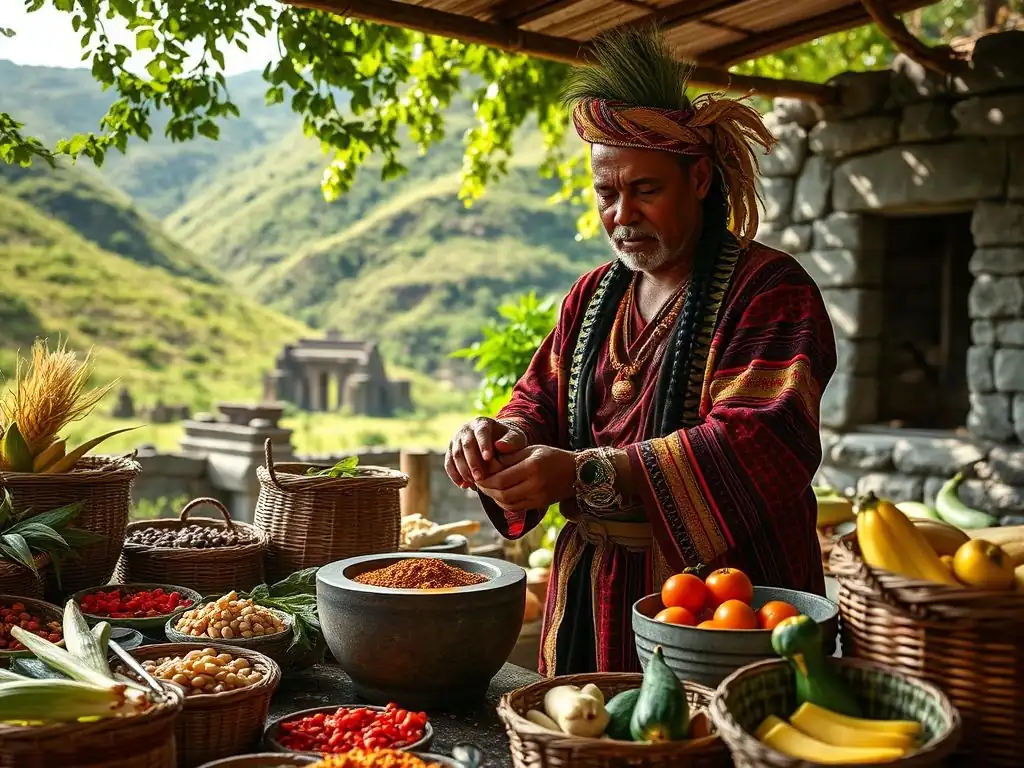
Welcome to Indigenous Civilizations of the Americas, where we embark on a fascinating journey through the rich tapestry of indigenous cultures that flourished long before European contact. Here, we delve into the remarkable cooking techniques of the Americas, uncovering the culinary traditions that not only tantalized the taste buds but also reflect the deep connection between these civilizations and their environment.
Prepare to be captivated by the flavors, stories, and legacies that continue to influence our modern palates. Join us as we explore how these ancient practices are making a resurgence today, inviting you to savor the past while igniting your curiosity about the culinary heritage of the Americas.
Introduction to Indigenous Cooking Techniques in the Americas
The rich tapestry of indigenous cultures in the Americas is not only evident in their vibrant traditions and histories but also deeply embedded in their culinary practices. Indigenous cooking techniques represent a profound connection to the land, sustainability, and the unique flavors that characterize the diverse regions of the Americas. Before European colonization, various indigenous societies developed their own methods of food preparation, utilizing locally available ingredients, which not only nourished their communities but also reflected their cultural identities and spiritual beliefs.
In this exploration, we will delve into the variety of indigenous cooking techniques that have been passed down through generations, showcasing their significance and the ways they have shaped contemporary culinary practices. From the intricate use of fire and earth to the innovative preservation methods, these techniques are a testament to the ingenuity and resourcefulness of indigenous peoples. Understanding these methods not only honors their legacy but also invites us to appreciate the flavors that define the Americas.
This journey through indigenous cooking will highlight:
- Traditional Ingredients: Discover the native plants, herbs, and animals that have been fundamental to indigenous diets.
- Culinary Techniques: Explore methods such as roasting, smoking, and fermentation that have been perfected over centuries.
- Cultural Significance: Understand the rituals and traditions surrounding food preparation and consumption.
As we embark on this culinary adventure, we invite you to rediscover the indigenous cooking techniques of the Americas and appreciate their lasting impact on our modern-day culinary landscape. 🌽🍃
- What are indigenous cooking techniques in the Americas?
- How did indigenous cooking techniques influence modern cuisine?
- What are some examples of traditional ingredients used in indigenous cooking?
- Why is it important to study indigenous cultures and their cooking methods?
- How can I learn more about indigenous cooking techniques?
Key Indigenous Cooking Techniques of the Americas
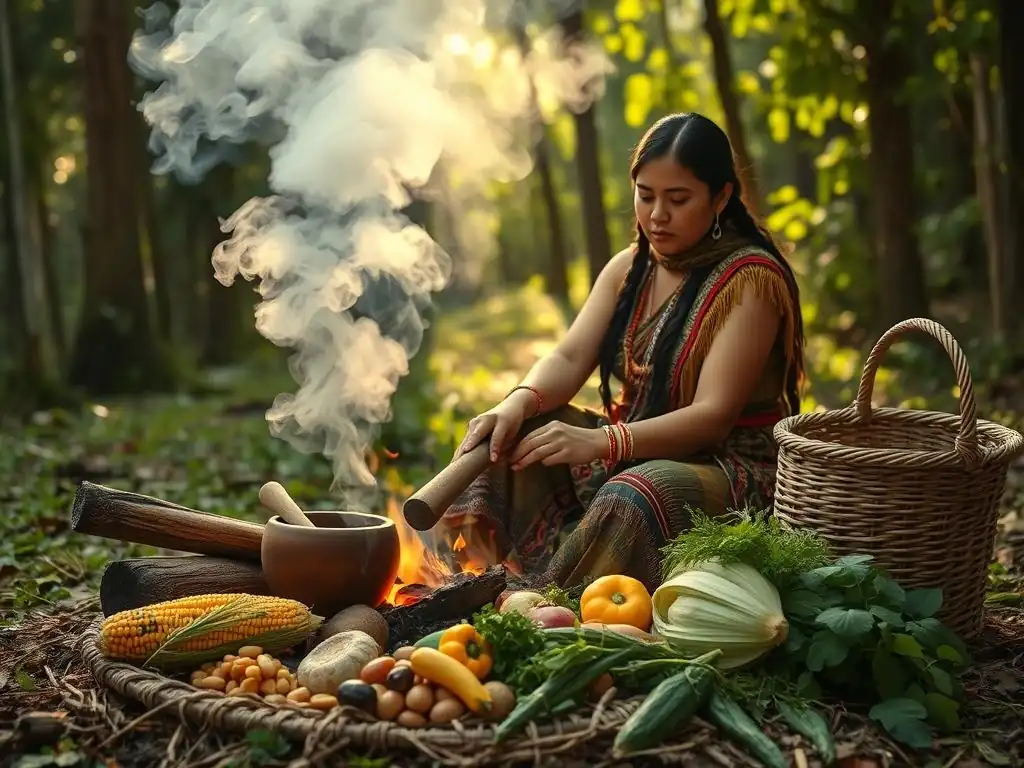
Traditional Cooking Methods Used by Indigenous Peoples
Indigenous cooking techniques in the Americas are as diverse as the cultures that developed them. These methods, passed down through generations, reflect a deep connection to the land and a holistic understanding of the environment. Here are some of the most notable traditional cooking methods:
-
Roasting and Smoking
Many indigenous groups employed roasting as a primary cooking method. This technique not only enhanced flavors but also preserved meat for extended periods. For example, the Plains Indigenous peoples used roasting pits lined with hot stones to cook large game like bison. Smoking was another common preservation method, where fish and meats were hung over fires, imparting a unique flavor while extending shelf life.
-
Baking in Earth Ovens
Earth ovens, or "imu," were used extensively across various cultures, especially in the Pacific Islands and parts of North America. These ovens were constructed by digging a pit, lining it with hot stones, and placing food wrapped in leaves or bark on top. The pit was then covered with earth, allowing the food to steam and bake slowly. This method was particularly effective for cooking root vegetables, meats, and fish.
-
Boiling and Steaming
Boiling was a prevalent technique, particularly among the coastal tribes who had access to water. They often used woven baskets or pottery to hold food over boiling water, a method that allowed for the gentle cooking of delicate ingredients like fish and grains. This method is still used today, highlighting its practicality and effectiveness.
-
Fermenting and Culturing
Fermentation was a vital process in indigenous cooking, particularly for preserving food and enhancing flavors. Indigenous peoples often fermented corn to create beverages like chicha or used it in the preparation of masa for tortillas. This technique not only provided sustenance but also fostered community through shared food traditions.
Unique Ingredients in Indigenous Cooking
The indigenous peoples of the Americas utilized a wide array of unique ingredients, many of which are still staples in modern cooking. These ingredients not only defined their culinary practices but also illustrated the rich biodiversity of the regions they inhabited. Here are some key ingredients:
-
Maize (Corn)
Maize is perhaps the most significant ingredient in indigenous cooking across the Americas. Used in various forms—whole, ground into flour, or fermented—maize served as a fundamental source of nutrition. Corn-based dishes like tortillas, tamales, and polenta remain central to many cultures today.
-
Beans
Often referred to as the "three sisters" along with maize and squash, beans were cultivated for their high protein content and versatility. Varieties such as black beans, pinto beans, and kidney beans were grown by indigenous peoples and remain staples in contemporary diets.
-
Squash
Squash, including varieties like zucchini and pumpkin, was another essential crop. Indigenous peoples utilized both the flesh and seeds, which provided critical nutrients. Squash was commonly featured in stews and roasted dishes.
-
Wild Game and Fish
Hunting and fishing were vital for survival, with indigenous peoples relying on local wildlife and aquatic resources. Game such as deer, bison, and birds were commonly hunted, while fish like salmon and trout were harvested from rivers and lakes. These ingredients were often prepared using traditional techniques like roasting and smoking.
-
Herbs and Spices
Indigenous cultures utilized a variety of herbs and spices to enhance flavor and medicinal properties. Commonly used ingredients included chili peppers, sage, and wild garlic. Many of these traditional flavors continue to influence regional cuisines today.
Incorporating these traditional cooking methods and unique ingredients not only preserves indigenous culinary heritage but also enriches our understanding of the diverse and sophisticated food systems that existed in the Americas before European colonization. By exploring these elements, we can appreciate the lasting impact of indigenous cooking techniques on contemporary culinary practices.
Regional Variations of Indigenous Cooking Techniques
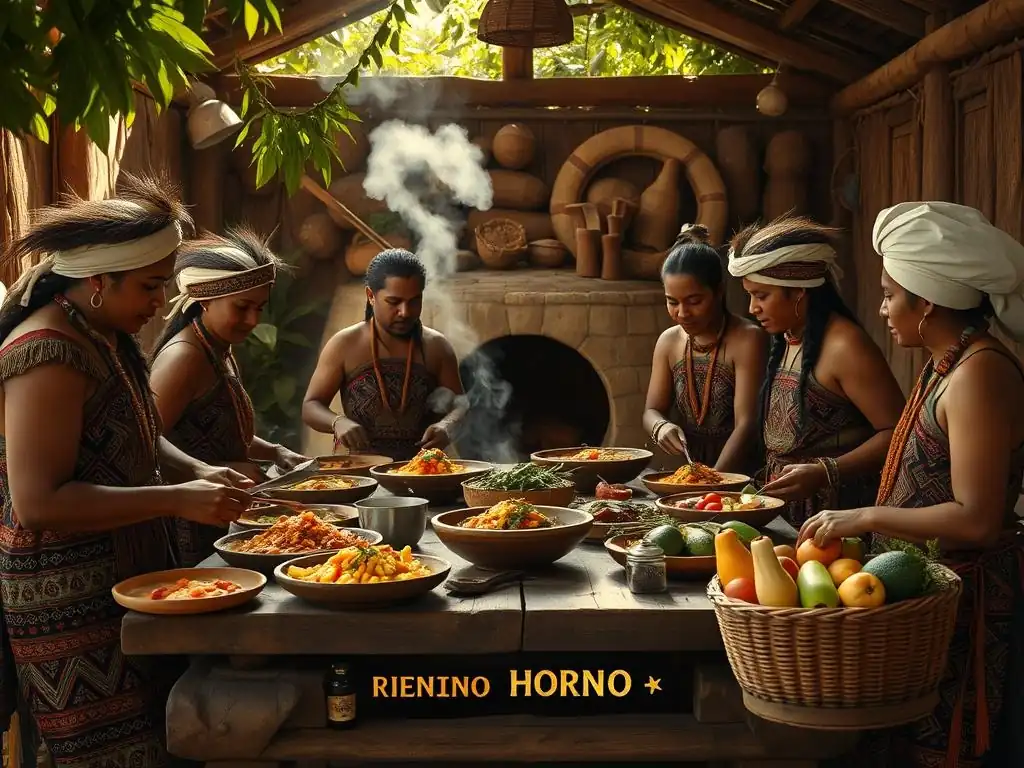
North America: Indigenous Culinary Diversity
Indigenous cooking techniques in North America showcase a rich tapestry of flavors and methods that vary significantly across regions. From the Arctic to the Southwest, each indigenous group has developed unique culinary practices that reflect their environment, available resources, and cultural traditions.
Traditional Cooking Methods
- Fire-Cooking:
- Many Native American tribes utilized open flames for cooking, employing techniques such as grilling and roasting. For example, tribes in the Pacific Northwest would roast salmon over open fires, allowing the fish to absorb the smoky flavors.
- Pit Cooking:
- Pit cooking involves digging a deep hole in the ground, heating stones, and placing food wrapped in leaves (like corn or meats) on the hot stones. This method was widely used by tribes such as the Powhatan and the Pueblo, offering a slow-cooked flavor profile.
- Steaming:
- Some tribes, particularly in the Eastern Woodlands, utilized steaming techniques with bark-wrapped food placed over heated stones. This method was especially effective for cooking roots and tubers.
Ingredient Diversity
The ingredients used in indigenous North American cooking are as diverse as the tribes themselves. Common staples include:
- Corn: Known as maize, it was central to many diets, used in various forms such as tortillas, polenta, and hominy.
- Beans: Often grown alongside corn in the "Three Sisters" planting technique, beans provided essential protein.
- Squash: Another key component, squash was used in soups, stews, and roasted dishes.
By integrating these ingredients with traditional cooking techniques, indigenous peoples created a unique culinary heritage that continues to influence modern cuisine.
Central America: Ancient Techniques and Modern Revival
Central America is home to a wealth of indigenous cultures, each with their own distinct culinary practices. The cooking techniques developed by these civilizations reflect centuries of agricultural knowledge and resourcefulness.
Historical Context
The ancient Maya and Aztec civilizations had sophisticated agricultural systems that laid the foundation for their culinary techniques. They practiced methods such as:
- Nixtamalization: This ancient technique involves soaking and cooking maize in an alkaline solution, improving its nutritional value and flavor. It is still used today for making masa (corn dough) for tortillas and tamales.
- Mayan Stone Cooking: The Maya often used heated stones to cook food in a technique called "pib," where food is placed in a pit with hot stones, wrapped in banana leaves, and covered with earth. This method creates a unique, smoky flavor.
Contemporary Applications
Today, many chefs and home cooks are reviving these ancient techniques, blending them with modern culinary practices. For instance:
- Pibil Tacos: Using the pib method, chefs prepare pibil tacos with marinated meats wrapped in banana leaves, showcasing traditional flavors in a contemporary format.
- Salsas and Marinades: Modern interpretations often use traditional ingredients like tomatillos and chiles, reflecting the indigenous palette while catering to contemporary tastes.
These culinary practices not only preserve ancient techniques but also celebrate the rich heritage of Central American indigenous peoples.
South America: Rich Culinary Heritage
The culinary traditions of South America are incredibly diverse, with indigenous cooking techniques that vary widely across the continent. From the Andes to the Amazon, indigenous peoples have developed methods that reflect their unique environments and cultural practices.
Key Cooking Techniques
- Earth Ovens:
- Many indigenous groups, such as the Andean communities, utilize earth ovens called "huatia." These are similar to pit cooking, where food is placed in heated earth, allowing for slow cooking that enhances flavors.
- Grilling and Smoking:
- In regions like the Amazon, grilling fish and meats over open flames is a common practice. Smoking is also used to preserve food, imparting rich flavors that are central to the culinary identity of various tribes.
- Fermentation:
- Fermentation plays a significant role in indigenous cooking. For example, the Andean peoples ferment corn to create chicha, a traditional beverage that is both nutritious and culturally significant.
Culinary Ingredients
South America's indigenous cuisine features a variety of unique ingredients, including:
- Quinoa: This ancient grain, rich in protein, has been a staple for many Andean cultures.
- Aji peppers: Used extensively in cooking, these peppers provide heat and flavor to a variety of dishes.
- Cacao: The source of chocolate, cacao was revered by cultures such as the Maya and continues to be an important ingredient today.
By exploring these culinary traditions, we gain a deeper appreciation for the rich heritage of indigenous cooking techniques in South America, highlighting their lasting impact on global cuisine.
Rediscovering Indigenous Recipes: A Culinary Journey
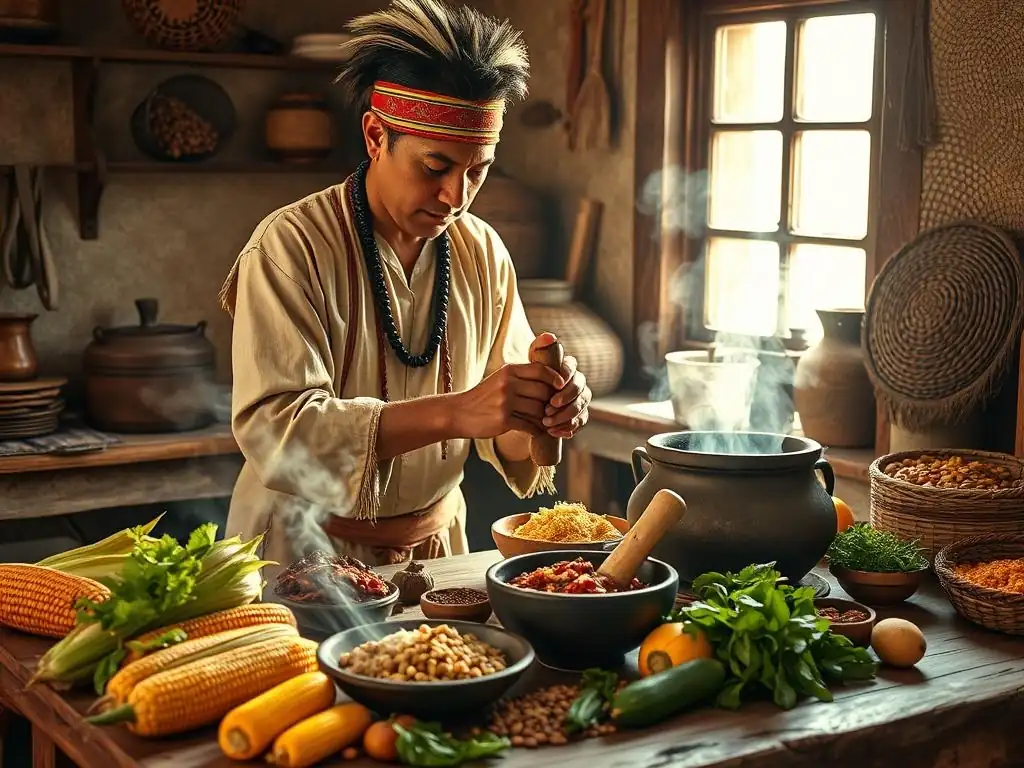
Indigenous cooking techniques from the Americas are not just about preparing food; they embody centuries of tradition, culture, and connection to the land. These culinary practices are deeply rooted in the diverse societies that flourished long before European contact. By exploring these recipes, we can appreciate the ingenuity and resourcefulness of indigenous peoples, whose cooking methods often emphasize sustainability and seasonal ingredients.
The rediscovery of these recipes offers a unique opportunity to engage with indigenous cultures, understand their historical context, and celebrate their contributions to modern cuisine. From the use of ancient grains to the incorporation of local herbs and spices, indigenous recipes reflect a profound knowledge of the environment and a commitment to preserving culinary heritage.
Featured Recipes: Traditional Dishes to Try at Home
- Corn Tortillas
- Ingredients:
- 2 cups masa harina
- 1 ½ cups warm water
- Pinch of salt
- Instructions:
- In a bowl, mix masa harina and salt.
- Gradually add warm water until a soft dough forms.
- Divide dough into small balls and flatten them with a tortilla press.
- Cook on a hot skillet for about 1 minute on each side.
- Ingredients:
- Three Sisters Stew
- Ingredients:
- 1 cup corn
- 1 cup beans (any variety)
- 1 cup squash, diced
- 4 cups vegetable broth
- Instructions:
- In a pot, combine all ingredients.
- Simmer for 30-40 minutes, stirring occasionally, until vegetables are tender.
- Season with salt and pepper to taste.
- Ingredients:
- Pueblo Oven Bread
- Ingredients:
- 4 cups whole wheat flour
- 1 ½ cups water
- 1 packet yeast
- 1 tsp salt
- Instructions:
- In a bowl, mix flour, yeast, and salt.
- Gradually add water, kneading until smooth.
- Let rise for 2 hours.
- Shape the dough and bake in a preheated oven at 375°F for 30 minutes.
- Ingredients:
These recipes not only provide a taste of indigenous culinary traditions but also invite us to appreciate the significance of each ingredient, which represents a connection to the land and its history.
Tools and Resources for Indigenous Cooking Techniques
To fully embrace indigenous cooking techniques, it is essential to equip yourself with the right tools and resources. Here’s a list of key items that can enhance your culinary experience:
- Masa Harina: A staple for making tortillas, this finely ground corn flour is essential for many indigenous recipes.
- Mortar and Pestle: Useful for grinding spices and herbs, this traditional tool allows for the authentic preparation of various dishes.
- Clay Cookware: Many indigenous cultures use clay pots for cooking, which can enhance the flavor of dishes and provide a taste of tradition.
- Steaming Baskets: Made from natural fibers, these baskets are ideal for steaming vegetables and other dishes, a technique used in many indigenous cuisines.
Recommended Resources
- Cookbooks: Look for works by indigenous chefs that focus on traditional recipes and techniques, such as "The New Native American Cuisine" by Chef Sean Sherman.
- Online Workshops: Participate in virtual cooking classes that focus on indigenous cuisines, often hosted by indigenous chefs or cultural organizations.
- Documentaries: Films that explore indigenous foodways can provide insight into the cultural significance of various dishes and cooking methods.
By utilizing these tools and resources, anyone can begin to explore and appreciate the rich tapestry of indigenous cooking techniques in the Americas. Embracing these culinary traditions not only enriches our palates but also fosters a deeper respect for the cultures that have preserved them through generations.
The Importance of Preserving Indigenous Culinary Techniques
Indigenous cooking techniques in the Americas are not merely methods of preparing food; they are a vital aspect of cultural heritage, identity, and community interconnectedness. The preservation of these culinary practices is essential for several reasons, including cultural continuity, ecological sustainability, and the promotion of food sovereignty among indigenous communities. By maintaining these techniques, we ensure that future generations can connect with their ancestors' traditions and knowledge, fostering a sense of pride and identity.
Cultural Significance of Indigenous Cooking
Indigenous cooking techniques are deeply intertwined with the cultural narratives and spiritual beliefs of various tribes and nations across the Americas. Many traditional methods have been passed down through generations, encapsulating stories, rituals, and values. For example:
- Community and Sharing: Cooking often serves as a communal activity, where families and communities come together to prepare and share meals. This fosters social bonds and reinforces communal identities.
- Seasonal and Local Ingredients: Indigenous culinary practices emphasize the use of seasonal and locally sourced ingredients, reflecting a profound respect for the land and its resources. Techniques such as foraging, hunting, and fishing are integral to this approach, promoting a sustainable relationship with nature.
- Ritual and Spirituality: Many indigenous cultures incorporate food into their spiritual practices. Certain dishes may be prepared for rituals, ceremonies, or festivals, highlighting the sacred connection between food, the earth, and the divine.
These practices not only preserve the unique flavors and techniques of indigenous cooking but also serve as a means of cultural expression and resilience in the face of external pressures.
Supporting Indigenous Communities Through Culinary Practices
Preserving indigenous cooking techniques contributes significantly to the empowerment of indigenous communities. By celebrating and promoting these culinary traditions, we can help strengthen local economies and foster self-determination. Here are some ways in which culinary practices support these communities:
- Economic Opportunities: By prioritizing indigenous culinary techniques, communities can create economic opportunities through food production, restaurants, and culinary tourism. These ventures not only generate income but also provide a platform for sharing traditional knowledge and recipes.
- Education and Awareness: Initiatives that focus on indigenous cooking techniques can raise awareness about the cultural significance of these practices among broader audiences. Educational programs can teach people about sustainable food systems, the importance of biodiversity, and the need to honor indigenous knowledge.
- Food Sovereignty: Supporting indigenous culinary practices helps reinforce food sovereignty, allowing communities to reclaim their traditional food systems. This includes cultivating heirloom seeds, reviving ancient farming techniques, and advocating for policies that protect indigenous lands and resources.
By integrating indigenous cooking techniques into contemporary culinary practices, we honor the resilience of indigenous cultures while also addressing critical issues such as food security and environmental sustainability. Ultimately, the preservation of these techniques is not just about food; it is about cultural survival, identity, and the ongoing relationship between people and the land.
Frequently Asked Questions
What are indigenous cooking techniques in the Americas?
Indigenous cooking techniques refer to the traditional methods used by native cultures to prepare food, utilizing local ingredients and time-honored practices that reflect their agricultural knowledge and culinary heritage.
How did indigenous cooking techniques influence modern cuisine?
Many indigenous cooking techniques have been integrated into modern culinary practices, leading to a fusion of flavors that celebrate local ingredients and historical cooking methods, enriching the contemporary food landscape.
What are some examples of traditional ingredients used in indigenous cooking?
Traditional ingredients include items like corn, beans, squash, and various herbs and spices, which were staples in indigenous diets and are still widely used in various forms today.
Why is it important to study indigenous cultures and their cooking methods?
Studying indigenous cultures and their cooking methods helps preserve their culinary heritage, promotes cultural appreciation, and provides insights into sustainable practices that can inform modern cooking and food systems.
How can I learn more about indigenous cooking techniques?
You can explore various resources such as cookbooks, documentaries, and websites dedicated to indigenous cultures, as well as participate in workshops or cooking classes that focus on traditional techniques.
Final Reflection: Embracing Indigenous Cooking Techniques for a Flavorful Future
The exploration of indigenous cooking techniques in the Americas is not just a culinary journey; it is a vital connection to our shared history and cultural heritage. As we delve into the rich tapestry of flavors and methods that have been passed down through generations, we uncover the profound significance of these practices in today's world. The resurgence of interest in indigenous cooking techniques is a testament to our collective desire to honor the past while nourishing our present and future.
Cooking is an art that transcends mere sustenance; it is a reflection of identity, community, and resilience. The revival of indigenous culinary practices has sparked a movement that celebrates diversity and sustainability in our food systems. As we embrace these techniques, we are reminded of the wisdom embedded in traditional knowledge. Food is a central activity of mankind and one of the most significant trademarks of a culture.
– Mark Kurlansky. This quote encapsulates the essence of our exploration, highlighting how food connects us to our roots and fosters a deeper understanding of the cultures that shaped our culinary landscape.
As you reflect on the flavors and techniques discussed in this article, consider how you can incorporate these indigenous practices into your own cooking. Challenge yourself to explore new ingredients, experiment with traditional methods, and share these experiences with others. By doing so, you not only honor the rich heritage of the Americas but also contribute to a more sustainable and inclusive food culture. Let us celebrate the past while paving the way for a future that respects and cherishes the culinary traditions that have shaped our identities.
Unleash the Flavor: Dive into Indigenous Culinary Traditions!
Thank you for taking the time to explore the rich tapestry of flavors that indigenous cooking techniques offer! Your journey through this article has hopefully opened your eyes to the incredible diversity and history of these culinary practices. Now, it’s time to bring that knowledge to life.
Here are some exciting ways you can embrace and celebrate these unique flavors:
- Experiment in Your Kitchen: Try your hand at cooking a traditional dish using indigenous ingredients or techniques. Start with a recipe that intrigues you, and share your culinary creation with friends and family!
- Share Your Experience: Document your journey on social media or your personal blog. Connect with like-minded enthusiasts and spark conversations in the community by using hashtags related to indigenous cuisine.
- Join a Local Workshop or Class: Look for opportunities to learn from chefs who specialize in indigenous cooking. This hands-on experience will deepen your understanding and appreciation of these amazing traditions.
What unique dish will you create today, and how will you share the flavors of indigenous cultures with those around you?