
The Lasting Impact of European Conquest on Indigenous Identity and Social Cohesion

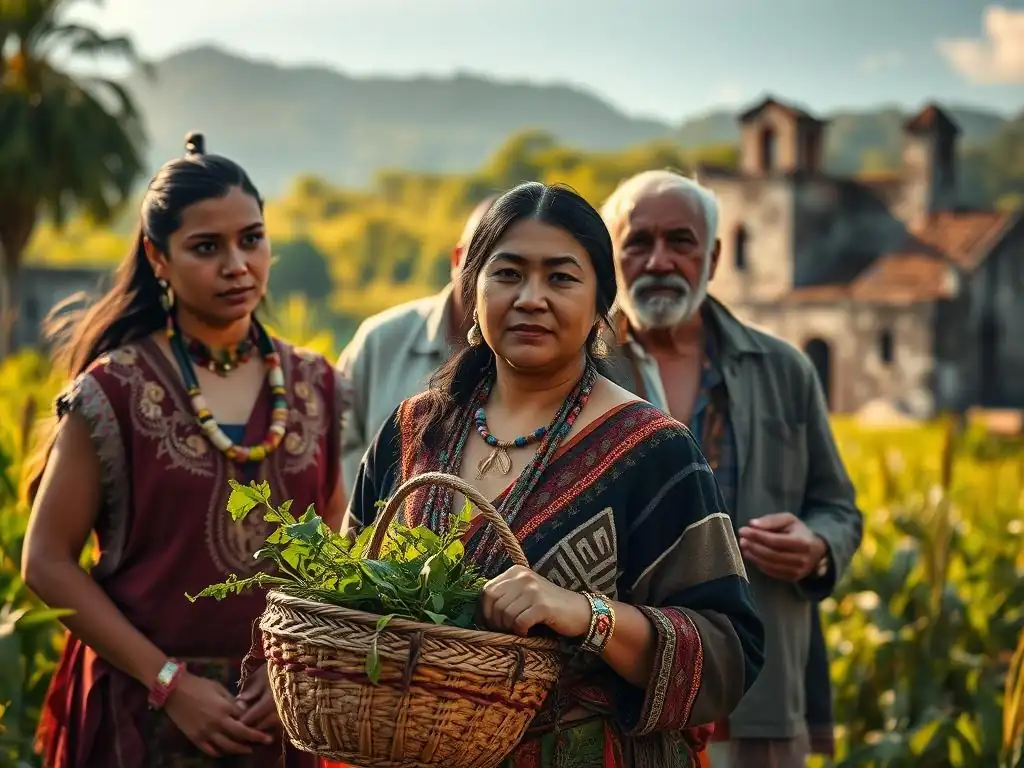
Welcome to Indigenous Civilizations of the Americas, where we invite you to embark on a captivating journey through the rich tapestry of indigenous cultures that flourished long before European contact. In our featured article, "The Lasting Impact of European Conquest on Indigenous Identity and Social Cohesion," we delve into the profound transformations that shaped these societies in the wake of conquest. How did the resilience of indigenous identity endure through adversity?
Join us as we unravel the intricate threads of history, identity, and cultural survival, sparking your curiosity and inspiring a deeper understanding of the legacies that continue to resonate today. Explore further and discover the stories that have shaped the Americas!
Introduction to the Impact of European Conquest
The impact of European conquest on indigenous identity is a pivotal topic that reveals the profound transformations experienced by Native American societies following the arrival of European powers. This article delves into how the conquest not only disrupted long-standing social structures but also reshaped the identities of indigenous peoples across the Americas.
Understanding this impact is crucial for recognizing the resilience of these cultures and the ways in which they adapted to and resisted colonial forces. By examining the historical context and the diverse cultures that existed before European arrival, we can gain insight into the lasting effects of colonization on indigenous identity and social cohesion.
Overview of European Conquest in the Americas
The European conquest of the Americas began in the late 15th century, initiated by explorers such as Christopher Columbus. This period marked the onset of significant upheaval, as European powers like Spain, France, and England sought territorial expansion and resource exploitation. The conquest resulted in:
- Military Confrontation: Indigenous populations faced violent encounters with European armies equipped with superior technology.
- Cultural Imposition: Europeans imposed their languages, religions, and societal norms, leading to a cultural clash that often marginalized indigenous practices.
- Territorial Displacement: Colonization led to the expropriation of lands traditionally held by indigenous peoples, disrupting their economic and social frameworks.
These elements collectively contributed to a profound transformation of indigenous identities and social structures that would echo through generations.
Significance of Indigenous Identity and Social Cohesion
Indigenous identity encompasses the unique cultural, spiritual, and social characteristics that define Native American groups. Social cohesion refers to the bonds that hold these communities together, fostering mutual support and collective resilience. The impact of European conquest on these aspects was significant:
- Erosion of Traditional Structures: The conquest dismantled established governance systems and communal practices essential for social cohesion.
- Cultural Resilience: Despite the challenges, many indigenous communities have retained elements of their identity, adapting and evolving in response to external pressures.
- Continued Struggles for Recognition: The legacy of conquest continues to affect indigenous peoples today, as they strive for recognition, rights, and the preservation of their cultural heritage.
Understanding these dynamics is vital for appreciating the ongoing journey of indigenous peoples in reclaiming their identities and fostering community resilience.
Historical Context of Indigenous Societies Before Conquest
Diverse Indigenous Cultures and Their Achievements
Before the arrival of Europeans, the Americas were home to a rich tapestry of indigenous cultures, each with its own unique achievements. Notable civilizations included:
- The Aztecs: Known for their advanced agricultural techniques, intricate social hierarchies, and monumental architecture such as the Templo Mayor.
- The Maya: Famous for their sophisticated writing system, astronomical knowledge, and elaborate city-states like Tikal and Chichen Itza.
- The Inca: Renowned for their vast empire, remarkable engineering feats, including the construction of Machu Picchu, and a complex system of roads connecting their territories.
These cultures thrived through communal cooperation, trade, and intricate social structures that fostered a sense of identity and belonging.
Social Structures and Cohesion Among Indigenous Groups
Indigenous societies in the Americas were characterized by diverse social structures that promoted cohesion and unity. Key features included:
- Kinship Systems: Family ties formed the backbone of many communities, influencing roles, responsibilities, and social organization.
- Collective Decision-Making: Many indigenous groups practiced consensus-based governance, allowing for equitable participation in community affairs.
- Spiritual and Cultural Practices: Rituals and traditions served as vital expressions of identity, reinforcing social bonds and community resilience.
These elements contributed to strong social cohesion, which was severely challenged by the European conquest, leading to a re-evaluation of identity and community structures in the face of colonization.
The Immediate Impact of European Conquest on Indigenous Identity
The arrival of European conquerors in the Americas marked a significant turning point in the identity of indigenous populations. The initial encounters led to profound changes, disrupting long-standing social structures and cultural practices that had been developed over centuries. This immediate impact created a ripple effect that would alter the course of indigenous identity for generations.
Disruption of Social Structures
The European conquest often dismantled established social hierarchies and governance systems among indigenous groups. Traditional leadership roles were undermined as colonizers imposed foreign political structures and authority figures. Many indigenous leaders were either killed or coerced into submission, leading to a power vacuum that created internal discord and fragmentation within communities.
- Loss of Leadership: Many indigenous leaders who resisted European encroachment were executed or marginalized, disrupting the traditional governance systems.
- Social Fragmentation: The imposition of European systems led to divisions within tribes and communities, as some members aligned with the colonizers for personal gain, while others resisted.
- Changes in Kinship: The traditional kinship ties that framed social interactions were altered, as new alliances formed under the pressures of colonial rule, often leading to a breakdown of inter-community relationships.
Loss of Cultural Practices and Languages
Alongside the disruption of social structures, there was a significant loss of cultural practices and languages among indigenous peoples. The Europeans often viewed indigenous customs as primitive or inferior, leading to active suppression of these practices. This cultural erasure had devastating effects on individual and collective identities.
- Suppression of Traditions: Rituals, ceremonies, and practices integral to indigenous beliefs were banned, as colonizers sought to impose Christianity and European ways of life.
- Language Decline: Many indigenous languages faced extinction as European languages were enforced in schools and administration, resulting in a loss of linguistic diversity and cultural heritage.
- Cultural Assimilation: The push for assimilation into European culture led to the abandonment of traditional practices, as indigenous peoples were pressured to adopt foreign customs to survive in a colonized world.
Long-Term Effects of European Conquest on Indigenous Identity
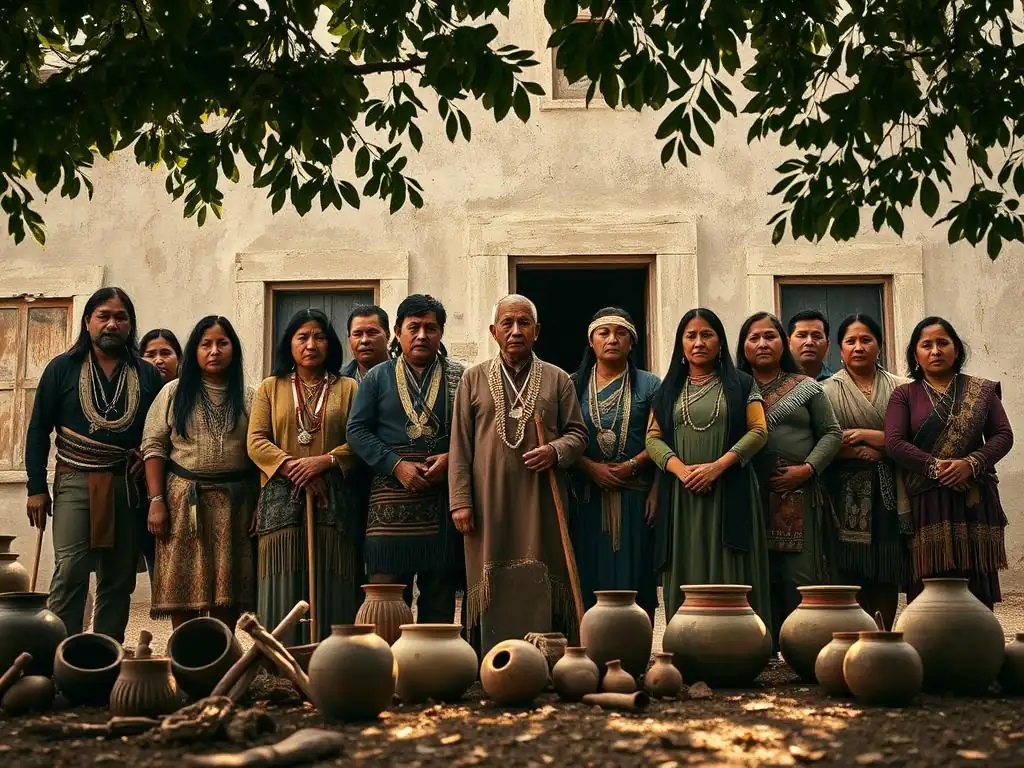
The legacy of European conquest extends into modern times, with long-lasting effects on the identity of indigenous populations. The initial disruptions and losses paved the way for transformations in identity that continue to influence indigenous communities today.
Transformation of Identity through Colonization
As a direct consequence of colonization, many indigenous groups began to navigate their identities through a complex interplay of resistance and adaptation. Over time, indigenous peoples found ways to reconstruct their identities, often incorporating new elements from European culture while striving to preserve aspects of their heritage.
- Resilience and Adaptation: Indigenous communities demonstrated resilience by adapting their cultural practices, creating a unique blend that reflected both their heritage and the imposed European influences.
- Revival Movements: In recent decades, there has been a resurgence of interest in indigenous identity, with movements aimed at revitalizing languages, traditions, and cultural practices that had been suppressed or lost.
- Inter-generational Identity: The transformation of identity has also been marked by how different generations perceive their heritage and navigate the complexities of a post-colonial world.
Hybridization of Cultures: Indigenous and European Influence
The encounter between indigenous cultures and European colonizers led to a hybridization of cultures, resulting in new forms of identity that reflect both indigenous heritage and European influence. This blending has shaped contemporary indigenous identities in various ways.
- Cultural Syncretism: Elements of European culture, such as religion, art, and agricultural practices, were integrated into indigenous ways of life, creating a unique cultural syncretism that persists today.
- Shared Histories: The hybridization process has also influenced historical narratives, with indigenous peoples reclaiming their stories while acknowledging the complex history of colonialism.
- Contemporary Identity: Today, many indigenous peoples identify with a multifaceted identity that honors both their ancestral roots and the realities of living in a post-colonial society, leading to rich cultural expressions that celebrate this dual heritage.
The impact of European conquest on indigenous identity is a complex tapestry of loss, adaptation, and resilience that continues to evolve. Understanding these dynamics is essential to appreciating the rich cultural heritage of indigenous peoples and their ongoing contributions to society.
The European conquest of the Americas had profound effects on the indigenous populations, particularly in terms of social cohesion. Prior to contact, indigenous communities often exhibited strong social bonds, deeply rooted cultural practices, and collective identities that defined their existence. However, European colonization disrupted these dynamics, leading to both fragmentation and resilience in indigenous societies.
Social cohesion refers to the bonds that unite individuals within a community, fostering a sense of belonging and collective identity. In the aftermath of European conquest, many indigenous communities faced challenges that threatened their traditional structures. Yet, despite the trauma and upheaval, these communities demonstrated remarkable resilience and adaptability, finding ways to maintain or rebuild their social cohesion in the face of adversity.
Fragmentation of Communities and Social Bonds
The arrival of European settlers resulted in significant fragmentation of indigenous communities. This fragmentation stemmed from various factors, including:
- Displacement: Forced removals and the establishment of colonial settlements led to the dislocation of indigenous peoples from their ancestral lands. This loss not only severed physical ties to the land but also disrupted spiritual connections integral to their identity.
- Violence and Conflict: European conquests were often accompanied by violence, resulting in the deaths of many community members. This loss created gaps in traditional leadership and eroded communal structures, leading to a breakdown in social cohesion.
- Imposition of Foreign Governance: European colonial powers imposed new systems of governance that undermined indigenous political structures. This shift often marginalized traditional leaders, resulting in a loss of social authority and unity within communities.
These factors contributed to a sense of disintegration among many indigenous groups, challenging their ability to maintain the strong social bonds that had previously defined their identities.
Resilience and Adaptation in Maintaining Social Cohesion
Despite the fragmentation caused by European conquest, many indigenous communities displayed remarkable resilience. They adapted to their new realities through various means, such as:
- Cultural Preservation: Communities engaged in efforts to preserve their languages, traditions, and spiritual practices. This act of cultural resilience helped to reinforce collective identity and foster unity among members.
- Inter-Community Alliances: In response to external pressures, some indigenous groups forged alliances with neighboring tribes or formed coalitions to strengthen their resistance against colonial forces. These alliances not only provided mutual support but also reinforced social bonds among diverse groups.
- Revitalization Movements: The emergence of revitalization movements, such as the Ghost Dance among Plains tribes, reflects indigenous attempts to restore traditional practices and beliefs. These movements not only sought to reclaim cultural identity but also served as a rallying point for community cohesion.
Through these adaptive strategies, many indigenous communities were able to navigate the challenges posed by European conquest, demonstrating the enduring strength of their social fabric.
Case Studies: Indigenous Responses to Conquest
The responses of indigenous communities to European conquest varied widely, resulting in diverse strategies for maintaining identity and social cohesion. Two notable case studies illustrate these responses: the Pueblo Revolt of 1680 and the adaptation of the Métis people.
The Pueblo Revolt of 1680: Indigenous Resistance and Identity Preservation
The Pueblo Revolt of 1680 stands as a significant example of indigenous resistance against colonial oppression. The Pueblo people of present-day New Mexico united to challenge Spanish rule, which had sought to suppress their cultural practices and impose Christianity. Key aspects of this revolt include:
- Collective Action: The revolt was marked by a rare instance of unity among various Pueblo nations, demonstrating their shared commitment to preserving their cultural identity.
- Cultural Reclamation: Following the revolt, the Pueblos sought to restore their traditional religious practices and governance structures, reinforcing their social cohesion and collective identity in the face of colonial repression.
- Legacy of Resistance: The success of the revolt instilled a sense of pride and resilience among the Pueblo people, influencing future generations' understanding of their identity and social cohesion.
This case exemplifies how indigenous communities can effectively resist colonial forces while fostering a strong sense of identity and solidarity.
The Adaptation of the Métis: Cultural Blending and Social Structures
The Métis people represent another compelling case of indigenous response to European conquest. Emerging from the intermarriage between indigenous peoples and European settlers, the Métis developed a unique cultural identity characterized by blending traditions and social structures. Their adaptation involved:
- Cultural Synthesis: The Métis integrated elements from both indigenous and European cultures, creating a distinct way of life that included language, customs, and governance systems.
- Social Organization: The Métis established their own social structures, often forming communities that operated independently from both colonial authorities and indigenous nations. This autonomy allowed them to maintain cohesion and cultural identity.
- Resistance and Advocacy: Throughout history, the Métis have engaged in various forms of resistance to assert their rights and preserve their culture, notably during events such as the Red River Resistance. Their ongoing efforts reflect a commitment to community cohesion and cultural preservation.
The Métis experience highlights the dynamic nature of indigenous identity in response to European conquest, showcasing how adaptation can lead to the formation of new, resilient social structures.
The Role of Religion and Spirituality in Indigenous Identity
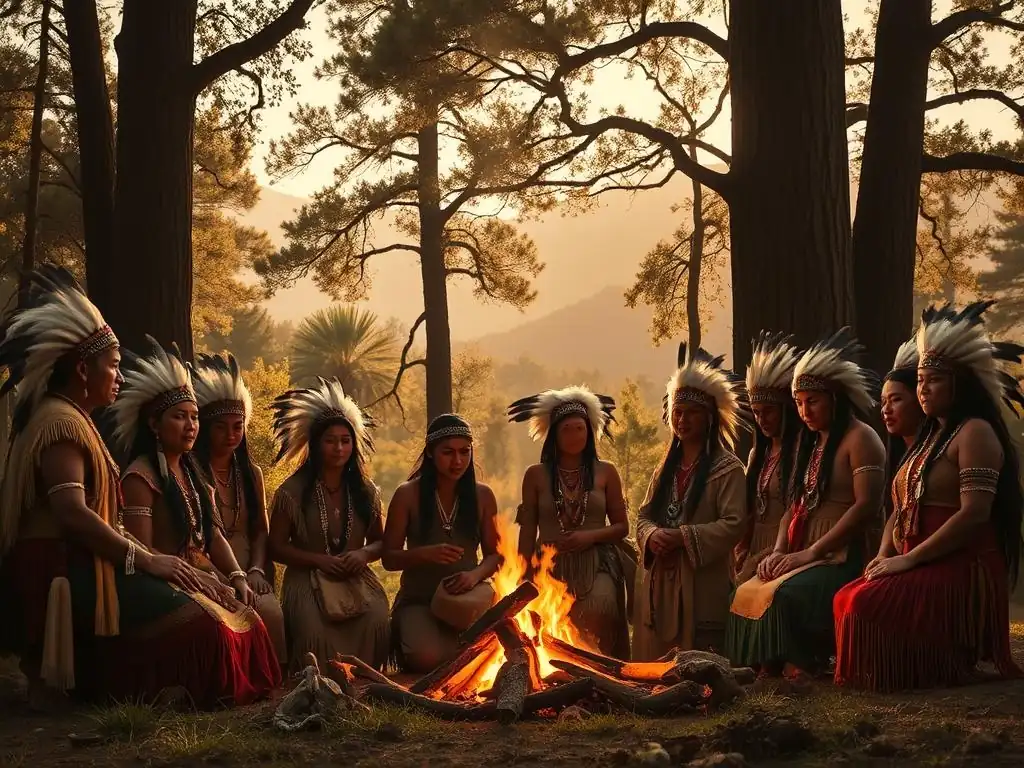
Religion and spirituality have always played a crucial role in shaping indigenous identity across the Americas. For many indigenous cultures, spirituality is not just a belief system but a fundamental aspect of everyday life, influencing social structures, governance, and relationships with nature. Traditional beliefs often emphasize a deep connection to the land, viewing it as sacred and integral to identity. Rituals, ceremonies, and oral traditions serve as vessels for transmitting knowledge and cultural values, reinforcing community bonds and shared identities.
The profound significance of spirituality is evident in practices such as storytelling, which conveys moral lessons and historical narratives, and in ceremonies that celebrate seasonal cycles, harvests, and life transitions. These practices foster a sense of belonging and continuity, allowing indigenous peoples to maintain their cultural heritage even in the face of external pressures and challenges. However, the arrival of European conquerors brought dramatic shifts, as their religious ideologies often clashed with indigenous beliefs.
Impact of European Religious Practices on Indigenous Beliefs
The European conquest introduced new religious paradigms that sought to supplant indigenous spiritual practices. Many indigenous communities faced aggressive conversion efforts, leading to the erosion of traditional beliefs and practices. European colonizers often viewed indigenous spirituality as pagan or inferior, leading to the imposition of Christianity as a tool for control and assimilation.
This forced conversion had significant implications. Traditional rituals were frequently suppressed or reinterpreted through a European lens, leading to a loss of cultural identity for many. However, some indigenous groups blended elements of Christianity with their traditional beliefs, creating unique syncretic practices that reflect a complex negotiation of identity. This adaptation illustrates resilience, allowing communities to reclaim aspects of their spirituality while navigating the imposed religious landscape.
Revitalization Movements and the Search for Identity
In response to the challenges posed by European conquest and the imposition of foreign religions, many indigenous communities have engaged in revitalization movements aimed at reclaiming their cultural identity. These movements often focus on restoring traditional practices, languages, and spiritual beliefs that were marginalized or suppressed.
Revitalization efforts can take many forms, including cultural festivals, language immersion programs, and the revival of traditional governance structures. These initiatives serve not only to reconnect individuals with their cultural roots but also to foster a broader sense of community and solidarity among indigenous peoples. By emphasizing the importance of traditional knowledge and practices, these movements contribute to a renewed sense of pride and identity in the face of historical trauma.
Contemporary Reflections on Indigenous Identity
The legacy of European conquest continues to shape contemporary indigenous identity in various ways. Today, many indigenous communities grapple with the complexities of identity in a modern context, as historical injustices and ongoing social challenges intersect with efforts to revitalize culture and community.
Legacy of European Conquest on Modern Indigenous Identity
The impact of European conquest on modern indigenous identity is multifaceted. While colonial histories have led to significant disruptions in cultural practices and social structures, they have also catalyzed movements for recognition, rights, and sovereignty. Many contemporary indigenous individuals navigate a dual identity, balancing traditional values with the realities of modern life.
This duality often manifests in artistic expressions, political activism, and community organizing, where indigenous voices assert their place in contemporary society while honoring their ancestral heritage. The ongoing struggle for land rights, cultural preservation, and self-determination reflects a commitment to reclaiming identity and challenging the narratives imposed by colonial powers.
Social Cohesion Among Indigenous Peoples Today
Despite the historical challenges posed by European conquest, social cohesion remains a vital aspect of indigenous identity today. Community bonds are strengthened through shared cultural practices, collective memory, and activism. Many indigenous groups have formed networks that transcend geographical boundaries, fostering solidarity and collaboration in addressing common challenges.
Additionally, the rise of technology and social media has allowed indigenous peoples to connect and share their experiences on a global scale, creating platforms for advocacy and cultural exchange. This newfound connectivity enhances social cohesion, enabling indigenous communities to support one another in their quests for justice and recognition. Ultimately, the resilience of indigenous identity is evident in the ongoing efforts to nurture community ties while navigating the complexities of modern society.
Conclusion: Understanding the Lasting Impact of European Conquest
The European conquest of the Americas initiated profound changes in indigenous societies, shaping their identities and social structures in ways that are still evident today. While the conquest brought about devastating consequences, including violence, displacement, and cultural erasure, it also prompted indigenous communities to adapt and respond, leading to a complex interplay of loss and resilience. Understanding the lasting impact of European conquest on indigenous identity requires an examination of both the immediate effects and the long-term transformations that have occurred over centuries.
The legacy of the conquest is not merely an account of suffering; it is also a narrative of survival. Indigenous peoples have continuously navigated the challenges posed by colonization, asserting their identities and reclaiming their cultural heritage. This duality of experience showcases the dynamic nature of indigenous identity, which has evolved while maintaining connections to ancestral practices and beliefs. Thus, recognizing the impact of European conquest necessitates an acknowledgment of indigenous agency and the ongoing processes of cultural revitalization.
Summary of the Impact of European Conquest on Indigenous Identity
The impact of European conquest on indigenous identity can be summarized through several key dimensions:
- Cultural Disruption: The imposition of European values and beliefs often led to the erosion of indigenous languages, traditions, and spiritual practices. Many communities faced pressure to assimilate into dominant cultures, resulting in a loss of unique cultural expressions.
- Social Fragmentation: The conquest disrupted established social structures, leading to divisions within and between indigenous groups. Traditional governance systems were undermined, and inter-community relationships were strained as a result of colonial policies and practices.
- Identity Reconstruction: In response to the challenges posed by conquest, many indigenous peoples have actively engaged in reconstructing their identities. This includes reviving languages, re-establishing cultural practices, and fostering a sense of community that honors their historical experiences while embracing contemporary realities.
- Political Resistance: The struggle for recognition and rights has become a central aspect of indigenous identity in the post-conquest era. Movements for sovereignty and land rights reflect a commitment to preserving cultural integrity and asserting political agency against ongoing colonial influences.
Through these dimensions, the impact of European conquest has been both destructive and transformative, leading to a reconfiguration of indigenous identities that continues to evolve in the face of modern challenges.
The Importance of Recognizing Indigenous Resilience and Continuity
Recognizing indigenous resilience and continuity is crucial in understanding the impact of European conquest on indigenous identity. Despite centuries of oppression, indigenous communities have demonstrated remarkable strength in preserving their cultures and traditions. This resilience is evident in various aspects:
- Cultural Revitalization: Many indigenous groups have engaged in efforts to revive and promote their languages and traditions. Cultural festivals, educational programs, and community initiatives play a significant role in strengthening identities and fostering intergenerational transmission of knowledge.
- Political Advocacy: Indigenous leaders and organizations are at the forefront of advocating for rights, recognition, and reparations. Their activism highlights the ongoing struggles against systemic inequalities and seeks to ensure that indigenous voices are heard in contemporary discourse.
- Interconnectedness of Identity: Indigenous identity is often rooted in a deep connection to land, community, and history. This sense of belonging reinforces social cohesion and provides a framework for understanding the world that is distinct from colonial narratives.
- Adaptation and Innovation: Indigenous peoples have shown an ability to adapt to changing circumstances while retaining core elements of their identities. This adaptability is reflected in contemporary expressions of culture, such as art, music, and literature, which blend traditional and modern influences.
By acknowledging the resilience and continuity of indigenous cultures, we can appreciate the complexity of their identities and the ongoing impacts of historical events. This understanding fosters a more nuanced perspective on the legacy of European conquest and highlights the importance of supporting indigenous sovereignty and cultural preservation.
- Introduction to the Impact of European Conquest
- Historical Context of Indigenous Societies Before Conquest
- The Immediate Impact of European Conquest on Indigenous Identity
- Long-Term Effects of European Conquest on Indigenous Identity
- Social Cohesion in Indigenous Communities Post-Conquest
- Case Studies: Indigenous Responses to Conquest
- The Role of Religion and Spirituality in Indigenous Identity
- Contemporary Reflections on Indigenous Identity
- Conclusion: Understanding the Lasting Impact of European Conquest
- What is the main focus of the article?
- How did European conquest affect indigenous cultures?
- What are some key achievements of indigenous cultures before colonization?
- In what ways has indigenous identity evolved since European colonization?
- Why is it important to study the impact of European conquest on indigenous peoples?
Frequently Asked Questions
What is the main focus of the article?
The article explores the lasting impact of European conquest on indigenous identity and social cohesion, highlighting how these cultures adapted and transformed in response to colonization.
How did European conquest affect indigenous cultures?
The European conquest led to significant disruption of indigenous societies, resulting in loss of land, culture, and autonomy, which in turn affected their social cohesion and identity.
What are some key achievements of indigenous cultures before colonization?
Before the arrival of Europeans, indigenous cultures demonstrated remarkable achievements in agriculture, art, and governance, creating complex societies that remain influential today.
In what ways has indigenous identity evolved since European colonization?
Indigenous identity has evolved through a process of resilience and adaptation, with many communities reclaiming and revitalizing their traditions while integrating new influences from the colonial experience.
Why is it important to study the impact of European conquest on indigenous peoples?
Studying this impact is crucial for understanding the historical context of indigenous struggles, promoting cultural awareness, and acknowledging the ongoing effects of colonization on contemporary indigenous identities.
Final Reflection: The Enduring Legacy of Conquest on Indigenous Identity
The impact of European conquest on indigenous identity is a profound theme that resonates deeply in today's world. As we navigate a global landscape marked by cultural diversity and historical complexities, it becomes increasingly clear that the legacies of colonialism continue to shape the identities and social structures of indigenous communities. The struggle for recognition and the reclamation of cultural heritage are not just historical narratives; they are ongoing battles that define the present and future of indigenous peoples.
The effects of conquest have woven themselves into the very fabric of our society, influencing everything from cultural expressions to social cohesion within indigenous communities. This ongoing influence serves as a reminder of the resilience and strength inherent in these cultures. As we witness movements advocating for indigenous rights and cultural preservation, we are reminded of the words of Vine Deloria Jr.: The most important thing to remember is that the Indian is not a victim. He is a survivor.
This perspective challenges us to recognize the agency and vitality of indigenous identities, which continue to thrive despite historical adversities.
As we reflect on the lessons from this article, I invite you to consider your own role in acknowledging and supporting indigenous identities. How can you contribute to the healing and empowerment of these communities? Whether through education, advocacy, or simply by fostering a deeper understanding of their histories, each of us has the potential to make a difference. Let us commit to honoring the past while actively participating in a future that respects and uplifts the voices of indigenous peoples.
Connect, Reflect, and Empower Indigenous Voices!
Thank you for exploring the complex legacy of European conquest on Indigenous identity and social cohesion. Your interest in this vital topic not only broadens your understanding but also contributes to the ongoing dialogue surrounding Indigenous rights and cultural heritage. Now, it’s time to take meaningful action!
- Participate in a local Indigenous community event to gain firsthand insights into their culture and perspectives.
- Share this article with friends and family to initiate conversations about Indigenous history and its implications in today's world.
- Engage in creative expressions, such as art or storytelling, to honor and amplify Indigenous narratives in your own life.
What steps will you take today to deepen your engagement with Indigenous histories and support their ongoing journeys?