
Unveiling the Past: Public Awareness Strategies for Indigenous Civilizations

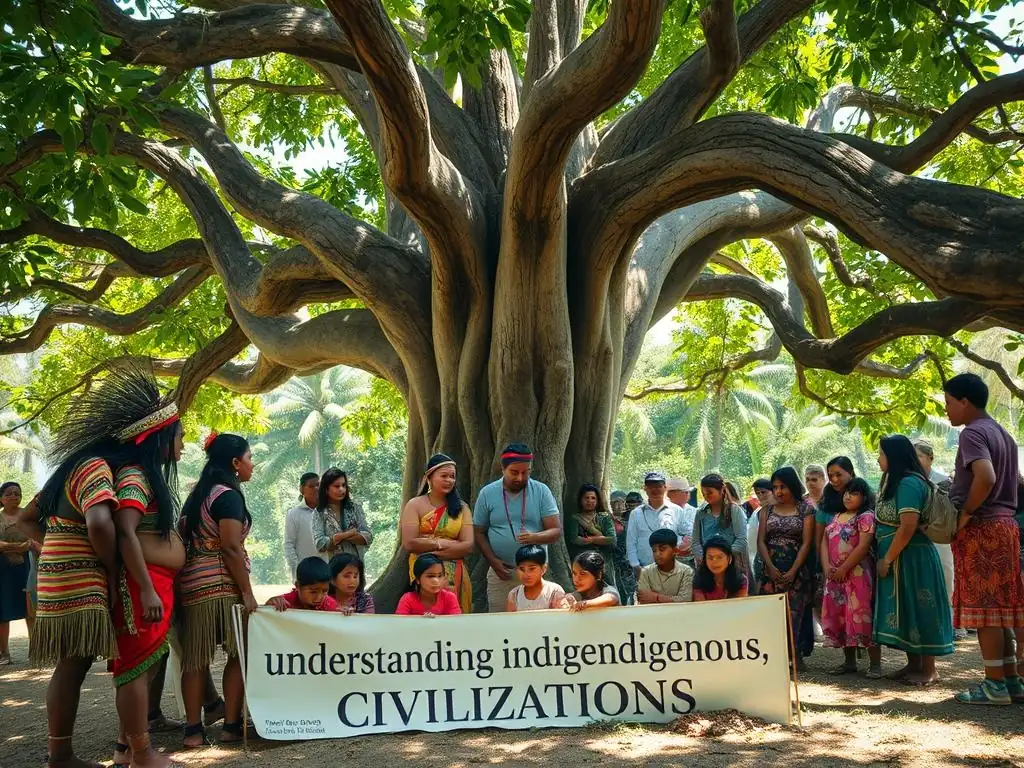
Welcome to Indigenous Civilizations of the Americas, where we embark on a fascinating journey through time to uncover the rich tapestry of cultures that flourished long before European contact. Our main article, "Unveiling the Past: Public Awareness Strategies for Indigenous Civilizations," delves into innovative approaches to enhance indigenous civilizations awareness strategies, shedding light on their remarkable achievements and enduring influence. As you explore our site, prepare to be captivated by the stories, traditions, and legacies of these vibrant societies. Join us in igniting curiosity and fostering a deeper understanding of the past that continues to shape our world today!
Introduction to Indigenous Civilizations Awareness Strategies
The rich tapestry of indigenous civilizations in the Americas encompasses a vast array of cultures, languages, and histories that have shaped the continent long before European contact. Understanding these civilizations is crucial not only for appreciating their unique contributions to human history but also for recognizing their ongoing influence in contemporary society.
This article delves into Indigenous civilizations awareness strategies, emphasizing the importance of public awareness initiatives aimed at educating the broader community about these vibrant cultures. By illuminating their achievements and the challenges they faced, we can foster a deeper respect for the roots of the Americas and the people who have lived here for millennia.
The Importance of Public Awareness for Indigenous Cultures
Public awareness plays a pivotal role in preserving the legacies of indigenous cultures. Recognizing the historical and ongoing injustices faced by these communities can help dismantle stereotypes and promote cultural sensitivity. Effective awareness strategies can involve:
- Educational Programs: Schools and institutions can implement curricula that include indigenous histories, languages, and cultures.
- Community Engagement: Initiatives such as workshops, cultural festivals, and storytelling sessions can create spaces for dialogue.
- Media Representation: Promoting accurate and respectful representation in films, books, and news can help reshape public perceptions.
By increasing awareness, we empower indigenous communities and advocate for their rights, ensuring that their voices are heard and respected.
Overview of Indigenous Civilizations in the Americas
Indigenous civilizations in the Americas are incredibly diverse, with hundreds of distinct cultures that have developed unique social structures, belief systems, and technological achievements. These cultures include, but are not limited to:
- The Maya: Known for their advanced writing system, mathematics, and astronomical knowledge.
- The Inca: Noted for their impressive architectural feats, such as Machu Picchu, and a vast road network.
- The Mississippian Culture: Renowned for their large earthen mounds and complex trade networks.
Each civilization contributed to the rich cultural mosaic of the Americas, influencing one another through trade and interaction, while also developing independently in their environments.
Historical Context of Indigenous Civilizations
To fully understand the current challenges and awareness strategies, it is essential to explore the historical context of indigenous civilizations. This context provides insight into their resilience and adaptability in the face of significant changes brought about by outside forces.
Key Achievements of Indigenous Societies
Indigenous societies in the Americas achieved remarkable advancements in various fields, including:
- Agriculture: Development of sophisticated agricultural techniques, such as the three sisters method of planting corn, beans, and squash together.
- Architecture: Creation of monumental structures like the pyramids of the Maya and the cliff dwellings of the Ancestral Puebloans.
- Art and Craftsmanship: Mastery in pottery, weaving, and sculpture that reflects deep cultural significance and artistic expression.
These achievements illustrate not only the ingenuity of indigenous peoples but also their deep connection to the land and their communities.
The Impact of European Colonization on Indigenous Cultures
The arrival of European colonizers in the 15th century marked a dramatic shift for indigenous civilizations. This period was characterized by:
- Displacement: Large-scale removal of indigenous peoples from their ancestral lands due to colonization and expansion.
- Cultural Erasure: Imposition of European languages, religions, and customs, often leading to the loss of traditional practices and languages.
- Violence and Disease: Introduction of new diseases and violent conflicts that devastated indigenous populations and disrupted societies.
The impact of colonization continues to resonate today, affecting the social, economic, and political landscapes of indigenous communities. Understanding this history is crucial for developing effective awareness strategies that honor and support the resilience of these civilizations.
Current Public Awareness Initiatives
Public awareness initiatives focused on Indigenous civilizations have been gaining momentum in recent years, aiming to educate the broader population about the rich histories, cultures, and contributions of Indigenous peoples in the Americas. These initiatives often involve collaboration between government agencies, educational institutions, non-profit organizations, and Indigenous communities themselves.
One prominent example is the "Indigenous Peoples’ Day" movement, which has been adopted by various cities and states across the United States as a replacement for Columbus Day. This initiative seeks to honor and celebrate Indigenous cultures, histories, and contributions while also recognizing the impact of colonization. Additionally, numerous museums and cultural centers are hosting exhibitions dedicated to Indigenous art, history, and traditions, providing a platform for Indigenous voices to be heard and appreciated.
In Canada, the Truth and Reconciliation Commission has laid the groundwork for public awareness initiatives aimed at addressing the historical injustices faced by Indigenous peoples. Their calls to action encourage educational institutions to implement curriculum that reflects Indigenous history and perspectives, fostering a more comprehensive understanding among students and the public.
Case Studies of Successful Awareness Campaigns
Several awareness campaigns have successfully highlighted the achievements and cultures of Indigenous civilizations, serving as noteworthy examples for future initiatives.
- "We Are the Land" Campaign: Launched by various Indigenous organizations across North America, this campaign emphasizes the connection between Indigenous peoples and their ancestral lands. Through social media, community events, and educational materials, it aims to raise awareness of land rights and promote environmental stewardship from an Indigenous perspective.
- The "National Indigenous History Month": In Canada, this initiative encourages the public to explore and learn about Indigenous history throughout June. Various events, including storytelling sessions, art showcases, and educational workshops, are organized to celebrate Indigenous culture and history, engaging communities and fostering dialogue.
- "Indigenous Languages Revitalization" Initiatives: Various projects aimed at revitalizing Indigenous languages have gained traction. These include community-led classes, digital resources, and multimedia campaigns that promote the importance of language preservation. Such initiatives not only educate the public about Indigenous languages but also empower Indigenous communities by reinforcing their cultural identity.
Role of Educational Institutions in Promoting Awareness
Educational institutions play a pivotal role in promoting awareness of Indigenous civilizations. By incorporating Indigenous perspectives and histories into their curricula, schools and universities can create a more inclusive and accurate portrayal of American history.
Many colleges and universities have established dedicated programs focusing on Indigenous studies, providing students with an opportunity to engage deeply with the subject matter. These programs often involve partnerships with Indigenous communities, allowing students to learn directly from Indigenous scholars and elders.
Moreover, K-12 education systems are increasingly integrating Indigenous content into their lessons. This can include everything from teaching about Indigenous rights to incorporating Indigenous literature into reading lists. Such efforts not only enhance students’ understanding of the complex histories of Indigenous peoples but also encourage respect and appreciation for their cultures.
Community-Led Initiatives and Their Impact
Community-led initiatives are crucial for raising awareness about Indigenous civilizations as they are often grounded in local contexts and directly address the needs of Indigenous populations. These initiatives empower communities to share their stories and cultural practices, fostering a sense of pride and identity.
One example is the use of storytelling circles, where community members gather to share traditional stories and teachings. This practice not only preserves Indigenous narratives but also invites non-Indigenous participants to learn and engage in meaningful dialogue about Indigenous experiences.
Additionally, community-led art projects, such as murals and installations, serve to beautify public spaces while simultaneously educating the public about Indigenous histories and cultures. These visual representations can spark curiosity and conversation among viewers, making Indigenous issues more visible and relatable.
Effective Strategies for Raising Awareness
To effectively raise awareness about Indigenous civilizations, a variety of strategies can be employed that engage diverse audiences and foster deeper understanding.
Utilizing Digital Media for Indigenous Civilizations Awareness
In today's digital age, leveraging social media and online platforms is essential for spreading awareness about Indigenous civilizations. Campaigns that utilize platforms like Instagram, Twitter, and YouTube can reach vast audiences and engage younger generations.
Interactive content, such as virtual tours of Indigenous sites, podcasts featuring Indigenous voices, and short videos that highlight cultural practices, can be particularly effective. These digital formats make learning accessible and appealing, allowing individuals to explore Indigenous cultures from the comfort of their homes.
Moreover, creating dedicated websites or online resources focusing on Indigenous histories and achievements can serve as valuable educational tools. These platforms can offer curated content, educational materials, and links to further resources, making it easier for educators and the public to access accurate information.
Collaborating with Indigenous Leaders and Communities
Collaboration with Indigenous leaders and communities is imperative for any awareness strategy to be successful. Engaging Indigenous voices ensures that campaigns are respectful, accurate, and reflective of the communities being represented.
Such collaborations can take many forms, including co-hosted events, joint educational programs, and community consultations. By involving Indigenous leaders in the planning and execution of awareness initiatives, organizations can cultivate trust and foster a genuine exchange of knowledge.
Moreover, partnerships with Indigenous artists and cultural practitioners can enhance awareness campaigns, as they bring authentic cultural expressions and narratives to the forefront. This approach not only educates the broader public but also honors the richness of Indigenous cultures.
Organizing Workshops and Educational Events
Workshops and educational events provide hands-on opportunities for individuals to learn about Indigenous civilizations actively. These events can range from cultural immersion days, where participants engage in traditional crafts or cooking, to lectures and panel discussions featuring Indigenous scholars.
Such events create a space for dialogue and interaction, allowing attendees to ask questions and engage with Indigenous perspectives directly. They also serve to build community connections and foster mutual respect among participants.
Furthermore, organizing events in collaboration with local Indigenous communities ensures that the content is relevant and appropriately reflects the culture being represented. This approach enhances the educational experience and promotes deeper understanding and appreciation of Indigenous civilizations.
Challenges in Promoting Indigenous Civilizations Awareness
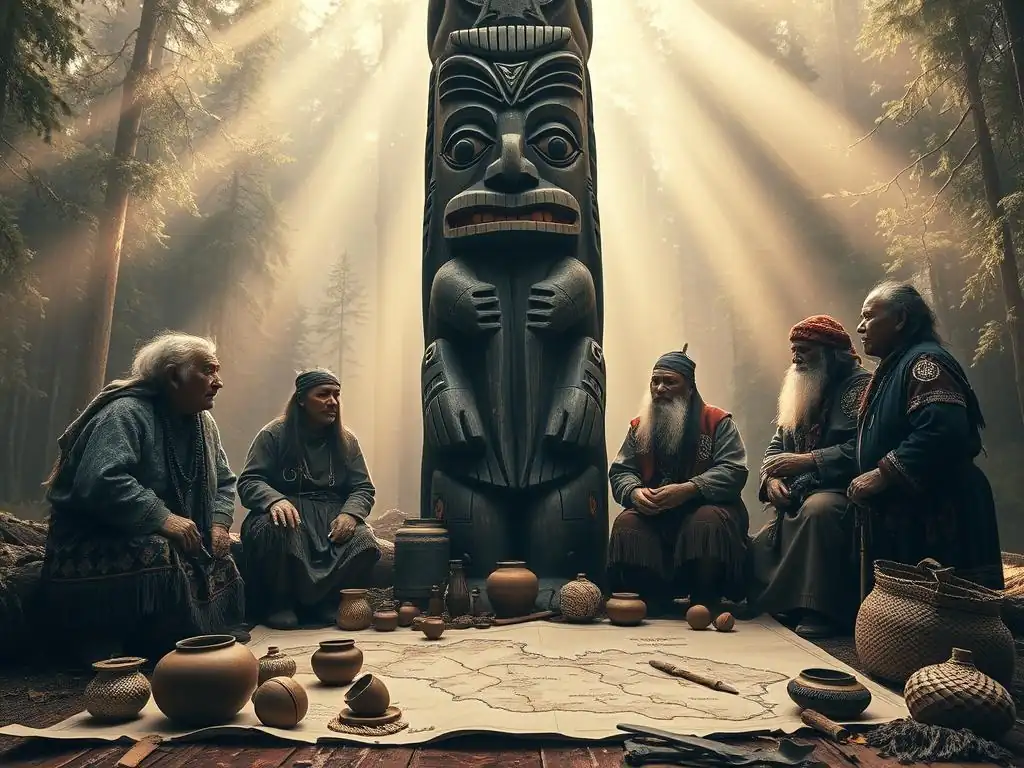
Promoting awareness of Indigenous civilizations faces several significant challenges that hinder effective outreach and education. These obstacles not only affect the understanding of Indigenous cultures but also perpetuate misconceptions and limit the resources available for awareness initiatives.
Misconceptions and Stereotypes About Indigenous Peoples
One of the primary hurdles in raising awareness about Indigenous civilizations is the prevalence of misconceptions and stereotypes. Many people hold outdated views that depict Indigenous peoples as primitive or static, ignoring their rich histories, diverse cultures, and contributions to society. These stereotypes can lead to a lack of interest or respect for Indigenous cultures, hindering meaningful engagement.
Moreover, media portrayals often reinforce these misconceptions, presenting a monolithic image of Indigenous peoples rather than showcasing their diversity. Such oversimplifications can create barriers to understanding the complexities and nuances of their histories, traditions, and contemporary issues. Combating these stereotypes requires targeted educational campaigns that highlight the achievements and ongoing contributions of Indigenous communities.
Funding and Resource Limitations for Awareness Programs
Funding and resource limitations pose another significant challenge in promoting Indigenous civilizations awareness. Many awareness programs and initiatives rely on grants and donations, which can be inconsistent and insufficient. As a result, organizations working to educate the public about Indigenous cultures often struggle to maintain their programs or expand their outreach efforts.
Limited resources can also restrict the development of high-quality educational materials and events. This lack of funding may lead to reliance on outdated or inaccurate information, further perpetuating misconceptions. To effectively promote Indigenous awareness, it is crucial to secure sustainable funding and support from governmental and non-governmental sources, allowing for robust and well-researched educational initiatives.
The Importance of Representation in Awareness Strategies
Representation plays a critical role in the effectiveness of awareness strategies for Indigenous civilizations. Programs that feature Indigenous voices and perspectives are more likely to resonate with audiences and foster genuine understanding. Authentic representation helps to counter stereotypes and provides a platform for Indigenous peoples to share their histories and cultures.
Furthermore, involving Indigenous communities in the development and implementation of awareness initiatives ensures that the messaging is accurate and respectful. This collaborative approach fosters trust and encourages greater participation from both Indigenous and non-Indigenous individuals. Promoting awareness through authentic representation can significantly enhance the impact of educational strategies aimed at celebrating Indigenous civilizations.
Future Directions for Indigenous Civilizations Awareness Strategies
As awareness initiatives evolve, it is essential to explore new directions that can enhance engagement and education surrounding Indigenous civilizations. By adopting innovative approaches and integrating Indigenous perspectives into mainstream education, awareness strategies can become more effective and inclusive.
Innovative Approaches to Engage Younger Generations
Engaging younger generations is crucial for the long-term sustainability of awareness strategies related to Indigenous civilizations. Innovative approaches, such as utilizing technology, interactive exhibits, and social media campaigns, can capture the attention of youth and encourage their involvement.
For example, virtual reality experiences that immerse users in Indigenous cultural practices or historical events can spark interest and foster empathy. Additionally, integrating Indigenous stories and perspectives into popular media, such as films and video games, can help bridge the gap between entertainment and education. By making learning about Indigenous civilizations appealing and accessible, awareness strategies can effectively engage younger audiences.
Integrating Indigenous Perspectives into Mainstream Education
Integrating Indigenous perspectives into mainstream education is vital for fostering a comprehensive understanding of history and culture. By including Indigenous narratives in school curricula, educators can challenge prevailing stereotypes and highlight the significance of Indigenous civilizations in shaping the Americas.
This integration should not be limited to history classes; it can extend to subjects like science, art, and literature, showcasing the contributions of Indigenous peoples across various fields. Collaborating with Indigenous educators and scholars to develop culturally relevant materials ensures that the content is accurate and meaningful. Through this approach, awareness strategies can cultivate a more informed and respectful society that recognizes and values the rich heritage of Indigenous civilizations.
Conclusion: The Path Forward for Public Awareness of Indigenous Civilizations
The journey toward enhancing public awareness of Indigenous civilizations is not merely a task for historians or educators; it is a collective responsibility that involves society at large. As we reflect on the achievements, complexities, and rich narratives of Indigenous cultures, it becomes evident that a more profound understanding can foster respect and appreciation. Moving forward, it is essential to implement multi-faceted strategies that engage communities, promote educational reforms, and utilize modern technology to share Indigenous stories authentically.
The integration of Indigenous perspectives in educational curricula, cultural exchanges, and public events can pave the way for a deeper connection between Indigenous and non-Indigenous peoples. Additionally, leveraging social media and other digital platforms can amplify Indigenous voices, ensuring that their histories and contributions are recognized and celebrated. By fostering a culture of learning and respect, society can contribute to the preservation of Indigenous heritage and promote a more inclusive narrative of history.
The Role of Society in Preserving Indigenous Heritage
Society plays a crucial role in preserving Indigenous heritage. This preservation can take various forms, from supporting legislation that protects Indigenous lands and languages to participating in community events that celebrate Indigenous cultures. Individuals and organizations can help ensure that Indigenous narratives are not only told but are also respected and valued.
Community involvement is vital in this endeavor. Grassroots initiatives that encourage local engagement can lead to a better understanding of Indigenous issues and histories. By forming partnerships between Indigenous communities and non-Indigenous organizations, society can foster collaborative efforts that prioritize the needs and perspectives of Indigenous peoples.
Furthermore, public awareness campaigns can highlight the importance of Indigenous knowledge systems and their relevance in contemporary society, including environmental stewardship and sustainable practices. As society embraces the responsibility of preserving Indigenous heritage, it can contribute to the broader goal of reconciliation and mutual respect.
Call to Action for Individuals and Organizations
The call to action is clear: individuals and organizations must take active steps to promote awareness and understanding of Indigenous civilizations. For individuals, this means educating themselves about the histories, cultures, and ongoing struggles of Indigenous peoples. Engaging with Indigenous authors, artists, and speakers can provide valuable insights and foster meaningful connections.
Organizations, be they educational institutions, museums, or cultural centers, should prioritize Indigenous perspectives in their programming and outreach efforts. Initiatives such as workshops, speaker series, and collaborative projects can bridge gaps in understanding and highlight Indigenous contributions to society. Moreover, organizations can advocate for policy changes that support Indigenous rights and protect their cultural heritage.
Both individuals and organizations have a pivotal role in advancing Indigenous civilizations awareness strategies. By committing to education, collaboration, and advocacy, we can create a more informed and respectful society that honors the legacy of Indigenous cultures.
References
List of Sources and Further Reading on Indigenous Civilizations Awareness Strategies
- Smith, A. (2019). Indigenous Knowledge and Education: Reflecting on the Past, Present, and Future. Journal of Indigenous Studies.
- Jones, B., & Green, C. (2021). Cultural Preservation in the Modern World: The Role of Community Engagement. International Journal of Cultural Heritage.
- Taylor, M. (2020). Stories of Resilience: Indigenous Narratives in Public Spaces. Heritage and Society.
- National Museum of the American Indian. (2022). Indigenous Voices: A Guide to Public Awareness Initiatives. Washington, D.C.
- United Nations Permanent Forum on Indigenous Issues. (2021). Annual Report on the State of Indigenous Cultures and Rights. UN Publications.
- Introduction to Indigenous Civilizations Awareness Strategies
- Historical Context of Indigenous Civilizations
- Current Public Awareness Initiatives
- Effective Strategies for Raising Awareness
- Challenges in Promoting Indigenous Civilizations Awareness
- Future Directions for Indigenous Civilizations Awareness Strategies
- Conclusion: The Path Forward for Public Awareness of Indigenous Civilizations
- References
- What are indigenous civilizations?
- Why is it important to raise awareness about indigenous cultures?
- What strategies can be used to promote indigenous civilizations awareness?
- How can public awareness impact indigenous communities today?
- What role do educational institutions play in awareness strategies?
Frequently Asked Questions
What are indigenous civilizations?
Indigenous civilizations refer to the diverse societies that developed in the Americas before European colonization, showcasing unique cultures, achievements, and social structures.
Why is it important to raise awareness about indigenous cultures?
Raising awareness about indigenous cultures helps to acknowledge their historical significance and contributions, fostering respect and understanding among different communities.
What strategies can be used to promote indigenous civilizations awareness?
Effective strategies include educational programs, community engagement, and the use of digital platforms to share information and highlight the achievements of indigenous peoples.
How can public awareness impact indigenous communities today?
Increased public awareness can lead to greater support for the preservation of cultural heritage, recognition of rights, and enhanced opportunities for indigenous voices in contemporary society.
What role do educational institutions play in awareness strategies?
Educational institutions are pivotal in implementing curricula that reflect indigenous histories, fostering a deeper understanding and appreciation of indigenous civilizations among students.
Final Reflection: Embracing the Legacy of Indigenous Civilizations
The exploration of Indigenous civilizations awareness strategies is not just a retrospective journey; it is a vital call to action in today's society. As we grapple with the consequences of historical injustices and cultural erasure, understanding the rich tapestry of Indigenous histories and contributions becomes essential. Now more than ever, we must recognize that the stories of Indigenous peoples are not relics of the past but living narratives that shape our present and future.
The impact of these awareness strategies extends far beyond mere acknowledgment; they are instrumental in fostering a deeper cultural understanding and respect. By engaging with Indigenous histories, we not only honor their legacy but also enrich our own cultural landscape. The ongoing dialogue about Indigenous rights and representation is a testament to the resilience of these communities. As renowned Indigenous activist Winona LaDuke once said, We are not free until we are all free.
This sentiment underscores the interconnectedness of our struggles and the importance of solidarity in the pursuit of justice and recognition.
As we reflect on the lessons drawn from Indigenous civilizations, I invite you to take a moment to consider your role in this ongoing narrative. How can you contribute to the awareness and appreciation of Indigenous cultures in your own community? Whether through education, advocacy, or simply by sharing stories, your actions can help illuminate the rich histories that deserve to be celebrated. Let us commit to being stewards of this knowledge, ensuring that the voices of Indigenous peoples are not only heard but cherished for generations to come.
Embrace the Journey: Connect with Indigenous Heritage!
Thank you for exploring the vital strategies for raising public awareness about Indigenous civilizations! Your interest is a powerful step towards honoring and understanding these rich cultures. Now, let’s put that inspiration into action!
- Dive Deeper: Choose an Indigenous civilization to research its history and current issues, and share your findings with friends or on social media!
- Participate Locally: Attend a local event or workshop that focuses on Indigenous cultures to engage directly with these communities.
- Amplify Voices: Follow Indigenous leaders and organizations online, and share their work to elevate their stories and contributions!
How will you take the first step towards building a bridge between the past and present in the journey of Indigenous heritage?