
Andean Architecture and Astronomy: Alignments that Connect the Earth to the Cosmos

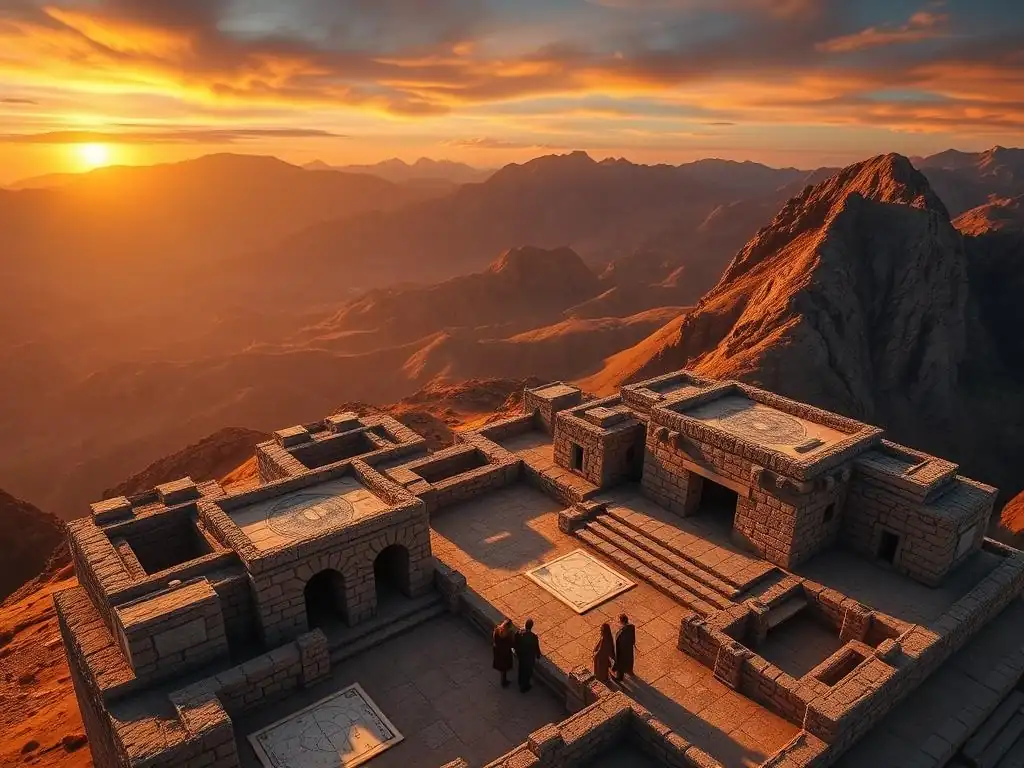
Welcome to Indigenous Civilizations of the Americas, where we invite you to embark on an enlightening journey through the rich tapestry of indigenous cultures that flourished long before European contact. Among the remarkable achievements of these societies lies the fascinating intersection of Andean architecture and astronomy. In our featured article, “Andean Architecture and Astronomy: Alignments that Connect the Earth to the Cosmos,” we delve into how the Incas and their predecessors brilliantly intertwined their architectural marvels with celestial phenomena.
Prepare to uncover the secrets of the cosmos as you explore the profound connections that these ancient civilizations established between the earth and the skies. Your adventure into history and knowledge awaits—let's begin!
- Introduction to Andean Architecture and Astronomy
- Historical Context of Andean Architecture
- The Connection Between Andean Architecture and Astronomy
- Rituals and Ceremonies Tied to Astronomy
- The Role of Astronomy in Urban Planning
- Comparative Analysis of Andean Astronomy with Other Indigenous Cultures
- Legacy of Andean Architecture and Astronomy
- Conclusion: The Enduring Connection Between Earth and Cosmos in Andean Culture
-
Frequently Asked Questions
- What is the significance of Andean architecture in pre-Columbian societies?
- How did Andean civilizations incorporate astronomy into their architecture?
- What are some examples of Andean astronomical alignments?
- How did the study of Andean architecture and astronomy impact modern understanding of indigenous cultures?
- What resources are available for learning more about Andean architecture and astronomy?
- Final Reflection: Bridging Earth and Cosmos through Andean Architecture
- Unveil the Cosmic Connections in Andean Architecture!
Introduction to Andean Architecture and Astronomy
The Andean region, a cradle of ancient civilizations, is renowned for its remarkable architectural achievements and profound astronomical knowledge. This article delves into the intricate relationship between Andean architecture and astronomy, illuminating how these cultures aligned their monumental structures with celestial events.
From the majestic stone edifices of the Inca to the ceremonial sites that mark the solstices and equinoxes, Andean societies demonstrated a sophisticated understanding of their environment and the cosmos. Through this exploration, we will uncover the cultural significance of these alignments, showcasing how they reflect the values, beliefs, and advancements of the indigenous peoples of the Americas.
Overview of Andean Civilization
The Andean civilization encompasses a diverse array of cultures, including the Inca, Tiwanaku, and Nazca, each contributing to a rich tapestry of history and innovation. Emerging in the mountainous terrain of South America, these societies developed unique architectural styles and urban planning techniques that harmonized with their landscape.
Key features of Andean civilization include:
- Sophisticated Engineering: The use of durable materials such as stone and adobe, along with advanced techniques like terracing, enabled the construction of impressive structures that have stood the test of time.
- Cultural Significance: Architecture was not merely functional; it served as a reflection of societal hierarchies, religious beliefs, and communal identities. Temples, plazas, and residential areas were thoughtfully designed to fulfill both practical and spiritual purposes.
- Integration with Nature: The Andean peoples had a profound respect for their environment, often incorporating natural features into their architectural designs. This synergy between human creations and the surrounding landscape is evident in many archaeological sites.
Importance of Astronomy in Indigenous Cultures
Astronomy played a pivotal role in the lives of Andean civilizations, influencing agricultural practices, religious rites, and social organization. The indigenous people meticulously observed celestial bodies and cyclical patterns, using this knowledge to guide their daily lives.
Key aspects of astronomy's significance include:
- Agricultural Planning: The timing of planting and harvesting was often dictated by astronomical events, such as the appearance of certain stars or the changing phases of the moon.
- Ceremonial Practices: Many architectural sites are aligned with celestial events, indicating their importance in rituals and festivals. Structures like the Temple of the Sun in Cusco highlight this connection, serving as observatories during solstices and equinoxes.
- Cultural Identity: Understanding the cosmos reinforced a sense of identity and belonging among Andean peoples. Their myths and legends often intertwined with astronomical phenomena, reflecting their deep-rooted connection to the universe.
Through this exploration of Andean architecture and astronomy, we gain insight into how these civilizations perceived their world and the cosmos, revealing a legacy that continues to inspire and educate us today.
Historical Context of Andean Architecture
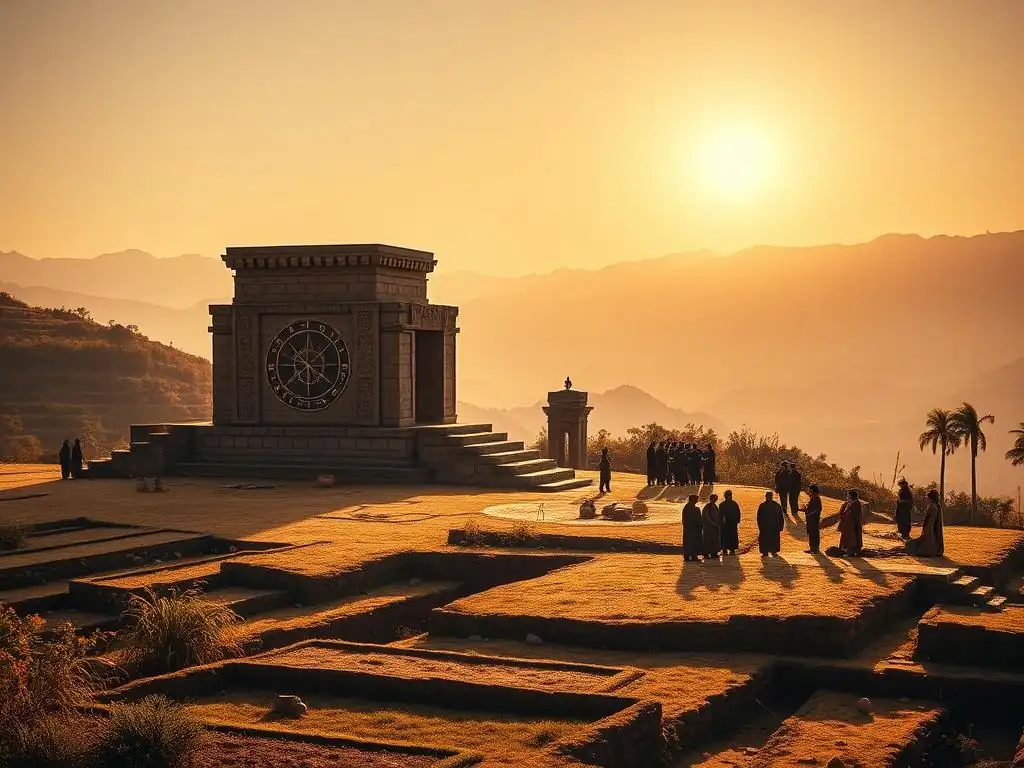
The history of Andean architecture is deeply intertwined with the cultural and environmental context of the Andean region. This area, characterized by its rugged mountains and diverse ecosystems, was home to several indigenous civilizations, including the Incas, who significantly influenced architectural practices. The architectural styles that emerged in the Andes reflect not only the technological advancements of these societies but also their spiritual beliefs and social structures.
Development of Architectural Styles in the Andes
The development of architectural styles in the Andes can be traced back to pre-Columbian civilizations, each contributing unique elements based on their local materials, climate, and cultural practices.
- Early Civilizations: The earliest known architectural forms in the Andes were constructed by cultures such as the Chavín and Moche. These societies utilized adobe and stone to create ceremonial centers, demonstrating advanced knowledge of engineering and aesthetics.
- Inca Innovations: The Inca Empire, which flourished from the 15th century until the Spanish conquest in the 16th century, revolutionized Andean architecture through the integration of local styles and techniques. Their use of finely cut stone, exemplified in structures such as Sacsayhuamán and Machu Picchu, showcased not only durability but also a sophisticated understanding of structural integrity.
- Regional Variations: Different regions within the Andes developed distinct architectural styles influenced by local resources and climate. For instance, the coastal cultures like the Nazca focused more on adobe structures, while highland societies utilized stone due to the availability of granite and limestone.
- Cosmic Alignment: A notable feature of Andean architecture is its alignment with astronomical events. Many structures were designed to mark solstices and equinoxes, reflecting the deep connection between the cosmos and daily life in Andean societies.
Key Structures and Their Significance
Numerous key structures across the Andes exemplify the architectural and astronomical prowess of these civilizations. Each monument carries profound significance, both culturally and spiritually.
- Machu Picchu: Often referred to as the "Lost City of the Incas," Machu Picchu is an iconic example of Inca architecture. Its layout and construction reflect advanced engineering techniques and an intimate relationship with the surrounding landscape. The Intihuatana stone, believed to be a ritual stone associated with astronomy, highlights the connection between the earth and the cosmos.
- Sacsayhuamán: This fortress complex near Cusco is renowned for its massive stone walls, constructed without mortar. The precision of the stonework is a testament to Inca craftsmanship. Sacsayhuamán also served as a ceremonial site where astronomical events were celebrated, showcasing the integration of architecture and astronomy.
- Tiwanaku: Located near Lake Titicaca, Tiwanaku is another significant archaeological site characterized by its monumental stone structures. The Temple of the Kalasasaya and the Ponce Monolith align with celestial events, indicating that the Tiwanaku civilization possessed a sophisticated understanding of astronomy.
- Nazca Lines: While not structures in the traditional sense, the Nazca Lines are geoglyphs that are best viewed from the air. Their creation required significant labor and planning, and many lines align with astronomical phenomena, underscoring the Nazca civilization's connection to the cosmos.
Andean architecture is a remarkable reflection of the ingenuity and beliefs of the indigenous civilizations that inhabited this region. The intricate designs and astronomical alignments of their structures not only serve practical purposes but also embody the spiritual and cultural heritage that continues to resonate today.
The Connection Between Andean Architecture and Astronomy
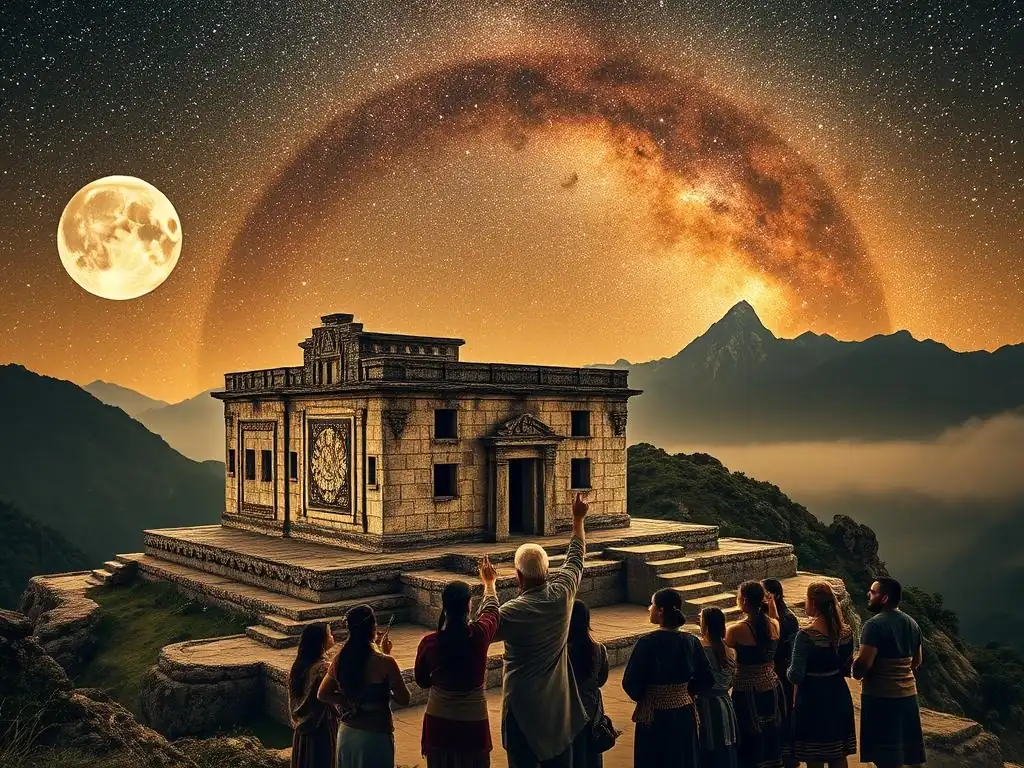
The relationship between Andean architecture and astronomy is a fascinating testament to the advanced understanding of celestial movements possessed by indigenous civilizations in the Andes. These cultures, particularly the Inca and Tiwanaku, integrated astronomical observations into their architectural designs, creating structures that not only served practical purposes but also aligned with significant celestial events. This connection reflects a worldview where the cosmos and earthly existence were intricately intertwined, influencing agricultural practices, religious rituals, and social organization.
Astronomical Alignments in Andean Structures
Astronomical alignments in Andean structures are primarily observed through the orientation of buildings, platforms, and ceremonial sites that correspond to solar and lunar events. These alignments demonstrate a sophisticated knowledge of astronomy, as ancient builders utilized observations of the sun's path, equinoxes, and solstices to guide their constructions.
The following key features illustrate how Andean architecture reflects astronomical understanding:
- Solar Alignments: Many structures are oriented to capture the first rays of the sun during solstices and equinoxes. This was not only a means of marking the changing seasons but also played a crucial role in agricultural cycles.
- Lunar Observations: Certain sites exhibit alignments with significant lunar events, indicating that the lunar calendar was also important in the planning of agricultural and ceremonial activities.
- Star Patterns: Some archaeological findings suggest that specific alignments correspond to star constellations, reflecting a broader cosmological framework within which these civilizations operated.
This astronomical insight was pivotal for the Andean cultures, enabling them to synchronize their agricultural practices with seasonal changes, thus ensuring food security and community sustainability.
Examples of Architectural Sites with Cosmic Alignments
The Andean region is home to numerous architectural sites that exemplify the integration of astronomy into their design. Two of the most prominent examples are Machu Picchu and Tiwanaku, each showcasing remarkable alignments that reflect the civilizations' connection to the cosmos.
Machu Picchu: A Celestial Observatory
Machu Picchu is often regarded as a celestial observatory due to its strategic location and architectural features that align with astronomical events. The site is positioned high in the Andes, providing a clear view of the horizon where the sun rises and sets.
Key features include:
- Intihuatana Stone: This ritual stone, often referred to as a "hitching post of the sun," is precisely carved to align with the sun during the equinoxes. The Incas believed it to hold spiritual significance, serving as a link between the earth and the sun.
- Temple of the Sun: This temple is oriented to the sun's rays, allowing sunlight to illuminate the interior during significant solar events, reinforcing the connection between the divine and the celestial.
- Agricultural Terraces: The terraced fields surrounding the site were designed to optimize sunlight exposure, reflecting an understanding of solar patterns essential for crop cultivation.
Tiwanaku: The Gateway to the Heavens
Tiwanaku, one of the most important archaeological sites in Bolivia, is another exemplary model of Andean architecture's connection to astronomy. The layout and structures of Tiwanaku reveal a deep understanding of celestial phenomena.
Highlights include:
- Puma Punku: This section of Tiwanaku features stone blocks that are meticulously aligned with cardinal directions. It is believed that these alignments were used to track solar movements, particularly during solstices.
- Kalasasaya Temple: The temple features a platform that aligns with the sunrise during the summer solstice, indicating its use for astronomical observations and religious ceremonies.
- Gateway of the Sun: This iconic structure is adorned with intricate carvings that may depict celestial bodies, further emphasizing the site’s significance as a portal connecting earthly and cosmic realms.
Through these architectural marvels, the Andean civilizations demonstrated not only their engineering prowess but also a profound reverence for the cosmos, creating spaces that transcended mere functionality to embody their philosophical and spiritual beliefs.
Rituals and Ceremonies Tied to Astronomy
In the Andean civilizations, rituals and ceremonies played a vital role in connecting their architectural marvels with celestial phenomena. The relationship between the cosmos and terrestrial life was deeply embedded in the cultural practices of these societies. Astronomy was not merely a scientific pursuit; it was intertwined with spirituality, agriculture, and social organization.
Andean cultures, including the Incas, utilized astronomical observations to mark important seasonal events. These celestial alignments influenced agricultural cycles, religious festivities, and community gatherings. The synchronization of their architectural designs with astronomical events demonstrates a profound understanding of the cosmos and its impact on daily life.
One of the most significant aspects of these rituals was the celebration of solstices and equinoxes, which were meticulously observed and integrated into their ceremonial calendars.
Solstices and Equinoxes: Their Role in Andean Culture
The solstices and equinoxes were pivotal points in the Andean calendar, marking crucial changes in seasons that directly affected agricultural practices. The Andean people recognized the importance of these solar events in determining planting and harvesting times.
- Winter Solstice (Inti Raymi): Celebrated around June 21st, this event honored Inti, the sun deity. It was a time for rituals that invoked fertility and abundance. The ceremonial center of Cusco hosted elaborate celebrations, including offerings and sacrifices to ensure a bountiful harvest.
- Summer Solstice: Occurring around December 21st, this solstice was also significant, marking the time of the year when the sun reached its highest point. It was celebrated with festivities that emphasized community and gratitude for the sun's life-giving energy.
- Equinoxes: The spring and autumn equinoxes held importance as well, serving as markers for balance and transition. Ceremonies during these times focused on acknowledging the dualities of life and death, light and darkness, reflecting the Andean worldview.
These events were not just isolated celestial occurrences; they were interwoven with the cycles of life, influencing agricultural success and spiritual well-being.
Architectural Features Designed for Astronomical Events
The architectural ingenuity of the Andean civilizations is exemplified in structures designed specifically for astronomical observation and ceremonial purposes. Many buildings and sites were constructed with precise alignments to celestial bodies, enhancing their cultural and religious significance.
- Sacsayhuamán: This impressive fortress near Cusco is renowned for its massive stone walls. Its layout and certain stone placements are believed to align with the sun during solstices, allowing observers to mark seasonal changes accurately.
- Qorikancha: The Temple of the Sun in Cusco was another key site where architecture met astronomy. It was constructed to capture the sun's rays during significant solar events, highlighting its importance in worship and community life.
- Chankillo: This ancient observatory is remarkable for its 13 towers, which align with the sunrise on specific days of the year. It demonstrates advanced astronomical knowledge and the importance of solar events in societal organization.
- Nazca Lines: While not traditional architecture, the Nazca Lines are massive geoglyphs that may have had astronomical significance, serving as markers for celestial events or as ceremonial pathways.
The integration of these architectural features with astronomical knowledge illustrates the Andean civilizations' sophisticated understanding of their environment and the cosmos. Their rituals, aligned with the cycles of nature, reflect a worldview that honored the interconnection between the earth and the sky, a legacy that continues to intrigue researchers and visitors alike.
Through these practices and structures, the Andean cultures have left a lasting impact on the understanding of both architecture and astronomy, showcasing their remarkable achievements long before European contact.
The Role of Astronomy in Urban Planning
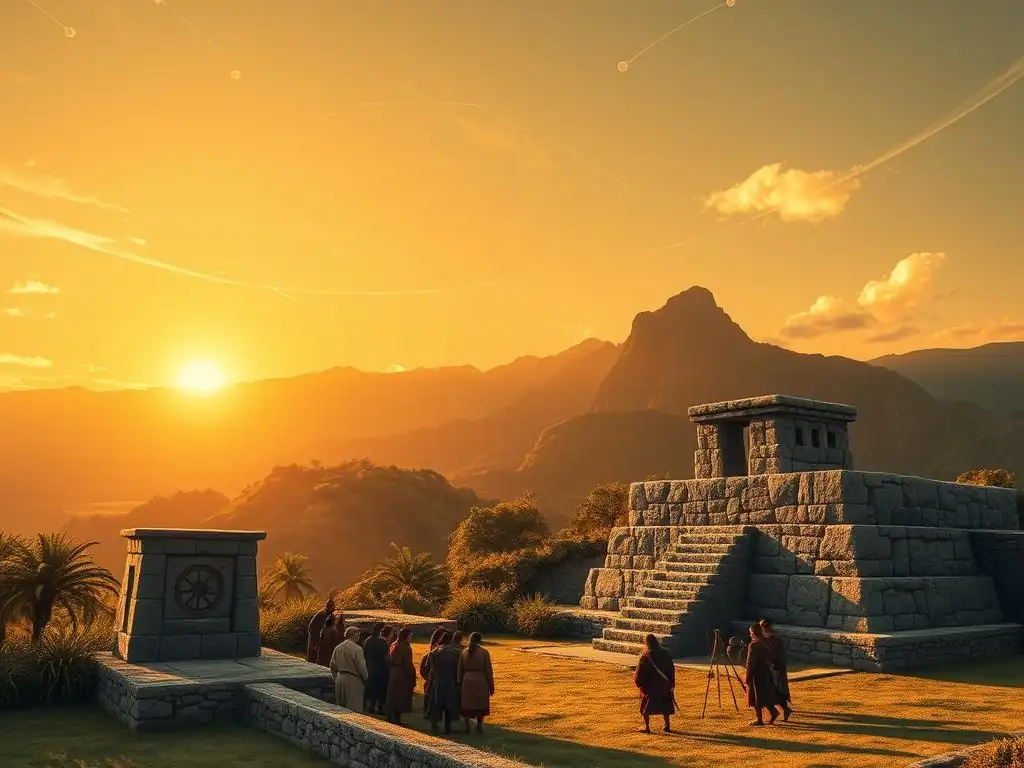
Andean civilizations, particularly the Inca Empire, demonstrated a profound understanding of astronomy that significantly influenced their urban planning. The alignment of structures, roads, and even entire cities with celestial bodies was not merely aesthetic; it was deeply intertwined with their spiritual beliefs, agricultural practices, and daily life. This celestial orientation provided a framework for understanding time, seasons, and agricultural cycles, which were crucial for their survival and prosperity.
How Cosmic Alignments Influenced City Layouts
The cities of the Andes were often constructed with a meticulous regard for cosmic alignments. For example, the famous city of Cusco, considered the navel of the Inca world, was designed to reflect the cosmos. Key structures within Cusco were strategically located to align with celestial events, such as solstices and equinoxes.
- Key Alignments:
- Intihuatana: This ritual stone found at Machu Picchu served as an astronomical observatory, believed to connect the earth and sun.
- Temple of the Sun (Korikancha): Located in Cusco, this temple was aligned with the sun's position during solstices, emphasizing the importance of solar worship.
These alignments were not random but were carefully calculated, often involving knowledge of the stars that was passed down through generations. The Inca utilized tools like the Chaco, a type of sighting device, to ensure accurate alignments, demonstrating their advanced understanding of geometry and astronomy.
Integration of Nature and Astronomy in Andean Architecture
Andean architecture is characterized by its seamless integration with the surrounding natural environment and celestial phenomena. The use of local materials, such as stone, mud, and adobe, combined with architectural designs that reflected astronomical principles, highlights the relationship between the earth and the cosmos.
- Natural Elements:
- Terracing: The agricultural terraces not only served to maximize arable land but were also designed to capture sunlight at different times of the year, thereby optimizing crop growth.
- Water Sources: Many Andean settlements were built near rivers or springs, which were often aligned with celestial events, further linking the spiritual and practical aspects of life.
The Andean peoples believed that their structures should harmonize with the landscape, embodying their respect for Pachamama (Mother Earth) and the cosmos. This integration is evident in sacred sites like Sillustani, where funerary towers (chullpas) are aligned with the stars, illustrating the belief that the dead would continue their journey among the celestial bodies.
The astute incorporation of astronomy into urban planning and architecture reveals the sophisticated worldview of Andean civilizations. Their ability to weave together the celestial and terrestrial realms not only showcases their architectural prowess but also reflects their profound connection to the cosmos. As we explore Andean architecture and astronomy, it becomes clear that these elements were fundamental to their identity and cultural legacy.
Comparative Analysis of Andean Astronomy with Other Indigenous Cultures

Similarities and Differences in Astronomical Practices
Andean astronomy is distinguished by its rich integration with agricultural cycles, religious practices, and architectural design. Similar to other indigenous cultures, such as the Maya and the ancient Egyptians, Andean civilizations utilized astronomical observations to inform their agricultural calendars. However, while the Maya developed a highly complex calendrical system based on their observations of celestial bodies, the Andean cultures placed a greater emphasis on the seasonal changes and their direct impact on crop cultivation.
Key Similarities:
- Celestial Observation: Like many indigenous cultures, Andean societies utilized the stars and planets for navigation and timekeeping. The Southern Cross constellation, for example, holds significant importance in Andean mythology and is used to determine the southern direction.
- Ceremonial Alignments: Both the Andean and Maya cultures constructed monumental architectures that were aligned with celestial events. For instance, the Intihuatana stone at Machu Picchu acted as an astronomical observatory, similar to the El Caracol structure at Chichen Itza.
Distinct Differences:
- Focus on the Earth: While many cultures, such as the Egyptians, focused on celestial bodies as divine entities, Andean astronomy closely tied celestial movements with earthly agricultural practices. This relationship underscores the Andean belief in the interconnectedness of the earth and the cosmos.
- Astronomic Tools: The Andean cultures utilized tools like the Chacana, a cross symbol that represents the three realms of existence, to understand their place within the universe. In contrast, the Maya used more intricate devices such as shadow-casting devices and observatories.
Influence of Andean Astronomy on Neighboring Cultures
The astronomical practices of Andean civilizations significantly influenced neighboring cultures throughout the region, particularly in the highlands of Peru and across the Andes. The exchange of knowledge and techniques manifest in various ways:
- Adoption of Agricultural Calendars: Neighboring cultures adopted Andean agricultural calendars that were based on lunar and solar cycles, improving their farming efficiency. This integration enhanced food security and fostered trade networks.
- Architectural Adaptations: The alignment of structures with celestial events inspired architectural practices in regions such as the Altiplano and parts of Chile. For example, settlements began to incorporate astronomical alignments similar to those found in the Nazca Lines, which depict animals and geometric shapes aligned with celestial phenomena.
- Cultural Syncretism: As Andean cultures interacted with others like the Mapuche and Chibchan groups, there was a blending of astronomical beliefs and practices. This syncretism can be observed in the shared stories of creation and the roles of celestial beings in mythology.
The influence of Andean astronomy extends beyond its borders, shaping the agricultural, architectural, and cultural landscapes of neighboring civilizations. The intricate relationship between their astronomical knowledge and earthly practices serves as a testament to the sophistication of Andean society and its enduring legacy in the Americas.
Legacy of Andean Architecture and Astronomy
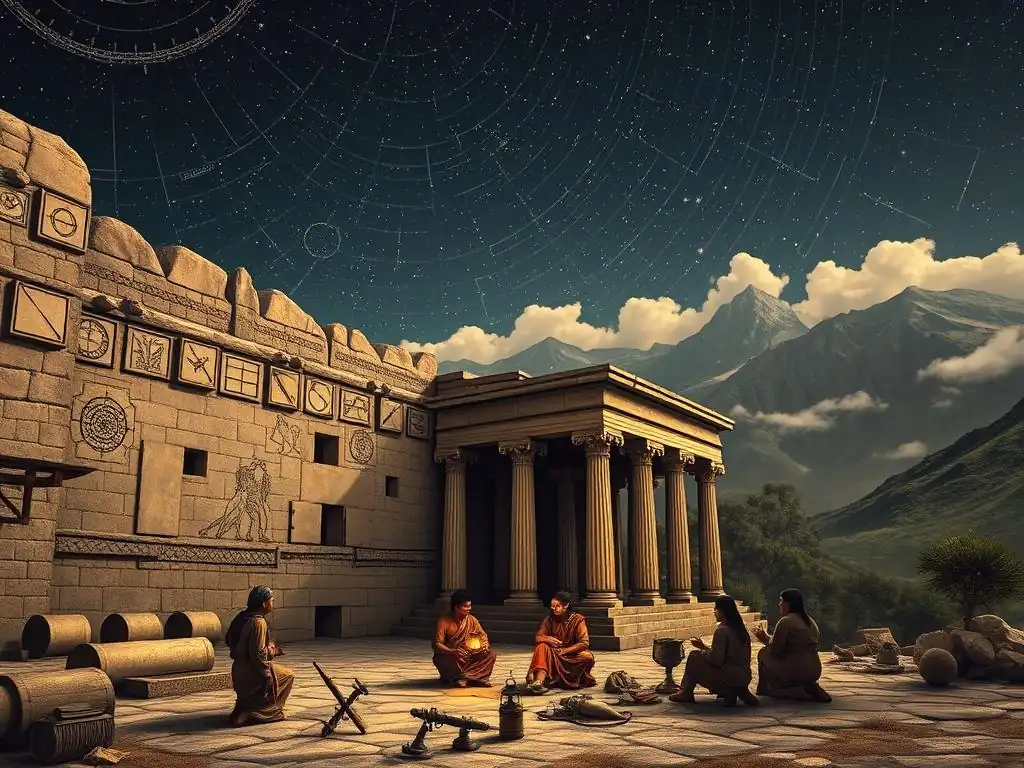
The legacy of Andean architecture and astronomy is a testament to the ingenuity and advanced understanding of the cosmos by the indigenous cultures of the Andes. These civilizations, particularly the Inca, demonstrated remarkable skills in engineering and astronomical observation, which were deeply intertwined with their cultural and religious practices. Their monumental architecture, such as the iconic Machu Picchu and the vast complex of Sacsayhuamán, not only served functional purposes but also reflected their cosmological beliefs.
The Andean people constructed their buildings with precise alignment to celestial events. For example, many temples and ceremonial sites were oriented towards the sun's path, the solstices, and other astronomical phenomena. This alignment was not merely aesthetic; it was integral to their agricultural practices, calendar systems, and spiritual rituals. By studying the stars and the sun, Andean civilizations were able to develop sophisticated agricultural techniques that maximized crop yields, demonstrating a complex relationship between architecture, astronomy, and the environment.
Preservation of Ancient Knowledge in Modern Practices
The wisdom of Andean architecture and astronomy continues to influence modern practices in various fields. Many contemporary architects draw inspiration from the principles used by ancient Andean societies, emphasizing harmony with the landscape and sustainability. For instance, the use of local materials and techniques that promote energy efficiency can be traced back to ancient practices that prioritized the environment and community needs.
Moreover, indigenous communities actively engage in the preservation of their astronomical knowledge through cultural practices and education. Traditional calendars, such as the Andean "Lunar Calendar," remain in use today, guiding agricultural activities and ceremonial events. This continuity illustrates a deep respect for ancestral knowledge and its application in modern life.
In recent years, there has been an increased interest in reviving Andean astronomical traditions. Workshops and educational programs aimed at both indigenous youth and non-indigenous communities focus on teaching the significance of celestial observations in the Andes. Activities include constructing simple astronomical tools, like the "Intihuatana" or sun dial, which serve as a bridge between ancient practices and contemporary understanding of astronomy.
Impact on Contemporary Architecture and Astronomy
The influence of Andean architecture and astronomy is evident in several contemporary architectural designs that seek to merge modern aesthetics with ancient principles. Architects are increasingly recognizing the importance of aligning buildings with natural elements, such as sunlight and wind, to enhance energy efficiency and reduce environmental impact. This approach reflects the Andean understanding of building in harmony with the earth's cycles.
In the field of astronomy, the legacy of Andean practices resonates through the increased focus on cultural astronomy, which studies how different cultures interpret celestial phenomena. Researchers are examining ancient texts, oral traditions, and archaeological evidence to uncover the ways Andean societies engaged with the cosmos. This has led to a greater appreciation of indigenous knowledge systems and their contributions to global astronomical understanding.
Furthermore, the rise of eco-architecture, which emphasizes sustainable building practices, echoes the principles established by Andean architects. Structures that utilize renewable resources, respect local ecosystems, and incorporate traditional knowledge demonstrate a direct lineage to the sustainable practices of Andean civilizations.
The legacy of Andean architecture and astronomy continues to shape modern practices, preserving ancient knowledge while informing contemporary approaches to design and environmental stewardship. This rich heritage serves as a reminder of the profound connection between humanity and the cosmos, rooted in the experiences and innovations of indigenous cultures.
Conclusion: The Enduring Connection Between Earth and Cosmos in Andean Culture
The intricate relationship between Andean architecture and astronomy reflects a profound understanding of the cosmos that permeated the lives of ancient civilizations in this region. From the monumental structures of the Incas to the sacred sites of earlier cultures, the alignment of buildings and ceremonial spaces with celestial events illustrates a unique blend of architectural ingenuity and astronomical knowledge. This connection was not merely functional but deeply spiritual, embedding the cosmos into the very fabric of Andean life.
Summary of Key Insights
- Cosmic Alignments: Many Andean structures, such as Machu Picchu and the Temple of the Sun, showcase precise astronomical alignments. These alignments were often designed to mark significant solar events, such as solstices and equinoxes, demonstrating a sophisticated understanding of celestial mechanics.
- Cultural Significance: The alignment of buildings with celestial bodies was not just for scientific observation; it played a vital role in the cultural and religious practices of Andean societies. The sun, moon, and stars were revered as deities, influencing agricultural cycles and societal organization.
- Architectural Innovations: The integration of astronomical knowledge into architecture led to unique construction techniques. Structures were built with materials and designs that not only withstood seismic activity but also aligned with the cosmos, reflecting the harmony between human creation and the natural world.
- Legacy and Influence: The impact of Andean architecture and astronomy extends beyond historical significance. Modern studies of these alignments continue to inspire contemporary architects and astronomers, emphasizing the enduring legacy of indigenous knowledge systems.
The Importance of Recognizing Indigenous Contributions to Science and Architecture
Acknowledging the contributions of indigenous cultures, particularly in Andean architecture and astronomy, is essential for several reasons:
- Cultural Heritage: Recognizing these contributions honors the rich cultural heritage of the Andean peoples. Their achievements in integrating science, architecture, and spirituality provide valuable insights into human ingenuity and adaptability.
- Educational Opportunities: Understanding the complexities of Andean architecture and its astronomical connections opens doors for educational initiatives that promote indigenous knowledge. This can foster greater appreciation and respect for these cultures among current and future generations.
- Interdisciplinary Studies: The intersection of architecture and astronomy in Andean societies exemplifies the importance of interdisciplinary approaches in understanding historical achievements. By studying these fields together, researchers can uncover deeper insights into the motivations and capabilities of ancient civilizations.
- Inspiration for Modern Practices: The innovative practices of Andean architects can inspire modern sustainable building techniques. By learning from the efficient use of local materials and the incorporation of natural landscapes in design, contemporary architecture can evolve to be more environmentally conscious.
The examination of Andean architecture and astronomy reveals a sophisticated worldview that connected the earth to the cosmos, offering invaluable lessons on the relationship between humanity and the universe. Recognizing and celebrating these indigenous contributions is vital for preserving cultural heritage and inspiring future generations.
Frequently Asked Questions
What is the significance of Andean architecture in pre-Columbian societies?
Andean architecture reflects the advanced engineering and cultural values of indigenous civilizations, showcasing their ability to harmonize structures with their natural environment and cosmic beliefs.
How did Andean civilizations incorporate astronomy into their architecture?
Many Andean structures were strategically aligned with celestial bodies, demonstrating the civilizations' deep understanding of astronomy and its influence on their agricultural practices and rituals.
What are some examples of Andean astronomical alignments?
Examples include the Intihuatana stones and sacred sites like Machu Picchu, which were designed to mark significant solar events, such as solstices and equinoxes.
How did the study of Andean architecture and astronomy impact modern understanding of indigenous cultures?
The study provides insights into the sophistication of indigenous knowledge systems and their interconnectedness with the environment, challenging misconceptions about pre-Columbian societies.
What resources are available for learning more about Andean architecture and astronomy?
The website "Indigenous Civilizations of the Americas" offers extensive resources, including articles, photographs, and research papers that delve into the achievements of these remarkable cultures.
Final Reflection: Bridging Earth and Cosmos through Andean Architecture
The intricate relationship between Andean architecture and astronomy is not just a relic of the past; it is a vibrant testament to how ancient civilizations understood their place in the universe. Today, as we grapple with our own connection to the cosmos, the wisdom embedded in Andean structures serves as a reminder of the profound insights that can be gained from observing the stars. The alignments of these architectural marvels reveal a sophisticated understanding of celestial movements, urging us to reconsider our own relationship with the universe.
The influence of Andean architecture and astronomy extends far beyond historical significance; it continues to shape cultural identities and inspire modern practices. From the sacred sites of Machu Picchu to the astronomical alignments of the Nazca Lines, these ancient designs invite us to reflect on our own existence and the rhythms of nature.
As the renowned architect and scholar, David G. DeLong, once said, "> Architecture is the art of reconciliation between ourselves and the world, and this is profoundly evident in the Andean legacy." This ongoing dialogue between the past and present encourages us to seek harmony in our lives, just as the Andean people did.
As we conclude our exploration of Andean architecture and astronomy, I invite you to reflect on how these ancient teachings can influence your own life. Consider the ways in which you can cultivate a deeper connection with the cosmos and the earth around you.
Whether through mindfulness, sustainable practices, or simply taking a moment to gaze at the stars, let the wisdom of the Andean architects inspire you to forge your own path toward a harmonious existence with the universe. Embrace the lessons of the past, and allow them to guide you into a future where we are all aligned with the cosmos.
Unveil the Cosmic Connections in Andean Architecture!
Thank you for delving into the fascinating world of Andean architecture and its astronomical alignments. You've explored how these remarkable structures connect us to the cosmos, unveiling insights that enrich our understanding of indigenous cultures. Now, it’s time to take the next step and deepen your engagement with this enlightening topic.
Here are some actions you can take right now:
- Visit local museums or exhibitions that showcase Andean artifacts and architectural models to experience the wonder in person.
- Share this article with friends and family on social media to inspire them with the beauty of indigenous wisdom and its cosmic connections.
- Join a community group or forum focused on indigenous studies to discuss and expand your knowledge about Andean civilizations.
What cosmic discoveries have you encountered in relation to your own culture or architecture? We invite you to share your thoughts and experiences!