
Balancing Central Authority and Local Autonomy: The Inca Empire's Administrative Strategy


Welcome to Indigenous Civilizations of the Americas, where we delve into the rich tapestry of cultures that flourished long before European contact. In this journey, we invite you to explore the intricate administrative strategies of the Inca Empire, a remarkable example of balancing central authority with local autonomy. Discover how these strategies not only shaped their vast territory but also laid the groundwork for enduring social structures. Are you ready to unlock the secrets of one of history's most sophisticated civilizations? Dive deeper to uncover the innovations and achievements that continue to influence our world today!
- Introduction to Inca Empire Administrative Strategies
- Central Authority in the Inca Empire
- Local Autonomy in Inca Administration
- Balancing Central Authority and Local Autonomy
- Impact of Administrative Strategies on Inca Society
- Conclusion
-
Frequently Asked Questions
- What were the main administrative strategies of the Inca Empire?
- How did the Inca ensure local autonomy within their empire?
- What role did language play in the Inca Empire's administration?
- How did the Inca manage resource distribution in their empire?
- What was the impact of the Inca's administrative strategies on indigenous cultures?
- Final Reflection: The Enduring Legacy of Inca Empire Administrative Strategies
- Embrace the Legacy: Channel the Inca’s Wisdom Today!
Introduction to Inca Empire Administrative Strategies
The Inca Empire, one of the most remarkable indigenous civilizations of the Americas, developed a sophisticated administrative framework that skillfully balanced central authority and local autonomy. This intricate system was essential for managing the vast territories and diverse populations under Inca control, facilitating not only governance but also economic stability and cultural cohesion.
As we delve into the Inca Empire's administrative strategies, we will explore how these strategies enabled the Incas to maintain order, integrate various cultures, and implement effective resource management across their expansive realm. Understanding these strategies provides valuable insight into the Inca's innovative governance and the enduring legacy of their administrative systems.
Overview of the Inca Empire
The Inca Empire, known as Tawantinsuyu, was the largest empire in pre-Columbian America, spanning across modern-day Peru, Ecuador, Bolivia, and parts of Chile and Argentina. Established in the early 15th century, the empire reached its peak under the rule of Emperor Pachacuti, who transformed the Inca state into a powerful and organized entity.
- Key Features of the Inca Empire:
- Territory: The empire extended over 2,500 miles along the Andes mountain range.
- Population: It is estimated that the Inca Empire was home to around 10 million people, comprising numerous ethnic groups and cultures.
- Language: Quechua was the official language, fostering communication and cultural exchange among diverse populations.
The Incas implemented a centralized government led by the Sapa Inca, the emperor, who was regarded as a divine figure. The administration was characterized by a hierarchical structure, with officials appointed to oversee various regions and report directly back to the central authority. This system allowed for efficient governance, yet it was complemented by local leaders who maintained a degree of autonomy, ensuring that local customs and practices were respected.
Importance of Administrative Systems in Indigenous Civilizations
Administrative systems are fundamental in shaping the success and sustainability of any civilization, particularly among indigenous cultures where diverse societies and environments require adaptable governance. The Inca Empire's administrative strategies exemplify this importance through several key functions:
- Resource Management: The effective allocation and management of resources, including agricultural production and labor, were crucial for the empire's prosperity. The Incas developed advanced agricultural techniques, such as terrace farming and irrigation systems, which maximized productivity across varying climates and terrains.
- Cultural Integration: By allowing local customs and traditions to coexist with Inca governance, the empire fostered a sense of inclusion and loyalty among its subjects. This cultural integration was vital for maintaining peace and stability in a vast and diverse empire.
- Infrastructure Development: The Inca's extensive road network and communication systems facilitated trade and the movement of troops, enhancing both economic and military efficiency. This infrastructure was essential for linking remote areas with the central authority.
The administrative strategies of the Inca Empire are a testament to the ingenuity of indigenous civilizations in managing complex societies. By balancing central authority with local autonomy, the Incas were able to create a cohesive and resilient empire that thrived for centuries before European colonization.

The Inca Empire, which flourished in the Andean region of South America from the early 15th century until the Spanish conquest in the 16th century, is renowned for its sophisticated administrative strategies. Central authority was a hallmark of Inca governance, enabling the empire to manage vast territories and diverse populations effectively. The Inca state was characterized by a strong central leadership that oversaw all aspects of governance, from resource allocation to military organization, ensuring the integration of various ethnic groups within the empire.
Role of the Sapa Inca
At the pinnacle of the Inca administrative hierarchy was the Sapa Inca, the emperor who wielded absolute power over the empire. This individual was considered a divine figure, believed to be a direct descendant of Inti, the sun god. The Sapa Inca's role encompassed various responsibilities:
- Supreme Leader: The Sapa Inca was the ultimate authority in military, political, and religious matters. His decrees were law, and his decisions were final.
- Religious Figurehead: As a representative of the gods on Earth, the Sapa Inca played a critical role in the religious life of the empire, overseeing rituals and ceremonies that reinforced his divine status.
- Diplomat and Strategist: The Sapa Inca was also responsible for diplomatic relations with neighboring tribes, often employing marriage alliances and tribute systems to maintain peace and expand the empire's influence.
The authority of the Sapa Inca was reinforced through a network of loyal administrators and military officials, ensuring that his commands were carried out across the vast expanse of the Inca territory.
Structure of Centralized Governance
The governance structure of the Inca Empire was highly organized and hierarchical, facilitating efficient administration and control. Key features of this structure included:
- The Council of the Realm: Comprised of high-ranking nobles and trusted advisors, this council assisted the Sapa Inca in decision-making, particularly on matters of law, taxation, and military campaigns.
- Regional Administration: The empire was divided into four main regions, known as suyus—Chinchaysuyu, Antisuyu, Collasuyu, and Cuntisuyu. Each suyu was governed by a local leader, known as an apu, who reported directly to the Sapa Inca.
- Provincial Governors: Under the apus, provincial governors managed smaller administrative units, ensuring that local issues were addressed while adhering to the central authority's policies.
This structured governance system allowed for the efficient collection of taxes, mobilization of resources, and implementation of state projects, such as road construction and agricultural development, essential for sustaining the empire's economy.
The Inca Empire's central authority was bolstered by several key institutions that played vital roles in governance and administration:
- The Inca Military: A powerful and well-organized military force that served to protect the empire's borders, suppress rebellions, and expand territorial claims. The military's loyalty to the Sapa Inca was crucial for maintaining order and enforcing his directives.
- The Mit'a System: An innovative labor tax system that required subjects to work on state projects for a set number of days each year. This system allowed the Inca to mobilize labor for infrastructure development, agricultural production, and mining, fostering economic growth while reinforcing the central authority.
- The Quipu: A unique accounting system utilizing knotted strings to record information. Quipus were essential for tracking resources, tribute payments, and population statistics, enabling the central government to maintain control over its vast territories.
- Religious Institutions: Temples and priesthoods played a crucial role in reinforcing the Sapa Inca's divine authority. Religious ceremonies and festivals not only solidified the social hierarchy but also integrated diverse cultures into the Inca state through shared spiritual practices.
Through these institutions, the Inca Empire successfully balanced central authority with local governance, allowing for effective administration while accommodating the diverse needs of its subjects. The intricate administrative strategies employed by the Inca continue to be a subject of study, highlighting their sophistication and lasting impact on governance in the Americas.
Local Autonomy in Inca Administration
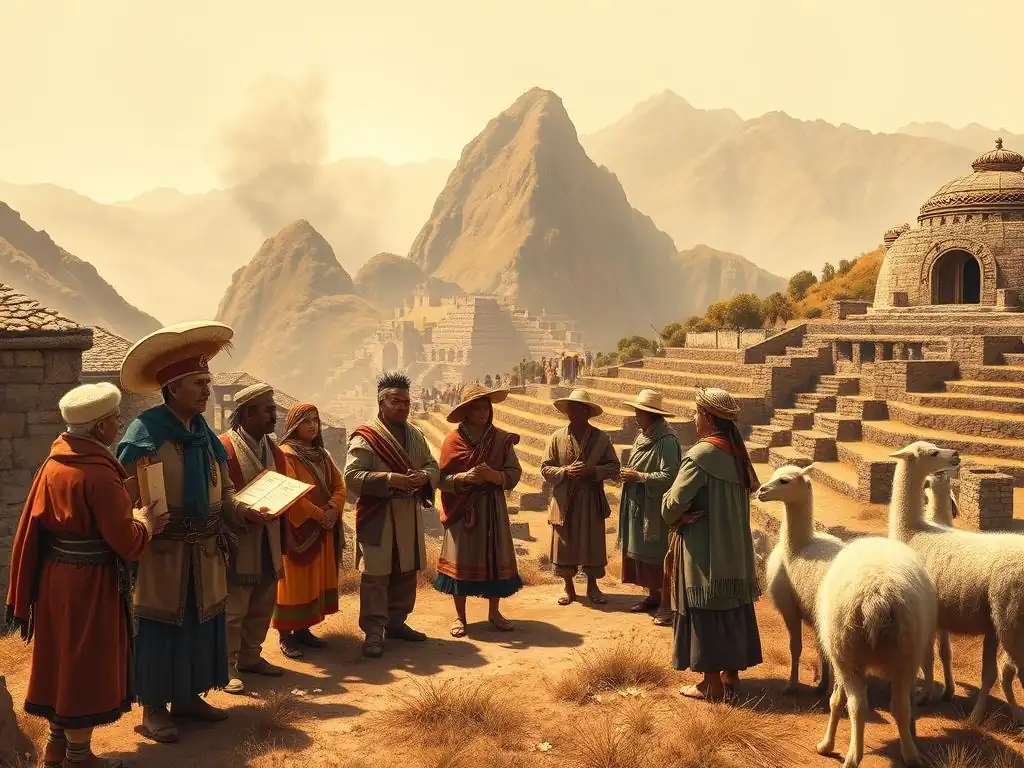
Concept of Local Governance in the Inca Empire
The Inca Empire, which spanned a vast territory from present-day Colombia to Chile, implemented a unique administrative structure that effectively balanced central authority and local autonomy. This system allowed the Incas to maintain control over their expansive domain while accommodating the diverse cultures and practices of the various regions.
Local governance was characterized by the mit'a system, which mandated that communities provide labor to the state in exchange for protection and resources. This reciprocal relationship fostered a sense of local ownership while ensuring that the central authority could mobilize labor for large projects, such as road construction and agricultural production.
In essence, the Inca administrative strategies were built upon a foundation of local governance that respected the traditions and needs of indigenous communities. Each region retained a degree of autonomy, allowing local leaders to implement policies that suited their specific circumstances. This decentralized approach not only facilitated the effective management of resources but also promoted loyalty among the populace, as communities felt empowered to shape their own destinies while still contributing to the overarching goals of the empire.
Regional Leaders and Their Responsibilities
At the core of the Inca administrative framework were the regional leaders, known as curacas. These individuals held significant authority within their communities and played a critical role in bridging the gap between the central government and local populations. Curacas were typically chosen from local nobility or influential families, ensuring that they had a vested interest in maintaining order and promoting Inca policies.
The responsibilities of curacas included:
- Tax Collection: Curacas were tasked with collecting tribute, which often came in the form of agricultural products, textiles, or labor services. This tribute was essential for the sustenance of the imperial treasury and the maintenance of state-sponsored projects.
- Labor Mobilization: They coordinated the mit'a system, organizing local labor contributions for imperial projects, such as the construction of temples, roads, and agricultural terraces.
- Judicial Authority: Curacas served as local judges, resolving disputes and upholding laws that aligned with Inca policies. This local judicial authority helped to maintain social order and reduce the need for centralized intervention.
- Cultural Preservation: Many curacas acted as custodians of local traditions, ensuring that indigenous practices were respected while integrating them into the broader Inca cultural framework. This helped to foster a sense of unity within the empire while allowing for cultural diversity.
This system of regional leadership exemplified the Inca Empire's administrative strategies, as it empowered local leaders to govern effectively while ensuring that the central authority's interests were upheld.
The interaction between the central authority of the Inca Empire and local leaders was characterized by a complex interplay of cooperation and oversight. The Incas understood that maintaining control over their vast territories required not only the enforcement of imperial policies but also the cultivation of strong relationships with local authorities.
Key aspects of this interaction included:
- Appointment and Oversight: While curacas were often local leaders, their positions were sanctioned by the Inca rulers. This allowed the central government to maintain a level of oversight and ensure that local governance aligned with imperial interests. Regular inspections by Inca officials helped to reinforce this connection.
- Cultural Integration: The Inca Empire employed a strategy of cultural integration, where local customs were often incorporated into the imperial framework. This approach encouraged loyalty among local populations and helped to reduce resistance to central authority.
- Communication Channels: The Incas established efficient communication networks, including the use of chasquis (messengers) and a system of roads. This facilitated timely exchanges of information between central authority and local leaders, ensuring that directives were understood and implemented effectively.
- Conflict Resolution: In cases where disputes arose between local leaders and the central authority, the Inca administration provided mechanisms for conflict resolution. This included mediation through higher-ranking officials or the intervention of the Sapa Inca (the emperor) when necessary.
The interaction between central authority and local leaders was a cornerstone of the Inca Empire's administrative strategies. By fostering collaboration and ensuring that local governance aligned with imperial objectives, the Incas were able to maintain stability and cohesion across their diverse territories. This balance of power not only facilitated effective governance but also allowed for the flourishing of the distinct cultures that comprised the empire.
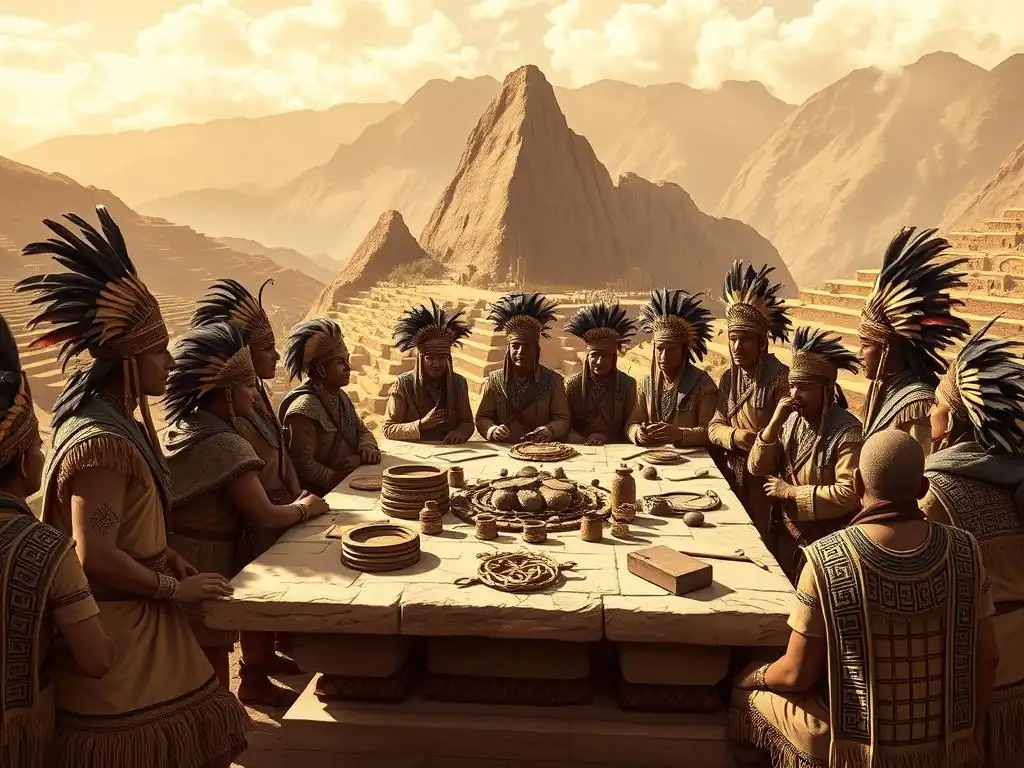
The Inca Empire, which thrived in the Andean region of South America from the early 15th century until the Spanish conquest in the 16th century, is often studied for its unique approach to governance. One of the pivotal elements of the Inca Empire's success was its ability to balance central authority with local autonomy. This dual approach allowed the Incas to manage a vast and diverse territory that encompassed various cultures, languages, and landscapes.
By implementing a combination of centralized control and respect for local customs, the Inca rulers were able to maintain stability and foster loyalty among the various groups within their empire. This strategy not only facilitated efficient administration but also promoted the integration of different communities into the Inca state, ultimately contributing to the longevity and strength of the empire.
Strategies for Maintaining Control Over Vast Territories
To effectively manage their extensive empire, the Incas employed several administrative strategies that allowed them to exert control while granting local leaders a degree of autonomy:
- Quipu System: The Incas utilized a sophisticated system of knotted strings known as quipu for record-keeping and communication. This method allowed local administrators to report on tax collection, population counts, and agricultural production, ensuring that the central government remained informed without directly micromanaging every locality.
- Mit'a Labor System: Under the mit'a system, the Incas mandated a rotational labor tax from local communities. This system not only provided the state with a labor force for public works and agriculture but also ensured that local populations were engaged in state projects, fostering a sense of responsibility and contribution to the empire.
- Integration of Local Leaders: The Incas often co-opted local elites into their administrative framework. By incorporating existing leaders into the Inca hierarchy, the empire was able to maintain local loyalty while ensuring that the interests of the central government were upheld.
- Cultural Assimilation Policies: The Incas actively promoted the adoption of the Quechua language and Inca religious practices among conquered peoples. This cultural integration helped to unify diverse populations under a common identity, reducing resistance to central authority.
Benefits of Local Autonomy in Inca Society
The Inca Empire's approach to local autonomy yielded several significant benefits that contributed to its success:
- Reduced Resistance: By allowing local leaders to maintain some level of authority, the Incas minimized feelings of alienation and resentment among conquered peoples, reducing the likelihood of rebellion.
- Cultural Preservation: Local customs and traditions were often respected, which helped sustain the cultural diversity within the empire while fostering loyalty to the Inca state.
- Efficient Resource Management: Local leaders had a better understanding of their communities' needs and resources, allowing for more effective management of agriculture and labor, which ultimately supported the empire's economy.
- Enhanced Communication: The decentralized structure facilitated better communication between the central government and local communities, enabling more responsive governance.
Examples of Successful Balance in Inca Governance
The Inca Empire's administrative strategies yielded notable examples of successful governance that exemplified the balance between central authority and local autonomy:
- The Province of Cuzco: As the heart of the Inca Empire, Cuzco was governed directly by the Inca rulers. However, local customs were integrated into the administration, allowing for a unique blend of traditional practices and Inca governance. This balance fostered loyalty among the local population while maintaining the city as a central hub of Inca culture and power.
- The Integration of the Chanca: After the Incas conquered the Chanca, a powerful neighboring group, they appointed local leaders to positions within the Inca administration. This strategy not only helped to mitigate potential uprisings but also enabled the Incas to draw on the Chanca's military expertise and agricultural practices, enhancing the overall strength of the empire.
- The Role of the Ayllu: The ayllu, a traditional Andean community structure, was incorporated into the Inca administrative system. Each ayllu maintained its own governance and social organization while contributing to the larger Inca society through labor and resources, exemplifying the effective balance between local autonomy and centralized control.
The Inca Empire's administrative strategies exemplify a sophisticated understanding of governance that balanced central authority with local autonomy. This dynamic approach not only facilitated the empire's expansion but also ensured its stability and cohesion, leaving a lasting legacy on the indigenous cultures of the Americas.
Impact of Administrative Strategies on Inca Society
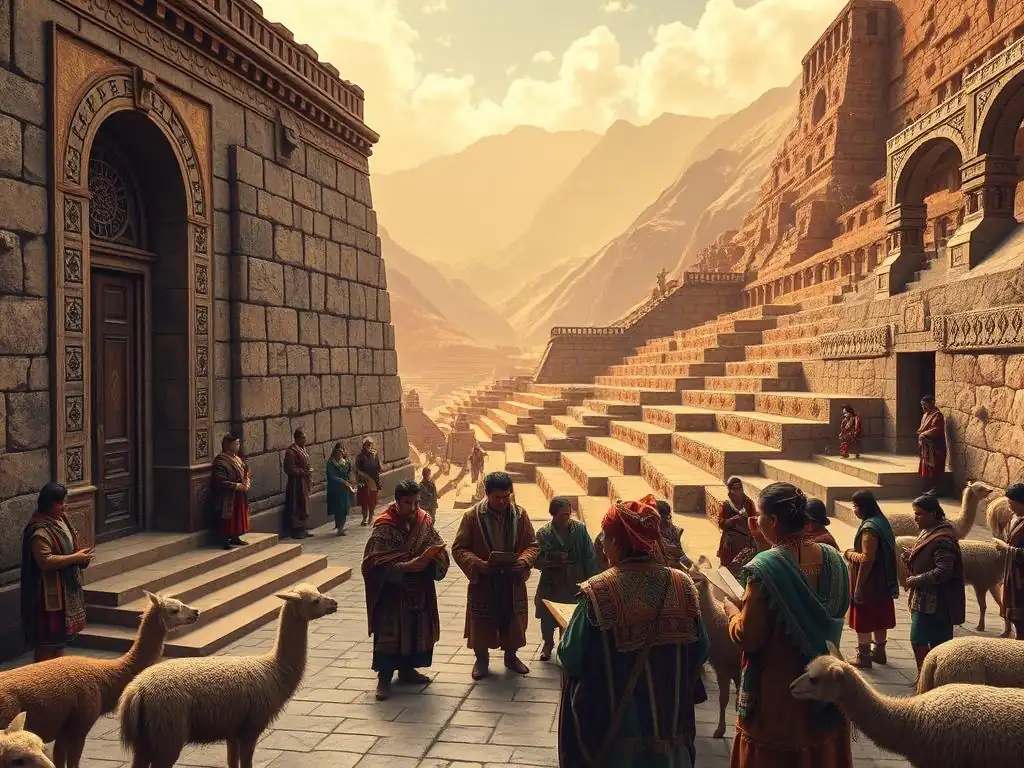
The administrative strategies employed by the Inca Empire were pivotal to its success and longevity. By balancing central authority with local autonomy, the Incas effectively managed a vast and diverse territory, which included a variety of cultures, languages, and economies. This dual approach not only facilitated governance but also had profound implications for Inca society as a whole.
Economic Implications of Centralized and Local Governance
The Inca Empire's administrative strategies significantly influenced its economic stability and growth. Centralized governance allowed the Incas to implement large-scale agricultural projects, infrastructure development, and resource management across their vast territory.
- Agricultural Management: The Incas established a system of ayllu, or communal land management, which encouraged cooperative farming practices. This system enabled the effective allocation of land and resources, promoting agricultural productivity.
- Resource Distribution: Central authorities coordinated the distribution of goods and services through a network of storehouses, or qollqas, strategically located throughout the empire. This ensured that regions facing scarcity could access surplus resources from other areas, thereby stabilizing the economy.
- Taxation and Labor: The Incas implemented a labor tax system known as mita, which required subjects to contribute labor for public works projects. This not only facilitated significant infrastructure developments, such as roads and bridges, but also ensured that local economies remained robust by redistributing labor across regions.
Cultural Integration and Preservation of Local Customs
The Inca administrative strategies also played a crucial role in the cultural integration of various indigenous groups within the empire. While central authority enforced a degree of uniformity, local autonomy allowed for the preservation of distinct cultural identities.
- Religious Syncretism: The Incas adopted and integrated local deities into their pantheon, encouraging allegiance among diverse populations. For example, the worship of the sun god Inti coexisted with local spiritual practices, fostering a sense of shared identity while respecting local traditions.
- Language and Communication: Although Quechua became the official language of administration, local languages were still spoken and preserved. The Incas utilized a system of quipus—a series of knotted strings for record-keeping—that allowed for communication across linguistic boundaries.
- Local Autonomy: By allowing local rulers to maintain a degree of autonomy in governance, the Incas ensured that indigenous customs and practices were upheld. This approach not only promoted loyalty but also facilitated smoother administration over diverse populations.
Long-term Effects on Indigenous Civilizations
The administrative strategies of the Inca Empire had lasting effects on the indigenous civilizations of the Americas, shaping their social structures and cultural legacies long after the empire's decline.
- Legacy of Governance: The balance between central authority and local autonomy established by the Incas influenced subsequent political structures in the region. Many indigenous groups adopted similar governance models that emphasized local leadership while maintaining connections to larger political entities.
- Cultural Resilience: The preservation of local customs and identities under Inca rule contributed to the resilience of indigenous cultures, which continued to thrive despite colonial pressures. Many traditions, languages, and practices that originated during the Inca period remain integral to contemporary indigenous identities.
- Economic Models: The economic practices initiated by the Incas, particularly communal land management and labor systems, have informed modern agricultural and communal practices among indigenous communities today. These models reflect a blend of ancient strategies and contemporary adaptations, ensuring the sustainability of traditional lifestyles.
The Inca Empire's administrative strategies not only facilitated effective governance but also fostered economic stability, cultural integration, and lasting impacts on the indigenous civilizations of the Americas. By understanding these dynamics, we gain insight into the complexities of Inca society and its enduring legacy.
Conclusion
Summary of Inca Empire Administrative Strategies
The Inca Empire administrative strategies were characterized by a sophisticated balance between central authority and local autonomy. This dual approach ensured the efficient governance of a vast and diverse territory, which spanned over 2,500 miles across the Andes mountains. Central to these strategies was the Tawantinsuyu system, which organized the empire into four regions, each ruled by a local governor. This facilitated the implementation of imperial policies while allowing local leaders to maintain a degree of control over their communities.
Key components of the Inca administrative strategies included:
- Mit'a system: A labor tax that required citizens to contribute labor for public works and agriculture, ensuring the state had access to resources while fostering community involvement.
- Road networks: An extensive system of roads and bridges that facilitated communication, trade, and troop movement across the empire, enhancing the cohesion of the diverse regions.
- Quipu: A unique system of knotted strings used for record-keeping and accounting, allowing for efficient administration and management of resources.
- Cultural integration: The Inca encouraged the incorporation of various local customs and practices into their governance, which helped maintain peace and loyalty among conquered peoples.
Through these strategies, the Inca Empire successfully managed to unify a vast territory while respecting local traditions.
Legacy of the Inca Administrative System in Modern Context
The administrative strategies of the Inca Empire have left a lasting legacy that continues to influence contemporary governance and organizational practices in the Andes region and beyond.
- Decentralization and Local Governance: Modern political systems often reflect a balance between central and local governance, drawing inspiration from the Inca approach. The emphasis on local autonomy while maintaining a central authority can be seen in various governmental frameworks today.
- Public Works and Labor Systems: The mit'a system is echoed in modern public service initiatives, where community involvement is encouraged in infrastructure projects. This reflects the Inca belief in collective responsibility for societal development.
- Cultural Respect and Integration: The Inca’s ability to integrate various cultures within their empire serves as a model for contemporary multicultural societies. Governments today often strive to promote inclusivity and recognize the value of diverse cultural practices.
- Record-Keeping Innovations: The use of quipu highlights the importance of accurate record-keeping in administration. Today’s organizations utilize advanced data management systems to maintain effective governance, reminiscent of Inca practices that emphasized accountability.
The Inca Empire's administrative strategies not only facilitated the efficient governance of a vast territory during its peak but also provided valuable lessons that inform modern governance and administrative practices. The enduring influence of these strategies reflects the ingenuity and adaptability of the Inca civilization, ensuring their legacy continues to resonate in contemporary society.
Frequently Asked Questions
What were the main administrative strategies of the Inca Empire?
The Inca Empire's administrative strategies included a balance of central authority and local autonomy, allowing for efficient governance while respecting local customs.
How did the Inca ensure local autonomy within their empire?
The Incas implemented a system where local leaders maintained some degree of autonomy, allowing them to govern according to their customs while remaining loyal to the central authority.
What role did language play in the Inca Empire's administration?
The use of Quechua as a common language facilitated communication and administration across the vast empire, supporting both central control and local governance.
How did the Inca manage resource distribution in their empire?
The Inca employed a state-controlled economy where resources were collected and redistributed by the central government, balancing local needs with imperial objectives.
What was the impact of the Inca's administrative strategies on indigenous cultures?
The Inca's approach influenced many indigenous cultures, promoting a blend of central governance with respect for local traditions, which had lasting effects on their societies.
Final Reflection: The Enduring Legacy of Inca Empire Administrative Strategies
The intricate balance between central authority and local autonomy remains a pivotal theme in governance today. The Inca Empire's administrative strategies exemplified a sophisticated approach to managing a vast and diverse territory, demonstrating that effective governance can thrive on the synergy between centralized control and localized decision-making. This historical insight is not just a relic of the past; it resonates profoundly in our contemporary political landscape, where nations grapple with the challenges of unity and diversity.
Cultural and social dynamics continue to be shaped by the lessons learned from the Inca Empire's administrative strategies. The ability to adapt governance structures to accommodate local needs while maintaining overarching authority is a principle that many modern states strive to achieve. As we navigate the complexities of globalization and regionalism, the Inca model serves as a reminder of the importance of inclusivity in governance. In the midst of chaos, there is also opportunity.
This quote encapsulates the potential for innovation and resilience that arises when diverse voices are integrated into the decision-making process.
As we reflect on the Inca Empire's legacy, let us consider how we can apply these lessons in our own lives and communities. How can we foster collaboration between central authorities and local entities to create more effective and responsive governance? I invite you to explore this question and take action in your own sphere of influence, whether that means advocating for local representation in decision-making or simply engaging with your community to understand its unique needs. By embracing the principles of balance and collaboration, we can honor the wisdom of the past while shaping a more equitable future.
Embrace the Legacy: Channel the Inca’s Wisdom Today!
Thank you for diving into the fascinating world of the Inca Empire's administrative strategy! You've uncovered insights into how they balanced central authority with local autonomy. Now, it's time to take that inspiration and apply it to our own communities and governance.
Here are a few simple yet impactful actions you can take right now:
- Engage with Your Community: Attend a local meeting or forum to discuss how your community can implement a balanced approach in decision-making between leadership and residents.
- Share Your Thoughts: Write a short article or blog post on how historical examples, such as the Inca Empire, can influence modern governance. Consider initiating a conversation on social media!
- Explore Local Autonomy Initiatives: Research or volunteer with organizations that advocate for local governance or community-driven projects to see the principles of the Inca in action.
What strategies can you envision implementing in your own community to foster a thriving balance between authority and autonomy?