
Timekeeping in the Andes: The Intersection of Astronomy and Daily Life

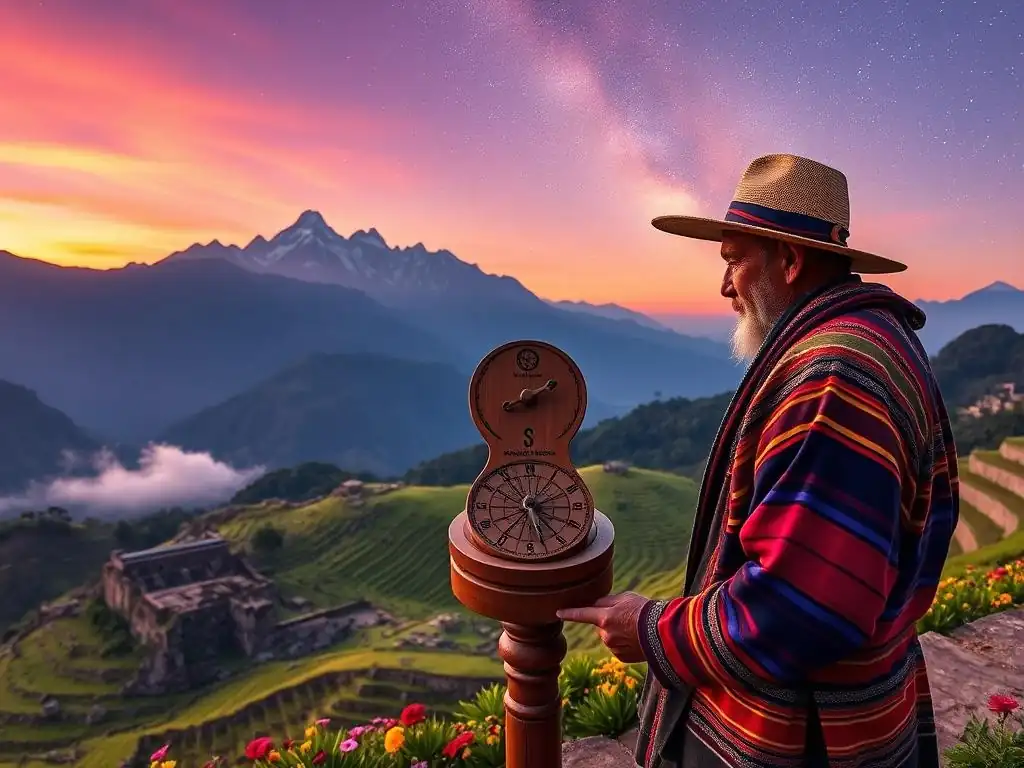
Welcome to Indigenous Civilizations of the Americas, where we embark on a journey through the rich tapestry of indigenous cultures that once flourished across the continent. Our exploration begins with a captivating look at Andean astronomy and timekeeping, revealing how these remarkable societies intertwined their celestial observations with daily life. Discover the profound achievements that shaped their understanding of the universe and influenced their agricultural practices, navigation, and rituals. Curiosity awaits as we delve deeper into the intricate relationship between the stars and the rhythms of life in the Andes—are you ready to uncover the secrets of the past?
Introduction to Andean Astronomy and Timekeeping
The Andean region, encompassing modern-day countries such as Peru, Bolivia, and Ecuador, is rich in history and cultural diversity, particularly among its indigenous civilizations. These societies developed intricate systems of timekeeping that were deeply intertwined with their astronomical observations. The study of Andean astronomy and timekeeping reveals not only the sophistication of their scientific understanding but also highlights how these practices influenced daily life, agriculture, religious ceremonies, and social organization. By understanding the intersection of astronomy and timekeeping, we can appreciate the profound connection the Andean peoples had with the cosmos and its rhythms.
Overview of Andean Civilizations
The Andean civilizations, including the Inca, Tiwanaku, and Nazca, were notable for their advanced agricultural techniques, monumental architecture, and complex societal structures. Each civilization had its unique contributions to astronomy, often using celestial events to guide agricultural cycles and to mark significant seasonal changes.
- Inca Civilization: Renowned for its vast empire, the Incas utilized a sophisticated understanding of astronomy to create a calendar that regulated agricultural activities and religious festivals.
- Tiwanaku Culture: Known for monumental structures aligned with solar events, the Tiwanaku civilization emphasized the relationship between celestial bodies and earthly activities.
- Nazca Society: Famous for the Nazca Lines, these geoglyphs are believed to have astronomical significance, potentially serving as markers for solstices and other celestial events.
Importance of Astronomy in Indigenous Cultures
For Andean cultures, astronomy was not merely a scientific pursuit; it was a vital aspect of their spiritual and daily lives. The movements of the sun, moon, and stars governed agricultural practices, dictated ceremonial calendars, and shaped their worldviews. This celestial connection fostered a sense of harmony between the people and their environment, emphasizing the importance of cosmic cycles in their understanding of time.
Aim of the Article
This article aims to explore the intricate relationship between Andean astronomy and timekeeping, highlighting how these ancient practices shaped the lives of the Andean peoples. By delving into their cultural significance, methods of observation, and the calendar systems that emerged, we can gain insights into the wisdom and achievements of these remarkable civilizations.
The Role of Astronomy in Andean Timekeeping
Astronomy played a pivotal role in the development of timekeeping methods across Andean cultures. The ability to predict celestial events not only facilitated agricultural planning but also reinforced social structures and religious practices.
Cultural Significance of Timekeeping in the Andes
In the Andes, timekeeping was intimately linked to agricultural cycles and spiritual beliefs. Key events, such as the solstices and equinoxes, were marked with ceremonies that celebrated the sun and its life-giving properties. Maintaining a precise calendar allowed communities to synchronize their activities with the natural world, fostering a sense of unity and purpose.
How Astronomy Influences Daily Life
Astronomy influenced various aspects of daily life in Andean societies, from agricultural practices to social organization. Farmers relied on celestial events to determine the best planting and harvesting times, while religious leaders used astronomical knowledge to guide communal rituals. This integration of astronomy into daily life underscores its significance beyond mere observation; it was a foundational element of Andean culture.
The Calendar Systems of Andean Civilizations
The calendar systems developed by Andean civilizations were sophisticated and often based on lunar and solar cycles. These systems included:
- Lunar Calendars: Used for tracking months and determining ceremonial dates.
- Solar Calendars: Essential for agricultural planning, these calendars were aligned with solstices and equinoxes.
Understanding these calendar systems reveals how Andean civilizations harmonized their lives with the cosmos, allowing them to thrive in a challenging environment.
Celestial Bodies and Their Significance in Andean Timekeeping
In the Andean civilizations, celestial bodies played a crucial role in timekeeping, guiding agricultural practices, religious ceremonies, and daily activities. The sun, moon, and stars were not merely objects in the sky; they were integral to the cultural and spiritual life of the Andean peoples.
The sun was particularly revered, symbolizing life and fertility. It was considered the center of the cosmos, and its movements dictated the agricultural calendar. The summer solstice, when the sun reaches its highest point, marked the beginning of the planting season, while the winter solstice signaled the time for harvest. This solar cycle was fundamental in establishing the rhythms of daily life.
The moon also held significant importance, as its phases were used to track time and align rituals. In many Andean cultures, the lunar cycle was associated with feminine deities and fertility, influencing social and agricultural events. For instance, the full moon was often a time for communal gatherings and celebrations.
Additionally, specific constellations and stars, such as Sirius and the Southern Cross, served as navigational guides and seasonal markers. The visibility of these celestial bodies indicated when to plant and harvest crops, thus intertwining astronomy with the very survival of Andean societies.
Key Astronomical Elements in the Andes
The Andes are home to a variety of astronomical elements that were utilized by indigenous cultures for timekeeping. These include:
- Solar Events: The equinoxes and solstices were critical markers in the Andean calendar. The Inti Raymi festival, celebrating the winter solstice, exemplifies the cultural significance of solar observations.
- Lunar Phases: The cycle of the moon directly influenced various social activities, such as hunting and fishing. The waxing and waning of the moon provided a natural rhythm to community life.
- Stars and Constellations: Certain stars were believed to be the spirits of ancestors or deities. For instance, the Pleiades constellation was used to signal the onset of the agricultural season.
Understanding these elements allowed Andean societies to create a sophisticated timekeeping system that was deeply embedded in their cultural practices and daily life.
Methods of Timekeeping in Andean Societies
Andean societies employed various methods to keep track of time, adapting their practices to the unique environmental conditions of the region. These methods were both observational and ritualistic, reflecting the integration of astronomy into their daily lives.
Ancient Techniques of Tracking Time
The primary technique for tracking time in Andean cultures was observational astronomy. People would observe the positions of the sun, moon, and stars at specific times of the day and year. Key practices included:
- Shadow Casting: The use of obelisks and other structures to cast shadows at different times of the day helped in determining the solar position and, consequently, the time of day.
- Calendar Stones: Large stones with inscriptions or carvings often marked significant solar events or agricultural milestones, serving as both timekeepers and ceremonial objects.
- Seasonal Rituals: Agricultural practices were closely tied to seasonal changes, with rituals performed to honor celestial bodies at significant times, reinforcing the connection between timekeeping and cultural identity.
Tools Used for Timekeeping in the Andes
The Andean peoples developed various tools to aid in their timekeeping practices, demonstrating their advanced understanding of astronomy. These tools included:
- Sundials: Constructed from stones or wood, sundials were used to track the sun's movement throughout the day, allowing for precise timekeeping based on solar position.
- Chakana (Inca Cross): This symbol represented the three realms of existence and was often used in astronomical calculations, helping to align rituals with celestial events.
- Calendrical Systems: The Andean calendar was composed of various cycles, including lunar and solar calendars, which informed agricultural practices and social events.
These tools and techniques reflect a sophisticated level of astronomical knowledge that was essential for the survival and cultural identity of Andean societies. Through their keen observations and innovations, they effectively integrated astronomy into their timekeeping practices, highlighting the deep connection between the skies and their daily lives.
The Intersection of Astronomy, Agriculture, and Society
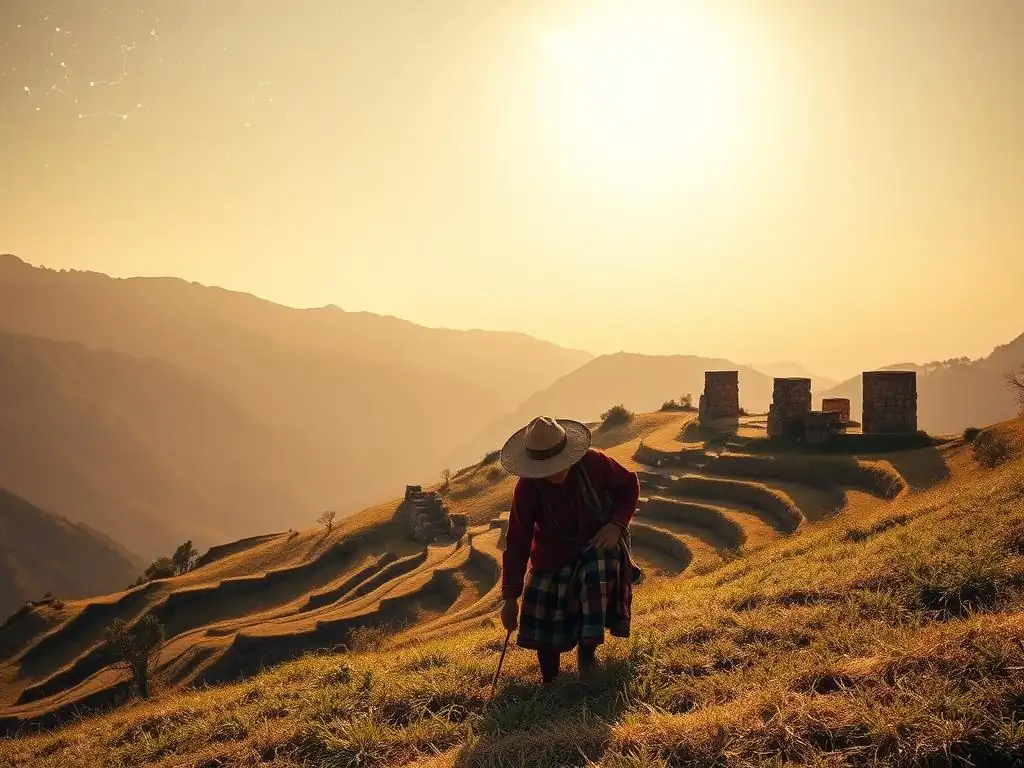
The Andean civilizations, particularly the Inca, had a profound understanding of astronomy that was intricately linked to their agricultural practices and societal organization. The positioning of stars and celestial bodies was not merely an abstract interest; it was crucial for survival and prosperity in the often challenging Andean environment.
The astronomical knowledge of the Andes was deeply embedded in the rhythm of daily life, guiding farmers in planting and harvesting crops, and facilitating the synchronization of community activities. This intersection of astronomy, agriculture, and society demonstrates the remarkable sophistication of Andean civilizations and their ability to harmonize with the natural world.
Agricultural Practices Linked to Astronomical Events
Agricultural practices in the Andes were closely aligned with astronomical events, particularly the cycles of the sun, moon, and stars. The Andean peoples developed a calendar system based on the movements of these celestial bodies, which helped them determine the optimal times for planting and harvesting. For instance, the summer solstice was celebrated as a time to begin planting, as it marked the longest day of the year, providing ample sunlight for crops. Conversely, the winter solstice indicated the time to harvest, as the days grew shorter and the cold weather set in.
Additionally, certain constellations were used as indicators of seasonal changes. The Pleiades constellation, known as "Los Siete Potrillos," served as a significant marker for agricultural activities, signaling the beginning of the rainy season, which was crucial for crop growth. The synchronization of agricultural practices with these celestial events not only ensured food security but also reinforced the spiritual connection between the Andean people and the cosmos.
Festivals and Rituals Based on Celestial Cycles
Festivals and rituals in Andean cultures were often synchronized with astronomical events, reflecting the deep-rooted belief in the influence of the cosmos on daily life. One of the most notable celebrations was Inti Raymi, the Festival of the Sun, held during the winter solstice. This festival was a tribute to Inti, the sun god, and served to ensure a successful agricultural year ahead. Participants engaged in elaborate ceremonies, including offerings and sacrifices, to honor the sun and invoke its power.
Other celestial events, such as lunar phases and equinoxes, were also marked by rituals that brought communities together. These celebrations not only reinforced social cohesion but also served as a means to educate younger generations about the importance of astronomy in their culture. Through songs, dances, and storytelling, the Andean peoples preserved their astronomical knowledge and its significance to their agricultural and social practices.
Community Organization Around Astronomical Timings
The organization of Andean communities was heavily influenced by astronomical timings, which dictated the schedule for various activities. The agricultural calendar governed not only farming but also communal labor, festivals, and rituals, creating a structured rhythm of life. For instance, communal workdays known as "minka" were often planned according to the lunar cycle, enabling communities to come together to assist in labor-intensive tasks such as planting or harvesting.
Moreover, the role of leaders and priests was closely tied to their knowledge of astronomy. These individuals were responsible for interpreting celestial events and communicating their significance to the community, ensuring that everyone adhered to the astronomical calendar. This hierarchical structure was essential for maintaining order and facilitating cooperation among community members, highlighting the profound impact of Andean astronomy on social organization.
Legacy of Andean Astronomy and Timekeeping
The legacy of Andean astronomy and timekeeping is evident in the continued reverence for celestial phenomena among modern Andean cultures. While the arrival of European colonizers disrupted many traditional practices, the fundamental principles of timekeeping based on astronomical observations have endured. The integration of these ancient practices into contemporary life showcases the resilience and adaptability of Andean peoples.
Preservation of Knowledge Through Oral Traditions
Oral traditions have played a pivotal role in preserving the astronomical knowledge of Andean civilizations. Stories, myths, and legends passed down through generations encapsulate the principles of Andean astronomy, ensuring that this vital cultural heritage is not lost. Elders in communities often recount tales that highlight the significance of celestial bodies, teaching younger generations about their ancestors' sophisticated understanding of the cosmos.
Additionally, traditional agricultural practices continue to reflect this astronomical knowledge, as many farmers still rely on celestial cues for planting and harvesting. The emphasis on oral transmission of knowledge underscores the importance of community engagement and cultural identity in the preservation of Andean astronomy.
Influence on Modern Andean Cultures
Modern Andean cultures still exhibit influences of their astronomical heritage, with many communities celebrating traditional festivals that honor celestial bodies. Events like Inti Raymi not only serve as cultural gatherings but also as educational platforms for younger generations to learn about their ancestors' astronomical practices. This blending of ancient customs with contemporary life reflects a deep-seated respect for the past and a commitment to cultural continuity.
Furthermore, the resurgence of interest in indigenous rights and identity has led to a renewed appreciation for Andean astronomy and its relevance in today's world. This cultural revival fosters a sense of pride among Andean peoples and encourages the exploration of traditional knowledge systems that have shaped their societies.
Recognition of Andean Astronomy in Contemporary Studies
In recent years, there has been a growing recognition of Andean astronomy in contemporary academic studies. Researchers are increasingly acknowledging the sophistication of Andean astronomical practices and their significance in understanding ancient civilizations. Studies on archaeological sites, such as ceremonial structures aligned with celestial events, highlight the advanced knowledge possessed by Andean cultures.
Additionally, contemporary scholars are working to integrate traditional Andean knowledge with modern scientific practices, creating a dialogue between ancient wisdom and contemporary understanding. This interdisciplinary approach not only enriches academic discourse but also honors the contributions of Andean civilizations to the broader field of astronomy and timekeeping. The recognition of Andean astronomy in contemporary studies symbolizes a step towards valuing indigenous knowledge systems and their lasting impact on our understanding of the universe.
Conclusion: The Lasting Impact of Andean Astronomy and Timekeeping
Andean astronomy and timekeeping were not merely scientific pursuits; they were deeply intertwined with the daily lives and cultural practices of the indigenous peoples of the Andes. The use of celestial bodies to determine time highlights the sophistication of their understanding of the universe. This knowledge allowed Andean civilizations, such as the Inca, to organize agricultural activities, plan festivals, and engage in trade.
The impact of Andean astronomy extends beyond its historical context; it continues to resonate today. Modern descendants of these civilizations often draw from this rich heritage, integrating traditional knowledge into contemporary practices. This continuity illustrates how indigenous knowledge systems have adapted over time while maintaining their core principles, emphasizing the importance of astronomy in both ancient and modern Andean societies.
Summary of Key Points
- Celestial Navigation: The Andean people utilized the sun, moon, and stars as navigational tools, creating an intricate calendar system based on astronomical observations.
- Agricultural Planning: The solar calendar was essential for determining planting and harvesting seasons, allowing for maximized agricultural output.
- Cultural Significance: Festivals and rituals were aligned with celestial events, showcasing the integration of astronomy into spiritual life.
- Enduring Legacy: The principles of Andean astronomy have influenced modern agricultural practices and cultural celebrations among contemporary Andean communities.
Reflection on the Importance of Indigenous Knowledge Systems
Indigenous knowledge systems, like those found in Andean culture, offer invaluable insights into sustainable living and environmental stewardship. They embody a holistic understanding of the universe, where every element is interconnected. This approach contrasts sharply with modern, often compartmentalized scientific paradigms.
By respecting and learning from these systems, modern society can benefit from indigenous wisdom in areas such as ecology, agriculture, and community resilience. Recognizing the contributions of Andean astronomy and timekeeping not only honors the past but also encourages a collaborative future that values diverse perspectives on knowledge and existence.
- Introduction to Andean Astronomy and Timekeeping
- The Role of Astronomy in Andean Timekeeping
- Celestial Bodies and Their Significance in Andean Timekeeping
- Methods of Timekeeping in Andean Societies
- The Intersection of Astronomy, Agriculture, and Society
- Legacy of Andean Astronomy and Timekeeping
- Conclusion: The Lasting Impact of Andean Astronomy and Timekeeping
- What is the significance of Andean astronomy in indigenous cultures?
- How did the Andean civilizations use timekeeping in their societies?
- What tools did the Andean people use for astronomy and timekeeping?
- How did Andean astronomy impact agriculture?
- What lasting influences does Andean astronomy have today?
Frequently Asked Questions
What is the significance of Andean astronomy in indigenous cultures?
Andean astronomy played a crucial role in the daily lives of indigenous peoples, influencing agricultural practices, religious ceremonies, and navigation. Their observations of celestial bodies helped them create accurate calendars.
How did the Andean civilizations use timekeeping in their societies?
Timekeeping was essential for scheduling agricultural activities, festivals, and rituals. The Andean civilizations developed sophisticated methods to track time, ensuring their agricultural cycles aligned with seasonal changes.
What tools did the Andean people use for astronomy and timekeeping?
The Andean civilizations utilized various tools, including observatories and stone structures aligned with celestial events. These tools helped them measure time and understand astronomical phenomena.
How did Andean astronomy impact agriculture?
Andean astronomy significantly impacted agriculture by determining the optimal planting and harvesting times. The accurate calendars derived from celestial observations ensured food security for their communities.
What lasting influences does Andean astronomy have today?
The knowledge of Andean astronomy continues to influence modern practices in agriculture and cultural celebrations. It also serves as a testament to the rich heritage of indigenous peoples and their understanding of the cosmos.
Final Reflection: The Timeless Dance of Andean Astronomy and Daily Life
The intricate relationship between Andean astronomy and timekeeping is not just a relic of the past; it is a vibrant thread woven into the fabric of contemporary life in the Andes. As we navigate our fast-paced modern world, the wisdom of ancient celestial observations reminds us of the profound connection between the cosmos and our daily rhythms. The Andean peoples' ability to harmonize their lives with the celestial movements offers a striking example of how timekeeping can transcend mere clocks and calendars, grounding us in the natural world.
The influence of Andean astronomy extends far beyond its historical significance; it continues to shape cultural practices, agricultural cycles, and community gatherings. This enduring legacy serves as a reminder of the importance of observing the natural world around us. As we reflect on the teachings of our ancestors, we can find inspiration in their ability to align their lives with the cosmos. To be in harmony with the universe is to understand the cycles of life.
This quote encapsulates the essence of Andean timekeeping, emphasizing the need for balance between human existence and the celestial order.
As we move forward, let us take a moment to reflect on how we can incorporate the lessons of Andean astronomy into our own lives. Consider how the rhythms of nature can guide your daily activities, fostering a deeper connection with the world around you.
Whether it’s observing the phases of the moon or recognizing the changing seasons, we can all benefit from a more mindful approach to timekeeping that honors the wisdom of the past while enriching our present. Embrace this opportunity to cultivate a sense of harmony and awareness, allowing the stars to guide you in your journey through life.
Unveil the Secrets of Andean Timekeeping Today!
Thank you for diving into the fascinating world of timekeeping in the Andes! Your interest in how astronomy shaped daily life among Indigenous civilizations highlights the remarkable connections between natural phenomena and cultural practices. Now, it's time to put your newfound knowledge into action!
- Explore local astronomical events: Attend a stargazing night at a nearby observatory or park to deepen your understanding of the cosmos that influenced Andean culture.
- Share your knowledge: Discuss your insights with friends or engage in online communities to inspire others about the intricate relationship between astronomy and daily life.
- Create your own celestial calendar: Design a personal calendar inspired by Andean methods. Track the phases of the moon or observe local natural cycles to connect your daily rhythms with the universe!
How can you incorporate the wisdom of Andean timekeeping into your modern life?