
Comparative Governance Models: How Indigenous Civilizations Shaped Their Societies

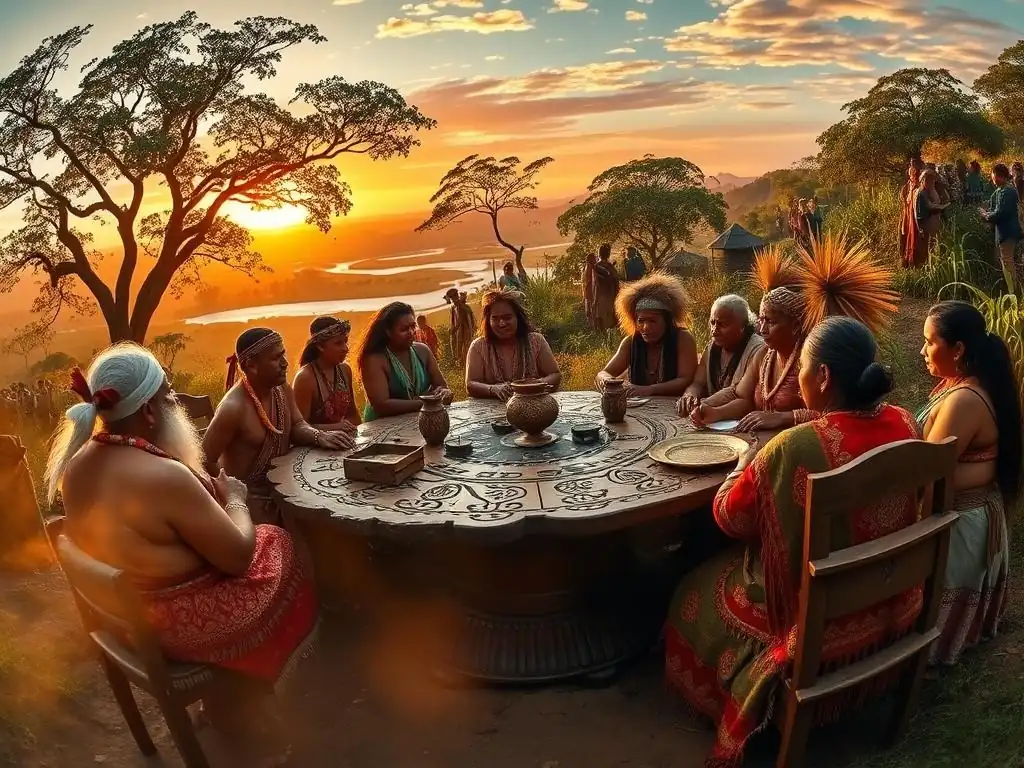
Welcome to Indigenous Civilizations of the Americas, where we invite you to embark on a journey through the rich tapestry of cultures that flourished long before European contact. In our featured article, "Comparative Governance Models: How Indigenous Civilizations Shaped Their Societies," we delve into the fascinating indigenous governance models comparison that reveals the innovative political systems and social structures that sustained these vibrant communities.
Prepare to uncover the remarkable achievements and enduring legacies of these civilizations, igniting your curiosity and inspiring you to explore the depths of their influence on modern society. Let's dive in and discover the stories that have shaped our world!
Introduction to Indigenous Governance Models
The exploration of indigenous governance models reveals a rich tapestry of political organization, social structures, and cultural values that defined various civilizations across the Americas prior to European colonization. Each indigenous society developed its unique approach to governance, influenced by their environment, societal needs, and historical contexts.
Understanding these models not only highlights the sophisticated nature of indigenous political systems but also emphasizes their lasting impact on contemporary governance practices within indigenous communities today. Through a comparative lens, we can appreciate the diversity and complexity of these governance frameworks, shedding light on how they shaped societal norms, legal systems, and community cohesion.
Overview of Indigenous Governance in the Americas
Indigenous governance in the Americas encompassed a wide range of systems, from the highly centralized empires of the Aztecs and Incas to the more decentralized tribal structures found among North American indigenous nations. These governance models were often characterized by:
- Cultural values: Many societies placed a strong emphasis on communal decision-making and collective well-being.
- Leadership structures: Leadership roles varied, with some societies featuring hereditary rulers, while others relied on councils or consensus-based systems.
- Legal frameworks: Indigenous laws were typically rooted in tradition and oral histories, guiding social conduct and conflict resolution.
This rich diversity of governance systems reflects the adaptability and resilience of indigenous cultures in the face of environmental challenges and social dynamics.
Importance of Comparative Analysis of Governance Models
Conducting a comparative analysis of indigenous governance models is crucial for several reasons:
- Understanding historical context: By examining various governance structures, we can better understand how indigenous societies responded to challenges, such as resource management and intercultural relations.
- Learning from indigenous practices: These models offer insights into sustainable practices and community resilience that can inform contemporary governance and conflict resolution strategies.
- Preserving cultural heritage: Acknowledging and studying these governance systems contributes to the preservation of indigenous histories and the recognition of their contributions to global governance discourse.
Through this comparative lens, we can appreciate not only the uniqueness of each model but also their collective influence on the governance practices that emerged later in history.
Key Indigenous Civilizations and Their Governance Structures
Governance in the Aztec Civilization
The Aztec civilization, one of the most notable empires in Mesoamerica, showcased a highly organized and hierarchical governance model. Key features included:
- Centralized authority: The Emperor held supreme power, supported by a council of nobles who advised him on matters of state.
- Military influence: The governance structure was closely tied to military power, as conquest and tribute were essential to sustaining the empire.
- Legal systems: The Aztecs developed a codified set of laws that regulated societal conduct, showcasing a complex legal system that addressed both civil and criminal matters.
Governance in the Inca Empire
The Inca Empire, spanning vast territories in South America, developed a governance model characterized by:
- Centralized control: The Sapa Inca, viewed as a divine ruler, exercised absolute power over the state, supported by a bureaucratic system of officials.
- Territorial administration: The empire was divided into four regions, each governed by a local official who reported directly to the Sapa Inca.
- Integration of diverse cultures: The Incas implemented systems to integrate various ethnic groups, promoting a shared identity and loyalty to the empire.
Governance in the North American Tribes
In contrast to the centralized models of the Aztecs and Incas, many North American tribes exhibited decentralized governance systems, including:
- Consensus-based decision-making: Tribal councils often relied on consensus rather than majority rule, valuing the input of all members.
- Fluid leadership roles: Leadership was frequently based on merit and community respect, rather than hereditary succession.
- Focus on kinship and community: Social structures were closely tied to familial and clan relationships, emphasizing the importance of community cohesion.
Through this exploration of governance in various indigenous civilizations, we can better understand how these diverse systems shaped the societies in which they thrived and continue to influence contemporary indigenous governance practices.
Comparative Analysis of Indigenous Governance Models
Indigenous governance models in the Americas were shaped by a myriad of factors, reflecting the unique environments, histories, and cultures of various groups. Analyzing these models reveals both similarities and differences that highlight the adaptability and resilience of indigenous societies. Governance structures varied widely, from centralized authority in some civilizations to decentralized forms in others, demonstrating a rich tapestry of political organization.
Centralized governance was evident in civilizations like the Aztec and Inca Empires, where rulers wielded significant power over large territories and populations. These empires developed intricate bureaucracies to manage resources, collect tribute, and enforce laws. In contrast, many North American tribes, such as the Iroquois Confederacy, operated through a council system that emphasized consensus and collective decision-making, showcasing a more egalitarian approach to governance.
This comparative analysis not only sheds light on the political frameworks that existed before European colonization but also underscores the indigenous understanding of governance as a means of maintaining social order, cultural identity, and environmental stewardship.
Similarities Among Indigenous Governance Models
Despite the diversity among indigenous governance models, several common themes emerge. One significant similarity is the emphasis on community and collective decision-making. Many indigenous societies prioritized the well-being of the community over individual interests, fostering a sense of belonging and responsibility among members. This communal approach often manifested in governance through councils or assemblies, where leaders and elders sought consensus before taking action.
Another shared trait is the recognition of the interconnectedness of nature and governance. Indigenous leaders often derived their authority from a spiritual connection to the land, believing that their role involved stewardship rather than ownership. This perspective shaped policies regarding resource management, emphasizing sustainability and respect for the environment.
Additionally, many indigenous governance models incorporated mechanisms for conflict resolution that prioritized reconciliation and restorative justice over punitive measures. This focus on harmony within the community reinforced social cohesion and reduced the likelihood of violence.
Differences Among Indigenous Governance Models
While similarities abound, significant differences in governance models also emerged, shaped by cultural, environmental, and historical contexts. One notable difference is the degree of centralization. In the Inca Empire, a highly centralized system with a powerful emperor existed, while many tribal groups in North America operated with more decentralized structures, where power was distributed among various clans or families.
Another difference lies in the criteria for leadership. In some cultures, leadership was hereditary, with power passed down through family lines, often among the elite. Conversely, other societies, like the Iroquois, practiced a form of meritocracy, where leaders were selected based on their abilities, wisdom, and contributions to the community.
The role of women in governance also varied significantly. In certain tribes, women held considerable power, participating in councils and decision-making processes, while in others, governance was predominantly male-dominated. These differences reflect broader societal values and beliefs regarding gender roles and the division of labor.
Factors Influencing Indigenous Governance Models
The governance models of indigenous civilizations were influenced by various factors, including historical context, cultural values, and geographic conditions. Understanding these influences provides insight into how indigenous societies developed distinct political frameworks suited to their needs.
Historical Context and Development
The historical trajectory of each indigenous civilization played a crucial role in shaping its governance model. For instance, civilizations that experienced significant external pressures, such as invasions or trade interactions with neighboring groups, often adapted their governance structures to respond to these challenges. The Aztecs, for example, developed a complex system of tribute and military alliances as a means of consolidating power in response to threats.
Additionally, the evolution of governance models over time indicates a dynamic process. Early tribal groups often transitioned to more complex forms of governance as populations grew and social structures became more intricate. Historical events, such as the arrival of Europeans, also catalyzed changes in governance, forcing indigenous societies to reassess their political organizations in the face of colonization.
Cultural Values and Beliefs
Cultural values and belief systems fundamentally influenced indigenous governance models. Many indigenous societies held a deep spiritual connection to the land, which shaped their understanding of leadership and authority. Elders were often revered for their wisdom, and governance practices reflected a commitment to maintaining harmony with nature and the cosmos.
Moreover, the importance placed on communal identity often translated into governance structures that prioritized collective decision-making. Values such as reciprocity, respect, and kinship informed the way policies were crafted and implemented. This cultural framework not only guided internal governance but also influenced interactions with other groups, fostering alliances and negotiations based on mutual respect.
Geographic and Environmental Influences
Geographic and environmental conditions played a crucial role in shaping governance models among indigenous civilizations. The availability of resources, climate, and terrain directly influenced how societies organized themselves politically. For example, civilizations in fertile river valleys, such as the Nile or the Mississippi, developed centralized states with complex irrigation systems, while those in harsher environments often relied on more decentralized and mobile structures.
Furthermore, the geographic distribution of peoples led to the development of unique governance practices tailored to local conditions. Coastal tribes often engaged in trade and developed governance systems that facilitated maritime activities, while nomadic groups adapted their governance to support mobility and resource sharing.
The interplay of historical context, cultural values, and geographic influences created a rich diversity of indigenous governance models across the Americas, each uniquely suited to its environment and societal needs.
Case Studies of Indigenous Governance Models
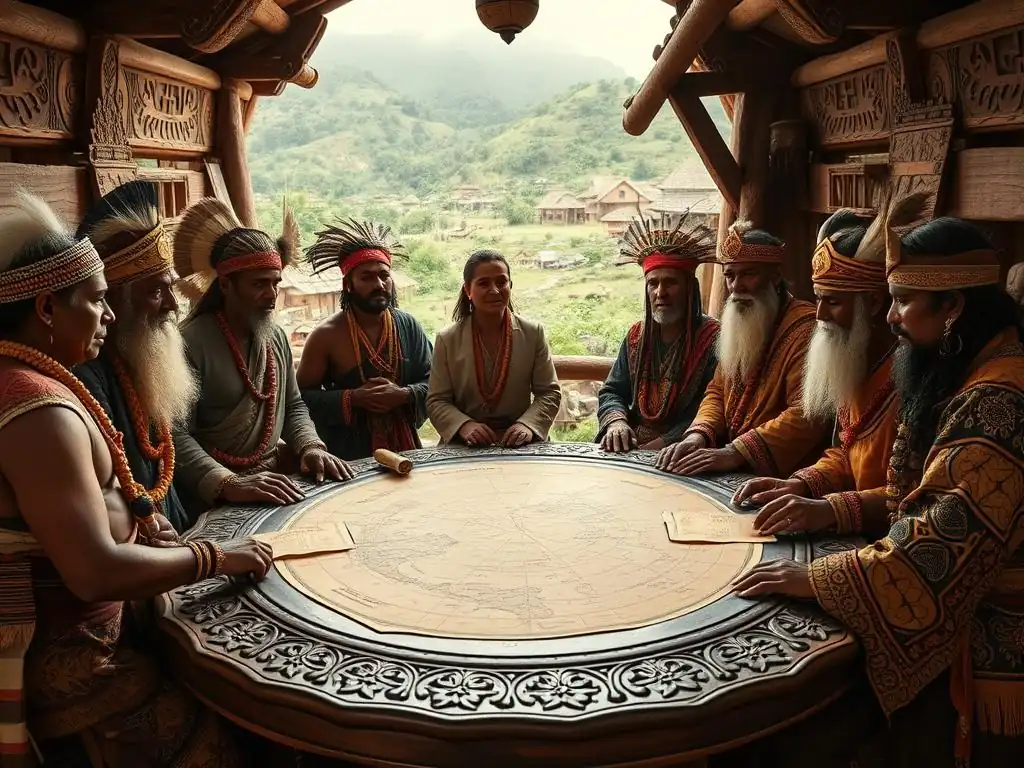
Indigenous governance models across the Americas were diverse and intricate, reflecting the unique cultural, social, and environmental contexts of each civilization. By examining specific case studies, we can gain insight into how these societies organized themselves, made decisions, and managed resources. Two notable examples are the Iroquois Confederacy and the Muisca Confederation, each demonstrating distinctive governance structures that have influenced both their contemporaries and future generations.
The Iroquois Confederacy: A Model of Democracy
The Iroquois Confederacy, also known as the Haudenosaunee, was established around the 12th century and is often cited as one of the earliest forms of participatory democracy in North America. Comprising five (later six) nations—Mohawk, Oneida, Onondaga, Cayuga, Seneca, and later the Tuscarora—the Confederacy operated through a sophisticated system of governance characterized by a council of representatives from each nation.
Key features of the Iroquois governance model include:
- Consensus Decision-Making: Decisions were made through consensus rather than majority rule, ensuring that all voices were heard and considered. This method fostered unity and cooperation among the member nations.
- Great Law of Peace: This foundational document outlined the principles of governance, emphasizing peace, equity, and collective responsibility. The Great Law served as a guiding framework for political and social life, reinforcing the values of respect and cooperation.
- Women’s Role: Women, particularly clan mothers, held significant power within the governance structure, including the authority to appoint and remove male leaders. This unique aspect of Iroquois governance highlighted the importance of gender balance in leadership.
The Iroquois model has been recognized for its influence on democratic principles, inspiring the framers of the United States Constitution and serving as a testament to the effectiveness of indigenous governance systems.
The Muisca Confederation: A Unique Governance Approach
The Muisca Confederation thrived in the Central Andes region of present-day Colombia, particularly in the Altiplano Cundiboyacense. This confederation was notable for its unique governance structure, which combined elements of both centralized authority and regional autonomy.
Key aspects of the Muisca governance model include:
- Confederation of Chiefdoms: The Muisca were organized into various chiefdoms, each led by a zipa or zaque. These leaders held significant power within their territories but were part of a broader confederation that allowed for cooperation and mutual defense against external threats.
- Tribute System: The Muisca employed a tribute system that facilitated trade and resource sharing between the chiefdoms. This economic model not only strengthened interchiefdom relationships but also contributed to the wealth and stability of the confederation.
- Religious and Political Integration: Governance among the Muisca was closely tied to religious practices. Leaders were often seen as intermediaries between the gods and the people, which reinforced their authority and justified their rule.
The Muisca Confederation exemplifies how indigenous governance could effectively manage complex societies through a blend of local autonomy and collective action, laying the groundwork for future governance structures in the region.
The Legacy of Indigenous Governance Models
The governance models of indigenous civilizations have left a lasting legacy that extends beyond their historical contexts. By examining these models, we can appreciate the sophisticated political structures that existed before European colonization and their continued relevance today.
Lasting Impacts on Modern Governance
Indigenous governance models have influenced modern political systems in various ways. Elements such as participatory governance, respect for diverse perspectives, and community-oriented decision-making can be traced back to these early civilizations. Modern democratic principles echo the consensus-based models of the Iroquois and the collaborative nature of the Muisca Confederation. Moreover, indigenous practices of environmental stewardship and resource management offer valuable lessons for contemporary governance, particularly in addressing issues such as climate change and sustainability.
Lessons from Indigenous Governance for Contemporary Society
Contemporary society can glean significant insights from the governance models of indigenous civilizations. Key lessons include:
- Emphasis on Community and Consensus: The importance of community involvement and collaborative decision-making can enhance social cohesion and ensure that diverse viewpoints are represented.
- Sustainability and Ecological Awareness: Indigenous governance often reflects a deep understanding of and respect for the environment, highlighting the need for sustainable practices in modern governance.
- Inclusivity of Voices: Empowering marginalized groups, including women and youth, in governance processes can lead to more equitable and just societies.
By integrating these lessons into modern governance frameworks, societies can work towards creating systems that are more just, equitable, and responsive to the needs of their populations. The rich legacy of indigenous governance models serves as a reminder of the valuable contributions these cultures have made to our understanding of effective governance.
Conclusion
The study of indigenous governance models reveals the rich tapestry of political and societal structures that existed across the Americas long before European contact. These systems were diverse, reflecting the unique cultures, environments, and histories of each civilization. By examining these models, we not only gain insights into the social organization and decision-making processes of various indigenous groups but also appreciate the values they upheld—such as community consensus, respect for nature, and collective responsibility.
Indigenous governance models were not monolithic; they varied significantly between civilizations such as the Iroquois Confederacy, the Aztec Empire, and the Inca Empire. Each model offered different mechanisms for conflict resolution, resource management, and social welfare, demonstrating the adaptability and innovation of indigenous peoples in response to their environments and social needs. As we reflect on the comparative governance of these civilizations, it becomes apparent that their legacies continue to influence contemporary governance discussions and practices, highlighting the importance of indigenous perspectives in modern policymaking.
Summary of Indigenous Governance Models Comparison
A comparative analysis of indigenous governance models reveals several key characteristics and differences among various cultures:
- Iroquois Confederacy: Known for its democratic principles, the Iroquois Confederacy established a system where representatives from different tribes convened to make collective decisions. The Great Law of Peace emphasized consensus and the importance of women in governance.
- Aztec Empire: The Aztec governance structure was hierarchical, centered around a single ruler with significant religious and political power. It incorporated a complex bureaucracy and tributary systems, showcasing a blend of centralized authority and local governance.
- Inca Empire: The Inca governance model was characterized by a highly centralized authority, with the Sapa Inca at its helm. This model involved extensive state control over resources, labor, and land, which facilitated large-scale projects and societal organization.
- Mayan Civilization: The Maya practiced city-state governance, with each city ruled by a king and supported by a council of nobles. Political power was often intertwined with religious authority, emphasizing the divine right of rulers.
These varied models illustrate the ingenuity of indigenous societies in crafting governance structures that met their unique challenges and upheld their cultural values. Recognizing these differences allows for a deeper understanding of how indigenous governance has shaped social cohesion and community resilience.
The Importance of Recognizing Indigenous Contributions to Governance
Acknowledging the contributions of indigenous governance models is crucial for several reasons:
- Cultural Heritage: Indigenous governance systems represent a significant aspect of human history and cultural heritage. Recognizing these systems validates the experiences and knowledge of indigenous peoples, fostering greater appreciation for their contributions to global civilization.
- Modern Governance: Many contemporary governance frameworks can trace their roots back to indigenous practices. By studying these original models, modern societies can learn valuable lessons about sustainability, community engagement, and equitable resource management.
- Social Justice: Recognizing indigenous governance models is an essential part of promoting social justice. It empowers indigenous communities by affirming their rights to self-governance and sustainable development, while also challenging historical narratives that marginalized their contributions.
- Environmental Stewardship: Indigenous governance often incorporates a deep respect for the environment, which can inform current approaches to ecological sustainability. By valuing indigenous knowledge and practices, we can enhance our efforts to address global environmental challenges.
The importance of recognizing indigenous contributions to governance extends beyond historical appreciation; it plays a vital role in shaping a more inclusive, equitable, and sustainable future for all societies.
- Introduction to Indigenous Governance Models
- Key Indigenous Civilizations and Their Governance Structures
- Comparative Analysis of Indigenous Governance Models
- Factors Influencing Indigenous Governance Models
- Case Studies of Indigenous Governance Models
- The Legacy of Indigenous Governance Models
- Conclusion
- What are indigenous governance models?
- How did indigenous civilizations influence governance?
- What is the significance of comparing indigenous governance models?
- How can understanding these models impact modern governance?
- Where can I find more information about indigenous civilizations and their governance?
Frequently Asked Questions
What are indigenous governance models?
Indigenous governance models refer to the systems and structures used by indigenous societies to manage their communities, resources, and relationships, reflecting their unique cultural values and traditions.
How did indigenous civilizations influence governance?
Indigenous civilizations developed innovative governance practices that promoted community participation, consensus-building, and respect for the land, which have influenced contemporary governance systems.
What is the significance of comparing indigenous governance models?
Comparing indigenous governance models helps to highlight the diversity of approaches taken by different cultures, revealing their unique responses to social, environmental, and political challenges.
How can understanding these models impact modern governance?
Understanding indigenous governance models can provide insights into sustainable practices and community engagement strategies, potentially leading to more inclusive and effective governance today.
Where can I find more information about indigenous civilizations and their governance?
The website "Indigenous Civilizations of the Americas" offers a comprehensive exploration of diverse indigenous cultures, detailing their achievements, societies, and the lasting impact they had before European colonization.
Final Reflection: The Enduring Legacy of Indigenous Governance Models
The exploration of Indigenous governance models reveals their profound relevance in today's society, as we seek sustainable and equitable frameworks for community organization. In a world increasingly characterized by complex social challenges and environmental crises, the wisdom embedded in these models offers invaluable insights. The principles of collective decision-making, respect for the land, and community well-being stand in stark contrast to many contemporary governance systems, urging us to rethink our approaches to leadership and societal organization.
The influence of Indigenous governance extends beyond historical analysis; it actively shapes modern cultural and social landscapes. As we witness a resurgence of interest in Indigenous rights and self-determination, the lessons from these civilizations remind us of the importance of inclusivity and respect for diverse perspectives. Indigenous governance is not just about managing resources; it's about nurturing relationships and fostering a sense of belonging.
This quote encapsulates the essence of Indigenous governance, highlighting its potential to inspire more holistic and community-centered approaches in our own societies.
As we reflect on the insights gained from comparing Indigenous governance models, I invite you to consider how these lessons can be woven into your own life and community practices. What aspects of Indigenous governance can you incorporate to foster a more inclusive and sustainable environment? Whether it’s through engaging in community dialogues, advocating for environmental stewardship, or embracing collective decision-making, each of us has the power to contribute to a more equitable future. Let us carry forward the legacy of Indigenous wisdom, ensuring that it informs our actions and aspirations as we navigate the complexities of modern governance.
Unveil the Wisdom of Indigenous Governance!
Thank you for exploring how indigenous civilizations shaped their unique governance models. Your interest in understanding these incredible systems opens the door to a deeper appreciation of cultural diversity and communal values.
Now, it’s time to take action and apply this newfound knowledge! Here are some impactful steps you can take:
- Dive Deeper: Research a specific indigenous governance model by examining its history and foundational principles. Consider how these insights can inform contemporary governance practices.
- Share and Discuss: Engage with your community or through social media to share what you’ve learned. Offer insights, address misconceptions, and inspire others to value indigenous wisdom.
- Connect Personally: Participate in local events or workshops focused on indigenous governance and culture. Building relationships with community members can greatly enhance your understanding and appreciation.
What insights from indigenous governance could help reshape our modern society for the better?