
Indigenous Rights and Legal Advocacy: How Ancient Systems Inform Contemporary Justice

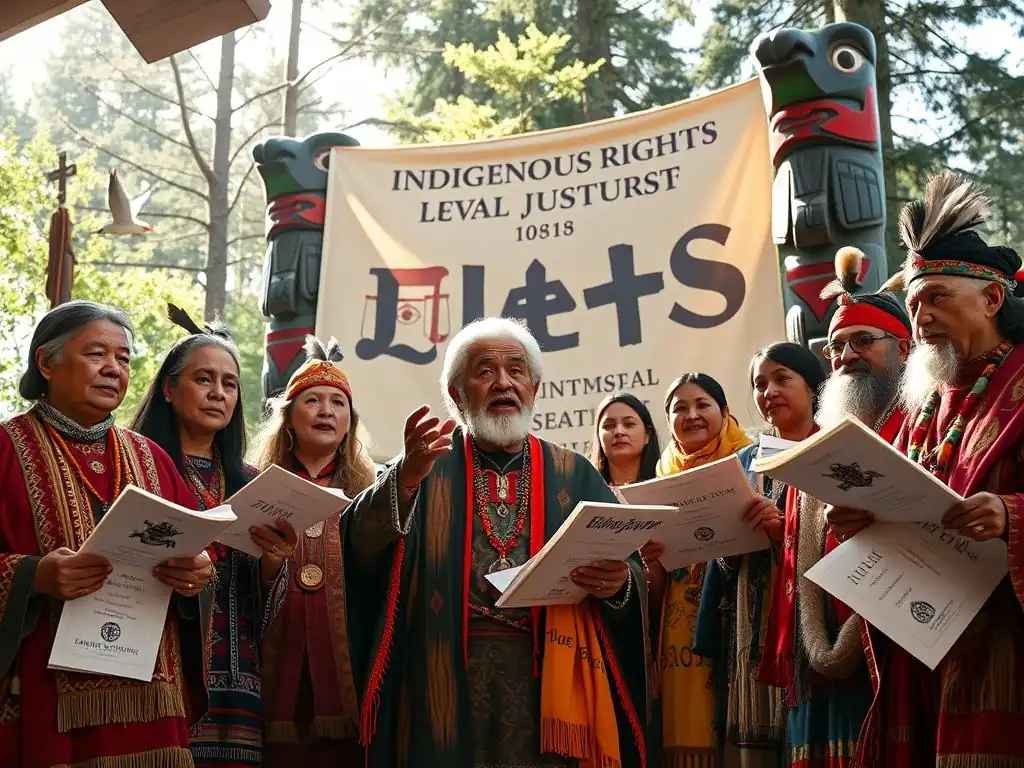
Welcome to Indigenous Civilizations of the Americas, where we invite you to embark on a journey through the rich tapestry of indigenous cultures that flourished long before European contact. Here, you will discover the remarkable achievements and sophisticated societies that shaped the continent's history.
In our featured article, "Indigenous Rights and Legal Advocacy: How Ancient Systems Inform Contemporary Justice," we delve into the fascinating world of indigenous legal advocacy systems—exploring how these ancient frameworks continue to influence modern notions of justice. Prepare to ignite your curiosity and uncover the profound legacies that resonate to this day as you explore the depth and complexity of these vibrant civilizations.
Introduction to Indigenous Legal Advocacy Systems
The discourse surrounding indigenous legal advocacy systems is not only a reflection of historical governance but also a vital component of contemporary justice frameworks. As societies increasingly recognize the importance of integrating indigenous perspectives into legal discourse, understanding the rich tapestry of ancient systems becomes essential.
These systems, which governed communities for centuries prior to European colonization, provide invaluable insights into the principles of justice, equity, and communal responsibility that can inform modern legal practices. This article delves into the historical context of indigenous legal systems, highlights their core principles, and examines how these ancient practices continue to shape contemporary advocacy for indigenous rights.
Definition of Indigenous Legal Advocacy Systems
Indigenous legal advocacy systems refer to the frameworks and practices developed by indigenous communities to govern themselves, resolve conflicts, and uphold social order. These systems are characterized by their unique cultural contexts, often emphasizing restorative justice, community involvement, and respect for the natural world. Unlike many contemporary legal systems that rely heavily on punitive measures, indigenous legal advocacy tends to focus on healing relationships and addressing the root causes of conflict.
Importance of Indigenous Rights in Contemporary Society
The recognition and protection of indigenous rights are pivotal in contemporary society for several reasons:
- Cultural Preservation: Upholding indigenous rights helps preserve unique languages, traditions, and knowledge systems that have persisted for thousands of years.
- Social Justice: Acknowledging indigenous rights contributes to rectifying historical injustices and fostering equality in socio-political contexts.
- Environmental Stewardship: Many indigenous communities are custodians of vast natural resources and ecosystems, advocating for sustainable practices that benefit the planet.
The integration of indigenous legal advocacy systems into the broader justice framework not only enriches legal diversity but also promotes a more equitable society.
Historical Context of Indigenous Legal Systems
Understanding the historical context of indigenous legal systems is crucial to appreciating their relevance today. These systems have evolved over millennia, shaped by the specific needs and circumstances of diverse communities across the Americas.
Overview of Ancient Indigenous Justice Systems
Ancient indigenous justice systems varied widely across different cultures, yet they shared common elements such as:
- Consensus-Based Decision Making: Many systems emphasized collective decision-making, ensuring that all voices were heard.
- Restorative Practices: Conflict resolution often involved mediation and reconciliation rather than punishment.
- Cultural Norms and Traditions: Laws and governance were deeply intertwined with cultural beliefs and practices, reinforcing community values.
Key Principles of Indigenous Law and Governance
Several key principles underpin indigenous legal advocacy systems, including:
- Respect for All Life: A holistic view that sees humans as part of a larger ecosystem.
- Interconnectedness: Recognition that individual actions impact the community and environment.
- Reciprocity: The importance of mutual aid and support within the community.
These principles not only guide legal practices but also foster a sense of responsibility among community members.
Case Studies of Pre-Colonial Legal Systems
To illustrate the impact of ancient indigenous legal systems, several notable case studies can be examined:
- The Iroquois Confederacy: Known for its sophisticated governance structure, the Iroquois utilized a council system that emphasized consensus and collective decision-making.
- The Navajo Peacemaking System: Focused on restoring harmony within the community, this system involved traditional healing practices and communal participation in conflict resolution.
These case studies exemplify how ancient legal systems were not only functional but also deeply integrated into the cultural and social fabric of indigenous life. Understanding these systems is essential for modern legal advocacy, as they offer robust frameworks that can inform contemporary justice initiatives.
The Evolution of Indigenous Rights and Legal Advocacy
The evolution of indigenous rights and legal advocacy has been a complex journey shaped by historical contexts, cultural traditions, and ongoing struggles for recognition and justice. Initially, indigenous communities operated within their own legal frameworks, which were deeply intertwined with their cultural practices and societal norms. These systems governed everything from conflict resolution to land use, reflecting the unique values and beliefs of each group.
With the arrival of European colonizers, however, indigenous rights began to be systematically undermined. Colonization brought about a disregard for indigenous legal systems, often labeling them as primitive or inferior. This led to a protracted struggle for indigenous peoples to reclaim their rights and assert their legal autonomy. As the 20th century progressed, movements for civil rights began to emerge, advocating for the recognition of indigenous rights on national and international stages. This evolution has culminated in contemporary frameworks that seek to integrate traditional legal practices with modern legal systems, establishing a pathway for indigenous legal advocacy to flourish.
Historical Challenges Faced by Indigenous Communities
Indigenous communities have faced numerous challenges throughout history, particularly regarding their legal rights and autonomy. Colonialism imposed foreign legal systems that often disregarded indigenous customs and governance structures. This led to the dislocation of communities, loss of land, and suppression of cultural practices. Indigenous peoples were frequently denied access to justice, facing discrimination from legal institutions that prioritized colonial laws.
Additionally, the lack of representation in decision-making processes further marginalized indigenous voices. Historical treaties were often violated or ignored, compounding grievances and leading to a legacy of distrust between indigenous communities and governmental authorities. The struggle for recognition of land rights, cultural preservation, and self-determination has been central to the historical narrative of indigenous legal advocacy.
The Impact of Colonization on Indigenous Legal Practices
Colonization had a profound impact on indigenous legal practices, often dismantling established systems that had governed communities for centuries. European powers imposed their legal frameworks, which frequently conflicted with indigenous laws and customs. This imposition resulted in the erasure of many traditional practices, leading to a disconnection from cultural identity and self-governance.
The introduction of foreign legal concepts also created barriers to justice for indigenous peoples. Legal terms, processes, and rights that were foreign to indigenous cultures often alienated community members from the legal system. Furthermore, the criminalization of indigenous practices and the marginalization of indigenous voices in legal matters fostered systemic injustices that persist today. Understanding this impact is crucial for acknowledging the resilience of indigenous legal advocacy efforts in the face of historical oppression.
Modern Movements for Indigenous Rights and Justice
In recent decades, there has been a resurgence of movements advocating for indigenous rights and justice. These movements have taken various forms, from grassroots activism to international campaigns aimed at raising awareness of indigenous issues. Organizations such as the American Indian Movement (AIM) and the Native American Rights Fund (NARF) have played pivotal roles in advocating for legal recognition and protection of indigenous rights.
Modern movements have also emphasized the importance of treaties and land rights, demanding accountability from governments that have historically violated these agreements. Additionally, international frameworks such as the United Nations Declaration on the Rights of Indigenous Peoples (UNDRIP) have provided platforms for indigenous advocacy, promoting recognition of self-determination and cultural rights on a global scale. The intersection of traditional knowledge with contemporary legal advocacy continues to empower indigenous communities in their quest for justice.
Contemporary Indigenous Legal Advocacy Systems
Contemporary indigenous legal advocacy systems are characterized by a blend of traditional practices and modern legal frameworks. These systems aim to restore indigenous governance and ensure that communities have a voice in legal matters affecting their rights and interests. By integrating customary laws with contemporary legal practices, indigenous advocates strive to create holistic approaches to justice that resonate with cultural values.
Current Frameworks Supporting Indigenous Legal Rights
In many regions, legal frameworks have been established to support the rights of indigenous peoples. For instance, constitutional provisions and legislative measures in countries like Canada and New Zealand recognize the rights of indigenous communities and their ability to govern themselves. These frameworks often enable indigenous peoples to engage with existing legal systems while maintaining their cultural identities.
Furthermore, international treaties and agreements provide additional layers of protection for indigenous rights, facilitating cooperation between indigenous communities and state actors. Organizations at both national and international levels work to monitor compliance with these frameworks, ensuring that indigenous voices are included in discussions about legal reforms and policy-making.
Role of Indigenous Legal Organizations and Advocacy Groups
Indigenous legal organizations and advocacy groups play a crucial role in promoting legal rights and addressing injustices faced by indigenous communities. These organizations are often led by indigenous individuals who understand the unique challenges their communities face. They engage in various activities, such as providing legal representation, conducting research, and advocating for policy changes.
By fostering collaboration among indigenous groups, these organizations help build capacity and strengthen legal advocacy efforts. They also work to educate both indigenous and non-indigenous populations about legal rights and the importance of cultural preservation. The advocacy efforts of these groups are instrumental in shaping a legal landscape that respects and upholds indigenous rights.
Integration of Traditional Law into Modern Legal Systems
The integration of traditional law into modern legal systems represents a significant advancement in indigenous legal advocacy. This process involves recognizing and valuing indigenous legal principles alongside contemporary laws. Many indigenous communities are reclaiming their traditional dispute resolution processes, which often emphasize restorative justice and community involvement.
In some jurisdictions, courts have begun to acknowledge the validity of indigenous legal practices, leading to innovative approaches that respect cultural heritage while ensuring justice. For example, the use of traditional healing practices in sentencing circles has gained traction in some areas, reflecting a shift towards more inclusive and culturally relevant legal practices. This integration not only empowers indigenous communities but also enriches the broader legal system by incorporating diverse perspectives on justice.
Comparative Analysis of Indigenous and Western Legal Systems

The exploration of indigenous legal advocacy systems reveals substantial contrasts between them and Western legal frameworks. Indigenous legal systems are deeply rooted in the cultural and social contexts of the communities they serve, often emphasizing restorative justice, community involvement, and the significance of oral traditions. In contrast, Western legal systems tend to focus on punitive measures, individual rights, and codified laws. This comparative analysis helps highlight the strengths and weaknesses of both systems, advocating for a more integrated approach that respects indigenous methodologies while addressing contemporary legal challenges.
Fundamental Differences Between Indigenous and Western Legal Systems
Indigenous legal systems prioritize community harmony and the restoration of relationships over punishment. Decisions are often made collectively, involving elders and community members, which fosters a sense of belonging and accountability. This contrasts sharply with Western systems, where legal decisions are typically made by a judge or jury based on established laws and precedents.
Key differences include:
- Nature of Justice: Indigenous systems often employ restorative justice, focusing on repairing harm and restoring relationships, while Western systems predominantly use retributive justice, emphasizing punishment.
- Decision-Making Process: Indigenous legal systems involve collective decision-making, whereas Western systems rely on adversarial processes.
- Cultural Context: Indigenous laws are intertwined with cultural practices and beliefs, while Western laws are based on secular principles and formal legislation.
These differences underline the importance of understanding indigenous legal systems as distinct yet complementary to Western approaches.
Benefits of Indigenous Legal Advocacy in Modern Justice
Integrating indigenous legal advocacy into modern justice systems offers numerous benefits, including:
- Cultural Relevance: Indigenous legal systems resonate more with the communities they serve, increasing participation and compliance.
- Holistic Approach: They address the social, emotional, and cultural dimensions of legal issues, leading to more sustainable resolutions.
- Community Empowerment: By involving community members in the legal process, these systems promote self-determination and strengthen communal ties.
- Reduction of Recidivism: The restorative nature of indigenous legal practices can lead to lower rates of reoffending, as individuals are encouraged to take responsibility and make amends.
By recognizing these benefits, modern legal institutions can work towards a more inclusive justice framework that acknowledges and respects indigenous narratives.
Case Studies Comparing Outcomes of Indigenous vs. Western Legal Approaches
Examining specific case studies reveals how indigenous legal advocacy systems can yield different outcomes compared to Western approaches. For instance:
- Peacemaking Circles in Native American Communities: In a case involving a youth offender, the use of a peacemaking circle allowed the community to address the root causes of the behavior, leading to a resolution that included community service and mentorship rather than incarceration. This approach not only facilitated healing for the victim but also helped the offender reintegrate into the community.
- Restorative Justice in Maori Communities: In New Zealand, restorative justice practices within Maori communities have been shown to significantly reduce reoffending rates. Offenders engage in dialogue with victims and community members, fostering understanding and accountability that traditional Western punitive measures often lack.
These examples illustrate the effectiveness of indigenous legal advocacy systems in promoting justice through community involvement and restoration.
Challenges in Indigenous Legal Advocacy
Despite the potential benefits of indigenous legal advocacy systems, several challenges hinder their implementation and effectiveness in contemporary justice.
Obstacles in Implementing Indigenous Legal Systems
One significant obstacle is the lack of recognition and support for indigenous legal systems within national and state legal frameworks. Many indigenous communities face barriers such as:
- Limited Resources: Indigenous legal systems often lack funding and resources, making it difficult to operate effectively.
- Jurisdictional Conflicts: There can be confusion over the jurisdiction of indigenous versus Western legal systems, leading to conflicts and challenges in enforcement.
- Cultural Disconnect: Many individuals within the Western legal system may not understand or respect indigenous practices, leading to a lack of cooperation and support.
Overcoming these obstacles requires a concerted effort to integrate indigenous legal principles into broader legal frameworks.
The Role of Government Policies and Legislation
Government policies play a critical role in shaping the effectiveness of indigenous legal advocacy systems. Legislative frameworks that either support or undermine indigenous rights can significantly impact the functioning of these systems. For example:
- Recognition of Indigenous Rights: Policies that affirm indigenous sovereignty can empower communities to implement their legal systems effectively.
- Funding and Support: Government investment in indigenous legal programs can enhance their sustainability and outreach.
- Legislative Barriers: Conversely, laws that do not recognize indigenous legal practices can hinder their effectiveness and lead to further marginalization.
A comprehensive analysis of existing policies is essential to identify areas for reform that would bolster indigenous legal advocacy.
Addressing Misconceptions About Indigenous Legal Systems
Misconceptions about indigenous legal systems often pose barriers to their acceptance and implementation. Common misunderstandings include:
- Perceived Inferiority: Some view indigenous systems as less legitimate or effective than Western systems, overlooking their historical significance and practical benefits.
- Homogenization of Indigenous Cultures: There is a tendency to view indigenous peoples as a monolithic group, disregarding the diversity of legal practices across different communities.
- Lack of Awareness: Many individuals are simply unaware of the existence and workings of indigenous legal systems, which can lead to resistance against integrating these practices.
Addressing these misconceptions through education, dialogue, and advocacy is crucial for fostering a more inclusive understanding of legal systems that honors both indigenous and Western traditions.
Future Directions for Indigenous Legal Advocacy
The future of indigenous legal advocacy is poised for significant transformation as various factors converge to shape new strategies and approaches. With the rise of technology and social media, indigenous communities are gaining greater visibility and amplifying their voices on global platforms. This shift has led to increased awareness and support for indigenous rights, allowing for the mobilization of resources and advocacy networks that were previously less accessible.
Furthermore, as international bodies, such as the United Nations, continue to recognize and affirm indigenous rights, there is a growing expectation for nations to conform to these standards. This recognition paves the way for indigenous communities to assert their legal rights more vigorously, utilizing frameworks that support self-determination and land reclamation. New legislation inspired by indigenous legal principles is likely to emerge, reflecting a more inclusive approach to governance that honors traditional practices and systems.
The integration of indigenous legal systems into contemporary frameworks will also drive future advocacy efforts. As more legal professionals and scholars engage with these systems, there will be a concerted push to develop hybrid legal models that respect both indigenous and non-indigenous laws. This will not only enhance the visibility of indigenous legal traditions but also foster a deeper understanding and respect for their contributions to justice and governance.
Emerging Trends in Indigenous Rights Advocacy
Emerging trends in indigenous rights advocacy highlight a shift towards intersectionality and inclusivity, rallying support not only from indigenous groups but also from diverse allies. The focus has moved beyond traditional legal battles to encompass broader social justice issues, including environmental rights, health care, and education, all intertwined with indigenous sovereignty.
One notable trend is the increased collaboration between indigenous and international human rights organizations. These partnerships aim to leverage global platforms to address local injustices while ensuring that indigenous perspectives and priorities remain at the forefront. Reports from entities like the UN Permanent Forum on Indigenous Issues have emphasized the importance of these collaborations, which provide indigenous advocates with the resources and networks necessary to amplify their causes.
Additionally, there has been a rise in community-based advocacy initiatives that emphasize grassroots participation. These initiatives prioritize the voices of indigenous youth and women, recognizing their unique roles in shaping the future of their communities. By fostering leadership and advocacy skills among these groups, indigenous societies are poised to fight for their rights more effectively and sustainably.
The Role of Education in Promoting Indigenous Legal Knowledge
Education plays a pivotal role in promoting indigenous legal knowledge and empowering communities to advocate for their rights effectively. As indigenous legal systems are often oral traditions, formal education can help preserve and disseminate this knowledge across generations. Educational programs that incorporate indigenous history, culture, and law can foster a deeper understanding of these systems among both indigenous and non-indigenous students.
Universities and colleges are increasingly recognizing the importance of indigenous legal studies. Programs that focus on indigenous rights, governance, and legal traditions enable students to explore the intersections between contemporary legal frameworks and traditional practices. By equipping future lawyers and advocates with this knowledge, educational institutions can help bridge the gap between indigenous and non-indigenous legal systems.
Moreover, community-led educational initiatives are crucial in ensuring that legal knowledge is accessible and relevant to indigenous populations. Workshops, seminars, and training sessions led by indigenous elders and legal experts serve as vital platforms for sharing knowledge. These initiatives empower individuals within indigenous communities to navigate the legal system effectively, advocate for their rights, and challenge injustices.
Conclusion
The journey towards achieving indigenous rights and effective legal advocacy is deeply rooted in the rich legal traditions of indigenous civilizations. By recognizing and valuing these ancient systems, contemporary justice can be enriched, providing a framework that respects the rights and dignity of indigenous peoples. As we move forward, the continued integration of indigenous legal principles into modern advocacy will be essential in addressing historical injustices and promoting equitable outcomes.
The Lasting Impact of Indigenous Legal Advocacy Systems on Contemporary Justice
Indigenous legal advocacy systems have left an indelible mark on contemporary justice frameworks. These systems, grounded in principles of community, balance, and restorative justice, challenge the often adversarial nature of modern legal practices. By emphasizing relationships, accountability, and healing, indigenous legal traditions offer valuable insights that can enhance the effectiveness of contemporary justice systems.
The recognition of indigenous legal systems in national and international law has also paved the way for the incorporation of indigenous perspectives in policy-making processes. This integration fosters more inclusive governance models that honor the rights of indigenous peoples while promoting social cohesion and understanding within diverse societies. As more legal systems around the world begin to acknowledge and respect indigenous practices, the potential for transformative change in how justice is administered becomes increasingly tangible.
Call to Action: Supporting Indigenous Rights and Legal Systems
Supporting indigenous rights and legal systems requires a collective effort from individuals, communities, governments, and organizations. Here are some actionable steps that can help promote and advocate for indigenous legal advocacy systems:
- Educate Yourself and Others: Learn about indigenous rights, legal systems, and the historical context of indigenous struggles. Share this knowledge within your community to raise awareness.
- Engage with Indigenous Communities: Build relationships and support grassroots initiatives led by indigenous peoples. Attend events, participate in workshops, and listen to their stories and needs.
- Advocate for Policy Changes: Support legislation that recognizes and upholds indigenous rights, including land rights, self-determination, and cultural preservation.
- Donate to Indigenous Organizations: Financial support can empower indigenous legal advocacy groups and initiatives. Consider contributing to organizations that work towards protecting indigenous rights.
- Use Your Voice: Utilize social media and other platforms to amplify indigenous voices and issues. Share information, petitions, and campaigns that highlight the importance of indigenous legal advocacy.
By taking these steps, we can work together to ensure that indigenous rights are recognized, respected, and integrated into the broader legal landscape, fostering a more just and equitable society for all.
- Introduction to Indigenous Legal Advocacy Systems
- Historical Context of Indigenous Legal Systems
- The Evolution of Indigenous Rights and Legal Advocacy
- Contemporary Indigenous Legal Advocacy Systems
- Comparative Analysis of Indigenous and Western Legal Systems
- Challenges in Indigenous Legal Advocacy
- Future Directions for Indigenous Legal Advocacy
- Conclusion
Frequently Asked Questions
What are indigenous legal advocacy systems?
Indigenous legal advocacy systems refer to the traditional methods and practices used by indigenous communities to address grievances, uphold rights, and resolve disputes within their societies, often predating colonial legal frameworks.
How do ancient indigenous systems influence modern justice?
Ancient indigenous systems provide foundational principles that continue to inform contemporary justice, emphasizing community involvement, restorative practices, and a deep connection to land and culture.
What role do indigenous rights play in legal advocacy today?
Indigenous rights are crucial in modern legal advocacy, as they help assert the sovereignty of indigenous peoples and protect their cultural heritage, ensuring their voices are heard in legal matters.
Can ancient practices be integrated into current legal systems?
Yes, many modern legal systems are beginning to integrate indigenous practices to enhance cultural sensitivity and promote more equitable outcomes, recognizing the value of diverse perspectives in justice.
Why is it important to study indigenous civilizations?
Studying indigenous civilizations is essential for understanding their resilience, achievements, and the lasting impact they have on today's societies, particularly in the realms of law, culture, and identity.
Final Reflection: Embracing Ancient Wisdom for Modern Justice
Indigenous legal advocacy systems are not just relics of the past; they are essential frameworks that resonate deeply with contemporary justice. As we navigate a world increasingly aware of social injustices and the need for equitable legal representation, it becomes clear that the wisdom embedded in indigenous practices offers invaluable insights. The integration of these ancient systems into modern legal frameworks can bridge gaps and foster a more inclusive approach to justice that honors the rights and voices of indigenous communities.
The ongoing dialogue surrounding indigenous rights and legal advocacy is a testament to the resilience and strength of these communities. Their traditional systems of governance and conflict resolution continue to influence contemporary legal practices, challenging us to rethink our understanding of justice. As noted by a prominent indigenous leader, Justice is not just about laws; it is about relationships, responsibilities, and respect for the land and each other.
This perspective invites us to recognize the profound impact that indigenous legal advocacy systems have on shaping a more equitable society, reminding us that justice must be rooted in cultural understanding and respect.
As we reflect on the lessons from indigenous legal advocacy, I invite you to consider how these principles can be applied in your own life and community. What can you learn from these ancient systems to foster justice and equity in your interactions? By embracing the wisdom of indigenous practices, we can contribute to a future where justice is not only a legal concept but a lived experience for all. Let us commit to advocating for the rights of indigenous peoples and integrating their invaluable knowledge into our pursuit of a fairer world.
Empower Your Voice for Indigenous Rights Today!
Thank you for taking the time to explore the vital intersection of Indigenous rights and legal advocacy. You've gained valuable insights into how ancient systems can shape contemporary justice. Now, it's time to put that knowledge into action!
- Join a local advocacy group to support Indigenous rights and help raise awareness in your community.
- Deepen your understanding by reading relevant literature or attending informative webinars on Indigenous legal issues.
- Share this article with friends and family to spread the message and spark meaningful conversations.
What step will you take today to amplify the voices of Indigenous communities around you?