
Farming the Gods: The Religious Significance of Agriculture in Mesoamerican Cultures

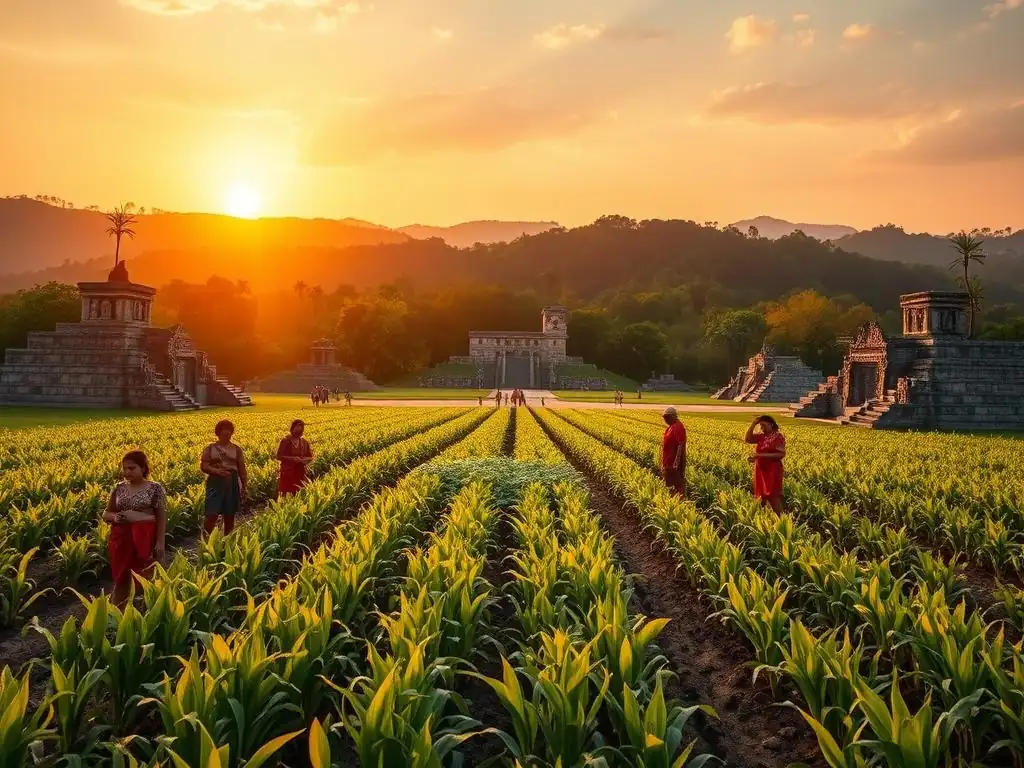
Welcome to Indigenous Civilizations of the Americas, where we invite you to embark on a captivating journey through the rich tapestry of pre-colonial cultures that flourished across the continent. In our featured article, “Farming the Gods: The Religious Significance of Agriculture in Mesoamerican Cultures,” we delve into the profound connections between agriculture and spirituality that defined these remarkable societies. Discover how their innovative farming practices were not merely about sustenance, but were deeply intertwined with their beliefs and rituals.
Are you ready to uncover the sacred bonds between the earth and the divine? Continue exploring to unlock the mysteries of Mesoamerican heritage!
- Introduction to Mesoamerican Agriculture and Religion
- The Religious Significance of Mesoamerican Agriculture
- Key Agricultural Deities in Mesoamerican Cultures
- Agricultural Practices and Their Religious Implications
- Case Studies of Agriculture and Religion in Specific Mesoamerican Cultures
- The Impact of Religion on Agricultural Innovation
- Modern Perspectives on Mesoamerican Agriculture and Religion
- Conclusion: The Lasting Impact of Agriculture on Mesoamerican Religion
-
Frequently Asked Questions
- What is the main focus of the article "Farming the Gods"?
- How did agriculture influence Mesoamerican societies?
- What crops were considered sacred in Mesoamerican agriculture?
- How did religious ceremonies relate to farming in Mesoamerican cultures?
- What is the lasting impact of Mesoamerican agricultural practices on modern culture?
- Final Reflection: The Sacred Harvest of Mesoamerican Agriculture
- Cultivate Your Connection with Mesoamerican Heritage!
Introduction to Mesoamerican Agriculture and Religion
The intricate relationship between agriculture and religion in Mesoamerican cultures is a testament to the profound connection these societies established with their environment and the divine. Before European colonization, the civilizations that flourished in regions such as modern-day Mexico and Central America developed sophisticated agricultural practices that were deeply intertwined with their spiritual beliefs.
This article, "Farming the Gods: The Religious Significance of Agriculture in Mesoamerican Cultures," will delve into how agriculture was not merely a means of sustenance but a sacred act that involved rituals, deities, and the cycles of nature. Understanding this relationship provides invaluable insight into the Mesoamerican worldview, where farming was considered a divine duty and an essential component of their cultural identity.
Overview of Mesoamerican Agricultural Practices
Mesoamerican agriculture was characterized by advanced techniques that allowed civilizations such as the Maya, Aztec, and Olmec to thrive in diverse environments. Key practices included:
- Terracing: This method involved creating flat areas on sloped land, allowing for effective cultivation and minimizing soil erosion.
- Chinampas: Often referred to as "floating gardens," these were small, rectangular areas of fertile land created in shallow lake beds, particularly prominent in the Aztec region.
- Crop Rotation: Farmers practiced rotating different crops to maintain soil fertility and prevent pest buildup, utilizing a variety of native plants, including maize, beans, and squash.
The integration of these techniques not only increased agricultural productivity but also reflected the Mesoamericans' deep understanding of their ecological surroundings.
Importance of Agriculture in Indigenous Cultures
Agriculture held a central place in the social, economic, and spiritual spheres of Mesoamerican life. It was not merely a means of survival but a pivotal aspect of cultural identity. The significance of agriculture can be highlighted through several key points:
- Ritual Practices: Agricultural cycles were often synchronized with religious calendars. Ceremonies to honor agricultural deities, such as Tlaloc, the rain god, were essential for ensuring bountiful harvests.
- Cultural Identity: Maize, often referred to as "the sacred grain," was more than food; it represented life and was deeply embedded in creation myths, emphasizing the importance of agriculture in cultural narratives.
- Economic Foundations: Surplus production allowed for trade and the development of complex societies, facilitating social stratification and the emergence of powerful city-states.
The religious significance of agriculture in Mesoamerican cultures cannot be overstated. It was a vital force that shaped their societies, influenced their beliefs, and ensured their survival long before European contact. Understanding this aspect of Mesoamerican life provides a richer appreciation of the diverse indigenous cultures of the Americas.
The Religious Significance of Mesoamerican Agriculture
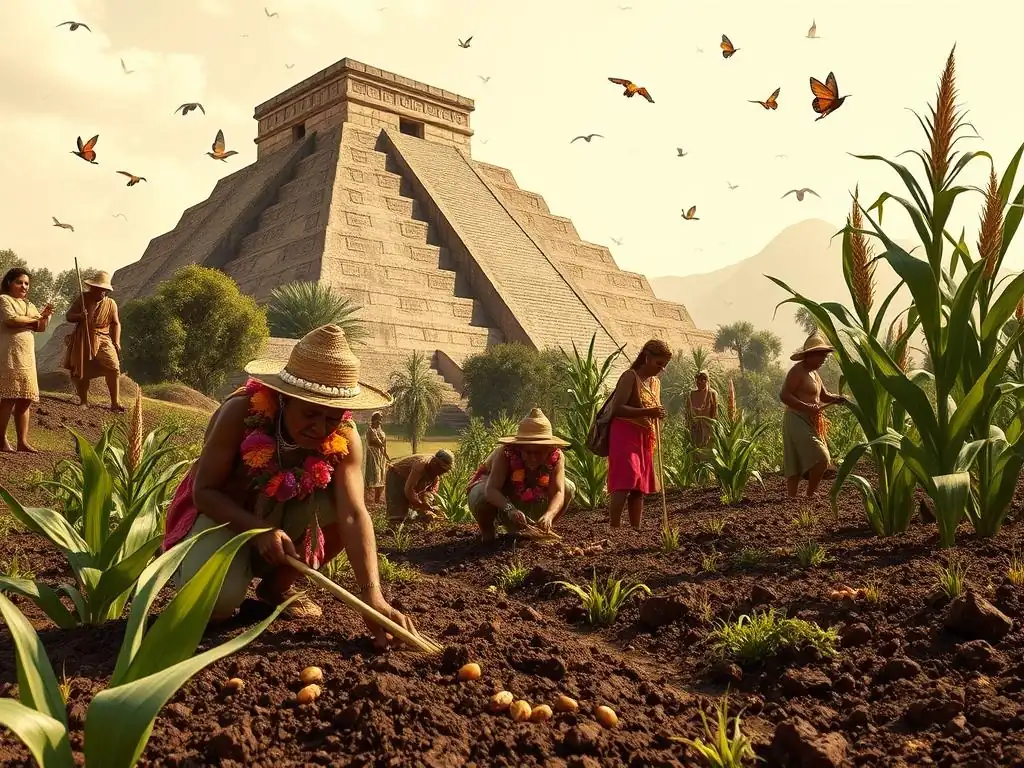
Mesoamerican agriculture was not merely a means of sustenance; it was intricately woven into the spiritual fabric of various indigenous cultures. This relationship between farming and religion underscores how agricultural practices were often viewed as sacred acts, vital for maintaining cosmic balance and pleasing deities. The cultivation of crops like maize, beans, and squash held profound significance, serving both practical and spiritual purposes in Mesoamerican societies.
Understanding the Connection Between Agriculture and Spirituality
In Mesoamerican cultures, agriculture was often seen as a divine gift, and farming rituals were essential for ensuring bountiful harvests. The cyclical nature of planting and harvesting mirrored the cycles of life, death, and rebirth, which were central themes in Mesoamerican spirituality.
- Ritualistic Offerings:
- Farmers would perform rituals before planting to honor the earth and rain deities, acknowledging their role in the agricultural cycle. These rituals included offerings of food, flowers, and even human sacrifices, intended to appease the gods and ensure favorable conditions for growth.
- Mythology and Agriculture:
- Myths surrounding agricultural deities, such as Chicomecoatl, the goddess of maize, reflect the intertwining of agriculture and spirituality. Stories of these deities often explain the origins of crops and the importance of agricultural practices, reinforcing the belief that successful farming depended on divine favor.
- Calendrical Significance:
- The Mesoamerican calendar, particularly the Tzolk'in, was closely linked to agricultural practices. Specific days were deemed auspicious for planting and harvesting, with rituals timed to align with celestial events, ensuring harmony between human activity and the cosmos.
The Role of Agriculture in Mesoamerican Cosmology
Agriculture in Mesoamerican cultures was deeply embedded in cosmology, influencing not only daily life but also the understanding of the universe. The relationship between humans and the gods was often mediated through agricultural practices, emphasizing the interconnectedness of all life.
- Symbolism of Crops:
- Crops such as maize were not just staple foods but symbols of life and fertility. The growth of maize was celebrated in various ceremonies, highlighting its significance in both sustaining the community and honoring the gods.
- Sacred Landscapes:
- Agricultural sites were viewed as sacred spaces where the earth and heavens met. Mountains and rivers, often considered the abodes of gods, were integral to agricultural practices. Communities would conduct rituals in these landscapes to invoke the blessing of the deities.
- Community and Identity:
- Farming practices helped to forge a collective identity among Mesoamerican peoples, with shared agricultural rituals fostering community bonds. Festivals celebrating harvests not only honored the gods but also reinforced social cohesion and cultural identity.
The religious significance of Mesoamerican agriculture reflects a profound understanding of the interplay between nature and spirituality. Through rituals, mythology, and cosmological beliefs, these cultures demonstrated that farming was much more than a means of survival; it was a sacred duty with deep spiritual ramifications. Recognizing this relationship can enhance our appreciation of Mesoamerican achievements and their lasting impact on the world.
Key Agricultural Deities in Mesoamerican Cultures

Major Deities Associated with Agriculture
In Mesoamerican cultures, agriculture was not merely a means of subsistence but a sacred practice intertwined with religious beliefs. Several deities were revered specifically for their roles in agricultural fertility and the cycles of planting and harvesting. Understanding these deities provides insight into the religious significance of Mesoamerican agriculture.
- Chicomecoatl: Often referred to as the "Seven Serpent," Chicomecoatl was the goddess of agriculture, specifically maize, which was a staple in Mesoamerican diets. Represented as a young woman adorned with corn, she symbolized fertility and the nourishment provided by the earth. Farmers would pray to her for a bountiful harvest and to ensure that maize crops thrived.
- Tlazolteotl: Known as the goddess of purification and fertility, Tlazolteotl also held importance in agricultural contexts. She was associated with the earth's fertility and was often invoked during planting seasons. Her dual role as a goddess of both sex and agriculture highlights the interconnectedness of life, death, and rebirth in Mesoamerican beliefs.
- Tlaloc: The rain god Tlaloc was crucial for agriculture, as rain was essential for crop growth. Depicted with goggle-like eyes and fangs, Tlaloc was feared and revered, with rituals aimed at appeasing him to ensure adequate rainfall. His significance emphasizes the reliance of Mesoamerican agriculture on natural elements.
- Xipe Totec: The god of agriculture and rebirth, Xipe Totec was often associated with the spring season and the renewal of life. Farmers honored him to promote the growth of their crops. His imagery often depicted him wearing the skin of a sacrificed victim, symbolizing the cycle of life, death, and regeneration essential to agricultural success.
These deities were not only symbolic figures but were integral to the agricultural calendar, influencing planting and harvesting practices through religious observances.
Rituals and Offerings to Agricultural Gods
The connection between agriculture and spirituality in Mesoamerican cultures manifested through various rituals and offerings aimed at appeasing agricultural deities. These practices underscored the belief that the favor of the gods was vital for successful harvests.
- Ceremonial Planting: Key agricultural activities often began with ceremonial planting, where farmers would engage in rituals to invoke the blessings of deities like Chicomecoatl. This might include chanting, dancing, and the use of sacred objects. Specific days, aligned with the Mesoamerican calendar, were designated for these ceremonies to ensure the right timing for planting.
- Offerings and Sacrifices: To honor agricultural gods, communities would prepare elaborate offerings, including food items such as maize, beans, and fruits. In some instances, animal sacrifices were performed. Such offerings were believed to nourish the gods and invoke their favor for a fruitful growing season.
- Festivals: Agricultural festivals celebrated the cycles of planting and harvesting, often involving communal feasting, music, and dance. Events like the Tlacaxipehualiztli, dedicated to Xipe Totec, featured rituals that emphasized the themes of renewal and fertility. These festivals were moments of both gratitude and supplication, reinforcing the community's bond with their agriculture and the divine.
- Divination Practices: Farmers often utilized divination to seek guidance from the gods regarding the best times for planting and harvesting. Methods included interpreting the patterns of maize kernels or observing natural signs, all believed to convey the will of the gods.
Through these rituals and offerings, Mesoamericans expressed their deep respect for the land and its deities, recognizing that their agricultural success was intimately tied to their spiritual lives. The religious significance of agriculture in these cultures remains a testament to their rich spiritual heritage and understanding of the natural world.
Agricultural Practices and Their Religious Implications
Mesoamerican agriculture was intricately woven into the fabric of religious beliefs and practices, reflecting a profound connection between the land, its productivity, and the divine. The indigenous cultures of this region, such as the Maya and the Aztec, developed sophisticated agricultural techniques that not only ensured food security but also served as a means to honor their gods. This relationship between agriculture and religion underscores the idea that farming was not merely a means of sustenance but a sacred act imbued with spiritual significance.
The agricultural practices in Mesoamerica were often accompanied by rituals and ceremonies aimed at appeasing deities associated with fertility, rain, and harvest. These practices were steeped in belief systems that placed great importance on reciprocity between humans and the divine. Farmers would perform specific rituals before planting, during the growth phases, and at harvest time, seeking blessings for a bountiful yield. This highlights the understanding that human survival was dependent on the favor of the gods, making agricultural success a collective religious endeavor.
Crop Cultivation Techniques and Their Spiritual Significance
Mesoamerican civilizations employed various crop cultivation techniques that were closely tied to their spiritual beliefs. Milpa, a form of shifting agriculture, played a crucial role in this context. Farmers would clear a section of the forest, plant a mixture of crops such as maize, beans, and squash, and then leave the land to regenerate. This cycle not only ensured sustainable farming practices but also mirrored the cyclical nature of life and death, a theme prevalent in Mesoamerican cosmology.
The sacred maize (Zea mays) was at the heart of many spiritual beliefs. It was considered a gift from the gods, with myths detailing its creation from divine substances. The act of planting maize was therefore seen as a form of worship. Rituals surrounding the planting and harvesting of maize included offerings of the first fruits to the gods, which were believed to ensure a continuous blessing upon the crops.
Additionally, the use of terraces in mountainous regions demonstrated an understanding of environmental stewardship that was also perceived as a spiritual duty. By maximizing arable land, these techniques ensured that communities could thrive while respecting the natural order, reinforcing the belief that agricultural success was a reflection of divine favor.
The Cycle of Seasons and Religious Festivals
The agricultural calendar in Mesoamerica was deeply intertwined with seasonal cycles and religious festivals that marked key agricultural events. These festivals were vibrant occasions characterized by elaborate rituals, dances, and offerings, celebrating the relationship between agricultural practices and the divine.
One significant festival was Tlalocan, dedicated to Tlaloc, the rain god. This festival coincided with the onset of the rainy season, crucial for crop growth. During this time, communities would engage in rituals to invoke Tlaloc's favor, ensuring adequate rainfall for their crops. The rituals often included the sacrifice of animals and the presentation of food offerings, symbolizing gratitude and the need for divine intervention.
Another important celebration was the Festival of the Dead, which coincided with the harvest season. This festival served as a time to honor ancestors and the spirits of the land, reinforcing the belief that the deceased played an active role in the agricultural cycle. Offerings of food, especially maize-based dishes, were made to nourish both the living and the dead, emphasizing a cyclical view of life and death in Mesoamerican spirituality.
The interplay between agricultural practices and religion in Mesoamerican cultures underscores the intricate relationship these societies had with their environment and their spirituality. Farming was not just a means of survival; it was a sacred tradition that reinforced social cohesion and cultural identity, reflecting the belief that the gods and the land were inextricably linked.
Case Studies of Agriculture and Religion in Specific Mesoamerican Cultures
The Aztecs: Agriculture as a Divine Practice
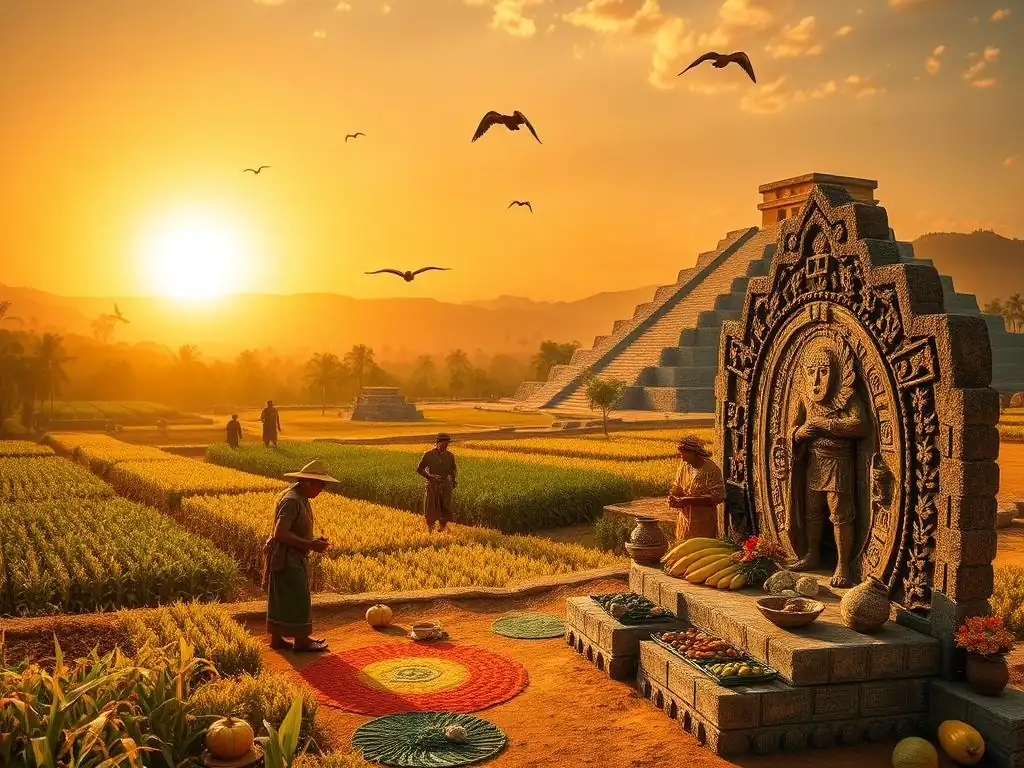
In Aztec society, agriculture was not merely a means of sustenance; it was intricately woven into their religious beliefs and practices. The Aztecs viewed their agricultural activities as a sacred duty, believing that the gods played a direct role in the fertility of the land. The primary agricultural product was maize, or corn, which held profound spiritual significance.
The Aztecs conducted various ceremonies to honor Tlaloc, the god of rain, and Centeotl, the god of maize. These rituals were crucial for ensuring favorable weather conditions and abundant harvests. For instance, the Tlacaxipehualiztli festival, celebrated in March, involved the sacrifice of a captive to appease the gods, symbolizing the death and rebirth of maize. The connection between agriculture and divinity is illustrated in the following table:
| Deity | Associated Crop | Significance |
|---|---|---|
| Tlaloc | Various crops | God of rain; essential for crop growth |
| Centeotl | Maize | God of maize; central to Aztec diet and culture |
Furthermore, agricultural practices were imbued with rituals. Farmers would often plant seeds with prayers, seeking the blessings of the gods for a bountiful yield. This blend of agriculture and spirituality highlights the religious significance of Mesoamerican agriculture, where every harvest was seen as a divine gift.
The Mayans: Rituals Surrounding Corn Cultivation
Corn was the cornerstone of Mayan civilization, representing not just a staple food but also a sacred element in their cosmology. The Mayans believed that their ancestors were created from maize, which further emphasized its religious importance. The cultivation of corn was surrounded by a myriad of rituals intended to invoke the favor of the gods.
One notable ritual was the “New Year” ceremony, which marked the beginning of the agricultural cycle. This event included offerings of food, flowers, and incense to the gods. The Mayans also performed “Mayan Corn Planting Rituals” that involved singing, dancing, and the use of ceremonial tools to bless the fields. Each planting event was seen as an opportunity to connect with the spiritual realm and secure divine assistance.
In Mayan society, the relationship between agriculture and religion was reciprocal; successful harvests were interpreted as divine approval, while poor yields indicated the need for increased religious observance. The significance of corn in Mayan culture can be summarized as follows:
- Symbol of Life: Corn was viewed as a life-giving force, central to their diet and culture.
- Ritual Importance: Specific rituals were dedicated to each stage of corn cultivation, from planting to harvest.
- Cultural Identity: Corn cultivation was a defining aspect of Mayan identity and cosmology.
The Olmecs: Early Agricultural Religious Practices
As one of the earliest Mesoamerican civilizations, the Olmecs laid the groundwork for agricultural and religious practices that would influence later cultures. The Olmecs practiced a form of sophisticated agriculture, focusing on crops such as maize, beans, and squash, often referred to as the Mesoamerican triad. Their agricultural success was closely tied to their religious beliefs, particularly in their veneration of natural elements.
The Olmecs worshiped a pantheon of deities associated with fertility and the earth. They believed that their agricultural practices were under the watchful eye of these gods. For instance, the deity Cocijo, associated with rain and fertility, was crucial for agricultural success. Rituals involving offerings and sacrifices were common to invoke the blessings of these gods.
Key Aspects of Olmec Agriculture and Religion:
- Ritual Offerings: Farmers would make offerings of their first harvest to ensure continued fertility.
- Ceremonial Sites: Agricultural ceremonies often took place at significant sites, where farmers sought divine guidance.
- Cultural Legacy: The Olmec practices laid the foundation for future Mesoamerican civilizations, influencing their agricultural and religious developments.
The intricate relationship between agriculture and religion in Mesoamerican cultures such as the Aztecs, Mayans, and Olmecs highlights how deeply intertwined these aspects were. The religious significance of Mesoamerican agriculture not only shaped their practices but also played an essential role in their societal structures and cultural identities.
The Impact of Religion on Agricultural Innovation
Sacred Farming Techniques and Their Development
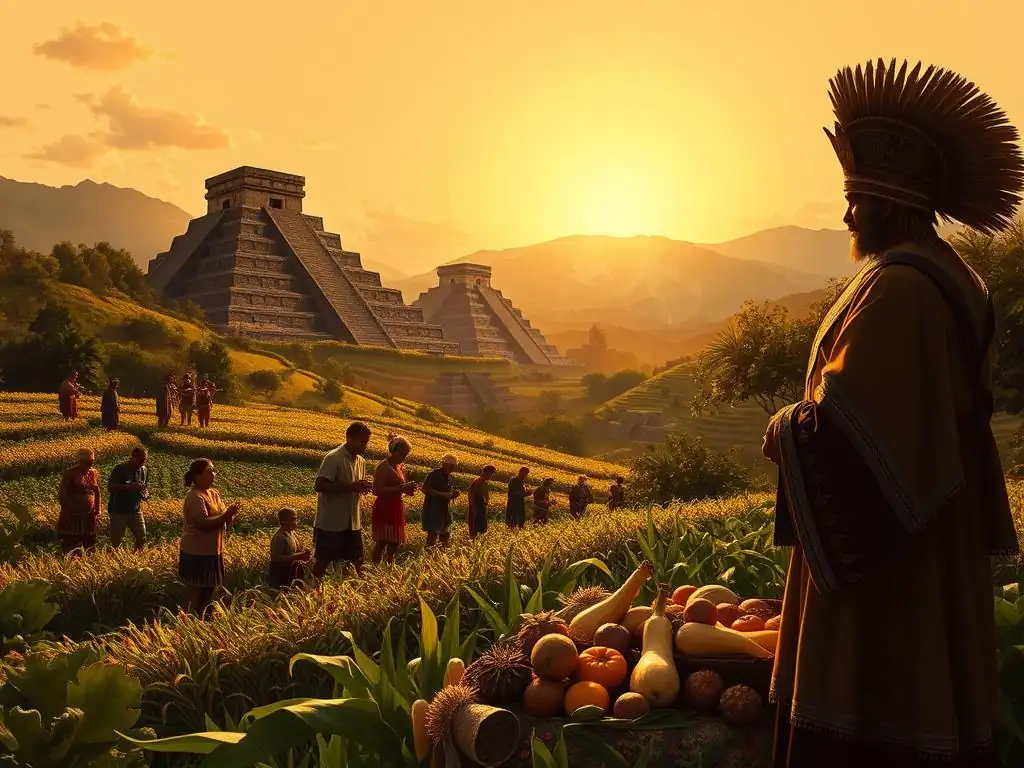
Mesoamerican agriculture was deeply intertwined with religious practices, leading to the development of sacred farming techniques that not only enhanced productivity but also honored the divine. Many farming rituals were conducted to appease gods and ensure bountiful harvests.
- Ritualistic Planting:
- Farmers often initiated the planting season with ceremonies invoking deities associated with fertility and agriculture, such as Tlazolteotl and Chicomecoatl.
- These rituals included offerings of flowers, food, or even blood, emphasizing the belief that divine favor was necessary for successful crops.
- Crop Rotation and Fertility:
- The Maya and Aztec civilizations practiced crop rotation, which they believed was a method of maintaining balance with the earth.
- This practice was often linked to the cycles of celestial bodies, where certain crops were planted in alignment with specific lunar phases, illustrating a profound connection between agriculture and the cosmos.
- Terracing and Irrigation Systems:
- Advanced agricultural techniques such as terracing and complex irrigation systems were also influenced by religious beliefs.
- Many Mesoamerican communities believed that maintaining the land in harmony was a sacred duty. Thus, innovations in farming were regarded not only as practical solutions but as acts of worship.
- Use of Sacred Tools:
- Tools used in agriculture, such as the coa (a hand-held hoe), were often blessed in ceremonies, ensuring that they were imbued with sacred power before being used on the fields.
These sacred farming techniques exemplify how religion was a driving force behind agricultural innovations, leading to sustainable practices that respected both the earth and the gods.
The Influence of Religious Beliefs on Crop Selection
In Mesoamerican cultures, the selection of crops was heavily influenced by religious beliefs, which dictated not only what to grow but also the significance of each crop within their spiritual framework.
- Maize as a Sacred Crop:
- Maize (corn) was central to Mesoamerican agriculture and held profound religious significance.
- It was believed that humans were created from maize, leading to its worship as a life-giving force. Thus, its cultivation was surrounded by various rituals and ceremonies aimed at securing divine blessings.
- The Role of Other Key Crops:
- Beans and squash, referred to as the "Three Sisters" alongside maize, were also selected for their nutritional synergies and were integral to the Mesoamerican diet.
- These crops were often planted together, reflecting the belief in balance and reciprocity in nature, which were key elements in their cosmology.
- Sacred Plants for Rituals:
- Certain plants, such as cacao and chile, were also selected for their ritualistic significance.
- Cacao, for instance, was used in offerings and as a beverage in ceremonial contexts, symbolizing wealth and the divine connection to the gods.
- Seasonal Festivals and Crop Cycles:
- The agricultural calendar was aligned with religious festivals, dictating when to plant and harvest crops.
- Major deities were honored during these cycles, reinforcing the connection between agricultural practices and religious observance.
Through these practices, Mesoamerican societies demonstrated an intricate relationship between their agricultural systems and spiritual beliefs, showcasing the religious significance of Mesoamerican agriculture in shaping their communities and cultural identities.
Modern Perspectives on Mesoamerican Agriculture and Religion
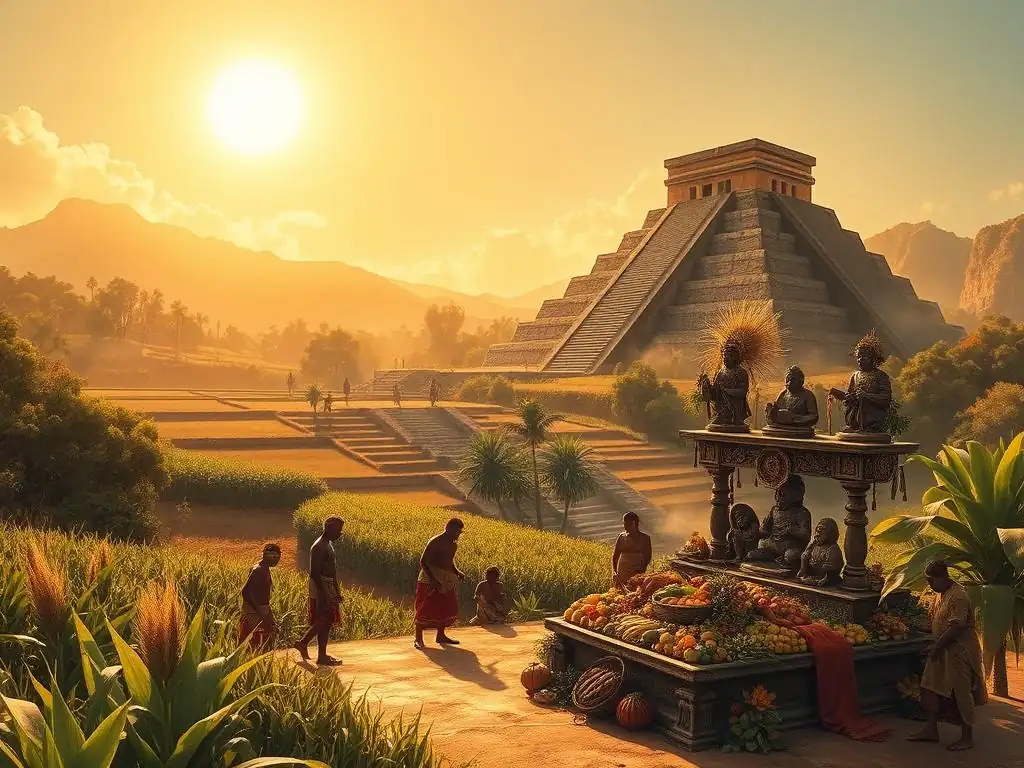
Mesoamerican agriculture was deeply intertwined with the spiritual lives of the indigenous peoples of the region. In modern times, the interplay between agricultural practices and religious beliefs continues to be a focal point for many communities. Contemporary perspectives reveal not only the survival of these traditions but also their evolution in response to modern challenges.
Continuing Traditions in Contemporary Indigenous Practices
Many indigenous communities in Mesoamerica maintain agricultural practices that reflect their ancestral beliefs and rituals. These practices often involve a blend of traditional techniques and modern methods, showcasing resilience and adaptability. Examples of these traditions include:
- Milpa System: This ancient method of crop rotation involves planting maize, beans, and squash together. The milpa system is still practiced today, emphasizing the harmony between humans and nature.
- Sacred Rituals: Agricultural cycles are often accompanied by rituals that honor deities associated with fertility and harvest. For instance, the Day of the Dead traditionally involves offerings of food, including maize-based dishes, to honor ancestors and seek their blessings for a bountiful harvest.
- Community Collaboration: Many communities engage in cooperative farming, where labor is shared, reflecting the communal aspect of Mesoamerican societies. This collective approach reinforces social bonds and cultural identity.
These practices highlight how contemporary indigenous groups not only preserve their cultural heritage but also adapt to modern agricultural demands, ensuring the sustainability of their traditions.
The Legacy of Mesoamerican Agricultural Beliefs Today
The legacy of Mesoamerican agricultural beliefs extends beyond the fields; it permeates various aspects of life, identity, and sustainability. The following points illustrate this enduring impact:
- Cultural Identity: For many indigenous peoples, agriculture remains a core component of their cultural identity. Traditional farming practices serve as a link to their ancestors and a testament to their resilience.
- Sustainable Practices: Mesoamerican agricultural techniques, such as intercropping and organic farming, have gained recognition for their environmental sustainability. These methods promote biodiversity and soil health, aligning with contemporary ecological practices.
- Revitalization Movements: There is a growing movement among indigenous communities to revive traditional agricultural knowledge and practices. This revival not only fosters cultural pride but also addresses food sovereignty issues, allowing communities to reclaim their agricultural heritage.
- Educational Initiatives: Many organizations and educational programs focus on teaching both indigenous and non-indigenous populations about the importance of Mesoamerican agricultural practices. These initiatives aim to raise awareness of the historical significance and the ongoing relevance of these traditions.
The religious significance of agriculture in Mesoamerican cultures continues to resonate in modern practices. The integration of traditional beliefs into contemporary agricultural methods illustrates the dynamic nature of these cultures, ensuring their survival and relevance in a rapidly changing world. Through ongoing traditions and the revitalization of agricultural beliefs, indigenous communities not only honor their ancestors but also pave the way for future generations.
Conclusion: The Lasting Impact of Agriculture on Mesoamerican Religion
The intricate relationship between agriculture and religion in Mesoamerican cultures highlights the profound impact that farming practices had on their spiritual beliefs and societal organization. The cultivation of crops such as maize, beans, and squash was not just a means of sustenance but also a vital component of their cosmology and rituals. This symbiotic connection fostered a rich tapestry of religious practices that celebrated agricultural cycles and deified natural elements.
Summary of Key Points
- Divine Connection to Agriculture:
- Mesoamerican civilizations viewed agriculture as an act of devotion. Crop cycles were often aligned with religious calendars, and deities associated with fertility and harvest were central to their worship.
- Rituals, including offerings and ceremonies, were performed to ensure bountiful harvests, demonstrating the belief that human prosperity was intertwined with divine favor.
- Cultural Practices and Myths:
- Myths surrounding the origins of maize, such as those found in the Popol Vuh, illustrate the cultural significance of agricultural products. These narratives reinforced the idea that agriculture was a gift from the gods, thus elevating its status within society.
- Festivals, such as the Tlacaxipehualiztli, celebrated the harvest and involved elaborate rituals, including sacrifices, reflecting the deep-rooted belief in the necessity of appeasing deities for agricultural success.
- Socioeconomic Implications:
- Agricultural practices shaped the social structure of Mesoamerican societies, with priests and leaders playing crucial roles in mediating between the divine and the agricultural community.
- The development of sophisticated agricultural techniques, such as chinampas (floating gardens), not only improved crop yields but also reinforced the community's dependency on their agricultural output, further intertwining their religious practices with farming.
The Importance of Preserving Mesoamerican Agricultural Heritage
Preserving the agricultural heritage of Mesoamerican cultures is essential for several reasons:
- Cultural Identity: Understanding and maintaining traditional agricultural practices fosters a sense of identity and continuity among indigenous communities. These practices are not merely historical remnants; they are living traditions that connect present generations to their ancestors.
- Biodiversity and Sustainability: Mesoamerican agriculture, with its emphasis on crop diversity and sustainable practices, offers valuable insights into modern agricultural challenges. By preserving these methods, we can promote biodiversity and sustainable farming techniques that benefit ecosystems.
- Educational Value: The rich tapestry of Mesoamerican agricultural practices provides an educational framework for understanding the complexities of human-environment interactions. This knowledge is vital for contemporary agricultural practices and can inspire innovative solutions to food security issues.
The religious significance of agriculture in Mesoamerican cultures not only shaped their spiritual beliefs but also influenced their societal structures and practices. The preservation of their agricultural heritage remains crucial in understanding the past and addressing present and future challenges in agriculture and sustainability.
Frequently Asked Questions
What is the main focus of the article "Farming the Gods"?
The article explores the religious significance of agriculture in Mesoamerican cultures, emphasizing how farming practices were intertwined with their spiritual beliefs and rituals.
How did agriculture influence Mesoamerican societies?
Agriculture was central to Mesoamerican life, providing not only food but also serving as a means to connect with the divine, reinforcing social structures, and influencing cultural practices.
What crops were considered sacred in Mesoamerican agriculture?
Crops such as maize, beans, and squash held immense spiritual value, often associated with deities and used in various rituals to ensure fertility and successful harvests.
How did religious ceremonies relate to farming in Mesoamerican cultures?
Religious ceremonies often coincided with agricultural cycles, where rituals were performed to honor gods and seek their blessings for bountiful harvests, reflecting the deep connection between spirituality and farming.
What is the lasting impact of Mesoamerican agricultural practices on modern culture?
The agricultural techniques and crop varieties developed by Mesoamerican civilizations continue to influence modern farming practices and contribute to a rich cultural heritage that emphasizes the importance of sustainability and respect for nature.
Final Reflection: The Sacred Harvest of Mesoamerican Agriculture
The intricate relationship between agriculture and spirituality in Mesoamerican cultures remains profoundly relevant today, as it highlights the essential role of nature in our lives and the sacredness of sustenance. In a world increasingly disconnected from its agricultural roots, the reverence these ancient civilizations held for their crops serves as a poignant reminder of the interconnectedness between humanity and the earth. The rituals, deities, and practices surrounding Mesoamerican agriculture not only shaped their societies but also offer us a lens through which to view our own relationship with food and the environment.
Mesoamerican agriculture was not merely a means of survival; it was a vibrant tapestry woven with the threads of spirituality, community, and identity. The rituals and beliefs surrounding farming fostered a deep respect for the land and its cycles, influencing social structures and cultural practices that resonate even in contemporary discussions about sustainability and environmental stewardship. As the renowned anthropologist Victor Turner once said, Ritual is a way of transforming the world, a way of making the ordinary extraordinary.
This perspective invites us to reflect on how our own agricultural practices and food systems can embody a sense of reverence and connection to the earth.
As we contemplate the lessons of Mesoamerican agriculture and its religious significance, I invite you to consider how you can cultivate a deeper appreciation for the food you consume and the land that nurtures it. Reflect on your own relationship with agriculture—how can you honor the earth in your daily choices?
Whether through supporting local farmers, practicing sustainable eating, or simply acknowledging the origins of your food, each action can contribute to a more harmonious existence with nature. Let us carry forward the wisdom of these ancient cultures, recognizing that our sustenance is not just a necessity but a sacred gift deserving of gratitude and respect.
Cultivate Your Connection with Mesoamerican Heritage!
Thank you for exploring the profound relationship between agriculture and spirituality in Mesoamerican cultures. Your interest highlights the incredible, interwoven tapestry of tradition, sustenance, and reverence that these ancient civilizations embodied. Ready to deepen your connection? Here are some actionable steps you can take:
- Dive Deeper: Investigate local indigenous farming practices to uncover connections with Mesoamerican traditions. Gaining insight into your own agricultural heritage can enrich your bond with the land!
- Share Your Discoveries: Discuss your findings with friends and family. Consider hosting a gathering to explore Mesoamerican agricultural practices and their spiritual significance together!
- Support Indigenous Farmers: Explore ways to support indigenous agricultural movements in your community or contribute to organizations dedicated to preserving these vital traditions.
What aspect of Mesoamerican agricultural significance has inspired you the most, and how do you plan to integrate that wisdom into your own life?