
The Ingenious Administrative Systems of the Inca Empire: A Model of Efficiency


Welcome to Indigenous Civilizations of the Americas, where we invite you to embark on a journey through the rich tapestry of diverse cultures that flourished long before European colonization. Discover the remarkable achievements and sophisticated societies that shaped the continent, beginning with our feature article on the Inca Empire administrative systems. Did you know that the Incas developed an intricate network of management and communication that has inspired modern governance?
Dive deeper to unravel the secrets of their ingenious efficiency and explore how these ancient innovations continue to impact our world today. Your exploration of these vibrant histories starts here!
Introduction to Inca Empire Administrative Systems
The Inca Empire, known for its remarkable achievements in architecture, agriculture, and societal organization, presents a fascinating study of administrative efficiency. Spanning across a vast territory that included parts of modern-day Peru, Bolivia, Ecuador, and Chile, the Inca Empire developed a sophisticated administrative system that facilitated effective governance and resource management.
This intricate framework not only allowed the Incas to maintain control over diverse regions but also significantly contributed to their lasting legacy as one of the most advanced civilizations in pre-Columbian America. By delving into the Inca Empire administrative systems, we can gain insights into how these systems supported the empire's stability, growth, and resilience against external pressures.
Overview of the Inca Empire and Its Significance
The Inca Empire, or Tawantinsuyu, emerged in the early 15th century and reached its zenith under the rule of Emperor Pachacuti. At its peak, it encompassed a vast expanse of territory, estimated to be around 2 million square kilometers, making it the largest empire in pre-Columbian America. The Incas are renowned not only for their monumental architecture, such as Machu Picchu and Sacsayhuamán, but also for their innovative agricultural practices and extensive road systems that connected various regions.
The significance of the Inca Empire lies in its ability to incorporate diverse cultures and ethnic groups, fostering a sense of shared identity while allowing for local customs. This blend of respect for local traditions and centralized governance enabled the Incas to create a cohesive society that thrived despite its geographical challenges.
Importance of Administrative Efficiency in Ancient Civilizations
Administrative efficiency is crucial in any civilization, especially for empires as extensive as the Inca Empire. Effective administration ensures that resources are allocated optimally, communication channels remain open, and societal structures function smoothly. In the case of the Incas, their administrative systems allowed for:
- Resource Management: Efficient tracking and distribution of agricultural and mineral resources.
- Labor Organization: Structured labor systems that maximized productivity while ensuring fair treatment of workers.
- Communication: A vast network of roads and messengers that facilitated rapid communication across the empire.
By focusing on these aspects, the Incas were able to maintain order, foster economic growth, and respond to challenges such as natural disasters or external threats, all of which are vital for the survival of any ancient civilization.
Key Features of Inca Empire Administrative Systems
Centralized Governance and Its Benefits
The Inca Empire operated under a highly centralized governance structure, with the Sapa Inca (the emperor) at the top of the hierarchy. This centralization provided several benefits:
- Unified Decision-Making: Policies could be formulated and implemented swiftly, ensuring a cohesive direction for the empire.
- Standardization: The Incas established standardized systems for taxation, agriculture, and trade, which simplified administration and promoted economic stability.
- Crisis Management: Centralized governance allowed for timely responses to crises such as famine or war, enabling the empire to adapt quickly to changing circumstances.
This centralized approach not only fortified the empire’s control over its vast territories but also reinforced the social order and loyalty among its subjects.
Regional Administration: The Role of Provincial Governors
To manage the extensive territories of the empire, the Incas appointed provincial governors known as Ayllu leaders. These governors played a crucial role in maintaining order and implementing the directives from central authority. Their responsibilities included:
- Tax Collection: Ensuring that tribute and taxes were collected efficiently from local populations.
- Local Governance: Addressing local issues and conflicts, thereby providing a sense of stability and justice.
- Cultural Integration: Facilitating the integration of local customs and practices within the framework of the Inca administration, which helped to foster loyalty among diverse groups.
This regional administration allowed for a balance between central authority and local governance, crucial for managing the empire’s vast and varied landscapes.
The Mit'a System: Labor and Resource Management
One of the most distinctive features of the Inca administrative system was the Mit'a system, a form of labor taxation that required communities to contribute a certain amount of labor for public projects. This system had several implications for resource management:
- Public Works: The Mit'a system enabled the construction of extensive infrastructure, including roads, bridges, and agricultural terraces, which were essential for the empire's functioning.
- Agricultural Productivity: By mobilizing labor for agricultural activities during peak seasons, the Incas ensured a stable food supply for their population.
- Social Cohesion: The communal aspect of the Mit'a fostered a sense of collective responsibility and cooperation among the populace.
Through the Mit'a system, the Incas effectively managed their labor resources, which was pivotal to the empire's economic success and societal stability.
Communication and Record-Keeping in the Inca Empire
The Inca Empire, one of the most sophisticated civilizations in pre-Columbian America, developed a remarkable system of communication and record-keeping that facilitated their expansive administration. Given the vastness of their territory, which stretched over 2,500 miles along the western coast of South America, efficient communication was vital for governance, military coordination, and economic management.
The Incas utilized a network of runners known as the chasquis to relay messages across long distances. These highly trained messengers could traverse the rugged terrain of the Andes Mountains at remarkable speeds, carrying quipu (a system of knotted strings) or verbal messages. The relay system allowed information to flow rapidly between the capital, Cusco, and distant provinces, ensuring that the central government could maintain control over its far-reaching empire.
In addition to the chasquis, the Incas employed a series of intricate signaling methods, including fires and smoke signals, to convey messages over great distances. This multi-layered approach to communication not only unified the empire but also allowed for swift responses to challenges, such as military threats or natural disasters.
Quipu: The Unique Inca Counting System
One of the most fascinating aspects of Inca administration was the quipu, an innovative system of record-keeping using knotted strings. Unlike written language, the quipu relied on color, type, and position of the knots to convey numerical data and information about various aspects of society, including population counts, tribute obligations, and resource inventories.
Each quipu consisted of a main cord from which multiple strings hung, each with knots tied in specific patterns. The colors and placements of these knots represented different categories of information, making the quipu an effective tool for accounting and administration. For instance, a quipu could indicate the number of llamas in a herd, the amount of grain harvested, or the tax obligations of different communities.
The use of quipu enabled the Inca Empire to maintain a high level of economic organization and manage its vast resources efficiently. Although the exact interpretation of quipus remains partially deciphered, their implementation illustrates the Incas' remarkable ability to adapt their administrative practices to their cultural context.
Road Networks and Their Impact on Administration
The Inca Empire is renowned for its extensive road network, often referred to as the Inca Trail, which stretched over 25,000 miles. This intricate system of roads connected various regions of the empire, facilitating trade, military movement, and communication. The road network was not only a physical infrastructure but also a symbol of the Incas' organizational prowess.
Constructed with remarkable engineering techniques, the roads traversed diverse terrains, from coastal deserts to high mountain passes. The strategic placement of rest stations, known as tambos, allowed travelers to rest and resupply, enhancing the efficiency of transportation. The roads enabled chasquis to deliver messages swiftly, ensuring that the central authority in Cusco could stay informed about developments throughout the empire.
The impact of these road networks on administration was profound. It allowed for rapid troop deployments in times of conflict, efficient collection of tribute, and the movement of resources across great distances. The Inca road system exemplified the interconnectedness of the empire and played a crucial role in maintaining its unity and stability.
Economic Organization of the Inca Empire
The economic organization of the Inca Empire was a complex and highly structured system that ensured the efficient management of resources, agriculture, and trade. The Incas implemented a state-controlled economy where the government played a central role in regulating production and distribution, which contributed to their remarkable stability and growth.
Agricultural Innovations and Resource Distribution
Agriculture was the backbone of the Inca economy, and the Incas developed several innovative practices to maximize productivity. They utilized terracing techniques to cultivate the steep slopes of the Andes, transforming mountainous regions into arable land. These terraces not only prevented soil erosion but also allowed for the cultivation of various crops, such as potatoes, maize, and quinoa.
The Incas also implemented a system of crop rotation and fallow periods to maintain soil fertility, demonstrating an advanced understanding of sustainable agriculture. Additionally, the state organized the distribution of resources through a system known as ayllu, which involved communal land ownership and collective farming practices. This ensured that even the poorest members of society had access to food and resources.
The centralized management of agriculture allowed the Incas to stockpile surplus crops in storehouses, which could be used during times of famine or distributed to regions facing shortages. This strategic resource distribution was essential for maintaining social stability and supporting the empire's population.
Trade Networks and Economic Integration
In addition to agricultural innovations, the Inca Empire established extensive trade networks that integrated various regions of the empire. While the economy was primarily based on agriculture, the Incas engaged in trade to acquire goods that were not locally produced, such as textiles, metals, and luxury items.
Trade was facilitated by the Inca road system, which connected diverse ecological zones, allowing for the exchange of resources between highland and lowland communities. The Incas practiced a system of reciprocal exchange, where goods were traded based on mutual benefit rather than monetary transactions. This created a sense of community and interdependence among different regions.
The integration of trade networks allowed the Inca Empire to thrive economically, as it ensured a steady flow of resources and goods throughout the territory. The efficient administration of these trade routes, coupled with agricultural advancements, contributed to the overall prosperity of the Inca civilization, showcasing their remarkable organizational skills.
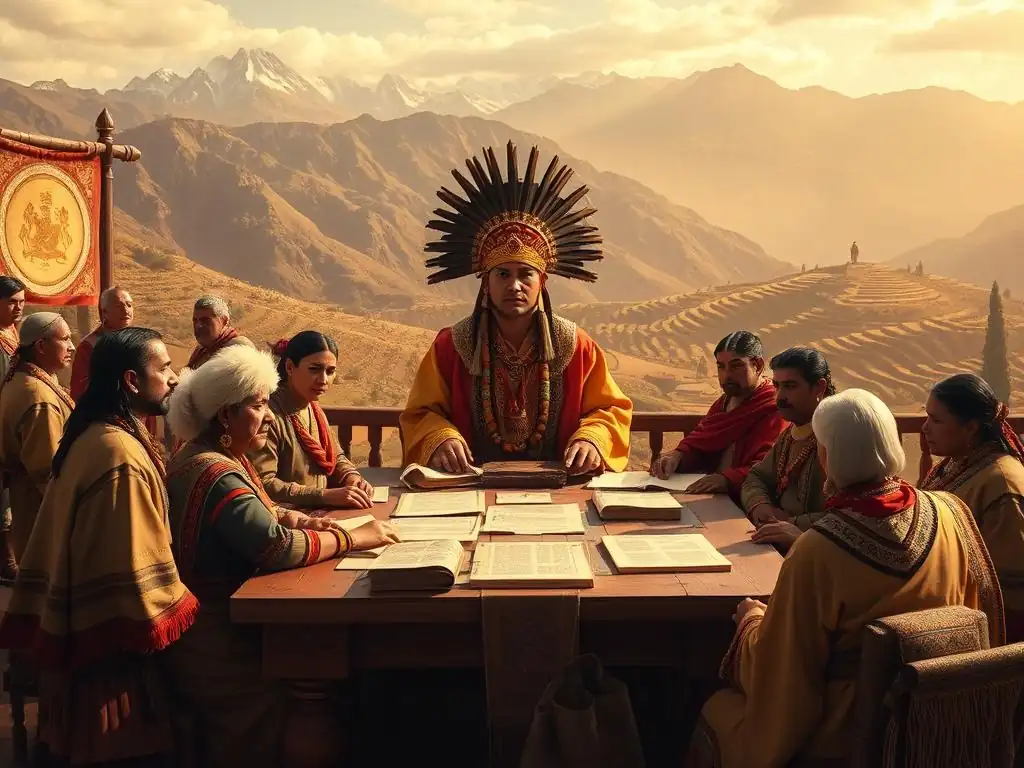
The Inca Empire, renowned for its remarkable administrative systems, was built on a complex social structure that enabled effective governance and resource management across its vast territories. This hierarchical organization was not merely a political framework; it was deeply intertwined with the cultural and social fabric of the Incan society. Understanding the administrative roles within this structure sheds light on how the Incas maintained control over diverse populations and facilitated the empire's growth.
Hierarchical Organization: From Sapa Inca to Local Leaders
At the pinnacle of the Inca administrative hierarchy was the Sapa Inca, the emperor who was considered a divine ruler believed to be the descendant of the sun god, Inti. His authority was absolute, and he exercised control over all aspects of the empire, including political, military, and religious domains. Below the Sapa Inca were several key officials, including the Apu, who governed large regions known as suyus. Each suyu was further divided into provinces, each managed by a local leader, often referred to as a curaca.
The curacas were critical in maintaining order and implementing the Sapa Inca's policies at the local level. They were responsible for collecting tribute, administering justice, and organizing labor for public works. This hierarchical structure ensured that the Inca Empire operated smoothly, with clear lines of authority and responsibility flowing from the Sapa Inca down to the local leadership. The efficient communication networks and road systems also facilitated the rapid dissemination of orders and information throughout the empire.
The Role of Ayllus in Community Administration
Central to the social organization of the Inca Empire were the ayllus, which were extended family groups that formed the basic units of Incan society. Each ayllu was responsible for managing its own land and resources, and they played a significant role in local administration. Members of an ayllu worked collectively, sharing labor and resources, which reinforced social bonds and ensured mutual support.
The administrative functions of the ayllus included the allocation of agricultural land, management of irrigation systems, and maintenance of communal buildings. Leadership within the ayllu was typically established through consensus or appointed by the curaca, ensuring that local governance was both representative and responsive to the needs of the community. This system of community administration not only empowered local populations but also aligned their interests with the goals of the Inca state, fostering loyalty and cooperation.
Innovations in Inca Empire Administrative Systems
The Inca Empire was characterized by several administrative innovations that enhanced its efficiency and effectiveness. From architectural achievements to technological advancements, these innovations contributed significantly to the empire's ability to govern a vast and diverse territory.
Architectural Achievements Supporting Administration
The Incas were master builders, and their architectural innovations were crucial to their administrative success. The construction of administrative centers, such as Cusco, the capital of the empire, and various tambos (way stations), provided essential hubs for governance, resource management, and communication.
These structures were strategically located along the extensive Inca road system, which facilitated the movement of people, goods, and information across the empire. The roads connected remote communities to central administrative centers, allowing for efficient tribute collection and resource distribution. Furthermore, the Incas built storehouses known as qollqas, where surplus agricultural produce was stored to ensure food security and manage resources effectively during times of scarcity.
Technological Advancements in Agriculture and Logistics
Technological innovations were also pivotal in the administrative systems of the Inca Empire. The Incas developed advanced agricultural techniques, such as terracing and irrigation, which maximized arable land use and increased food production. These methods not only supported the population but also provided a surplus that was essential for trade and tribute collection.
In logistics, the Incas employed a system of chasquis—messengers who ran along the Inca roads to relay messages and information quickly. This network of runners ensured that the Sapa Inca and his officials received timely reports on various matters, from resource availability to military movements. Such advancements in both agriculture and logistics allowed the Inca Empire to maintain a high level of efficiency, contributing to its stability and longevity.
Comparison with Other Ancient Civilizations
The Inca Empire, renowned for its sophisticated administrative systems, offers a unique perspective when compared to other ancient civilizations such as the Aztec and Maya empires. Each of these cultures developed complex governance structures that facilitated the management of vast territories and diverse populations. However, the Inca's approach to administration stood out due to its emphasis on centralization, infrastructure, and the use of a unique accounting system known as quipu.
The Inca Empire's administrative efficiency was primarily achieved through an extensive road network, allowing swift communication and troop movement across the expansive territory. This was crucial for maintaining control over the diverse ethnic groups within the empire.
In contrast, while the Aztec Empire also had an intricate system of tribute and governance, it relied heavily on a more decentralized approach, where local rulers maintained significant autonomy as long as they paid tribute to the central authority. The Maya civilization, on the other hand, was characterized by its city-states, each with its own governance system, which led to a more fragmented political landscape.
Administrative Systems of the Inca Empire vs. The Aztec Empire
When analyzing the administrative systems of the Inca Empire versus the Aztec Empire, several key distinctions emerge. The Incas employed a highly centralized model, with the Sapa Inca (the emperor) at the apex of the hierarchy, surrounded by a council of advisers. This structure allowed for unified decision-making and efficient governance across their vast territories. The Incas also implemented a system of regional governors, known as apuk, who oversaw local administration, ensuring that policies from the central government were effectively executed.
In contrast, the Aztec administrative system was more decentralized. Though the emperor held significant power, the empire was composed of various city-states ( altepetl) that were largely self-governing. Local rulers maintained considerable control over their territories, leading to a governance style that was more flexible but less uniform across the empire. This difference in structure impacted how each civilization managed resources, collected tributes, and responded to local issues.
Similarities and Differences in Governance Models
Despite the differences in centralization, both the Inca and Aztec empires showcased remarkable organizational skills and innovative governance models. Both utilized a tribute system to support their economies, demanding resources from conquered peoples to sustain their capital cities and fulfill the needs of their armies.
However, the Inca's reliance on direct control and the imposition of the mit'a labor system set them apart. The mit'a required communities to contribute labor for public works, such as road construction and agricultural projects, directly benefiting the empire's infrastructure. In contrast, the Aztecs often relied on tribute payments, which could be in the form of goods, services, or labor, but did not mandate the same level of direct involvement in large-scale state projects. This resulted in a more indirect form of governance compared to the hands-on administration of the Inca Empire.
Lasting Impact of Inca Empire Administrative Systems
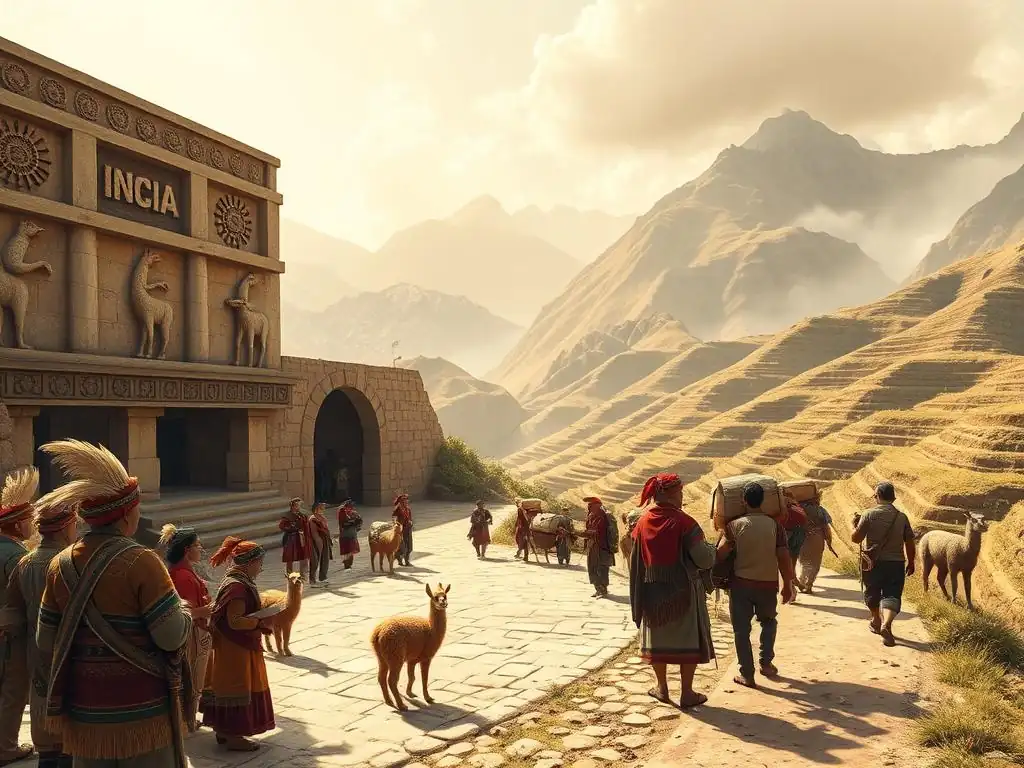
The administrative systems of the Inca Empire left an indelible mark on the governance structures that followed in South America. The principles of centralized authority, efficient resource management, and infrastructure development have influenced various aspects of contemporary governance in the region.
Influence on Modern Governance in South America
Modern South American countries have drawn upon Inca administrative practices to shape their governance models. The emphasis on infrastructure, particularly road networks and communication systems, can be traced back to Incan innovations. Additionally, the concept of regional governance echoes in the administrative divisions established in many countries today.
Furthermore, the integration of diverse ethnic groups into a cohesive political entity, as practiced by the Incas, is mirrored in contemporary efforts to promote inclusivity and representation of indigenous populations within national governance frameworks. This legacy is evident in countries like Peru, where there is ongoing dialogue about the rights and representation of indigenous communities.
Preservation of Inca Administrative Practices in Indigenous Cultures
Many indigenous communities in the Andes continue to preserve elements of Inca administrative practices, adapting them to contemporary contexts. Traditional forms of governance, such as ayllu systems, reflect the Incan emphasis on collective decision-making and communal resource management. These practices showcase a continuity of governance that honors ancestral traditions while addressing modern challenges.
Additionally, the use of languages, rituals, and agricultural techniques passed down through generations signifies the importance of Inca heritage in shaping local governance structures. The revival of these practices in recent years demonstrates a resilient cultural identity that connects present-day indigenous populations to their Incan ancestors, highlighting the enduring influence of the Inca Empire's administrative systems.
Conclusion: The Legacy of Inca Empire Administrative Efficiency
The Inca Empire's administrative systems were a remarkable testament to the ingenuity and organizational prowess of its society. These systems not only facilitated the management of a vast and diverse empire but also showcased the Inca's ability to adapt and innovate in response to complex challenges. The legacy of their administrative efficiency can be seen in various aspects of contemporary governance and organizational management, where principles such as centralized control, extensive infrastructure, and effective communication remain relevant.
Summary of Key Administrative Innovations
The Inca Empire implemented several key innovations that contributed to its administrative success:
- Centralized Bureaucracy: The Inca established a highly organized bureaucratic structure that allowed for efficient governance across their vast territories. This included a hierarchy of officials responsible for various aspects of administration, from taxation to infrastructure management.
- Quipu System: The use of quipus, a complex system of knotted strings, enabled the Incas to maintain detailed records, track resources, and manage logistics. This innovative method allowed for accurate data collection without a written language.
- Road Networks: The extensive network of roads, known as the Inca Road System, facilitated communication and transportation across the empire. This infrastructure was crucial for the movement of armies, trade goods, and information, enhancing administrative efficiency.
- Mit'a System: The labor tax system, known as mit'a, required citizens to contribute labor to state projects. This system ensured that the Inca could mobilize a large workforce for construction, agriculture, and military endeavors without the need for monetary compensation.
These innovations laid the groundwork for a stable and efficient administration that could respond to the needs of the empire and its people.
Reflection on the Importance of Studying Indigenous Administrative Systems
Studying the administrative systems of the Inca Empire provides valuable insights into indigenous governance models, which often contrast sharply with European practices. Understanding these systems allows us to appreciate the complexities and capabilities of pre-colonial societies. It also highlights the contributions of indigenous peoples to modern governance and administrative practices. By examining the Inca’s approaches to resource management, labor organization, and communication, scholars and practitioners can draw lessons applicable to contemporary administrative challenges. Furthermore, this study encourages a broader recognition of the sophisticated societal structures that existed long before European influence, fostering respect and appreciation for indigenous cultures.
References and Further Reading on Inca Empire Administrative Systems
Suggested Books and Articles
-
"The Inca Empire: The Formation and Disintegration of a Pre-Columbian Society" by David M. Jones
This book offers a comprehensive exploration of the Inca Empire's social structure, including detailed discussions on its administrative systems.
-
"The Incas: A Very Short Introduction" by Christine Hunefeldt
This concise overview provides essential insights into the key aspects of Inca civilization, including governance and administrative practices.
-
"Inca Empire: A Multidisciplinary Approach" edited by M. J. O’Brien and E. M. O’Brien
A collection of essays that delve into various facets of Inca society, focusing on its administrative systems and their impact on the empire's longevity.
Online Resources for Inca History and Culture
- The Andean Studies Program: A resource for research articles, publications, and updates on ongoing studies related to the Inca and other Andean cultures.
- The Smithsonian Institution’s National Museum of the American Indian: Offers digital resources and exhibitions that explore the history, culture, and achievements of indigenous peoples, including the Incas.
- Khan Academy's Inca Civilization Section: An educational platform that provides articles and videos detailing the history and achievements of the Inca Empire, including its administrative structures.
By utilizing these resources, readers can deepen their understanding of the Inca Empire's administrative systems and their significance in the broader context of indigenous civilizations in the Americas.
- Introduction to Inca Empire Administrative Systems
- Key Features of Inca Empire Administrative Systems
- Communication and Record-Keeping in the Inca Empire
- Economic Organization of the Inca Empire
- Social Structure and Administrative Roles in the Inca Empire
- Innovations in Inca Empire Administrative Systems
- Comparison with Other Ancient Civilizations
- Lasting Impact of Inca Empire Administrative Systems
- Conclusion: The Legacy of Inca Empire Administrative Efficiency
- References and Further Reading on Inca Empire Administrative Systems
- What were the key features of the Inca Empire's administrative systems?
- How did the Inca manage their vast territories?
- What role did communication play in the Inca administrative systems?
- In what ways did the Inca Empire's administrative systems influence later societies?
- How did the Inca ensure economic stability within their empire?
Frequently Asked Questions
What were the key features of the Inca Empire's administrative systems?
The Inca Empire's administrative systems were characterized by a centralized government, a vast network of roads, and an efficient system of record-keeping using quipus.
How did the Inca manage their vast territories?
The Inca utilized a well-structured bureaucracy, dividing their empire into administrative units called suyus, which facilitated effective governance and resource distribution across their vast territories.
What role did communication play in the Inca administrative systems?
Communication was crucial; the Inca built an extensive network of messengers known as chasquis who relayed information rapidly across the empire, ensuring swift decision-making and governance.
In what ways did the Inca Empire's administrative systems influence later societies?
The Inca Empire's administrative systems set a precedent for centralized governance, influencing later civilizations in the Americas with their approaches to resource management, infrastructure, and social organization.
How did the Inca ensure economic stability within their empire?
The Inca ensured economic stability by implementing a system of taxation in the form of labor (mit'a), allowing them to maintain agricultural production and support large projects that benefited the entire empire.
Final Reflection: The Enduring Legacy of Inca Empire Administrative Systems
The administrative systems of the Inca Empire remain a powerful testament to human ingenuity and efficiency, demonstrating how structured governance can lead to societal prosperity. In today's world, where complex bureaucracies often hinder progress, the Inca model serves as a beacon of inspiration for modern governance and organizational practices. The meticulous planning and execution of their administrative systems not only facilitated the management of vast territories but also fostered a sense of unity and purpose among diverse populations.
The influence of the Inca Empire's administrative strategies can still be felt in contemporary discussions about governance, resource management, and community organization. Their ability to adapt to challenges and implement innovative solutions resonates with current leaders and policymakers striving for efficiency in their own systems. As historian John Hemming noted, The Incas were not just conquerors; they were master administrators who understood the importance of organization in maintaining their empire.
This understanding of organization and efficiency continues to inspire modern societies facing the complexities of governance.
As we reflect on the lessons from the Inca Empire's administrative systems, let us consider how we can apply these principles in our own lives and communities. Embrace the spirit of innovation and efficiency that characterized the Inca governance model. Whether in our personal endeavors, workplaces, or civic engagements, we have the opportunity to cultivate systems that prioritize collaboration, resourcefulness, and inclusivity. Take a moment to reflect on how you can implement these timeless lessons to create a more effective and harmonious environment around you.
Unleash the Wisdom of the Inca: Transform Your Systems Today!
Thank you for diving into the remarkable and efficient administrative systems of the Inca Empire with us! We hope this exploration has sparked your interest and highlighted how ancient wisdom can guide contemporary practices. Now, let’s take inspiration from this astounding civilization and transform our own systems.
Here are some engaging actions you can take:
- Implement an efficient feedback loop in your organization to mirror the Inca’s use of clear communication. Consider utilizing modern tools to gather and process feedback seamlessly.
- Research and share how ancient practices can influence modern efficiency. Posting your insights on social media or within your community can inspire others!
- Join a local discussion group focused on ancient civilizations. Exploring how their practices can inform today’s administrative structures will help you make new connections and broaden your understanding!
What unique strategies from the Inca Empire do you believe could revolutionize the way we manage our modern systems? Share your thoughts below!