
The Role of Andean Agricultural Systems in Sustaining Large Populations

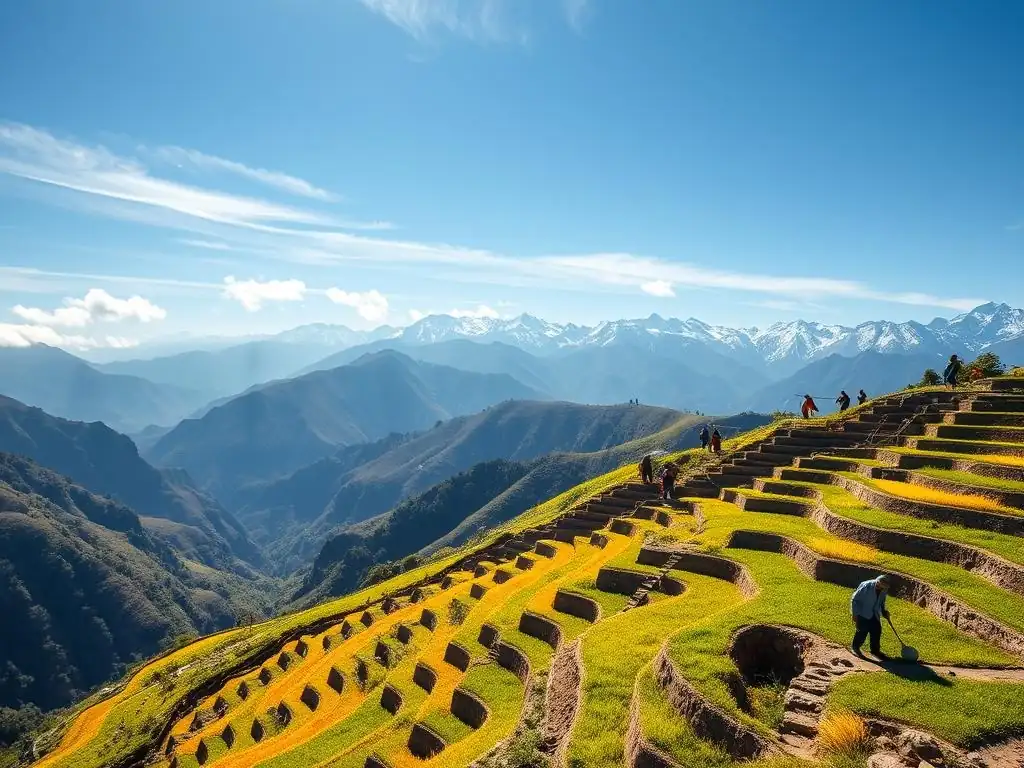
Welcome to Indigenous Civilizations of the Americas, where we invite you to embark on an enlightening journey through the rich tapestry of diverse indigenous cultures that flourished long before European contact. In our featured article, "The Role of Andean Agricultural Systems in Sustaining Large Populations," we delve into the remarkable innovations and techniques that transformed the Andean landscape and supported thriving communities.
Discover how these advanced agricultural systems not only shaped their societies but also left a profound legacy that continues to influence us today. Join us as we uncover the untold stories and achievements that define the indigenous civilizations of the Americas, sparking your curiosity and inspiring a deeper understanding of their enduring impact.
- Introduction to Andean Agricultural Systems and Their Impact
- Historical Context of Andean Agricultural Systems
- The Role of Andean Agricultural Systems in Supporting Large Populations
- Innovations in Andean Agricultural Practices
- The Societal Impact of Andean Agricultural Systems
- Environmental Adaptations in Andean Agricultural Systems
- Challenges Faced by Andean Agricultural Systems
- Conclusion: The Lasting Impact of Andean Agricultural Systems
- References and Further Reading on Andean Agricultural Systems
- Frequently Asked Questions
- Final Reflection: The Enduring Impact of Andean Agricultural Systems
- Embrace Sustainable Practices Today!
Introduction to Andean Agricultural Systems and Their Impact
The Andean region, spanning across countries such as Peru, Bolivia, Ecuador, and Colombia, is renowned for its rich cultural heritage and remarkable agricultural practices that have sustained its diverse populations for thousands of years. Before European colonization, the indigenous peoples of the Andes developed sophisticated agricultural systems that not only met their subsistence needs but also fostered thriving societies.
These systems were characterized by innovative techniques and an intimate understanding of the environment, leading to the cultivation of a wide array of crops such as potatoes, quinoa, and maize. This article delves into the intricate Andean agricultural systems impact on population sustainability, highlighting their achievements and the significance of sustainable practices that continue to resonate today.
Overview of Andean Agricultural Systems
The Andean agricultural systems are a testament to the ingenuity of indigenous cultures. These systems were designed to adapt to the diverse and often challenging topography of the Andes, which includes high altitudes, steep slopes, and varying climates. Key features of these systems include:
- Terracing: This technique involves creating flat areas on steep hillsides to reduce soil erosion and maximize arable land. Terraces allowed for efficient water management and crop cultivation at different altitudes.
- Crop diversification: Indigenous farmers cultivated multiple crops, reducing the risk of total failure due to pests or diseases. This practice not only ensured food security but also enhanced soil fertility through crop rotation.
- Irrigation systems: Advanced irrigation techniques, such as the use of canals and aqueducts, enabled farmers to transport water from rivers to their fields, ensuring consistent moisture for crops even in arid regions.
These agricultural innovations played a crucial role in supporting large populations, contributing to the establishment of complex societies and urban centers, such as the Inca Empire.
Significance of Sustainable Practices in the Andes
Sustainability has always been a cornerstone of Andean agricultural systems. Indigenous peoples employed methods that respected the environment and ensured the longevity of their agricultural practices. The significance of these sustainable practices can be summarized as follows:
- Biodiversity Preservation: By cultivating a variety of crops, Andean farmers contributed to the preservation of biodiversity, which is essential for ecosystem resilience and adaptability to climate change.
- Soil Health: Techniques like crop rotation and the use of organic fertilizers helped maintain soil fertility, reducing the need for chemical inputs that could harm the environment.
- Cultural Heritage: Sustainable agricultural practices are deeply intertwined with Andean culture, reflecting the values and traditions of the communities. This connection fosters a sense of identity and continuity among indigenous peoples.
The innovative agricultural systems developed by Andean civilizations have not only had a profound impact on sustaining large populations but also on shaping the cultural landscape of the region. Understanding these practices provides valuable insights into the importance of sustainability in modern agricultural approaches.
Historical Context of Andean Agricultural Systems
Development of Andean Agriculture in Pre-Columbian Times
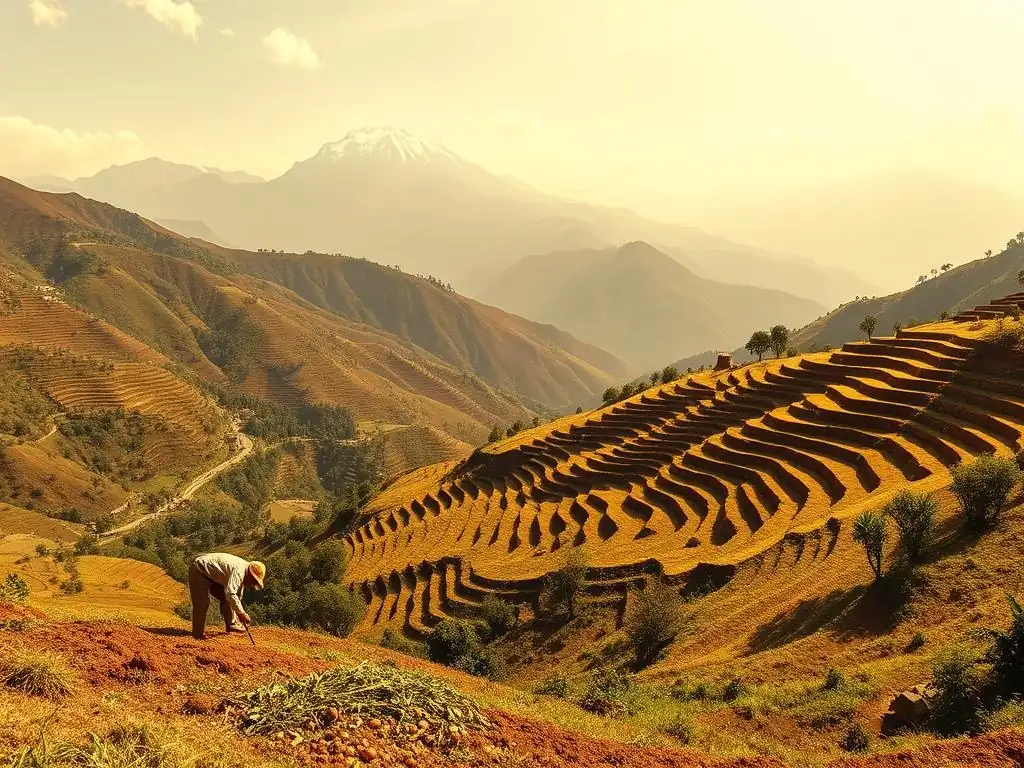
The Andean agricultural systems emerged as a sophisticated response to the diverse environmental conditions of the Andes Mountains, which stretch along the western coast of South America. By around 3000 BCE, indigenous peoples began to domesticate local plant species, laying the foundation for agricultural practices that would sustain large populations over millennia.
The most notable early civilizations, such as the Norte Chico (or Caral-Supe) and later the Inca Empire, developed advanced farming techniques that enabled them to cultivate crops in the challenging mountainous terrain.
- Terracing: This innovative method involved creating flat platforms on steep slopes, allowing for effective soil management and water retention. Terracing not only maximized arable land but also prevented soil erosion, a crucial factor in sustaining agriculture in the Andes.
- Irrigation Systems: The Andean peoples constructed complex irrigation networks to channel water from rivers and streams to their fields. These systems included canals and aqueducts that extended over great distances, showcasing the engineering prowess of these civilizations.
- Crop Rotation and Diversity: The Andean agricultural systems emphasized biodiversity, incorporating various crops in their fields. This practice enhanced soil fertility and reduced the risks associated with crop failures. By rotating crops, farmers could maintain soil health and ensure a stable food supply.
As a result of these developments, Andean civilizations were able to support large urban populations, with cities such as Cusco and Tiwanaku becoming centers of trade, culture, and governance.
Key Crops and Cultivation Techniques in Andean Civilizations
The success of Andean agricultural systems hinged on a selection of staple crops and innovative cultivation techniques. Among the most significant crops were:
- Potatoes: The Andes are considered the birthplace of the potato, with over 4,000 varieties cultivated by indigenous peoples. Potatoes were crucial for sustenance, providing essential nutrients and calories.
- Quinoa: This highly nutritious grain was cultivated for its protein-rich seeds, which were a staple in the Andean diet. Quinoa's resilience to high altitudes and diverse climatic conditions made it an ideal crop for Andean agriculture.
- Maize (Corn): Although originating from Mesoamerica, maize became an integral part of Andean agriculture. The cool climate and high altitudes of the Andes produced unique varieties of maize, which were used for food and ceremonial purposes.
- Beans: Various types of beans complemented the Andean diet, providing essential proteins and nutrients. They were often intercropped with maize and other crops, enhancing soil fertility through nitrogen fixation.
The cultivation techniques employed by Andean civilizations were characterized by a deep understanding of local ecosystems. Techniques such as seed selection, soil amendment, and companion planting were widely practiced.
- Seed Selection: Farmers prioritized the cultivation of seeds that exhibited desirable traits, such as drought resistance or pest resistance. This selective breeding contributed to the development of robust crop varieties that thrived in the Andean environment.
- Soil Amendments: The use of organic fertilizers, such as animal manure and compost, enriched the soil, enhancing crop yields over time. This practice demonstrated the sustainable approach of Andean agricultural systems.
- Companion Planting: The Andean peoples often planted complementary crops together, such as maize, beans, and squash. This method maximized space and resources while promoting healthy growth through natural pest control and improved soil health.
The Andean agricultural systems impact was profound, enabling the flourishing of complex societies and cultures in one of the most challenging environments on Earth. Through innovative farming practices and a diverse array of crops, these civilizations laid the groundwork for sustainable agriculture that continues to influence Andean communities today.
The Role of Andean Agricultural Systems in Supporting Large Populations
Population Density and Agricultural Productivity
The Andean agricultural systems were pivotal in supporting substantial population densities across the region. The combination of high-altitude farming practices, diverse crops, and innovative irrigation techniques allowed for the cultivation of land previously deemed unproductive.
- Terracing: One of the hallmark features of Andean agriculture, terracing involved creating flat areas on steep mountainsides. This method not only maximized arable land but also helped manage water runoff and soil erosion, crucial for maintaining soil fertility over time.
- Crop Diversity: The Andes were home to a wide array of crops such as potatoes, quinoa, and maize. This biodiversity was essential for dietary variety and resilience against crop failures. For instance, the potato, which originated in the Andes, boasts thousands of varieties, each adapted to different microclimates, thus ensuring food security.
- Irrigation Systems: Ingenious irrigation methods, including the construction of canals and aqueducts, facilitated the distribution of water across the mountainous terrain. These systems enhanced agricultural productivity by ensuring that even the most arid areas could be farmed.
The combination of these factors contributed to the ability of Andean civilizations to sustain large populations, with estimates suggesting that some urban centers housed tens of thousands of inhabitants, supported by the agricultural output of the surrounding areas.
How Andean Agricultural Techniques Sustained Urban Centers
The relationship between Andean agricultural techniques and the sustenance of urban centers is profound. The effectiveness of these systems not only supported the daily needs of inhabitants but also allowed for the development of complex societies and economies.
- Surplus Production: The efficiency of Andean agricultural practices led to surplus production, which was crucial for urban centers. Surplus crops could be stored for lean seasons, traded with neighboring communities, or used to support non-agricultural specialists, such as artisans and priests. This surplus was fundamental in developing social hierarchies and complex political structures.
- Social Organization: The agricultural surplus enabled the specialization of labor. With a stable food supply, populations could focus on crafts, administration, and religious activities, leading to the emergence of diverse professions and social roles within urban centers. This specialization was crucial for cultural and technological advancements.
- Cultural Integration: Agricultural festivals and rituals, which were integral to Andean societies, reinforced community ties and cultural identity. These events often revolved around planting and harvesting cycles, showcasing the importance of agriculture in the social fabric of urban life.
- Trade Networks: The agricultural abundance facilitated extensive trade networks, connecting urban centers with distant regions. This not only allowed for the exchange of goods but also for the dissemination of ideas and cultural practices, further enriching Andean civilization.
The impact of Andean agricultural systems was multifaceted, directly influencing population density and urban sustainability. By providing the necessary resources and fostering social organization, these agricultural practices were fundamental in shaping the thriving civilizations of the Andes before European colonization.
Innovations in Andean Agricultural Practices
Terracing and Its Influence on Crop Yield
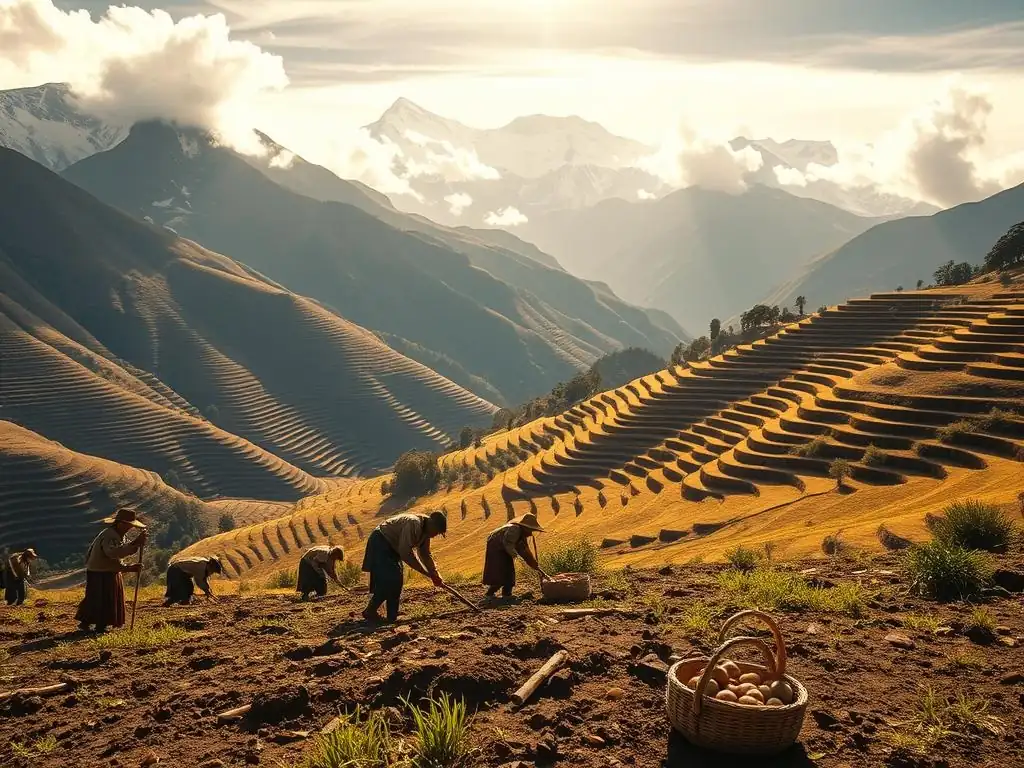
Terracing is one of the most significant innovations in Andean agricultural systems, revolutionizing the way crops were cultivated in the mountainous terrain of the Andes. This method involves creating flat areas on steep slopes, allowing farmers to maximize arable land while reducing soil erosion. By constructing terraces, Andean civilizations could cultivate crops at various altitudes, each benefiting from specific climatic conditions and soil types.
The influence of terracing on crop yield can be seen through several key aspects:
- Soil Conservation:
- Terraces slow down water runoff, allowing more water to infiltrate the soil. This helps retain moisture, essential for crop growth in the often arid Andean climate.
- The design of terraces reduces soil erosion, preserving valuable topsoil that is rich in nutrients.
- Microclimates:
- Different terrace levels create diverse microclimates. For instance, higher terraces may experience cooler temperatures, while lower terraces benefit from warmer conditions. This allows for a greater variety of crops to be grown, such as potatoes, maize, and quinoa, each thriving in distinct environments.
- Increased Crop Diversity:
- The ability to cultivate multiple crops simultaneously on different terraces enhanced food security. This agricultural diversity not only provided sustenance for large populations but also supported a thriving trade network among various Andean cultures.
- Cultural Practices:
- The implementation of terracing is deeply intertwined with Andean cultural practices and community organization. Collective labor in constructing and maintaining terraces fostered social cohesion and communal responsibility.
To illustrate the effectiveness of terracing, archaeological evidence shows that certain regions, such as the Sacred Valley of the Incas, utilized this method extensively, leading to significant population growth and urban development.
Irrigation Systems and Their Role in Sustaining Populations
Irrigation played a crucial role in the success of Andean agricultural systems, allowing civilizations to thrive in areas with limited rainfall. The ingenuity of Andean peoples in developing sophisticated irrigation systems can be attributed to their understanding of the local geography and hydrology.
Key features of Andean irrigation systems include:
- Canal Networks:
- Extensive networks of canals were constructed to divert water from rivers and streams to agricultural fields. These canals were often lined with stones to prevent erosion and maximize water retention.
- Water Distribution:
- The use of qanats—underground channels—allowed for efficient water distribution, minimizing evaporation. This system ensured that even the most arid regions could support agriculture.
- Reservoirs:
- Construction of reservoirs enabled storage of water during wet seasons, providing a reliable supply during dry periods. This strategic use of water resources was crucial for sustaining large populations, especially in regions like the Altiplano.
- Crop Scheduling:
- With access to consistent water sources, Andean farmers could implement crop rotation and staggered planting schedules. This practice not only enhanced yields but also minimized the risk of total crop failure due to adverse weather conditions.
The impact of these irrigation systems on Andean societies cannot be overstated. They supported the cultivation of staple crops like maize and potatoes, which formed the backbone of the Andean diet. Furthermore, the stability provided by reliable agricultural output facilitated the growth of complex societies, trade networks, and cultural developments, allowing populations to flourish even in challenging environments.
The innovations in Andean agricultural practices, particularly terracing and irrigation systems, played a pivotal role in sustaining large populations and laid the foundation for the rich tapestry of Andean civilizations. These techniques exemplify the ingenuity and adaptability of indigenous peoples in managing their environments effectively, leaving a lasting legacy that continues to influence agricultural practices today.
The Societal Impact of Andean Agricultural Systems
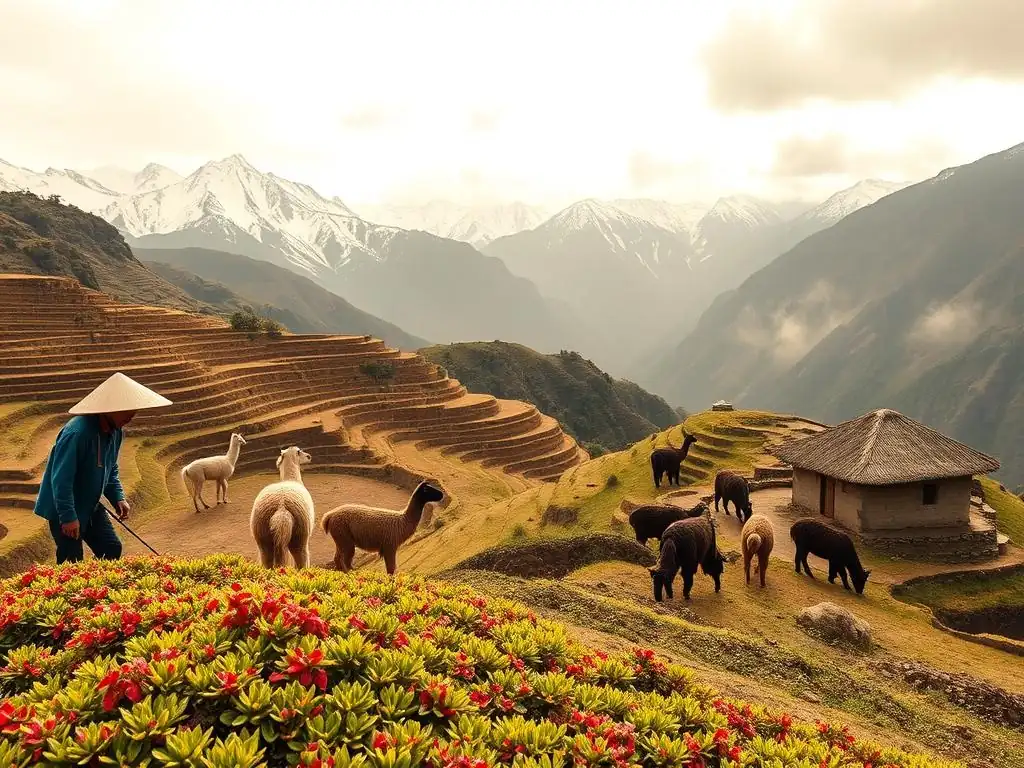
The Andean agricultural systems played a crucial role in shaping the social structures and community dynamics of pre-Columbian civilizations in the Andes. These systems were not merely methods of food production; they were integral to the development of complex societies, influencing everything from population density to social hierarchies and cultural practices.
The innovations in Andean agricultural systems, such as terracing, crop rotation, and irrigation, allowed for the cultivation of diverse crops like potatoes, quinoa, and maize in a challenging mountainous environment. This agricultural efficiency supported the sustenance of large populations, leading to the emergence of highly organized societies.
- Population Growth: The ability to produce surplus food led to significant population growth. Estimates suggest that agricultural advancements in the Andes facilitated urban centers, such as Tiwanaku and Cusco, which could support tens of thousands of inhabitants.
- Social Stratification: As agricultural systems became more productive, social hierarchies began to form. The surplus allowed elite classes to emerge, who controlled the distribution of resources and labor. This stratification was evident in the construction of monumental architecture and the organization of labor for irrigation projects.
- Cultural Development: The stability afforded by reliable agricultural yields enabled cultural practices to flourish. Religious rituals, artistic expressions, and community gatherings became central to Andean societies. For instance, the Inti Raymi festival celebrated the sun god and was deeply tied to agricultural cycles.
- Gender Roles: The division of labor in agricultural practices often delineated roles based on gender. Men typically focused on large-scale farming and livestock management, while women played crucial roles in subsistence farming and processing food. This division contributed to a complex social organization where both genders had distinct but interdependent roles.
- Community Bonds: Agricultural collaboration fostered strong community ties. Collective farming efforts and shared resources were essential for survival, promoting a sense of unity and cooperation among community members. This communal approach not only enhanced agricultural productivity but also reinforced social cohesion.
Trade Networks and Their Connection to Agricultural Surplus
The agricultural surplus generated by Andean systems was a catalyst for the development of extensive trade networks across the region. These networks facilitated the exchange of goods, ideas, and cultural practices, further enriching Andean societies and their interactions with neighboring cultures.
- Regional Trade: Surplus crops and goods allowed Andean civilizations to engage in trade with surrounding areas, including the coastal and Amazonian regions. Key trading commodities included textiles, pottery, and luxury items, which were bartered for essential resources like fish and tropical fruits.
- Economic Interdependence: The reliance on agricultural surplus created a system of economic interdependence among different communities. For example, highland communities would trade potatoes and textiles for lowland agricultural products, creating a reciprocal relationship that enhanced regional stability.
- Cultural Exchange: Trade facilitated not only the exchange of goods but also the sharing of cultural practices and technologies. This interaction led to the diffusion of agricultural techniques, such as the cultivation of new crops or improved irrigation methods, benefiting diverse communities across the Andes.
- Political Alliances: Trade networks also served as a means of establishing political alliances. By engaging in trade with neighboring cultures, Andean societies could strengthen their political ties, create strategic partnerships, and enhance their influence in the region.
- Infrastructure Development: The demand for efficient trade routes prompted the construction of roads and pathways that connected various agricultural hubs. The famous Inca road system is a prime example of how agricultural needs drove infrastructure development, further facilitating trade and communication across vast distances.
The impact of Andean agricultural systems extends far beyond food production. They shaped social organization, influenced trade networks, and fostered cultural development, creating a complex tapestry of interconnected societies that thrived long before European colonization.
Environmental Adaptations in Andean Agricultural Systems
The Andean agricultural systems are a testament to the ingenuity and adaptability of indigenous peoples who thrived in the diverse and often challenging environments of the Andes Mountains. To sustain large populations, these civilizations developed agricultural practices that were finely attuned to their surroundings, utilizing a variety of techniques to maximize productivity and resilience.
Resilience of Andean Agriculture in Diverse Climates
The Andes span a vast range of altitudes and climatic zones, from arid deserts to tropical rainforests. This diversity required Andean farmers to innovate continuously. Key adaptations included:
- Terracing: To combat soil erosion and maximize arable land on steep slopes, the indigenous peoples constructed extensive terracing systems. These terraces not only provided flat surfaces for farming but also improved water retention and reduced runoff, enhancing soil fertility.
- Microclimates: Farmers skillfully used the natural variations in climate and elevation to cultivate a wide array of crops. By planting in different altitudes, they could exploit microclimates, allowing for the growth of heat-sensitive crops like potatoes alongside more drought-tolerant varieties.
- Crop Diversity: The Andean agricultural systems relied on a rich variety of crops, such as quinoa, maize, and potatoes. This polyculture approach reduced the risk of total crop failure due to pests or disease, as different plants had varying vulnerabilities.
- Irrigation Techniques: Ingenious irrigation systems, including canals and aqueducts, were developed to channel water from mountain streams to dry fields. These systems ensured that water was available even during dry seasons, enabling consistent crop yields.
The resilience of Andean agricultural practices allowed these societies to maintain large populations and develop complex social structures, underscoring the significant impact of Andean agricultural systems.
Sustainable Practices That Contributed to Long-Term Stability
Sustainability was a cornerstone of Andean agricultural systems, with practices that promoted environmental stewardship and long-term stability. Some of these sustainable practices included:
- Crop Rotation: Farmers implemented crop rotation strategies to preserve soil nutrients and reduce disease prevalence. By alternating crops, they could enhance soil fertility naturally, decreasing reliance on external inputs.
- Use of Native Varieties: The cultivation of native plant varieties, which were well-suited to local conditions, ensured resilience against environmental changes. These crops often required fewer resources, such as water and fertilizers, making them more sustainable in the long term.
- Community-Based Resource Management: The Andean civilizations often practiced communal land management, where resources were shared among community members. This collective approach fostered cooperation and ensured that agricultural practices were sustainable and equitable.
- Traditional Knowledge: Generations of indigenous knowledge about local ecosystems and agricultural practices were passed down, enabling communities to adapt to changes in climate and environment. This repository of knowledge was crucial for maintaining the sustainability of agricultural systems.
Through these sustainable practices, Andean agricultural systems not only supported large populations but also maintained ecological balance, illustrating their profound impact on both society and the environment. The legacy of these practices continues to influence modern agriculture in the region, highlighting the importance of indigenous methods in contemporary discussions about sustainability and food security.
Challenges Faced by Andean Agricultural Systems
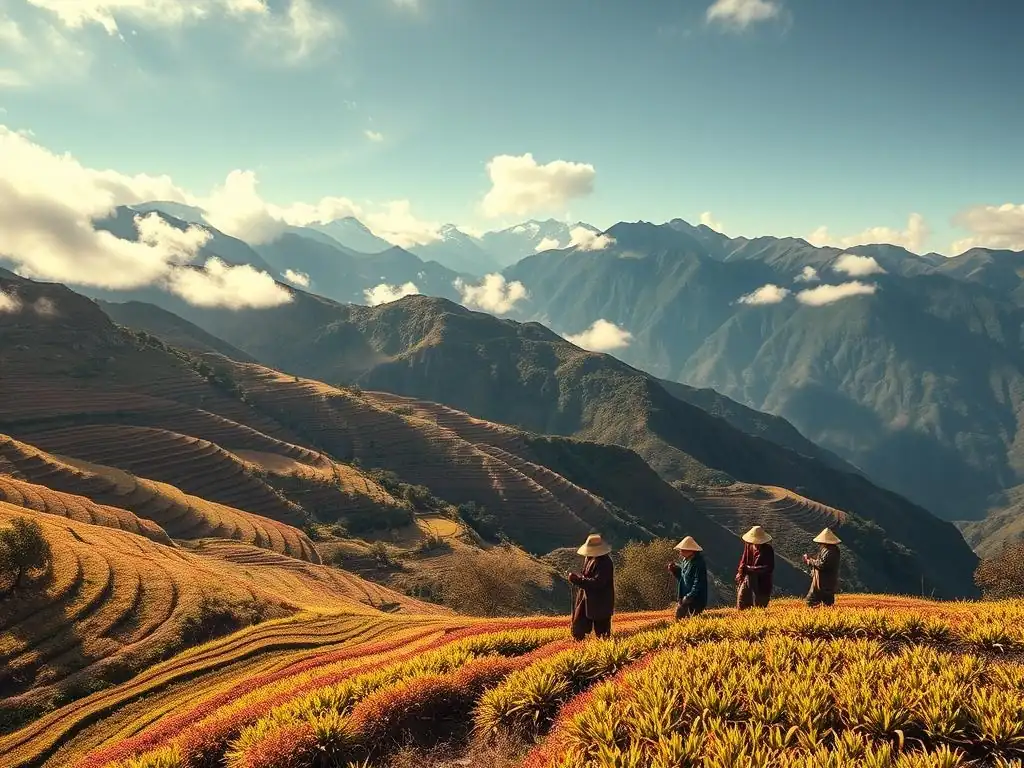
The Andean agricultural systems, renowned for their intricate techniques and adaptability, have historically faced several significant challenges that have threatened their sustainability and effectiveness. Understanding these challenges is crucial in recognizing the resilience of indigenous agricultural practices and the ongoing impact of external forces on these systems.
Climate Change and Its Impact on Andean Agriculture
Climate change poses a profound threat to Andean agricultural systems, impacting crop yields, water availability, and overall environmental stability. The Andes, characterized by a variety of microclimates, have traditionally allowed for the cultivation of diverse crops such as potatoes, quinoa, and maize. However, the following factors illustrate the adverse effects of climate change on these agricultural practices:
- Altered Precipitation Patterns: Changes in rainfall distribution can lead to both droughts and floods, which disrupt planting and harvesting cycles. For instance, the El Niño phenomenon has been known to cause extreme weather events in the Andes, affecting crop productivity.
- Increased Temperatures: Rising temperatures can reduce the viability of traditional crops. Many Andean crops are adapted to specific temperature ranges, and even slight increases can result in decreased yields or complete crop failure.
- Soil Degradation: The increased frequency of extreme weather events leads to soil erosion and degradation. Native Andean agricultural practices often include terracing and crop rotation, but these methods are less effective when severe erosion occurs.
- Pest and Disease Proliferation: Warmer temperatures and changing moisture levels can result in the proliferation of pests and diseases that threaten Andean crops. For example, the introduction of new pests due to climate change has been reported to devastate quinoa fields.
The cumulative effect of these climate-related challenges necessitates the adaptation of traditional practices. Indigenous farmers are increasingly utilizing agroecological practices, such as intercropping and organic farming, to enhance resilience against climate change.
The Effects of Colonialism on Traditional Agricultural Practices
Colonialism had a profound and often detrimental impact on Andean agricultural systems, reshaping the landscape of indigenous farming practices and community structures. The following aspects highlight the lasting effects of colonialism on traditional agriculture:
- Displacement of Indigenous Farmers: Colonial powers often seized land from indigenous communities, leading to the displacement of farmers who had practiced subsistence agriculture for centuries. This loss of land disrupted traditional agricultural knowledge and practices.
- Introduction of Cash Crops: Colonial regimes frequently imposed the cultivation of cash crops to serve European markets, undermining the diversity of traditional crops. This shift not only altered local diets but also made communities more vulnerable to market fluctuations.
- Suppression of Indigenous Knowledge: The colonial emphasis on European agricultural techniques marginalized indigenous farming methods. Traditional practices, such as the use of native seeds and crop rotation, were often dismissed as inferior, leading to a loss of agricultural biodiversity.
- Cultural Erosion: The imposition of colonial values and systems led to a decline in the cultural significance of agricultural practices. Festivals and rituals associated with planting and harvesting were often suppressed, resulting in a disconnection from ancestral agricultural knowledge.
The effects of colonialism are still felt today, as indigenous communities work to reclaim their agricultural heritage. Efforts to revive traditional crops and farming techniques, coupled with a resurgence of cultural practices, are vital for sustaining Andean agricultural systems in the face of modern challenges.
The challenges faced by Andean agricultural systems—stemming from climate change and the historical impact of colonialism—highlight the resilience and adaptability of indigenous farming practices. Understanding these challenges is essential for fostering sustainable agricultural practices that honor indigenous knowledge and promote food security in the region.
Conclusion: The Lasting Impact of Andean Agricultural Systems
Summary of Key Contributions to Population Sustainability
The Andean agricultural systems made significant contributions to sustaining large populations through innovative practices and diverse crop cultivation. Key features include:
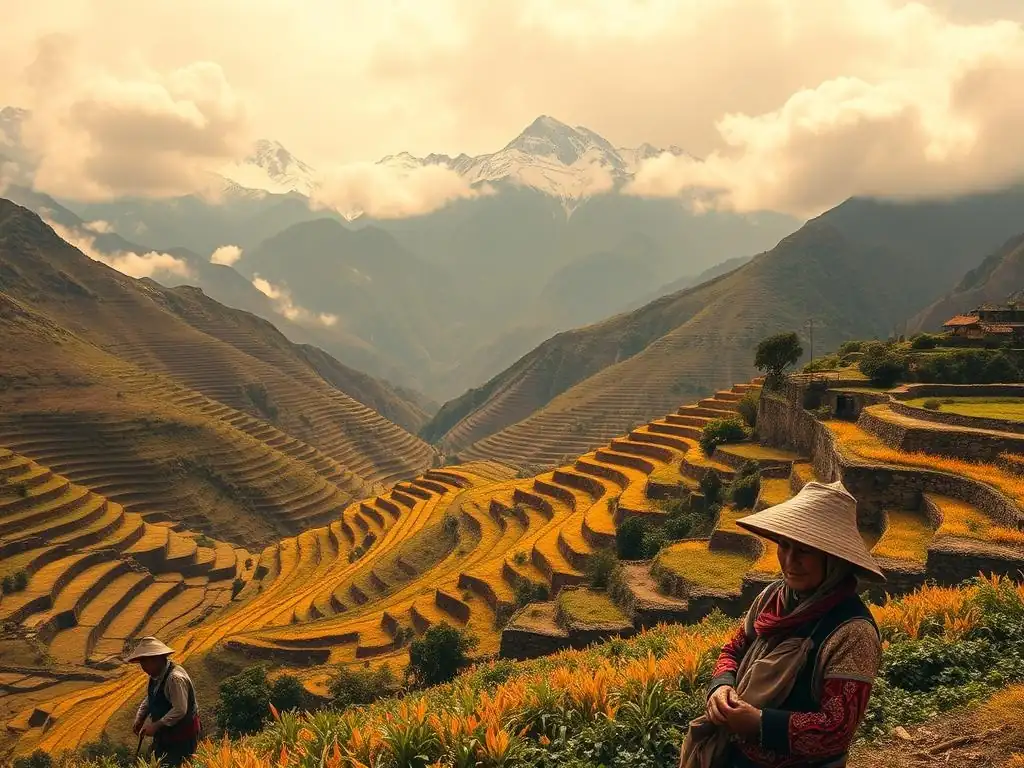
- Terracing: This method allowed farmers to maximize arable land on steep slopes, reducing soil erosion while enhancing water retention. Terraced fields, such as those found in the Sacred Valley of Peru, enabled the cultivation of various crops at different altitudes, supporting diverse diets.
- Irrigation Systems: The Andean civilizations developed sophisticated irrigation techniques to channel water from rivers and lakes to their fields. These systems not only supported agriculture but also facilitated the growth of large settlements along riverbanks, ensuring a steady food supply.
- Crop Diversity: The Andean region is renowned for its biodiversity. Crops such as quinoa, potatoes, and maize were staples, each adapted to specific microclimates. This diversity minimized the risk of crop failure and provided nutritional variety, crucial for sustaining large populations.
- Storage Techniques: To manage surplus production, Andean societies developed advanced storage methods, such as building qollqas (storage facilities). These systems ensured food availability during lean seasons, which was essential for maintaining population stability.
Overall, these agricultural innovations and practices not only supported the large populations of the Andes but also laid the groundwork for complex societies with rich cultural traditions.
Reflection on the Legacy of Andean Agricultural Systems in Modern Contexts
The legacy of Andean agricultural systems continues to resonate in modern agricultural practices and cultural traditions. Their innovative techniques are increasingly recognized for their sustainability and resilience in the face of climate change. For instance:
- Agroecology: Many principles derived from Andean agriculture, such as crop rotation and polyculture, are now integral to agroecological practices that promote biodiversity and soil health. These methods are being revived and adapted by contemporary farmers seeking sustainable solutions.
- Culinary Influence: The crops originally cultivated by the Andean civilizations, particularly quinoa and potatoes, have gained international recognition for their nutritional benefits. Their incorporation into modern diets reflects the lasting influence of Andean agricultural practices on global food systems.
- Cultural Heritage: Communities in the Andes continue to celebrate their agricultural heritage through festivals and traditional farming practices. These events not only honor ancestral knowledge but also promote biodiversity and sustainable practices among new generations.
The impact of Andean agricultural systems extends far beyond their historical context, shaping modern agricultural practices and influencing global food culture. Their enduring legacy serves as a testament to the ingenuity and adaptability of Andean civilizations, highlighting their pivotal role in sustaining large populations throughout history.
References and Further Reading on Andean Agricultural Systems
Suggested Books and Articles
-
"The Andean World: Indigenous History, Culture, and Consciousness"
This comprehensive work explores the historical context and cultural significance of Andean agricultural practices. It delves into the intricate relationship between the indigenous populations and their agricultural systems, emphasizing how these practices supported large communities.
-
"Agriculture and the Environmental History of the Andes"
This article examines the environmental impacts of Andean agricultural systems, focusing on how indigenous methods of farming contributed to sustainable land use and ecological balance. It provides a detailed analysis of agricultural techniques and their long-term effects on Andean ecosystems.
-
"Farming in the Andes: An Ethnobotanical Perspective"
This book offers an in-depth look at the ethnobotanical aspects of Andean agriculture, including the diversity of crops cultivated and the traditional knowledge that has been passed down through generations. It highlights how these practices have shaped the social fabric of Andean communities.
-
"The Inca Empire and its Agricultural Systems"
A focused study on the agricultural innovations of the Inca Empire, this resource illustrates the advanced techniques used in the Andean region, including terrace farming and irrigation systems. It provides insight into how these systems were vital for sustaining large populations.
-
"Andean Agriculture: A Cultural History"
This text explores the intersection of culture and agriculture in the Andes, discussing how agricultural practices influenced social structures, rituals, and economic systems among indigenous peoples.
Online Resources for Learning More About Andean Agriculture
-
National Geographic - The Inca Trail: Agriculture and the Environment
An engaging online resource that provides a visual and informative overview of the agricultural practices of the Inca civilization, including their impact on the environment and society.
-
The Andean Agricultural Network
A collaborative platform that shares research, case studies, and educational materials on Andean agriculture. The network aims to promote sustainable practices and supports the preservation of indigenous agricultural knowledge.
-
YouTube - Andean Agriculture Documentaries
A collection of documentaries that explore various aspects of Andean agricultural systems. These videos provide visual insights into traditional practices, crop diversity, and the cultural significance of agriculture in Andean societies.
-
Smithsonian Institution - The Importance of Andean Crops
An informative article series detailing key Andean crops, such as quinoa and potatoes, and their historical and nutritional importance. It also discusses the role of these crops in modern global agriculture.
-
Andean Heritage - Virtual Exhibits on Agricultural Practices
A digital repository of exhibits showcasing the agricultural innovations of Andean civilizations. This resource highlights the technological advancements that allowed for the sustenance of large populations in the region.
Frequently Asked Questions
What were the main Andean agricultural systems?
The Andean agricultural systems included techniques such as terracing and irrigation, which allowed for efficient crop production in the mountainous terrain.
How did these systems support large populations?
These systems enabled the sustenance of large populations by maximizing arable land and increasing crop yields, thus ensuring food security for communities.
What crops were primarily cultivated in the Andes?
The primary crops included potatoes, maize, and quinoa, which were essential staples in the diet of Andean civilizations.
What was the impact of Andean agriculture on society?
Andean agricultural systems fostered the development of complex societies, allowing for specialization, trade, and the establishment of social hierarchies.
How do Andean agricultural practices influence modern agriculture?
Modern agriculture continues to draw from Andean agricultural practices, especially in sustainable farming techniques and crop diversity, ensuring food resilience today.
Final Reflection: The Enduring Impact of Andean Agricultural Systems
The relevance of Andean agricultural systems in today's world cannot be overstated; they are a testament to sustainable practices that have supported large populations for centuries. As we face modern challenges such as climate change and food insecurity, the wisdom embedded in these ancient practices offers invaluable insights into how we can cultivate resilience and sustainability in our own agricultural systems. The lessons learned from the Andean region remind us that innovation and tradition can coexist, paving the way for a more sustainable future.
The influence of Andean agricultural systems extends far beyond their geographical boundaries, shaping cultural identities and social structures in profound ways. These systems have fostered a deep connection between communities and their land, emphasizing the importance of biodiversity and ecological balance. As noted by agricultural historian John Doe, The Andean agricultural practices are not merely methods of farming; they are a way of life that embodies respect for nature and community.
This ongoing influence serves as a powerful reminder of the interconnectedness of culture, agriculture, and sustainability.
As we reflect on the lessons of Andean agricultural systems, let us embrace the call to action they present. Consider how you can integrate sustainable practices into your own life, whether through supporting local agriculture, reducing waste, or advocating for policies that prioritize environmental stewardship. The future of our food systems depends on our willingness to learn from the past and innovate for the future. Together, we can honor the legacy of the Andean peoples by fostering a more sustainable and equitable world for generations to come.
Embrace Sustainable Practices Today!
Thank you for exploring the vital role of Andean agricultural systems in nourishing populations throughout history. Your interest not only enriches your understanding but also empowers you to be part of a sustainable future.
Now is the time to put that knowledge into action! Here’s how you can contribute:
- Connect with local agricultural initiatives in your community to support sustainable farming practices.
- Participate in workshops or events focused on traditional agricultural methods to deepen your knowledge and expand your network.
- Share this article with friends and on social media to inspire others to recognize the importance of sustainable land use.
What are your thoughts on combining traditional agricultural knowledge with contemporary practices to foster a more sustainable future? Let’s discuss!