
The Legacy of Mesoamerican Agriculture: Innovations that Shaped Modern Farming

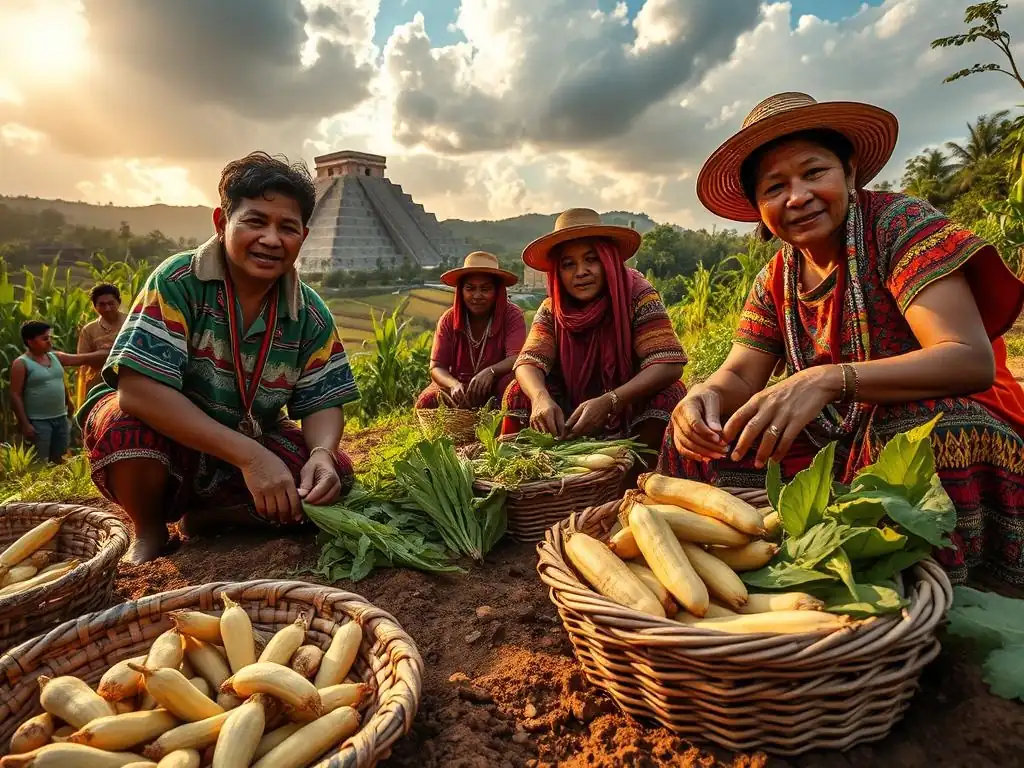
Welcome to Indigenous Civilizations of the Americas, where we invite you to journey through the rich tapestry of diverse indigenous cultures that flourished long before European contact. Here, you will uncover the remarkable achievements and societies of these vibrant communities, each leaving a lasting legacy.
In our featured article, " The Legacy of Mesoamerican Agriculture: Innovations that Shaped Modern Farming," we delve into the Mesoamerican agricultural innovations that not only transformed local ecosystems but also laid the groundwork for contemporary farming practices. Prepare to be inspired as you explore how these ancient techniques continue to influence our world today, igniting your curiosity to learn more about the profound impact of indigenous civilizations.
Mesoamerican agriculture represents a cornerstone of human innovation, marking a pivotal chapter in the history of farming practices. Long before the arrival of Europeans, the indigenous peoples of Mesoamerica developed sophisticated agricultural techniques that not only sustained their societies but also laid the groundwork for modern agricultural practices.
This article delves into the rich legacy of Mesoamerican agricultural innovations, exploring their profound impact on contemporary farming and how these ancient methods continue to resonate within our current agricultural systems. By examining the achievements of civilizations such as the Maya, Aztec, and Olmec, we aim to highlight the ingenuity and resilience of these cultures while emphasizing the importance of preserving their agricultural wisdom.
Introduction to Mesoamerican Agricultural Innovations
The agricultural innovations of Mesoamerica were not merely adaptations to the environment; they were transformative advancements that revolutionized the way societies interacted with their land. Central to these innovations were techniques like slash-and-burn agriculture, terracing, and the development of complex irrigation systems. These methods enabled indigenous populations to cultivate a variety of crops, including maize, beans, and squash—often referred to as the "Three Sisters"—which formed the backbone of their diets and economies.
Furthermore, the cultivation of cacao, chilies, and tomatoes can be traced back to Mesoamerican societies, showcasing their role in food diversity and trade. These crops have transcended their origins, becoming staples in cuisines around the world. The ingenuity of Mesoamerican agricultural practices reflects a deep understanding of ecological balance and resource management that modern agriculture is beginning to revisit in the face of climate change and sustainability challenges.
Overview of Mesoamerican Agriculture's Historical Context
To fully appreciate the significance of Mesoamerican agricultural innovations, it is essential to understand the historical context in which they developed. Mesoamerica, a region that includes present-day Mexico, Guatemala, Belize, and parts of Honduras and El Salvador, was home to several advanced civilizations long before European contact. These societies thrived in diverse environments, from arid highlands to lush lowland jungles, each presenting unique agricultural challenges and opportunities.
The formation of cities and complex societies necessitated a reliable food supply, leading to innovations in farming techniques. For instance, the Maya engineered sophisticated raised-field systems and water management techniques to optimize crop yields in the challenging tropical climate. Similarly, the Aztecs created chinampas, or floating gardens, which allowed them to cultivate crops on lake surfaces, significantly increasing agricultural output.
These innovations not only supported large populations but also influenced trade networks and social structures, making agriculture a fundamental component of Mesoamerican civilization. Understanding this historical backdrop is crucial for appreciating how these agricultural practices have shaped not just the past, but also the future of farming practices globally.
- Introduction to Mesoamerican Agricultural Innovations
- Overview of Mesoamerican Agriculture's Historical Context
- What were some key Mesoamerican agricultural innovations?
- How did Mesoamerican agriculture influence modern farming practices?
- What crops originated from Mesoamerican agriculture?
- How did the environment influence Mesoamerican agricultural practices?
- What is the significance of understanding Mesoamerican agricultural innovations today?
Key Mesoamerican Agricultural Innovations
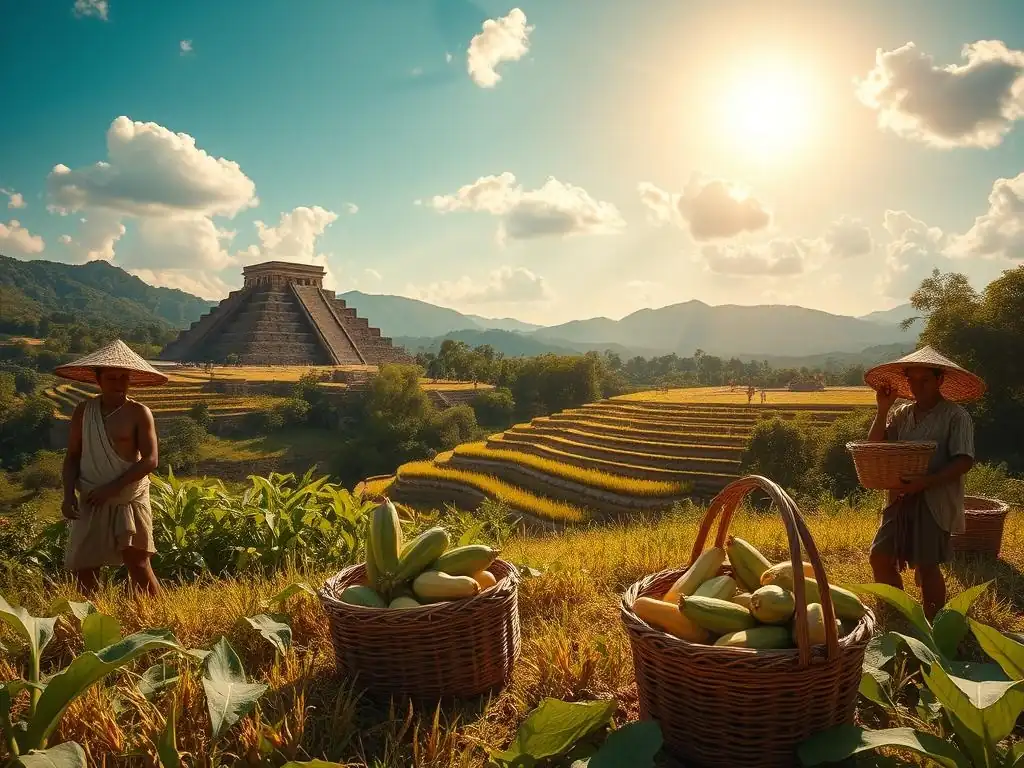
Mesoamerican agricultural innovations have played a pivotal role in shaping the farming practices we see today. The ingenuity of ancient civilizations such as the Maya and the Aztecs led to the development of techniques and crops that not only sustained their societies but also laid the groundwork for modern agricultural methods. Below, we explore some of the most significant innovations that emerged from this region.
The Three Sisters: Corn, Beans, and Squash
One of the hallmark agricultural innovations of Mesoamerican societies is the cultivation of the "Three Sisters" — corn, beans, and squash. This trio of crops is renowned for its complementary growth patterns and nutritional benefits.
- Corn (Zea mays): As a staple food, corn provided essential carbohydrates and was deeply integrated into Mesoamerican culture. Varieties such as flint, dent, and sweet corn were cultivated.
- Beans (Phaseolus spp.): Beans are a vital source of protein and, when grown alongside corn, they utilize the corn stalks for support while fixing nitrogen in the soil, enhancing fertility.
- Squash (Cucurbita spp.): Squash leaves provide shade, which helps retain moisture and suppress weeds. The fruits of squash also contribute vitamins and minerals to the diet.
This intercropping technique not only maximized land use but also improved soil health and crop yields. The Three Sisters method exemplifies sustainable agriculture, demonstrating how ancient farmers optimized their resources for better productivity.
Terracing Techniques in Mesoamerican Farming
Terracing is another significant Mesoamerican agricultural innovation that allowed farmers to cultivate crops on steep slopes and mountainous regions. This technique involves creating stepped levels on hillsides, which helps:
- Reduce Soil Erosion: By slowing down water runoff, terracing minimizes soil loss, preserving the nutrient-rich topsoil essential for growing crops.
- Maximize Arable Land: Terraces increase the amount of land available for farming in regions where flat land is scarce.
- Improve Water Management: Terraced fields can capture and retain rainwater, providing a reliable water source for crops during dry periods.
The ancient Maya extensively employed terracing in their agricultural practices, particularly in areas like the highlands of Guatemala. The success of terracing in Mesoamerica has influenced modern sustainable farming techniques, emphasizing the importance of soil conservation and efficient land use.
The Development of Chinampas: Floating Gardens
Chinampas, often referred to as "floating gardens," represent one of the most innovative agricultural practices developed by the Aztecs, particularly in the shallow lakes of central Mexico. This method involves creating small, rectangular plots of arable land on the water, supported by a framework of reeds and soil. Key features of chinampas include:
- High Productivity: Chinampas allowed for year-round farming, producing multiple harvests each year. Crops like maize, tomatoes, and chilies thrived in this nutrient-rich environment.
- Biodiversity: The floating gardens fostered a diverse ecosystem, supporting a variety of crops and native plant species, which enhanced resilience against pests and diseases.
- Waste Recycling: Chinampas utilized organic waste from nearby settlements, enriching the soil and promoting sustainable farming practices.
The chinampa system not only reflects the advanced agricultural knowledge of the Aztecs but also serves as a model for modern ecological farming practices, highlighting the importance of innovation in addressing food security and environmental sustainability.
Mesoamerican agricultural innovations such as the Three Sisters, terracing, and chinampas have significantly influenced contemporary farming. These practices showcase the resourcefulness and adaptability of indigenous cultures, emphasizing their lasting impact on agriculture today.
Advanced Irrigation Systems
Mesoamerican civilizations, particularly the Maya and the Aztec, developed sophisticated irrigation systems that enabled them to thrive in diverse environments. These systems were crucial in transforming arid landscapes into fertile agricultural land, significantly boosting crop yields and supporting large populations.
One of the most notable innovations was the use of canal systems. These canals were designed to divert water from rivers and streams to agricultural fields, ensuring a reliable water supply even during dry seasons. The Maya, for example, constructed extensive networks of canals that not only irrigated their crops but also facilitated water transport for trade and communication. The strategic placement of these canals allowed them to maximize the efficiency of water use, which was essential for sustaining their agricultural practices.
In addition to canals, Mesoamerican farmers employed techniques such as terracing and raised field agriculture. Terracing involved creating flat platforms on hilly terrain, reducing soil erosion and allowing for more effective water retention. This method was particularly important in the mountainous regions of the Andes, where the Incas perfected the art of terrace farming. Raised fields, on the other hand, were constructed above the natural landscape, providing better drainage and preventing flooding during heavy rains. These fields also aided in the cultivation of crops like maize, beans, and squash, which formed the backbone of Mesoamerican diets.
The integration of these advanced irrigation techniques not only improved agricultural productivity but also fostered the development of complex societies. With a stable food supply, Mesoamerican civilizations could support larger populations, leading to the growth of cities and the establishment of trade networks. This intricate relationship between irrigation and societal advancement showcases the importance of Mesoamerican agricultural innovations in shaping the cultural and social landscape of the region.
Overall, the advanced irrigation systems developed by Mesoamerican civilizations laid the groundwork for modern agricultural practices. Many contemporary farming techniques, such as contour farming and the use of drip irrigation, echo the principles established by these ancient cultures. The legacy of their innovations remains evident today, highlighting the enduring impact of Mesoamerican agricultural practices on global farming systems.
The Impact of Mesoamerican Agricultural Practices
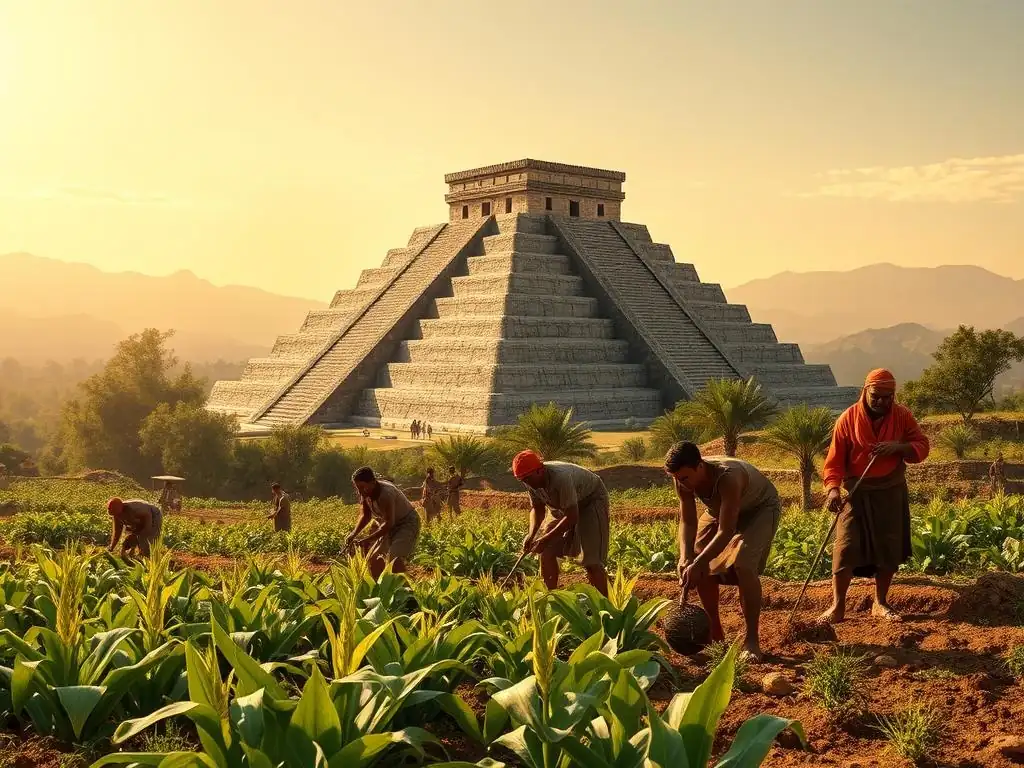
Mesoamerican agricultural practices have left an indelible mark on modern farming techniques, global food security, and biodiversity. These ancient methods were not merely survival tactics; they were complex systems that integrated environmental awareness, social organization, and innovative techniques. Understanding the impact of these practices allows us to appreciate their lasting legacy and relevance in today's agricultural landscape.
Influence on Modern Farming Techniques
Mesoamerican civilizations, such as the Maya and Aztec, developed sophisticated farming techniques that continue to influence modern agricultural practices. Among the most notable innovations are:
- Terracing: To combat the challenges of hilly terrain, Mesoamerican farmers created terraced fields. This method not only prevented soil erosion but also maximized arable land. Modern farmers are increasingly adopting terracing, especially in regions prone to erosion.
- Milpa System: The traditional milpa system involves rotating crops, primarily maize, beans, and squash, to maintain soil fertility and reduce pests. This practice of companion planting is echoed in contemporary organic farming, emphasizing crop diversity and sustainability.
- Chinampas: Known as "floating gardens," chinampas were used by the Aztecs in swampy areas. These highly productive systems allowed for year-round agriculture. Today, similar principles are applied in permaculture and aquaponics, demonstrating the versatility of Mesoamerican designs.
The integration of these practices into contemporary farming illustrates how ancient wisdom can inform modern methods, promoting sustainability and efficiency in food production.
Contributions to Global Food Security
Mesoamerican agricultural innovations have significantly contributed to global food security, particularly through the domestication of key crops. Essential staples that originated in this region include:
- Maize (Corn): As a foundational crop in Mesoamerican diets, maize is now one of the most widely cultivated grains worldwide. Its adaptability to various climates and uses in food products make it crucial to global food systems.
- Beans: Known for their high protein content, beans complement maize, forming a staple protein source in many diets. The nutritional synergy of these two crops has been vital in addressing protein deficiencies in various populations.
- Squash: Another vital crop, squash provides essential vitamins and minerals. Its cultivation techniques and storage methods have influenced agricultural practices across the globe.
The spread of these crops has not only enhanced diets but also provided economic opportunities for farmers worldwide, reinforcing the importance of Mesoamerican agricultural innovations in combating hunger and malnutrition.
Preservation of Biodiversity through Indigenous Practices
Mesoamerican agricultural practices have been pivotal in preserving biodiversity, which is increasingly recognized as essential for sustainable agriculture. Key aspects include:
- Crop Diversity: Mesoamerican farmers historically cultivated a wide variety of crops, enhancing resilience against pests and diseases. This practice is echoed in modern agroecology, which promotes diverse cropping systems to maintain ecosystem health.
- Traditional Knowledge: Indigenous agricultural knowledge encompasses understanding local ecosystems, including soil health and water management. This holistic approach encourages practices that support biodiversity, such as agroforestry and polyculture.
- Seed Saving: The practice of saving and exchanging seeds among communities has ensured the preservation of heirloom varieties. This biodiversity is critical for breeding programs aimed at developing crops that can withstand climate change and pests.
The integration of these traditional practices into contemporary agriculture highlights the importance of respecting and utilizing indigenous knowledge for the preservation of biodiversity and sustainable farming practices. By recognizing and adopting these principles, modern agriculture can work towards a more resilient and food-secure future.
Mesoamerican agricultural innovations not only shaped the civilizations of their time but continue to resonate in the modern world, offering lessons in sustainability, diversity, and food security. By understanding and incorporating these practices, we can create a more equitable and resilient agricultural system that honors its rich heritage.
Comparison of Mesoamerican and Modern Agricultural Innovations
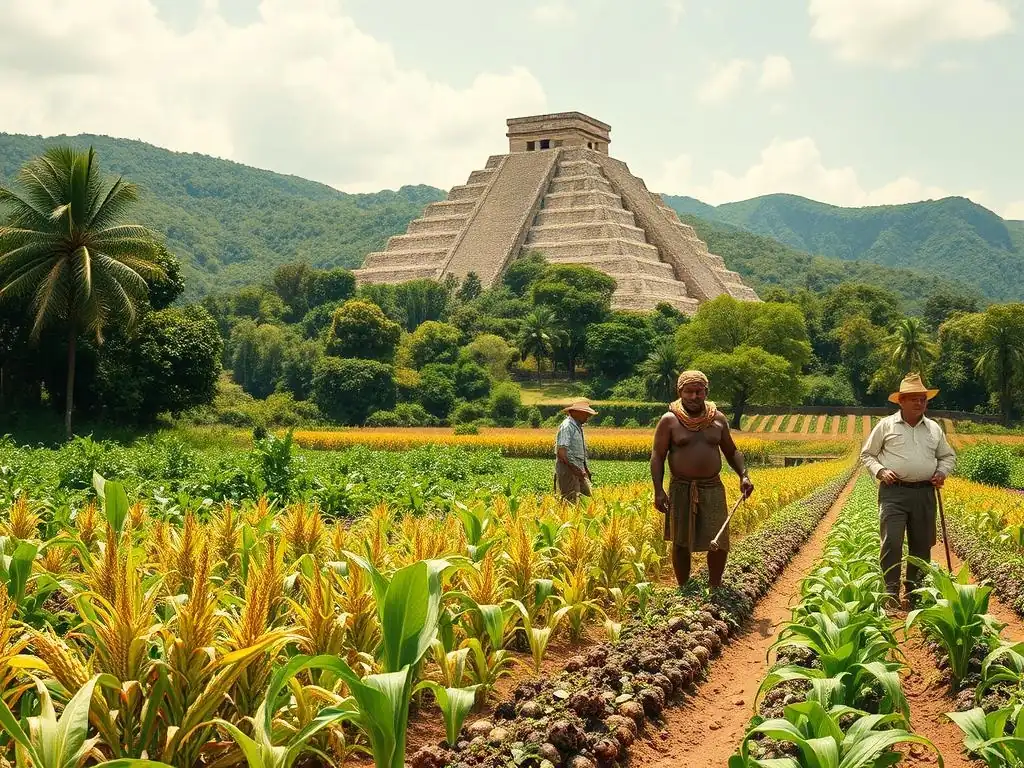
Understanding the innovations in agriculture that emerged from Mesoamerican civilizations not only highlights their ingenuity but also provides insights into how these practices resonate with modern agricultural techniques. By examining both similarities and differences, we can appreciate the foundational role that Mesoamerican agricultural innovations have played in shaping contemporary farming.
Similarities in Sustainable Practices
Mesoamerican agricultural practices were characterized by a strong emphasis on sustainability, much like many modern methods. Here are some key similarities:
- Crop Rotation: Mesoamerican farmers employed crop rotation to maintain soil fertility. This practice is mirrored in modern sustainable agriculture, where rotating crops reduces pest populations and enhances soil health.
- Intercropping: The indigenous peoples of Mesoamerica often planted multiple crops together, such as the "Three Sisters" — corn, beans, and squash. This not only maximized space but also contributed to biodiversity. Today, intercropping is recognized for its ability to improve nutrient uptake and reduce the need for chemical fertilizers.
- Terracing: To combat soil erosion in mountainous regions, Mesoamerican civilizations developed terraces. This technique has seen a resurgence in modern sustainable farming as it helps to conserve water and prevent soil loss, particularly in hilly areas.
- Use of Organic Fertilizers: Mesoamerican farmers utilized natural fertilizers, such as compost and manure, to enhance soil productivity. This organic approach aligns with the modern movement towards organic agriculture, which seeks to minimize synthetic inputs.
Differences in Crop Management Techniques
While there are notable similarities, there are also distinct differences in how Mesoamerican and modern agricultural practices manage crops:
- Scale of Production: Mesoamerican agriculture was largely subsistence-oriented, focused on local needs with small-scale farms. In contrast, modern agriculture often operates on a much larger scale, with industrial farming techniques that can lead to monocultures and reliance on heavy machinery.
- Technological Integration: Modern agriculture incorporates advanced technologies such as GPS and data analytics to optimize planting, irrigation, and harvesting. Mesoamerican farmers relied on traditional knowledge and natural indicators, such as seasonal changes and animal behavior, to guide their agricultural practices.
- Genetic Modification: Today’s agricultural innovations include genetically modified organisms (GMOs) to enhance crop resilience and yield. Mesoamerican agriculture, however, relied on selective breeding and natural variation to develop resilient crop varieties over generations, without the aid of modern genetic engineering techniques.
- Market Orientation: Mesoamerican agriculture primarily addressed local food needs and community sustenance, whereas modern practices are heavily influenced by global markets, leading to the cultivation of cash crops for export rather than local consumption.
Through this comparison, it becomes evident that while Mesoamerican agricultural innovations laid the groundwork for sustainable practices, modern agriculture continues to evolve with technology and market demands. Recognizing these connections enriches our understanding of both historical and contemporary agricultural landscapes.
Challenges Faced by Mesoamerican Agriculture
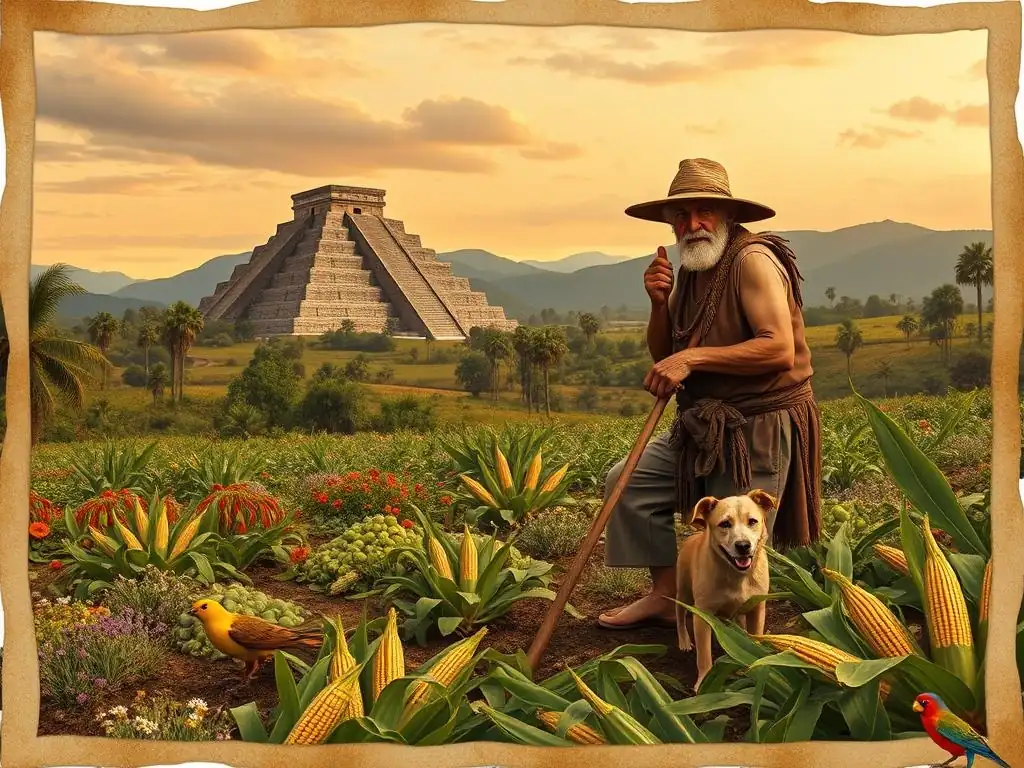
Environmental Changes and Their Effects
Mesoamerican agriculture has a rich history marked by remarkable innovations, yet it has also faced significant challenges, particularly from environmental changes. Over centuries, the region has experienced shifts in climate and natural disasters that have directly impacted agricultural practices.
- Climate Variability:
- Drought: Prolonged periods of drought have historically threatened crop yields. For instance, the prolonged drought that occurred around 800-1000 CE is believed to have contributed to the decline of several Mesoamerican civilizations, including the Maya. Farmers had to adapt by developing drought-resistant crops and altering planting schedules.
- Flooding: Conversely, heavy rains and flooding can lead to soil erosion, nutrient depletion, and crop destruction. The ancient Mesoamericans implemented terrace farming and raised fields to mitigate these effects, demonstrating their adaptability.
- Soil Degradation:
- Intensive farming practices without proper crop rotation and soil management led to degradation over time. The ancient civilizations recognized the importance of maintaining soil fertility, which prompted innovations such as the use of slash-and-burn techniques and the incorporation of nitrogen-fixing plants to enhance soil health.
- Biodiversity Loss:
- Changes in environmental conditions have also led to a decline in biodiversity. This reduction can limit the genetic diversity of crops, making them more susceptible to diseases and pests. The Mesoamerican practice of polyculture, where multiple crops are grown together, served as a way to enhance resilience against these threats.
In combating these environmental changes, Mesoamerican agricultural innovations not only showcase the ingenuity of ancient farmers but also highlight the importance of sustainable practices that are still relevant in today's agricultural discourse.
Colonial Disruption of Indigenous Farming Systems
The arrival of European colonizers in the 16th century marked a catastrophic turning point for Mesoamerican agricultural practices. The imposition of foreign agricultural systems and the exploitation of resources drastically altered the indigenous way of life.
- Forced Labor and Land Dispossession:
- The colonization process often involved the appropriation of land traditionally used by indigenous communities for farming. Indigenous peoples were frequently forced into labor systems, such as the encomienda, which disrupted traditional agricultural practices and led to the decline of local food systems.
- Introduction of New Crops and Livestock:
- European settlers introduced crops and livestock that transformed farming dynamics. While some of these imports, such as wheat and cattle, expanded agricultural diversity, they also undermined traditional crops like maize and beans. The competition for resources often led to a decline in the cultivation of indigenous crops and traditional farming methods.
- Cultural Erosion:
- The colonial period also brought about a significant cultural shift, as indigenous knowledge of agriculture was devalued and replaced with European methods. This loss of traditional practices and knowledge systems had long-lasting effects on Mesoamerican agriculture. The disruption of these systems not only affected food production but also the cultural identity tied to agricultural practices.
- Resistance and Adaptation:
- Despite these challenges, many indigenous communities adapted by blending traditional practices with new techniques introduced by colonizers. This resilience is evident in the continued cultivation of ancient crops alongside European ones, thus preserving a portion of their agricultural heritage.
The colonial disruption of indigenous farming systems serves as a stark reminder of the resilience of Mesoamerican agricultural innovations, as well as the profound changes brought about by external forces. The legacy of these innovations persists today, influencing modern farming practices while highlighting the importance of preserving indigenous knowledge and systems.
The Future of Mesoamerican Agricultural Innovations
Mesoamerican agricultural innovations have laid the groundwork for many modern farming practices, offering insights into sustainable agriculture that are increasingly relevant today. As the world faces challenges such as climate change, food security, and biodiversity loss, the revival and adaptation of these ancient techniques could be vital in shaping a more sustainable agricultural future.
Reviving Ancient Techniques for Modern Sustainability
Ancient Mesoamerican civilizations, such as the Maya and Aztecs, developed sophisticated agricultural methods that optimized land use and minimized environmental impact. Key techniques include:
- Milpa (Shifting Cultivation): A traditional farming system where farmers rotate crops and allow fields to lie fallow, promoting soil regeneration and biodiversity.
- Chinampas (Floating Gardens): An ingenious method used primarily by the Aztecs, where agricultural plots were created on shallow lake beds, enhancing irrigation and crop productivity.
The revival of these practices encourages a return to more sustainable farming methods. For instance, modern ecological farmers are increasingly adopting milpa techniques to improve soil health and reduce reliance on chemical fertilizers. Research indicates that these ancient methods not only support higher yields but also foster resilience against climate fluctuations.
“By integrating ancient agricultural wisdom with modern science, we can create farming systems that are not only productive but also environmentally sustainable.” – [Agricultural Expert]
Encouraging Indigenous Knowledge in Contemporary Farming
Integrating indigenous knowledge into contemporary farming practices can greatly enhance agricultural sustainability. Indigenous farmers possess invaluable insights into local ecosystems, crop diversity, and natural pest management. Some key points include:
- Crop Diversity: Indigenous farmers often cultivate a variety of crops, which enhances resilience against pests and diseases and improves nutritional outcomes for communities.
- Traditional Ecological Knowledge (TEK): This encompasses local practices and understandings of the environment that have been passed down through generations, offering strategies for sustainable land management.
Collaborations between indigenous communities and agricultural scientists are emerging as critical components in promoting sustainable agriculture. These partnerships can lead to the development of educational programs and initiatives that respect and utilize indigenous practices, fostering a more inclusive approach to modern farming.
- Community Workshops: Programs that bring together indigenous farmers and modern agriculturalists to share knowledge and techniques.
- Research Initiatives: Studies that focus on the efficacy of traditional practices in contemporary contexts, validating their relevance and applicability.
Conclusion: The Enduring Legacy of Mesoamerican Agriculture
The legacy of Mesoamerican agricultural innovations is profound, influencing not only local farming practices but also global agricultural trends. As modern society grapples with various agricultural challenges, the sustainable methods developed by ancient civilizations offer valuable lessons.
Incorporating these techniques into contemporary farming not only honors the ingenuity of indigenous peoples but also promotes environmental stewardship. The enduring legacy of Mesoamerican agriculture serves as a reminder of the importance of sustainable practices, encouraging future generations to innovate while respecting the wisdom of the past. By embracing these innovations, we can work towards a future that balances productivity with ecological health, ensuring food security for all.
References and Further Reading on Mesoamerican Agricultural Innovations
Understanding the profound impact of Mesoamerican agricultural innovations requires delving into a variety of resources that provide insights into their historical context, techniques, and enduring influence. Below is a curated list of references and further reading materials that can enhance your knowledge on this vital subject.
Books
-
"The Mesoamerican World System: A New Perspective on the Ancient Civilizations of Mesoamerica" by John D. Monaghan
This book presents an integrated view of the Mesoamerican civilizations, focusing on their agricultural systems and how these influenced trade and societal structures.
-
"Corn and Culture in the Northern Maya Lowlands: A Seasonal Perspective on the Economic Significance of Maize" by Scott A. Leckie
This text explores the centrality of maize in Mesoamerican agriculture, discussing cultivation methods and their sociocultural implications.
-
"Maya Agriculture: A Science of the People" by Peter D. Harrison
Harrison's work examines traditional agricultural practices among the Maya, providing a detailed analysis of their farming techniques and innovations.
Academic Journals
-
"The Role of Agriculture in Pre-Columbian Societies" - Journal of Anthropological Research
This article discusses the diverse agricultural practices across Mesoamerica and their significance in shaping societal development.
-
"Agricultural Innovations in Mesoamerica: Historical Perspectives and Modern Applications" - Agricultural History
A scholarly piece that reviews historical agricultural innovations and their relevance to contemporary farming techniques.
Online Resources
-
The Mesoamerican Agricultural Project
An online initiative that provides a wealth of information, research findings, and educational resources related to ancient agricultural practices in Mesoamerica.
-
World Archaeology: Mesoamerican Agriculture
A digital archive featuring articles and research papers on Mesoamerican agricultural practices, including innovative methods and their effects on modern agriculture.
Documentaries and Educational Videos
-
"The Ancient Maya: Agricultural Innovations and Societal Development"
This documentary showcases the intricate agricultural systems of the Maya civilization and their remarkable adaptations to diverse environments.
-
"Farming in the Americas: The Mesoamerican Influence"
An educational video that highlights the agricultural advancements made by Mesoamerican cultures and their legacy in today's farming practices.
Conclusion
These references and resources provide a comprehensive foundation for exploring Mesoamerican agricultural innovations. By engaging with this material, you can gain a deeper appreciation for the sophisticated agricultural techniques developed by indigenous peoples and their lasting impact on modern farming practices. Whether you are a student, educator, or simply an enthusiast of indigenous cultures, this knowledge enriches our understanding of the past and its relevance to contemporary agriculture.
Frequently Asked Questions
What were some key Mesoamerican agricultural innovations?
Mesoamerican civilizations developed advanced techniques such as terracing, chinampas (floating gardens), and crop rotation that significantly increased agricultural productivity.
How did Mesoamerican agriculture influence modern farming practices?
The innovations of Mesoamerican agriculture laid the foundation for modern farming techniques, particularly in irrigation and sustainable practices, which continue to be relevant today.
What crops originated from Mesoamerican agriculture?
Mesoamerican societies domesticated several vital crops, including maize, beans, and squash, which are now staples in many diets around the world.
How did the environment influence Mesoamerican agricultural practices?
The diverse geography and climate of Mesoamerica necessitated innovative farming methods, leading to the development of techniques tailored to specific ecological conditions.
What is the significance of understanding Mesoamerican agricultural innovations today?
Studying these innovations helps us appreciate the sophistication of indigenous practices and their contributions to biodiversity and sustainable agriculture in the face of modern challenges.
Final Reflection: The Enduring Impact of Mesoamerican Agricultural Innovations
Mesoamerican agricultural innovations have not only shaped the past but continue to influence modern farming practices today. As we navigate the challenges of food security and sustainable agriculture in the 21st century, the ancient techniques developed by Mesoamerican civilizations remind us of the profound wisdom embedded in their practices. These innovations, from the development of terrace farming to the cultivation of diverse crops, serve as a testament to human ingenuity and resilience in the face of environmental challenges.
Mesoamerican agriculture has left an indelible mark on our cultural and social landscapes, fostering a deeper appreciation for biodiversity and sustainable practices. The legacy of these ancient farmers is evident in the way we approach agriculture today, emphasizing the importance of crop rotation, polyculture, and organic farming. As the renowned agriculturalist Masanobu Fukuoka once said, "> The ultimate goal of farming is not the growing of crops, but the cultivation and perfection of human beings." This perspective invites us to reflect on our relationship with the land and the responsibility we hold in nurturing it for future generations.
As we consider the lessons from Mesoamerican agricultural innovations, I encourage you to reflect on how these principles can be integrated into your own life and practices. What steps can you take to honor this legacy? Whether it’s supporting local farmers, embracing sustainable practices in your garden, or advocating for biodiversity, every action counts. Let us carry forward the wisdom of our ancestors, ensuring that their innovations not only survive but thrive in our modern world.
Cultivate Your Connection to Mesoamerican Agriculture!
Thank you for diving into the fascinating legacy of Mesoamerican agriculture! By exploring the innovations that shaped modern farming, you've gained insight into the remarkable contributions of indigenous cultures. Now, it’s time to take that knowledge and apply it in ways that honor these traditions while enhancing your understanding of sustainable practices.
Here are some actionable steps you can take:
- Start a home garden using traditional Mesoamerican methods, such as companion planting or incorporating native crops like corn, beans, and squash.
- Share your newfound knowledge with friends and family by hosting a small gathering to discuss Mesoamerican agricultural techniques and their relevance in today's world.
- Join a local agriculture or sustainability group to connect with others who are passionate about preserving and promoting indigenous farming practices.
How do you plan to integrate these ancient agricultural techniques into your own life or community?