
Lessons from the Past: What Modern Governance Can Learn from Indigenous Systems

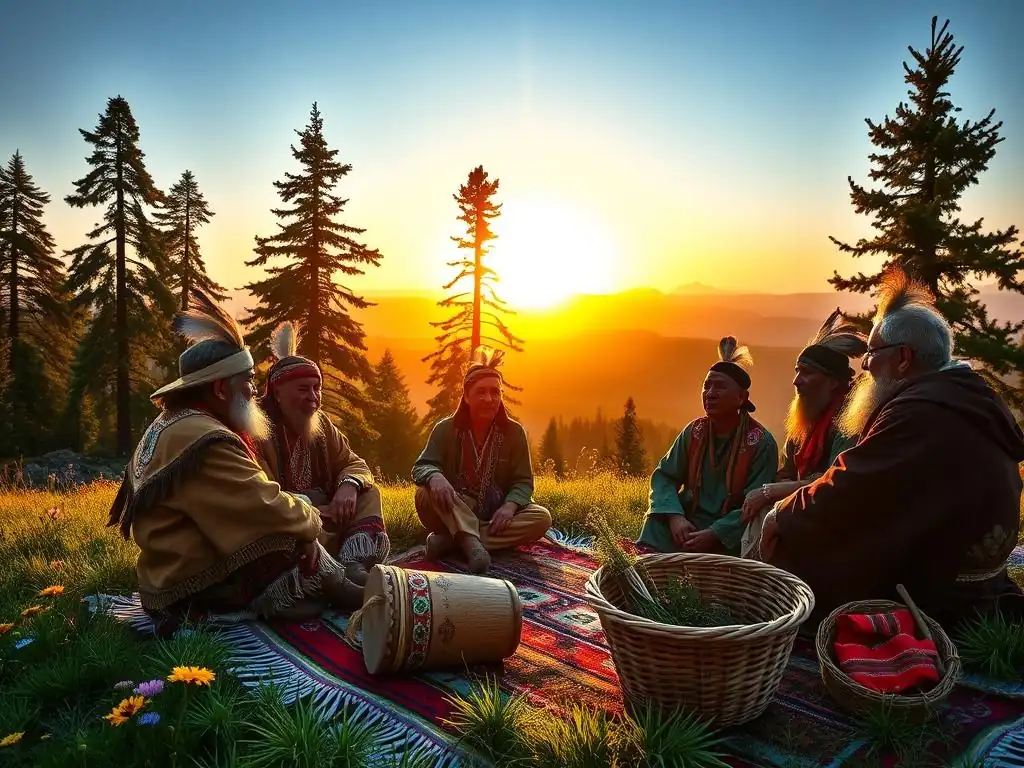
Welcome to Indigenous Civilizations of the Americas, where we invite you to delve into the rich tapestry of cultures that flourished long before European contact. In our featured article, "Lessons from the Past: What Modern Governance Can Learn from Indigenous Systems," we uncover the profound indigenous governance systems lessons that offer valuable insights for today's world. Join us as we explore how these ancient practices can inspire contemporary leadership and community organization, igniting your curiosity about the wisdom of our ancestors. Ready to embark on this enlightening journey?
Introduction to Indigenous Governance Systems
Indigenous governance systems represent a rich tapestry of political organization, social norms, and cultural practices that have been developed and refined by various indigenous groups across the Americas over centuries. These systems offer profound insights into how societies can govern themselves, prioritize communal welfare, and maintain harmony with their environments. The lessons derived from these governance structures are increasingly relevant today as modern societies grapple with issues of sustainability, social justice, and inclusive decision-making. By examining indigenous governance systems, we can uncover innovative approaches to governance that could enhance contemporary political frameworks.
Overview of Indigenous Governance in the Americas
Indigenous governance in the Americas was characterized by diverse and complex systems that varied widely between cultures and regions. From the matrilineal clans of the Haudenosaunee Confederacy to the council-based structures of the Navajo Nation, these systems were often rooted in deep connections to the land, community, and spiritual beliefs.
Key characteristics of indigenous governance include:
- Consensus Decision-Making: Many indigenous groups prioritize consensus over majority rule, ensuring that all voices are heard and respected.
- Elders and Leaders: Elders often play a pivotal role in governance, providing wisdom and guidance based on cultural traditions.
- Community-Centric Approaches: The well-being of the community and the environment is typically at the forefront of decision-making processes.
These foundational aspects illustrate a governance philosophy that integrates ecological stewardship with social cooperation, providing a stark contrast to many contemporary governance models.
Significance of Indigenous Governance Lessons for Modern Society
The exploration of indigenous governance systems holds significant potential for modern society. As we face pressing global challenges such as climate change, social inequality, and political strife, the principles of indigenous governance can inform more sustainable and equitable governance practices.
Some key lessons include:
- Holistic Decision-Making: Emphasizing the interconnectedness of social, environmental, and economic factors can lead to more sustainable policies.
- Cultural Resilience: Understanding and incorporating indigenous perspectives can enhance cultural diversity and resilience in governance.
- Community Empowerment: Fostering inclusive participation can strengthen democratic practices and address disenfranchisement.
By integrating these lessons into modern governance frameworks, societies can cultivate more effective, just, and sustainable systems.
Historical Context of Indigenous Governance Systems
To appreciate the depth of indigenous governance systems, it is essential to explore their historical context. These systems have evolved in response to geographical, social, and environmental factors unique to each indigenous group.
Key Features of Indigenous Political Structures
Indigenous political structures often exhibit several distinctive features that set them apart from contemporary governance systems. These may include:
- Decentralization: Many indigenous groups operate through decentralized systems where local leaders have significant autonomy, promoting self-governance and community involvement.
- Customary Law: Traditional laws and practices govern social conduct, often passed down orally through generations and adapted to changing circumstances.
- Spiritual and Cultural Integration: Governance is frequently intertwined with spiritual beliefs and cultural values, reinforcing community identity and cohesion.
These features highlight the adaptability and resilience of indigenous governance systems, which can serve as a model for contemporary governance challenges.
Case Studies of Successful Indigenous Governance Models
Examining specific case studies of indigenous governance models can provide valuable insights into their effectiveness and adaptability. Some notable examples include:
- The Iroquois Confederacy: Known for its sophisticated political structure, the Iroquois Confederacy utilized a system of checks and balances and consensus decision-making, influencing modern democratic principles.
- The Maori of New Zealand: The Maori have successfully integrated traditional governance practices with contemporary political systems, exemplifying how indigenous governance can coexist with modern frameworks.
- The Zapatista Movement in Mexico: This movement showcases how indigenous communities can reclaim autonomy and self-governance while advocating for social justice and environmental sustainability.
These case studies illustrate the enduring relevance and potential of indigenous governance systems in addressing contemporary issues and fostering a more equitable society.
Comparative Analysis: Indigenous vs. Modern Governance
When evaluating the governance systems of indigenous civilizations compared to modern frameworks, several critical differences and similarities emerge. Indigenous governance systems were often deeply rooted in the cultural, social, and spiritual contexts of their communities, establishing unique methods for decision-making, resource management, and societal organization. In contrast, modern governance systems tend to be more bureaucratic, hierarchical, and influenced by economic factors.
One of the hallmarks of indigenous governance is the emphasis on consensus-building and community involvement, which contrasts sharply with the often top-down approaches seen in contemporary governments. This participatory nature allowed for more inclusive decision-making processes that better reflected the will and needs of the community. Additionally, many indigenous systems were adaptable, allowing them to respond effectively to environmental and social changes over time.
Differences in Decision-Making Processes
Indigenous governance systems often employ consensus-based models that prioritize collaboration and inclusivity. Decision-making is typically a communal affair, with leaders facilitating discussions that involve all community members. This approach fosters a sense of ownership and responsibility among individuals, as everyone has a voice in the decisions that affect their lives.
In contrast, modern governance frequently relies on representative democracy, where a select few individuals make decisions on behalf of the larger populace. This system can lead to disconnection between leaders and constituents, resulting in policies that may not reflect the community's needs or values.
Moreover, indigenous systems often incorporate traditional knowledge and practices into their decision-making processes, bridging the gap between past experiences and present challenges. This holistic view contrasts with modern governance, which may prioritize data-driven decision-making that can overlook cultural and historical context, leading to less effective outcomes.
Resource Management and Sustainability Practices
Indigenous governance systems have long been characterized by sustainable resource management practices that prioritize the health of the environment and the community. Many indigenous cultures understood the importance of living in harmony with nature, implementing systems of stewardship that ensured the sustainable use of resources. For instance, practices such as rotational farming, controlled burns, and sacred sites for conservation demonstrate a profound respect for the land and its ecosystems.
In modern governance, resource management often emphasizes economic growth at the expense of sustainability. This can lead to overexploitation of natural resources, environmental degradation, and the loss of biodiversity. The short-term focus of many modern policies frequently neglects the long-term impacts on both the environment and the communities that depend on these resources.
By studying indigenous practices, modern governance can learn valuable lessons about the importance of sustainability, conservation, and the integration of ecological knowledge into policy-making. The emphasis on maintaining balance and reciprocity with the environment can inform contemporary approaches to governance, ensuring that economic development does not occur at the cost of ecological integrity.
Lessons from Indigenous Governance Systems for Modern Governance
Indigenous governance systems offer several poignant lessons that modern governance can adopt to enhance its effectiveness and sustainability. The principles of community involvement, environmental stewardship, and cultural respect are just a few areas where contemporary systems can benefit from indigenous wisdom.
Community-Centric Decision Making
One of the most significant lessons from indigenous governance is the importance of community-centric decision-making. Indigenous systems often prioritize the input and participation of all community members, fostering a sense of belonging and commitment to collective goals. This inclusivity not only strengthens community ties but also leads to more informed and relevant decision-making.
Modern governance can learn from this model by promoting participatory governance practices, such as town hall meetings, community forums, and other platforms that encourage citizen engagement. By valuing diverse voices and perspectives, governments can create policies that resonate more deeply with their constituents, ultimately leading to greater public trust and cooperation.
Long-Term Sustainability Practices
Another vital lesson from indigenous governance systems is the emphasis on long-term sustainability. Indigenous cultures have historically managed their resources in ways that ensure ecological balance and community well-being over generations. This contrasts with the often short-sighted approaches observed in modern governance, where immediate economic gains can overshadow long-term environmental impacts.
To implement this lesson, modern governance should adopt policies that prioritize sustainability, such as renewable energy initiatives, conservation efforts, and sustainable agriculture practices. Furthermore, integrating traditional ecological knowledge into contemporary environmental policy can provide valuable insights into sustainable practices that have been effective for centuries.
By examining indigenous governance systems, modern societies can uncover valuable lessons that promote inclusivity, sustainability, and respect for cultural heritage, ultimately leading to more effective and equitable governance.
Challenges and Misconceptions about Indigenous Governance
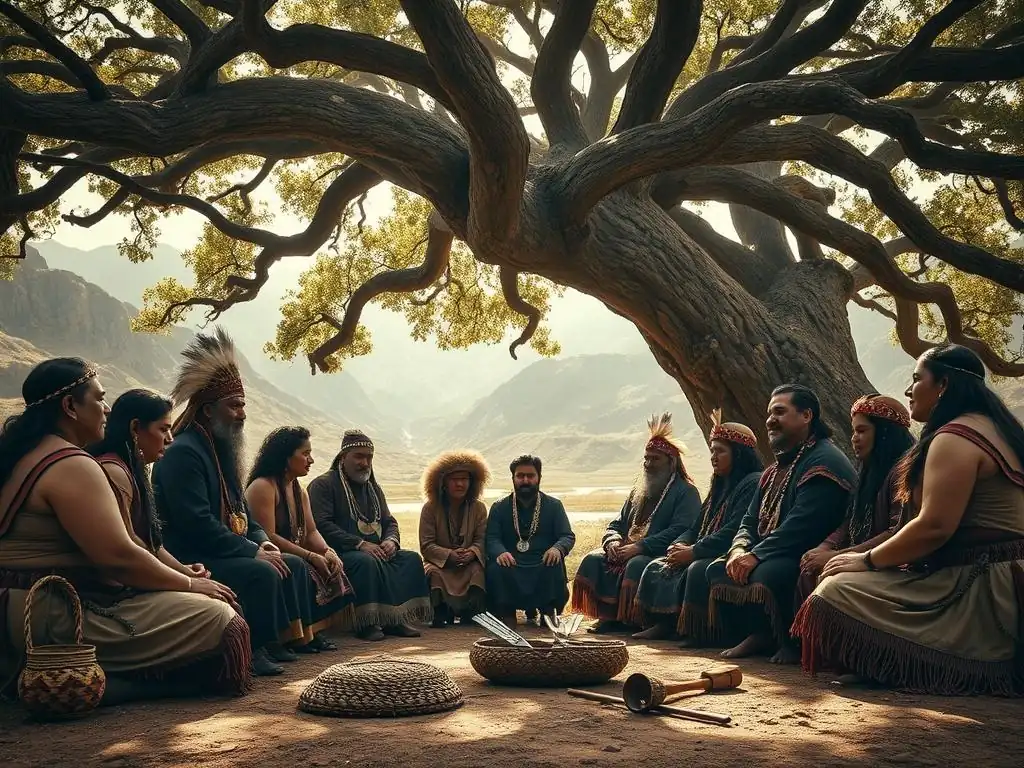
Indigenous governance systems have often been misunderstood and misrepresented, leading to significant challenges in recognizing their value and relevance in contemporary society. These misconceptions can stem from a lack of knowledge about indigenous cultures, historical biases, and the oversimplification of complex political structures. As a result, many people fail to appreciate the sophisticated governance models that indigenous peoples developed over centuries, which are deeply rooted in their unique cultural contexts and histories.
Key challenges include:
- Stereotyping: Indigenous systems are frequently stereotyped as primitive or outdated, disregarding their adaptability and resilience.
- Legal and Political Marginalization: Indigenous governments often face systemic barriers that prevent them from exercising their sovereignty and self-determination.
- Cultural Erasure: The dominant narratives frequently overshadow indigenous voices, contributing to the erosion of traditional knowledge and governance practices.
By addressing these misconceptions, modern societies can better appreciate the rich tapestry of indigenous governance and its potential contributions to current political frameworks.
Common Myths Surrounding Indigenous Political Systems
- Myth: Indigenous governance is anarchic or chaotic.
- Reality: Many indigenous societies have complex governance structures, including councils, elders, and consensus-based decision-making processes that ensure order and community involvement.
- Myth: Indigenous people do not have their own laws.
- Reality: Indigenous cultures often possess well-defined legal systems that govern their communities, including customary laws that are respected and upheld.
- Myth: Indigenous governance is irrelevant in the modern world.
- Reality: Indigenous governance systems offer valuable lessons in sustainability, communal decision-making, and respect for the environment that are increasingly relevant in today’s global challenges.
By debunking these myths, we can pave the way for a more nuanced understanding of indigenous governance systems and their applicability to contemporary issues.
Reality of Indigenous Governance in Contemporary Society
In contemporary society, indigenous governance systems continue to evolve while remaining rooted in traditional principles. Many indigenous communities have successfully negotiated self-governance agreements with national governments, allowing them to exercise greater control over their affairs and resources. This resurgence of indigenous governance can be seen in various forms:
- Self-Governance Agreements: Numerous tribes and nations have established their own legal frameworks, enabling them to manage lands, resources, and services according to their customs.
- Cultural Revival: Many communities are actively working to revive traditional governance practices, integrating them with modern legal systems to create hybrid models that reflect their identity.
- Political Representation: Indigenous leaders are increasingly participating in national and international political arenas, advocating for their rights and interests while sharing their governance models.
These developments illustrate that indigenous governance systems are not only relevant but also essential for fostering inclusive and equitable political landscapes.
Integrating Indigenous Governance Lessons into Modern Systems
The principles inherent in indigenous governance systems offer a wealth of insights that can enhance modern governance structures. By examining these lessons, contemporary political systems can become more adaptive, inclusive, and sustainable.
Practical Applications of Indigenous Governance Lessons
- Consensus Decision-Making: Implementing consensus-based approaches in governance can lead to more inclusive and representative decision-making processes, fostering community engagement and trust.
- Holistic Resource Management: Indigenous systems often prioritize environmental sustainability and stewardship, promoting practices that ensure the health of ecosystems for future generations.
- Cultural Sensitivity and Respect: Modern governance can benefit from incorporating indigenous knowledge systems, which emphasize respect for cultural diversity and the unique perspectives of different communities.
- Long-Term Planning: Indigenous governance typically emphasizes long-term outcomes over short-term gains, encouraging policies that consider the impact on future generations.
By adopting these lessons, modern governance can better address the complex challenges of today's world while honoring and incorporating the wisdom of indigenous cultures.
Building Partnerships with Indigenous Communities
To truly integrate indigenous governance lessons, it is imperative for modern systems to build genuine partnerships with indigenous communities. This collaborative approach can take several forms:
- Co-Governance Models: Establishing frameworks where indigenous and non-indigenous governments share authority and decision-making responsibilities can enhance mutual respect and cooperation.
- Consultation and Engagement: Ongoing dialogue with indigenous leaders and communities can ensure that policies reflect their needs and perspectives, fostering trust and collaboration.
- Capacity Building: Investing in the development of indigenous governance capacities can empower communities to engage effectively with modern political systems, promoting self-determination and resilience.
- Recognition of Rights: Acknowledging and respecting the rights of indigenous peoples, as outlined in international agreements, is essential for establishing equitable partnerships.
By fostering these partnerships, modern governance can harness the strengths of indigenous systems, leading to more effective and inclusive political frameworks that benefit all members of society.
Conclusion: The Future of Governance Inspired by Indigenous Systems
The exploration of indigenous governance systems reveals a wealth of knowledge and practices that have withstood the test of time. As modern societies grapple with complex challenges—be it environmental crises, social inequalities, or political instability—there is a growing recognition of the potential benefits that can be derived from indigenous wisdom. These systems often emphasize community involvement, consensus-building, and sustainability, which are critical components for fostering resilient and equitable governance structures today.
By integrating lessons from indigenous governance, modern systems can evolve to be more inclusive and responsive to the needs of diverse populations. Acknowledging the historical injustices faced by indigenous communities and actively working towards reparative measures can also pave the way for a more just future. As we look to the future, it is essential to sustain dialogues that honor these ancient practices while adapting them to contemporary contexts.
The Potential Impact of Indigenous Governance on Modern Society
Indigenous governance systems offer innovative approaches that could significantly reshape modern governance. Central to these systems is the principle of collective decision-making, which contrasts sharply with the often hierarchical structures of contemporary institutions. This collective approach fosters a sense of belonging and accountability among community members, encouraging active participation and engagement in governance processes.
Moreover, indigenous governance often prioritizes environmental stewardship, a crucial aspect in addressing today’s climate crisis. Many indigenous cultures view the land as sacred and advocate for sustainable practices that respect ecological balance. By adopting similar values, modern governance can promote policies that not only protect the environment but also enhance community well-being.
The integration of indigenous governance principles can lead to more holistic policy-making. For instance, the emphasis on relational governance—where relationships among community members, as well as between humans and nature, are prioritized—can result in more comprehensive solutions to social issues. In this way, the lessons from indigenous systems hold the potential to transform governance into a more equitable, sustainable, and community-focused endeavor.
Call to Action for Respecting Indigenous Wisdom and Practices
To truly benefit from the lessons offered by indigenous governance systems, a concerted effort must be made to respect and incorporate indigenous wisdom and practices into modern governance frameworks. This requires more than mere acknowledgment; it necessitates active collaboration with indigenous communities, ensuring their voices are heard and their rights are upheld.
Governments, institutions, and organizations should engage in meaningful partnerships with indigenous leaders to co-create policies that reflect their values and traditions. Additionally, educational initiatives should be promoted to raise awareness about the significance of indigenous knowledge in contemporary contexts. By fostering an environment of mutual respect and understanding, we can create governance systems that are not only informed by the past but also equipped to meet the challenges of the future.
Additional Resources for Further Exploration
Expanding one’s understanding of indigenous governance systems is essential for anyone interested in comparative governance and the lessons that can be drawn from these rich traditions. Below are some curated resources that provide deeper insights into indigenous governance and its implications for modern society.
Books and Articles on Indigenous Governance
- "The Indigenous Worldview" by John W. D. McGregor - This book explores the philosophical underpinnings of indigenous governance systems.
- "American Indian Governance: A Handbook": by David E. Wilkins - An essential resource that provides an overview of governance structures in various indigenous communities.
- "Indigenous Peoples and Governance Structures" - A compilation of articles that analyze how indigenous governance can inform modern political practices.
- "Decolonizing Governance: A Guide to Indigenous Rights and Environmental Justice": by Sarah H. H. Lewis - This book discusses the intersection of indigenous rights, governance, and environmentalism.
Documentaries and Educational Materials on Indigenous Civilizations
- "The Last of the Tsitsistas" - This documentary delves into the governance practices of the Cheyenne Nation, showcasing their resilience and adaptation.
- "In the Footsteps of the Ancestors" - A film that highlights the importance of indigenous governance in preserving cultural heritage and environmental stewardship.
- "Indigenous Perspectives: Governance, Rights, and Responsibilities": - An educational series featuring discussions with indigenous leaders on the relevance of traditional governance today.
- "The Water Protectors" - This documentary focuses on indigenous-led movements for environmental protection, illustrating the importance of governance based on indigenous values.
By engaging with these resources, individuals can gain a more nuanced understanding of indigenous governance systems and their potential to influence modern governance positively.
- Introduction to Indigenous Governance Systems
- Historical Context of Indigenous Governance Systems
- Comparative Analysis: Indigenous vs. Modern Governance
- Lessons from Indigenous Governance Systems for Modern Governance
- Challenges and Misconceptions about Indigenous Governance
- Integrating Indigenous Governance Lessons into Modern Systems
- Conclusion: The Future of Governance Inspired by Indigenous Systems
- Additional Resources for Further Exploration
Frequently Asked Questions
What are indigenous governance systems?
Indigenous governance systems refer to the unique frameworks and practices that indigenous cultures developed to manage their communities, resources, and social structures, often characterized by collective decision-making and sustainability.
How can modern governance benefit from these lessons?
Modern governance can learn from indigenous systems by adopting principles of community engagement, holistic resource management, and cultural respect, which can lead to more inclusive and effective policymaking.
What are some key achievements of indigenous civilizations?
Indigenous civilizations made significant contributions in areas such as agriculture, navigation, and art, with practices that emphasized sustainability and diversity, which continue to influence modern practices today.
How do these systems promote sustainability?
Indigenous governance often emphasizes the importance of balance with nature, encouraging practices that ensure the long-term health of ecosystems, which is crucial in addressing contemporary environmental challenges.
Why is it important to study indigenous cultures today?
Studying indigenous cultures is vital for understanding historical contexts, recognizing the ongoing impacts of colonization, and integrating their wisdom into modern practices for a more equitable and sustainable future.
Final Reflection: Embracing Indigenous Governance Lessons for a Sustainable Future
The lessons from Indigenous governance systems are not just relics of the past; they are vital frameworks that hold immense relevance in today's complex political landscape. As we grapple with issues like climate change, social inequality, and political polarization, the wisdom embedded in these systems offers a pathway toward more inclusive and sustainable governance. The time has come to recognize that the past can illuminate the present, guiding us toward a future where collective well-being takes precedence over individual gain.
Cultural and social landscapes are continuously shaped by the principles of governance we choose to adopt. The insights gleaned from Indigenous systems emphasize community engagement, respect for nature, and intergenerational responsibility. These values resonate deeply in our current societal challenges, urging us to rethink our approaches to leadership and decision-making. As noted by Indigenous scholar Robin Wall Kimmerer, The land is not a resource for us, but a relative to whom we are accountable.
This perspective invites us to reconsider our relationship with the environment and each other, fostering a sense of stewardship that transcends generations.
As we reflect on these lessons, let us take actionable steps toward integrating Indigenous wisdom into our own lives and governance structures. Challenge yourself to engage with your community, advocate for sustainable practices, and honor the voices of those who have long understood the importance of balance and respect in governance. By doing so, you not only enrich your own understanding but also contribute to a broader movement that seeks to heal our world. Together, we can build a future that honors the past while paving the way for a more equitable and harmonious society.
Embrace the Wisdom of Indigenous Governance!
Thank you for taking the time to explore the invaluable insights that Indigenous systems of governance offer us today. By reflecting on their practices, you’ve unlocked a pathway to enhancing our modern systems. Now, let’s turn that inspiration into action!
Here are some powerful steps you can take right now:
- Engage with Indigenous Knowledge: Seek out local Indigenous voices in your community. Attend workshops or talks that highlight their governance systems and discover how to incorporate those practices into your life or organization.
- Advocate for Representation: Support policies that recognize Indigenous governance in contemporary decision-making processes. Your voice matters—reach out to local leaders and express the significance of including diverse perspectives in governance.
- Share Your Insights: Discuss what you’ve learned about Indigenous systems with friends and family. Start a conversation on social media to raise awareness and foster appreciation for these invaluable teachings.
Now, we invite you to reflect: How can you integrate the lessons from Indigenous governance into your everyday decision-making? Let’s start the conversation!