
The Role of Codices in Maya Governance: Recording History and Law


Welcome to Indigenous Civilizations of the Americas, where we invite you to delve into the rich tapestry of indigenous cultures that flourished long before European contact. This journey begins with a fascinating exploration of Maya governance and codices history, illuminating how these intricate texts not only recorded laws but also shaped societal structures.
As you navigate through the achievements of the Maya, you'll uncover the profound legacy they left behind, sparking curiosity and appreciation for their sophisticated systems of governance. Prepare to embark on a captivating adventure that reveals the nuances of a civilization that continues to influence our understanding of history today.
The governance of the ancient Maya civilization was a complex and multifaceted system, intricately woven into the cultural and social fabric of their society. A significant aspect of this governance structure was the use of codices—folded books made from bark paper—that played a crucial role in documenting laws, historical events, and administrative practices.
These codices served not only as legal records but also as essential tools for maintaining order and continuity within Maya city-states. By exploring the importance of codices in Maya governance, we can gain a deeper understanding of how these remarkable documents contributed to the organization of society, the preservation of history, and the enforcement of laws in one of the most advanced civilizations of pre-Columbian America.
Understanding Maya Codices: Craftsmanship and Content
Maya codices were crafted with great skill, often adorned with intricate illustrations and glyphs that conveyed complex narratives and legal codes. These artifacts were typically made from the inner bark of specific trees, which was processed and folded into book-like forms. The content of these codices ranged widely, encompassing:
- Historical Records: Documenting significant events, rulers, and dynasties.
- Legal Codes: Outlining laws, regulations, and punishment for various offenses.
- Astronomical Data: Recording celestial events that were crucial for agricultural and ritual calendars.
- Religious Texts: Ensuring the continuity of spiritual practices and beliefs.
The preservation of these codices was vital for the governance of Maya society, as they provided a reference point for legal and historical matters.
The Significance of Codices in Governance
The role of codices in Maya governance extended beyond mere record-keeping. They were instrumental in shaping the political landscape of the Maya civilization, influencing both local and regional governance. Here are key aspects of their significance:
- Legitimization of Authority:
- Codices served as official documents that legitimized the power of rulers and the decisions made by governing bodies. They provided a historical context for leadership, reinforcing the divine right of rulers.
- Conflict Resolution:
- Codices contained laws and regulations that guided conflict resolution and the administration of justice. They helped maintain social order by establishing clear consequences for transgressions.
- Cultural Continuity:
- By recording the history and traditions of the Maya, codices played a crucial role in preserving cultural identity. They allowed successive generations to connect with their past, fostering a sense of unity and shared heritage.
The Decline of Codices and Their Legacy
The arrival of European colonizers in the 16th century marked a significant decline in the production and use of Maya codices. Many were destroyed or lost, leading to a gap in the historical record. However, the remnants that survive today offer invaluable insights into Maya governance and society. The legacy of these codices continues to influence the understanding of pre-Columbian history and the intricate systems of governance that characterized the Maya civilization.
The exploration of Maya codices not only reveals the sophisticated nature of their governance structures but also highlights the enduring impact of these documents on historical narrative and cultural identity. Understanding the role of codices in Maya governance is essential to appreciating the complexities of this remarkable civilization and its achievements before European contact.
- Understanding Maya Codices: Craftsmanship and Content
- The Significance of Codices in Governance
- The Decline of Codices and Their Legacy
Understanding Maya Governance Structures
Overview of Maya Political Systems
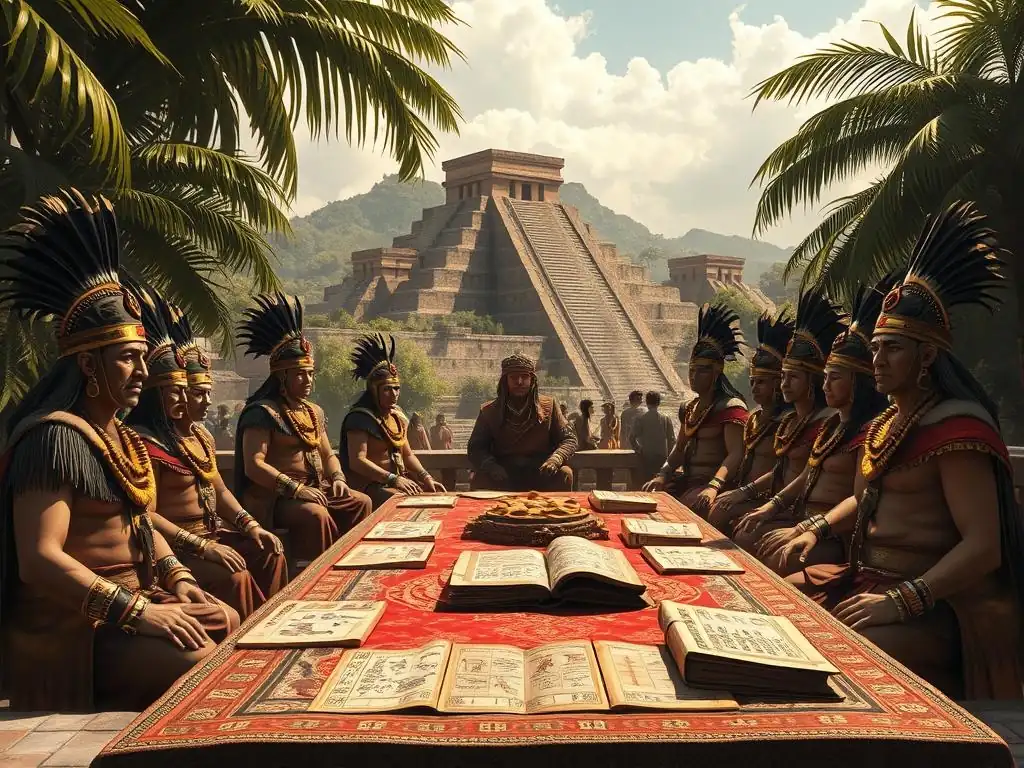
The political systems of the Maya civilization were intricate and multifaceted, reflecting a deep understanding of governance that was both decentralized and hierarchical. Each city-state, known as a polity, operated independently with its own ruler, typically referred to as the Ajaw (king), who held significant power over local affairs. These city-states often engaged in alliances, trade, and warfare with one another, creating a dynamic political landscape that was characterized by shifting allegiances and power struggles.
Maya governance was not solely centered around the king; it involved a complex interplay of various social classes, including nobles, priests, and commoners. Nobles played crucial roles in administration, military leadership, and religious activities. The priestly class held significant sway over the populace, as they were seen as intermediaries between the gods and the people, often influencing political decisions based on divine interpretations.
In this context, the codices served as essential tools for documenting political events, laws, and treaties. They not only recorded the lineage and achievements of rulers but also formalized the laws that governed everyday life in the Maya society. This system of governance helped maintain order and stability across the diverse regions of the Maya civilization.
Key Features of Maya Governance
Maya governance was characterized by several key features that distinguished it from other contemporary civilizations:
- Decentralization: Each city-state was politically autonomous, allowing for diverse governance styles and local customs.
- Theocratic Elements: Religion played a central role in governance. Rulers were often considered divine or semi-divine, and their authority was legitimized through religious rituals.
- Social Stratification: The hierarchy in Maya society was evident in governance, with distinct roles for rulers, nobles, priests, artisans, and farmers. Each class had specific responsibilities and privileges.
- Civil and Military Leadership: Rulers were both political leaders and military commanders, responsible for defending their city-states and expanding territory through conquest.
- Legal Codification: Laws were not arbitrary; they were codified and recorded, which was crucial for maintaining order and justice within the society.
These features combined to create a governance structure that was adaptable yet stable, enabling the Maya civilization to thrive for centuries.
The Importance of Codices in Governance
Codices played a pivotal role in Maya governance, serving as more than mere historical records; they were essential instruments for administration and law. Here are some of the key functions of codices in Maya governance:
- Record Keeping: Codices documented significant events, including the rule of kings, major battles, and treaties with other polities. This historical record was vital for legitimizing the authority of rulers and maintaining continuity.
- Legal Framework: The codices contained laws and regulations that governed conduct within the society. This legal framework helped to resolve disputes and maintain social order. Specific laws regarding property rights, trade practices, and punishments for offenses were meticulously recorded.
- Cultural Preservation: Beyond governance, codices served to preserve the cultural identity of the Maya people. They contained mythological narratives, rituals, and genealogies, which reinforced the social fabric and collective memory of the civilization.
- Administrative Tools: Codices were also used as tools for administration, aiding in resource allocation, tax collection, and civic duties. Their systematic approach to governance allowed for efficient management of the city-states.
- Education and Training: The codices served as educational resources for scribes and aspiring rulers. Through studying these texts, they could learn about laws, political strategies, and the historical context necessary for effective governance.
The role of codices in Maya governance was indispensable, intertwining history, law, and culture into a cohesive system that supported the civilization's complexity and longevity. This rich tradition of documentation not only shaped their governance structures but also left a lasting legacy that continues to be studied and appreciated today.
The Significance of Maya Codices in History
What are Maya Codices?
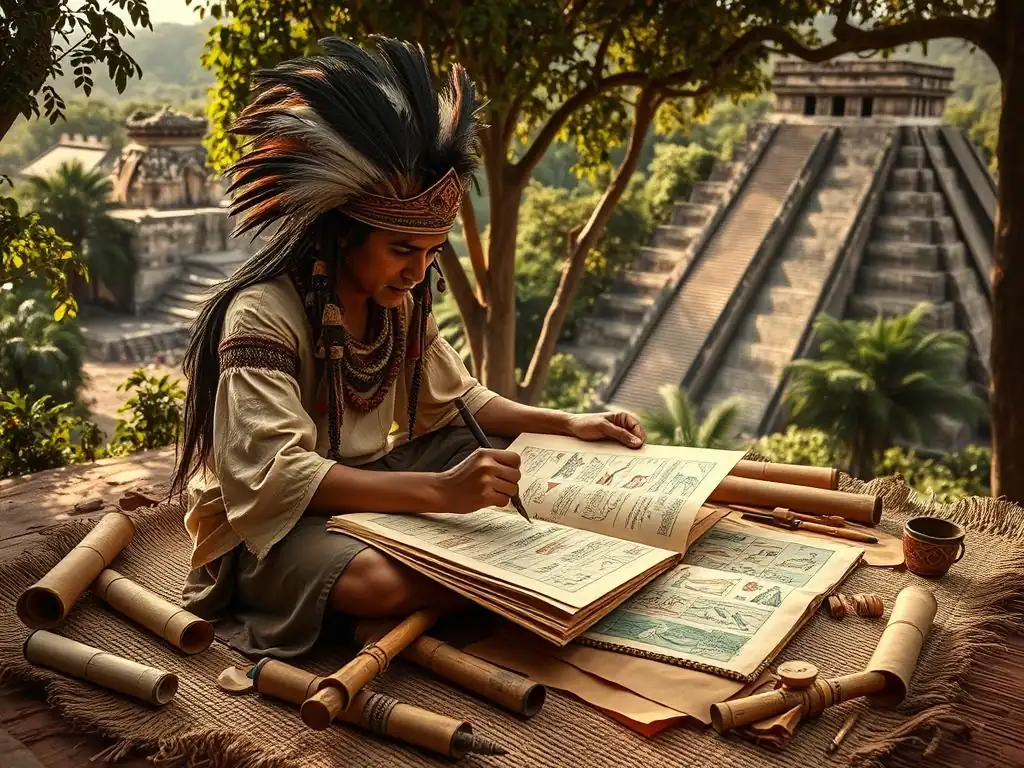
Maya codices are ancient books created by the Maya civilization, primarily composed of bark paper and folded into accordion-like formats. These texts were written in hieroglyphic script, which combined logograms and syllabic symbols, enabling the Maya to document a variety of subjects, including religious rituals, historical events, astronomical phenomena, and legal codes.
These codices serve as invaluable primary sources for understanding Maya governance and codices history, providing insights into political structures, societal norms, and cultural practices. The surviving codices, such as the Dresden Codex, Madrid Codex, and Paris Codex, are notable for their rich illustrations and detailed content, showcasing the sophistication of Maya literacy and record-keeping.
- Key Features of Maya Codices:
- Material: Primarily made from the inner bark of trees, particularly the Ficus species.
- Writing System: A complex system of hieroglyphs that includes both ideographic and phonetic elements.
- Structure: Typically consists of multiple pages, often folded in a zigzag pattern, allowing for easy transportation and storage.
Historical Context of Codices in Maya Civilization
The emergence of codices in Maya civilization can be traced back to the Preclassic period (c. 2000 BCE - 250 CE), evolving significantly by the Classic period (c. 250 - 900 CE) when political entities and city-states flourished. During this time, the Maya developed a sophisticated writing system, which was essential for recording the complexities of their governance and sociopolitical dynamics.
- Cultural Significance: Codices were not merely administrative tools; they were integral to the Maya worldview. They encapsulated mythology, history, and law, reinforcing the social order and legitimizing rulers' power.
- Political Functions: Codices played a crucial role in documenting treaties, royal lineages, and land ownership. They were often consulted in legal matters and disputes, serving as authoritative texts for governance.
The decline of the Maya civilization, attributed to various factors including environmental changes and societal upheaval, led to the destruction of many codices. Only a handful survived the conquest and colonization that followed, making those that remain critical for understanding Maya history.
How Codices Were Used in Governance
Maya codices were essential for the maintenance of order and governance within their society. They functioned as both legal documents and historical records, facilitating the administration of laws and the preservation of collective memory.
- Legal Documentation:
- Codices contained legal texts that outlined laws, regulations, and penalties. These texts were crucial for the administration of justice and the resolution of conflicts.
- Rulers often inscribed their decrees and decisions within codices, establishing a formal record that could be referenced in the future.
- Historical Record-Keeping:
- Codices recorded significant historical events, including wars, alliances, and the ascension of rulers. This historical context was vital for legitimizing authority and governance.
- The Dresden Codex, for instance, includes astronomical tables and prophecies that informed political decisions and agricultural practices, illustrating the connection between governance and celestial events.
- Ceremonial Use:
- Codices were also used in religious and ceremonial contexts, reinforcing the divine right of rulers. By documenting rituals and ceremonies, they contributed to the social fabric that upheld governance.
The use of codices in Maya governance showcases the interconnectedness of Maya governance and codices history, highlighting their role in legal, historical, and ceremonial contexts that shaped the society and culture of the Maya civilization. These records remain a testament to the complexity and sophistication of pre-Columbian governance structures.
Recording History Through Codices
The Maya civilization, renowned for its intricate social structures and impressive cultural achievements, utilized codices as essential tools for recording history. These codices, made from materials such as bark paper, were not merely books; they represented a sophisticated system of governance and documentation that mirrored the complexities of Maya society. Through their detailed illustrations and hieroglyphic inscriptions, codices served as a vital means of preserving the past, including political events, rituals, and laws that governed daily life in Maya city-states.
Codices as Historical Documents
Maya codices functioned as historical documents that chronicled significant events and practices within their society. Unlike simple chronicles, these texts were rich in symbolism and artistry, combining both pictorial and written elements to convey messages. The most famous surviving codices, such as the Dresden Codex, the Madrid Codex, and the Paris Codex, provide insights into various aspects of Maya governance, including:
- Political Affairs: Codices recorded the reigns of rulers, including their ascension to power, significant battles, and diplomatic relations with other city-states.
- Religious Practices: Many codices contained information on religious ceremonies and the roles of priests, illustrating how governance was intertwined with spirituality.
- Laws and Governance: Specific laws and societal norms were documented, providing a glimpse into the legal frameworks that regulated Maya communities.
In essence, codices served not just as repositories of knowledge, but as instruments of power that legitimized rulers and their decrees. The preservation of these texts has allowed modern scholars to reconstruct elements of Maya governance and understand the societal structures that existed prior to European contact.
Key Events Documented in Maya Codices
Maya codices document numerous pivotal events that shaped their civilization. Some key events include:
- Dynastic Succession: Codices often recorded the lineage of rulers, detailing the complexities of succession and the divine right of kings. For instance, the records of the K'atun cycle illustrated the significance of timekeeping in governance.
- Military Campaigns: Historical accounts of conquests and territorial disputes were meticulously documented, showcasing the military prowess of various city-states. The Dresden Codex, for example, includes depictions of battles and the outcomes that influenced political alliances.
- Cultural Ceremonies: Important rituals, such as the Ball Game and bloodletting ceremonies, were recorded as they were crucial for maintaining social order and were often tied to political authority.
- Astronomical Events: Codices also captured celestial events that were significant for agricultural planning and religious observance, emphasizing the Maya’s deep connection to their environment.
These documented events not only reflect the political landscape of the time but also highlight the cultural values and beliefs that underpinned Maya governance.
The Role of Codices in Preserving Maya Culture
The preservation of Maya culture is closely linked to the codices, which acted as vessels for their historical memory. By documenting their achievements, laws, and beliefs, the codices have ensured the continuity of Maya identity through generations. The role of codices in this cultural preservation can be summarized as follows:
- Cultural Transmission: Codices facilitated the transmission of knowledge and traditions from one generation to the next, ensuring that the cultural practices and governance structures remained intact over time.
- Language and Writing: The use of hieroglyphics in codices contributed to the development of the Maya writing system, which was essential for recording laws, rituals, and history. This written language was a critical aspect of their identity and governance.
- Resistance and Resilience: Even in the face of colonial disruption, the knowledge contained within codices has been vital for the modern resurgence of Maya culture. They serve as a reminder of the resilience of indigenous governance systems and the ongoing efforts to revitalize and reclaim cultural heritage.
The role of codices in Maya governance and culture is profound, encompassing not just historical documentation but also the preservation of identity and continuity within the Maya civilization. Through the study of these ancient texts, we gain invaluable insights into the complexities of Maya governance, their achievements, and their enduring legacy.
Codices and the Legal Framework of Maya Governance
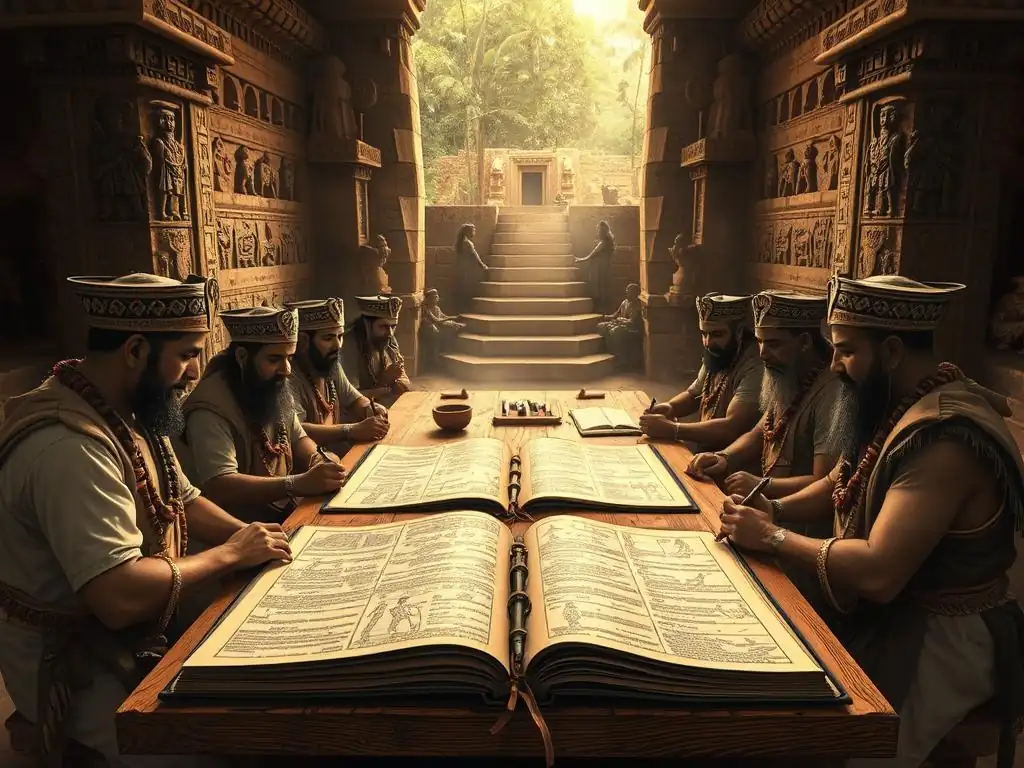
The codices of the Maya civilization served as vital instruments in the governance of their societies, encapsulating legal, historical, and cultural knowledge. These sacred texts were meticulously crafted using materials such as bark paper and deer hide, and they were inscribed with glyphs that conveyed complex information. The codices were not only repositories of knowledge but also played a key role in the administration of justice and the establishment of governance structures.
Maya governance was characterized by a hierarchical system led by powerful rulers, often referred to as "Ajaw" (kings), who wielded significant political and religious authority. The codices helped document the laws and regulations that governed daily life, ensuring that these rules were accessible and enforceable. By recording legal precedents and societal norms, the codices allowed for a more structured and cohesive society, reflecting the values and beliefs of the Maya.
Legal Codes Recorded in Codices
The legal codes inscribed in the Maya codices were crucial for maintaining order within their communities. These codes often outlined specific laws regarding property rights, trade practices, marriage, and social conduct. The most notable example of a legal code is found in the Dresden Codex, which contains references to various laws and their corresponding penalties.
- Property Rights: The codices specified ownership and inheritance laws, outlining the rights of individuals regarding land and possessions.
- Trade Regulations: They provided guidelines for commercial interactions, detailing fair practices and prohibitions against fraud.
- Marriage and Family Laws: The codices included stipulations on marriage contracts, divorce, and family responsibilities, reflecting the importance of familial structures in Maya society.
These legal codes were essential for societal stability, as they established clear expectations and consequences, thereby reducing disputes and fostering a sense of community.
The Function of Codices in Judicial Processes
Codices played a crucial role in the judicial processes of Maya governance. They served as both a reference for judges and a record of legal proceedings. The importance of codices in judicial matters can be summarized as follows:
- Documentation of Cases: Codices recorded significant legal cases, which served as precedents for future judgments. This practice ensured consistency in legal decisions and reinforced the authority of the ruling class.
- Guidelines for Judicial Authority: The codices outlined the powers of judges and the procedures to be followed in legal disputes. This clarity helped maintain a structured legal environment, enabling citizens to understand their rights and the judicial process.
- Religious and Ceremonial Aspects: Legal decisions often intertwined with religious beliefs. The codices frequently included references to deities and rituals that were invoked during legal proceedings, illustrating the inseparable link between law and spirituality in Maya governance.
By embodying both legal and spiritual dimensions, the codices reinforced the legitimacy of the judicial system and the rulers' authority.
Case Studies of Legal Precedents in Maya Codices
Numerous case studies illuminated the practical applications of legal codes recorded in the Maya codices. These examples highlight the nuanced governance structure and the role of codices in resolving disputes:
- Dispute Resolution: A case documented in the Madrid Codex illustrates a land dispute between two families. The ruling was influenced by previously established property laws, showcasing the codices' role in ensuring fair resolutions based on documented legal principles.
- Marriage Contracts: Another instance found in the Dresden Codex details a marital conflict where the husband sought a divorce. The codex provided specific guidelines on the grounds for divorce and the distribution of property, reflecting the societal norms surrounding marriage and family rights.
- Trade Violations: The Dresden Codex also records instances of trade violations, where merchants who engaged in dishonest practices faced penalties. Such cases reinforced the importance of codified laws in regulating economic activity and protecting the community's interests.
These case studies illustrate how the codices served not only as legal documents but also as tools for governance, enabling the Maya to navigate complex social interactions and maintain order in their societies. By embedding legal precedents within the codices, the Maya created a framework that allowed for both continuity and adaptability in governance, ensuring that their civilization thrived long before European contact.
The Impact of Codices on Maya Society
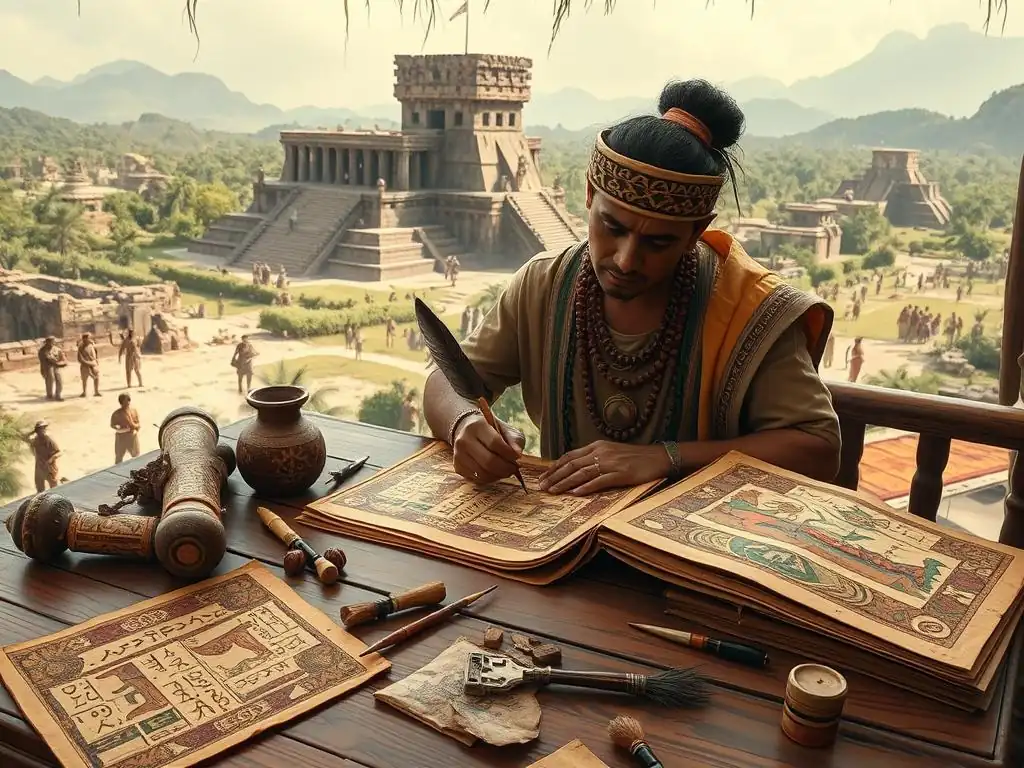
The codices of the Maya civilization were more than mere books; they were vital instruments that shaped the very fabric of Maya society. These ancient texts, made from bark paper or deerskin, provided a unique medium for recording essential information about governance, history, and law. The impact of codices extended deeply into social structures, political authority, and religious practices, creating a legacy that influenced subsequent generations.
The codices played a crucial role in establishing and maintaining the social order within Maya society. By documenting laws, customs, and societal norms, these texts served as references that guided the behavior of individuals and communities. The primary ways in which codices influenced social order include:
- Legal Framework: Codices contained legal codes that defined acceptable behavior and established consequences for violations. This legal documentation helped to ensure social stability by providing a clear understanding of laws.
- Historical Records: Many codices chronicled the history of city-states, significant events, and lineage of rulers. This historical context was essential for legitimizing authority and reinforcing social hierarchies.
- Education and Literacy: The existence of codices fostered a class of scribes and educated elites, promoting literacy among select segments of the population. This literacy was not only a tool for governance but also a means to transmit cultural values and norms.
The collective knowledge preserved in codices empowered the ruling class, allowing them to assert their authority while simultaneously maintaining the social structure that upheld their power.
Codices and the Maintenance of Power
Codices were indispensable for the Maya elite in their efforts to maintain power and control over their territories. The relationship between codices and governance manifested in several key areas:
- Record Keeping: Codices documented tributes, land ownership, and resource distribution, providing the elite with crucial data to manage their domains effectively. Accurate records helped in the administration of resources and ensured that loyalty was rewarded.
- Ceremonial Importance: Many codices included accounts of rituals and ceremonies that were integral to Maya governance. These rituals often reinforced the divine right of rulers and the interconnectedness of governance and spirituality, thus solidifying the elite's position.
- Propaganda and Legitimization: By chronicling the successes of rulers and victories in warfare, codices served as propaganda tools that portrayed the elite in a favorable light. This narrative control was essential for maintaining the allegiance of the populace.
The strategic use of codices by Maya leaders ensured that their governance was not only effective but also deeply entrenched in the cultural and religious beliefs of their society.
The Relationship Between Codices and Maya Religion
The interplay between codices and Maya religion highlights the integral role that spirituality played in governance. The codices often contained religious texts, rituals, and prophesies that were closely tied to the political landscape:
- Divine Authority: The Maya believed that their rulers were intermediaries between the gods and the people. Codices reinforced this belief by documenting divine mandates and prophecies that justified the rulers' actions.
- Rituals and Governance: Many codices detailed the rituals required for successful governance, such as those that sought agricultural bounties or military victories. These rituals often required the participation of both the ruling class and the common people, thereby uniting them under a common religious framework.
- Cyclical Time and Governance: The Maya viewed time as cyclical, with certain periods deemed more auspicious for specific actions. Codices recorded these cycles, guiding rulers in their decisions regarding warfare, agriculture, and other governance matters, thereby intertwining religious beliefs with political strategy.
The codices were a cornerstone of Maya governance, shaping societal norms, maintaining power, and intertwining the political and religious spheres. Their legacy continues to be a subject of study, revealing the sophisticated nature of Maya civilization and its governance structures.
The Decline of Codices and Its Effects on Governance
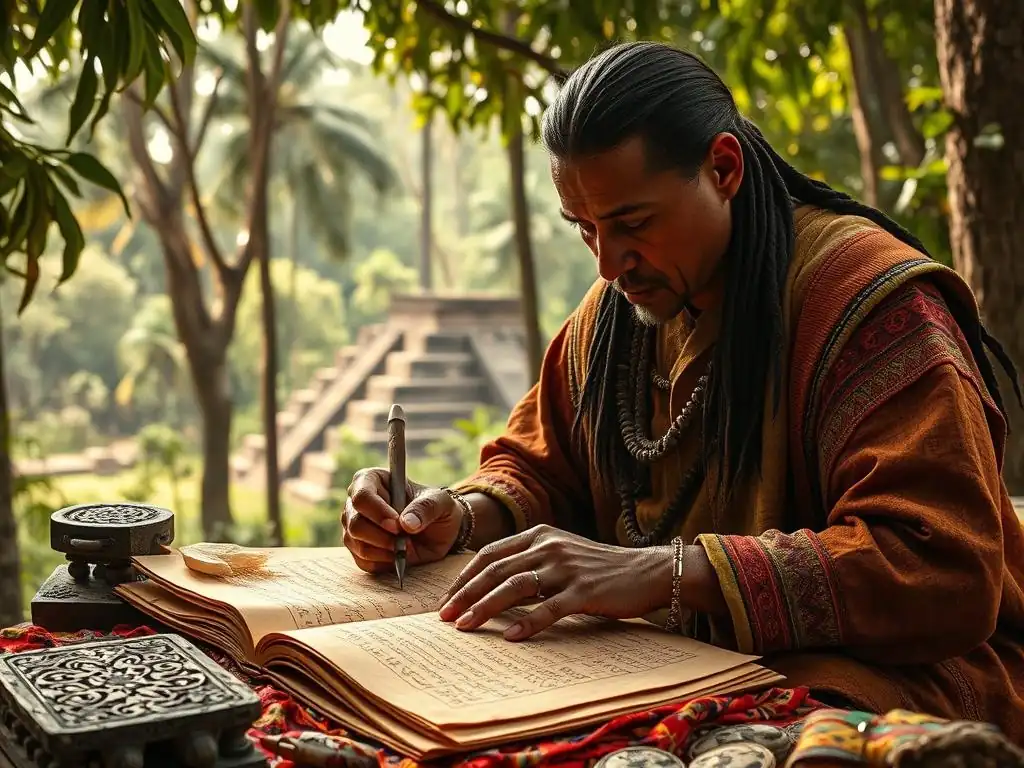
Factors Leading to the Decline of Codices
The decline of codices in Maya civilization can be attributed to several interrelated factors that developed over time.
- Spanish Conquest and Colonization: The arrival of Spanish conquistadors in the early 16th century marked a significant turning point for the Maya. As they sought to impose their culture and religion, many codices were systematically destroyed. The Spanish viewed these texts as symbols of paganism and sought to eradicate them, believing that this would facilitate the conversion of the indigenous population to Christianity.
- Epidemic Diseases: The introduction of European diseases, such as smallpox and influenza, had catastrophic effects on the Maya population. The resulting demographic collapse led to a significant loss of knowledge bearers—those who could read and write in the traditional script. With fewer individuals capable of producing or interpreting codices, the continuity of this vital cultural practice began to unravel.
- Societal Disruption: The sociopolitical structures of the Maya were severely disrupted by warfare, displacement, and the loss of traditional leadership. As communities fragmented and power dynamics shifted, the focus on codices as instruments of governance diminished. The once-central role of these texts in documenting laws, rituals, and historical events became less relevant in the face of existential crises.
- Transition to Oral Traditions: As codices fell out of favor, many Maya communities began to rely more heavily on oral traditions to transmit knowledge and governance. This shift was not merely a loss of written records; it represented a transformation in how history, law, and cultural practices were preserved and communicated, affecting the long-term retention of Maya governance structures.
Consequences for Maya Governance and Society
The decline of codices had profound implications for Maya governance and society.
- Loss of Historical Records: With the destruction of codices, many historical records detailing the lineage of rulers, treaties, and significant events were lost. This gap in historical knowledge hindered the capacity of subsequent generations to understand their past and govern effectively. The absence of documented precedents could lead to confusion, misinterpretations, and the inability to uphold traditional laws.
- Fragmentation of Political Structures: As the centralized governance that codices helped maintain weakened, local power structures began to dominate. This fragmentation often resulted in rival factions emerging within communities, leading to conflicts and instability. Governance became more localized, with leaders relying on less formalized means of authority.
- Cultural Erosion: The decline in the use of codices was also indicative of a broader cultural erosion. As the Maya lost their written records, they faced challenges in maintaining their identity and traditions. The codices had served not only as legal documents but also as repositories of mythology, cosmology, and cultural practices, all of which began to fade from collective memory.
- Shift in Knowledge Systems: The transition from written codices to oral traditions altered the methods of governance and knowledge dissemination. While oral traditions remain rich and vibrant, they are inherently different from codified texts. The precision and permanence of written law were replaced by the fluidity of oral narratives, impacting the consistency and reliability of governance.
Modern Perspectives on Maya Codices and Governance
Today, the study of Maya codices and their implications for governance is experiencing a resurgence, driven by advancements in archaeology, anthropology, and digital technology.
- Reassessment of Codices: Modern scholars are reexamining the surviving codices to gain insights into the complexities of Maya governance. By utilizing advanced imaging techniques and interdisciplinary approaches, researchers are uncovering previously overlooked details that shed light on the administrative practices and societal norms of the Maya civilization.
- Cultural Revival: There is a growing movement among contemporary Maya communities to reclaim and revitalize their heritage, including the knowledge contained within the codices. Workshops and educational programs are being implemented to teach traditional writing systems, rituals, and governance practices based on historical texts.
- Interdisciplinary Research: Collaborations between anthropologists, historians, and indigenous scholars are fostering a more comprehensive understanding of Maya governance. By integrating traditional knowledge with academic research, modern perspectives are enriching the narrative of Maya history and governance, emphasizing continuity and resilience.
- Digital Codices: The digitization of existing codices has opened new avenues for access and study. These digital resources allow for broader dissemination of knowledge and provide tools for comparative analysis, enabling scholars to examine the nuances of governance across different Maya polities.
The decline of codices significantly impacted Maya governance, leading to a transformation of societal structures and cultural practices. However, modern perspectives are beginning to illuminate the enduring legacy of these texts, highlighting their importance in understanding both historical and contemporary Maya governance.
Conclusion: The Legacy of Codices in Maya Governance
The legacy of codices in Maya governance is profound and multifaceted. These ancient texts not only served as vital records of laws, political decisions, and historical events but also played a crucial role in the administration and cultural identity of Maya society. As repositories of knowledge, codices encapsulated the intricate relationships among various city-states, their rulers, and the divine, reflecting the societal values and governance structures unique to the Maya civilization. Their preservation and study continue to enlighten our understanding of pre-Columbian governance, providing insights into the complexities of power dynamics and societal organization.
Summary of Key Points
- Documentation of Governance: Codices were essential in documenting laws, treaties, and political events, ensuring continuity and stability in governance.
- Cultural Identity: The content of codices reflects the cultural and spiritual beliefs of the Maya, linking governance with religious practices and societal norms.
- Political Authority: Codices often validated the authority of rulers and their decisions, serving as tools for political propaganda and legitimization.
- Historical Record: These texts provide invaluable historical context, detailing events and timelines that are crucial for understanding the evolution of Maya civilization.
- Inter-City Relations: Codices elucidate the interactions and relationships between different Maya city-states, revealing alliances, conflicts, and trade agreements.
The Lasting Impact of Codices on Indigenous Governance Studies
The study of Maya codices has significantly influenced Indigenous governance studies by offering a nuanced understanding of how indigenous societies documented and enacted their governance structures. The insights gleaned from these texts challenge traditional narratives that often overlook the sophistication of pre-Columbian governance. Scholars have begun to recognize the importance of indigenous knowledge systems, as codices reveal:
- Complex Legal Systems: Codices illustrate that the Maya had established legal frameworks that governed daily life, trade, and community relations.
- Decentralized Governance: Many codices indicate a decentralized form of governance, where local leaders had significant authority, contradicting the notion of a monolithic power structure.
- Cultural Resilience: The continued relevance of codices in contemporary indigenous communities highlights the resilience of indigenous governance practices and their adaptation over time.
Future Research Directions on Maya Governance and Codices History
Future research on Maya governance and codices history promises to uncover even more about the intricate tapestry of pre-Columbian societies. Potential areas for exploration include:
- Interdisciplinary Approaches: Combining archaeology, anthropology, and linguistics to deepen the understanding of the contexts in which codices were created and utilized.
- Digital Humanities: Leveraging technology to create digital archives and analyses of codices, allowing for wider access and new interpretations.
- Comparative Studies: Examining codices alongside other indigenous governance systems in the Americas to identify similarities and differences in political organization and legal practices.
- Preservation Efforts: Investigating the impact of climate change and modern threats on the preservation of codices and advocating for their protection.
- Community Engagement: Collaborating with contemporary Maya communities to ensure that research is respectful and reflective of living traditions, integrating traditional knowledge with academic studies.
The continued study of codices will not only illuminate the complexities of Maya governance but also enrich our understanding of indigenous civilizations as a whole, ensuring that their histories and contributions are recognized and valued.
Frequently Asked Questions
What are codices in the context of Maya governance?
Codices are ancient Maya books made from bark paper or deerskin, used to record history, laws, and rituals. They played a crucial role in documenting the governance and societal structures of the Maya civilization.
How did codices influence Maya society?
Codices served as important tools for administration and legal matters in Maya society. They allowed for the preservation of laws and historical events, ensuring continuity and stability in governance.
What types of information are found in Maya codices?
Maya codices contain a wide range of information, including astronomical data, ritual practices, and political records. They provide insight into the complexity of Maya governance and their understanding of the world.
Why are Maya codices significant for understanding history?
Maya codices are invaluable for historians as they offer firsthand accounts of Maya life, governance, and culture. They help uncover the social dynamics and legal practices that shaped the civilization.
Are there any notable Maya codices that scholars focus on?
Yes, scholars often study notable codices such as the Dresden Codex, which is one of the most important surviving texts. It contains rich information on Maya astronomy, rituals, and governance, making it a key resource for understanding Maya history.
Final Reflection: The Enduring Legacy of Maya Governance and Codices
The intricate relationship between Maya governance and the codices that recorded their history and laws remains profoundly relevant today. As we navigate an increasingly complex world, the lessons embedded in these ancient texts remind us of the importance of documentation, accountability, and the preservation of cultural heritage. The codices serve not only as historical artifacts but as a testament to the sophistication of Maya civilization and their governance systems, which continue to inspire contemporary discussions on leadership and societal organization.
The influence of the Maya codices extends far beyond their original context; they shape our understanding of governance, law, and history in ways that resonate with modern society. The codices are not merely relics of the past; they are living documents that inform our current practices and beliefs about governance.
As historian David Stuart aptly stated, "> The Maya codices are a window into a world where knowledge was power, and the written word held the key to societal order." This perspective underscores the ongoing relevance of these texts in fostering a deeper appreciation for the complexities of governance and the importance of historical narratives in shaping our identities.
As we reflect on the role of codices in Maya governance, I invite you to consider how the lessons of the past can inform your own understanding of leadership and community. What stories do you carry that shape your identity and guide your actions? Embrace the opportunity to document your experiences, values, and aspirations, just as the Maya did. By recognizing the significance of our own narratives, we can contribute to a richer tapestry of history that honors the wisdom of those who came before us while paving the way for future generations.
Unveil the Power of History: Engage with Maya Governance!
Thank you for diving into the fascinating world of Maya codices and their pivotal role in governance! You've uncovered the significance of these ancient texts in recording history and law, which shapes our understanding of indigenous civilizations. Let’s take the next steps together and explore this rich heritage further!
- Join a discussion: Share your thoughts about the impact of codices on contemporary governance in our community forum.
- Explore further: Check out our curated list of resources and books that delve into the history and significance of the Maya civilization.
- Spread the word: Connect with friends and family who are intrigued by indigenous cultures— share this article on your social media platforms!
What aspect of Maya governance inspires you the most, and how do you think we can apply their practices in today's world?