
Discovering the Nazca Lines: Inca Artifacts in the Skies

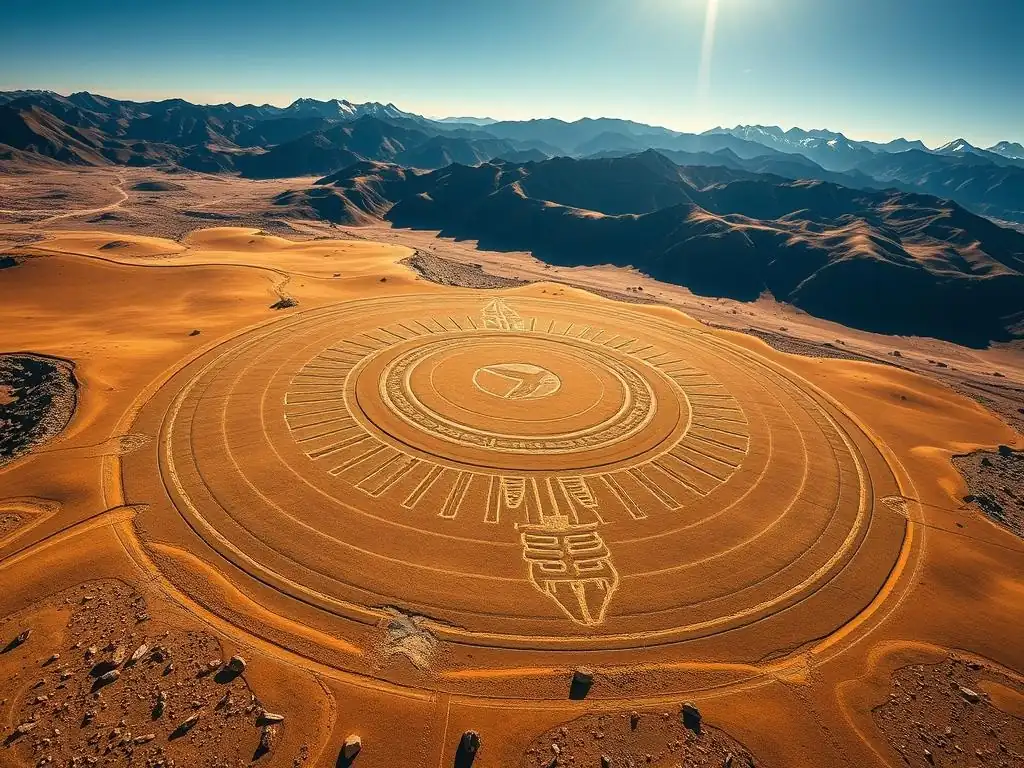
Welcome to Indigenous Civilizations of the Americas, where we invite you on an extraordinary journey through the rich tapestry of indigenous cultures that flourished long before European contact. Delve into the fascinating world of the Nazca Lines and uncover their profound significance within Inca culture. These enigmatic geoglyphs, etched into the desert floor, serve as a testament to the ingenuity and artistry of ancient civilizations. What stories do they tell, and how do they connect us to the past? Join us as we explore these archaeological wonders and ignite your curiosity about the legacies of the Americas' indigenous peoples.
Introduction to the Nazca Lines
The Nazca Lines, a series of large geoglyphs etched into the arid landscape of southern Peru, stand as a testament to the ingenuity and artistic expression of the indigenous cultures that inhabited the region long before European contact. These remarkable designs, which include figures of animals, plants, and geometric shapes, have captivated historians, archaeologists, and tourists alike, sparking numerous theories about their purpose and meaning.
As we delve into the significance of the Nazca Lines within the context of Inca culture, it becomes evident that these artistic marvels are not merely remnants of a bygone era but also a reflection of the complex belief systems and societal structures that characterized the indigenous civilizations of the Americas.
Overview of the Nazca Lines and Their Location
Located in the Nazca Desert, the Nazca Lines cover an area of approximately 1,000 square kilometers (386 square miles) between the Nazca and Palpa valleys. This region, characterized by its dry climate and stable atmospheric conditions, has preserved these geoglyphs for centuries, allowing for ongoing research and exploration. The lines, which vary in size from a few meters to several kilometers, can be best appreciated from the air, where their true scale and intricate designs come to life.
- Key Features of the Nazca Lines:
- Geometric Shapes: Over 300 geometric figures, including triangles, rectangles, and spirals.
- Zoomorphic Figures: Over 70 animal representations, such as the hummingbird, monkey, and whale.
- Humanoid Forms: Various anthropomorphic figures that have sparked speculation about their significance.
Importance of the Nazca Lines in Inca Culture
The Nazca Lines hold a profound significance within the broader context of Inca culture and the indigenous peoples of the Andes. While the lines were created by the Nazca civilization, which predates the Inca Empire, their existence continued to influence the cultures that followed. The lines are believed to have had ritualistic purposes, possibly serving as pathways for religious ceremonies or astronomical observances.
- Cultural Significance:
- Sacred Geography: The Nazca Lines may have been part of a broader system of sacred landscapes that connected various indigenous groups.
- Astronomical Alignments: Some researchers argue that certain lines align with celestial bodies, suggesting a sophisticated understanding of astronomy among the Nazca people and their successors.
Historical Context of the Nazca Lines
The Creation of the Nazca Lines: Who and When?
The Nazca Lines were created by the Nazca culture between 500 BCE and 500 CE. This period saw the rise of complex societies in the region, which developed advanced agricultural practices and sophisticated social structures. The lines were likely made by removing the top layer of reddish-brown iron oxide-coated pebbles, exposing the lighter soil beneath. This technique allowed the designs to remain visible for centuries, as the stable climate of the region has contributed to their preservation.
Connection to Inca Civilization and Indigenous Cultures
While the Nazca Lines are primarily attributed to the Nazca people, their connection to the Inca civilization is noteworthy. The Incas, who rose to prominence in the 15th century, inherited and transformed many cultural practices from earlier civilizations, including the Nazca.
The lines may have served as a source of inspiration or reverence for the Incas, reflecting their own artistic and religious sensibilities. Furthermore, the broader network of trade and cultural exchange among indigenous groups in the Andes suggests that the legacy of the Nazca Lines transcended their original creators, influencing subsequent generations and their understanding of the spiritual and natural worlds.
The Significance of the Nazca Lines in Inca Culture
The Nazca Lines, a series of large ancient geoglyphs located in the Nazca Desert of southern Peru, hold immense significance in the context of Inca culture. While the lines were created by the Nazca culture between 500 BCE and 500 CE, they continued to be of importance during the Inca Empire, which rose to prominence in the 15th century. The Lines serve not only as a testament to the sophisticated understanding of astronomy and geography possessed by these civilizations but also reflect the cultural, spiritual, and social dynamics within Inca society.
The Inca civilization viewed the natural world as interconnected with their spiritual beliefs. The Nazca Lines, with their vast and intricate designs, are believed to have been created as pathways to the gods, serving as a form of communication between the people and divine entities. The visibility of these geoglyphs from the air aligns with the Inca’s reverence for celestial bodies, suggesting that they might have been used in rituals or ceremonies intended to invoke favor from the heavens. Thus, the Lines represent a fusion of art, spirituality, and social organization within Inca culture.
Symbolism and Meaning Behind the Nazca Lines
The Nazca Lines are replete with symbolism, each design potentially holding a specific meaning or purpose. Some of the most prominent geoglyphs include animals, plants, and geometric shapes, which are believed to signify various deities, agricultural practices, or celestial events. For example, the depiction of the hummingbird, a vital figure in many Andean cultures, may symbolize fertility or the connection between the earthly realm and the spiritual world.
Additionally, the visual language of the Nazca Lines may have functioned as a form of storytelling, capturing the beliefs, myths, and daily life of the people who created them. As a result, the Lines serve as a canvas of cultural expression, reflecting the socio-political environment of the time and offering insights into the values and beliefs of the Inca civilization.
The Role of the Nazca Lines in Religious and Cultural Practices
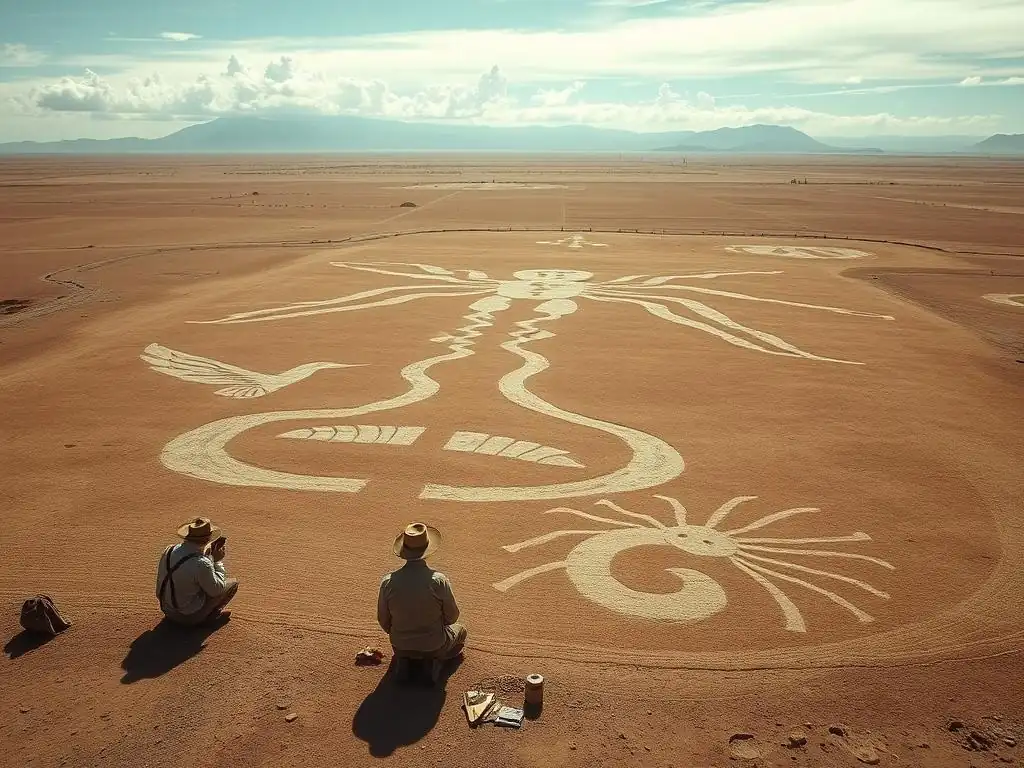
The Nazca Lines likely played a significant role in religious and cultural practices among the Inca and earlier Nazca peoples. They are believed to have served as ceremonial pathways used during rituals aimed at appeasing the gods or ensuring bountiful harvests. The alignment of certain geoglyphs with astronomical events, such as solstices and equinoxes, suggests that these lines were integral to agricultural cycles and religious observances.
Moreover, the geoglyphs may have been part of pilgrimage routes, drawing people from various regions to participate in communal rituals or to pay homage to significant deities associated with the depicted animals and plants. The collective effort required to create and maintain these lines indicates a strong sense of community and shared purpose, further emphasizing their importance in the cultural fabric of Inca society.
Types of Geoglyphs Found in the Nazca Lines
The Nazca Lines comprise a variety of geoglyphs that showcase the artistic and engineering ingenuity of their creators. These geoglyphs can be broadly categorized into three main types: geometric shapes, animal figures, and anthropomorphic representations. Each category contributes to the overall understanding of the culture and beliefs of the Nazca and Inca peoples.
Overview of Various Geoglyphs and Their Designs
Among the most notable designs within the Nazca Lines are geometric shapes that include spirals, triangles, and rectangles. These shapes are often associated with astronomical alignments and may have been used for ceremonial purposes. In contrast, the animal geoglyphs, such as the famous monkey, spider, and condor, offer a glimpse into the rich biodiversity of the region and highlight the cultural significance of these creatures in Inca mythology.
The anthropomorphic figures, although less common, depict human-like forms that may represent spiritual beings or mythological characters. Together, these various geoglyphs create a complex tapestry of meaning that continues to intrigue researchers and visitors alike.
Analysis of Animal and Plant Representations in the Lines
Animal and plant representations in the Nazca Lines are particularly fascinating as they reflect the deep connection between the Inca culture and the natural world. The geoglyphs of animals, such as the hummingbird, whale, and lizard, are thought to embody specific traits or attributes that were valued by the Nazca and Inca peoples. For instance, the hummingbird is often associated with joy and love, while the whale may symbolize strength and wisdom.
Plant representations, including the tree and flower designs, highlight the importance of agriculture and the reverence for nature within Inca society. These depictions not only served as artistic expressions but also reinforced the cultural significance of the environment and its resources. Overall, the analysis of these representations offers valuable insights into the beliefs, values, and practices of the Nazca and Inca civilizations, emphasizing their enduring legacy in the Americas.
The Nazca Lines, a series of large geoglyphs etched into the desert floor of southern Peru, have long fascinated archaeologists and historians. These remarkable figures, which include animals, plants, and geometric shapes, are believed to date back to between 500 BCE and 500 CE, primarily associated with the Nazca culture. Recent archaeological discoveries have shed light on the significance of these lines and their connection to the Inca culture, revealing a rich tapestry of historical context and cultural practices surrounding these enigmatic symbols.
Recent Excavations and Findings Near the Nazca Lines
Recent excavations in the Nazca region have uncovered various artifacts that provide deeper insights into the lives of the people who created the lines. Archaeologists have discovered pottery, ceremonial objects, and tools that suggest a sophisticated society with advanced agricultural practices. For instance, the discovery of irrigation systems indicates that the Nazca people were adept at managing water resources, which was crucial for their survival in this arid environment.
Additionally, researchers have found evidence of ceremonial sites near the lines, which may have been used for rituals linked to the geoglyphs. These findings point to the possibility that the Nazca Lines served not only as artistic expressions but also as integral components of religious and cultural ceremonies. The ongoing research continues to uncover connections between these discoveries and the broader Inca civilization, highlighting the lines’ importance in understanding the cultural landscape of ancient Peru.
Artifacts Associated with the Nazca Lines and Their Cultural Context
Artifacts associated with the Nazca Lines provide valuable context for understanding their cultural significance. Among the most notable findings are intricately decorated pottery and textiles that display motifs similar to the geoglyphs. These artifacts suggest that the lines were not merely random designs but were likely imbued with meaning, possibly representing deities or agricultural symbols significant to the Nazca people.
Furthermore, the presence of offerings, such as figurines and food remnants, at ceremonial sites indicates the lines may have played a role in fertility rituals aimed at ensuring bountiful harvests. Understanding these artifacts allows scholars to piece together the social and religious practices of the Nazca culture, emphasizing their connection to the larger Inca civilization that would later thrive in the Andes.
Theories on the Purpose of the Nazca Lines
The purpose of the Nazca Lines has been the subject of scholarly debate for decades, with several theories proposing different interpretations of their significance. While some of these theories focus on their artistic and cultural functions, others delve into more practical considerations related to the environment and agriculture.
Theories Regarding Astronomical Alignments
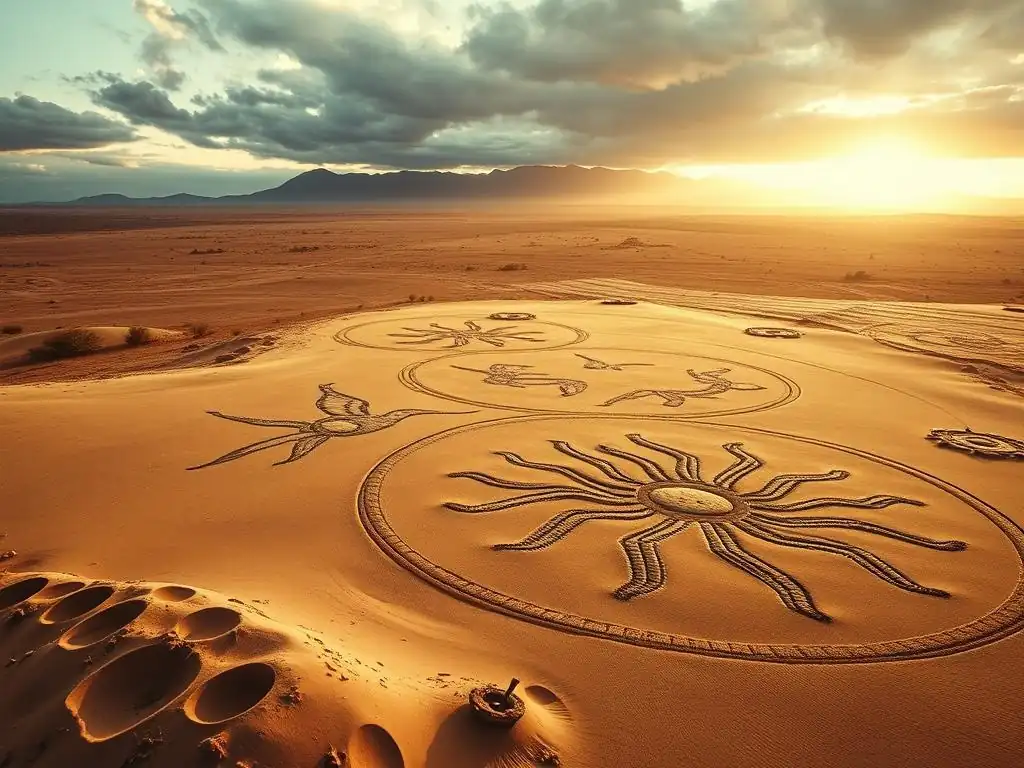
One prominent theory suggests that the Nazca Lines were created as astronomical calendars or observatories. Researchers propose that certain lines and geoglyphs align with celestial bodies, such as the sun and stars, indicating that the Nazca people may have used these markings for agricultural and ceremonial timing. For instance, some geoglyphs could correspond to solstices or equinoxes, serving as guides for planting and harvesting cycles.
This astronomical alignment theory is supported by findings of other ancient cultures that similarly integrated celestial observations into their agricultural practices. The notion that the Nazca Lines served a practical purpose in relation to astronomy highlights their significance beyond mere artistic expression, suggesting a sophisticated understanding of the cosmos.
Another compelling theory posits that the Nazca Lines were closely linked to water cultivation and fertility rituals. Given the arid climate of the Nazca region, water management was a critical aspect of survival for its inhabitants. Some researchers believe that the lines were designed to appeal to deities associated with water, reflecting a deep spiritual connection between the Nazca people and their environment.
This theory is supported by the discovery of underground aqueducts and irrigation systems that demonstrate the Nazca culture's advanced techniques for managing water resources. The lines may have served as pathways in ceremonial rituals aimed at invoking rainfall or ensuring the fertility of crops, emphasizing the interplay between the physical landscape and the spiritual beliefs of the Nazca people.
The Nazca Lines represent a unique intersection of art, astronomy, and agrarian practices, revealing the complexities of Inca culture and its relationship with the environment. As ongoing research continues to uncover new findings, the significance of these geoglyphs remains a captivating subject within the broader narrative of indigenous civilizations in the Americas.
Preservation Efforts for the Nazca Lines
The Nazca Lines, a collection of geoglyphs etched into the arid Peruvian desert, require ongoing preservation efforts due to their cultural significance and vulnerability to environmental and human threats. These ancient designs, which include various animals, plants, and geometric shapes, were created by the Nazca civilization between 500 BCE and 500 CE. Preserving these lines is critical not only for historical understanding but also for maintaining the identity and heritage of the indigenous cultures of the region.
Efforts to protect the Nazca Lines have involved various stakeholders, including the Peruvian government, local communities, and international organizations. These initiatives focus on raising awareness about the significance of the lines, implementing protective measures, and promoting responsible tourism practices. The establishment of the Nazca-Palpa Archaeological Conservation Project aims to systematically document and protect these geoglyphs. Additionally, the site has been designated a UNESCO World Heritage Site, which provides further recognition and support for its conservation.
Current Challenges in Protecting the Nazca Lines
Despite ongoing preservation efforts, several challenges hinder the protection of the Nazca Lines. One of the most pressing issues is the increasing threat of urban expansion and agricultural development in the surrounding areas. As populations grow, new construction and land use practices encroach upon the fragile desert environment, risking damage to these ancient geoglyphs.
Another significant challenge stems from climate change, which may alter weather patterns and increase erosion in the region. The Nazca desert is characterized by its dry conditions, but changes in precipitation could lead to unexpected erosion and deterioration of the lines.
Moreover, tourism pressure poses a risk to the integrity of the Nazca Lines. While tourism can provide necessary funding for preservation, overcrowding and unregulated access can lead to physical damage. The lack of infrastructure to manage visitor impact further complicates the situation, necessitating a delicate balance between access to the site and its preservation.
Initiatives for Conservation and Sustainable Tourism
To address the challenges of preserving the Nazca Lines, several initiatives have been implemented to promote conservation and sustainable tourism practices. One approach is the development of educational programs aimed at both locals and tourists, emphasizing the importance of the Nazca Lines and the need for their protection. These programs encourage responsible behavior, such as maintaining a respectful distance from the geoglyphs and adhering to designated pathways.
The implementation of stricter regulations regarding land use and construction in the vicinity of the Nazca Lines is another crucial step. By controlling urban expansion and promoting sustainable practices, the integrity of the lines can be maintained for future generations.
Additionally, partnerships between government agencies, NGOs, and local communities have been formed to foster collaborative conservation efforts. This includes monitoring activities, sharing resources, and conducting research that contributes to the ongoing understanding of the lines and their historical context.
Conclusion: The Enduring Legacy of the Nazca Lines
The Nazca Lines stand as a testament to the artistic and cultural achievements of the Nazca civilization, offering insights into their beliefs, practices, and societal values. Their enduring legacy continues to captivate researchers, historians, and tourists alike, serving as a bridge between the past and present.
The Impact of the Nazca Lines on Modern Understanding of Inca Culture
While the Nazca Lines predate the Inca civilization, their discovery and study have significantly enhanced modern understanding of Inca culture and its predecessors. The lines reflect a sophisticated knowledge of astronomy and geography, suggesting a complex relationship between the Nazca people and their environment.
Moreover, these geoglyphs have prompted further exploration into the connections between various indigenous cultures in the Andes. Researchers have drawn parallels between the artistic expressions found in the Nazca Lines and other Inca artifacts, suggesting a continuity of cultural themes and practices that persisted through time.
The Nazca Lines also challenge preconceived notions about the capabilities of ancient civilizations in South America, illustrating their ingenuity and creativity. This understanding fosters a greater appreciation for the contributions of indigenous cultures to global heritage.
Future Research Directions on the Nazca Lines and Inca Artifacts
Future research on the Nazca Lines and their connection to Inca artifacts holds great potential for uncovering new insights into the social, political, and spiritual lives of these ancient peoples. Researchers are increasingly employing advanced technologies, such as aerial photography and satellite imaging, to gain a deeper understanding of the geoglyphs' layout and their possible alignments with celestial events.
Additionally, interdisciplinary studies that combine archaeology, anthropology, and environmental science will be essential for a holistic understanding of the Nazca Lines. Such approaches can illuminate the cultural significance of the lines in relation to agricultural practices, water management, and the broader Andean cosmology.
Moreover, as interest in the Nazca Lines grows, there is an opportunity to explore how modern interpretations of these ancient symbols can inform contemporary discussions about identity, heritage, and the role of indigenous cultures in today's society. The ongoing exploration of the Nazca Lines promises to enrich our understanding of the complex tapestry of indigenous civilizations in the Americas.
Additional Resources
To further explore the Nazca Lines and their significance within Inca culture, a wealth of resources is available that can provide deeper insights. These resources include recommended reading materials and visual media, which can enhance your understanding of the complex relationships between these ancient geoglyphs, the Inca civilization, and the surrounding historical context.
Recommended Reading on Inca Culture and the Nazca Lines
-
"The Nazca Lines: A New Perspective on Their Origins" by David Johnson
This book delves into the history and theories surrounding the Nazca Lines, offering a fresh perspective on their purpose and cultural significance within the Inca civilization.
-
"Inca: Empire of the Sun" by John H. Elliott
A comprehensive examination of the Inca Empire, this book provides context on the societal structures, beliefs, and artistic expressions of the Incas, including their relationship with the Nazca Lines.
-
"The Ancient Andes: Home of the Inca" by Michael A. Malpass
This text explores the broader cultural and geographical context of the Andes, discussing the significance of the Nazca Lines within the greater narrative of Andean civilizations, particularly focusing on the Incas.
-
"Nazca: A Cultural History" by Anthony H. H. G. Witsen
Witsen’s work offers an in-depth cultural history of the Nazca region, examining the artistic and spiritual significance of the Nazca Lines and their correlation with Inca practices.
-
"Geoglyphs of the Nazca Desert" by Maria L. K. Arrieta
This publication provides detailed analyses of various geoglyphs, including the Nazca Lines, and discusses their implications for understanding Inca astronomy and spirituality.
Documentaries and Visual Media on the Nazca Lines
-
"Nazca: The Last Great Mystery" (Documentary)
A visually captivating documentary that explores the history and theories surrounding the Nazca Lines. It features interviews with archaeologists and historians who shed light on the cultural significance of these geoglyphs.
-
"The Nazca Lines: Secrets of the Desert" (Documentary)
This film investigates the archaeological findings related to the Nazca Lines and their potential connection to Inca rituals and beliefs. It provides stunning aerial footage of the lines and their intricate designs.
-
"Lost Civilizations: The Nazca" (TV Series)
Part of a larger series on ancient civilizations, this episode focuses specifically on the Nazca Lines, their origins, and their place within Inca culture, offering a blend of historical narrative and visual storytelling.
-
"In Search of the Nazca" (YouTube Series)
A series of short videos that combine modern drone footage with historical analysis, providing viewers with an engaging look at the Nazca Lines and their significance in relation to Inca culture.
-
Documentary Series on National Geographic: "The Lost Cities of the Incas"
This series includes episodes featuring the Nazca Lines and discusses their astronomical alignments and potential purposes, highlighting their importance in Inca culture and beyond.
By engaging with these resources, you can gain a more enriched understanding of the Nazca Lines and their profound significance within Inca culture, as well as their enduring legacy in the archaeological narrative of the Americas.
- Introduction to the Nazca Lines
- Overview of the Nazca Lines and Their Location
- Importance of the Nazca Lines in Inca Culture
- Historical Context of the Nazca Lines
- The Significance of the Nazca Lines in Inca Culture
- Symbolism and Meaning Behind the Nazca Lines
- The Role of the Nazca Lines in Religious and Cultural Practices
- Types of Geoglyphs Found in the Nazca Lines
- Archaeological Discoveries Related to the Nazca Lines
- Recent Excavations and Findings Near the Nazca Lines
- Artifacts Associated with the Nazca Lines and Their Cultural Context
- Theories on the Purpose of the Nazca Lines
- Theories Regarding Astronomical Alignments
- Theories Related to Water Cultivation and Fertility Rituals
- Preservation Efforts for the Nazca Lines
- Conclusion: The Enduring Legacy of the Nazca Lines
- Additional Resources
Frequently Asked Questions
What are the Nazca Lines and their significance in Inca culture?
The Nazca Lines are large geoglyphs located in southern Peru, created by the Nazca civilization. They hold cultural significance as they reflect the artistic expression and religious beliefs of the Inca culture.
How were the Nazca Lines created?
The Nazca Lines were made by removing the top layer of reddish pebbles to reveal the lighter soil beneath. This technique allowed the Nazca people to create intricate designs that could be viewed from the air.
What is the historical context of the Nazca civilization?
The Nazca civilization flourished from around 200 BCE to 600 CE, preceding the Inca empire. They are known for their advanced agricultural practices, pottery, and the Nazca Lines, which highlight their artistic sophistication.
How do the Nazca Lines relate to Inca culture?
While the Nazca Lines predate the Inca empire, they were later incorporated into Inca culture as symbols of their spiritual beliefs and possibly served as a ritualistic connection to their deities.
What is the current status of the Nazca Lines?
Today, the Nazca Lines are a UNESCO World Heritage Site and continue to be a significant tourist attraction. Efforts are in place to preserve these ancient geoglyphs due to their cultural importance and vulnerability to environmental threats.
Final Reflection: The Enduring Legacy of the Nazca Lines and Inca Culture
The Nazca Lines stand as a testament to the ingenuity and creativity of ancient civilizations, particularly the Inca culture, whose significance continues to resonate in today's world. These remarkable geoglyphs not only showcase the artistic prowess of their creators but also invite us to ponder the mysteries of human expression and connection to the cosmos. As we explore the intricate designs etched into the desert floor, we are reminded of the profound relationship between art, culture, and identity that transcends time.
The impact of the Nazca Lines on our cultural and social landscape is profound and ongoing. They serve as a bridge between the past and present, inspiring awe and curiosity in those who encounter them.
The lines have sparked discussions about ancient technologies, spiritual beliefs, and the ways in which cultures communicate their values through art. As noted by archaeologist Dr. Sarah Parcak, “The Nazca Lines are not just remnants of a lost civilization; they are a call to understand our shared human history.” > This quote encapsulates the importance of these geoglyphs as more than mere artifacts; they are a reminder of our collective heritage and the stories that bind us.
As we reflect on the significance of the Nazca Lines and their connection to Inca culture, I invite you to consider how these ancient expressions of creativity can inspire your own life. Take a moment to explore the art around you, whether it’s in your community or within yourself.
Embrace the idea that creativity knows no bounds and that each of us has the potential to leave our mark on the world, just as the Nazca Lines have done for centuries. Let the legacy of the Inca culture inspire you to seek out your own unique expressions and to appreciate the rich tapestry of human creativity that surrounds us.
Unveil the Mysteries of the Nazca Lines!
Thank you for joining us on this journey to discover the remarkable Nazca Lines and the fascinating tale they tell of ancient civilizations. We hope you’ve found inspiration in the beauty and mystery of these incredible geoglyphs. Now, let’s take the next step together!
Here are a few actions you can take right now to deepen your connection with the Nazca Lines and the rich heritage of the Indigenous cultures of the Americas:
- Plan your visit to the Nazca Lines—book a tour to experience this wonder in person and see the artistry up close.
- Join a community forum or social media group focused on Inca history and heritage to share insights and connect with fellow enthusiasts.
- Explore local Indigenous art inspired by the Nazca Lines—support artisans and enrich your knowledge of these ancient cultures.
What aspect of the Nazca Lines intrigues you the most, and how do you think it connects with broader Indigenous traditions? We invite you to share your thoughts and insights below!