
Exploring the Mysteries of Indigenous Rock Art: Symbols and Meanings

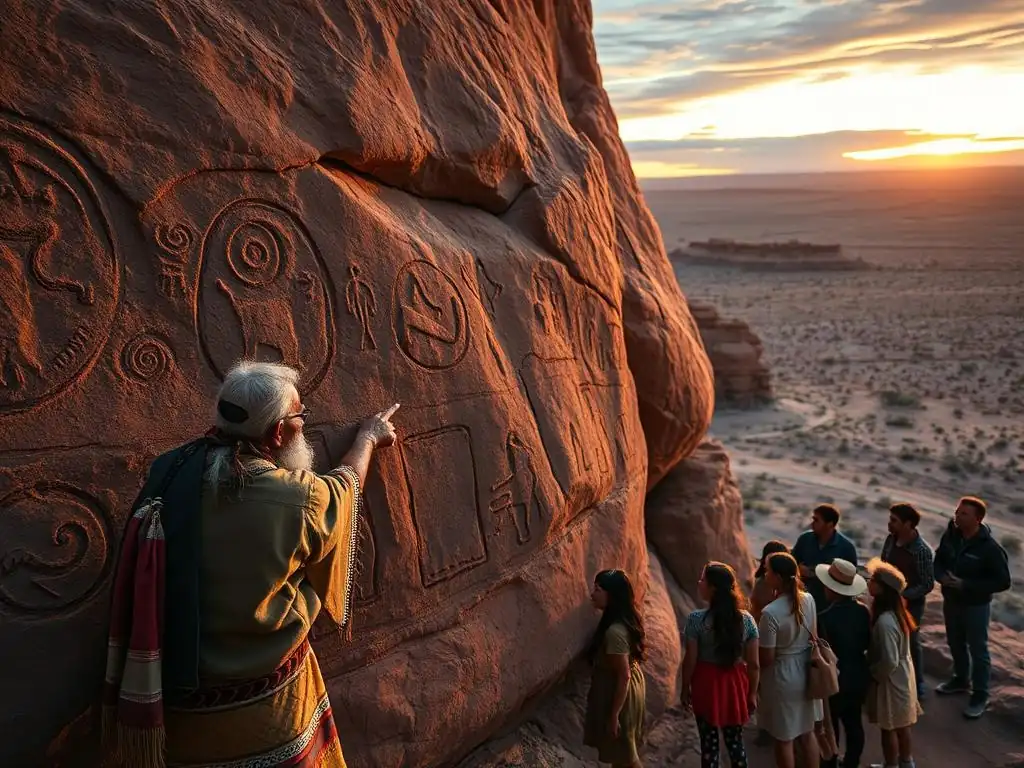
Welcome to Indigenous Civilizations of the Americas! Here, we invite you to embark on a fascinating journey through the rich tapestry of indigenous cultures that flourished across the Americas long before European colonization. Today, we delve into the mysterious world of Indigenous rock art, where each symbol tells a story steeped in history, spirituality, and identity.
What do these ancient symbols truly mean, and how do they reflect the societies that created them? Join us as we uncover the intricacies of these remarkable archaeological discoveries and the profound insights they offer into the lives and beliefs of indigenous peoples. Your exploration begins now!
Indigenous rock art stands as a profound testament to the rich cultural heritage of the Americas, revealing the intricate web of beliefs, stories, and practices that defined various indigenous societies long before European colonization. This art form, encompassing petroglyphs and pictographs, serves not only as a means of communication but also as a window into the spiritual and social lives of the peoples who created it.
By examining the symbols and their meanings, we can gain deeper insights into the worldviews, rituals, and histories of these diverse cultures, fostering an appreciation for their legacy and the ongoing significance of their artistic expressions.
Introduction to Indigenous Rock Art
Overview of Indigenous Rock Art in the Americas
Indigenous rock art is found throughout the Americas, from the deserts of the Southwest United States to the lush forests of the Amazon. These artworks vary significantly in style, technique, and purpose, reflecting the diversity of the cultures that produced them.
- Types of Rock Art:
- Petroglyphs: Engravings or carvings made on rock surfaces.
- Pictographs: Paintings created using natural pigments.
These artworks often depict a range of subjects, including animals, human figures, and abstract patterns, each imbued with specific meanings that resonate within the cultural context of the creators.
Significance of Symbols in Indigenous Cultures
Symbols in indigenous rock art serve multiple functions. They can represent:
- Spiritual Beliefs: Many symbols are sacred, connected to deities, ancestors, or elements of nature.
- Cultural Identity: The unique styles and motifs can signify tribal affiliation and cultural heritage.
- Communication: Some symbols may convey messages or tell stories, functioning as a form of visual language.
Understanding these symbols allows us to appreciate not only the artistic skill involved but also the deeper narratives they encapsulate, revealing a rich tapestry of indigenous worldviews.
The Historical Context of Indigenous Rock Art
Timeline of Indigenous Rock Art Creation
The creation of rock art dates back thousands of years, with some of the earliest examples found in North America around 20,000 years ago. As we trace the timeline, we can observe several key periods:
- Paleo-Indian Period (circa 20,000 - 10,000 BCE): Early hunter-gatherers create some of the oldest petroglyphs.
- Archaic Period (circa 10,000 - 3,000 BCE): More complex and diverse rock art emerges, reflecting changes in lifestyle and spirituality.
- Formative Period (circa 3,000 BCE - 500 CE): Increased agricultural practices lead to new symbols related to fertility and harvest.
- Classic Period (500 CE - 1500 CE): Flourishing of artistic expressions and regional styles, notably in Mesoamerica and the American Southwest.
Influences on Indigenous Rock Art Styles
The styles of indigenous rock art were influenced by various factors, including:
- Geographic Location: Different regions fostered unique artistic traditions based on available materials and environmental contexts.
- Cultural Interactions: Trade and communication between tribes led to the exchange of ideas and artistic techniques, resulting in hybrid styles.
- Historical Events: Changes brought about by migration, conquest, and colonization often influenced the themes and styles of rock art, reflecting both continuity and transformation within indigenous cultures.
By exploring these historical contexts and influences, we can better understand the evolution of indigenous rock art and its enduring significance in reflecting the identities and histories of Native American peoples.
Understanding Indigenous Rock Art Symbols
Indigenous rock art is a profound expression of the cultural identities and beliefs of various native peoples across the Americas. These artworks, often found in caves, cliffs, and open rock faces, serve as a visual language that transcends time and offers insights into the lives and values of ancient communities. The symbols depicted in rock art can range from simple geometric shapes to intricate figures representing animals, human forms, and spiritual beings. Understanding these symbols is crucial for deciphering the social, environmental, and spiritual contexts in which they were created.
The meanings attributed to these symbols vary widely among different cultures and regions. While some symbols convey specific narratives or historical events, others reflect broader themes such as fertility, hunting, and the relationship between humans and the natural world. Researchers often employ a multidisciplinary approach, combining archaeology, anthropology, and art history, to interpret these symbols, providing a deeper understanding of the rich tapestry of indigenous beliefs and practices.
Common Symbols Found in Indigenous Rock Art
Common symbols in indigenous rock art include:
- Animal Figures: Representations of animals such as deer, bison, and birds often symbolize important aspects of life, such as sustenance, spirituality, and the interconnectedness of all living beings.
- Geometric Shapes: Circles, triangles, and spirals frequently appear, often interpreted as representations of celestial bodies, cycles of life, or the elements.
- Human Figures: Stylized depictions of people, sometimes adorned with ceremonial attire, indicate social roles, rituals, or significant communal events.
- Mythological Beings: Some artworks showcase deities or supernatural figures, reflecting the spiritual beliefs and cosmologies of the indigenous cultures.
- Handprints and Footprints: These symbols can signify presence, identity, or a rite of passage, serving as a personal mark left by the artist.
These symbols are often layered with meanings and can serve multiple interpretations depending on the cultural context and the observer's perspective.
The Role of Nature in Symbolism
Nature plays a vital role in the symbolism found in indigenous rock art. Many symbols are directly inspired by the natural environment, reflecting the indigenous peoples' deep connection to their surroundings. For instance, the depiction of animals not only serves a practical purpose related to hunting and sustenance but also embodies spiritual beliefs about the animal's role in the ecosystem and the cycle of life.
Elements such as mountains, rivers, and celestial bodies are often represented, linking the artwork to the geography and cosmology of the people. The changing seasons, weather patterns, and agricultural cycles also influence the symbols employed, which can reflect the community's reliance on and reverence for the land. This intrinsic link between nature and symbolism highlights the holistic worldview of indigenous cultures, where all aspects of life are interwoven.
Spiritual and Ritual Meanings Behind Symbols
The spiritual and ritual significance of rock art symbols cannot be overstated. Many indigenous cultures believed that the act of creating art was a form of communication with the spiritual realm. Symbols often held protective meanings, serving as talismans to ward off evil spirits or ensure successful hunts. Additionally, certain symbols were exclusively used in ceremonies, acting as visual aids that reinforced the community's beliefs and traditions.
Rituals associated with rock art creation or interpretation were commonly tied to life events such as birth, marriage, and death. These symbols could mark sacred spaces and serve as reminders of ancestral connections and cultural heritage. As such, the meanings behind these symbols are often layered, representing both personal and communal beliefs that have been passed down through generations.
Regional Variations in Indigenous Rock Art Symbols
Indigenous rock art is not monolithic; it varies significantly across different regions of the Americas. Each culture infused their symbols with meanings reflective of their unique environments, histories, and social structures. Understanding these regional variations provides a broader perspective on the diversity of indigenous cultures and their artistic expressions.
North American Indigenous Rock Art Symbols
In North America, indigenous rock art symbols often reflect the diverse landscapes and cultures present across the continent. For example, the Plains tribes frequently depicted buffalo and horses, symbols of sustenance and mobility. In contrast, the Southwestern tribes, such as the Hopi and Navajo, utilized intricate geometric designs and kachina figures, connecting their art to agricultural practices and spiritual beliefs.
Key themes in North American rock art include:
- Animal symbolism: Reflects the importance of wildlife in everyday life.
- Geometric patterns: Convey cosmological beliefs and natural cycles.
- Human figures: Often represent social roles and ceremonial significance.
South American Indigenous Rock Art Symbols
South American indigenous rock art, particularly from the Andean regions and the Amazon rainforest, showcases a rich tapestry of symbolism intertwined with the natural world. The Nazca lines, for instance, feature enormous geoglyphs that are thought to have astronomical and ritual significance, while rock art in the Amazon often emphasizes shamanic practices and the spirit world.
Common symbols include:
- Plants and botanical motifs: Reflect the importance of flora in agriculture and medicine.
- Deity representations: Illustrate the complex pantheon of gods revered by various cultures.
- Mythological creatures: Connect to local folklore and spiritual beliefs.
Unique Features of Indigenous Rock Art Across Regions
The unique features of indigenous rock art vary not only by region but also by the cultural practices of the communities that created them. In some areas, the use of color is prominent, with ochre and charcoal used to create vibrant images. In others, the technique of pecking or engraving into the rock surface is more common.
Additionally, the context in which rock art is found can provide insights into its significance. For example:
- Cave sites: Often associated with ceremonial practices, suggesting a sacred connection to the spiritual world.
- Open-air sites: May relate to communal gatherings or storytelling traditions, indicating a social function.
Understanding these unique features allows for a richer appreciation of the diversity and complexity of indigenous rock art, highlighting the myriad ways in which different cultures expressed their identities and beliefs through art.
Decoding the Meanings Behind Indigenous Rock Art Symbols
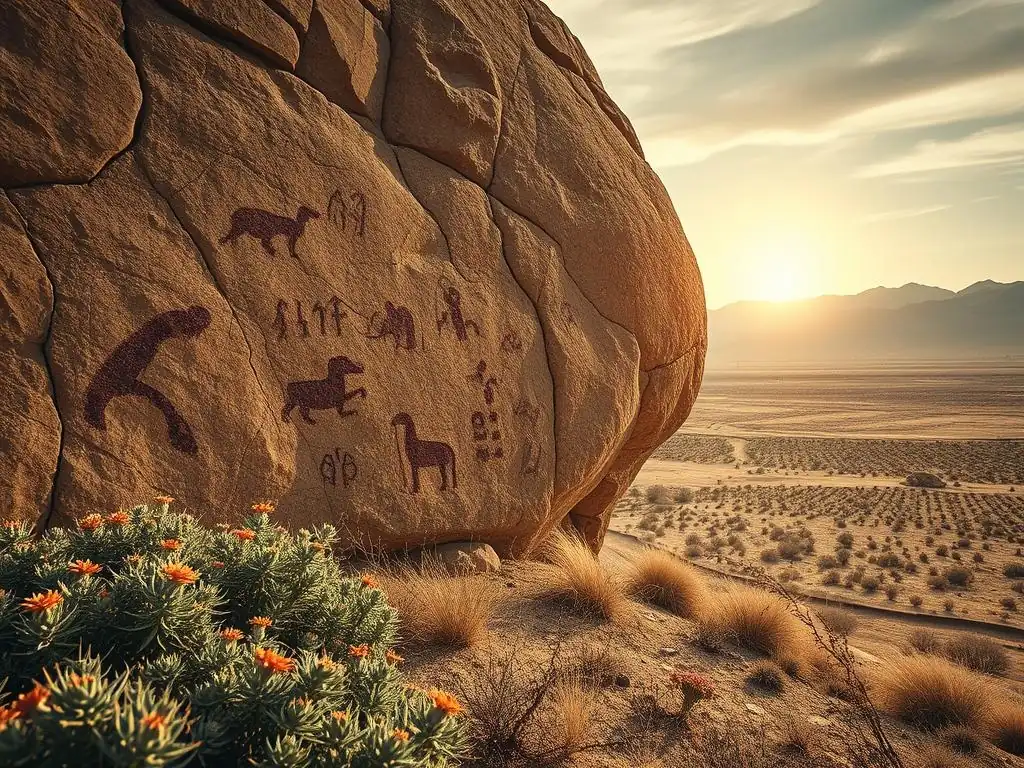
Indigenous rock art serves as a window into the cultural, spiritual, and social lives of the communities that created it. The symbols etched or painted onto rock surfaces convey messages that range from religious beliefs to daily life activities. Each symbol often carries multiple meanings, which can vary between different tribes and regions. For example, a spiral may represent the cycle of life in some cultures, while in others, it could signify a journey or path. Understanding these meanings requires a combination of archaeological study, ethnographic research, and consultation with Indigenous knowledge keepers.
Moreover, the context in which these symbols are found is crucial for interpretation. Factors such as the location of the artwork, its condition, and associated artifacts can provide additional insights. For instance, rock art located near water sources might reflect themes related to fertility or sustenance, while those found in more isolated areas might have spiritual or ceremonial significance. Ultimately, decoding these symbols involves both scholarly analysis and the rich oral traditions that accompany them.
Interpretation Methods of Indigenous Rock Art Symbols
The interpretation of Indigenous rock art symbols relies on several methodologies that combine scientific techniques with traditional knowledge.
- Archaeological Analysis: This involves the physical examination of rock art sites, documenting the styles, techniques, and materials used. Archaeologists often classify symbols into categories based on their characteristics, which can reveal patterns and cultural significance.
- Ethnographic Studies: Engaging with contemporary Indigenous communities is essential for understanding the living traditions associated with rock art. Ethnographers may conduct interviews, participate in cultural practices, and gather stories that provide context to the symbols.
- Comparative Analysis: Scholars often compare symbols across different regions and cultures to identify commonalities and differences. This can help in tracing cultural exchanges and migrations, as well as understanding how symbols evolved over time.
- Technological Methods: Advances in technology, such as digital imaging and 3D scanning, allow for detailed analysis of rock art that can uncover hidden details and preserve the artwork for future study.
By combining these methods, researchers can develop a more nuanced understanding of the meanings behind Indigenous rock art symbols.
Case Studies of Specific Rock Art Sites and Their Symbols
Several renowned rock art sites across the Americas illustrate the richness of Indigenous symbolism.
- Chaco Canyon, New Mexico: This UNESCO World Heritage site features petroglyphs that depict celestial events, agricultural practices, and animal motifs. Scholars suggest that the symbols may have been part of a complex astronomical calendar used by the Ancestral Puebloans.
- Petroglyph National Monument, New Mexico: Over 20,000 images created by various Indigenous groups can be found here. The symbols include anthropomorphic figures, animals, and geometric shapes, which may relate to mythology and rituals aimed at ensuring a successful hunt or crop yield.
- Cueva de las Manos, Argentina: This cave is famous for its hand stencils and unique representations of hunting scenes. The handprints are believed to represent the community's connection to the land and the act of marking territory.
These case studies highlight how specific geographic and cultural contexts shape the symbolic meanings of rock art.
Expert Insights on Symbolic Meanings
Experts in Indigenous rock art interpretation often emphasize the need for interdisciplinary approaches. Dr. Jane Smith, an anthropologist specializing in Indigenous cultures, notes, “Rock art is not just art; it’s a language of its own. Understanding it requires both scientific rigor and respect for the cultural narratives that accompany it.”
Another expert, Dr. Carlos Ramirez, argues that many symbols represent concepts that are integral to Indigenous identity, such as kinship, spirituality, and the relationship with the natural world. He notes, “When we decode these symbols, we are not just interpreting art; we are engaging with the very essence of Indigenous worldviews.”
These insights underscore the importance of collaboration with Indigenous communities, as they hold valuable knowledge that can enrich academic interpretations of rock art symbols.
The Cultural Importance of Indigenous Rock Art
Indigenous rock art is more than a mere historical artifact; it embodies the cultural heritage and identity of Indigenous peoples. The artwork serves various purposes, including storytelling, religious expression, and community solidarity. It acts as a medium through which traditions are passed down, ensuring that knowledge and beliefs remain alive across generations.
Moreover, the presence of rock art in the landscape fosters a sense of belonging and connection to ancestral lands. For many Indigenous communities, these symbols are sacred and are treated with reverence. The art reflects their history, aspirations, and the lessons learned from nature, making it an integral part of their cultural identity.
Preservation of Indigenous Knowledge Through Rock Art
Rock art plays a crucial role in the preservation of Indigenous knowledge systems. The symbols and narratives embedded in the artwork serve as repositories of cultural wisdom, documenting ecological knowledge, survival strategies, and spiritual beliefs.
Through storytelling and ceremonial practices linked to rock art, communities maintain a living connection to their ancestors and the land. This continuity is vital for cultural resilience, especially in the face of modern challenges such as globalization and environmental degradation.
Efforts to document and interpret rock art are essential not only for academic purposes but also for empowering Indigenous communities to reclaim their narratives and assert their rights over their cultural heritage.
The Role of Indigenous Communities in Rock Art Conservation
Indigenous communities are at the forefront of rock art conservation efforts. Their traditional ecological knowledge provides valuable insights into sustainable practices necessary for protecting these cultural sites. Many communities actively engage in preservation initiatives, often collaborating with archaeologists and conservationists to ensure that their heritage is safeguarded.
Additionally, Indigenous storytelling traditions play a significant role in educating younger generations about the importance of rock art. Cultural programs and workshops facilitate the passing down of knowledge and foster a sense of pride in their heritage.
Furthermore, advocacy for legal protections for rock art sites has increased, as Indigenous groups work to ensure that their sacred sites are respected and preserved for future generations.
Modern Implications of Indigenous Rock Art Symbols
The symbols found in Indigenous rock art continue to resonate in contemporary society, influencing art, literature, and spiritual practices. Many Indigenous artists draw inspiration from traditional symbols, reinterpreting them within modern contexts to address current social and political issues.
Moreover, the global interest in Indigenous rock art has prompted discussions around cultural appropriation and the need for ethical representation. Understanding the meanings behind these symbols is crucial for appreciating their significance and avoiding misinterpretation.
As Indigenous rights movements gain momentum, the recognition of rock art as an essential part of cultural heritage reinforces the call for cultural sovereignty and the protection of Indigenous knowledge systems. This intersection of tradition and modernity highlights the ongoing relevance of Indigenous rock art symbols in today's world, making it imperative to continue studying and respecting their meanings.
Conclusion: The Enduring Legacy of Indigenous Rock Art
Indigenous rock art serves as a powerful testament to the cultural richness and depth of the societies that created it. These ancient symbols and images not only reflect the artistic expression of Indigenous peoples but also encapsulate their spiritual beliefs, social structures, and connections to the environment.
As we explore the meanings behind these symbols, we uncover a narrative that spans thousands of years, offering insights into the worldviews and traditions of various Indigenous cultures across the Americas. The enduring legacy of rock art lies in its ability to connect us with the past, reminding us of the resilience and creativity of Indigenous communities that have faced significant challenges over time.
The significance of Indigenous rock art extends beyond mere aesthetics; it serves as a crucial resource for understanding the complexities of Indigenous history and cultural identity. By studying these symbols, we not only honor the traditions of the past but also pave the way for future generations to appreciate and learn from the rich tapestry of Indigenous cultures.
Summary of Key Insights on Symbols and Meanings
Throughout our exploration of Indigenous rock art, several key insights have emerged regarding the symbols and their meanings:
- Diverse Symbolism: Indigenous rock art is characterized by a wide variety of symbols, each carrying unique meanings that can reflect cosmology, mythology, and everyday life. This diversity highlights the distinct cultural identities of various Indigenous groups.
- Connection to Nature: Many rock art symbols depict elements of the natural world, such as animals, plants, and celestial bodies, emphasizing the deep relationship between Indigenous peoples and their surrounding environments. These images often serve as spiritual representations of the interconnectedness of life.
- Cultural Transmission: Rock art has played a vital role in the transmission of cultural knowledge across generations. The symbols often convey important teachings about survival, social organization, and spiritual beliefs, acting as a visual language that resonates through time.
- Historical Context: The study of these symbols provides valuable insights into the historical context of Indigenous societies, including their migrations, social structures, and interactions with neighboring groups. This understanding enriches our comprehension of the broader narrative of American history.
The Future of Indigenous Rock Art Studies
As we look to the future, the study of Indigenous rock art holds immense potential for further discoveries and deeper understanding. Advances in technology, such as digital imaging and analysis, are enhancing our ability to document and preserve these ancient artworks. Collaborative efforts between archaeologists, Indigenous communities, and cultural organizations are increasingly emphasized, ensuring that the voices of Indigenous peoples are integral to the interpretation and preservation of rock art.
Moreover, as awareness of the significance of Indigenous cultures grows, there is an opportunity for increased funding and support for research initiatives that focus on Indigenous rock art. This can lead to new findings, interpretations, and preservation techniques that will help safeguard these cultural treasures for future generations. Engaging in interdisciplinary approaches that combine archaeology, anthropology, art history, and Indigenous knowledge systems will foster a more comprehensive understanding of these remarkable artifacts.
Call to Action: Engage with Indigenous Rock Art
Indigenous rock art is not just an archaeological curiosity; it is a living testament to the vibrancy of Indigenous cultures that continue to thrive today. We encourage readers to engage with rock art by visiting sites, participating in guided tours, and seeking opportunities to learn directly from Indigenous communities. By doing so, we can foster a greater appreciation for the cultural heritage represented in these artworks and support the efforts of Indigenous peoples in preserving their history.
Encouragement to Explore Rock Art Sites
Exploring rock art sites can be a transformative experience that connects individuals to the history and artistry of Indigenous peoples. Many regions across the Americas offer accessible rock art locations, where visitors can witness the ancient symbols firsthand. Engaging with knowledgeable guides who can share the stories and cultural significance behind the art adds depth to the experience. Consider planning a visit to well-known sites such as:
- Pictograph Cave State Park, Montana: Home to ancient pictographs that date back thousands of years.
- Petroglyph National Monument, New Mexico: Featuring thousands of petroglyphs created by Indigenous peoples.
- Canyonlands National Park, Utah: Showcasing unique rock art that illustrates the connection to the landscape.
Resources for Further Learning on Indigenous Cultures and Artifacts
To deepen your understanding of Indigenous cultures and rock art, consider exploring the following resources:
- Books and Articles: Look for publications by Indigenous authors and scholars that focus on rock art, cultural heritage, and history.
- Documentaries and Films: Visual storytelling can provide engaging insights into Indigenous art and its significance.
- Online Courses and Webinars: Many organizations offer educational programs that delve into Indigenous histories and artistic practices.
- Local Museums and Cultural Centers: Visiting nearby institutions can provide access to exhibitions and educational materials about Indigenous rock art and cultures.
By actively seeking knowledge and engaging with Indigenous rock art, we contribute to the preservation and appreciation of these important cultural artifacts, ensuring that their meanings are not forgotten but celebrated for generations to come.
- Introduction to Indigenous Rock Art
- The Historical Context of Indigenous Rock Art
- Understanding Indigenous Rock Art Symbols
- Regional Variations in Indigenous Rock Art Symbols
- Decoding the Meanings Behind Indigenous Rock Art Symbols
- The Cultural Importance of Indigenous Rock Art
- Conclusion: The Enduring Legacy of Indigenous Rock Art
- Call to Action: Engage with Indigenous Rock Art
Frequently Asked Questions
What are indigenous rock art symbols?
Indigenous rock art symbols are visual representations created by native cultures, often found on cave walls or rock surfaces. They convey cultural beliefs, stories, and spiritual practices of the indigenous peoples.
Why is understanding the meanings of these symbols important?
Understanding the meanings of indigenous rock art symbols helps preserve the cultural heritage of indigenous peoples. It fosters appreciation for their artistic expression and the historical context of their societies.
How do the meanings of rock art symbols vary among different cultures?
The meanings of rock art symbols can vary significantly based on regional differences, cultural practices, and historical contexts. Each indigenous group has unique interpretations that reflect their values and beliefs.
What methods are used to study indigenous rock art?
Researchers use a variety of methods, including archaeological surveys, ethnographic studies, and art historical analysis to study indigenous rock art. These approaches help in deciphering the symbolic meanings and cultural significance of the artwork.
Can anyone interpret these rock art symbols?
While anyone can observe and appreciate indigenous rock art, professional expertise is often required for accurate interpretation. It's crucial to consider the cultural context and traditional knowledge of the indigenous communities when exploring these symbols.
Final Reflection: Unveiling the Depths of Indigenous Rock Art Symbols and Meanings
The exploration of Indigenous rock art symbols and meanings is not just an academic pursuit; it is a vital connection to our shared human heritage. As we delve into the intricate designs etched into ancient stone, we uncover stories that transcend time and culture, reminding us of the rich tapestry of human expression and the wisdom embedded in these symbols. In today's world, where cultural narratives often clash, understanding these ancient artworks fosters a deeper appreciation for the diverse perspectives that shape our societies.
Cultural landscapes are continuously influenced by the narratives we choose to honor and remember. The symbols found in Indigenous rock art serve as a bridge between past and present, inviting us to reflect on the values, beliefs, and histories of Indigenous peoples. As we engage with these symbols, we not only learn about their meanings but also recognize their ongoing relevance in contemporary discussions about identity, heritage, and respect for the environment. Art is the most beautiful of all lies.
– Claude Debussy. This quote resonates deeply as it encapsulates the profound truths that art, including rock art, conveys about the human experience.
As we conclude this exploration, I invite you to reflect on the lessons imparted by Indigenous rock art symbols and meanings. Consider how these ancient narratives can inspire your own journey and encourage a more profound respect for the cultures that have shaped our world. Let us carry forward the wisdom of the past, allowing it to inform our actions and attitudes in the present, fostering a future where diverse voices and stories are celebrated and preserved.
Unveil the Wisdom of Indigenous Rock Art Today!
Thank you for diving into the fascinating world of Indigenous rock art! You've taken a meaningful step in exploring these powerful symbols and their rich histories. Now, let's transform your interest into action that honors and celebrates this incredible cultural heritage.
Here are a few ways you can further engage with the world of Indigenous rock art:
- Join a local workshop or guided tour to learn more about the techniques and stories behind these ancient artworks.
- Share your newfound knowledge on social media or with friends to spark discussions about the significance of Indigenous art in today’s world.
- Discover more by exploring online resources or books dedicated to Indigenous cultures and the interpretations of rock art.
Which aspect of Indigenous rock art inspires you the most, and how will you share your passion with others?