
The Fascinating Discoveries Made at Chaco Canyon: Insights into Ancestral Puebloan Life

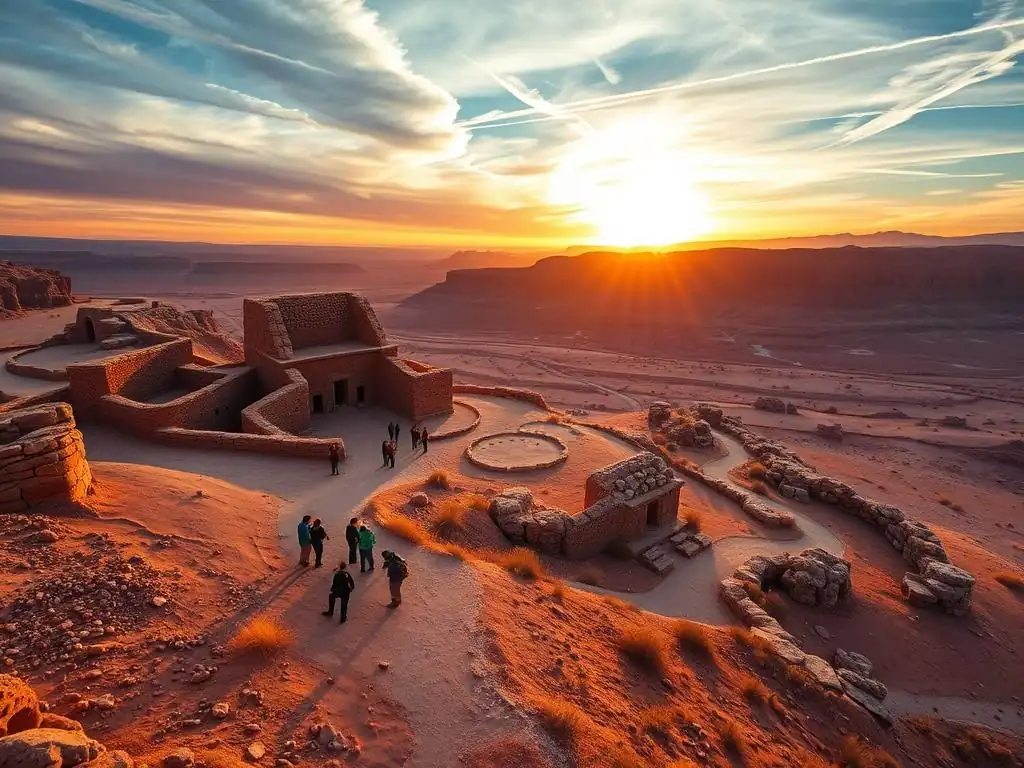
Welcome to Indigenous Civilizations of the Americas, where we invite you to embark on a captivating journey through the rich tapestry of indigenous cultures that flourished long before European footprints marked the land. Here, you will find a treasure trove of knowledge, with a special focus on the fascinating discoveries made at Chaco Canyon, which unveil profound insights into Ancestral Puebloan culture.
As you delve into the intricate societies and remarkable achievements of these civilizations, prepare to uncover the enduring impact they have left on our world today. Join us as we explore the echoes of the past that continue to resonate in the present, igniting your curiosity and inspiring a deeper understanding of their legacy.
Introduction to Chaco Canyon and Ancestral Puebloan Culture
Chaco Canyon, located in northwestern New Mexico, stands as a monumental testament to the ingenuity and complexity of the Ancestral Puebloan culture, which flourished in the American Southwest between AD 900 and 1150. This UNESCO World Heritage site is not only renowned for its architectural grandeur and sophisticated urban planning but also for the insights it provides into the social, spiritual, and economic lives of its inhabitants. The discoveries made at Chaco Canyon have significantly reshaped our understanding of pre-Columbian societies, revealing intricate networks of trade, communication, and cultural exchange that transcended regional boundaries.
Understanding Ancestral Puebloan culture requires a deep dive into the rich tapestry of their achievements and societal structures. From monumental stone edifices to the astronomical alignments embedded in their architecture, the Ancestral Puebloans left behind a legacy that continues to captivate archaeologists and historians alike. Through meticulous excavation and research, we are beginning to unravel the mysteries of Chaco Canyon, shedding light on how these civilizations adapted to their environment, organized their communities, and expressed their beliefs.
Overview of Chaco Canyon's Significance
Chaco Canyon served as a central hub for the Ancestral Puebloans, functioning both as a political and ceremonial center. The site is characterized by its impressive "great houses," which were multi-storied structures that housed large communities and served various functions, from residential spaces to ceremonial venues. The architecture of Chaco Canyon is notable for its advanced construction techniques, which utilized locally sourced sandstone and mud mortar, showcasing the engineering prowess of the Ancestral Puebloans.
Moreover, Chaco Canyon's significance extends beyond its physical structures. It is believed to have been a focal point for trade, where goods such as turquoise, pottery, and tools were exchanged, not only within the region but also with distant cultures. The ceremonial practices and astronomical observations conducted at Chaco suggest a complex belief system that intertwined spirituality with the natural world.
The Ancestral Puebloan Civilization: A Brief History
The Ancestral Puebloan civilization, originally referred to as the Anasazi, began to form around 200 AD, evolving from small, nomadic groups into a sophisticated society with permanent settlements. By the late 9th century, Chaco Canyon emerged as a thriving center, characterized by its unique architectural style and extensive trade networks. The civilization's peak occurred between AD 1000 and 1150, when it experienced a cultural renaissance marked by advancements in agriculture, pottery, and astronomy.
However, by the late 12th century, factors such as climate change, resource depletion, and social upheaval led to the decline of Chaco Canyon and the broader Ancestral Puebloan society. Despite the eventual abandonment of Chaco, the influence of this remarkable civilization endures, as modern Pueblo peoples continue to honor their ancestral ties to the land and its history.
Key Archaeological Discoveries at Chaco Canyon
Archaeological research at Chaco Canyon has unveiled a wealth of information about the Ancestral Puebloan culture, providing crucial insights into their daily life, social organization, and spiritual beliefs. Here are some of the most significant discoveries:
Architectural Marvels: Great Houses and Kivas
The great houses of Chaco Canyon, such as Pueblo Bonito and Chetro Ketl, are architectural marvels that exemplify the engineering skills and social organization of the Ancestral Puebloans. These structures often contained hundreds of rooms and were designed with precise astronomical alignments, suggesting that they played a dual role as living spaces and ceremonial centers.
Kivas, circular underground chambers used for religious ceremonies, also reveal much about the spiritual practices of the Ancestral Puebloans. Their construction, often featuring elaborate wall murals and ventilation systems, indicates a sophisticated understanding of both architecture and ritual significance.
The Role of Astronomy in Ancestral Puebloan Life
The alignment of buildings and ceremonial sites with celestial events highlights the importance of astronomy in Ancestral Puebloan culture. Archaeological findings suggest that the inhabitants of Chaco Canyon meticulously observed the sun, moon, and stars, integrating these observations into their agricultural calendar and spiritual practices. Structures such as the Sun Dagger on Fajada Butte demonstrate their advanced knowledge of solar cycles, which was crucial for regulating planting and harvesting seasons.
Artifacts Unearthed: Tools, Pottery, and More
Excavations at Chaco Canyon have yielded a plethora of artifacts that provide insight into the daily lives of the Ancestral Puebloans. Tools crafted from stone and bone reveal their hunting and agricultural practices, while intricately designed pottery showcases their artistic abilities and cultural expressions. Additionally, the presence of trade goods, such as turquoise and macaws from Central Mexico, underscores the extensive trade networks and cultural exchanges that existed during this period.
Through these fascinating discoveries, we gain a deeper appreciation for the Ancestral Puebloan culture, its achievements, and the enduring legacy that continues to inspire research and exploration in archaeology today.
Insights into Ancestral Puebloan Society
The Ancestral Puebloan culture, primarily known for their remarkable architectural achievements and sophisticated society, thrived in the Four Corners region of the United States. The insights into their society reveal a complex web of social structures, economic practices, and spiritual beliefs that contributed significantly to their resilience and cultural richness. Through archaeological discoveries at Chaco Canyon, researchers have gained valuable perspectives on how these communities organized themselves, interacted with their environment, and maintained their cultural identity over centuries.
Social Structure and Community Organization
The social structure of the Ancestral Puebloans was hierarchical yet inclusive, with evidence suggesting a system of leadership that combined both religious and political authority. Elders and those with spiritual significance often held prominent roles, guiding community decisions and rituals.
- Clans and Lineages: The family unit was central, with clans often tracing their lineage matrilineally. This emphasis on maternal lines fostered strong kinship ties, which were vital for social cohesion and resource sharing.
- Community Planning: The layout of Chaco Canyon, with its grand kivas and multi-storied buildings, indicates a highly organized approach to community planning. Public structures played a crucial role in social gatherings, reinforcing community bonds and collective identity.
- Rituals and Ceremonies: Regular ceremonies were integral to maintaining social order and cultural continuity, emphasizing the importance of collective participation in spiritual and civic life.
Trade Networks and Economic Practices
The Ancestral Puebloans developed extensive trade networks that facilitated the exchange of goods, ideas, and cultural practices across vast distances. These networks were essential for their economic sustainability and sociocultural interactions.
- Goods and Resources: They traded items such as pottery, textiles, turquoise, and agricultural products. The presence of non-local materials at Chaco Canyon suggests that the inhabitants were part of a larger economic system, drawing resources from surrounding regions.
- Agricultural Practices: Farming was foundational to their economy, with evidence of advanced agricultural techniques, including irrigation systems that allowed them to cultivate maize, beans, and squash. This agricultural productivity supported larger populations and contributed to the development of complex societies.
- Economic Exchange: The significance of ceremonial exchanges cannot be overstated; they served not only as economic transactions but also strengthened inter-community relationships, reinforcing cultural ties across the Ancestral Puebloan landscape.
Spiritual Beliefs and Cultural Practices
Spirituality played a pivotal role in Ancestral Puebloan life, influencing their daily activities, artistic expressions, and community organization. Understanding their spiritual beliefs offers critical insights into their worldview and cultural identity.
- Kivas and Ceremonial Spaces: The construction of kivas—subterranean ceremonial chambers—highlights the importance of ritual in their society. These spaces served as centers for religious gatherings, teaching, and community decision-making.
- Cosmology and Deities: Ancestral Puebloans had a rich cosmology that included a pantheon of deities associated with natural elements and agricultural cycles. Their beliefs underscored the relationship between the environment and their spiritual practices.
- Artistic Expressions: Artifacts such as pottery, murals, and carvings reflect their spiritual beliefs and cultural narratives, showcasing a deep connection to their traditions and the natural world.
Advances in Archaeology at Chaco Canyon
The archaeological investigations at Chaco Canyon have led to significant advances in understanding the Ancestral Puebloan culture. Cutting-edge techniques and collaborative research efforts have enriched the narrative of this ancient civilization.
Technological Innovations in Excavation Techniques
Recent advancements in excavation techniques have transformed the way archaeologists explore Chaco Canyon. Techniques such as stratigraphic excavation and careful mapping have provided deeper insights into the cultural layering of the site.
- Stratigraphy: By studying the different layers of soil, researchers can glean information about the chronological development of the site, revealing how Ancestral Puebloan life evolved over time.
- Preservation Methods: Innovative preservation strategies ensure that artifacts and structures are maintained for future study, allowing for ongoing research into the lives of the Ancestral Puebloans.
The Use of Remote Sensing and Ground-Penetrating Radar
The application of remote sensing technologies and ground-penetrating radar (GPR) has revolutionized archaeological practices at Chaco Canyon, allowing for non-invasive exploration of subsurface features.
- Remote Sensing: This technology helps identify archaeological sites and structures without disturbing the ground, enabling researchers to map out the extensive layout of the canyon and its surrounding areas.
- GPR Applications: Ground-penetrating radar has been instrumental in locating buried structures and understanding the spatial relationships between significant archaeological features, providing a clearer picture of the community's organization.
Collaborative Efforts with Indigenous Communities
Recognizing the importance of Indigenous perspectives, archaeologists have increasingly engaged with contemporary Puebloan communities in their research efforts.
- Cultural Collaboration: Working with Indigenous scholars and community members fosters a more holistic understanding of Ancestral Puebloan culture, blending traditional knowledge with scientific inquiry.
- Ethical Considerations: Collaborative approaches emphasize respect for cultural heritage and aim to ensure that Indigenous voices are integral to the interpretation and presentation of their history and achievements.
- Educational Initiatives: Joint efforts in education and outreach serve to raise awareness about Ancestral Puebloan culture, promoting understanding and appreciation among broader audiences.
The Impact of Discoveries on Understanding Ancestral Puebloan Culture
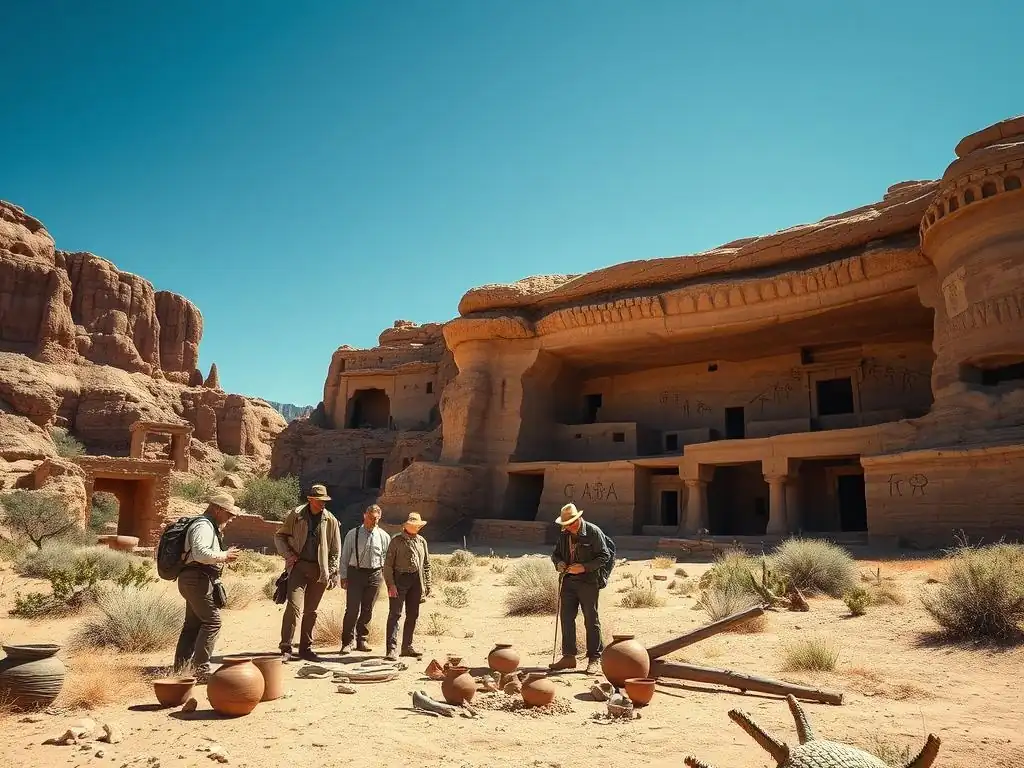
The discoveries at Chaco Canyon have significantly transformed our comprehension of Ancestral Puebloan culture, offering a window into their sophisticated society, intricate social structures, and advanced architectural skills. For decades, archaeologists have meticulously excavated the site, unearthing artifacts, pottery, and remnants of ancient structures that reveal the complexities of life for these indigenous people. These findings have not only highlighted their ingenuity but have also reshaped long-held assumptions about their societal organization, trade networks, and interaction with the environment.
One of the most profound impacts of these discoveries is the understanding of Chaco Canyon as a major ceremonial and political center. The architecture—characterized by massive stone buildings and roads connecting various regions—indicates that the area served as a hub for religious and social gatherings, influencing a vast network of communities across the Southwest. Insights gained from these excavations have led researchers to appreciate the interconnectedness of Ancestral Puebloan groups, challenging the notion of isolated tribes and underscoring the cultural exchanges that occurred across the region.
New Perspectives on Daily Life and Survival Strategies
The artifacts recovered from Chaco Canyon have provided rich details about the daily lives of Ancestral Puebloans, revealing their survival strategies and subsistence practices. Evidence of advanced agricultural techniques, including the use of irrigation systems and terraced farming, demonstrates their ability to adapt to the arid environment. Studies of crop remains indicate that maize, beans, and squash were staples in their diet, reflecting a deep understanding of agriculture that sustained their population.
Moreover, the discovery of storage facilities and food-processing tools offers insights into their resource management. The presence of trade goods, such as turquoise and seashells, suggests that they engaged in extensive trade networks, acquiring resources from distant regions and fostering economic relationships. These findings paint a vivid picture of a society that was not only resilient but also innovative in their approach to survival amidst the challenges posed by their environment.
Reevaluating Historical Narratives: Myth vs. Reality
The archaeological findings at Chaco Canyon have prompted a critical reevaluation of historical narratives surrounding Ancestral Puebloan culture. Traditionally, many accounts were shaped by Eurocentric perspectives that marginalized indigenous voices and experiences. However, as new evidence emerges, it becomes clear that the Ancestral Puebloans were not merely passive subjects of history but active agents in shaping their cultural landscape.
For instance, the monumental architecture of Chaco Canyon challenges the notion of simplistic, transient lifestyles of indigenous peoples. Instead, it suggests a complex society with sophisticated planning and communal efforts. By integrating indigenous oral histories with archaeological data, researchers are forging a more nuanced understanding of the Ancestral Puebloans, allowing for a richer narrative that honors their legacy and resilience.
Contributions to Modern Indigenous Identity and Heritage
The discoveries at Chaco Canyon have profound implications for contemporary indigenous identity and heritage. As modern descendants of the Ancestral Puebloans seek to reclaim and celebrate their cultural heritage, the findings serve as a vital link to their past. The site not only embodies the achievements of their ancestors but also provides a platform for revitalizing traditions and practices that may have been lost over time.
In addition, the recognition of Chaco Canyon as a UNESCO World Heritage Site emphasizes its significance as a cultural landmark. This designation supports efforts to educate the public about the importance of Ancestral Puebloan history and fosters a sense of pride among indigenous communities. By highlighting these connections, the archaeological discoveries contribute to the ongoing dialogue about identity, resilience, and the preservation of indigenous cultures in the face of modern challenges.
Future Research Directions at Chaco Canyon
As archaeological work at Chaco Canyon continues, several future research directions promise to enhance our understanding of Ancestral Puebloan culture. Ongoing excavations aim to uncover more about the social dynamics, religious practices, and daily life of the people who inhabited this remarkable site. Innovations in technology, such as ground-penetrating radar and remote sensing, are also being employed to identify unexcavated structures and artifacts, potentially revealing new insights into the complexities of this civilization.
Ongoing Excavations and Studies
Current excavations at Chaco Canyon focus on several key areas, including the examination of ceremonial structures and residential complexes. These ongoing studies aim to deepen our understanding of the spatial organization of the site and how it reflects social hierarchies and communal activities. Researchers are also investigating the role of astronomy in Ancestral Puebloan culture through the alignment of buildings and structures with celestial events, which may unveil the significance of cosmology in their daily lives.
In addition, interdisciplinary collaborations with historians, anthropologists, and indigenous communities are fostering a holistic approach to research. By incorporating traditional ecological knowledge and oral histories into archaeological studies, new interpretations of the data are emerging that honor the perspectives of those who are descendants of the Ancestral Puebloans.
Potential Discoveries that Could Reshape Ancestral Puebloan Culture Insights
The potential for groundbreaking discoveries at Chaco Canyon remains high. Future excavations could reveal more about the nature of trade relationships with other indigenous cultures, expanding our understanding of regional interactions and economic systems. Additionally, new finds related to ceremonial practices may shed light on the spiritual beliefs and rituals that were integral to Ancestral Puebloan life.
Moreover, as climate change poses threats to archaeological sites, understanding how the Ancestral Puebloans adapted to environmental challenges could provide valuable lessons for modern societies facing similar issues. The integration of climate studies with archaeological findings could lead to insights that reshape our views on resilience and adaptation in indigenous cultures.
The Importance of Preservation and Protection of Archaeological Sites
Preserving and protecting archaeological sites like Chaco Canyon is crucial for maintaining the integrity of cultural heritage. As interest in these sites grows, so does the risk of damage from tourism, climate change, and urban development. Collaborative efforts among archaeologists, indigenous communities, and governmental organizations are essential to ensure that these irreplaceable resources are safeguarded for future generations.
Implementing sustainable tourism practices and conservation strategies can enhance public appreciation while minimizing the environmental impact. Furthermore, raising awareness about the significance of these sites fosters a sense of responsibility in both local and global communities to protect the legacies of indigenous cultures. By prioritizing preservation, we can honor the rich history of the Ancestral Puebloans and continue to learn from their profound contributions to human civilization.
Conclusion: The Legacy of Chaco Canyon in Understanding Ancestral Puebloan Life
The discoveries made at Chaco Canyon represent a significant chapter in the narrative of Ancestral Puebloan culture. This archaeological site serves as a crucial window into the complexities of a civilization that thrived in the American Southwest from approximately AD 900 to 1150.
Through the study of its remarkable architecture, extensive road networks, and ceremonial practices, researchers have gained invaluable insights into the social, political, and economic dynamics of the Ancestral Puebloans. Chaco Canyon not only showcases the ingenuity and adaptability of its inhabitants but also highlights the sophisticated systems of trade and communication that linked diverse communities across the region.
Summary of Key Findings and Their Significance
The excavation of Chaco Canyon has yielded several key findings that illuminate the life of the Ancestral Puebloans:
- Architectural Marvels: The multi-story buildings, such as Pueblo Bonito, are evidence of advanced architectural techniques and communal living. Their alignment with astronomical events suggests a deep understanding of celestial movements, indicating that astronomy played a significant role in their cultural practices.
- Trade Networks: Artifacts such as turquoise, seashells, and macaws found at Chaco Canyon reveal a far-reaching trade network. These items hint at connections with distant regions, emphasizing the economic and social interactions that the Ancestral Puebloans maintained with other cultures.
- Ceremonial Practices: The presence of kivas (ceremonial structures) indicates the importance of spirituality and community rituals in Ancestral Puebloan society. The elaborate construction and decoration of these kivas highlight their significance in social cohesion and cultural identity.
The significance of these findings extends beyond mere historical curiosity; they challenge modern perceptions of pre-Columbian societies as simplistic or isolated. Instead, they illustrate a dynamic and interconnected web of cultural exchange and innovation, providing a more nuanced understanding of Indigenous resilience and creativity.
The Continuing Influence of Ancestral Puebloan Culture Today
The legacy of Chaco Canyon and the broader Ancestral Puebloan culture continues to resonate in contemporary society. Modern Indigenous communities, particularly the Pueblo peoples, draw upon their ancestral heritage to inform cultural practices, art, and community governance. Festivals, traditional ceremonies, and the preservation of language serve as vital links to their historical roots, ensuring that the knowledge and values of their ancestors remain alive.
Moreover, the influence of Ancestral Puebloan culture is evident in contemporary environmental stewardship practices. The sustainable agricultural techniques and water management systems developed by their ancestors inspire modern efforts to address climate change and resource management challenges.
In addition, the archaeological findings at Chaco Canyon have sparked interest in heritage tourism, fostering a greater appreciation for Indigenous history among broader audiences. This awareness promotes dialogue about cultural preservation and the importance of respecting Indigenous rights and lands.
Chaco Canyon stands not only as a monument of past achievements but as a living testament to the enduring impact of Ancestral Puebloan culture. Its discoveries serve as a reminder of the richness of Indigenous histories and their ongoing relevance in today's world.
- Introduction to Chaco Canyon and Ancestral Puebloan Culture
- Key Archaeological Discoveries at Chaco Canyon
- Insights into Ancestral Puebloan Society
- Advances in Archaeology at Chaco Canyon
- The Impact of Discoveries on Understanding Ancestral Puebloan Culture
- Future Research Directions at Chaco Canyon
- Conclusion: The Legacy of Chaco Canyon in Understanding Ancestral Puebloan Life
Frequently Asked Questions
What is Chaco Canyon known for?
Chaco Canyon is renowned for its architectural and astronomical significance, showcasing the advanced engineering skills of the Ancestral Puebloan culture.
How did the Ancestral Puebloans use Chaco Canyon?
The Ancestral Puebloans utilized Chaco Canyon as a ceremonial center, a hub for trade, and a community space that fostered cultural exchange among various tribes.
What are some key discoveries made at Chaco Canyon?
Key discoveries include elaborate stone structures, roads, and pottery that provide insights into the social organization and daily life of the Ancestral Puebloans.
How did the Ancestral Puebloan culture influence modern societies?
The Ancestral Puebloan culture has left a lasting legacy through its art, agricultural practices, and spiritual beliefs, which continue to influence contemporary Native American communities.
Why is it important to study indigenous cultures like the Ancestral Puebloans?
Studying indigenous cultures offers valuable insights into human resilience, cultural diversity, and the historical context of societies that shaped the Americas long before European colonization.
Final Reflection: Unveiling the Depths of Ancestral Puebloan Culture Insights
The discoveries made at Chaco Canyon resonate profoundly with our understanding of Ancestral Puebloan culture, revealing not only their architectural brilliance but also their intricate social and spiritual lives. Today, as we face a world increasingly disconnected from its roots, these insights remind us of the significance of preserving and honoring the legacies of ancient civilizations. The lessons learned from Chaco Canyon are not just historical artifacts; they are vital narratives that shape our present and future.
The ongoing influence of Ancestral Puebloan culture is evident in contemporary discussions about sustainability, community, and connection to the land. As we navigate the complexities of modern life, the values and practices of these ancient peoples offer a blueprint for resilience and harmony with nature. We do not inherit the earth from our ancestors; we borrow it from our children.
This quote encapsulates the essence of stewardship that the Ancestral Puebloans embodied, reminding us that our actions today will echo through generations.
As we reflect on the insights gained from Chaco Canyon, I invite you to consider how these lessons can be woven into your own life. Take a moment to explore your connection to the land, your community, and your heritage. Embrace the wisdom of the past as you forge your path forward, ensuring that the stories of those who came before us continue to inspire and guide us in our quest for a more harmonious existence.
Unveil the Secrets of Chaco Canyon Today!
Thank you for exploring the captivating world of Chaco Canyon and the incredible insights into Ancestral Puebloan life! Your interest helps preserve and celebrate these rich histories, and we hope you found inspiration throughout your reading.
Ready to dive deeper? Here are some actionable steps you can take right now:
- Plan a visit to Chaco Canyon or your nearest cultural heritage site to experience the history firsthand.
- Join an online forum or a local group dedicated to Indigenous history to share your thoughts and learn from others.
- Share this article with friends and family to spark conversations about the significance of Chaco Canyon and its discoveries.
What aspect of Ancestral Puebloan life fascinates you the most, and how can you encourage others to appreciate this remarkable heritage?