
The Secrets Beneath: How Geoarchaeology Is Revealing Hidden Indigenous Histories

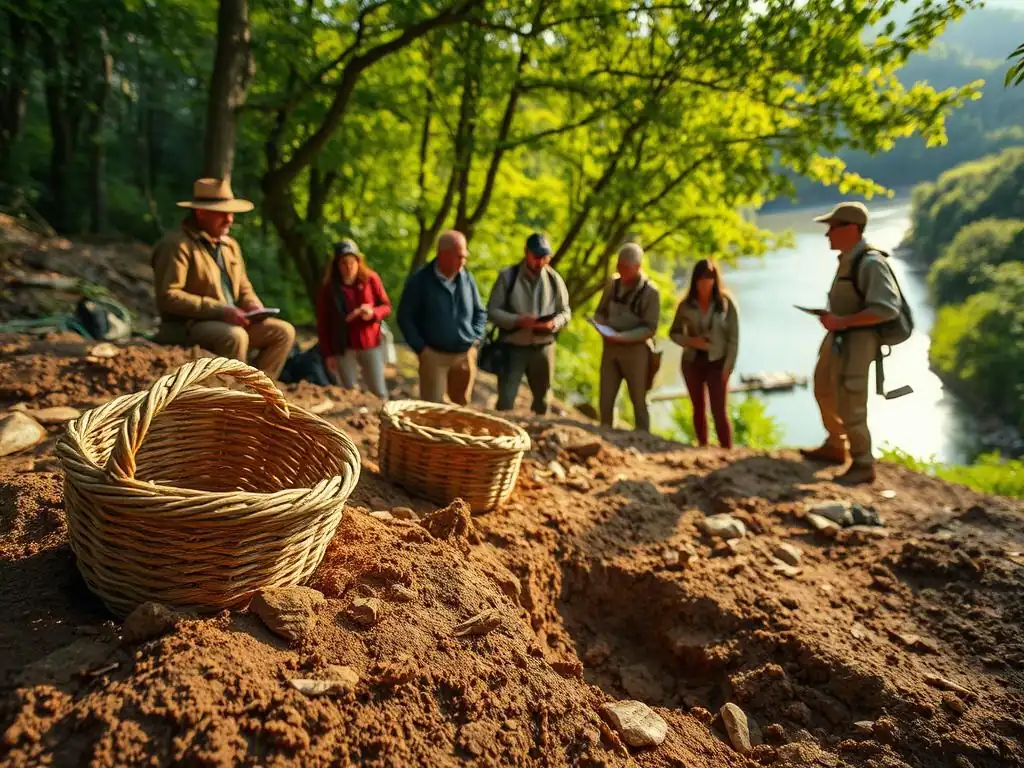
Welcome to Indigenous Civilizations of the Americas, where we embark on a fascinating journey through time to uncover the rich tapestry of indigenous cultures geoarchaeology discoveries that shaped the Americas long before European contact. In our featured article, "The Secrets Beneath: How Geoarchaeology Is Revealing Hidden Indigenous Histories," we delve into the groundbreaking techniques that are unearthing the remarkable achievements and societies of these vibrant cultures.
Prepare to be captivated as we reveal how the earth itself holds the keys to understanding their lasting impact on our world today. Join us in exploring these hidden histories and discover the stories that have been waiting to be told.
Geoarchaeology serves as a crucial bridge between the earth sciences and archaeology, providing insights that illuminate the complex narratives of indigenous cultures across the Americas. As we delve into the secrets beneath the surface, we uncover not only the artifacts and structures left behind but also the environmental contexts that shaped these diverse civilizations.
This article will explore how geoarchaeology is revealing hidden histories of indigenous peoples, focusing on significant discoveries that enhance our understanding of their achievements, societies, and enduring impacts before European colonization. By examining the interplay between geological processes and archaeological findings, we can appreciate the rich tapestry of indigenous cultures and their resilient adaptations to changing landscapes.
Introduction to Geoarchaeology and Indigenous Cultures
Understanding Geoarchaeology
Geoarchaeology is an interdisciplinary field that merges geological sciences with archaeological inquiry. It seeks to understand how geological processes—such as sedimentation, erosion, and soil formation—affect archaeological sites. This approach involves analyzing stratigraphy, landforms, and the chemical composition of soils to reconstruct past environments and human interactions with them. Through techniques such as radiocarbon dating and soil micromorphology, geoarchaeologists can unveil timelines and ecological conditions that influenced indigenous cultures.
- Key Aspects of Geoarchaeology:
- Sediment Analysis: Understanding layers of sediment to reveal chronological data.
- Paleoenvironmental Reconstruction: Reconstructing ancient environments to contextualize human activity.
- Site Formation Processes: Examining how natural events like floods or volcanic eruptions influenced site preservation.
Importance of Indigenous Cultures in Archaeological Discoveries
Indigenous cultures of the Americas are characterized by their rich diversity and profound connections to the land. These cultures developed sophisticated social structures, agricultural practices, and spiritual beliefs long before European contact. Archaeological discoveries that focus on these societies provide invaluable insights into their innovations and resilience.
- Significance of Studying Indigenous Cultures:
- Cultural Heritage: Understanding indigenous histories contributes to the preservation of cultural identity.
- Ecological Knowledge: Indigenous practices often demonstrate sustainable land use that can inform modern environmental practices.
- Historical Context: Discoveries shed light on the effects of colonization and the persistence of indigenous identities.
The Role of Geoarchaeology in Uncovering Indigenous Histories
How Geoarchaeology Works in Archaeological Contexts
Geoarchaeology operates at the intersection of earth sciences and archaeology, employing various methods to analyze the physical context of archaeological sites. From examining soil layers to assessing the impacts of natural events, geoarchaeologists play a pivotal role in interpreting how indigenous peoples interacted with their environments over time.
- Applications in Archaeological Contexts:
- Site Assessment: Evaluating potential sites for archaeological investigation.
- Understanding Human-Environment Interactions: Analyzing how environmental changes influenced settlement patterns.
- Revealing Past Human Activities: Identifying areas of habitation, agriculture, and resource management.
Key Techniques Used in Geoarchaeological Research
Several advanced techniques are integral to geoarchaeological research, allowing for a deeper understanding of indigenous histories. These methods not only enhance archaeological surveys but also provide a clearer picture of how indigenous cultures adapted to and shaped their environments.
- Prominent Geoarchaeological Techniques:
- Remote Sensing: Utilizing aerial photography and satellite imagery to identify archaeological features.
- Geophysical Surveys: Employing non-invasive methods to detect buried structures.
- Soil Micromorphology: Analyzing soil samples under a microscope to reveal past human activities and environmental conditions.
Through these innovative approaches, geoarchaeology continues to uncover and reinterpret the rich histories of indigenous cultures, highlighting their contributions and resilience in the face of environmental and societal changes.
Geoarchaeology has played a pivotal role in unveiling the complexities of indigenous cultures across the Americas. By combining geological sciences with archaeological methods, researchers have uncovered significant discoveries that offer new insights into how these civilizations interacted with their environments. One of the most notable findings is the identification of ancient agricultural practices through sediment analysis, which demonstrated that indigenous peoples practiced sophisticated farming techniques long before European contact.
Additionally, geoarchaeological studies have revealed evidence of extensive trade networks among indigenous groups. For example, the distribution of materials such as obsidian and turquoise across vast distances indicates a level of social organization and economic interaction that challenges earlier perceptions of isolated tribal societies. The layering of sediments and the study of soil composition have also allowed archaeologists to date human activities more accurately, providing a clearer timeline of indigenous habitation and environmental adaptation.
These discoveries not only enhance our understanding of indigenous cultures but also highlight their resilience and ingenuity in utilizing natural resources sustainably. The integration of geoarchaeological methods continues to uncover hidden histories that reshape our knowledge of the Americas before European colonization.
Case Studies of Notable Indigenous Sites
Several case studies exemplify the breakthroughs made possible through geoarchaeological research. One prominent example is the site of Cahokia, located near modern-day St. Louis, Missouri. This ancient urban center thrived between AD 600 and 1400, and its geoarchaeological investigations revealed complex mound structures built from carefully manipulated earth, indicating sophisticated engineering skills and societal organization. The analysis of pollen and sediment layers provided insights into the agricultural practices and environmental changes that influenced Cahokia's growth and eventual decline.
Another significant case is the coastal site of Point Reyes in California, where geoarchaeological studies uncovered evidence of ancient shell middens. These deposits not only contained remains of marine resources but also offered insights into the seasonal patterns and dietary practices of the indigenous peoples who inhabited the area. The stratigraphic analysis of these middens has enabled researchers to reconstruct the ecological changes over millennia, revealing the adaptive strategies employed by indigenous communities in response to changing environmental conditions.
These case studies illustrate the breadth of knowledge that geoarchaeology contributes to the understanding of indigenous cultures, showcasing their adaptability and the intricate relationships they maintained with their environments.
Analysis of Artifacts and Ecofacts in Indigenous Contexts
The analysis of artifacts and ecofacts through geoarchaeological lenses has transformed our understanding of indigenous cultures. Artifacts such as tools, pottery, and ceremonial objects are contextualized within their environmental settings, providing a deeper understanding of their use and significance. For instance, the study of lithic (stone) tools found in specific geological contexts can reveal not only the technological capabilities of indigenous peoples but also their resource management strategies.
Ecofacts, including animal bones and plant remains, offer critical information about dietary practices and subsistence strategies. By combining archaeological finds with paleoenvironmental data, researchers can reconstruct ancient diets and agricultural practices. This integration has shown that many indigenous cultures cultivated a diverse array of crops, significantly contributing to the region's biodiversity.
Furthermore, the geoarchaeological analysis of spatial patterns within sites allows for the exploration of social organization and cultural practices. The arrangement of structures, waste disposal practices, and evidence of ceremonial activities can illuminate the social dynamics of indigenous communities. This multifaceted approach fosters a more nuanced understanding of the complexities and innovations inherent in indigenous cultures.
The Impact of Geoarchaeology on Indigenous Histories
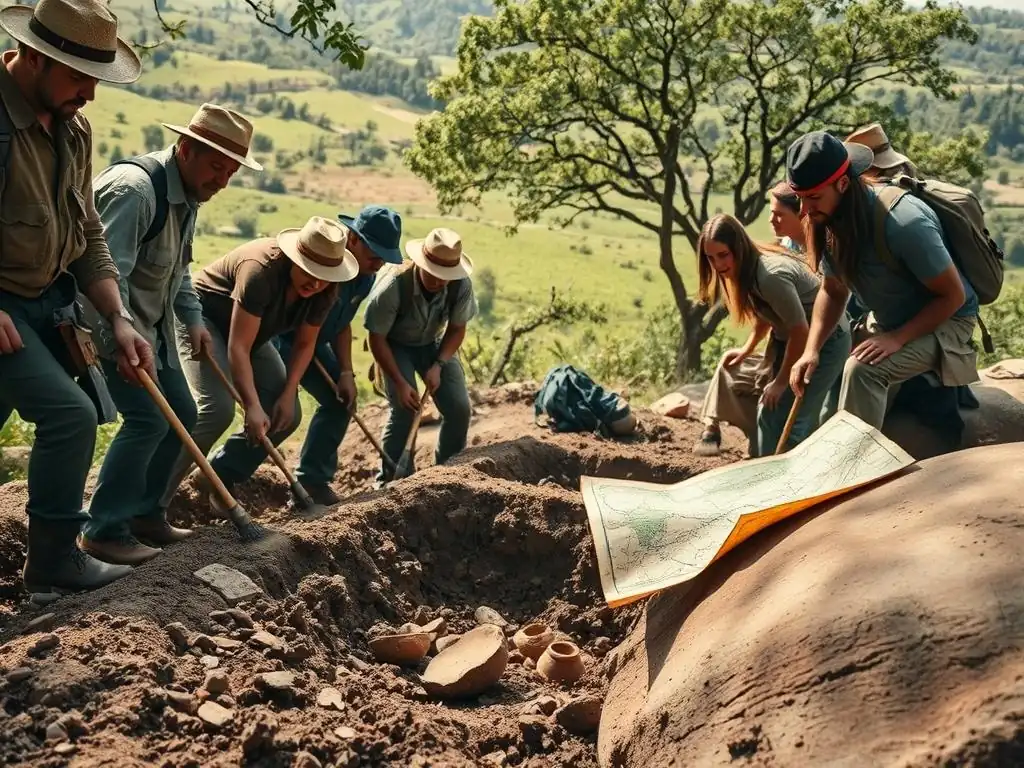
Geoarchaeology has significantly influenced the narrative of indigenous histories, reshaping how we perceive their cultures and achievements. By providing scientific methodologies to explore archaeological sites, geoarchaeology has revealed the sophistication of indigenous societies, often contradicting historical narratives that marginalized their contributions.
Reconstructing Past Environments and Societies
One of the primary impacts of geoarchaeology is its ability to reconstruct past environments and societies. Through sediment core analysis and landscape reconstruction, researchers can identify changes in climate, vegetation, and land use, offering insights into how indigenous cultures adapted to their surroundings. For example, studies conducted in the Amazon rainforest have shown how the indigenous populations practiced landscape management, including terra preta (dark earth) creation, which enhanced soil fertility and supported sustainable agriculture.
These environmental reconstructions also shed light on the migration patterns of indigenous groups. By understanding how climate changes influenced resource availability, archaeologists can trace the movements and interactions of different communities over time. This knowledge is crucial for recognizing the diverse pathways of cultural development among indigenous peoples.
Shifting Perspectives on Indigenous Achievements
Geoarchaeology encourages a reevaluation of indigenous achievements by highlighting their innovative practices and contributions to environmental management. Traditional narratives often portrayed indigenous cultures as primitive; however, geoarchaeological discoveries demonstrate their advanced agricultural systems, architectural ingenuity, and complex social structures.
For instance, the development of irrigation systems in the arid southwestern United States showcases the sophisticated engineering skills of indigenous peoples. The discovery of ancient canals and water management techniques illustrates how these cultures thrived in challenging environments, underscoring their adaptability and resilience.
This shift in perspective is vital for recognizing the rich legacies of indigenous cultures and understanding their enduring influence on contemporary ecological practices and land stewardship.
Contributions to Indigenous Sovereignty and Rights
The insights gained from geoarchaeology have implications for indigenous sovereignty and rights. As research uncovers the historical significance of indigenous lands, it supports contemporary claims for land rights and environmental stewardship. The evidence of long-standing relationships between indigenous peoples and their territories reinforces their connections to these lands, advocating for their recognition in legal and political contexts.
Moreover, geoarchaeological findings can empower indigenous communities by providing them with the tools to reclaim their histories and narratives. By collaborating with indigenous groups in research efforts, archaeologists can foster a more inclusive approach that honors traditional knowledge and cultural perspectives. This collaboration not only enhances the scientific understanding of indigenous histories but also promotes the acknowledgment of indigenous rights in the face of ongoing environmental challenges.
The intersection of geoarchaeology and indigenous studies reveals profound insights into the histories and achievements of indigenous cultures, fostering a deeper appreciation for their resilience and contributions to the Americas.
Challenges and Future Directions in Geoarchaeology
Geoarchaeology, while a powerful tool for uncovering the rich histories of indigenous cultures, faces several challenges that must be addressed to ensure its continued advancement. One significant challenge is the integration of geoarchaeological data with traditional archaeological methods. This multidisciplinary approach requires collaboration between geologists, archaeologists, and cultural historians, often necessitating a shared language and understanding of each discipline’s methodologies.
Another challenge is the accessibility of remote and often rugged locations where indigenous sites are located. The logistics of conducting fieldwork in these areas can be daunting, often requiring specialized equipment and expertise. Furthermore, environmental changes, such as climate change and urban development, pose risks to these archaeological sites, potentially erasing invaluable cultural footprints before they can be studied.
Looking to the future, geoarchaeology is poised to evolve with advancements in technology, such as ground-penetrating radar and drone imaging. These tools can enhance site mapping and analysis, providing more detailed insights into the spatial relationships of artifacts and features. There is also a growing recognition of the need for ethical considerations in research practices, particularly in relation to indigenous communities. Future directions will likely focus on fostering partnerships with these communities to ensure that their histories are accurately represented and respected.
Ethical Considerations in Indigenous Archaeological Practices
Ethical considerations in geoarchaeology are paramount, particularly when researching indigenous cultures. Historically, many archaeological practices have marginalized indigenous voices and perspectives, leading to misinterpretations and the appropriation of cultural heritage. It is essential for geoarchaeologists to engage with indigenous communities throughout the research process, from project conception to data interpretation.
One ethical imperative is obtaining informed consent from indigenous groups before excavating sites of cultural significance. This practice acknowledges their rights to their ancestral lands and cultural heritage. Furthermore, researchers should strive to ensure that the benefits of archaeological discoveries are shared with indigenous communities, fostering a sense of ownership and collaboration.
Another critical aspect involves the repatriation of artifacts and remains. As geoarchaeology uncovers new findings, it is crucial to address how these items are treated and whether they are returned to their rightful custodians. Establishing long-term relationships built on trust and transparency will help mitigate historical grievances and promote a more inclusive narrative of indigenous histories.
Advancements in Technology and Methodology
Advancements in technology have significantly transformed geoarchaeology, enhancing the ability to uncover and interpret the hidden histories of indigenous cultures. Techniques such as LiDAR (Light Detection and Ranging) have become invaluable, enabling researchers to create detailed topographical maps of archaeological sites that are otherwise obscured by vegetation. This technology has revealed previously unknown structures, such as urban centers and agricultural fields, which provide insights into the complexity of indigenous societies.
Additionally, geochemical analysis allows scientists to study soil samples and sediments, revealing information about ancient land use, resource management, and environmental changes that indigenous cultures adapted to over time. Techniques like X-ray fluorescence (XRF) can identify the elemental composition of artifacts, aiding in provenance studies that trace the origins of materials used by indigenous peoples.
The integration of machine learning and artificial intelligence in data analysis is another frontier for geoarchaeology, offering the potential to uncover patterns and relationships in vast datasets that would be impractical for human analysis alone. As these technologies continue to advance, they will undoubtedly enhance our understanding of the intricate histories of indigenous cultures across the Americas.
Future Research Opportunities in Indigenous Cultures and Geoarchaeology
The future of geoarchaeology presents numerous research opportunities that can deepen our understanding of indigenous cultures. One promising area is the study of paleoenvironmental reconstruction, which utilizes sediment analysis to reconstruct past climates and ecosystems. This research can shed light on how indigenous societies adapted to environmental changes, providing context for their agricultural practices and settlement patterns.
Another opportunity lies in interdisciplinary collaborations that combine archaeological findings with historical records and oral traditions from indigenous communities. By integrating these diverse sources of knowledge, researchers can develop a more holistic understanding of indigenous histories and cultural practices.
Exploring the impacts of colonization and globalization on indigenous cultures through geoarchaeological methods can also yield valuable insights. Analyzing changes in land use and resource exploitation before and after European contact will help illuminate the profound transformations that occurred within these societies.
Furthermore, geoarchaeology can contribute to contemporary discussions about sustainability and land stewardship, drawing lessons from indigenous practices that have successfully managed ecosystems for centuries. These research opportunities not only enhance academic understanding but also empower indigenous communities by validating their historical knowledge and contributions to environmental management.
Conclusion: The Lasting Legacy of Geoarchaeology in Understanding Indigenous Histories
The legacy of geoarchaeology in illuminating the histories of indigenous cultures is profound and ongoing. By employing innovative methodologies and technologies, researchers are uncovering the complex narratives that have often been overlooked or misrepresented. This approach not only enriches our academic understanding but also fosters a deeper appreciation for the resilience and adaptability of indigenous societies throughout history.
As geoarchaeology continues to evolve, its impact on the preservation of indigenous histories will be increasingly significant. By prioritizing ethical considerations and collaborative practices, researchers can ensure that indigenous voices are heard and respected in the narrative construction of their pasts. The ongoing discoveries made through geoarchaeological research serve as a testament to the vibrant cultures that flourished in the Americas long before European contact.
Reflecting on the Importance of Indigenous Cultural Preservation
The importance of preserving indigenous cultures cannot be overstated. As archaeological discoveries reveal the intricacies of these societies, it becomes crucial to protect their cultural heritage from further erosion. Indigenous communities play an essential role in this preservation, offering insights and connections to their histories that can guide responsible stewardship of their ancestral lands.
Promoting awareness and education around indigenous cultures is vital, as it fosters respect and understanding among broader audiences. Engaging young generations through educational programs can help ensure that the knowledge and traditions of indigenous peoples are passed down and celebrated.
Ultimately, preserving indigenous cultures enriches the collective human experience, allowing us to learn from diverse worldviews and approaches to life, sustainability, and community.
The Role of Geoarchaeology in Shaping Future Discoveries
Geoarchaeology stands at the forefront of shaping future discoveries related to indigenous cultures. Its ability to integrate geological and archaeological data provides a nuanced understanding of how indigenous peoples interacted with their environments. As researchers adopt more collaborative approaches with indigenous communities, the narratives that emerge will be more inclusive and representative of the complexities of their histories.
The continuous development of advanced technologies will further enhance the potential of geoarchaeology to uncover hidden stories. By employing these techniques, researchers can identify previously unrecognized cultural landscapes and artifacts that may challenge existing historical narratives.
As the field progresses, it is essential to remain committed to ethical practices and the empowerment of indigenous communities. By prioritizing their perspectives and knowledge, geoarchaeology can contribute to a richer, more accurate portrayal of indigenous histories, ensuring that these cultures are celebrated and remembered for generations to come.
- Introduction to Geoarchaeology and Indigenous Cultures
- The Role of Geoarchaeology in Uncovering Indigenous Histories
- Significant Geoarchaeological Discoveries Related to Indigenous Cultures
- The Impact of Geoarchaeology on Indigenous Histories
- Challenges and Future Directions in Geoarchaeology
- Conclusion: The Lasting Legacy of Geoarchaeology in Understanding Indigenous Histories
Frequently Asked Questions
What is geoarchaeology?
Geoarchaeology is an interdisciplinary field that combines geology and archaeology to study the physical context of archaeological sites. It helps uncover hidden histories of ancient civilizations by analyzing soil, sediment, and landscape changes.
How have geoarchaeology discoveries impacted our understanding of indigenous cultures?
Geoarchaeology discoveries have revealed complex societies and their environmental interactions, highlighting their achievements and adaptations. These findings challenge previous narratives about the scale and sophistication of indigenous cultures.
What types of indigenous cultures are explored in the article?
The article explores a variety of indigenous cultures across the Americas, focusing on their social structures, technological innovations, and the lasting impacts they have on contemporary societies.
Why is it important to study indigenous histories?
Studying indigenous histories is crucial for recognizing the rich diversity and contributions of these cultures. It also helps foster a deeper understanding of their heritage and the challenges they face today.
How can geoarchaeology contribute to modern environmental issues?
By understanding how indigenous cultures adapted to their environments, geoarchaeology can provide insights into sustainable practices that might be applicable today. This knowledge can inform current environmental conservation efforts.
Final Reflection: Unveiling the Past Through Geoarchaeology
The exploration of indigenous cultures through geoarchaeology is not just a scientific endeavor; it is a vital act of recognition and reclamation. As we uncover the layers of history hidden beneath our feet, we are reminded of the resilience and richness of indigenous cultures that have often been overlooked or erased. The discoveries made through geoarchaeology serve as a powerful testament to the deep connections these communities have with their land, illuminating narratives that deserve to be heard and celebrated.
Cultural landscapes are not merely backdrops; they are living histories that shape identities and inform our understanding of the world. The revelations brought forth by geoarchaeological studies are reshaping our collective consciousness, encouraging us to engage with the past in a more respectful and informed manner. As we reflect on these findings, we are reminded of the words of indigenous scholar Vine Deloria Jr.: We are not just a people of the past; we are a people of the future.
This sentiment underscores the importance of recognizing and honoring indigenous histories as we move forward, ensuring that these stories are woven into the fabric of our shared narrative.
As you consider the insights shared in this article, I invite you to take a moment to reflect on your own connection to the land and the histories it holds. How can you contribute to the recognition and preservation of indigenous cultures in your community? Whether through supporting local indigenous initiatives, advocating for inclusive historical narratives, or simply engaging in conversations about the significance of these discoveries, each action can help foster a deeper understanding and appreciation for the rich tapestry of human history. Together, let us honor the past while paving the way for a more inclusive future.
Thank you for diving into the fascinating world of geoarchaeology with us! By exploring how this discipline uncovers hidden Indigenous histories, you’ve gained valuable insights into the rich tapestry of our shared past. Now it's time to take action and deepen your connection to these incredible stories.
Here are a few ways you can get involved:
- Join a local archaeological group to participate in excavation projects and learn directly from experts about Indigenous histories.
- Share this article with your friends and family to spark conversations about the significance of preserving Indigenous cultures and histories.
- Explore virtual tours or attend workshops focused on geoarchaeological findings in your region to broaden your understanding and appreciation.
What aspect of Indigenous history or geoarchaeology are you most curious about, and how do you plan to explore it further?