
Revealing the Unseen: The Power of Ground Penetrating Radar in Indigenous Archaeology

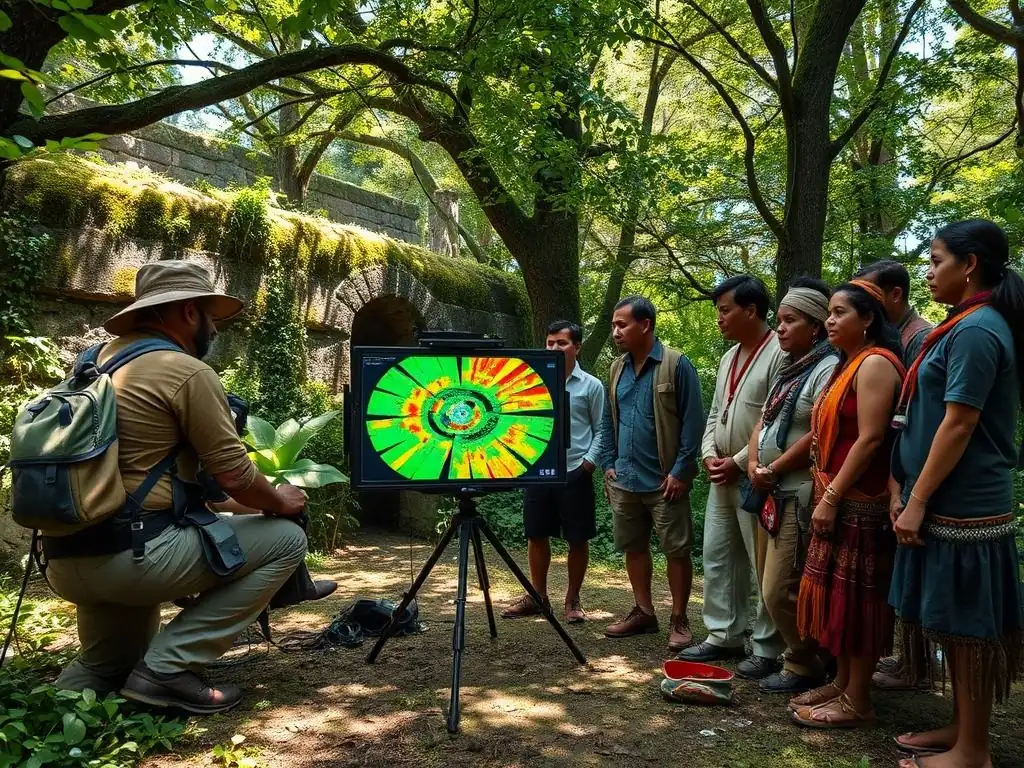
Welcome to Indigenous Civilizations of the Americas, where we invite you to embark on a captivating journey through the rich tapestry of indigenous cultures that flourished long before European contact. In our featured article, "Revealing the Unseen: The Power of Ground Penetrating Radar in Indigenous Archaeology," we delve into the cutting-edge techniques that are uncovering hidden histories and forgotten achievements of these vibrant societies.
Discover how ground penetrating radar is revolutionizing our understanding of the past, and prepare to be intrigued by the stories that lie beneath the surface. Join us as we explore the profound legacy of indigenous civilizations and their enduring impact on our world today!
Indigenous archaeology plays a crucial role in uncovering the rich tapestry of cultures that flourished across the Americas long before European contact. By utilizing advanced technologies such as Ground Penetrating Radar (GPR), archaeologists are able to delve deeper into the past, revealing hidden structures, artifacts, and landscapes that traditional excavation methods might overlook.
This article will explore the intersection of indigenous archaeology and ground penetrating radar, highlighting how this innovative technology enhances our understanding of ancient societies, their monumental achievements, and their enduring legacies. Moreover, we will delve into the historical context of GPR, tracing its development and early applications within the field of indigenous archaeology, as well as showcasing successful case studies that demonstrate its transformative potential.
Introduction to Indigenous Archaeology and Ground Penetrating Radar
Understanding Indigenous Archaeology
Indigenous archaeology is an interdisciplinary field that focuses on the study of the indigenous peoples of the Americas, their cultures, and their histories. This branch of archaeology not only seeks to uncover the material remains of past civilizations but also aims to incorporate indigenous perspectives and knowledge systems into the interpretation of archaeological findings. By centering indigenous voices, archaeologists can achieve a more nuanced understanding of the past, respecting the cultural significance of heritage sites and fostering collaborative relationships with indigenous communities.
What is Ground Penetrating Radar (GPR)?
Ground Penetrating Radar (GPR) is a non-invasive geophysical method that employs radar pulses to image the subsurface. It sends electromagnetic waves into the ground and records the reflected signals from various subsurface structures. This technology allows researchers to visualize and map the underground without disturbing the soil, making it an invaluable tool for archaeological investigations. GPR can detect a variety of materials, including soil layers, foundations, and even buried artifacts, providing researchers with critical insights into past human activities.
The Importance of GPR in Archaeological Research
The integration of GPR in archaeological research has revolutionized the way archaeologists approach site exploration and analysis. This technology offers several advantages:
- Non-invasive Exploration: GPR minimizes disturbance to archaeological sites, preserving their integrity.
- High-resolution Imaging: It provides detailed images of subsurface features, enabling accurate mapping and analysis.
- Efficiency: GPR can cover large areas quickly, allowing for more comprehensive surveys.
- Enhanced Collaboration: The non-destructive nature of GPR fosters positive relationships with indigenous communities, emphasizing respect for cultural heritage.
Historical Context of Ground Penetrating Radar in Archaeology
Development of Ground Penetrating Radar Technology
Ground Penetrating Radar was first developed in the 1920s but gained significant traction in the 1970s as technology advanced. Initially used in engineering and geology, its adaptability to archaeological contexts became apparent as researchers sought methods to explore ancient sites without invasive excavation. Over the decades, GPR has evolved, incorporating sophisticated data collection and analysis tools, making it an essential asset in modern archaeology.
Early Applications of GPR in Indigenous Archaeology
The application of GPR in indigenous archaeology began to take shape in the late 20th century, with researchers employing the technology to investigate various indigenous sites. Early projects focused on uncovering structures associated with indigenous settlements, burial sites, and ceremonial grounds. These initial applications demonstrated GPR's potential to reveal information that was previously unattainable through traditional excavation methods.
Case Studies: Successful Use of GPR in Indigenous Sites
Numerous case studies illustrate the successful use of GPR in indigenous archaeology, providing tangible evidence of its effectiveness:
- The Cahokia Mounds: GPR surveys at this UNESCO World Heritage site revealed complex social structures and alignments, enhancing our understanding of this advanced pre-Columbian civilization.
- Chaco Canyon: GPR was instrumental in mapping the intricate network of roads and structures, shedding light on the connection between various communities in the region.
- Mayan Sites in Central America: GPR has uncovered hidden pyramids and residential complexes, significantly altering our understanding of Mayan urban planning and societal organization.
Through these investigations, GPR continues to illuminate the rich histories of indigenous cultures, reaffirming their significance in the broader narrative of human civilization.
The Advantages of Using Ground Penetrating Radar in Indigenous Archaeology
Ground Penetrating Radar (GPR) has emerged as a transformative tool in the field of indigenous archaeology, offering a range of advantages that enhance our understanding of ancient cultures. This non-invasive technology allows archaeologists to explore subsurface features without disturbing the ground, making it particularly valuable for sites of significant cultural heritage. The use of GPR not only aids in uncovering archaeological remains but also contributes to the preservation of these invaluable resources.
Non-invasive Exploration Techniques
One of the most significant benefits of GPR is its non-invasive nature. Traditional excavation methods often disturb and can even damage archaeological sites, leading to the loss of information and context. GPR, on the other hand, allows researchers to gather data about subsurface features without physical intrusion. This is especially important in indigenous archaeology, where respect for ancestral lands and cultural heritage is paramount. By utilizing GPR, archaeologists can identify potential excavation sites and make informed decisions about where to dig, thereby minimizing the impact on the site itself.
Enhanced Mapping of Subsurface Features
GPR provides detailed images of subsurface structures, enabling archaeologists to create precise maps of archaeological features. This enhanced mapping capability is crucial for understanding the layout and organization of ancient communities. For instance, GPR can reveal the presence of buried structures like dwellings, pathways, and burial sites, which may remain hidden beneath layers of soil. With this information, researchers can develop a more comprehensive picture of how indigenous peoples interacted with their environment, including settlement patterns and resource management strategies.
Preservation of Cultural Heritage
The preservation of cultural heritage is a central concern in indigenous archaeology, and GPR plays a vital role in this aspect. By allowing for the investigation of sites without excavation, GPR helps protect fragile archaeological remains from degradation. This is particularly important for sites that hold sacred significance to indigenous communities. Utilizing GPR enables archaeologists to document and analyze these sites comprehensively, ensuring that they can be preserved for future generations. Furthermore, the data collected can enhance the educational value of these sites, promoting awareness and appreciation of indigenous cultures.
Challenges and Limitations of Ground Penetrating Radar
While GPR offers numerous advantages, it is not without its challenges and limitations. Understanding these obstacles is critical for researchers aiming to utilize this technology effectively in indigenous archaeology.
Technical Limitations of GPR
Despite its benefits, GPR has inherent technical limitations that can affect data quality and interpretation. The effectiveness of GPR is influenced by soil composition, moisture content, and the presence of large rocks or other obstructions. For example, highly conductive soils, such as those found in wet environments, can diminish the radar signal, making it difficult to obtain clear images of subsurface features. Additionally, GPR has limited penetration depth; while it can reveal features at shallow depths, deeper structures may remain undetected, posing challenges for comprehensive site analysis.
Interpretation of GPR Data in Indigenous Contexts
Interpreting GPR data in indigenous contexts requires specialized knowledge and sensitivity to cultural nuances. GPR produces complex data that can be challenging to analyze without a thorough understanding of the archaeological context. Moreover, the significance of certain features may vary across different indigenous cultures, necessitating a collaborative approach that includes input from community members and indigenous scholars. This collaboration ensures that interpretations respect and reflect the cultural significance of the findings, rather than imposing external perspectives.
Overcoming Obstacles in Field Applications
Implementing GPR in field applications presents logistical and practical challenges. Accessing remote or protected sites can be difficult, and GPR equipment requires proper handling and calibration to yield reliable results. Furthermore, there may be resistance from some indigenous communities regarding the use of technology in sacred spaces. Building trust and fostering open communication between archaeologists and indigenous peoples is essential in overcoming these obstacles. Engaging communities in the research process not only enhances the quality of the data collected but also reinforces the ethical responsibility of archaeologists to honor and respect indigenous heritage.
Case Studies Highlighting the Use of GPR in Indigenous Archaeology
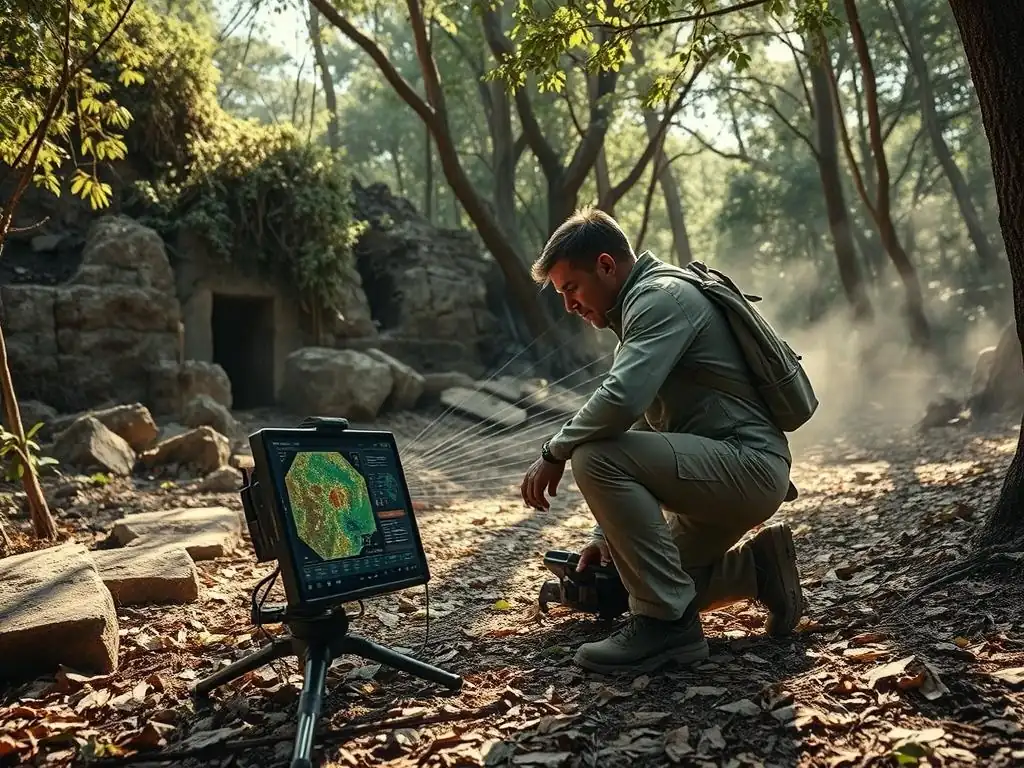
Ground Penetrating Radar (GPR) has become an invaluable tool for archaeologists studying indigenous cultures across the Americas. By allowing researchers to visualize subsurface features without excavation, GPR has provided significant insights into ancient societies. Below are notable case studies that highlight the impact of GPR technology in the realm of indigenous archaeology.
Cahokia Mounds: Discoveries and Insights
Cahokia, located near modern-day St. Louis, Missouri, was once the largest pre-Columbian settlement north of Mexico. The GPR investigations conducted in the Cahokia Mounds site have revealed complex mound structures and residential areas that were previously undetected.
Notably, GPR surveys have identified buried structures and additional mounds that suggest a more extensive urban landscape than previously believed. This has led to a reevaluation of the societal organization within Cahokia, indicating a highly sophisticated culture with intricate social hierarchies and economic systems. The findings also highlight the potential for GPR to uncover more about ceremonial practices and resource management in this thriving indigenous metropolis.
The Tsimshian Village of Kitselas: GPR's Impact on Research
The Tsimshian village of Kitselas, located in British Columbia, Canada, has benefited significantly from the application of GPR in archaeological investigations. GPR surveys here have exposed the footprints of ancient longhouses and other significant cultural features buried beneath layers of sediment.
These findings have provided valuable insights into the architectural styles and community layouts of the Tsimshian people. Moreover, GPR has facilitated a deeper understanding of the socio-political organization of the village, as it has allowed researchers to map out the spatial relationships between various structures. The successful application of GPR at Kitselas has illustrated the technology's potential in revealing the complexity of indigenous societies and their environmental interactions.
Lessons Learned from GPR Applications in Indigenous Sites
The implementation of GPR in indigenous archaeology has yielded several important lessons. Firstly, the precision and non-invasive nature of GPR allow for the preservation of archaeological contexts and the minimization of site disturbance. This is particularly crucial for indigenous sites, where cultural sensitivity is paramount.
Secondly, collaboration with indigenous communities is essential. Engaging local knowledge holders not only enriches the research process but also ensures that the findings align with the cultural significance of the sites. Lastly, ongoing training and education in GPR technology for both archaeologists and indigenous community members can foster sustainable practices and empower local stewardship over cultural heritage.
Future Directions for Ground Penetrating Radar in Indigenous Archaeology
As GPR technology continues to evolve, its future applications in indigenous archaeology appear promising. Here are several key directions in which this powerful tool might develop.
Innovations in GPR Technology
Recent advancements in GPR technology, such as higher-resolution imaging and enhanced data processing capabilities, are paving the way for more detailed analyses of archaeological sites. Innovations like 3D GPR imaging and real-time data interpretation are allowing archaeologists to create more accurate models of subsurface features, which can lead to more informed decisions in site management and excavation strategies.
Additionally, the integration of GPR with other remote sensing technologies, such as aerial drones and LiDAR, offers a multifaceted approach to archaeological research, enabling a more comprehensive understanding of complex indigenous landscapes.
Potential Collaborations with Indigenous Communities
The future of GPR in indigenous archaeology hinges significantly on collaborative efforts with indigenous communities. By fostering partnerships, archaeologists can ensure that research methodologies align with the cultural values and priorities of the communities involved. This collaborative spirit not only enhances the quality and relevance of the research but also promotes the preservation of indigenous heritage.
Through workshops and training programs, indigenous community members can gain hands-on experience with GPR technology, empowering them to participate actively in archaeological research and heritage management.
Expanding the Scope of Archaeological Discoveries
The application of GPR in indigenous archaeology is poised to expand the scope of archaeological discoveries. By focusing on lesser-known sites and landscapes, researchers can uncover hidden histories and broaden the narrative of indigenous civilizations.
Moreover, as GPR technology becomes more accessible, archaeologists can undertake initiatives in remote or under-studied areas, thus contributing to a more inclusive understanding of indigenous cultures across the Americas. This expansion can lead to significant advancements in the documentation and preservation of indigenous heritage, ultimately enriching our collective knowledge of past societies.
Conclusion
Ground Penetrating Radar (GPR) has emerged as a transformative tool in the field of indigenous archaeology, reshaping how researchers uncover and interpret the hidden remnants of ancient civilizations across the Americas. By employing radar pulses to create detailed images of subsurface features, GPR allows archaeologists to identify and map archaeological sites without invasive excavation, preserving the integrity of these culturally significant locations.
Summary of GPR's Role in Indigenous Archaeology
The application of GPR in indigenous archaeology offers several key benefits:
- Non-invasive exploration: GPR provides a means to investigate archaeological sites without disturbing the soil, which is crucial for preserving delicate artifacts and structures.
- High-resolution data: The technology generates detailed images that reveal subsurface features like burial sites, structures, and ceremonial pathways, contributing to a more nuanced understanding of indigenous cultures and their spatial organization.
- Inclusive research: GPR facilitates collaboration between archaeologists and indigenous communities, ensuring that local knowledge and cultural significance are integrated into archaeological studies.
Overall, GPR serves as a powerful ally in the quest to reveal the unseen aspects of indigenous histories, enabling a deeper appreciation of their complexities and achievements.
The Future of Indigenous Archaeology and GPR Technology
As GPR technology continues to advance, its potential for enhancing indigenous archaeology is promising. Future developments may include:
- Increased accessibility: Advances in GPR technology are making equipment more affordable and user-friendly, allowing more indigenous communities to engage in archaeological research and stewardship of their heritage.
- Integration with other technologies: The fusion of GPR with Geographic Information Systems (GIS) and machine learning algorithms could yield even more precise analyses of archaeological sites, leading to richer interpretations of the data.
- Training and capacity building: Emphasizing training for indigenous archaeologists in GPR techniques can empower communities to lead their own archaeological investigations, fostering a sense of ownership and pride in their cultural heritage.
The ongoing evolution of GPR technology holds the potential to uncover more about the rich tapestry of indigenous histories, bridging past and present in meaningful ways.
Call to Action: Supporting Indigenous Archaeological Research
To further the impact of GPR in indigenous archaeology, it is essential to support research initiatives that prioritize indigenous voices and perspectives. Here are actionable steps to consider:
- Funding and grants: Advocate for increased funding for projects that utilize GPR technology in collaboration with indigenous communities, ensuring that their insights shape the research.
- Community engagement: Encourage partnerships between academic institutions and indigenous groups to promote knowledge sharing and mutual respect in archaeological practices.
- Public awareness: Raise awareness of the importance of indigenous archaeology and the role of GPR in revealing hidden histories, fostering public interest and support for related initiatives.
By taking these steps, we can contribute to a more comprehensive understanding of indigenous cultures and their enduring legacies, ensuring that their stories are told with respect and authenticity.
- Introduction to Indigenous Archaeology and Ground Penetrating Radar
- Historical Context of Ground Penetrating Radar in Archaeology
- The Advantages of Using Ground Penetrating Radar in Indigenous Archaeology
- Challenges and Limitations of Ground Penetrating Radar
- Case Studies Highlighting the Use of GPR in Indigenous Archaeology
- Future Directions for Ground Penetrating Radar in Indigenous Archaeology
- Conclusion
Frequently Asked Questions
What is Ground Penetrating Radar (GPR) and its role in archaeology?
Ground Penetrating Radar (GPR) is a non-invasive geophysical method that uses radar pulses to image the subsurface. In indigenous archaeology, it helps uncover hidden sites and artifacts without disturbing the ground.
How does GPR assist in revealing indigenous cultures?
GPR helps archaeologists locate buried structures, features, and artifacts related to indigenous cultures, providing insights into their lifestyle, settlement patterns, and social organization.
Why is GPR important for studying indigenous civilizations?
Using GPR allows for a deeper understanding of indigenous civilizations by revealing subsurface features that traditional excavation might miss, thus preserving their cultural heritage.
Are there limitations to using GPR in indigenous archaeology?
While GPR is a powerful tool, it has limitations such as depth penetration and difficulty interpreting results in complex soil conditions. Understanding these factors is crucial for effective application.
How has GPR impacted recent archaeological discoveries?
Recent applications of GPR have led to the discovery of previously unknown sites, enhancing our understanding of indigenous cultures in the Americas and informing ongoing discussions about their historical significance.
The exploration of indigenous archaeology ground penetrating radar reveals a profound intersection of technology and cultural heritage that resonates powerfully in today's world. As we strive to understand and honor the histories of Indigenous peoples, the application of ground penetrating radar (GPR) serves as a vital tool in uncovering the unseen narratives that lie beneath our feet. This technology not only enhances archaeological research but also fosters a deeper respect for the land and its original stewards, reminding us that history is not merely a collection of artifacts but a living tapestry woven through generations.
The impact of GPR on the cultural and social landscape is significant, as it empowers Indigenous communities to reclaim their narratives and engage with their ancestral lands in meaningful ways. This connection to heritage is crucial in a world where many Indigenous stories have been marginalized or forgotten.
As we witness the resurgence of Indigenous voices in archaeology, we are reminded of the words of Vine Deloria Jr.: > “The great challenge for the Indian people is to find a way to be both Indian and modern.” This statement encapsulates the ongoing journey of Indigenous peoples as they navigate the complexities of modernity while honoring their rich histories.
As we reflect on the lessons learned from the application of ground penetrating radar in indigenous archaeology, let us consider how we can apply this understanding in our own lives. Take a moment to think about the stories that lie beneath the surface of your own community. How can you contribute to revealing these hidden histories?
Whether through advocacy, education, or simply fostering a greater awareness of Indigenous cultures, each of us has a role to play in ensuring that these narratives are not only preserved but celebrated. Embrace the call to action, and let us work together to honor the past while building a more inclusive future.
Unveil New Discoveries Together!
Thank you for taking the time to explore the fascinating world of Ground Penetrating Radar (GPR) in Indigenous archaeology. Your curiosity not only enriches your understanding but also honors the profound history and heritage of Indigenous civilizations. Now, it’s time to put that knowledge into action!
Here are some ways you can contribute and learn more about this vital intersection of technology and culture:
- Join a Local Archaeological Project: Get involved in a nearby archaeological dig or community project that utilizes GPR. Your participation can help uncover histories waiting to be told!
- Share What You’ve Learned: Talk to friends and family about the role of GPR in archaeology. Share this article on social media to spread the word about the importance of technology in preserving Indigenous heritage.
- Engage with Indigenous Scholars: Attend a seminar or webinar featuring Indigenous scholars who are using innovative technologies in their work. This connection can deepen your understanding and support their vital efforts.
What hidden stories about Indigenous civilizations are you most excited to discover using modern technology like GPR? **Let’s keep the conversation going! **